
You put your cat's dinner down, and instead of eating, your cat sniffs the bowl and walks away. It is tempting to reach for something extra, especially if your cat has always been fussy about food. A little homemade topping can help some cats take more interest in a familiar meal. The trick is choosing something safe that adds appeal without upsetting the nutritional balance of the food they already eat. The best cat food toppers are usually simple ingredients, such as plain cooked chicken, a little warm water, or a small amount of a suitable plain vegetable. What works depends on your cat's usual diet, preferences, age, and health. Below, you will find practical homemade cat food toppers, ingredients to avoid, and ways to introduce them without turning every meal into a new recipe. First, though, pay attention to a change in appetite: a cat that suddenly refuses food may need veterinary care rather than a more tempting dinner.
Start with plain cooked chicken or turkey
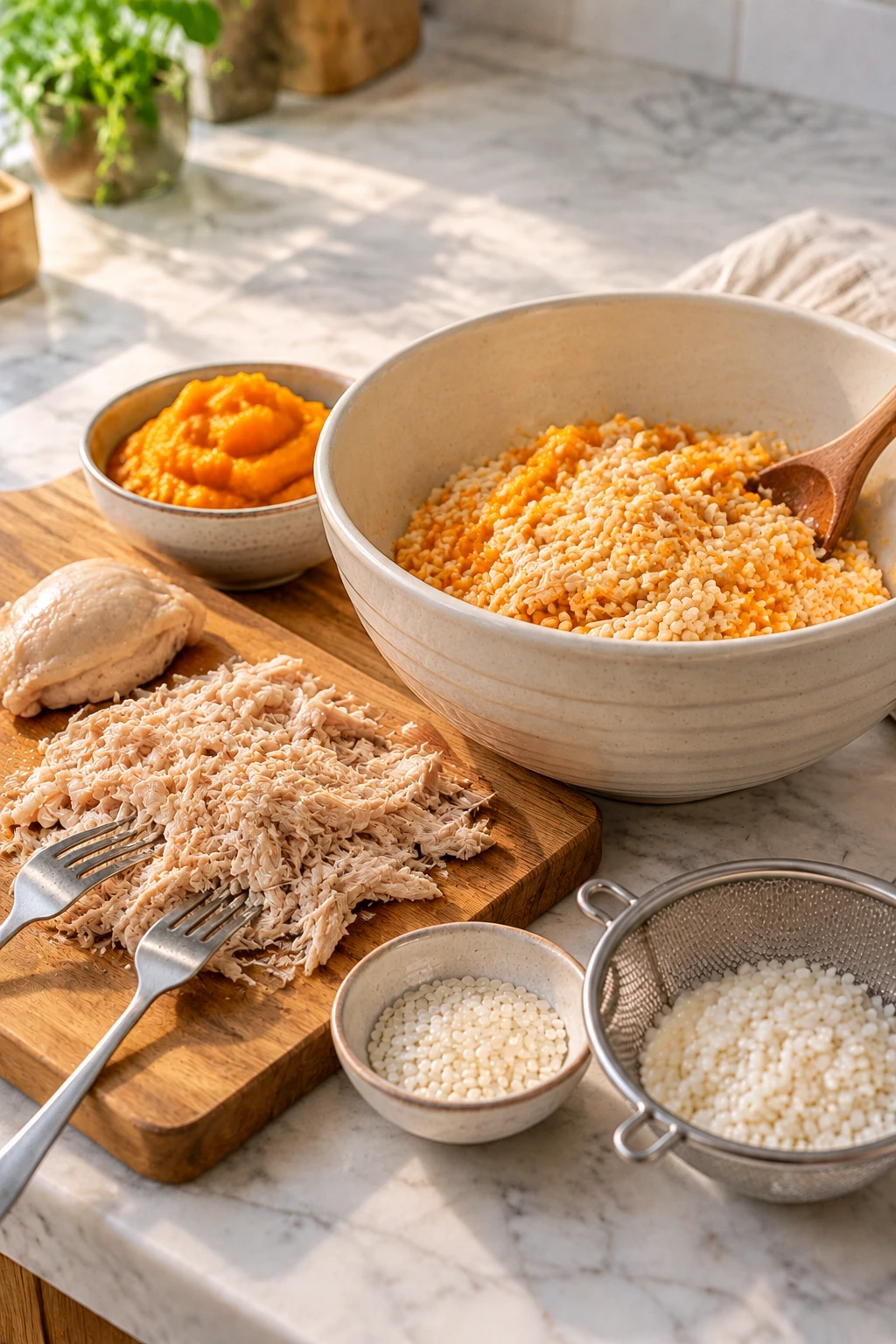
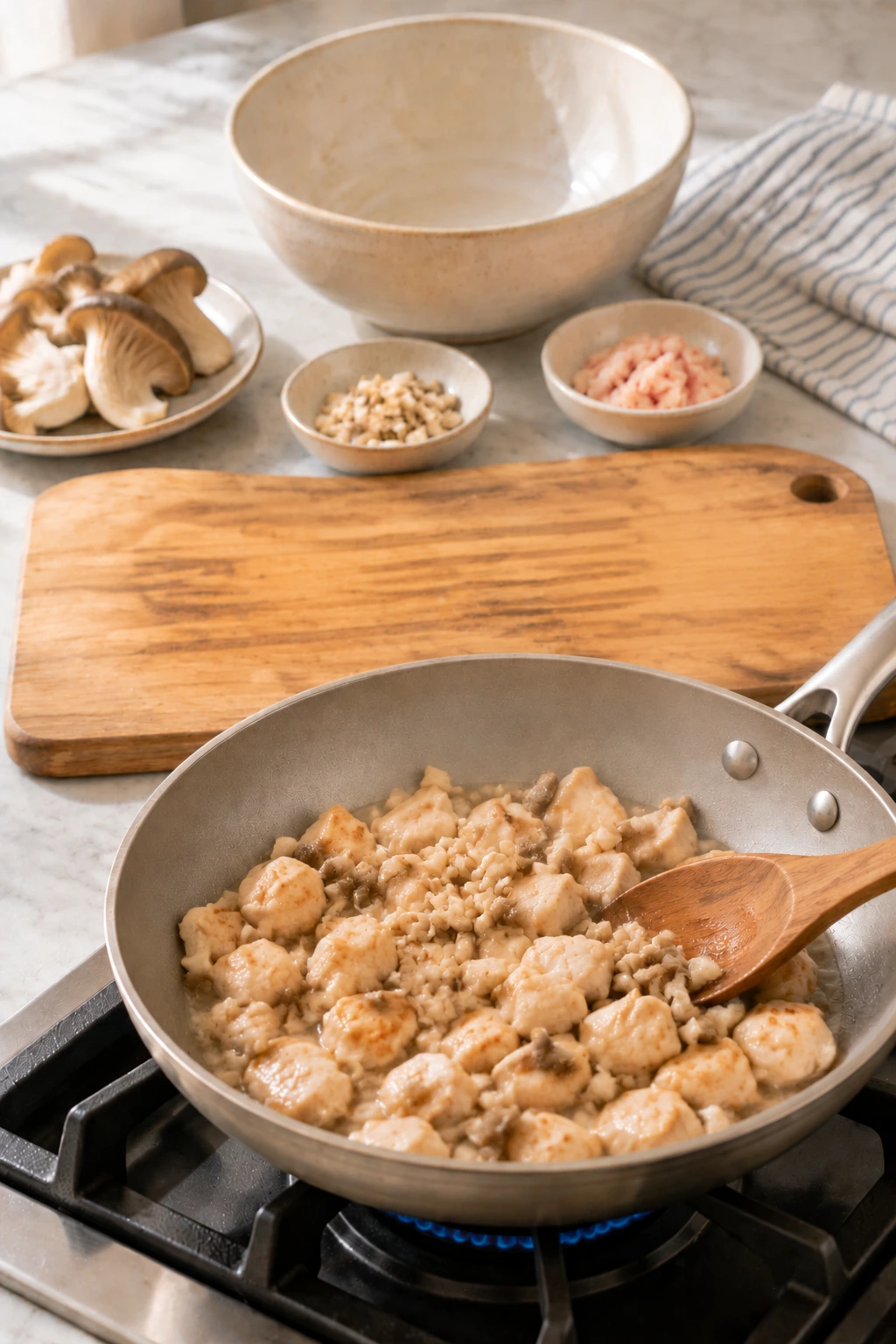
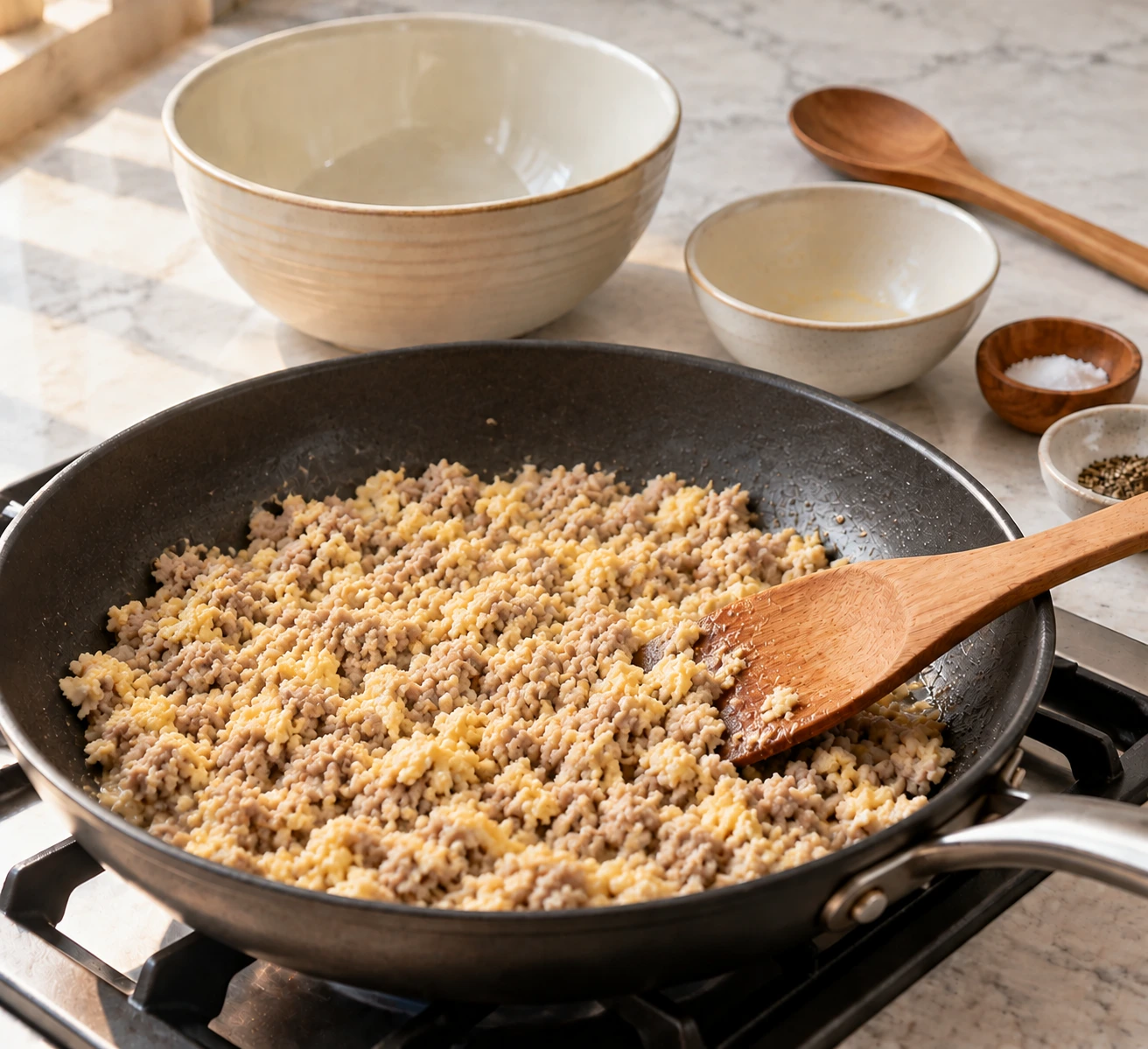
Plain cooked chicken is one of the first things I would try for a healthy cat that enjoys meaty smells and textures. Cats are obligate carnivores, and the familiar smell of cooked meat can make an ordinary meal more interesting. Cook chicken or turkey thoroughly, remove every bone, and take off the skin if it is fatty. Shred the meat into small, soft pieces, then let it cool before adding a little to your cat's usual food. Keep the preparation plain. Salt, gravy, butter, onion, garlic, and seasoning blends have no place in a cat's homemade topper.
Why keep it small? A topper is there to encourage interest, not to replace a complete and balanced cat food. Meat alone does not provide every vitamin, mineral, and other nutrient your cat needs in the right proportions. Too much chicken can also leave your cat filling up on an incomplete food instead of eating the main meal. Start with a small sprinkle and see how your cat responds. If your cat has a prescribed diet, food allergies, or a medical condition, ask your veterinarian before adding meat, even when it is plain.

Use warm water to bring out the food's smell
Sometimes the easiest answer is already in your kitchen. A little warm water stirred into wet food can soften its texture and release more of its aroma. Cats rely heavily on smell when deciding whether food interests them, so a meal that smells stronger may get a better response. This can be particularly helpful if your cat prefers softer food or tends to leave food that has been sitting out and lost its fresh smell. Use comfortably warm water, never hot water, and stir it through the food before serving.
Dry food can also be moistened with warm water if your cat likes a softer texture. Prepare only what your cat is likely to eat promptly, because adding water changes how the food should be handled. Do not leave moistened kibble sitting out for hours, especially in a warm room. If your cat turns away from food it normally enjoys, warming it slightly may be worth trying, but do not keep experimenting if the refusal continues. A sudden change in appetite can be an early sign that something is wrong, even when your cat still seems fairly cheerful.

Try a small amount of plain pumpkin or another suitable vegetable
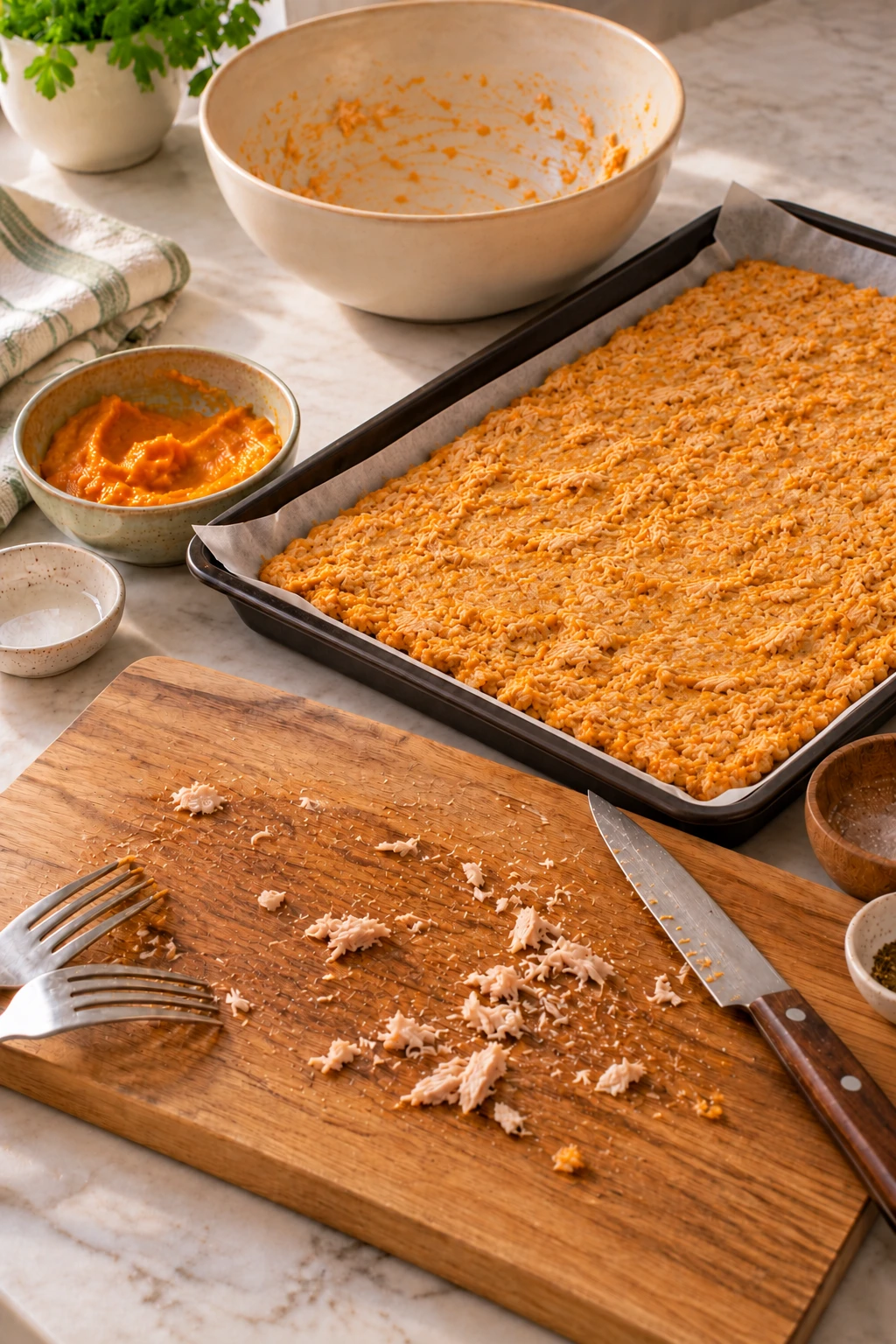
Some cats are interested in a little plain pumpkin mixed into their food, particularly if they enjoy a softer texture. Choose cooked pumpkin with no added ingredients, or plain canned pumpkin that contains pumpkin alone. Do not use pumpkin pie filling, which can contain sugar, spices, and other ingredients that cats do not need. Pumpkin is not a necessary part of a cat's diet, and many cats will have no interest in it at all. If your cat sniffs it and walks away, there is no reason to insist.
Other plain vegetables, such as well-cooked green beans, can be offered in tiny pieces if your cat is curious about them. They should be soft enough to chew comfortably, without oil, salt, sauces, or seasoning. Vegetables are optional extras, not substitutes for the animal-based nutrition in complete cat food. They also should not become the main ingredient in a homemade meal. If you are considering a vegetable topper because your cat has ongoing digestive trouble or another health concern, speak with your veterinarian first rather than trying to manage the problem through food additions.

Choose cat-safe toppers with a strong smell
If your cat ignores a plain meat topping, a more aromatic food may be more appealing. A small amount of plain cooked fish, with all bones removed, can work for some cats. You can also try a little water from tuna packed in water, provided it contains no added salt or seasonings. Read the label rather than assuming every tin is suitable. Tuna packed in brine, oil, sauces, or flavored liquid is a poor choice for this purpose. Fish is best treated as an occasional extra, not the foundation of your cat's diet.
Commercial cat food toppers and treats are another option, especially products made specifically for cats. Look for a simple ingredient list and follow the product's feeding directions. Some products are complementary foods rather than complete meals, so check which category yours belongs to. Human foods can be harder to assess because sauces, marinades, and seasoning often contain ingredients that are unsuitable for cats. Avoid onion and garlic in every form, including powders. If you are uncertain about an ingredient, leave it out until you have checked with your veterinarian.
Make homemade cat food toppers without upsetting the diet
A good homemade topper should be easy to prepare, easy to identify, and easy to stop using if your cat does not tolerate it. You might shred plain cooked chicken, mash a little plain pumpkin, or stir warm water into the usual food. Prepare each ingredient separately so you know exactly what your cat has eaten. Avoid stock cubes, soup broth, deli meat, seasoned leftovers, milk, and creamy sauces. Many of these contain excess salt, fat, or ingredients that are unsuitable for cats. Cow's milk can also cause digestive upset in cats that do not digest lactose well.
Keep extras modest. Veterinary nutrition guidance commonly recommends that treats and other unbalanced extras account for no more than about 10 percent of a cat's daily calories, with the rest coming from complete and balanced food. That is an upper limit, not a target, and some cats need stricter limits. A topper should not quietly become half the meal because your cat has learned to wait for the best bits. Offer the familiar food with a little addition mixed in, and avoid changing several ingredients at once. If your cat eats a prescription diet or needs controlled nutrition, get veterinary approval before adding homemade toppings.
Help a picky eater accept a new topping
Cats can be cautious about changes in smell, temperature, and texture. If your cat has eaten the same food for months, a bowl covered in unfamiliar ingredients may be enough to put them off. Start with the food your cat already knows and add only a tiny amount of one new ingredient. Some cats prefer the topper mixed through the meal, while others will only investigate it when it sits beside the familiar food. Try one presentation at a time rather than changing the recipe, bowl, and feeding location all together.
Keep meals calm and serve fresh food in a clean bowl. Wash away dried food residue, since old smells can linger even when a bowl looks clean. Remove uneaten wet food according to the package directions and general food safety guidance, rather than leaving it out all day. Most importantly, do not let the search for the perfect topper delay care. If your cat is eating much less than usual, refusing food, losing weight, drooling, seeming uncomfortable while chewing, or acting unwell, contact your veterinarian promptly. Cats can become seriously unwell when they go without adequate food, and a new topping will not address the reason for a persistent appetite change.
Know which foods should never go into the bowl
A food that is harmless for people can be unsafe for cats, especially when it contains hidden ingredients. Never add onion or garlic, including powders in seasoning mixes, sauces, or prepared broth. Avoid chocolate, alcohol, caffeine, grapes and raisins, and products containing the sweetener xylitol. Cooked bones can splinter, while raw meat, raw eggs, and unpasteurized products can carry harmful germs. Rich, greasy leftovers may also upset your cat's stomach. Salt-heavy foods, spicy sauces, and heavily seasoned scraps are unnecessary risks when a plain ingredient will do.
Be cautious with foods described as natural, homemade, or human-grade. Those labels do not automatically make an ingredient safe for cats or suitable as a regular part of their diet. If your cat eats something potentially toxic, contact a veterinarian or an animal poison service immediately and tell them what was eaten and approximately when. Do not try to make your cat vomit unless a veterinary professional specifically directs you to do so. If you want to use an ingredient that is unfamiliar to you, check its safety before serving it, not after your cat has finished the bowl.
What Can You Add to Cat Food to Make It More Appealing? FAQ
What is the best thing to add to cat food for picky eaters?
A little warm water or a small amount of plain cooked chicken is a sensible first try for many healthy cats. Introduce one addition at a time and keep the regular complete food as the main meal. If your cat has suddenly become picky, consult your veterinarian.
Can I put chicken broth on my cat's food?
Only use broth if you have checked every ingredient and confirmed it contains no onion, garlic, excessive salt, or other unsuitable additions. Plain warm water is often the simpler option. Ask your veterinarian before using broth regularly, particularly if your cat has a medical condition.
Can cats eat pumpkin as a food topper?
Many cats can have a small amount of plain cooked pumpkin or canned pumpkin made from pumpkin alone. Avoid pie filling and seasoned preparations. Pumpkin is optional and should not replace balanced cat food. Ask your veterinarian before using it to address an ongoing digestive concern.
How much of a cat food topper should I use?
Use only a small amount, enough to add interest without replacing much of the regular meal. Treats and unbalanced extras are generally limited to about 10 percent of daily calories, but some cats need less. Your veterinarian can advise on an appropriate limit for your cat.
Can I add tuna water to my cat's food?
A small amount of water from tuna packed in water may appeal to some cats if it contains no added salt or seasoning. Avoid brine, oil, and flavored products. Tuna should remain an occasional extra rather than a regular replacement for complete cat food.
What if my cat refuses food even after I add a topper?
Do not keep trying new ingredients while waiting for the appetite to return. Contact your veterinarian promptly if your cat refuses food, particularly if the change is sudden or accompanied by other signs of illness. Cats can develop serious problems when they do not eat enough.