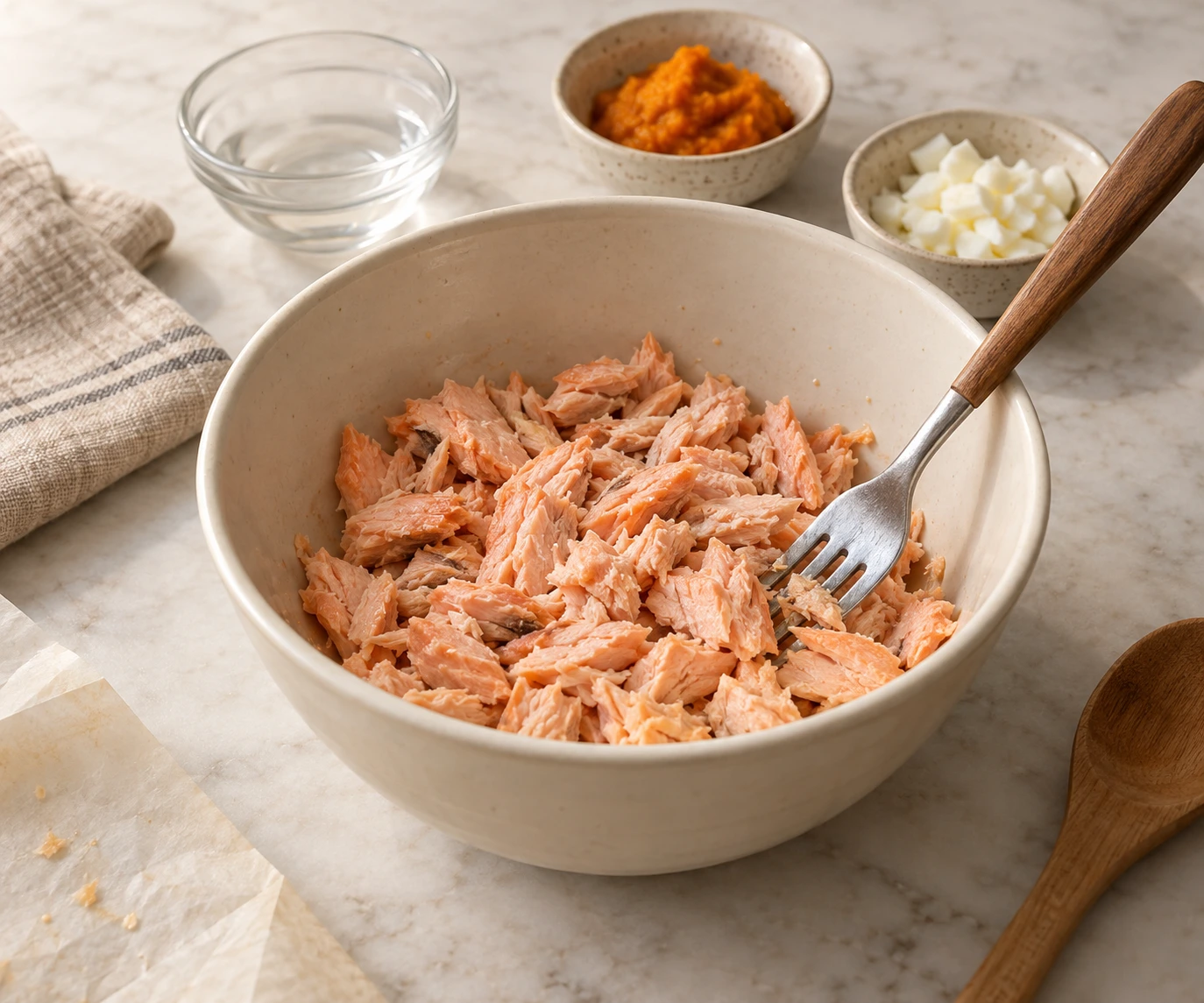


It is easy to understand why tuna feels like an obvious treat for a cat. The smell gets many cats interested immediately, and tuna is familiar enough that owners may wonder whether sharing a little from their own meal is harmless. In most cases, a small amount of plain tuna can be offered occasionally to a healthy cat, but there is an important difference between a taste of tuna and using tuna as a regular part of the diet. This article explains can cats eat tuna safely, including the difference between occasional tuna and nutritionally complete cat food, what to check before offering canned tuna, why frequent feeding can create problems, and when individual health needs make veterinary guidance especially important. The goal is not to make tuna sound dangerous. It is to put it in the right place in a cat's diet so that an appealing treat does not gradually crowd out the food your cat actually depends on.
Is tuna safe for cats as an occasional food?
For many healthy adult cats, a little plain tuna offered occasionally can be an acceptable extra. Tuna provides animal protein and has a strong aroma that cats often find appealing. The important word is occasionally. A spoonful shared now and then is very different from filling a bowl with tuna every day or using it whenever a cat refuses normal food. Treat foods should stay secondary to a complete and balanced diet formulated for cats because that regular food is designed to provide the full range of nutrients a cat needs.
The individual cat matters too. Age, body condition, existing medical concerns, allergies, digestive sensitivity, and the rest of the diet can all affect whether tuna is a sensible choice. A food that is tolerated by one cat may not suit another. If your cat has an ongoing health condition, follows a veterinary diet, has recently developed appetite changes, or reacts poorly after eating tuna, ask your veterinarian what is appropriate rather than assuming that general feeding advice applies.
Why tuna should not replace complete cat food
Plain tuna on its own is not formulated to be a complete everyday diet for cats. Cats need a carefully balanced combination of protein, fats, vitamins, minerals, amino acids, and other nutrients. Commercial foods labeled as complete and balanced are made with those overall requirements in mind. A can of tuna intended for people is simply a food ingredient. Even though it contains useful nutrients, it does not provide the entire nutritional profile a cat needs when eaten as the main food over time.
This distinction is especially important because some cats become very enthusiastic about tuna. If frequent tuna makes a cat less interested in regular food, the problem is not just that the cat has developed a preference. The tuna may begin displacing nutritionally balanced meals. That can make the overall diet less appropriate even if each serving seems small in isolation. If your cat suddenly refuses its usual food and will only eat highly tempting foods such as tuna, discuss the appetite change with a veterinarian rather than relying on tuna to keep meals going indefinitely.

Can cats eat canned tuna made for people?
Cats can sometimes eat canned tuna made for people, but the label and packing liquid matter. The simplest choice is plain tuna without sauces, seasoning, flavoring, or other added ingredients. Tuna packed in water is generally easier to fit into an occasional treat than products packed in rich oils or strongly seasoned liquids. Brined products can also contain more salt than you would want to introduce casually into a cat's diet. Draining the tuna does not necessarily remove everything that was added during processing.
Check the ingredient list instead of assuming every can contains only fish. Flavored tuna products may contain seasonings or ingredients that are unsuitable for cats, including onion or garlic ingredients. Products mixed with mayonnaise, spicy sauces, dressings, or prepared sandwich fillings are also poor choices because the tuna is no longer the only ingredient you are feeding. When owners ask can cats eat canned tuna, the practical answer is that plain and simple matters. For a cat with medical or dietary restrictions, ask the veterinarian whether even plain canned tuna belongs in that individual cat's diet.

Why feeding tuna too often can be a problem
Frequency matters because tuna is better viewed as a treat than a staple. One concern is nutritional imbalance when tuna repeatedly takes the place of complete cat food. Another is that larger predatory fish can contain mercury accumulated from the marine food chain. That does not mean a healthy cat is in immediate danger after tasting tuna. It does mean there is little reason to make human-grade tuna a frequent or major part of the diet when nutritionally complete cat foods are available for everyday feeding.
Regular tuna can also complicate feeding habits. Its strong smell and flavor may make ordinary food seem less exciting to some cats, particularly when owners begin adding tuna whenever the cat hesitates at a meal. This can create a pattern in which increasingly tempting extras are needed to encourage eating. More importantly, a new or persistent change in appetite deserves attention because appetite changes can have many causes. If your cat is eating less than normal, losing interest in familiar meals, or showing other concerning changes, contact your veterinarian instead of simply increasing tuna.
What about fresh, cooked, or raw tuna?
Fresh tuna can also be offered only as an occasional extra when it is thoroughly cooked and kept completely plain. Avoid salt, butter, oil-heavy preparations, marinades, sauces, garlic, onion, and spice blends. The same principle applies as with canned tuna: the more the fish is prepared like human food, the harder it becomes to know whether every added ingredient is appropriate for a cat. Remove bones carefully if there is any possibility they are present, and serve the fish only after it has cooled.
Raw tuna is not a better everyday option simply because it is unprocessed. Raw animal foods introduce food safety concerns for both pets and the people handling their dishes and preparation surfaces. They also do not solve the nutritional issue of feeding tuna as a major part of the diet. If you are interested in feeding raw or home-prepared meals regularly, that is a broader nutrition decision that should be planned with a veterinarian or a qualified veterinary nutrition professional so the entire diet, rather than one appealing ingredient, is considered.

When tuna needs extra caution
General advice about tuna cannot account for every cat. Cats with kidney, urinary, digestive, weight, allergy, or other medical concerns may have dietary requirements that make certain treats inappropriate. Cats eating a prescription or veterinary diet may also need tighter control over extras because seemingly minor additions can alter the intended nutritional plan. The safest approach is not to guess based on whether tuna seems wholesome. Ask the veterinarian managing your cat's care whether tuna fits the individual feeding plan.
Pay attention to how your cat responds whenever you introduce a food that is not part of the normal diet. If eating tuna is followed by vomiting, diarrhea, unusual itching, marked lethargy, or another concerning change, stop offering it and contact your veterinarian for guidance. Likewise, if your cat has eaten a tuna preparation containing questionable ingredients or has consumed much more than you intended, your veterinarian can advise you based on the exact product, amount, your cat's size, and medical history. Individual circumstances matter more than a general rule from the internet.
Can Cats Eat Tuna Safely? FAQ
Can cats eat tuna every day?
Tuna should not become an everyday replacement for complete cat food. Frequent feeding can unbalance the overall diet and may encourage some cats to reject their nutritionally complete meals in favor of tuna.
Can cats eat canned tuna in water?
Plain tuna packed in water can be a reasonable occasional treat for many healthy cats. Check the ingredients for added salt, flavorings, onion, garlic, sauces, or other ingredients before offering it.
Can cats eat tuna in oil?
Tuna packed in oil is generally less suitable as a casual cat treat because it adds extra fat and calories that the cat does not need. Plain tuna in water is the simpler option.
Is tuna cat food different from canned tuna for people?
Yes. A complete commercial cat food containing tuna is formulated to provide a balanced range of nutrients, while canned tuna made for people is simply tuna and is not a complete feline diet.
Can kittens eat tuna?
Kittens have especially important nutritional needs for growth, so their regular food should be complete and appropriate for their life stage. Ask your veterinarian before making tuna a meaningful part of a kitten's diet.