

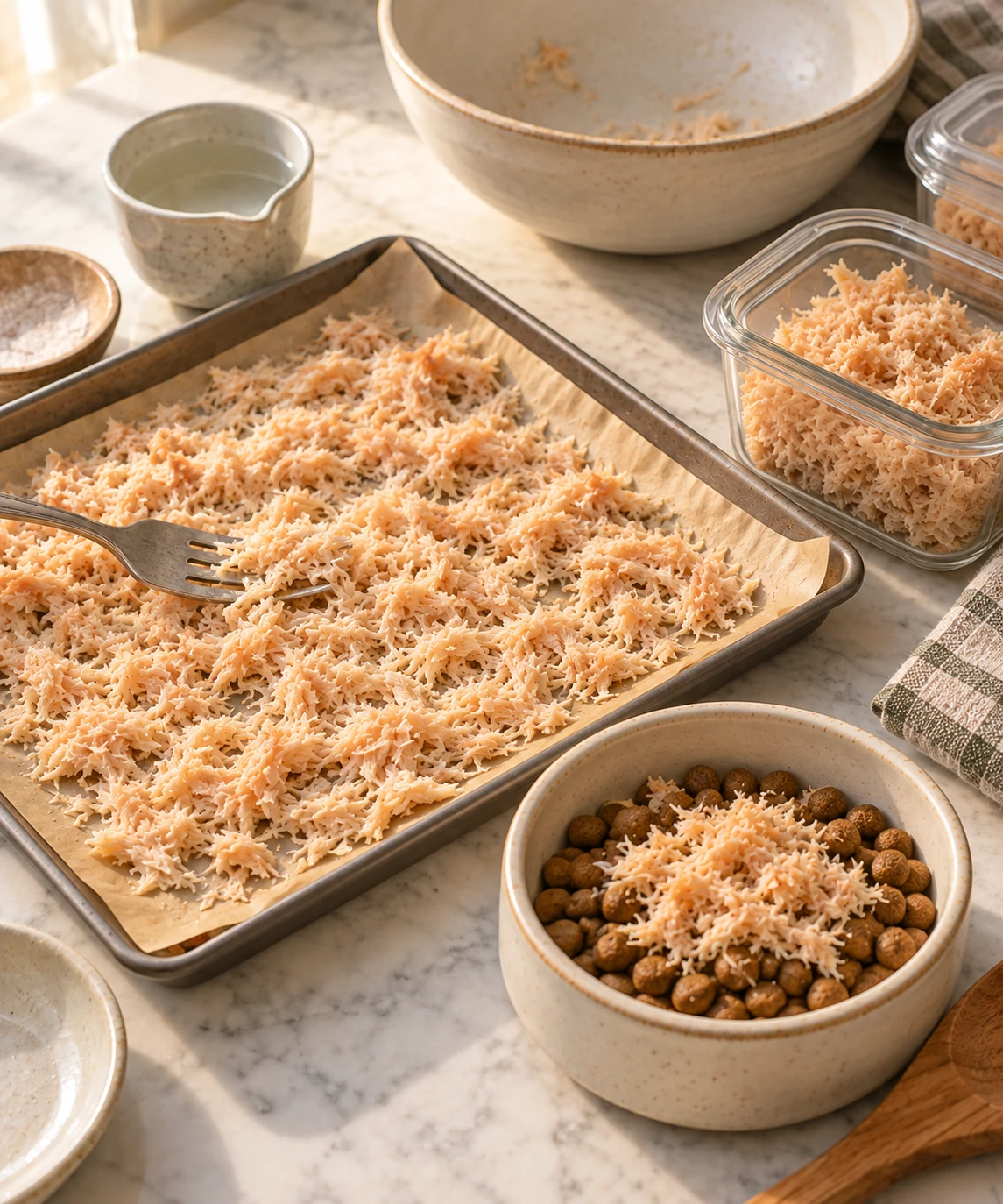
A small sprinkle of fish can make an ordinary bowl of cat food smell and feel different. This oven-dried trout floss starts with a plain boneless fillet, cooked thoroughly before being pulled into very fine fibers. A second, gentle spell in the oven removes surface moisture and creates a light topping instead of the soft flakes left by ordinary cooking. The important details are simple but worth following: inspect the fish carefully for bones, keep the oven low, and stop drying before the fibers become hard or browned. This is a refrigerated, occasional topper for a complete and balanced cat food, not a replacement meal or a shelf-stable dried fish product.
Safety first: Offer a small taste the first time and watch your cat for any tummy upset before serving more.
Foods to avoid
Never feed raw or undercooked trout, fish bones, sharp dried fish pieces, spoiled fish or trout seasoned with salt, onion, garlic, chives, sauces or spice blends. Raw fish may contain harmful microorganisms or parasites, while bones can create choking or internal injury hazards. Even fillets sold as boneless can contain pin bones. Fully cook the trout to at least 63°C or 145°F before shredding and drying. Do not use smoked, cured or heavily salted trout. Do not grind potentially bony fish into powder, since grinding can hide rather than reliably remove bone fragments. Never substitute this topper for a complete and balanced cat diet.
Ingredients
Instructions
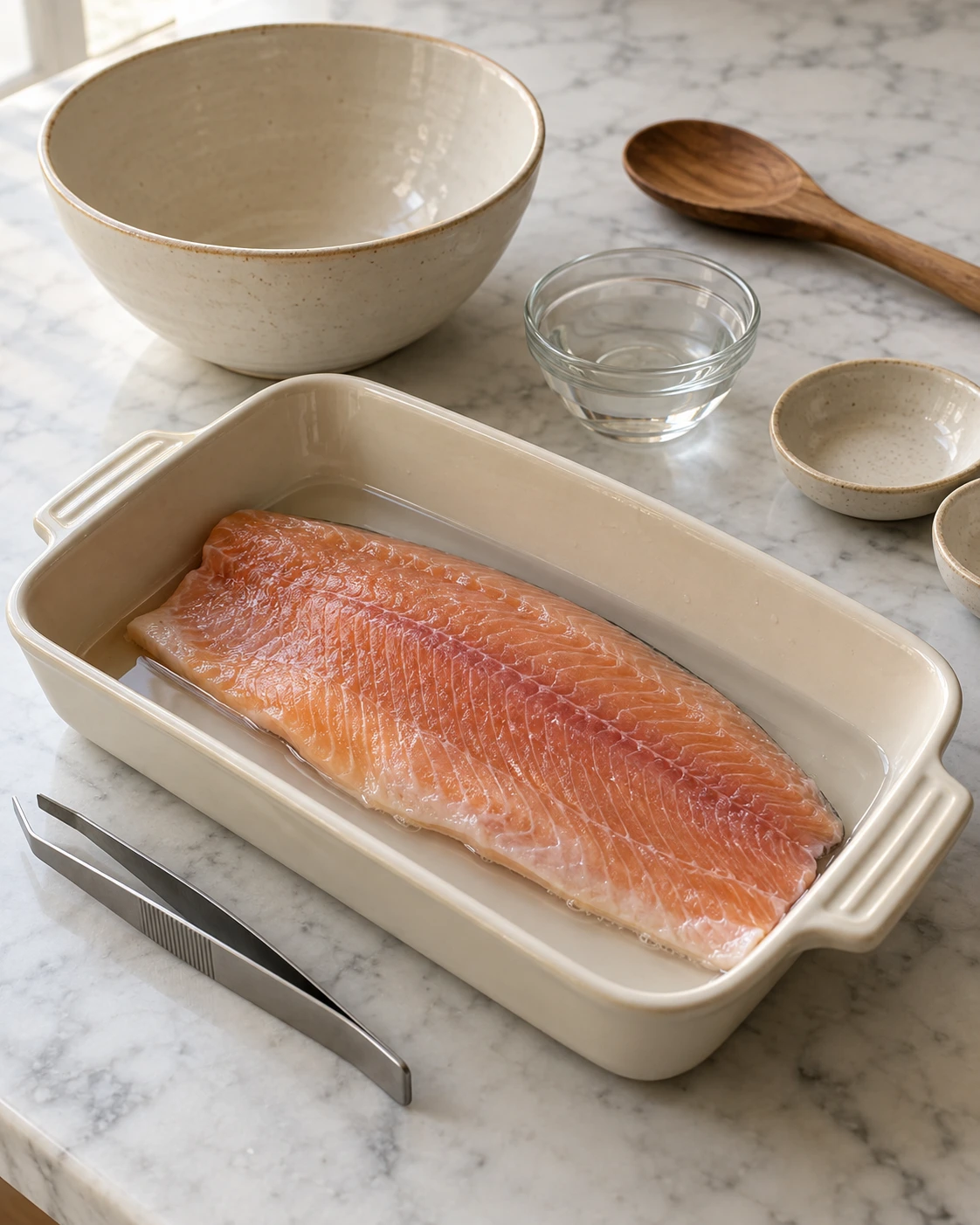
Prepare and inspect the trout: Keep the trout refrigerated until you are ready to cook. If using frozen trout, thaw it in the refrigerator rather than on the counter. Wash your hands, clean the work surface, and place the skinless fillet in the small ceramic baking dish. If the skin is still attached, leave it in place for cooking and remove it afterward. Run clean fingertips gently along the thick center of the flesh and inspect for pin bones. Remove any you find with clean fish tweezers. A fillet sold as boneless still needs checking. Add 2 tablespoons of plain drinking water to the dish, keeping the fish completely unseasoned. Do not rinse raw trout, since splashing water can spread
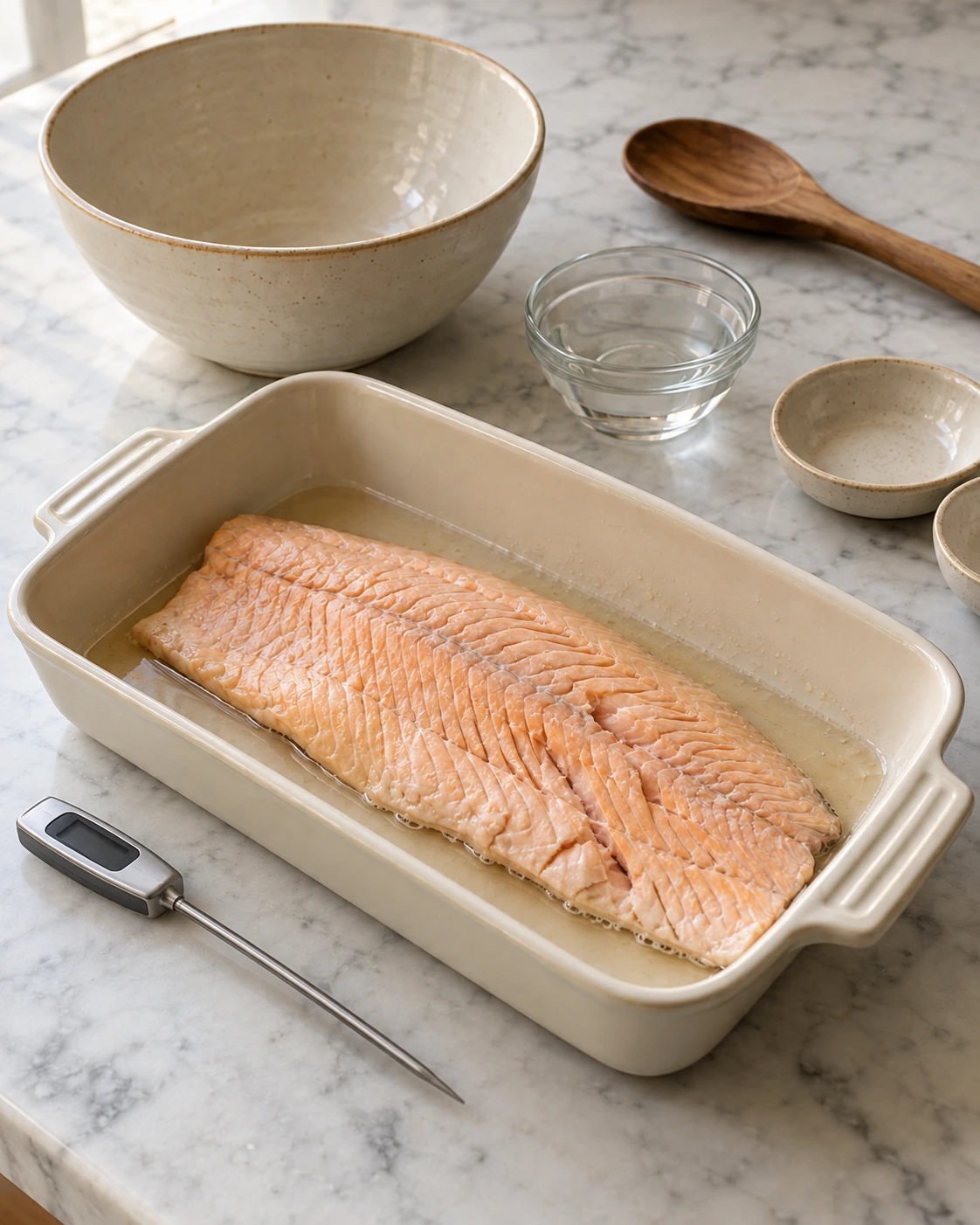
Cook the fish completely: Preheat the oven to 180°C or 350°F. Cover the ceramic dish securely with its oven-safe lid or aluminum foil to retain moisture. Bake for approximately 12 to 18 minutes for a modest fillet, checking earlier if it is thin. Actual cooking time depends on thickness. Insert a clean food thermometer into the thickest part of the fish and confirm an internal temperature of at least 63°C or 145°F. The flesh should be opaque and separate readily when pressed with a fork. If the water evaporates before the fish is cooked, add a small amount of the reserved plain water and cover again. Do not add oil, butter, salt, garlic, onion, lemon or herbs. Remove the dish from the oven
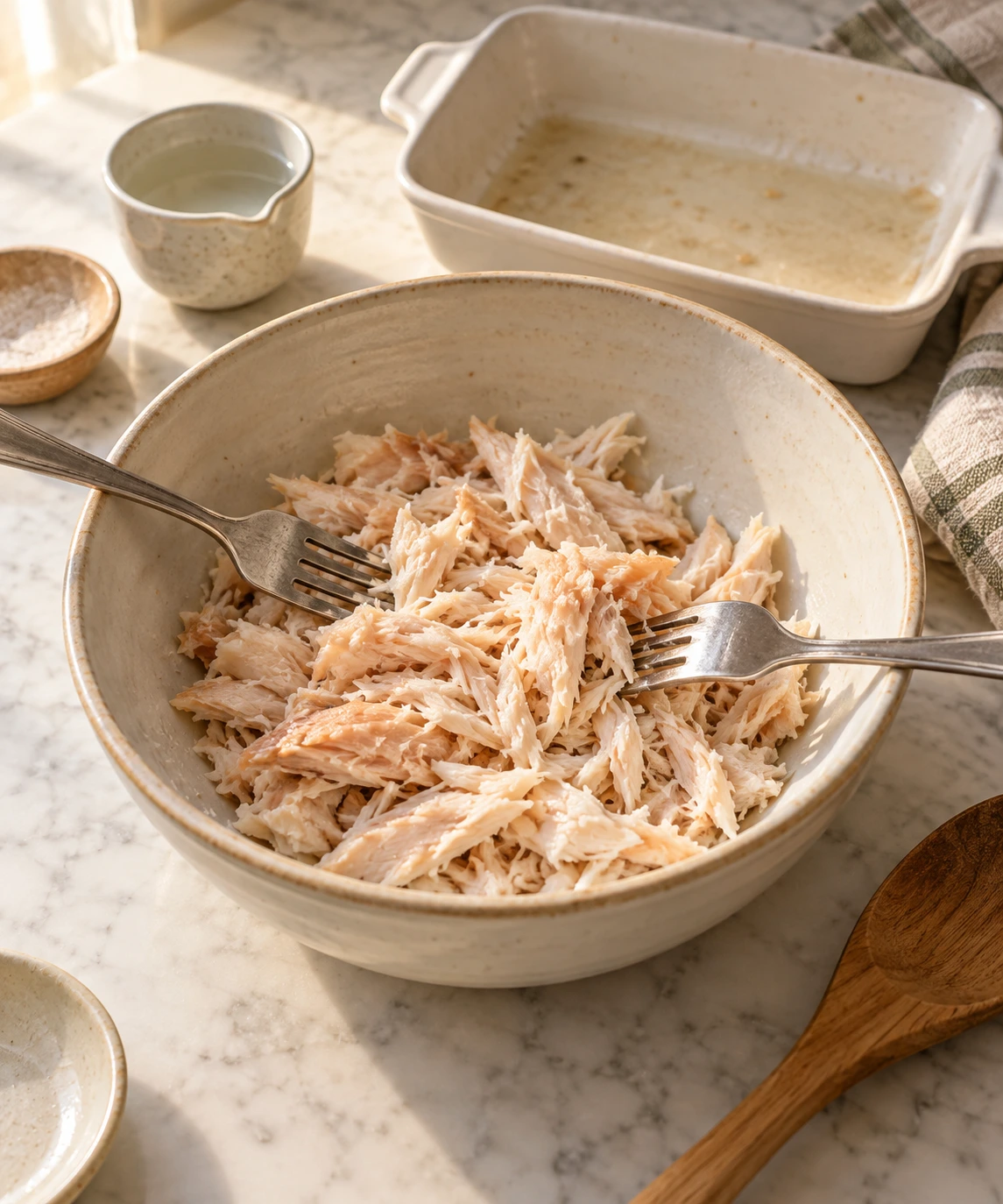
Remove bones and pull fine fibers: Transfer the cooked trout to a clean bowl, leaving the cooking liquid behind. Remove and discard the skin, if present, along with any dark or tough pieces that will not separate cleanly. Break the flesh into small sections using two clean forks. Inspect every section closely and feel gently for pin bones, especially along the central line. Remove any bones with clean tweezers. If you cannot confidently remove all bones from a section, discard that section. Continue pulling the cooked flesh apart in the direction of its natural grain until it resembles thin, soft threads. Separate thick clumps with clean fingers or fork tips. At this stage the trout should
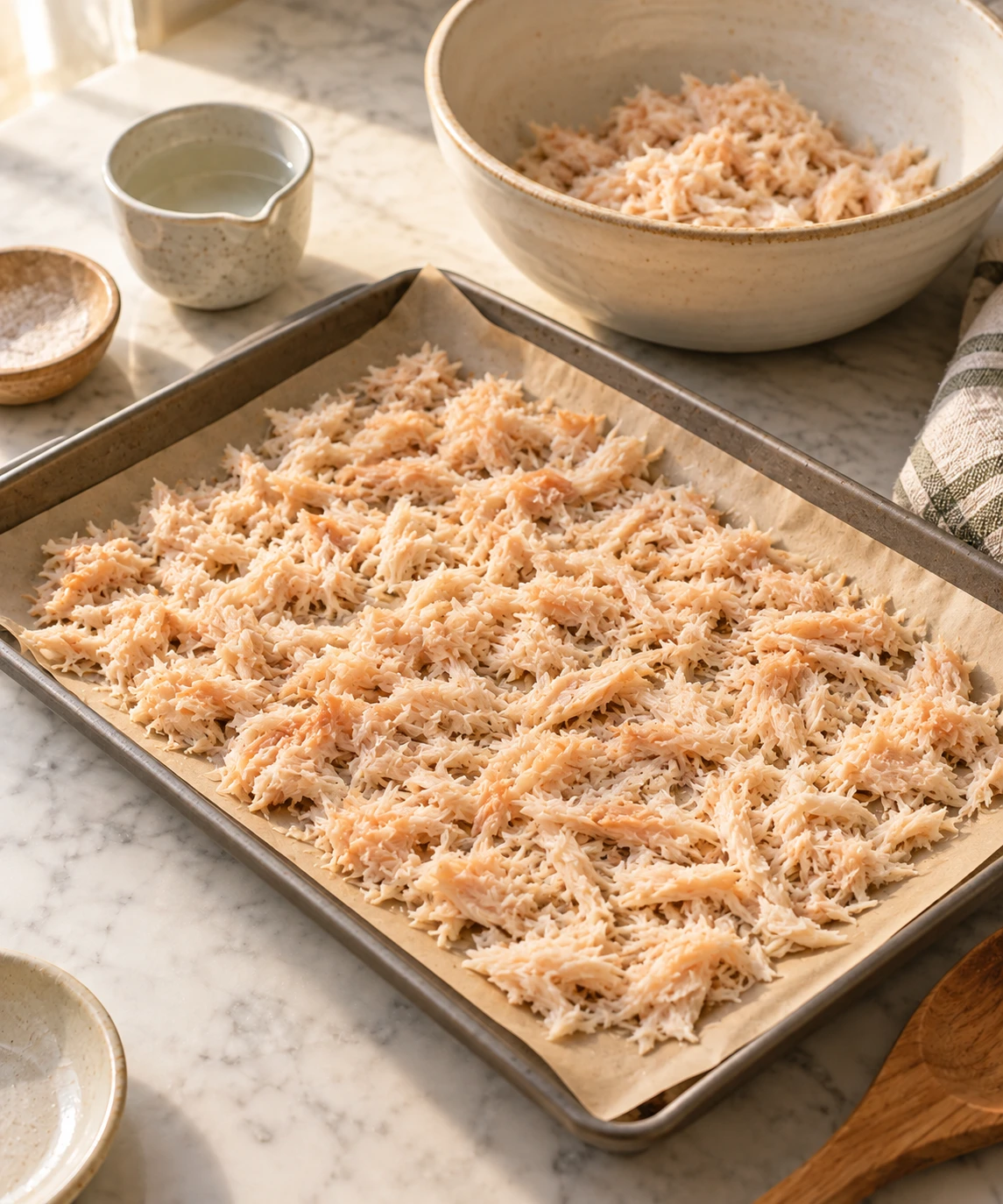
Dry gently into soft floss: Reduce the oven temperature to approximately 95°C or 200°F. If your oven cannot reliably maintain a low temperature, avoid attempting the drying stage with uncontrolled heat. Line the rimmed metal tray with uncoated parchment and spread the finely separated trout in a very thin, loose layer. Avoid compact piles. Place the tray in the oven and dry for approximately 25 to 45 minutes, checking and stirring the fibers every 10 minutes. The exact time depends on the oven, fillet moisture and fiber thickness. Gently lift and separate any clumps during each check. The finished floss should be lighter and noticeably less damp than the original cooked flakes, with
Cool and sprinkle over cat food: Remove the tray from the oven and let the floss cool promptly on its clean tray until no longer warm. Gently fluff the fibers once more with a clean fork. Check for remaining clumps, stiff fragments and any overlooked bones before serving. Measure approximately 1/4 level teaspoon for a first offering and scatter it lightly over the cat's usual complete and balanced food. The individual strands should remain visible across the food rather than forming a heavy fish layer. Watch how your cat responds and remove uneaten perishable food promptly. Transfer the rest of the cooled floss into small airtight containers and refrigerate immediately, or freeze individual
Made this recipe?
Tap the paw so other pet parents know it’s worth making.
Be the first to make it
Tips & serving
This is an occasional complementary topper, not a complete meal. For a healthy adult cat already accustomed to fish, begin with approximately 1/4 level teaspoon of fully cooled trout floss sprinkled over its regular complete and balanced food. If tolerated, an occasional small serving of up to approximately 1/2 level teaspoon may be reasonable for some adult cats, depending on body size, calorie needs and the rest of the diet. These amounts are practical starting suggestions, not a universal feeding allowance. All treats and toppers combined should generally provide no more than 10 percent of daily calories, with the remaining nutrition coming from complete and balanced food. The finished
- Creates a light, easy-to-sprinkle fish texture that distributes across an ordinary serving of complete cat food.
- Uses one recognizable animal-protein ingredient without needing sauces, salt, seasoning blends or commercial flavor coatings.
- Provides a practical way to offer a small change in food aroma and texture without replacing the cat's usual balanced meal.
- Encourages careful home preparation through complete cooking, repeated bone inspection and clearly measured topper portions.
- The finely separated fibers make it easier to measure a small amount than when serving large pieces of cooked fish.
- A small batch can be divided into individual freezer portions, reducing the need to repeatedly prepare fresh fish.
Storage
Refrigerate the floss promptly after cooling in a clean, shallow, airtight container. Keep at 4°C or colder and use within 24 to 48 hours for this conservative homemade preparation. Low-temperature oven drying reduces moisture but does not validate the product as shelf-stable. Do not keep the floss in a cupboard or treat it like commercially manufactured dried fish. For longer storage, divide the fully cooled floss into small freezer-safe containers or tightly sealed individual portions.
Substitutions
A plain, fully cooked, carefully deboned salmon fillet can replace trout when a similar fibrous fish texture is desired. Salmon may contain more fat, which can leave the finished fibers softer and less dry at the same oven setting. Remove the skin, use the same temperature-based initial cooking check, inspect every section for bones and adjust drying time by appearance rather than assuming an identical result. Confirm that the fish is appropriate for the individual cat before offering it.
Cats recipe FAQ
Is this topper a complete meal for my cat?
Treat it as an occasional extra, not a meal plan. This is an occasional complementary topper, not a complete meal. For a healthy adult cat already accustomed to fish, begin with approximately 1/4 level teaspoon of fully cooled trout floss sprinkled over its regular.
Can cats have boneless trout fillet?
This recipe uses boneless trout fillet in a small, cat-appropriate amount. Skip it if your cat has a known sensitivity, and read the foods-to-avoid note on this page before serving.
How long does Cats Oven-Dried Trout Floss Topper keep?
Refrigerate the floss promptly after cooling in a clean, shallow, airtight container. Keep at 4°C or colder and use within 24 to 48 hours for this conservative homemade preparation.
What's the safest way to try this with my cat?
Offer a small amount beside regular food, introduce one new recipe at a time, and watch appetite, stool, skin, and behavior for a day or two.
How is trout floss different from ordinary cooked trout flakes?
Ordinary cooked trout flakes are soft, moist pieces that separate naturally when pressed with a fork. Trout floss is pulled into much finer fibers and gently dried until the strands feel lighter and less sticky. It should remain fluffy and separable, not turn into brittle fish chips or powder.
Can I keep homemade trout floss at room temperature like dried fish?
No. This recipe uses gentle oven drying for texture, not a validated preservation process. Moisture may remain inside the fibers, and dangerous microorganisms are not always detectable by smell or appearance. Refrigerate promptly, use within 24 to 48 hours, or freeze small portions for later feeding.
Sources