

You're chopping carrots for dinner, and your cat has come over to inspect the scraps. There's usually a lot of interest in whatever happens to be on the cutting board. It's tempting to offer a little piece, but before you do, remember that cats don't eat quite like we do. Even an ordinary vegetable deserves a second look before it ends up in their bowl. So, can cats eat carrots safely? Yes, plain carrots are generally safe when prepared properly and given occasionally in small amounts. Cooked carrots are the easier option because they're soft and much easier to chew. Raw ones need more care. How you prepare them matters just as much as the carrot itself, so let's look at which versions are suitable, what to leave out and when carrots simply aren't worth offering.
Are carrots safe for cats to eat?
Plain carrots aren't considered toxic to cats. A healthy adult cat can generally enjoy a little cooked carrot now and then, as long as nothing has been added to it. Carrots contain fibre and naturally occurring nutrients, including beta-carotene. But here's the thing: cats don't need vegetables to get the nutrition their bodies require. They're obligate carnivores, so their nutritional needs depend on nutrients supplied by animal-based foods.
That's worth remembering before you start adding carrots to the dinner bowl. An occasional vegetable treat is one thing. Replacing part of a balanced cat food with vegetables is quite another. Cats need suitable amounts of animal protein, fat and specific nutrients such as taurine. Carrots simply can't supply everything they need, even if your cat seems very keen on them. I'd keep carrot firmly in the occasional treat category. Your cat's complete and balanced food should remain the main event at every meal.

Can cats eat raw carrots?
Raw carrots aren't toxic to cats, but that doesn't make them a particularly good snack. They're hard and crunchy, which can make chewing difficult. A cat biting off a large piece might struggle to break it down properly. There's also a choking risk, especially with cats that gulp their food instead of chewing carefully. I wouldn't leave a whole baby carrot or a thick slice on the kitchen floor for a curious cat to investigate.
What if your cat manages to steal a little piece from the chopping board? A small accidental nibble isn't automatically a reason to panic, provided the carrot is plain and your cat is otherwise well. Still, there's no good reason to offer hard raw chunks deliberately. Cats don't handle every vegetable the way people do, and difficult textures aren't something they need in their diet. If you're preparing a carrot specifically for your cat, cook it first. It's the more sensible choice.

Can cats eat cooked and steamed carrots?
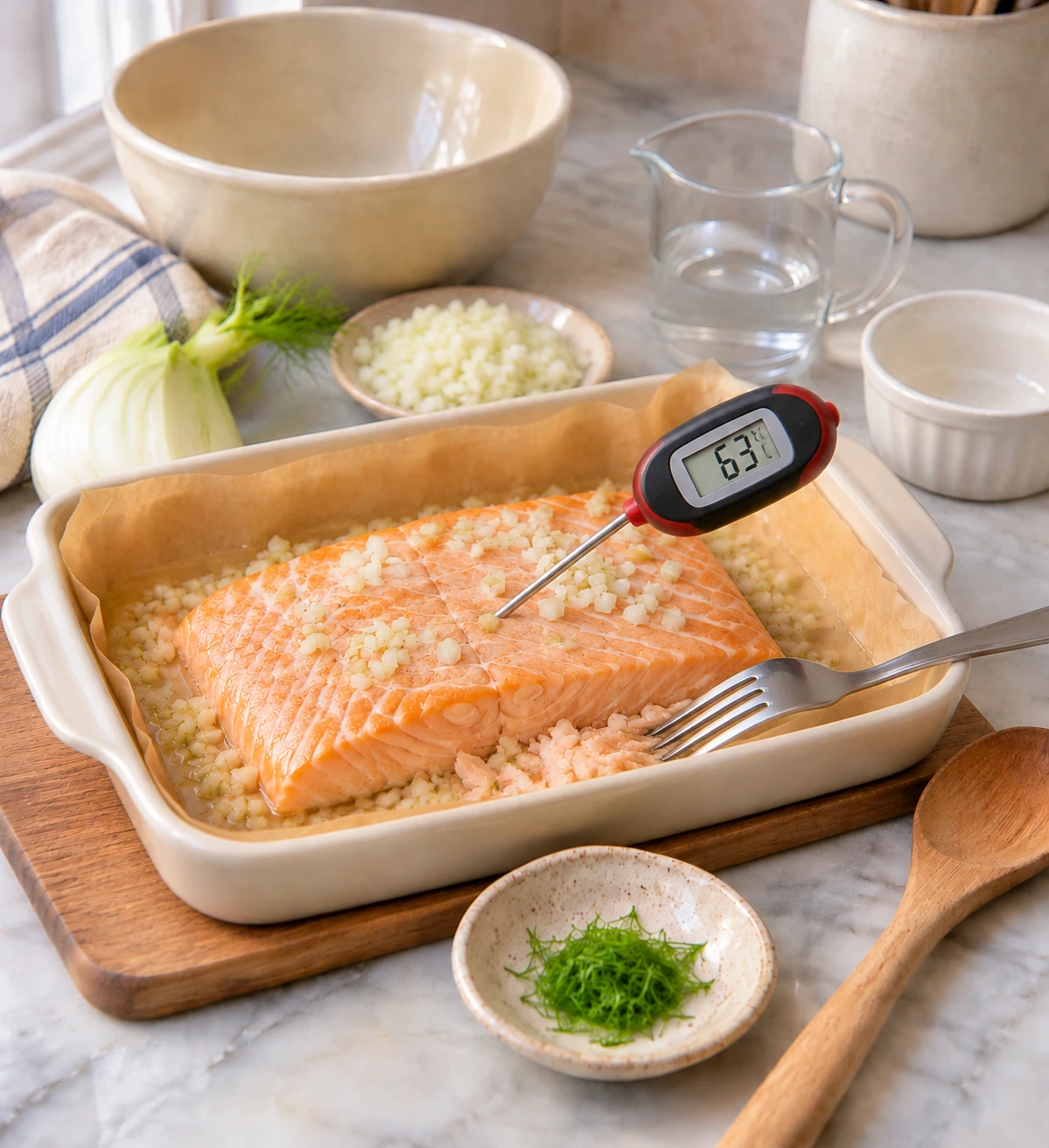
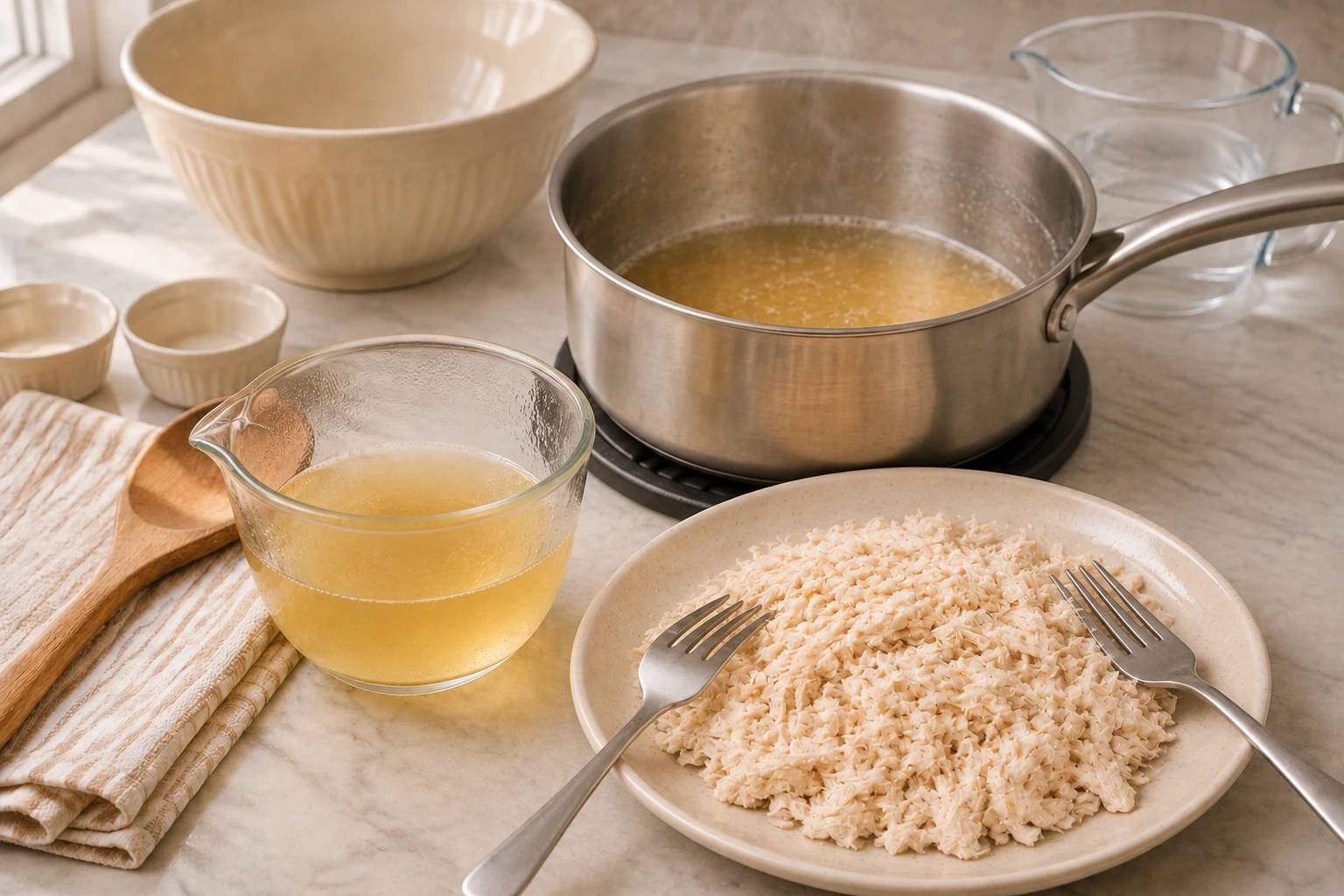
Cooked carrots are generally the easiest kind to serve. A little heat makes them softer, and steaming is particularly handy because you don't need butter, oil or seasoning. You can check the texture with a fork while they're still on the cutting board. If the carrot gives way easily, you're on the right track. Boiling plain carrot in water works too. Just drain it well and leave it to cool before offering any.
How soft is soft enough? You should be able to break the cooked carrot apart with gentle pressure. Mash it with a fork or cut it into very small, soft pieces. Large chunks aren't necessary. And don't serve it straight from the saucepan. Cats often investigate food before it's properly cooled, so check the temperature yourself first. Keep everything plain, too. No salt, garlic, onion, sauces or rich cooking fats. Those ingredients don't belong in a carrot snack for your cat.

How to prepare carrots for cats
First, pick a fresh carrot and give it a good wash under running water. Rub away any dirt, then trim off the ends. Peeling is an option if the outside looks dirty or damaged, but you don't have to remove the skin when the carrot has been washed properly. And what about carrot peels? A little clean, plain peel is generally not toxic to cats, but the strips can be awkward to chew. I'd leave them out and use the softer flesh instead.
Cut the carrot into small pieces before steaming it or boiling it in plain water. Leave the stock, butter, salt, oil, garlic, onion and seasoning in the cupboard. Once the pieces are thoroughly soft, let them cool completely. Mash a small amount with a fork or cut it into tiny, manageable pieces. I prefer offering it separately rather than stirring a large amount through the usual food. You'll be able to see whether your cat actually wants it and whether it agrees with them. Wash your hands and utensils afterwards, just as you would when preparing any homemade pet snack.

Can cats eat carrots every day?
There's no reason to make carrots a daily part of your cat's meals. Plain cooked carrot is generally safe in occasional small servings, but it doesn't provide the animal-based nutrition cats depend on. Too many vegetable extras can also take up room that should go to complete cat food. That's particularly worth watching if your cat is already fussy or regularly leaves some of their normal dinner behind.
Every cat is different when it comes to unfamiliar food. Some manage a little cooked vegetable without any obvious trouble. Others develop digestive discomfort. Carrots contain fibre, and changing what your cat eats can affect digestion. If your cat has a restricted diet, food sensitivities or an existing medical condition, ask your veterinarian before introducing carrots. For a healthy cat, occasional and modest is the sensible approach. There's no need to put carrot on the breakfast or dinner menu every day.

Carrot risks and signs your cat needs attention
The main concern with carrots is how hard they can be to chew. Thick slices, large raw chunks and long strips can cause choking, particularly if your cat tries to swallow them without chewing properly. Cooking makes the texture easier to manage, but the pieces still need to be soft and prepared carefully. Then there's what goes into the saucepan. Garlic and onion are toxic to cats, even when they've been cooked into another dish or added to a sauce. Avoid rich butter, excess salt and heavily seasoned preparations as well.
An unfamiliar food can also upset your cat's digestion. If you notice diarrhoea, vomiting, a noticeable change in appetite or unusual behaviour after your cat eats carrot, contact your veterinarian for advice. Choking, difficulty breathing or an apparent inability to swallow needs immediate veterinary attention. Don't assume your cat will simply get used to an uncomfortable food. If you think your cat has eaten carrot prepared with onion or garlic, contact a veterinarian or veterinary emergency service promptly, even if your cat seems perfectly normal at first.
And if your cat turns its nose up at carrot? That's absolutely fine. Vegetables aren't something you need to persuade a cat to eat, and there's no nutritional reason to insist. Put the carrot back on your own plate and serve your cat its usual food instead.
Can Cats Eat Carrots Safely? Raw, Cooked and Serving Tips FAQ
Can cats eat carrots safely?
Yes. Plain carrots are generally safe for cats when washed properly, cooked and offered occasionally in small amounts. Keep them as a little extra rather than a regular meal ingredient. Your cat still needs complete and balanced cat food for its everyday nutritional needs.
Can cats eat raw carrots?
Raw carrots aren't toxic to cats, but they're hard to chew and can present a choking risk. A large piece is particularly unsuitable for a cat that tends to swallow food quickly. Soft, properly cooked carrots are a much easier option.
Can cats eat steamed carrots?
Yes. Plain steamed carrots are generally suitable as an occasional treat. Cook them until a fork breaks them apart easily, then let them cool completely. Leave out the salt, butter, oil and seasoning. A little mashed carrot is easier to manage than large pieces.
Can cats eat carrot peels?
Clean carrot peels aren't generally toxic to cats, but long or firm strips can be awkward to chew. I'd remove them when preparing a snack. Wash the carrot properly, peel it if needed and cook the softer flesh until it's easy to mash.
Can cats eat cooked carrots every day?
Daily carrot treats aren't necessary. Cats need complete, animal-based nutrition, and vegetables shouldn't regularly take the place of their normal food. If your cat has dietary restrictions, ask your veterinarian before introducing carrot or making any changes to its treats.
Can kittens eat carrots?
Carrots aren't a necessary food for kittens. Growing cats need nutritionally complete kitten food to support their development, rather than extra vegetables. Ask your veterinarian before introducing unfamiliar treats, especially if you're caring for a very young kitten.