

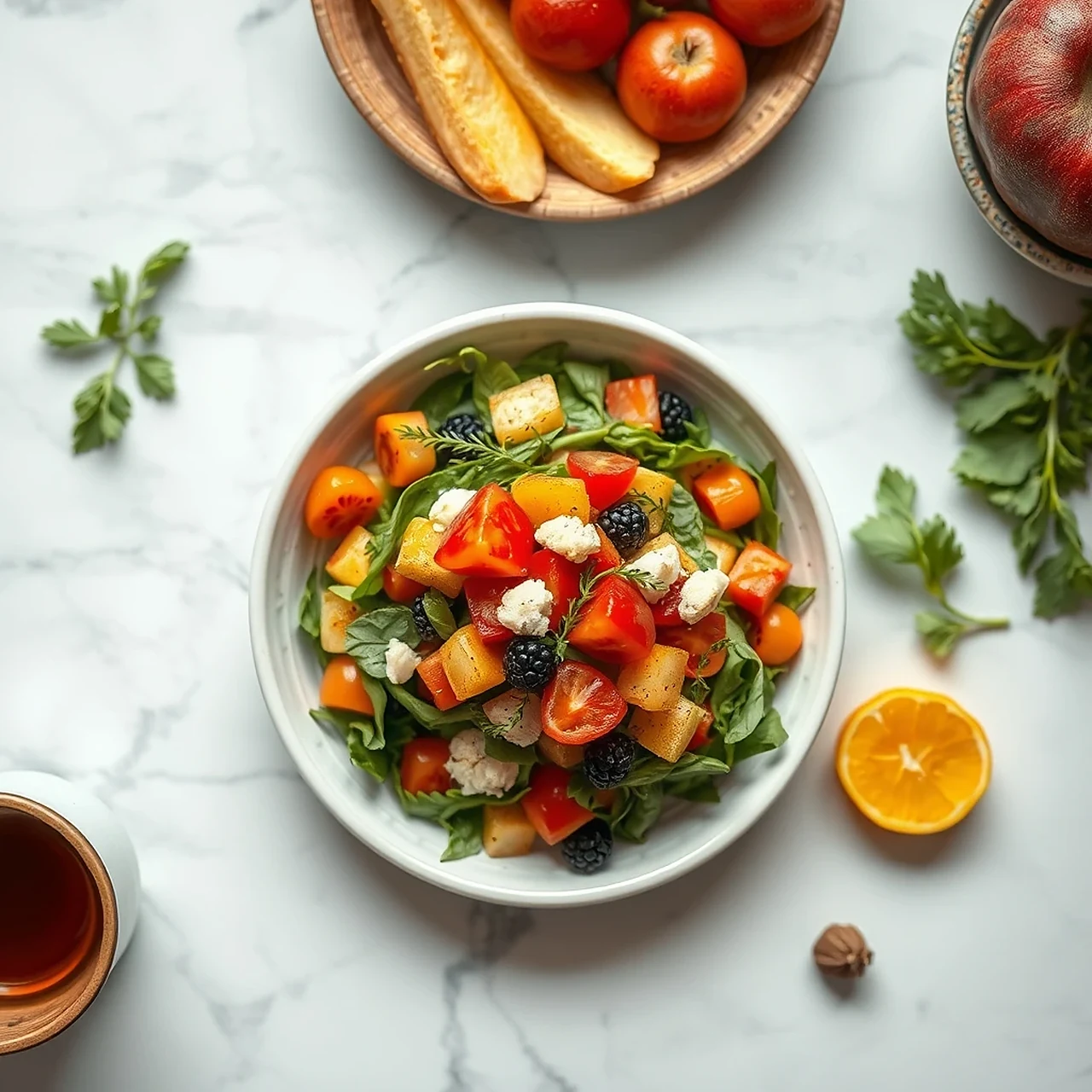
The conversation around gut health has rightly extended to our beloved pets, with many pet parents seeking natural ways to support their companions' digestive systems. Fermentation is an ancient technique that not only preserves food but also enhances its nutritional value by creating beneficial microorganisms, often called probiotics. This Fermented Garden Veggie & Fruit Topper harnesses this process to provide a natural boost to your pet's diet, contributing to a balanced gut microbiome. Our recipe focuses on a blend of wholesome, pet-safe ingredients: crisp green cabbage and sweet carrots provide fiber and a good substrate for fermentation, while blueberries add a touch of natural sweetness and antioxidants. When fermented, these ingredients develop a tangy flavor and a rich profile of beneficial bacteria, which can help support digestion and overall wellness. This topper is designed to be easily incorporated into your pet's regular meals, offering a convenient way to introduce these gut-friendly components. As with any new addition to your pet's diet, it is important to introduce this fermented topper gradually. Start with very small amounts and observe how your pet responds. While fermentation enhances nutrient availability and creates probiotics, proper hygiene and ingredient selection are key to a safe and successful batch. Always ensure all your equipment is clean and your ingredients are fresh. For any significant dietary changes, or if your pet has existing health conditions, we always recommend consulting with your veterinarian.
Safety first: Start with a small portion beside your dog's usual food and confirm bigger diet changes with your veterinarian.
Foods to avoid
Never use chlorinated tap water for fermentation, as chlorine can inhibit the growth of beneficial bacteria. Always use non-iodized salt, as iodine can also interfere with the fermentation process. If you notice any signs of true mold (fuzzy, colored spots) on your ferment, discard the entire batch immediately. Never feed your pet any fermented product that smells putrid, rancid, or otherwise 'off'. Always ensure all ingredients are safe for pets; avoid toxic items like onions, garlic, grapes, or raisins.
Ingredients
Instructions
Shred Vegetables: Begin by thoroughly washing your cabbage and carrots. Remove any outer leaves from the cabbage that appear bruised or dirty. Quarter the cabbage, remove the core, and then shred it finely using a food processor with a shredding disc or a sharp knife. Peel and shred the carrots using the same method. A

Salt and Massage: Transfer the shredded cabbage and carrots to a large mixing bowl. Sprinkle the non-iodized sea salt evenly over the vegetables. Now, with clean hands, begin to massage and squeeze the vegetables vigorously for 5-10 minutes. The salt will draw out water from the cells, and the massaging action will hel
Layer Blueberries: Take your clean quart-sized wide-mouth glass jar. Place the blueberries at the very bottom of the jar. This provides a nice base and ensures they are well-distributed within the ferment. If using frozen blueberries, ensure they are thawed completely before adding them to avoid excess water release du
Pack the Jar: Begin tightly packing the massaged cabbage and carrot mixture over the blueberries into the glass jar. Use your fist or a spoon to press down firmly, eliminating any air pockets. Pour all the accumulated liquid from the mixing bowl over the packed vegetables. It is crucial that the vegetables are fully su
Seal and Ferment: Wipe the rim of the jar clean. If using an airlock lid, secure it in place according to its instructions. If using a regular canning lid, simply screw it on loosely. Place the jar in a cool, dark spot in your home, ideally between 65-75°F (18-24°C), away from direct sunlight. Allow it to ferment for 7
Monitor and Taste Test: After about 7 days, check your ferment. It should have a pleasant, slightly sour, tangy aroma, similar to sauerkraut. There should be no signs of mold (white or fuzzy spots on the surface that are not Kahm yeast, a harmless white film). If you see mold, discard the entire batch. Taste a small am
Refrigerate and Store: Once the topper has reached your preferred level of fermentation, remove the fermentation weight (if used). Replace the lid with a tight-fitting regular canning lid or an airtight storage lid. Transfer the jar to the refrigerator. The cold temperature will slow down the fermentation process signi
Made this recipe?
Tap the paw so other pet parents know it’s worth making.
Be the first to make it
Tips & serving
Introduce this topper slowly. For small pets (cats, toy breeds), start with 1/4 teaspoon mixed into their food once daily. For medium dogs, begin with 1/2 teaspoon, and for large dogs, start with 1 teaspoon. Over the course of 1-2 weeks, gradually increase the amount. Cats and small dogs can typically have 1/2 to 1 teaspoon daily, while medium to large dogs can enjoy 1 to 2 tablespoons daily. Always observe your pet's stool consistency and overall reaction. If loose stools occur, reduce the amount or pause for a day before reintroducing at a smaller quantity.
- Supports digestive health through natural probiotics.
- Enhances nutrient absorption from your pet's regular meals.
- Adds hydration and beneficial fiber to their diet.
- Provides natural antioxidants from blueberries and other ingredients.
- Introduces beneficial bacteria for a balanced gut microbiome.
- Cleanliness is Key: Sterilize your jar and equipment thoroughly before starting to prevent unwanted bacteria from growing.
Storage
Store the finished fermented topper in an airtight container in the refrigerator.
Substitutions
- Vegetables
Instead of green cabbage, you can use red cabbage. Other pet-safe shredded vegetables like kale, broccoli florets (small amounts), or zucchini can be experimented with. Always introduce new ingredients cautiously.
- Fruits
Small amounts of other pet-safe berries such as raspberries or cranberries can replace blueberries. Avoid fruits high in sugar or those toxic to pets.
- Salt
Ensure you always use non-iodized salt for fermentation. Sea salt, pickling salt, or kosher salt (without anti-caking agents) are good choices.
Dogs, Cats recipe FAQ
Can I serve this topper every day?
Treat it as an occasional extra, not a meal plan. Introduce this topper slowly. For small pets (cats, toy breeds), start with 1/4 teaspoon mixed into their food once daily. For medium dogs, begin with 1/2 teaspoon, and for large dogs, start with 1 teaspoon.
Can dogs have cabbage, carrots, blueberries?
This recipe uses cabbage, carrots, blueberries in a small, dog-appropriate amount. Skip it if your dog has a known sensitivity, and read the foods-to-avoid note on this page before serving.
How long does Homemade Fermented Garden Veggie & Fruit Topper for Pet Gut Health keep?
Store the finished fermented topper in an airtight container in the refrigerator. It will remain fresh and potent for 2-4 weeks when properly stored.
What's the safest way to try this with my dog?
Offer a small amount beside regular food, introduce one new recipe at a time, and watch appetite, stool, skin, and behavior for a day or two.
Can I use tap water for fermentation?
It's best to avoid chlorinated tap water as chlorine can inhibit the beneficial bacteria needed for fermentation. Use filtered water or spring water instead.
What if I see mold on my ferment?
If you see any fuzzy, colored mold, it's best to discard the entire batch. However, a thin white film called Kahm yeast can sometimes appear; it's harmless but can be skimmed off if desired. If in doubt, err on the side of caution and discard.
Sources