

If you have a little pumpkin left after cooking, you may wonder whether sharing some with your cat is harmless. The short answer is that plain pumpkin can be safe for many healthy cats when it is offered as an occasional extra rather than a major part of the diet. The details matter, though. Pumpkin puree and pumpkin pie filling are very different foods, and a cats normal nutritional needs should still come primarily from a complete and balanced cat food. This guide explains can cats eat pumpkin safely, which forms are generally appropriate, what to look for when buying canned pumpkin, and why pumpkin should not automatically be used when a cat has digestive problems. Individual cats can have different dietary needs, sensitivities, and health conditions, so questions involving persistent symptoms, therapeutic diets, or significant diet changes should be discussed with your veterinarian.
Is Pumpkin Safe for Cats?
For many healthy cats, plain cooked pumpkin is generally considered a reasonable occasional food. Pumpkin itself is not known as a food that healthy cats must universally avoid. The important word is plain. A cat does not need sugar, pastry, sweeteners, rich dairy ingredients, or a mixture of seasonal spices added to the pumpkin. Those additions can turn a simple vegetable into a food that is inappropriate for a cat and may also make it harder to tell exactly what the animal has eaten.
It is also useful to remember that safe does not mean necessary. Cats are obligate carnivores, which means their nutritional requirements are built around nutrients supplied appropriately through an animal-based, complete diet. Pumpkin can contribute moisture and plant fiber, but it should not displace the nutritionally balanced food your cat relies on. Whether pumpkin is suitable for a particular cat can also depend on age, existing medical conditions, food sensitivities, and any veterinarian-directed diet.
What Kind of Pumpkin Can Cats Eat?
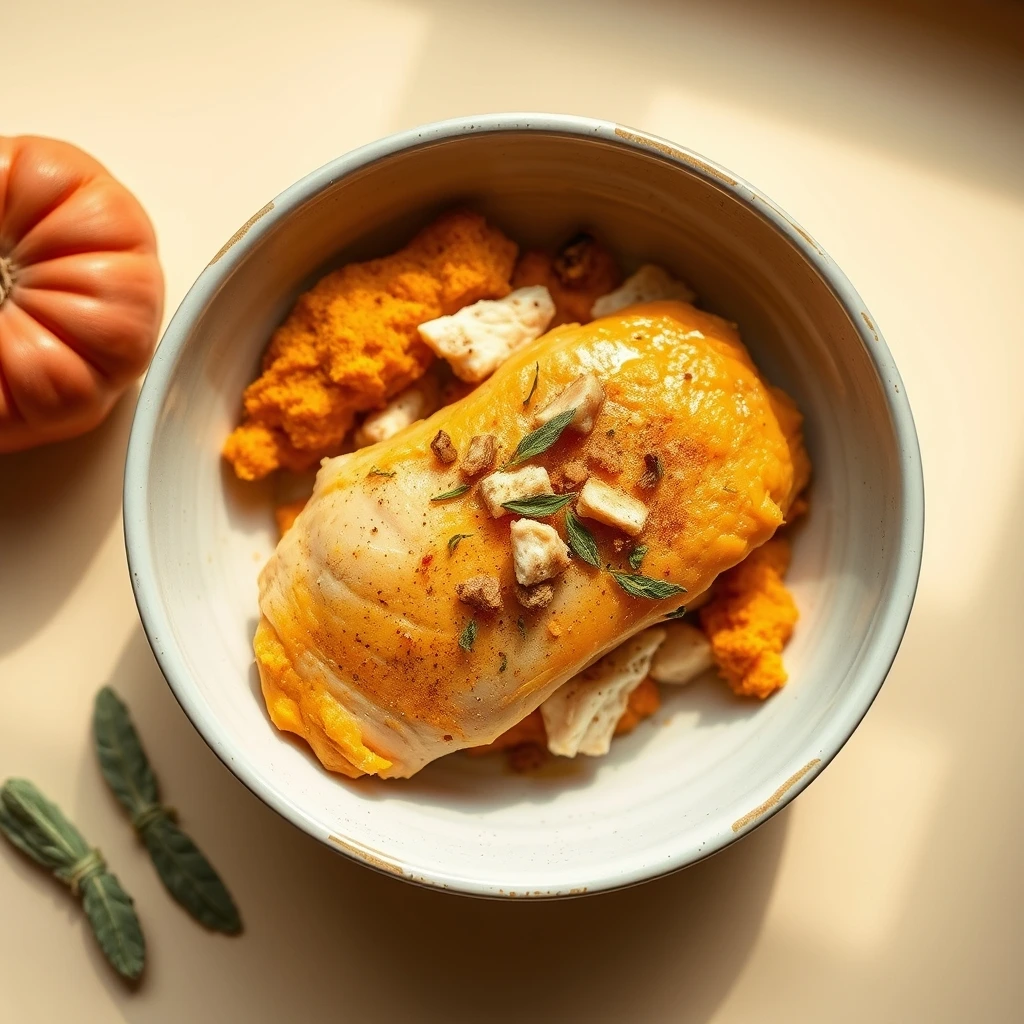
The simplest choice is plain pumpkin that has been cooked until soft and served without seasoning or other ingredients. Pumpkin puree can also be appropriate when the ingredient list is simple. Keeping the food plain matters because it lets you know what your cat is actually eating and avoids unnecessary ingredients that may add sugar, fat, sodium, or flavorings. If you prepare pumpkin at home, remove the tough rind and other parts that are difficult to eat before using the soft cooked flesh.
Avoid assuming that every orange pumpkin product is equivalent. Pumpkin desserts, sweetened pumpkin mixtures, spiced drinks, baked goods, and pie fillings are made for people rather than cats. They may contain several ingredients that provide no nutritional benefit to your pet and could cause digestive trouble. If your cat steals a prepared pumpkin food containing unfamiliar ingredients, check what was in it and contact your veterinarian if you are concerned about the ingredients or your cat develops unusual symptoms.

Can Cats Eat Canned Pumpkin?
If you are wondering can cats eat canned pumpkin, the answer depends mainly on what is actually inside the can. Plain canned pumpkin puree with a very simple ingredient list can be suitable as an occasional addition for many healthy cats. Read the label rather than relying on the picture on the front. Products that look almost identical on a supermarket shelf can have very different formulations, especially when one is intended for cooking and another is intended as a ready-made pie mixture.
Pumpkin pie filling is not the same product as plain canned pumpkin. Pie filling may contain added sugar, spices, flavorings, and other ingredients that you would not intentionally add to your cats regular food. Checking the label also matters if your cat has dietary restrictions or is eating a veterinary diet. In that situation, even a food that is generally considered safe may not fit the nutritional plan your veterinarian has chosen for that particular animal.

Why Pumpkin Should Stay an Occasional Extra
Pumpkin sometimes gets described as a healthy food because it contains fiber and other nutrients, but that description can be misleading when applied to a cats overall diet. A cats nutritional requirements are complex, and a spoonful of a particular whole food cannot replace the balance of protein, amino acids, fats, vitamins, minerals, and other nutrients provided by an appropriately formulated cat food. Adding too many extras can gradually reduce the proportion of the diet that comes from nutritionally complete food.
Fiber is another reason moderation matters. Changing the amount or type of fiber a cat consumes can change stool consistency, appetite, or digestive comfort. Some cats tolerate a new food easily, while others develop loose stool, vomiting, gas, or simply refuse the altered meal. Introduce any unfamiliar food cautiously and pay attention to how your cat responds. If you are considering pumpkin because your cat already has a digestive problem, discuss that problem with your veterinarian rather than assuming more fiber is automatically the right answer.
Pumpkin and Digestive Problems in Cats
Many owners first hear about pumpkin while searching for help with constipation or diarrhea. Pumpkin contains fiber, so it can influence digestion, but that does not make it a diagnosis or a treatment for the reason a cat has abnormal stool. Constipation, diarrhea, straining, appetite changes, vomiting, and other digestive signs can occur for many different reasons. The appropriate response depends on what is happening with the individual cat, not simply on whether a food contains fiber.
This distinction is particularly important because trying different foods at home can sometimes delay attention to an underlying problem. If your cat has persistent diarrhea, difficulty passing stool, repeated vomiting, poor appetite, discomfort, lethargy, or another concerning change, contact your veterinarian. Your veterinarian can decide whether pumpkin has any place in that cats diet and can consider the cats history, hydration, regular food, medications, medical conditions, and other factors that cannot be evaluated from a general feeding guideline.

How to Offer Pumpkin Without Disrupting the Diet
If your veterinarian has not given your cat dietary restrictions and you want to offer pumpkin simply as an occasional food, keep the experience uncomplicated. Use plain pumpkin, avoid seasonings and sweeteners, and make sure your cats regular complete food remains the foundation of the diet. Some cats may lick pumpkin readily, while others will ignore it completely. There is no reason to persuade a cat to eat pumpkin if the animal does not enjoy it, because pumpkin is not an essential part of a normal feline diet.
Pay attention whenever you introduce something new. A change in appetite, vomiting, loose stool, itching, or another unexpected reaction is a reason to stop offering the unfamiliar food and seek veterinary guidance when appropriate. Extra caution is sensible for kittens, senior cats, cats with chronic medical conditions, cats with previous digestive sensitivity, and cats following therapeutic diets. Is pumpkin safe for cats is therefore best answered as generally possible for many healthy cats, but suitability still depends on the individual animal.
Can Cats Eat Pumpkin Safely? What Pet Owners Should Know FAQ
Can cats eat pumpkin puree?
Many healthy cats can have plain pumpkin puree as an occasional food. Choose a product with a simple ingredient list and avoid sweeteners, spices, pie filling, and other unnecessary additions.
Can cats eat canned pumpkin from the grocery store?
Plain canned pumpkin can be suitable for many cats, but read the ingredients carefully. Canned pumpkin pie filling is a different product and may contain sugar, spices, flavorings, or other additions.
Does pumpkin help a constipated cat?
Pumpkin contains fiber and can affect stool, but constipation has many possible causes and should not automatically be managed by adding pumpkin. Contact your veterinarian for guidance, especially if straining or other symptoms persist.
Can pumpkin help a cat with diarrhea?
Fiber can influence stool consistency, but diarrhea can result from many dietary and medical problems. Pumpkin should not be treated as a universal solution, particularly when diarrhea continues or occurs with other symptoms.
Can kittens eat pumpkin?
Kittens have important nutritional needs for growth, so their complete kitten food should remain the priority. Ask your veterinarian before adding pumpkin or other extras, especially for very young kittens or those with digestive concerns.
What if my cat does not like pumpkin?
There is no need to make a healthy cat eat pumpkin. It is an optional food rather than an essential part of feline nutrition, so a cat that dislikes it can simply continue eating an appropriate complete diet.