

Turkey thigh is a lovely choice for a homemade cat topper, especially when it's cooked slowly until tender and easy to shred. Gentle braising helps the meat stay moist, giving you soft, fine strands rather than firm chunks or dry mince. A little celeriac adds a mild vegetable touch while keeping turkey firmly at the heart of the recipe. This ragout is a complementary topper, not a complete meal. Cats need a nutritionally balanced diet, and meat with vegetables alone cannot meet all their nutritional needs. Keep the celeriac to a small amount, skip all seasoning, and serve modest portions alongside your cat's usual nutritionally complete food.
Safety first: Introduce new foods gradually and speak with your veterinarian before making major changes to your cat's diet.
Foods to avoid
Never use turkey bones, skin, seasoned leftovers or deli turkey. Cooked bones can splinter and create serious hazards, while skin and excess fat make the mixture unnecessarily rich. Avoid onion, garlic, leeks, chives, salt, pepper, butter, oils, stock cubes, gravy and seasoning blends. Celeriac must be peeled and thoroughly cooked, with no firm pieces remaining. Raw or undercooked poultry should never be served. Check the finished meat carefully for bone fragments before shredding and again before portioning. This homemade topper is not nutritionally complete and must not replace a properly balanced cat diet.
Ingredients
Instructions
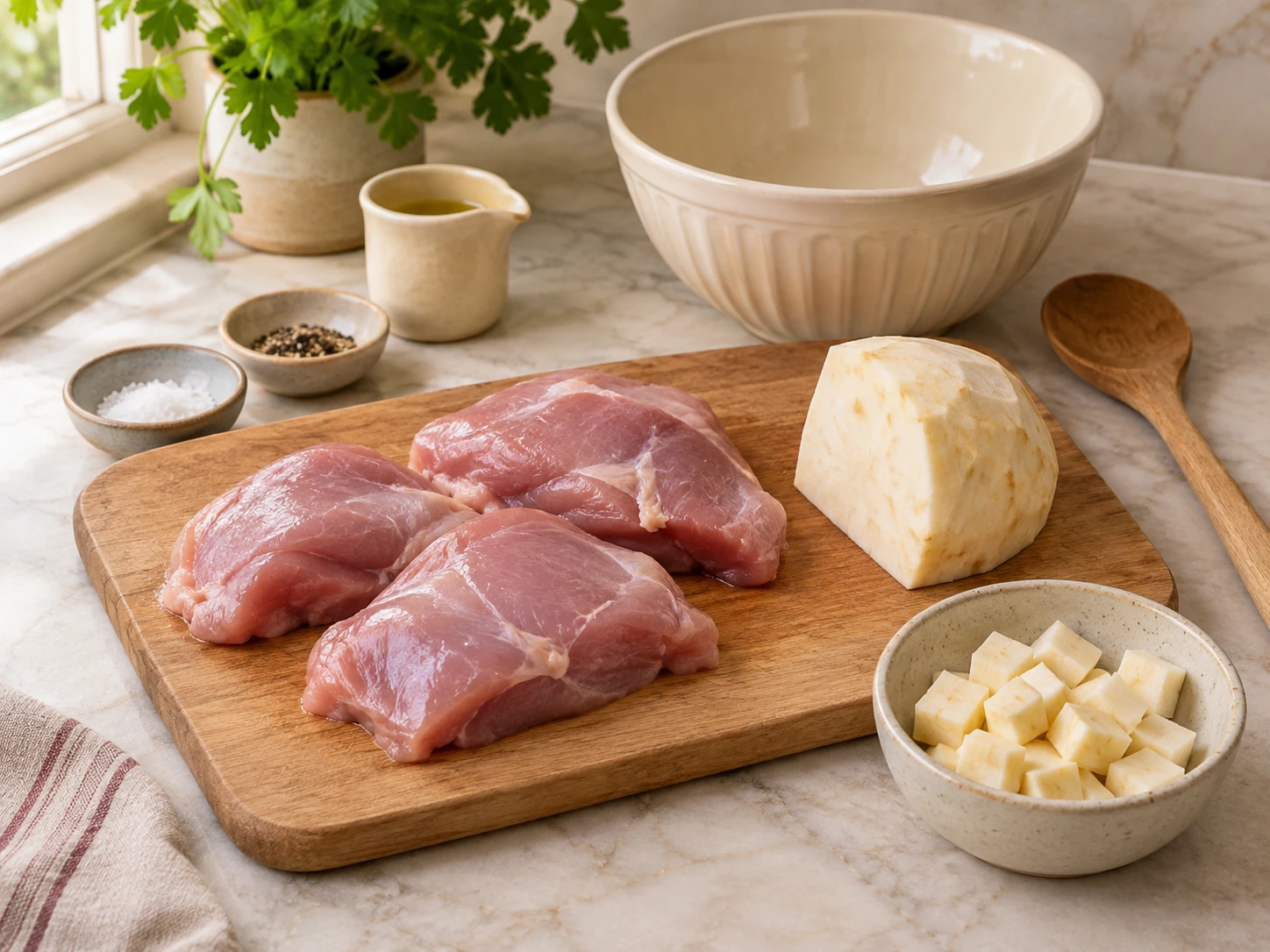
Prepare the Turkey and Celeriac: Place the boneless turkey thigh on a clean chopping board and check it carefully. Remove any remaining bone fragments, tough connective tissue, skin and visible excess fat, then cut the meat into two or three similarly sized pieces for even cooking. Peel the celeriac, remove its rough outer layer and cut 35 g into small cubes. Keep the two ingredients separate, and thoroughly wash your hands, knife and board after handling the raw turkey.
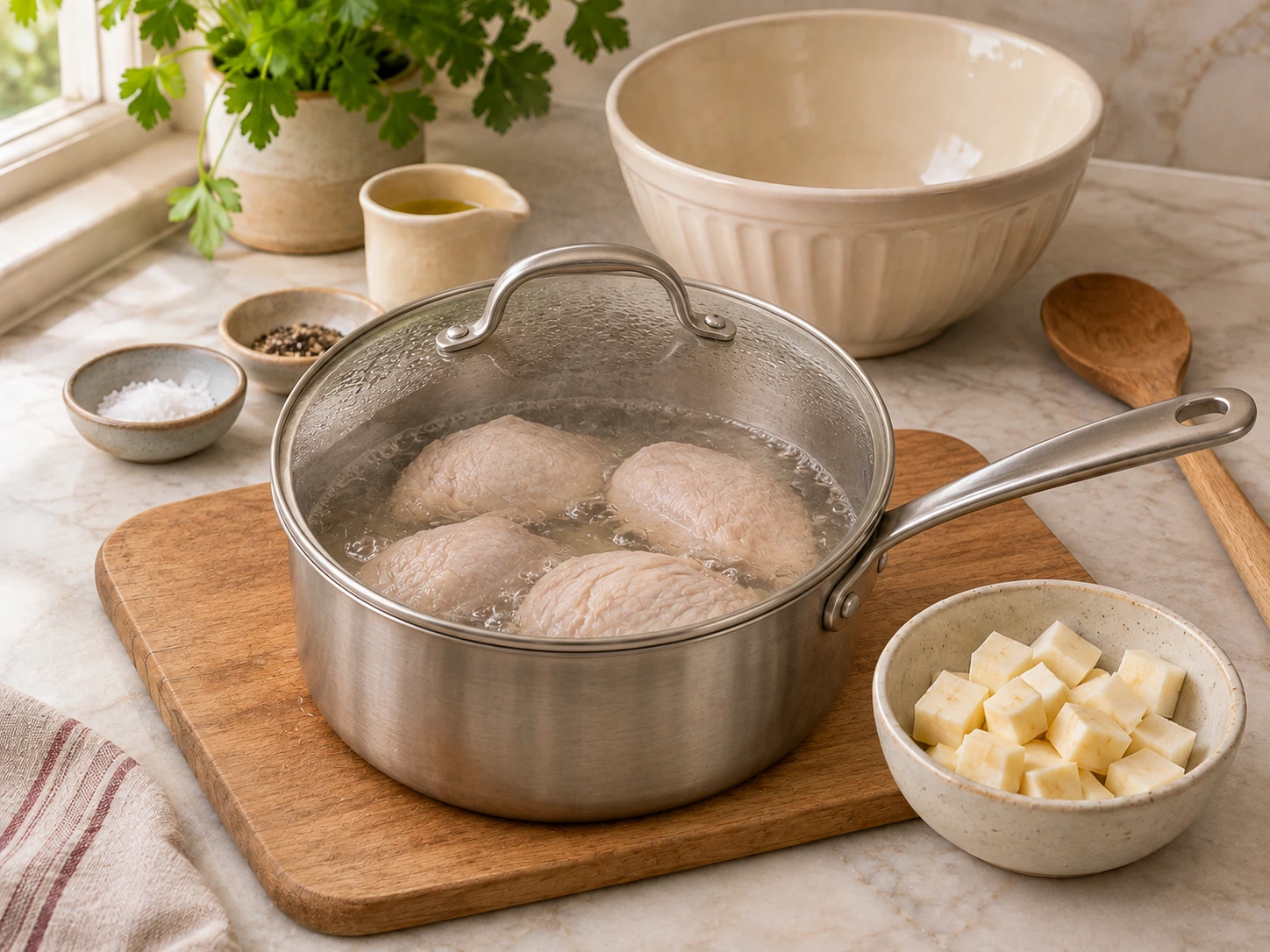
Begin the Gentle Braise: Put the turkey pieces in a medium saucepan and add 250 ml of plain water. Bring to a gentle simmer over medium heat, then turn down the heat so the liquid bubbles quietly without boiling hard. Cover and cook for approximately 20 minutes, turning the turkey once if needed. Check the liquid now and then, adding a little plain water if the pan starts to dry out. Don't add stock, salt, onion, garlic or any seasoning.
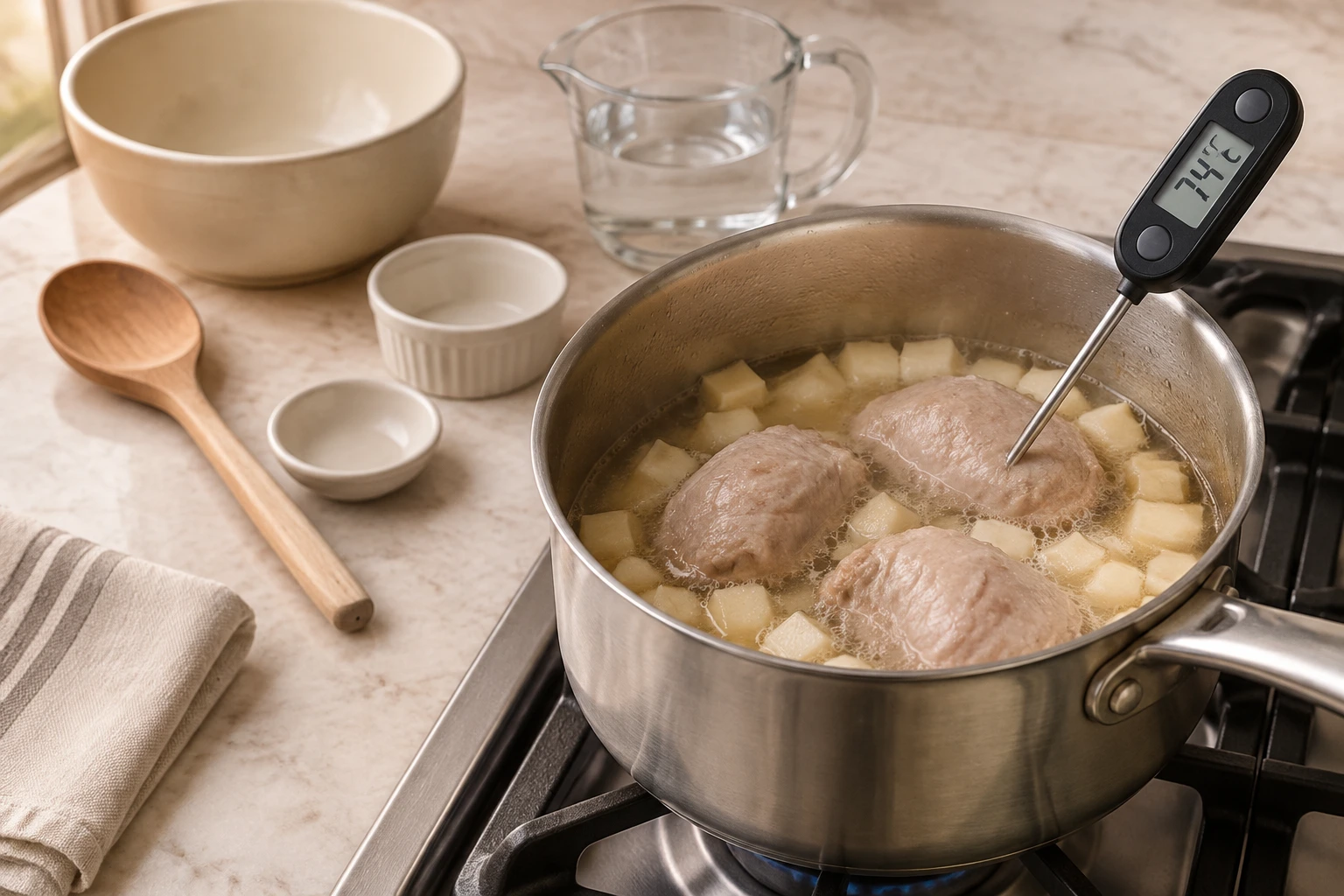
Add and Cook the Celeriac: Add the prepared celeriac cubes to the saucepan, arranging them around the turkey. Put the lid back on and continue simmering gently for approximately 15 to 25 minutes, checking both ingredients as they cook. The celeriac should be completely tender and easy to pierce with a fork. Use a food thermometer to check the thickest part of the turkey, which must reach an internal temperature of 74°C. If it hasn't reached that temperature, keep cooking and check again before taking it out of the pan.
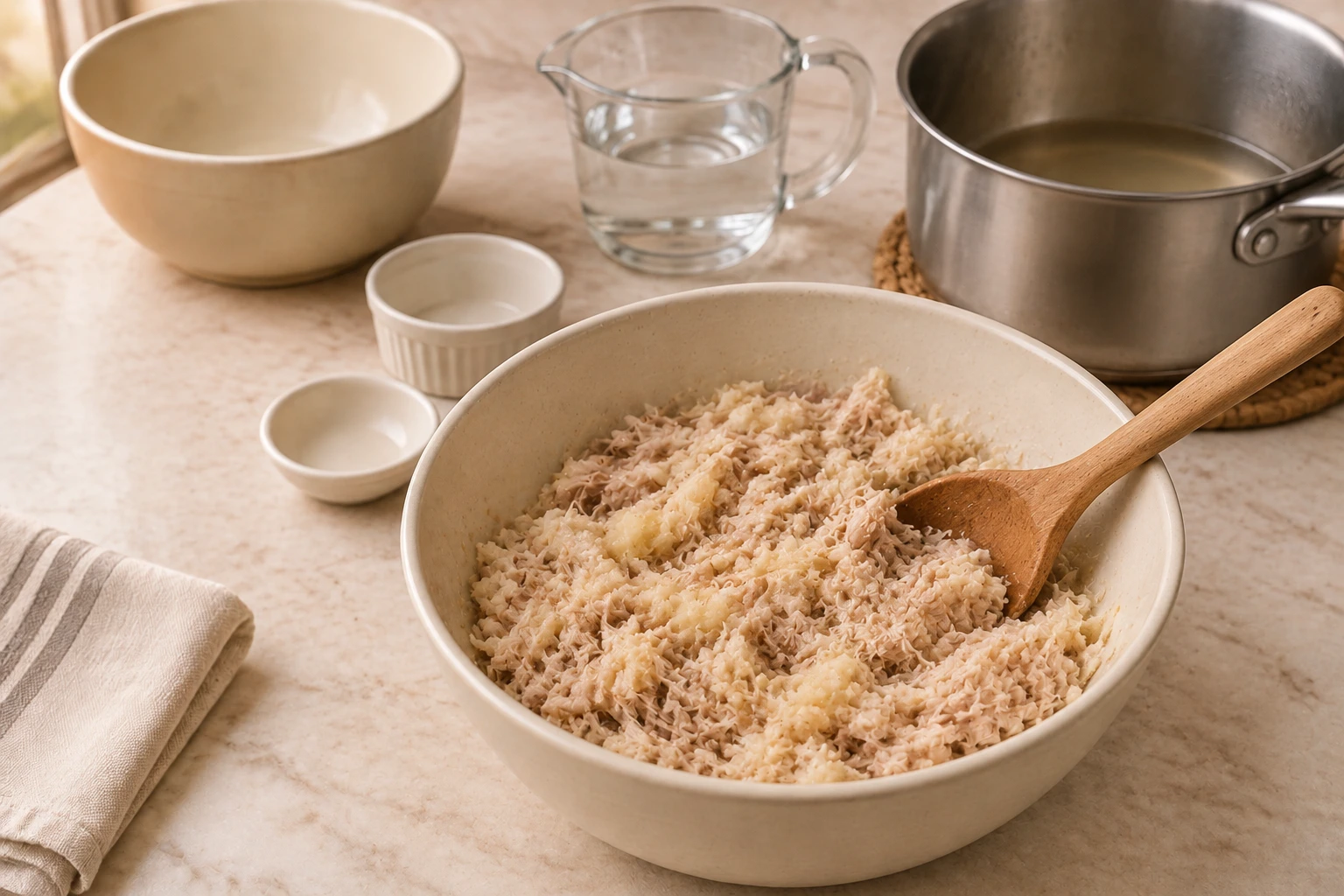
Shred the Turkey and Break Down the Celeriac: Use clean tongs or a slotted spoon to lift the fully cooked turkey and celeriac from the saucepan. Set them on a clean shallow plate and leave the meat to cool until it's comfortable to handle. Check the turkey once more for any missed bone or hard fragments, then pull it into short, fine shreds using two forks. Mash the celeriac thoroughly with a fork until soft, making sure no firm chunks remain. Gently mix the two together, adding a little of the reserved cooking liquid to keep everything moist without making it watery.
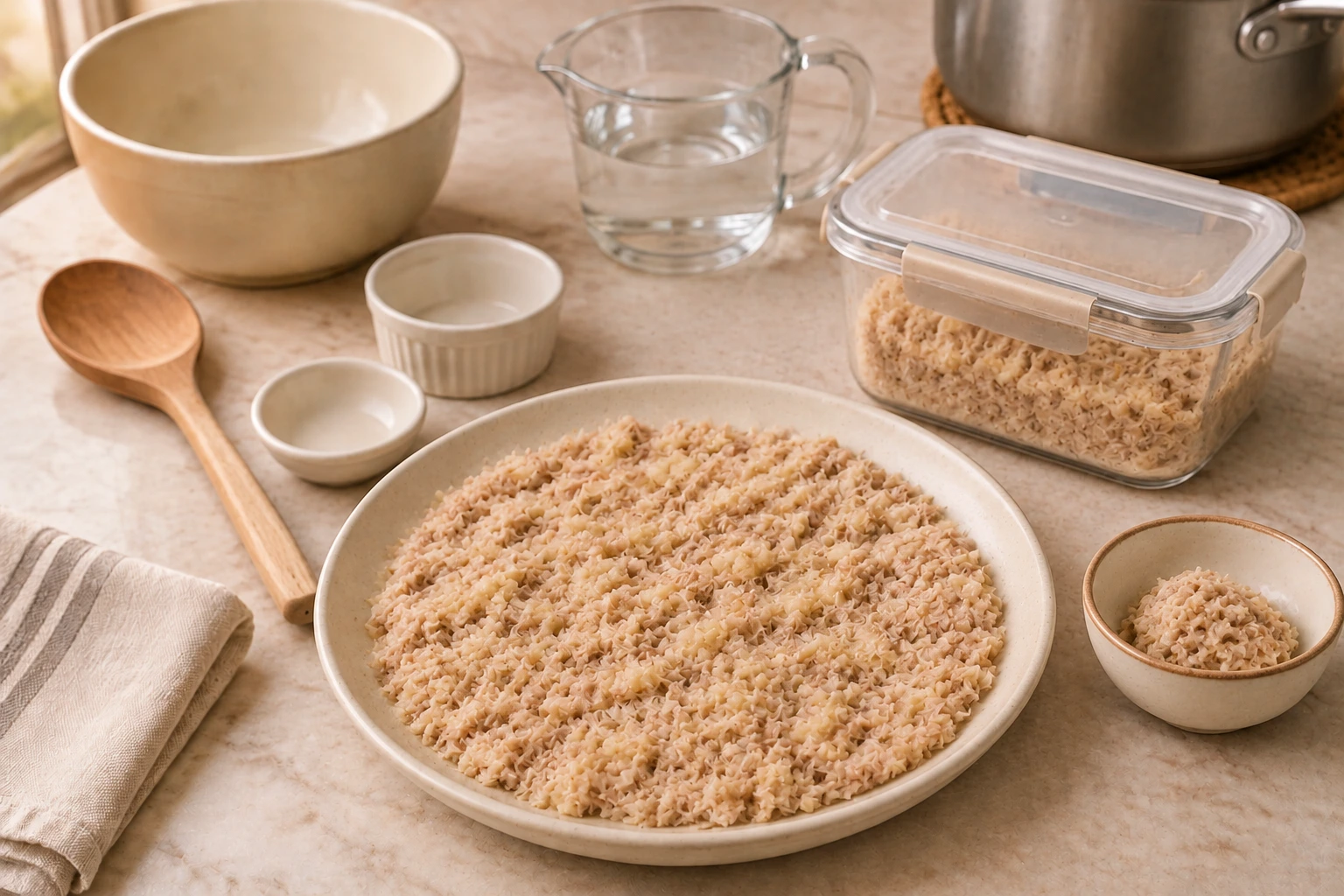
Cool and Portion the Ragout: Transfer the shredded turkey and mashed celeriac to the clean shallow plate, spreading the mixture into a thin, even layer to help it cool faster. Let it cool completely before serving or refrigerating. Check carefully for any remaining bones, skin, firm vegetable pieces or other unwanted fragments. Divide the ragout into small portions and put any unused mixture in a clean airtight container. Serve a modest spoonful alongside your cat's regular complete food, adjusting the portion to suit their usual meal size.
Made this recipe?
Tap the paw so other pet parents know it’s worth making.
Be the first to make it
Tips & serving
Let the ragout cool completely before serving. Start with approximately one teaspoon mixed into your cat's usual nutritionally complete wet or dry food, then adjust according to your cat's size, appetite and tolerance. Keep the turkey as the dominant ingredient and use the ragout as an occasional or modest complementary addition, not a replacement for balanced cat food. Treats and toppers should generally account for no more than 10% of daily calories. Always discuss major diet changes with your veterinarian, particularly if your cat has dietary restrictions or an existing health condition.
- Finely shredded turkey creates a soft, manageable texture that is easy to mix into ordinary cat food.
- Gentle braising retains natural cooking moisture, helping prevent the finished meat from becoming dry or crumbly.
- Using a small quantity of celeriac introduces a different cooked vegetable texture without making vegetables the main ingredient.
- Preparing the turkey in larger pieces makes it easier to inspect the meat and remove any unwanted fragments before serving.
- The recipe uses familiar, recognizable ingredients without relying on added salt, sauces, artificial flavourings or seasoning.
- Choose a single evenly thick boneless turkey thigh where possible, as similarly sized pieces make it easier to achieve consistent cooking.
Storage
Refrigerate the completely cooled ragout promptly in a clean, airtight container at 4°C or colder. Use within 2 to 3 days and always check its smell and appearance before serving. Do not leave the mixture sitting at room temperature for extended periods. Label each container with its contents and preparation date. Defrost frozen portions in the refrigerator rather than on the kitchen counter.
Substitutions
Boneless, skinless chicken thigh can replace turkey thigh if necessary. Use the same approximate quantity and cook until the thickest section reaches 74°C. The finished texture and flavour will be slightly different. If celeriac is unavailable, a small quantity of peeled carrot can be used instead. Cook it until completely soft and mash thoroughly. Keep the vegetable portion modest so turkey remains the main ingredient. Plain water is important for this recipe.
Cats recipe FAQ
Can Cats Turkey and Celeriac Savoury Ragout replace my cat's regular diet?
Treat it as an occasional extra, not a meal plan. Let the ragout cool completely before serving. Start with approximately one teaspoon mixed into your cat's usual nutritionally complete wet or dry food, then adjust according to your cat's size, appetite and tolerance.
Is boneless turkey thigh okay for cats?
This recipe uses boneless turkey thigh in a small, cat-appropriate amount. Skip it if your cat has a known sensitivity, and read the foods-to-avoid note on this page before serving.
How should I store leftovers?
Refrigerate the completely cooled ragout promptly in a clean, airtight container at 4°C or colder. Use within 2 to 3 days and always check its smell and appearance before serving. Do not leave the mixture sitting at room temperature for extended periods.
How should I introduce this topper?
Start with a taste-size portion next to your cat's usual food, and hold off on serving more until you have seen that it agrees with them.
Can cats eat cooked celeriac?
Cats can have a small amount of plain, thoroughly cooked celeriac as an occasional ingredient. Peel it, cook it until completely tender and mash it well. It should remain a minor part of this recipe because cats rely on animal-based nutrition rather than vegetables.
Can I use turkey breast instead of turkey thigh?
Yes. Boneless, skinless turkey breast can replace the thigh in the same approximate quantity. It is leaner and may become dry more quickly, so watch the cooking liquid carefully and avoid extending the braising time unnecessarily. Always confirm that the thickest part reaches 74°C.
Sources