
You are preparing chicken for dinner, and your cat appears the moment the cutting board comes out. Chicken hearts might seem like a sensible little treat because they are meat, they smell appealing to many cats, and they contain nutrients cats need. Still, being made from meat does not automatically make a food suitable in every form or amount. You need to consider how the hearts are handled, how they are cooked and what else your cat eats during the day. So, can cats eat chicken hearts safely? Yes, plain chicken hearts can be offered to most healthy cats as an occasional treat or food topper when they are handled safely and cooked thoroughly. Raw hearts carry foodborne pathogen risks, while seasoned or heavily prepared hearts may contain ingredients that are unsafe for cats. The advice also changes if your cat has a medical condition, follows a prescription diet or eats a homemade diet. Here is how to make a sensible choice without turning a small treat into a dietary problem.
Are chicken hearts safe for cats?
Chicken hearts are edible muscle meat, and cats can generally eat them when they are fresh, handled hygienically and thoroughly cooked without seasoning. They provide animal protein, fat and nutrients such as iron and B vitamins. Cats are obligate carnivores, so animal-based foods fit their natural dietary needs, but that does not mean every organ or meat portion supplies everything a cat requires. Chicken hearts are a food ingredient, not a complete diet by themselves.
For a healthy adult cat that already eats a nutritionally complete commercial food, a little plain cooked heart can be a reasonable occasional extra. The situation is different for kittens, pregnant cats and cats with conditions that affect digestion or require dietary restrictions. Their nutritional needs may be more specific. If your cat has a history of food intolerance, pancreatitis or another condition managed through diet, ask your veterinarian before introducing chicken hearts. For a healthy cat, start by treating them as an optional extra, not a replacement for regular meals.

What nutrients do chicken hearts provide?
Chicken hearts supply animal protein, which supports the maintenance of muscle and other body tissues. They also contain iron, zinc and several B vitamins, including vitamin B12. Their nutrient content varies with the size of the hearts and how they are prepared, so it is better not to treat any single heart as a predictable nutritional unit. The food can add variety to a meal, but variety alone does not guarantee that a cat's overall diet is balanced.
One point worth clearing up is taurine. Cats need taurine in their diet, and taurine is found in animal tissues, including heart muscle. However, the amount a cat gets from a particular serving of chicken hearts is not a reliable basis for planning a complete diet. Preparation, the rest of the recipe and the cat's individual requirements all matter. Commercial complete cat foods are formulated to supply essential nutrients in appropriate proportions. If you are considering homemade cat food toppers regularly, keep the main diet complete and discuss any larger dietary changes with your veterinarian.
How to prepare cooked chicken hearts for cats
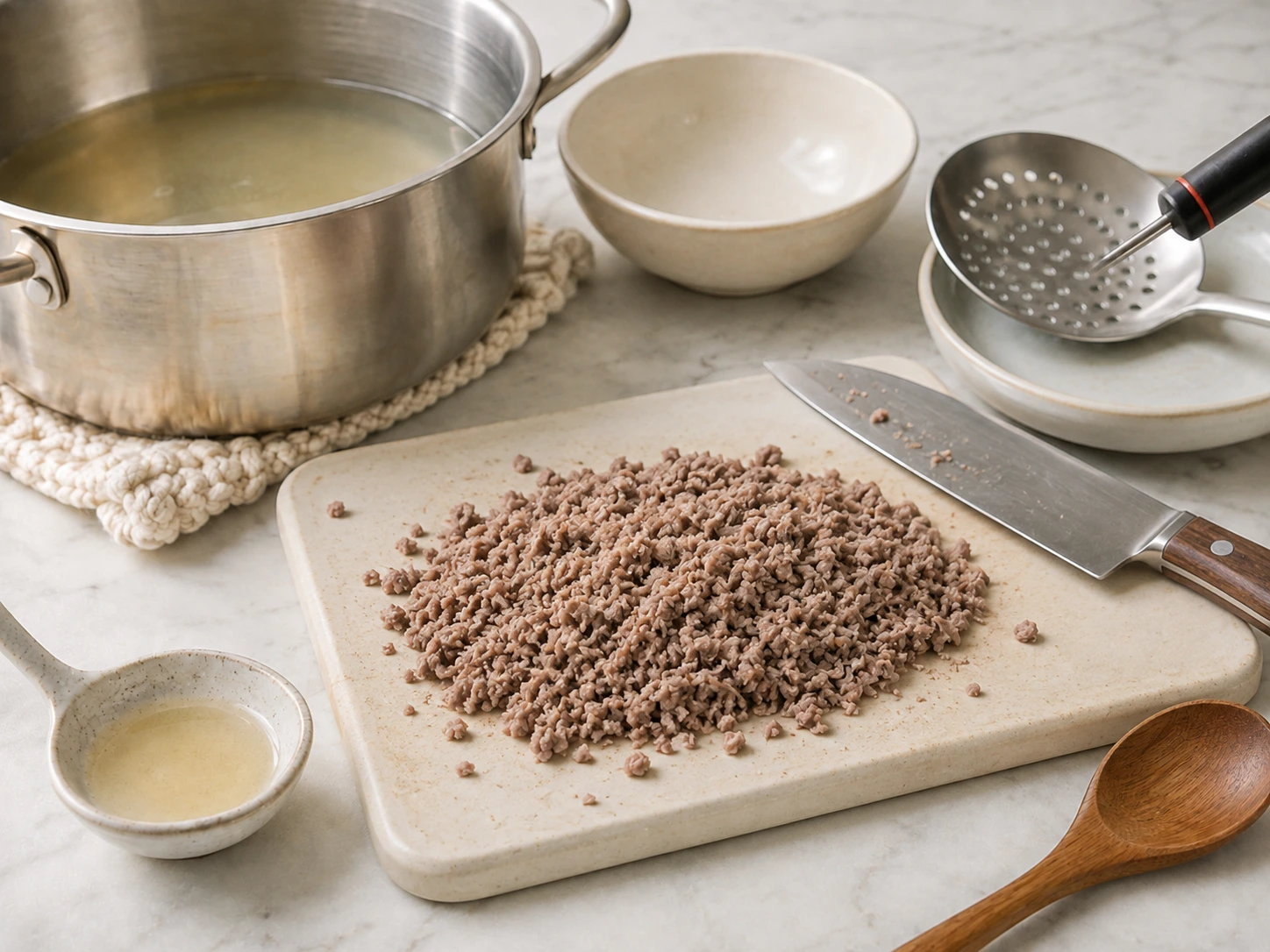
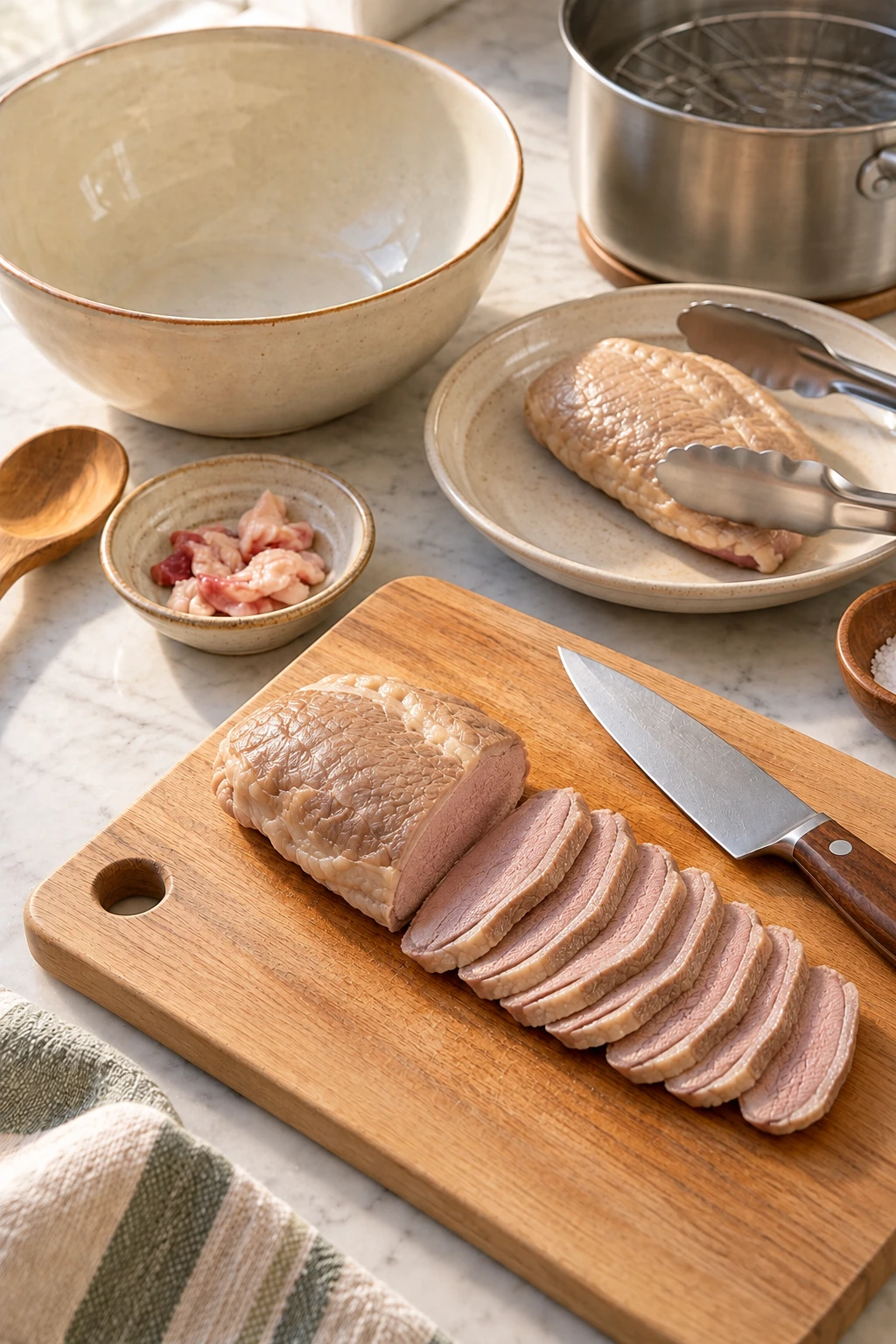
For home preparation, choose fresh chicken hearts from a reputable food retailer and keep them refrigerated until you are ready to cook. Wash your hands before and after handling raw poultry, use a separate cutting board if possible, and clean the knife and nearby surfaces carefully. Do not rinse raw chicken hearts in the sink, because splashing water can spread bacteria around the kitchen. Discard any hearts that smell spoiled or have been stored improperly. If the packaging is damaged or you are unsure how long the meat has been refrigerated, do not serve it to your cat.
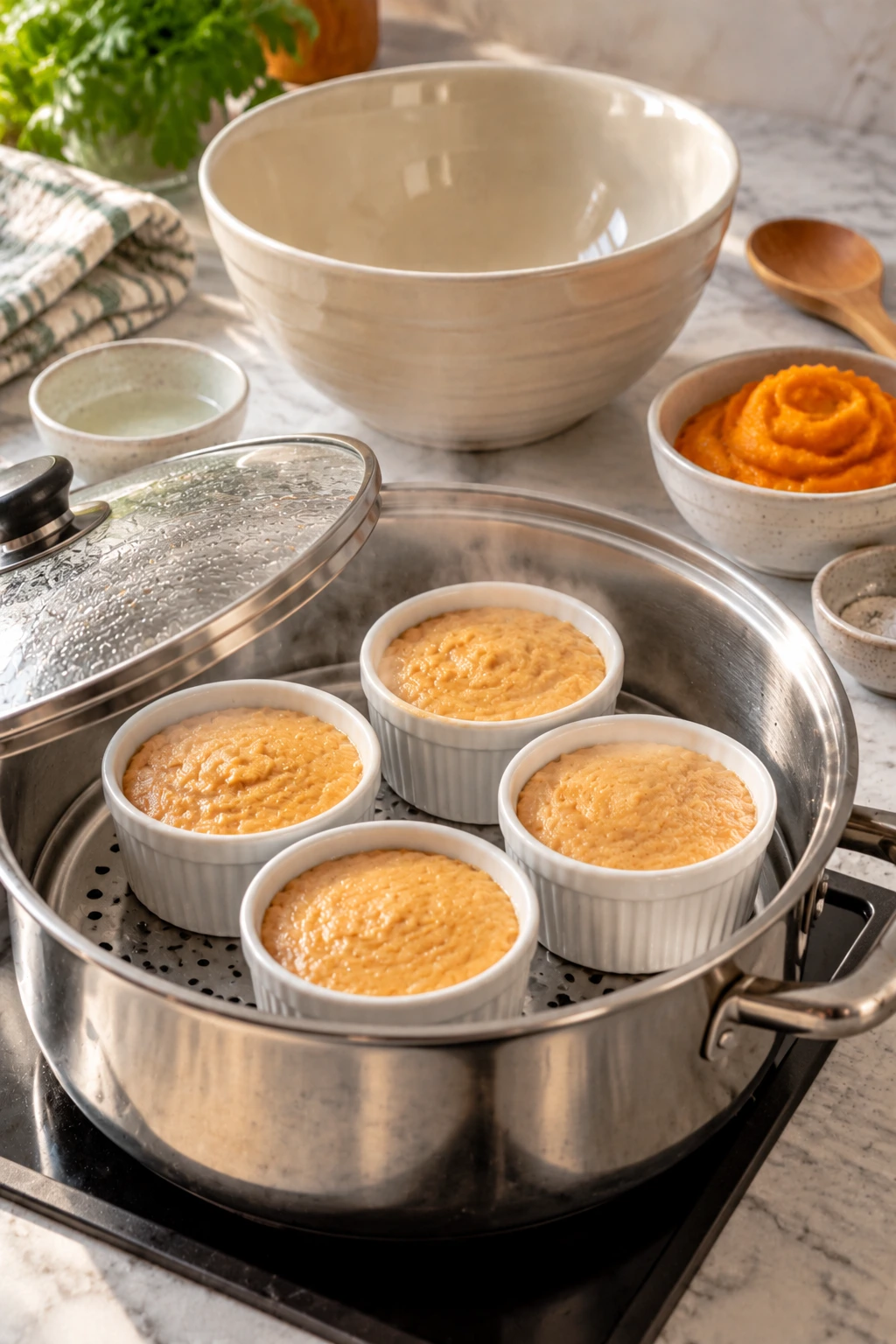
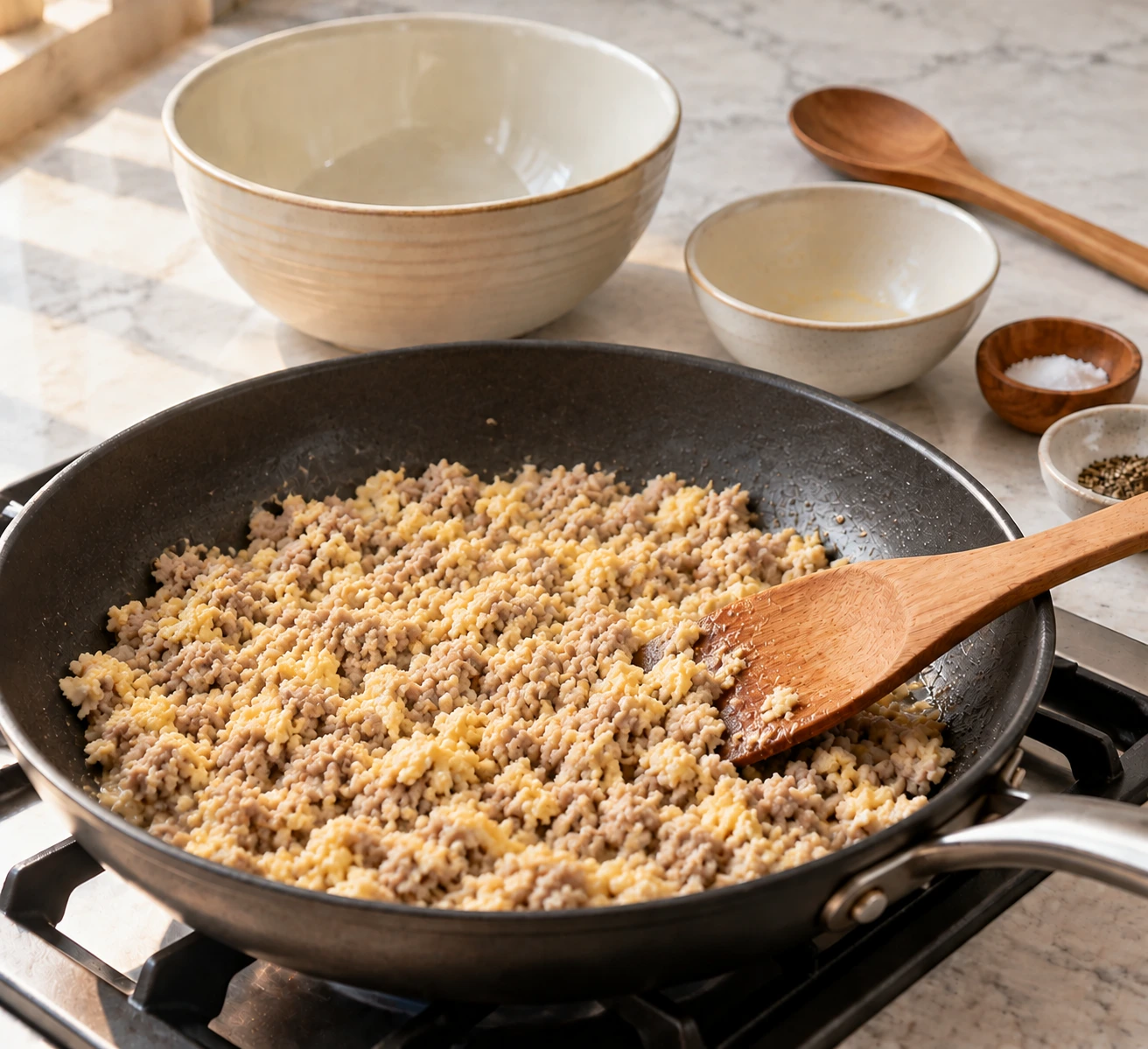
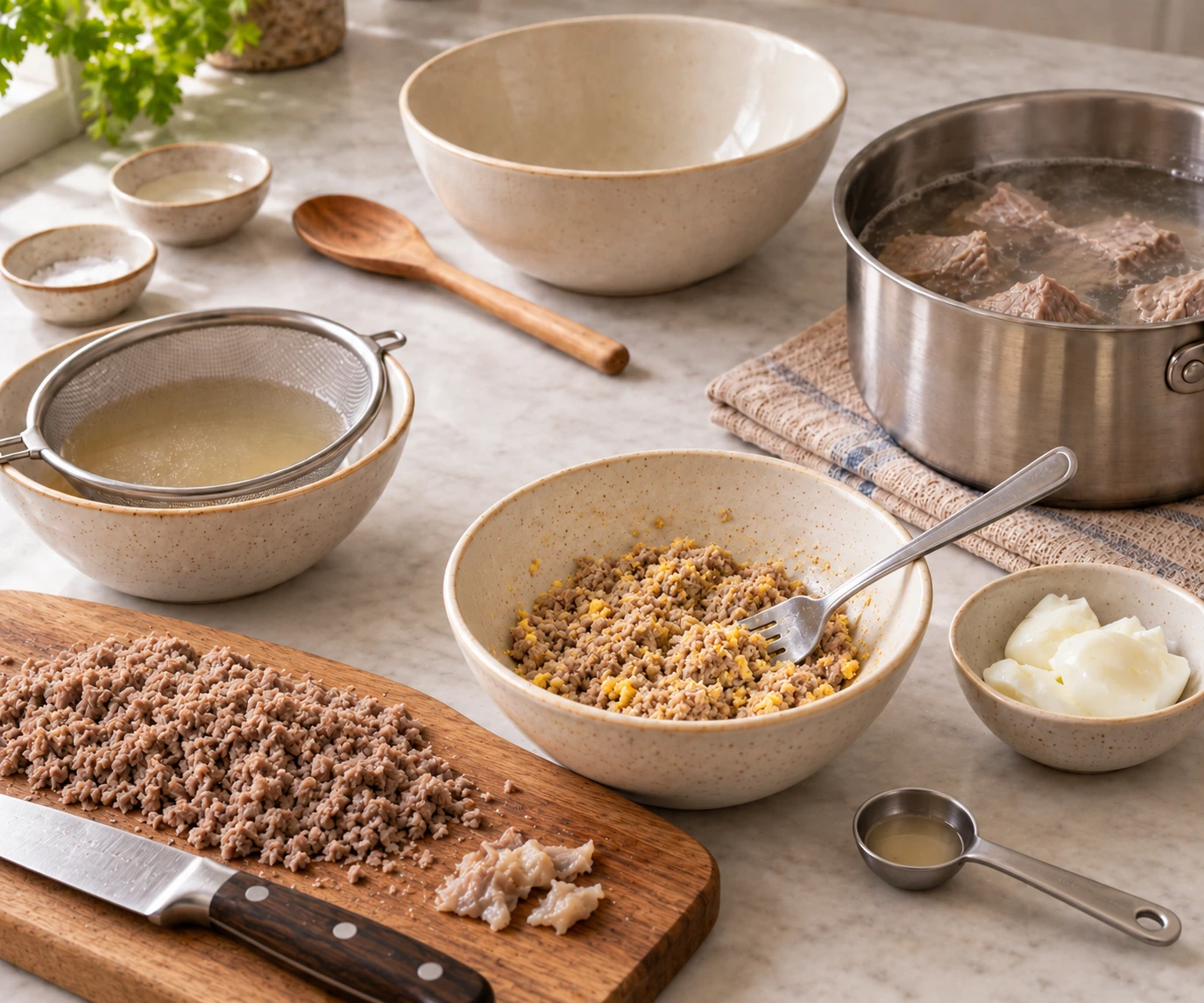
Cook the hearts thoroughly by boiling, steaming or baking them without oil, butter, salt, stock, spices or sauces. Poultry should reach an internal temperature of 165 degrees Fahrenheit, or 74 degrees Celsius, measured with a food thermometer. Let the cooked hearts cool before cutting them into small, manageable pieces. Remove any hard or awkward pieces that could be difficult to chew, especially for a cat that gulps food. Do not add onion or garlic, including powdered versions, because these ingredients are toxic to cats. Keep the preparation plain, and make your cat's portion before adding seasonings to the food you intend to eat.

Should cats eat raw chicken hearts?
Raw chicken hearts are sometimes offered to cats as part of a raw feeding routine, but raw meat can carry harmful bacteria such as Salmonella and Campylobacter. Cats may become ill after exposure, and even an animal that appears healthy can shed pathogens in its stool. People in the household can also be exposed while handling the meat, cleaning food bowls or dealing with contaminated surfaces. Children, older adults, pregnant people and anyone with a weakened immune system may face greater risks from foodborne infections.
Freezing raw hearts does not reliably eliminate all disease-causing bacteria, and fresh-looking meat is not proof that it is safe. Cooking thoroughly is the safer household choice. If your cat has already eaten raw chicken hearts, do not assume illness will follow, but contact your veterinarian for advice if you are concerned, especially if your cat develops vomiting, diarrhea, reduced appetite or unusual tiredness. Seek prompt veterinary guidance for severe symptoms or a cat that seems significantly unwell. I would choose cooked hearts rather than raw ones for an ordinary home treat.
How much chicken heart can you offer?
There is no single serving size that suits every cat. A small adult cat with a low calorie requirement has different needs from a large, active cat, and age, body condition and existing health concerns can change what is appropriate. Start with a small piece of cooked chicken heart and see how your cat responds. If the food is new, offer it when you can observe your cat rather than leaving a large portion in the bowl while you are away. A cat that eats too quickly may need the piece cut smaller.
Treats and other extras should generally account for no more than 10 percent of a cat's daily calorie intake, with at least 90 percent coming from nutritionally complete and balanced food. This commonly used guideline helps prevent extras from displacing essential nutrients or adding excessive calories. It is not a target you need to reach. A few small pieces may be enough, and some cats should have fewer extras because of their diet or health. If your cat eats a prescription food or needs weight management, ask your veterinarian whether chicken hearts fit the plan before making them a regular treat.
Using chicken hearts as a cat food topper
A little cooked chicken heart can add a different smell and texture to your cat's usual meal. If your cat is curious but cautious, try placing a tiny piece beside the regular food rather than mixing a large amount into the bowl. That way, your cat can investigate it without having to accept a completely changed meal. Keep the usual food available, and do not pressure your cat to eat the new ingredient. Some cats enjoy organ meat immediately; others walk away after one sniff.
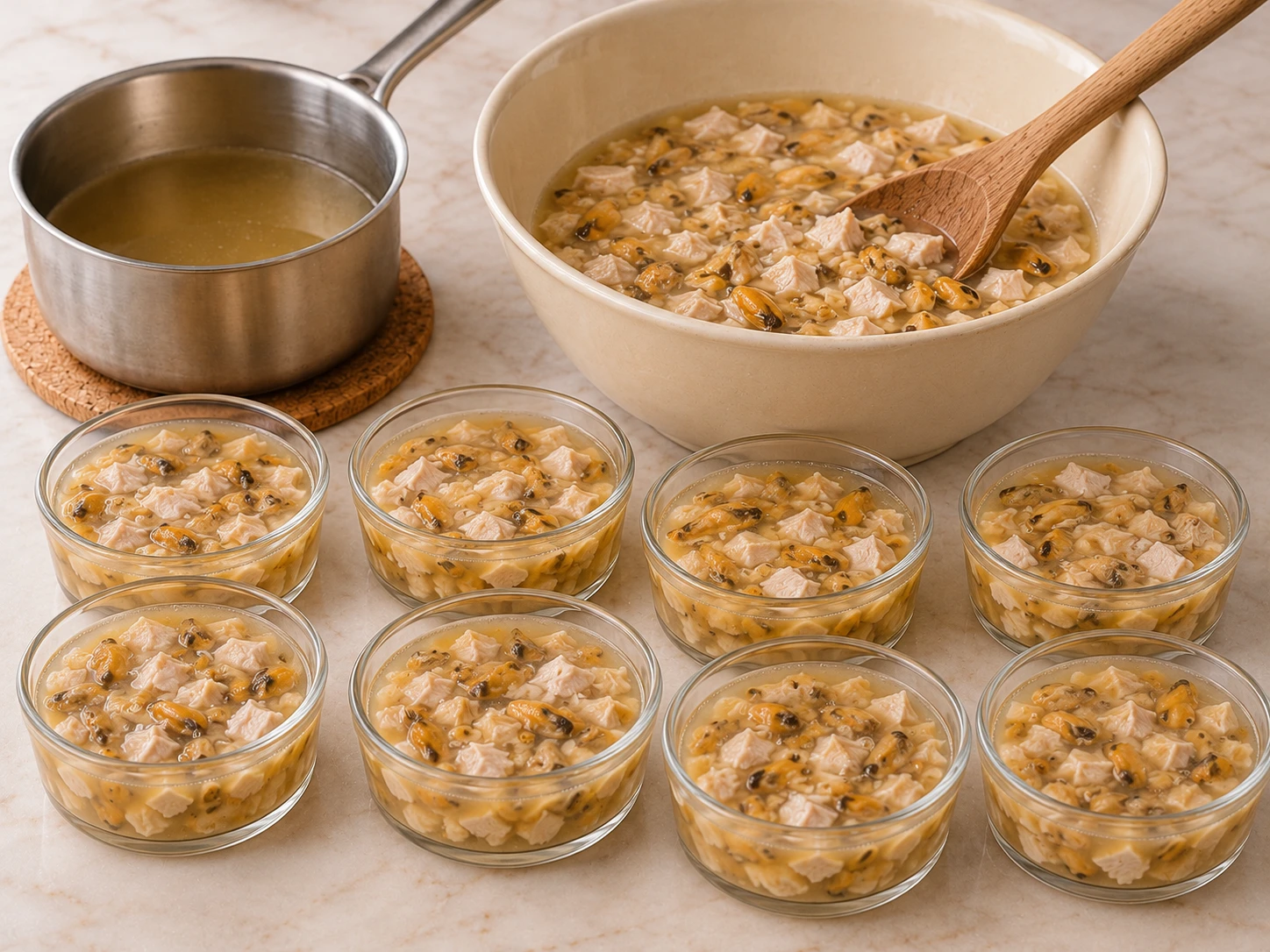
Chicken hearts as a cat food topper should remain a small addition to a complete diet. They are not a substitute for a balanced wet or dry food, and adding several homemade ingredients over time can change the nutrient balance of the whole meal. Refrigerate cooked leftovers promptly in a clean, covered container and use them within three to four days, or freeze individual portions for later use. Do not leave cooked meat sitting in the bowl for hours, particularly in a warm room. Discard food that has been sitting out too long or appears spoiled. If your cat develops digestive upset after trying the topper, stop offering it and contact your veterinarian for advice.
When chicken hearts are not a good choice
Even a plain cooked treat is not suitable for every cat. A cat with a prescribed diet, a known food allergy or a medical condition affected by food may need to avoid certain extras. If your veterinarian has recommended a strict feeding plan, check before introducing chicken hearts, even if the amount seems tiny. Homemade cat food toppers can complicate that plan when they add calories or nutrients the prescribed diet was designed to control. The safest choice depends on your individual cat, not simply on whether the ingredient is generally considered edible.
Also skip chicken hearts prepared with onion, garlic, rich sauces, excess salt or seasoning blends. Cooked bones should never be included, and hearts should not be served hot enough to burn your cat's mouth. If your cat refuses the food, there is no need to persuade them. If you notice repeated vomiting, persistent diarrhea, marked lethargy or other concerning changes after a new food, seek veterinary advice rather than trying additional ingredients at home. Introduce unfamiliar foods cautiously, and keep the regular diet steady while you assess your cat's response.
Can Cats Eat Chicken Hearts Safely? Preparation and Serving Tips FAQ
Can cats eat chicken hearts every day?
Chicken hearts are best treated as an occasional extra rather than a daily dietary staple. Frequent servings can displace complete cat food or add unnecessary calories. Ask your veterinarian whether regular servings fit your cat's nutritional needs.
Are cooked chicken hearts better than raw chicken hearts for cats?
Thoroughly cooked chicken hearts are the safer option for most household feeding situations because cooking reduces the risk from harmful bacteria. Raw poultry can expose both cats and people to foodborne pathogens, even when it looks fresh.
Can kittens eat chicken hearts?
Kittens need a carefully balanced diet to support growth, so treats should not replace their complete kitten food. Ask your veterinarian before introducing chicken hearts, especially if your kitten is very young or has digestive concerns.
Can I give my cat chicken hearts with salt or seasoning?
Serve chicken hearts plain, without salt, sauces, onion or garlic. Onion and garlic are toxic to cats, including in powdered forms. Rich seasonings and added fats are unnecessary, so prepare your cat's portion separately.
Can chicken hearts replace my cat's regular food?
No. Chicken hearts alone do not provide all the nutrients cats need in the right proportions. Feed a complete and balanced cat food as the main diet, and consult a veterinary nutrition professional before switching to homemade meals.
How should I store cooked chicken hearts for my cat?
Refrigerate cooked hearts promptly in a clean, covered container and use them within three to four days, or freeze portions for longer storage. Discard food left out too long, and wash food preparation surfaces after handling raw poultry.