

These sardine egg skillet threads are a handy homemade cat treat when you want something different from another batch of biscuits or individually shaped pieces. Plain sardine is mashed into egg, loosened with a little water, and supported with a small amount of finely ground oats so it cooks into a very thin, tender sheet. The key is to keep the sardines plain, cook the egg completely, and tear the cooled sheet into genuinely small pieces. This is an occasional treat rather than a replacement for complete cat food, and portions should stay modest because sardines can add meaningful calories to the day.
Safety first: Offer a small taste the first time and watch your cat for any tummy upset before serving more.
Foods to avoid
Do not use sardines packed with onion, garlic, chili, tomato sauce, heavy seasoning, or added flavorings. Avoid raw egg and make sure the skillet sheet is cooked completely through. Choose plain fish with minimal added sodium, inspect it carefully before mixing, and do not turn this treat into a substantial daily meal.
Ingredients
Instructions
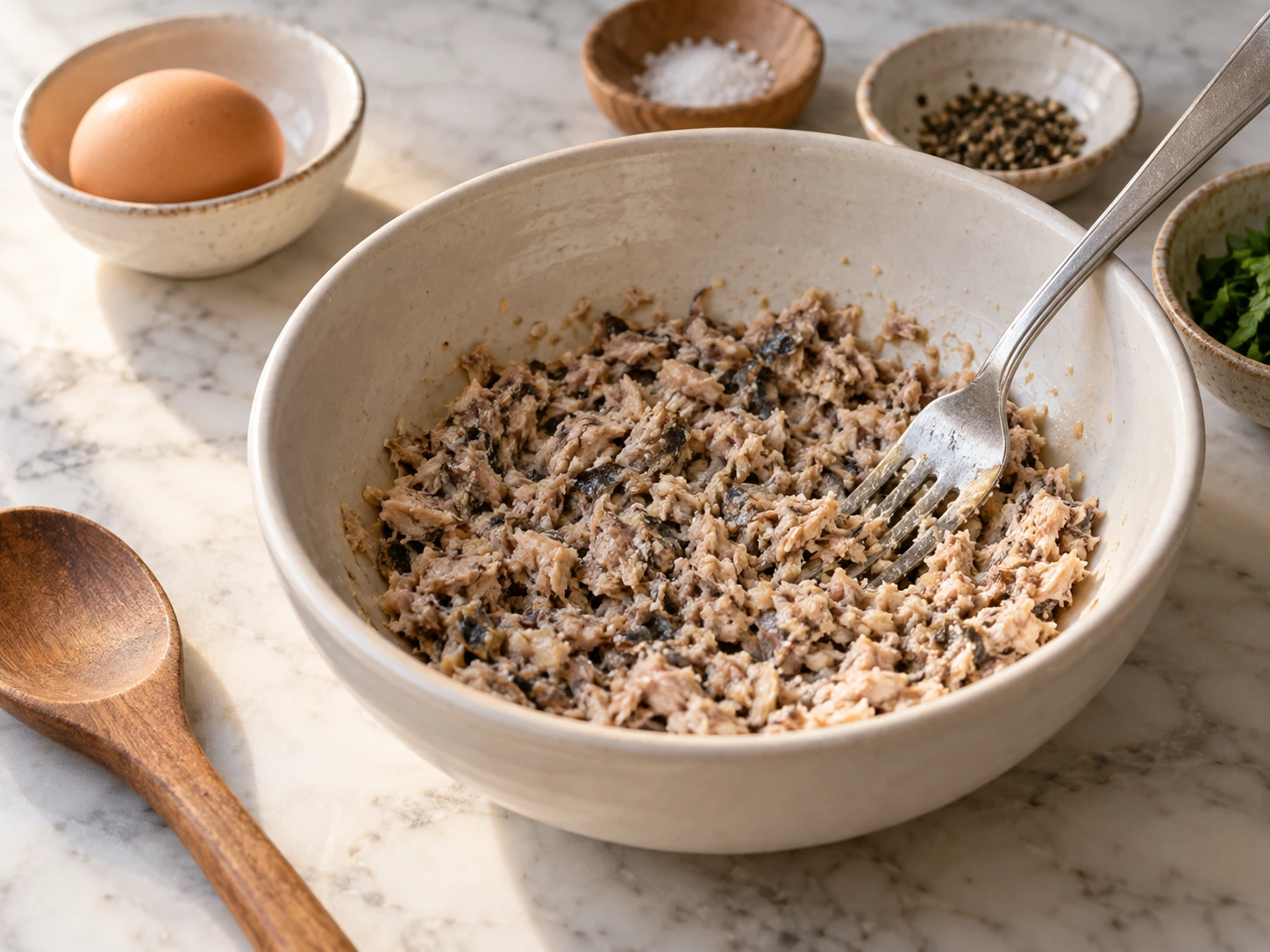
Mash the sardine: Place the drained sardines in a small mixing bowl and mash thoroughly with a fork until no large flakes or firm pieces remain. Check the fish as you work so the mixture will spread evenly into a thin sheet without thick lumps that could cook at a different rate.
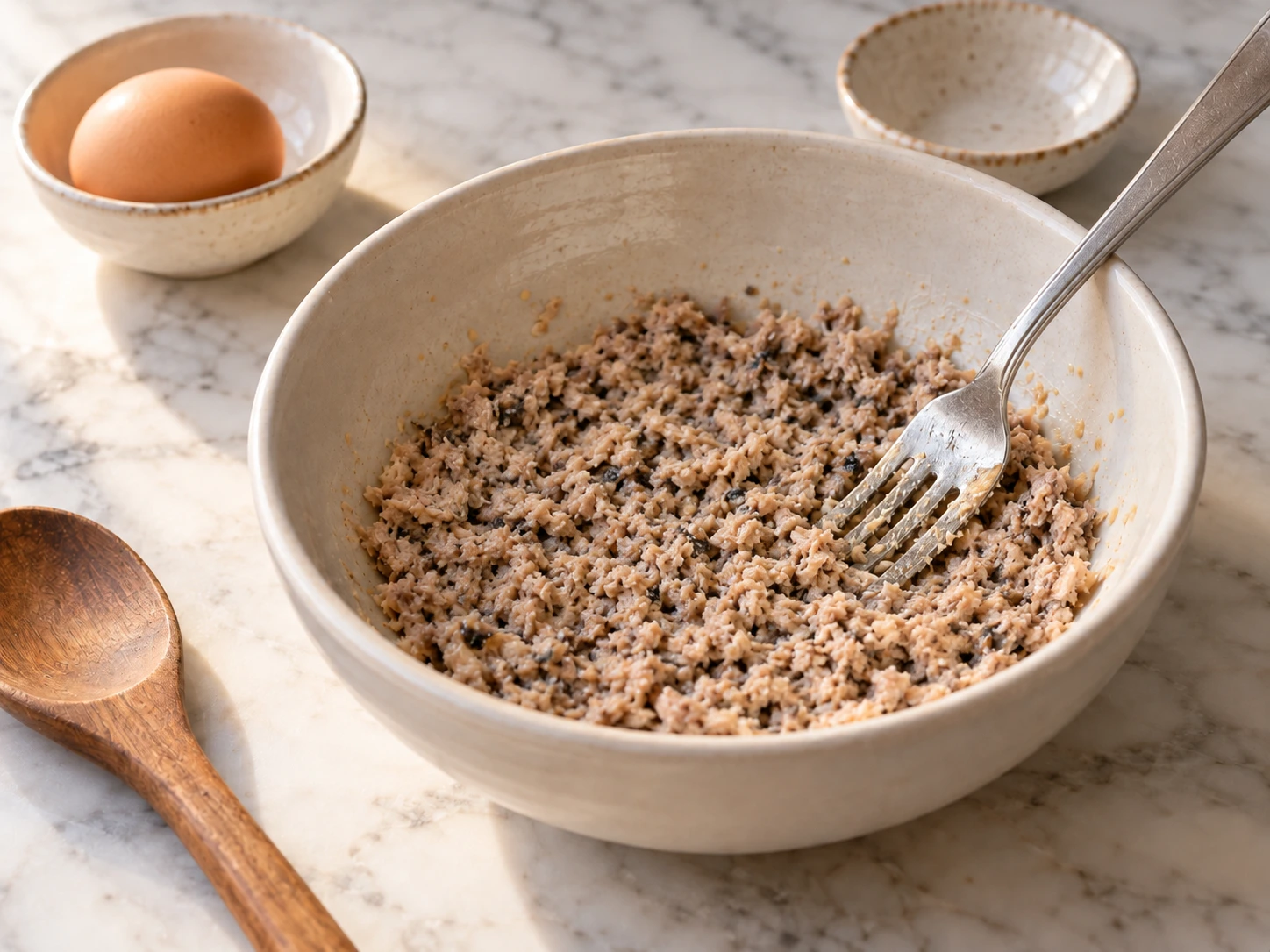
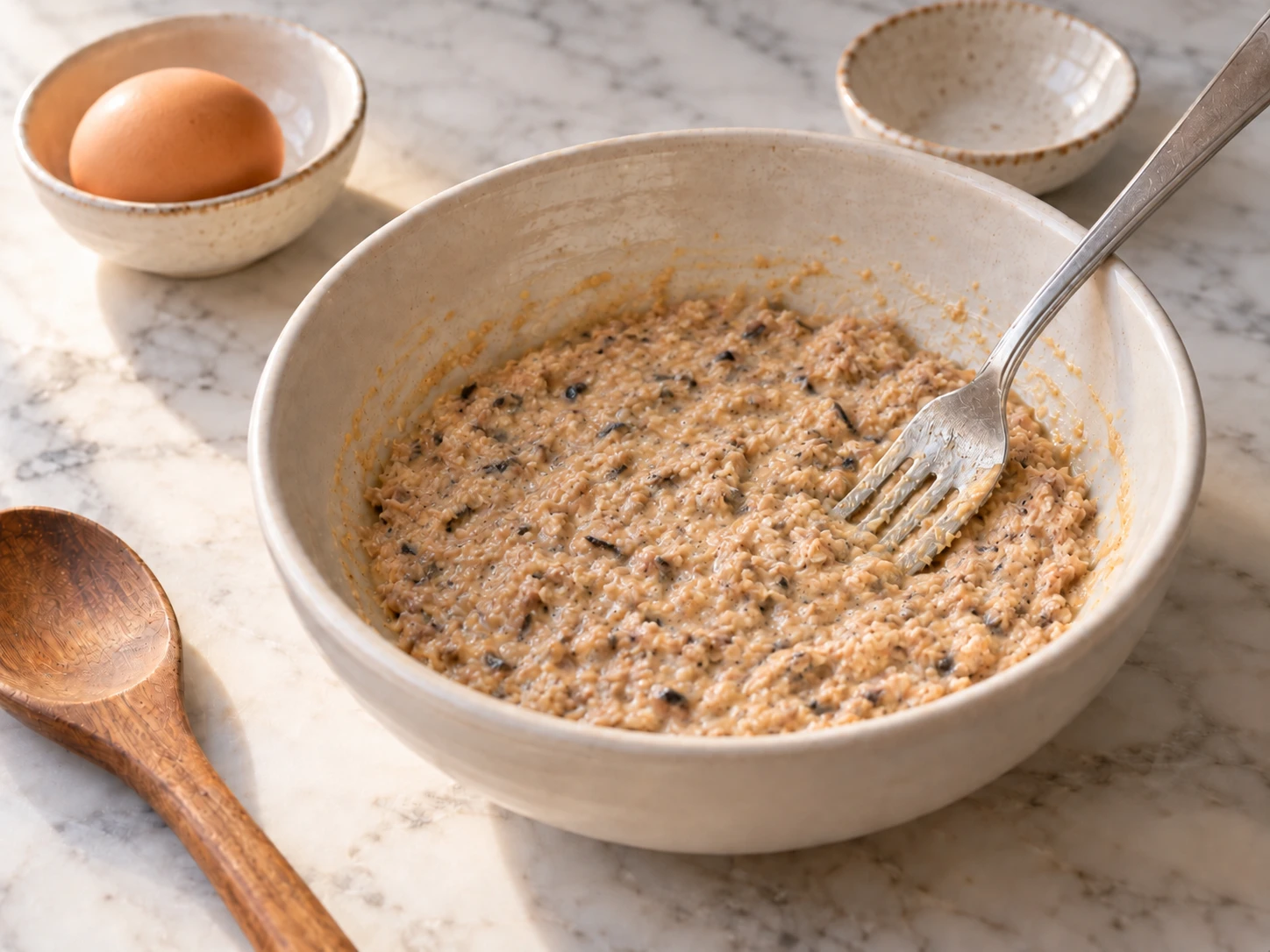
Mix the batter: Add the egg, water, and finely ground oats to the mashed sardine. Stir firmly with the fork until the egg is completely broken up and the mixture is loose, evenly combined, and spreadable, with the sardine distributed throughout rather than sitting in separate clumps.
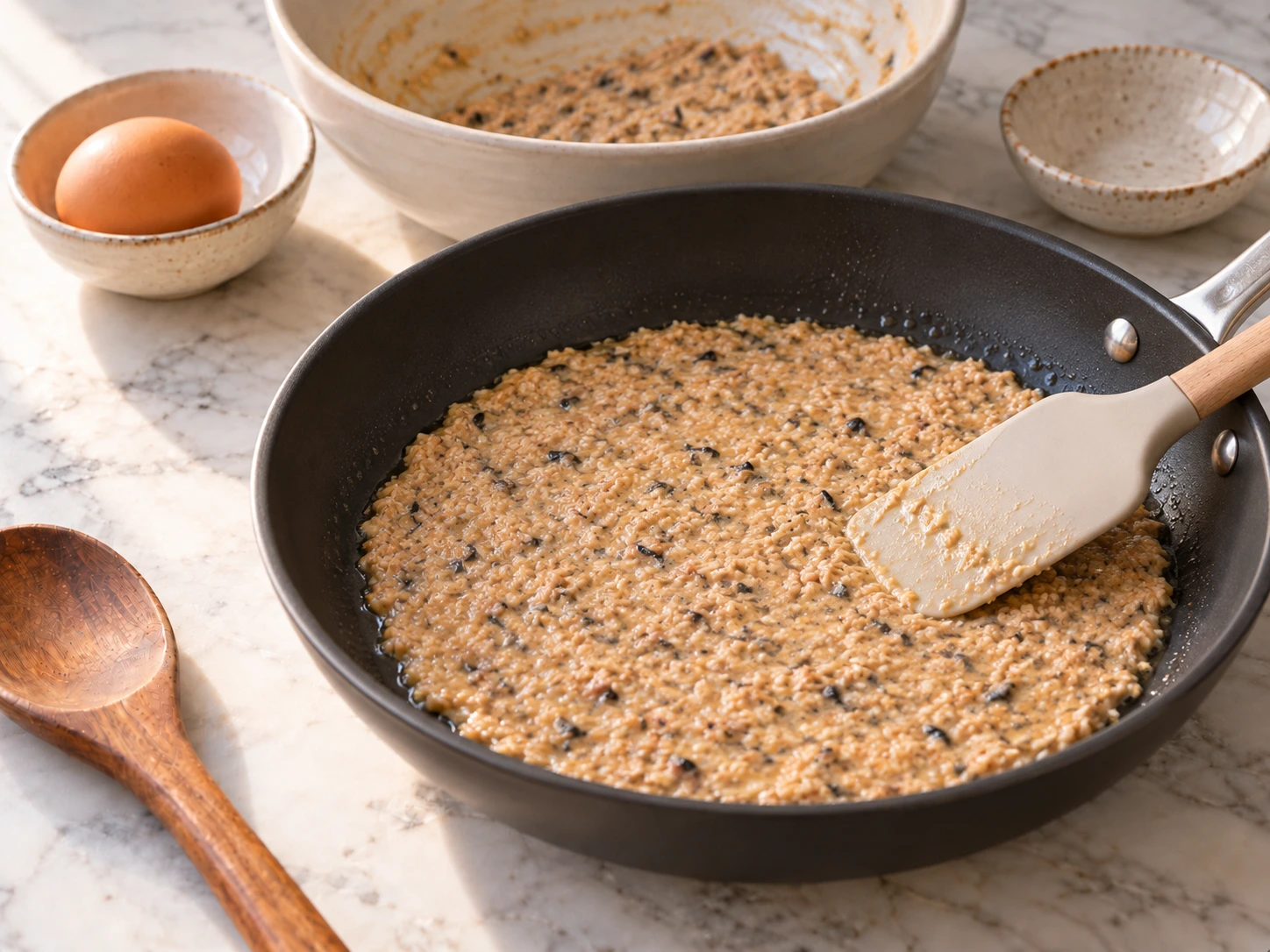
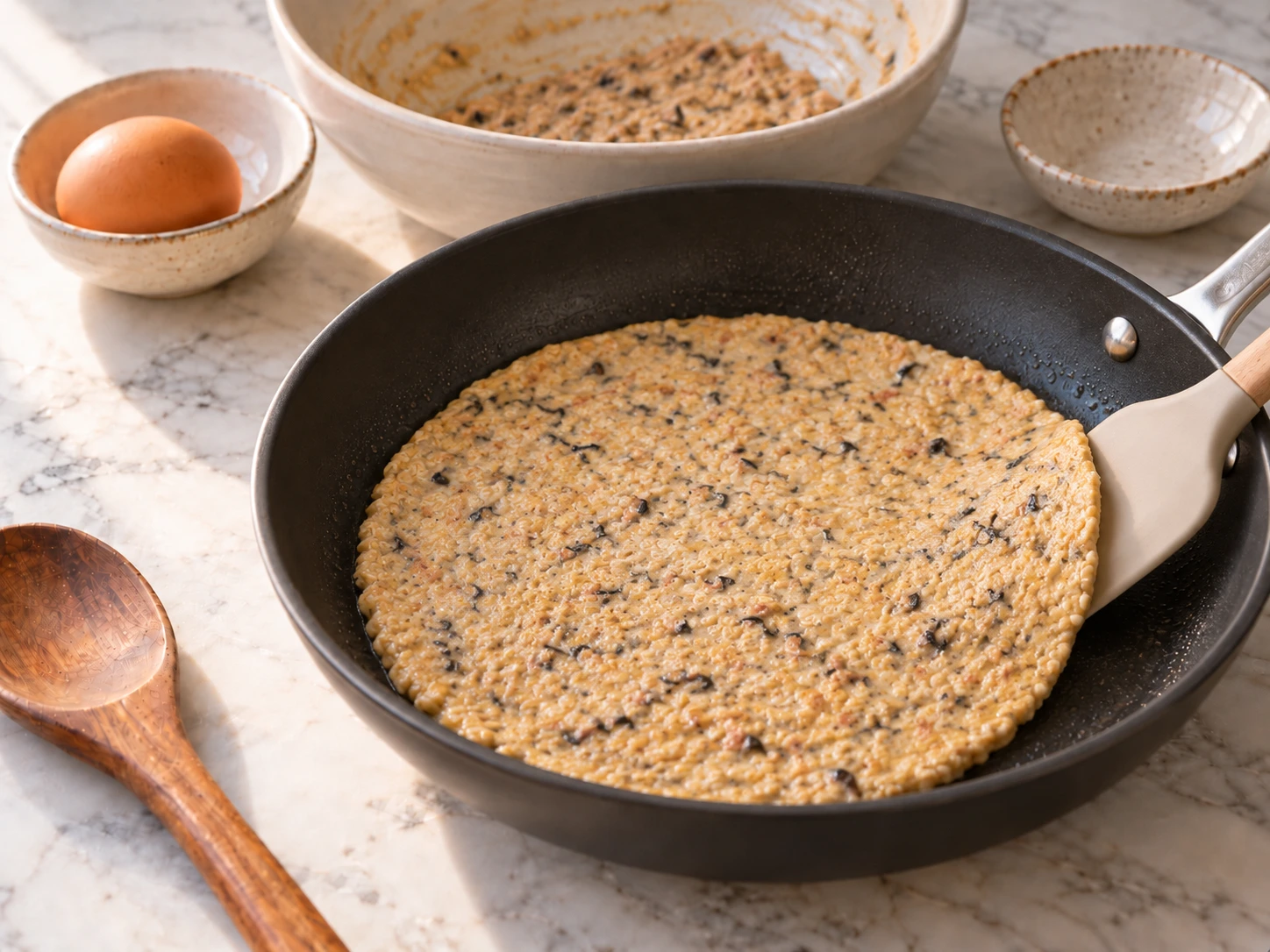
Spread it very thin: Warm the nonstick skillet over low heat, then add the sardine mixture and immediately use the silicone spatula to spread it into the thinnest even layer you can manage. Keep the heat gentle so the underside sets gradually without turning crisp before the top has time to cook.
Cook until fully set: Cook over low heat until the surface is mostly set and the sheet releases easily, then carefully turn it and briefly cook the second side. Remove it once the egg is fully cooked through but the sheet is still soft and flexible, rather than browned into a crisp or dried until leathery.
Cool and tear: Transfer the cooked sheet to a plate and let it cool completely before handling. Tear it into tiny, soft, irregular threads suited to your cat's eating style, checking that each piece separates easily and has no tough, rubbery, or oversized sections before serving a small portion.
Made this recipe?
Tap the paw so other pet parents know it’s worth making.
Be the first to make it
Tips & serving
Offer only a few tiny threads at a time as an occasional reward, adjusting the amount for your cat's size, usual diet, and total daily treat intake. Treats should remain a small part of an otherwise complete and balanced diet. Discuss major diet changes, frequent homemade feeding, or uncertainty about appropriate portions with your veterinarian.
- The soft torn texture makes very small reward portions straightforward to separate by hand.
- Cooking one thin sheet avoids repeatedly shaping individual treats and keeps preparation relatively simple.
- Using plain sardines and fully cooked egg keeps the ingredient list short and easy to inspect.
- Drain the sardines thoroughly before measuring so excess packing liquid does not make the skillet mixture difficult to set.
- Use low heat and spread the batter immediately because a thick center can stay soft while the edges become dry.
- Let the sheet cool completely before tearing since warm egg is more likely to stretch into larger rubbery pieces.
Storage
Cool the skillet sheet completely before storing so trapped steam does not make the threads wet or rubbery. Thaw only the amount needed in the refrigerator and do not repeatedly thaw and refreeze the same portion.
Substitutions
If plain sardines are unavailable, use an equivalent amount of another fully cooked, unseasoned fish your cat already tolerates, checking carefully for bones and avoiding smoked, brined, seasoned, or sauce-packed products. The finely ground oats can be replaced with the same amount of finely ground plain rice if needed for texture, although the finished sheet may be slightly more delicate and should still remain soft rather than crisp.
Cats recipe FAQ
Is this treat a complete meal for my cat?
Treat it as an occasional extra, not a meal plan. Offer only a few tiny threads at a time as an occasional reward, adjusting the amount for your cat's size, usual diet, and total daily treat intake.
Can cats have plain sardines?
This recipe uses plain sardines in a small, cat-appropriate amount. Skip it if your cat has a known sensitivity, and read the foods-to-avoid note on this page before serving.
How long does Cats Sardine Egg Skillet Threads keep?
Cool the skillet sheet completely before storing so trapped steam does not make the threads wet or rubbery. Refrigerate the torn pieces in a clean airtight container and use them within two days, discarding anything with an unusual smell, surface moisture, or.
What's the safest way to try this with my cat?
Offer a small amount beside regular food, introduce one new recipe at a time, and watch appetite, stool, skin, and behavior for a day or two.
Can I use canned sardines for these cat treats?
Yes, provided they are plain sardines packed in water without onion, garlic, sauces, spicy seasoning, or other added flavorings. Drain them well before using. Because sodium levels vary between products, check the label and favor a simple option with minimal added salt.
Why does the mixture need to be spread so thin?
A very thin layer helps the egg cook evenly and creates the soft sheet needed for tiny torn threads. If the batter is left thick, the center can stay overly moist while the outside becomes firmer, making the final pieces less consistent and harder to portion.
Sources