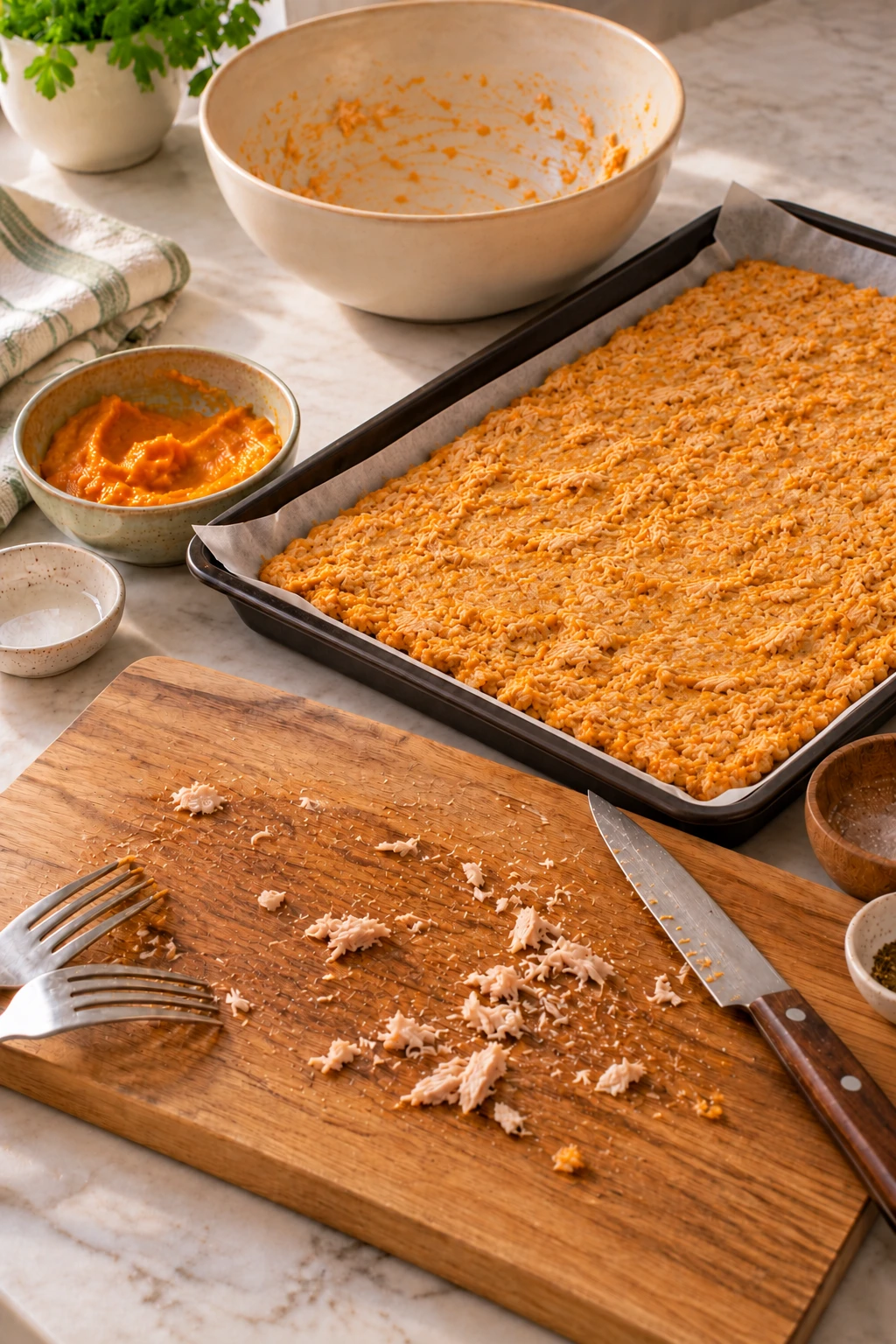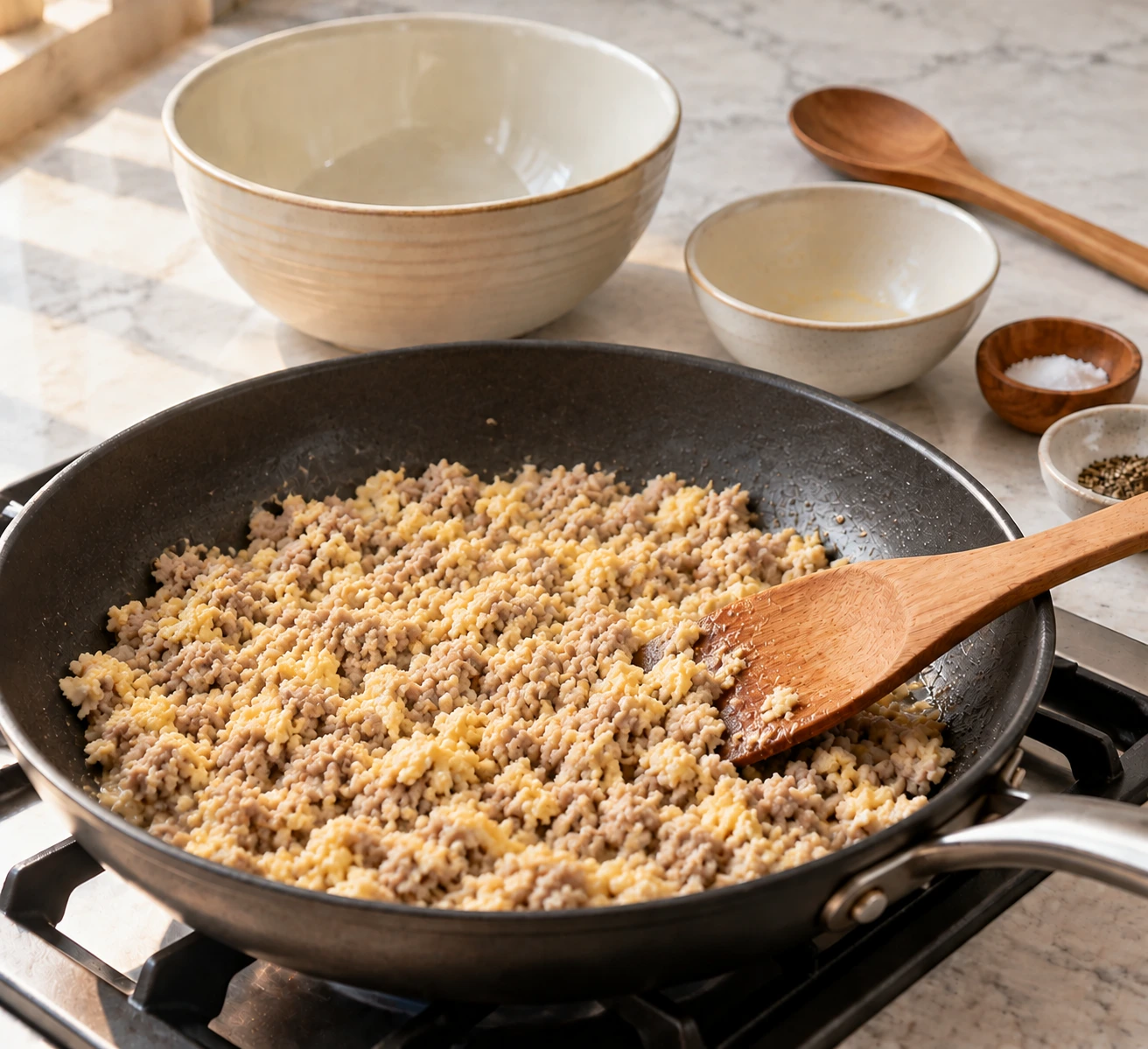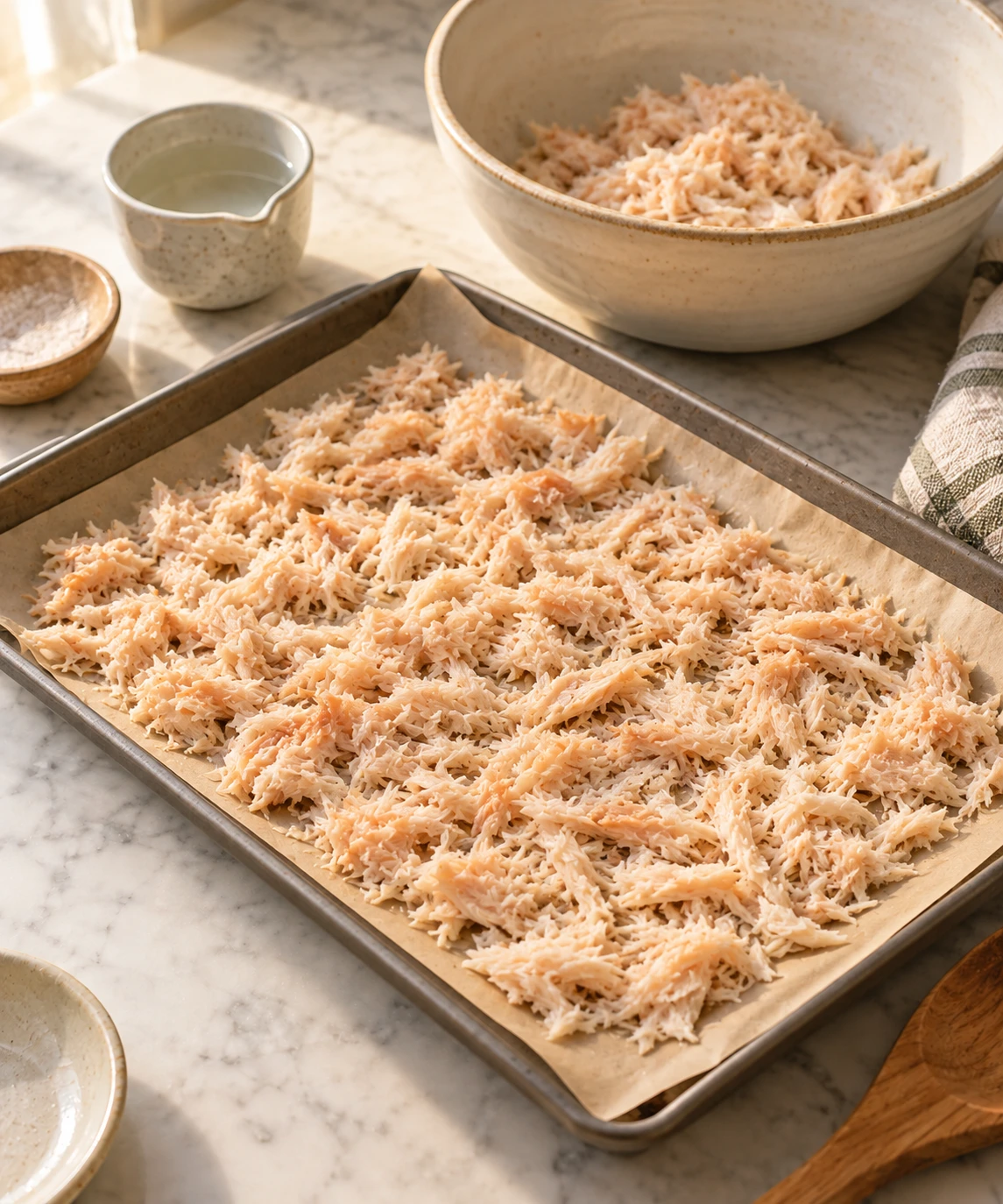

If your cat starts sniffing around while you prepare a beef dinner, you might be tempted to offer a little piece. Beef contains animal protein, and many cats enjoy its smell and texture. A small serving of plain, properly cooked beef can be suitable for a healthy cat, provided it is prepared carefully and remains an occasional extra rather than a replacement for balanced cat food. The details matter, though. A bite of unseasoned roast beef is very different from a fatty trimming, a seasoned burger or a piece of raw steak. Cooking, added ingredients, fat content and portion size all affect whether sharing is a sensible choice. If you are wondering, can cats eat beef safely, the answer depends on what kind of beef you have and how you serve it.
Can cats eat beef safely?
Yes, most healthy cats can eat a small amount of plain, thoroughly cooked beef. Cats are obligate carnivores, meaning they have specific nutritional needs that are met through a diet based on animal nutrients. Beef provides protein and nutrients such as iron and vitamin B12, but that does not make every beef dish suitable for a cat. The preparation matters just as much as the meat itself.
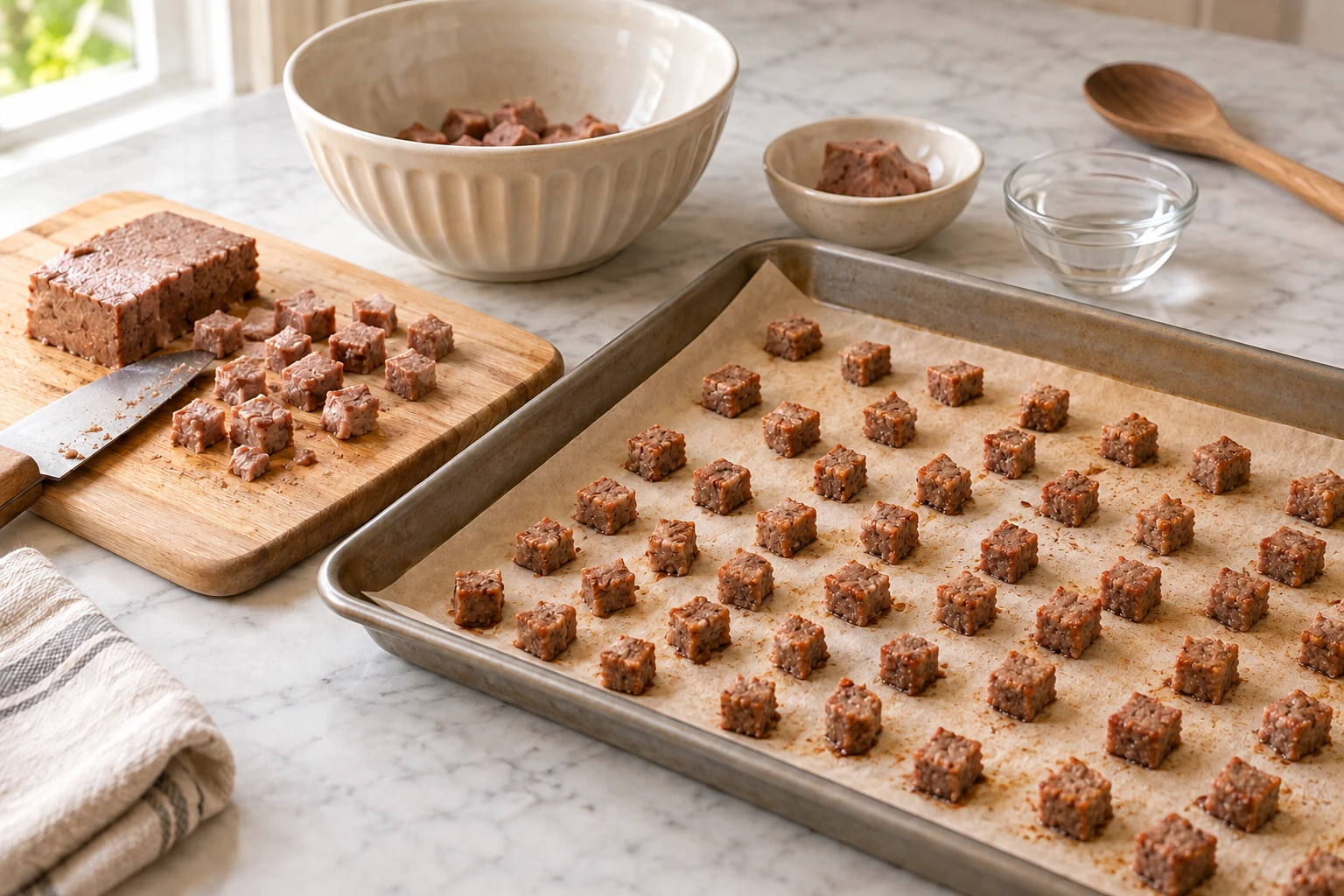
For a safe taste, choose lean beef without sauces, marinades, salt or seasoning. Remove visible fat and bones, then cut the cooked meat into small, manageable pieces. Let it cool before offering any. A cat that has never eaten beef before should start with a tiny taste, since an unfamiliar food can upset an individual cat's digestion. If your cat has a medical condition or follows a prescribed diet, ask your veterinarian before introducing it.

How to serve beef to cats
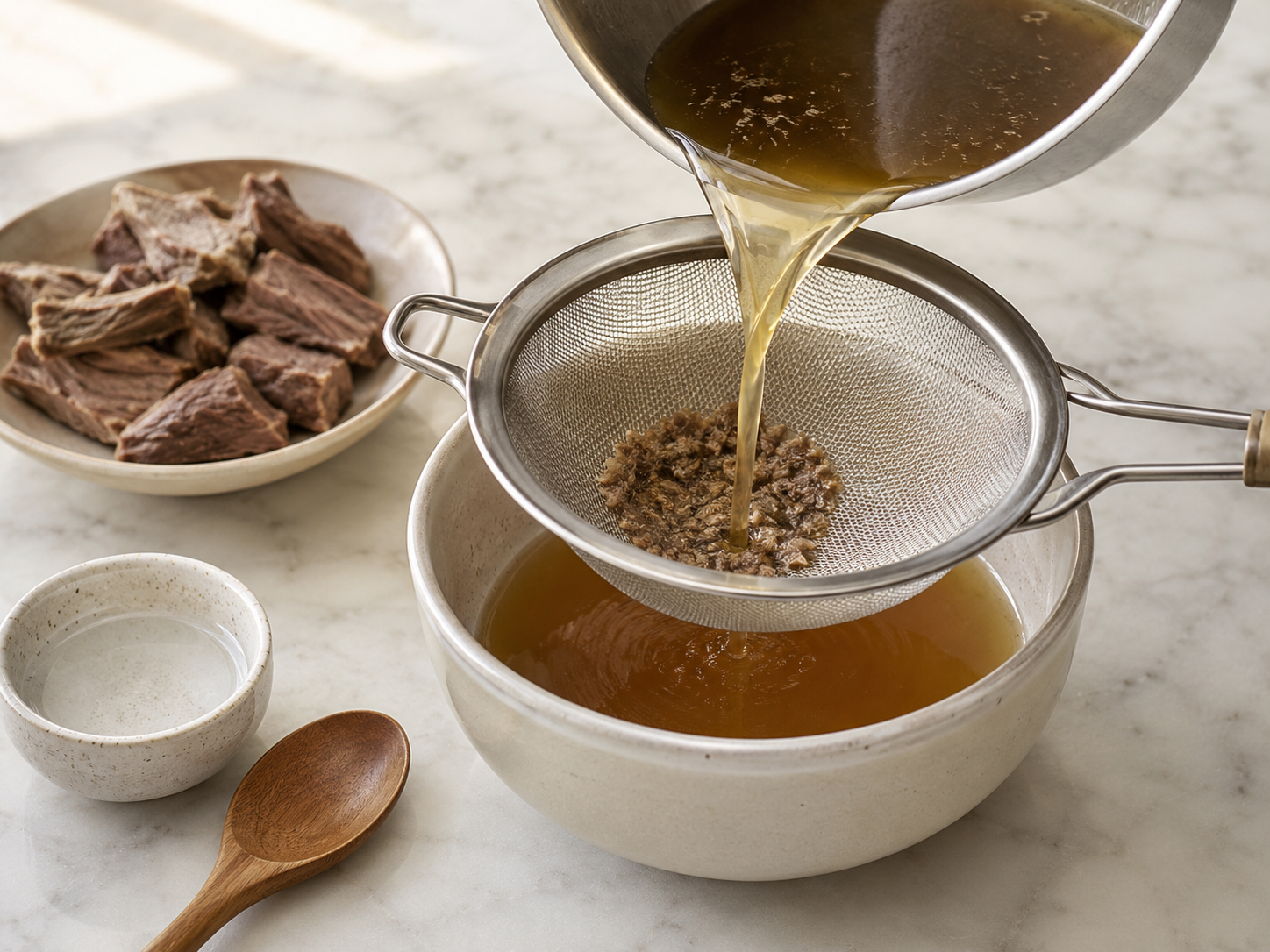
Start with a small piece of beef that has been cooked thoroughly throughout. Boiling, baking or pan-cooking without added oil, butter or seasoning are reasonable options. The meat should have no raw centre, and you should remove bones and tough connective tissue before serving. Allow it to cool fully, then shred or chop it into pieces small enough for your cat to eat comfortably. Large chunks can be difficult to chew and may pose a choking risk, particularly for cats that gulp their food.
What should you leave off the plate? Skip gravy, stock cubes, marinades and pan juices unless you know every ingredient is safe for cats. Onion and garlic, including powdered forms, can damage a cat's red blood cells. Heavy salt, rich sauces and spicy seasonings are unnecessary. Offer the beef by itself, either as a tiny treat or mixed into a little of your cat's usual food if that suits its diet. Wash your hands and utensils after handling raw meat, and clean the preparation surface before using it for other foods.
Can cats eat ground beef or roast beef?
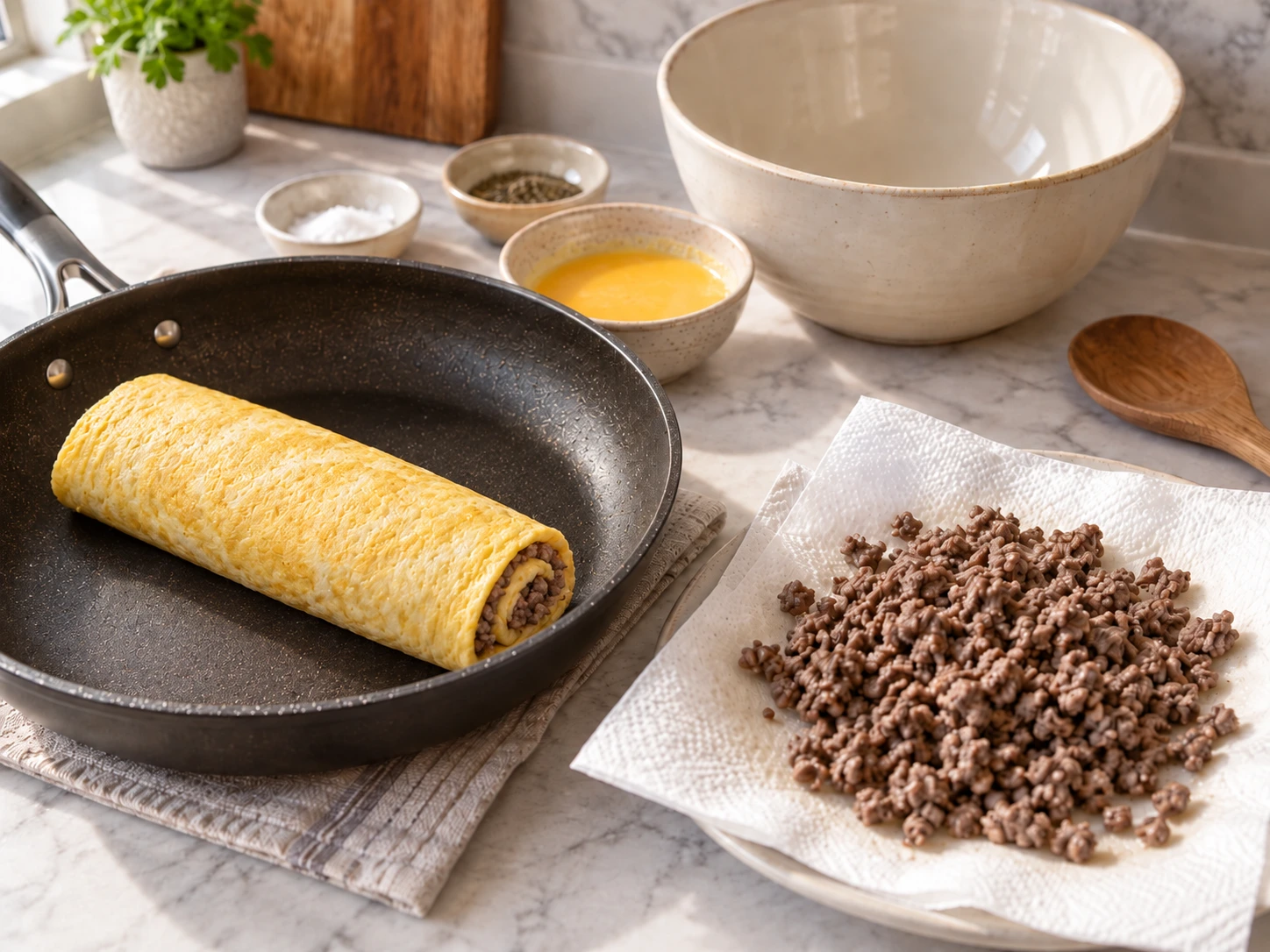
Ground beef can be suitable for cats when it is fresh, cooked thoroughly and served plain. Because minced meat has more exposed surface area than a whole cut, careful handling and thorough cooking are especially important. Choose a lean option, drain away excess fat after cooking and check that no seasoning or sauce has been added. Let it cool and break it into small crumbles. Avoid offering raw mince, even if it looks fresh, because harmful bacteria can be present without changing the meat's smell or appearance.
Roast beef can also be an option if it was cooked without ingredients that are unsafe for cats and you remove the seasoned exterior, fatty parts and any bones. Deli roast beef is less suitable as a regular treat because it may contain added salt, preservatives or seasonings. A slice of seasoned beef from a sandwich or holiday meal can contain ingredients you would not deliberately feed your cat. If you cannot confirm how the meat was prepared, choose a safer alternative instead.

Can cats eat raw beef?
Raw beef is not a safe choice for a routine cat treat. Uncooked meat can carry bacteria such as Salmonella and pathogenic strains of E. coli. These organisms can make cats ill, and a cat may also carry and shed harmful bacteria without obvious signs of illness. People in the household can be exposed through contaminated bowls, surfaces, hands or litter. Freezing meat does not reliably eliminate all harmful bacteria, and fresh-looking meat is not proof that it is safe.
Some owners consider raw meat because cats hunt prey in the wild, but a domestic cat's natural hunting behaviour does not remove the risks of handling raw food. Raw feeding also raises nutritional concerns if the overall diet is not properly formulated. Kittens, older cats and cats with health problems may be especially vulnerable to complications from foodborne illness. If your cat has already eaten raw beef, contact your veterinarian for advice if you are concerned, especially if the meat contained seasoning or your cat develops signs of illness. For a simple treat, cook the beef thoroughly instead.
Can cats eat beef fat?
A little fat naturally present in a piece of beef is different from offering a lump of fat or greasy trimmings. Cats need fat in their diet, but concentrated fatty scraps can be rich and difficult for an individual cat to tolerate. They can cause digestive upset, including loose stools or vomiting. Rich foods may also be unsuitable for cats with certain medical conditions, so it is better to remove obvious fat before preparing a treat.
Cooked beef fat, dripping and greasy pan juices are not good additions to your cat's bowl. They provide little reason to take the extra dietary risk, particularly if your cat is already eating a complete and balanced food. What if your cat has stolen a fatty scrap? The outcome depends on the amount eaten and the individual animal. Contact your veterinarian for guidance if the amount was substantial or you notice concerning changes in your cat's condition. Do not give more fatty meat to see how your cat reacts.
How much beef can a cat have?
Treat beef as an occasional extra, not a second main meal. Cats need the right balance of protein, fats, vitamins, minerals and other nutrients, and plain beef alone does not provide everything a cat needs. Too many extras can displace complete cat food and contribute excess calories. A small taste is a sensible starting point for a healthy adult cat, but the appropriate amount depends on your cat's size, age, activity, health and usual diet.
Veterinary nutrition guidance commonly recommends keeping treats and other foods outside a complete diet to no more than about 10 percent of daily calories, with the main diet supplying the rest. That is an upper limit rather than a target, and a small piece of beef can still be too much for an individual cat. Cats with food allergies, kidney disease, digestive problems, diabetes or a prescribed diet may need different restrictions. If your cat needs to lose weight or has a history of reacting to new foods, discuss treats with your veterinarian before adding beef.
What to watch for after your cat eats beef
A healthy cat may eat a small serving of plain cooked beef without any problems, but individual reactions differ. After introducing an unfamiliar food, pay attention to changes such as vomiting, diarrhoea, reduced appetite or unusual behaviour. These signs can have many causes, so do not assume beef is responsible or try to diagnose the problem yourself. If symptoms develop, persist or concern you, contact your veterinarian and explain what your cat ate, how it was prepared and roughly when it happened.
Seek prompt veterinary advice if the beef contained onion, garlic, bones or an unknown seasoning, or if your cat ate a large quantity of fatty meat. Difficulty breathing, collapse, marked weakness or repeated vomiting warrants urgent veterinary attention. Keep any packaging or ingredient information available if the meat came from a prepared product. You do not need to wait for symptoms after a known exposure to a potentially toxic ingredient before calling for advice. When in doubt, describe the situation to your veterinary team and follow their guidance.
Can Cats Eat Beef Safely? Cooked Beef, Fat and Serving Tips FAQ
Can cats eat cooked beef every day?
Beef should generally remain an occasional treat rather than a daily food that replaces complete cat food. Plain beef does not provide every nutrient cats need in the correct balance. Ask your veterinarian whether regular beef treats fit your cat's diet and health.
Can cats eat raw beef from the butcher?
Raw beef from a butcher can still contain harmful bacteria, even if it is fresh and looks clean. Freezing does not reliably make it safe. Thoroughly cook beef before offering it to your cat, and ask your veterinarian about any raw meat your cat has already eaten.
Can cats eat ground beef?
Yes, many healthy cats can eat a small amount of lean ground beef if it is cooked thoroughly and contains no added salt, onion, garlic or sauces. Drain excess fat, let it cool and serve small crumbles rather than large pieces.
Can cats eat beef fat or steak trimmings?
It is best to remove visible fat and skip greasy trimmings. Concentrated fatty scraps can upset a cat's digestion and may be unsuitable for some medical conditions. Contact your veterinarian if your cat eats a large amount or develops concerning symptoms.
Can cats eat beef cooked with salt, onion or garlic?
Avoid beef seasoned with onion or garlic, including powdered forms, because these ingredients can damage a cat's red blood cells. Salty sauces and rich seasonings are also unnecessary. If your cat eats beef containing onion or garlic, contact your veterinarian promptly for guidance.
Can kittens eat beef?
Kittens may be able to tolerate a tiny piece of plain, thoroughly cooked beef, but their nutritional needs are particularly demanding while they grow. A complete kitten food should remain their main diet. Ask your veterinarian before introducing treats, especially for a very young kitten.