You're getting dinner ready, slicing up a sweet potato, and there's your dog, watching every move from underneath the kitchen counter. We've all been tempted to share a little. Sweet potatoes look wholesome enough, after all. But can dogs eat sweet potatoes safely? Yes, they can, as long as they're thoroughly cooked, served plain and kept to sensible portions. Raw sweet potato is another story, and some of the ways we prepare it for ourselves aren't suitable for dogs. Sweet potatoes bring fibre and nutrients to the bowl, including beta-carotene. Still, your dog doesn't need them as part of an everyday diet. What matters is how you cook them, how much you serve and whether your dog has any individual health concerns. Let's look at cooked and raw sweet potatoes, easy ways to serve them, homemade sweet potato dog treats and when it's worth checking with your veterinarian before sharing.
Can dogs eat sweet potatoes?
Yes, most healthy dogs can enjoy sweet potatoes, provided they're cooked properly and nothing extra has been added. A little plain sweet potato flesh makes a perfectly reasonable occasional treat or meal addition. You'll even spot it in some commercial dog foods, where it supplies carbohydrates and dietary fibre. But here's the thing: your dog doesn't need sweet potatoes to eat well. A good complete dog food already provides the nutrients your pet needs, in the right proportions. There's no need to start adding vegetables just because they're healthy for people.
Are sweet potatoes good for dogs? They do have something to offer. That familiar orange flesh contains beta-carotene, which the body can turn into vitamin A, as well as fibre and other nutrients. Fibre helps normal digestion, and vitamin A performs several important jobs in the body. But giving your dog more sweet potato won't automatically make them healthier or improve an existing medical condition. Too much can upset their stomach and push up their calorie intake. Treat it as an occasional extra, not something that needs to find its way into every bowl.

Can dogs eat raw sweet potatoes?
I'd keep raw sweet potatoes off the menu. They're firm and dense, which makes them harder to chew properly, particularly for smaller dogs or those who tend to gulp their food. A large, hard chunk can become a choking risk and may be difficult to move through the digestive tract. Raw sweet potato is also harder to digest than cooked flesh. Even if your dog happily chews a little piece, there's really no advantage to serving it raw when cooking takes so little effort. A soft, cooked piece is the better choice.
Don't overlook the skin, either. It can be quite tough, especially on a big or older sweet potato, and some dogs find it harder to digest. Peeling the vegetable before cooking is the easiest way around that. What if your dog has already pinched a raw piece from the chopping board? Don't assume a small bite will automatically cause trouble, but think about how much disappeared and whether the piece was particularly large or hard. If your dog swallowed a substantial piece or develops concerning signs, contact your veterinarian for advice. Never try to make your dog vomit unless your veterinarian specifically tells you to.

How to prepare sweet potatoes for dogs
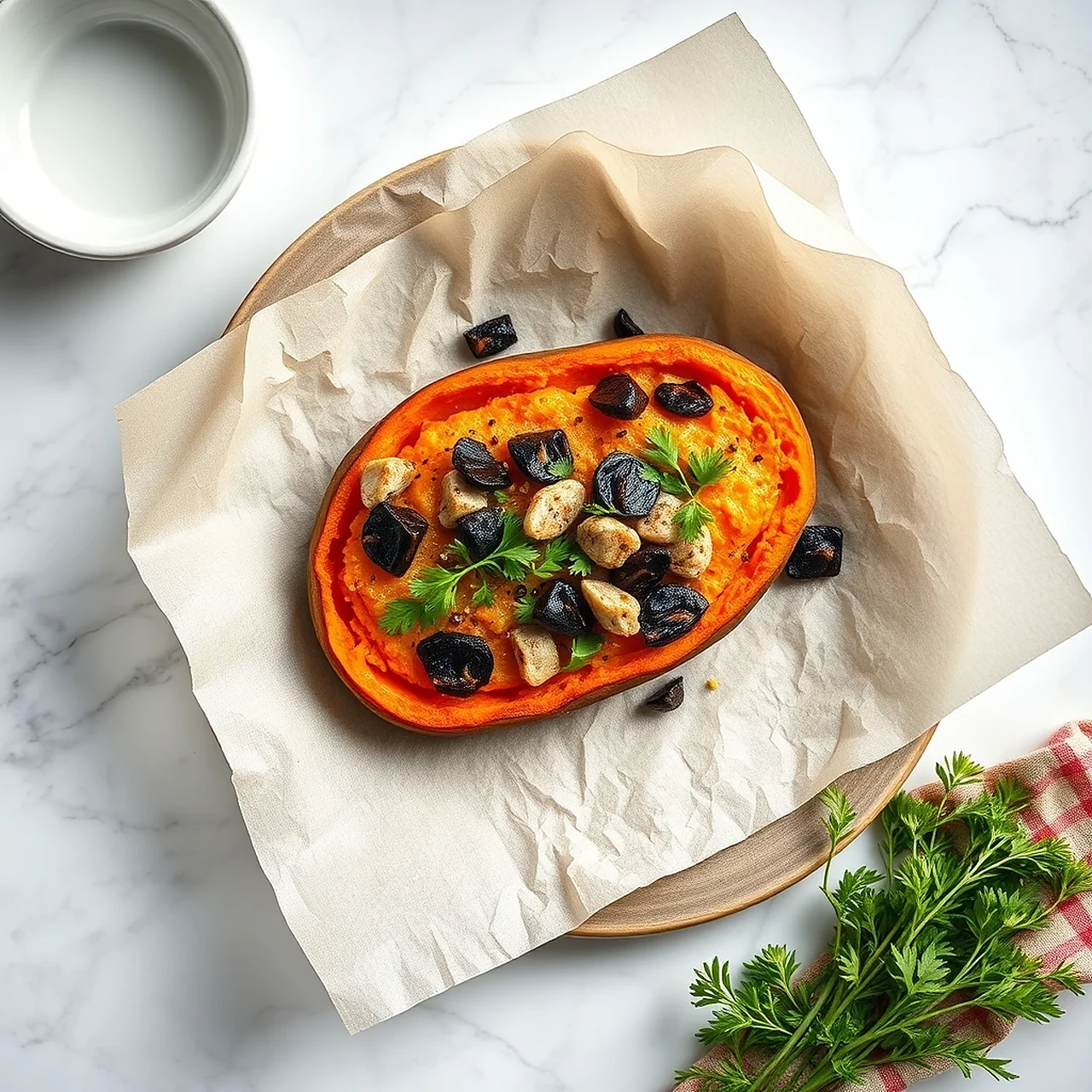
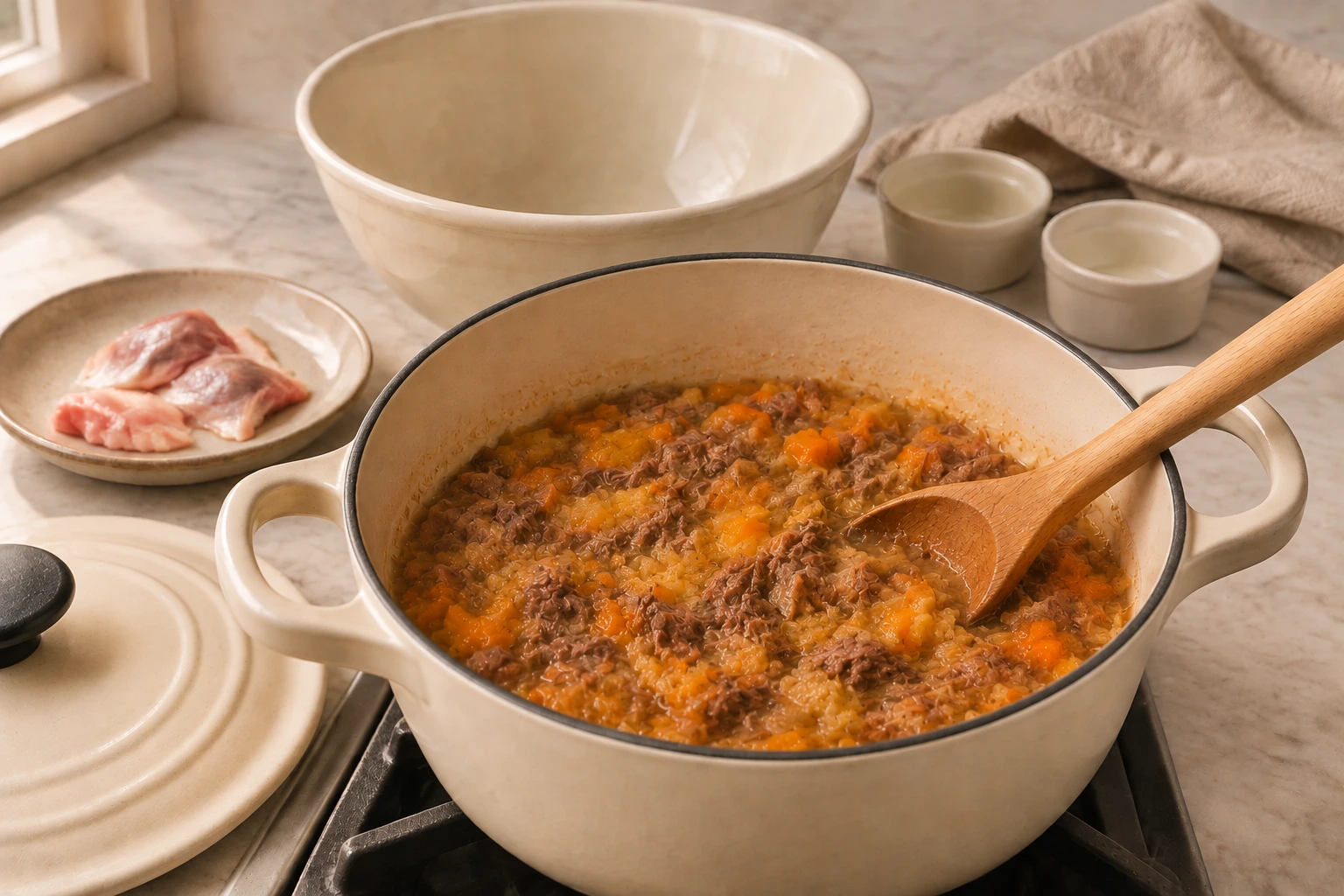
There's no need for a special recipe here. Give the sweet potato a good wash under running water to get rid of surface dirt. Peel it, then cut the flesh into pieces your dog can comfortably manage. Boil, steam or bake until completely soft. A fork should slide through without much resistance. Cooking a whole sweet potato? Let it cool first, then open it up and remove the flesh. That's all you're aiming for: thoroughly cooked, soft vegetable that your dog can chew without struggling. Keep the pieces manageable, rather than leaving big, firm chunks in the bowl.
Now comes the important bit. Keep everything plain. No butter, cooking oil, salt, sugar, honey, garlic, onion powder or seasoning blends. These extras aren't needed and can bring unnecessary fat, salt or ingredients that aren't safe for pets. Just because you've roasted sweet potatoes for the family doesn't mean they're ready for the dog's bowl. Spices and other additions can change things considerably. I would put a little aside before seasoning the human portion. Let the dog's serving cool to room temperature, then mash it or cut it into small pieces that suit their size.

How much sweet potato can a dog eat?
There's no portion that works for every dog. A Chihuahua and a Labrador don't have the same nutritional needs, and age, activity, body condition and existing health concerns all affect how much extra food makes sense. Start small. A little mashed sweet potato or a few soft pieces cut to a suitable size are plenty when introducing it. Then pay attention over the following hours and days. Has anything changed with your dog's digestion? If you notice digestive changes after trying a new food, stop serving it and ask your veterinarian for advice. There's no reason to push on with a food that doesn't agree with your pet.
The general veterinary guideline is straightforward: treats and other extras should make up no more than 10 percent of a dog's daily calorie intake. The remaining 90 percent or more should come from a complete and balanced diet. And that 10 percent covers everything, not just sweet potato. Biscuits, training rewards, table scraps and all those little snacks count too. Sweet potatoes also provide carbohydrates, so dogs with diabetes, weight concerns or certain dietary restrictions may need an individual feeding plan. Never replace part of a prescribed diet with homemade additions without checking first. Not sure what portion makes sense? Ask your veterinarian to take your dog's usual food and daily calorie needs into account.
Sweet potato dog treats and serving ideas
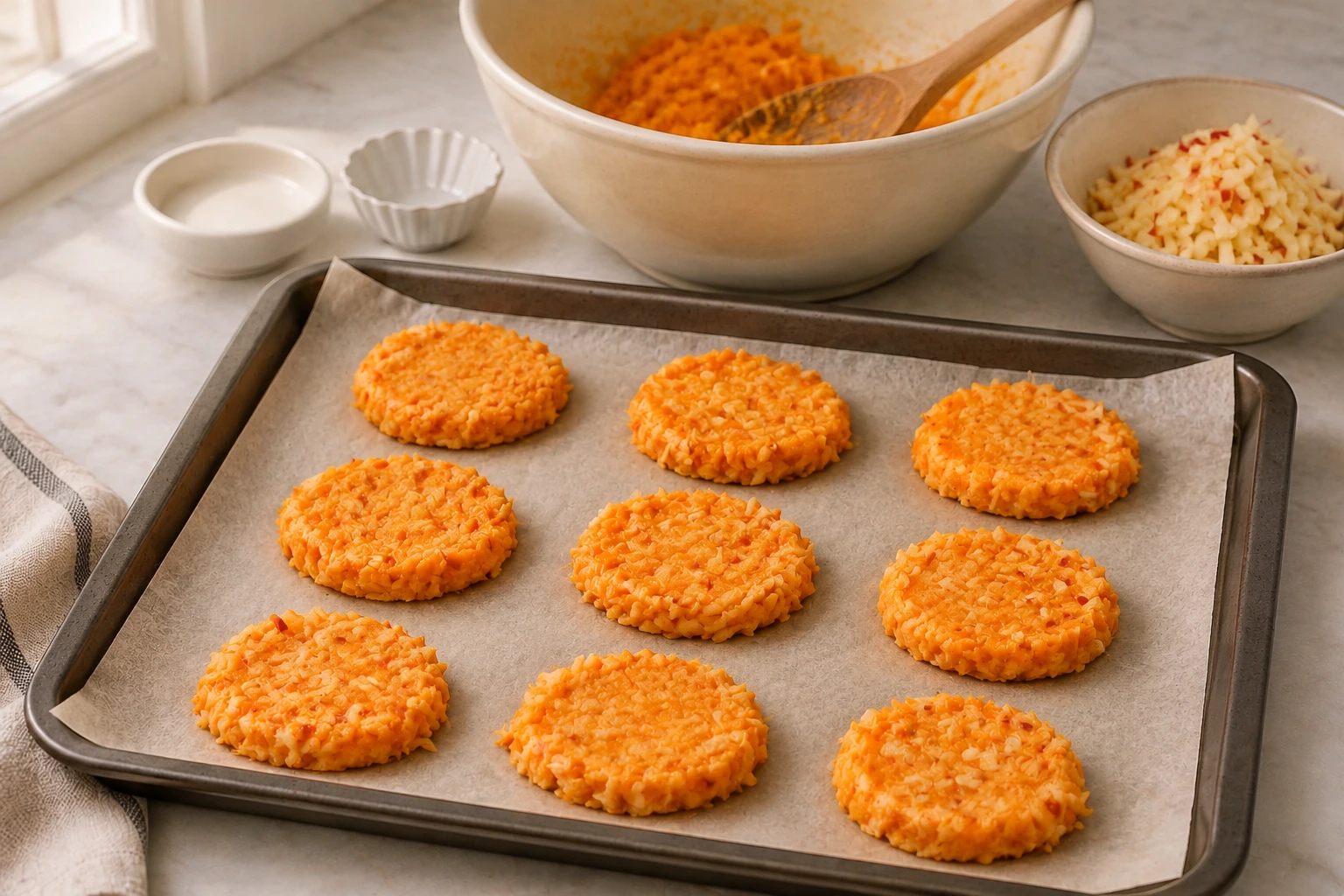
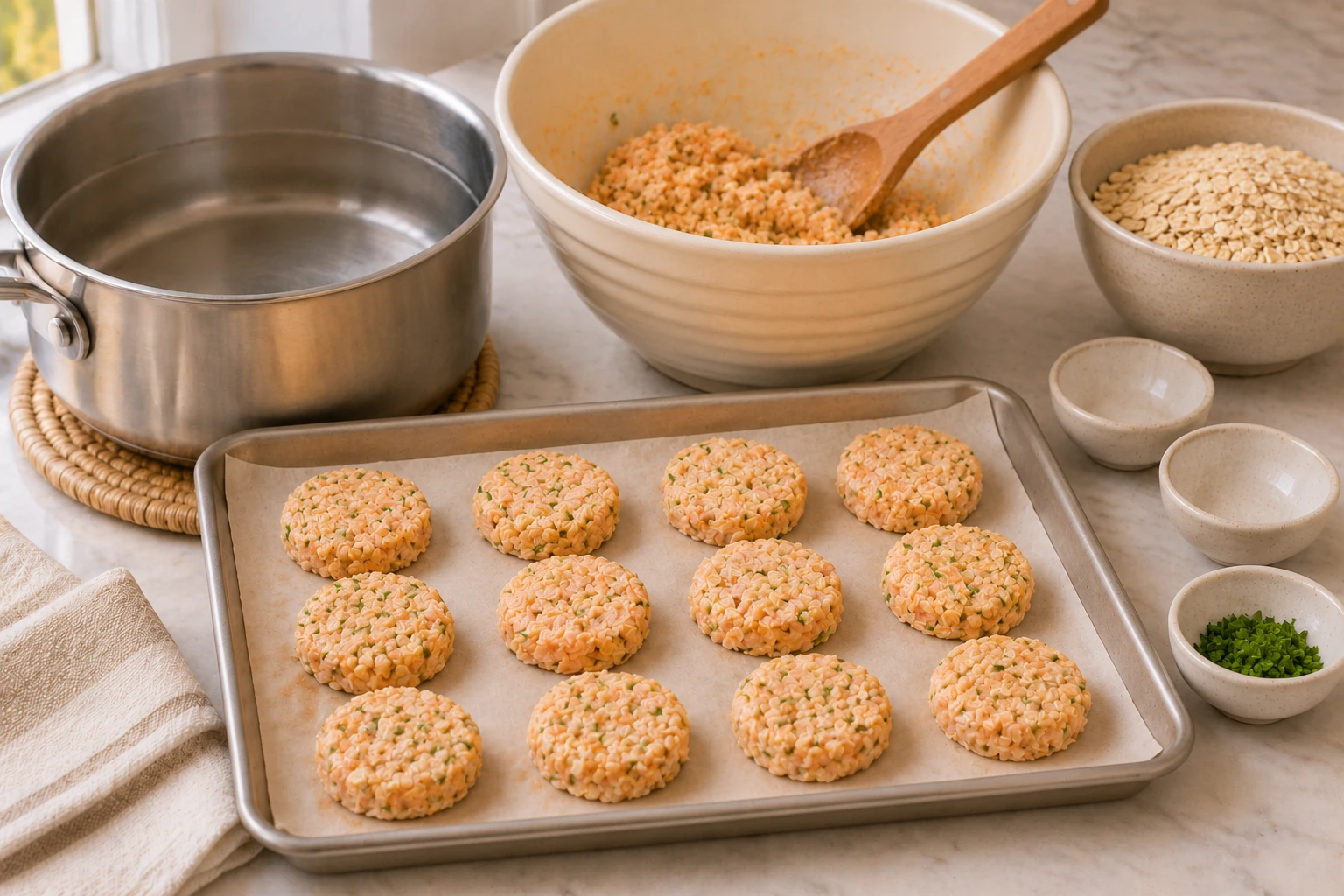
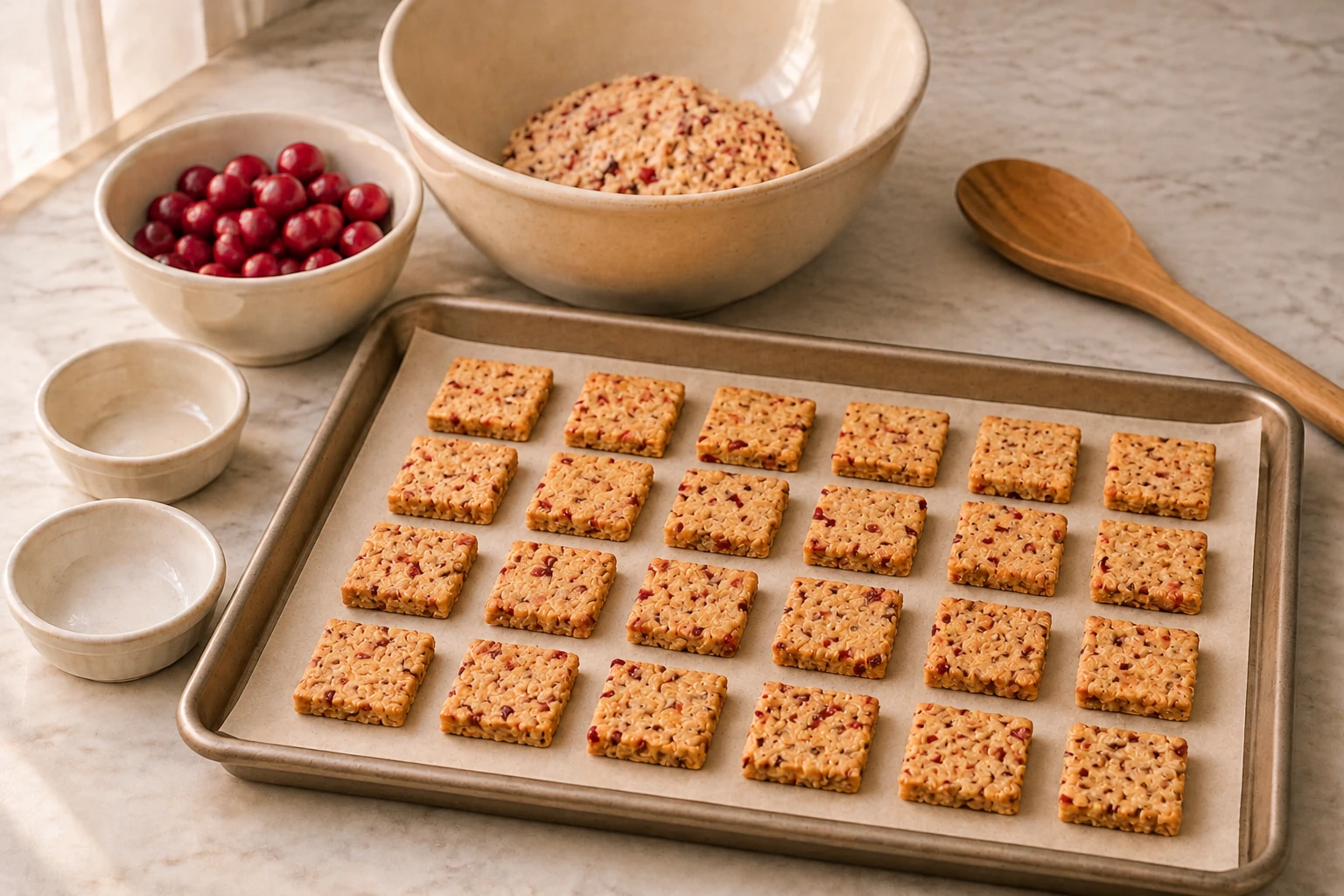
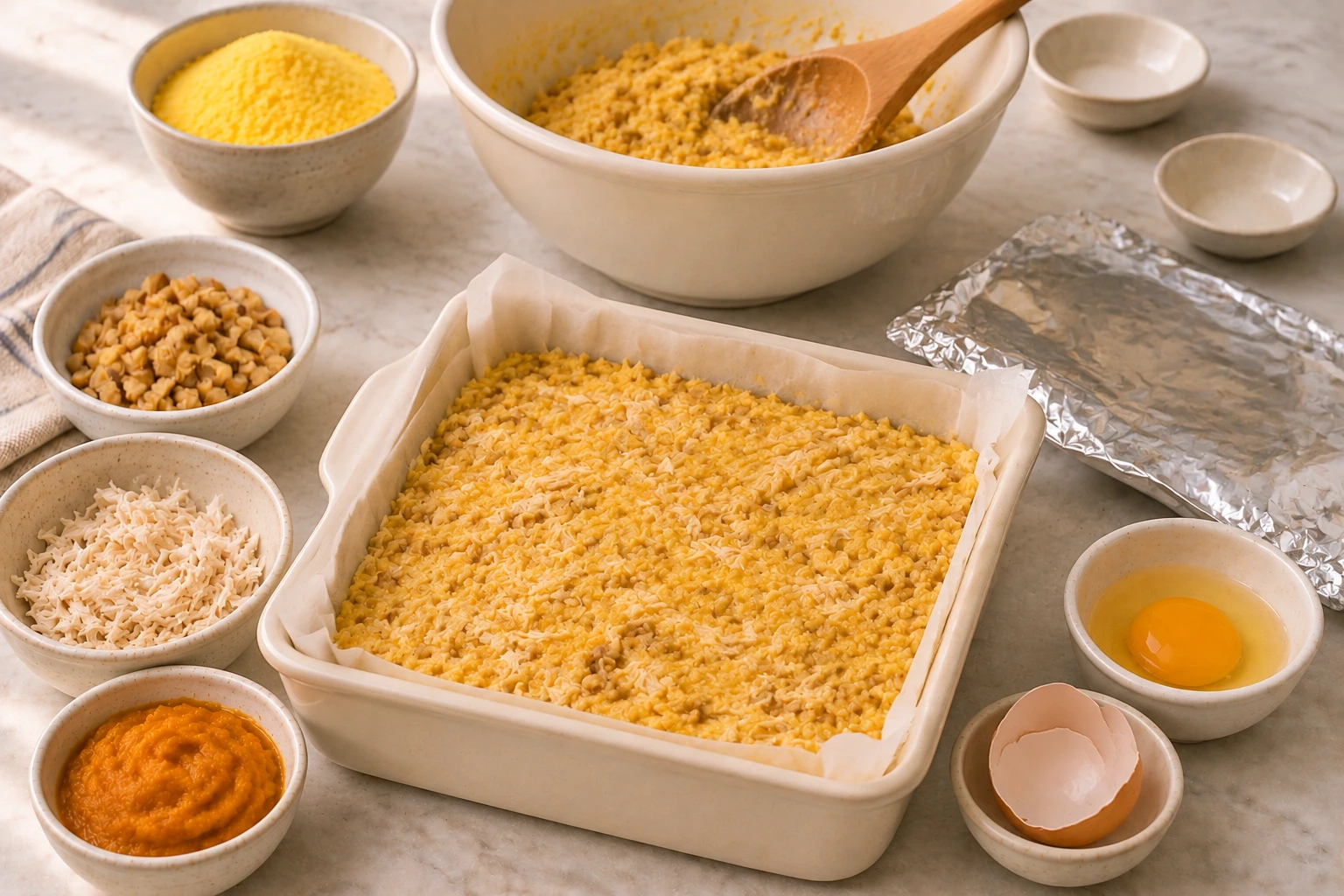
The easiest place to start is with a little mashed, cooked sweet potato stirred into your dog's usual food. Small, soft cubes work nicely as an occasional reward, too. Fancy something with a different texture? Spread plain cooked and mashed sweet potato in a thin layer on a baking tray and bake until it's firm enough to cut into small pieces. Keep homemade sweet potato dog treats uncomplicated. No added salt, sugar or seasoning. And don't bake them until they're so hard or chewy that your dog has trouble biting through them. Soft is the sensible choice.
Another simple idea is to spoon plain mashed sweet potato into an ice cube tray and freeze it in small portions. Thaw a portion before serving, particularly while your dog is still getting used to this food. Keep homemade treats in a clean, covered container in the refrigerator. Don't leave leftovers sitting at room temperature for long periods, and throw away anything that looks or smells unusual. Commercial sweet potato chews are available as well, but check the ingredients and pick something suited to your dog's size and chewing habits. With a simple homemade treat, it's often easier to see exactly what's going into the bowl.

When sweet potatoes may not suit your dog
Plain cooked sweet potato works for many dogs, but that doesn't make it suitable for every one of them. Diabetes can mean closer attention to carbohydrate intake, while an overweight dog may have very little room for extra calories. If your dog eats a veterinary-prescribed diet for a medical condition, don't introduce new foods without approval. The same goes for dogs with a history of food sensitivities or digestive difficulties. Individual dogs can react differently, even to foods that are generally considered safe. A sudden change or an overly generous serving can make matters worse, too.
Watch your dog after introducing anything new. If their stools change or their stomach seems unsettled, stop offering the sweet potato. Seek veterinary advice if the problem persists or you're concerned. Repeated vomiting, marked weakness, difficulty breathing or signs of choking call for prompt veterinary attention. There's another thing worth watching: food prepared for people. Fries, heavily seasoned roasted vegetables, casseroles and sweet potato desserts can contain too much fat, salt or sugar, along with unsuitable ingredients such as garlic and onion. If your dog has eaten a prepared dish and you aren't sure what went into it, contact your veterinarian. Have the recipe or ingredient packaging handy if possible.
Can Dogs Eat Sweet Potatoes Safely? Cooked, Raw and Serving Tips FAQ
Can dogs eat sweet potatoes every day?
It's better to keep sweet potatoes as an occasional treat, rather than serving them every day. Regular portions add carbohydrates and calories, while too much fibre can upset digestion. If you're considering frequent servings, ask your veterinarian whether they fit your dog's normal diet.
Can dogs eat sweet potato skin?
It's generally better to peel sweet potatoes before giving them to your dog. The skin can be tough and more difficult to digest, particularly for dogs with sensitive stomachs. Plain, thoroughly cooked flesh is the easier option.
Can dogs eat mashed sweet potatoes?
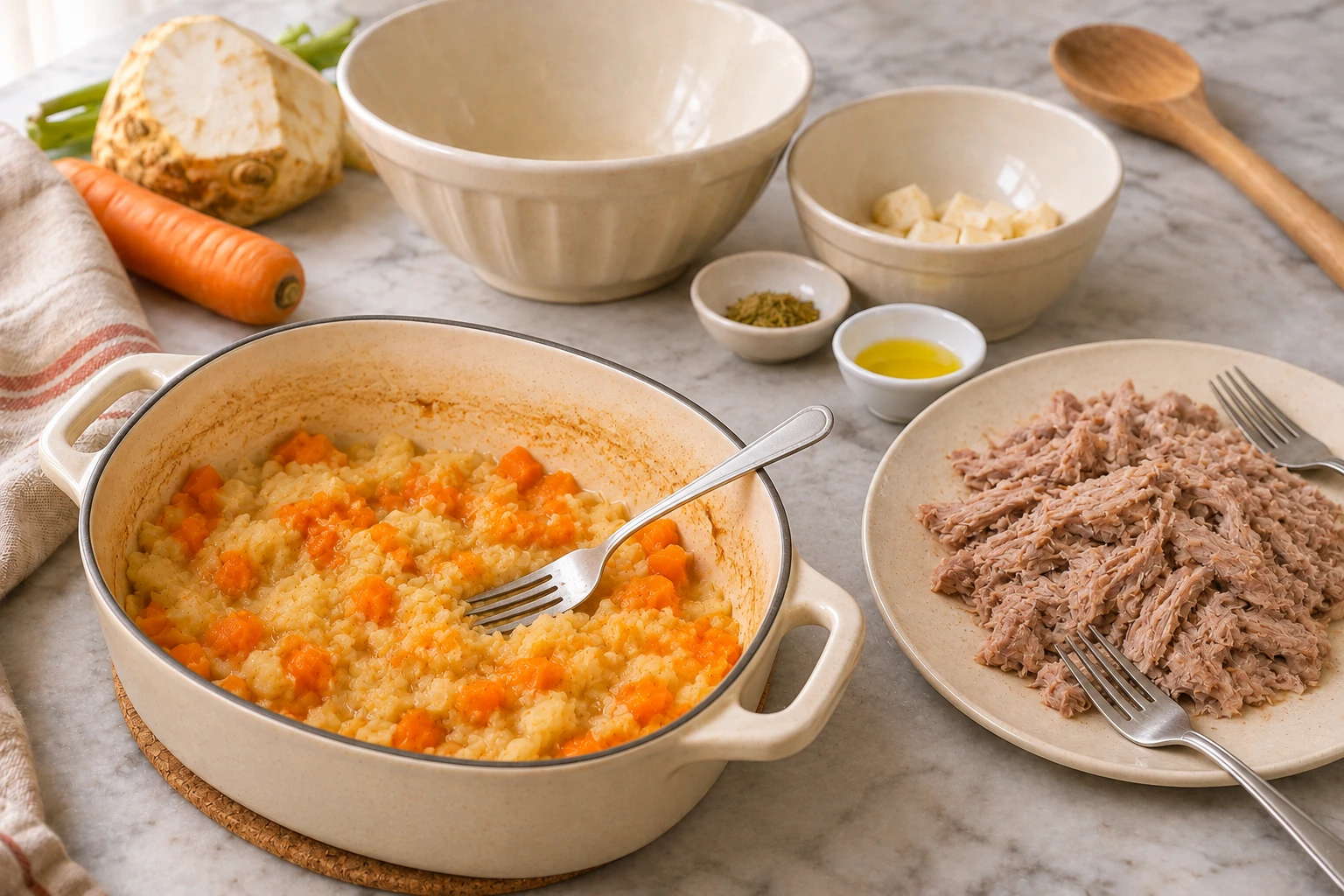
Yes, dogs can eat mashed sweet potatoes as long as the mash contains only thoroughly cooked sweet potato. Leave out butter, cream, milk, salt, garlic, onion and seasoning. Let it cool before serving a small spoonful alongside your dog's usual balanced food.
Can dogs eat sweet potato fries?
It's best not to share sweet potato fries made for people. They're often cooked with oil and covered in salt or seasonings that dogs don't need. Plain boiled, steamed or baked sweet potato, cut into small pieces, is a much better option.
Are sweet potatoes good for dogs with sensitive stomachs?
Some dogs with sensitive stomachs manage small portions of cooked sweet potato, while others develop gas, loose stools or digestive discomfort. Having a sensitive stomach doesn't automatically rule it out or make it suitable. Talk to your veterinarian before introducing it.
Can puppies eat sweet potatoes?
Yes, puppies can generally have a small amount of plain, thoroughly cooked sweet potato. Their growing bodies still need a carefully balanced puppy diet, though, so treats should stay limited. Your veterinarian can advise whether adding this food is appropriate.