
Savoy cabbage is a familiar autumn and winter vegetable, but it does not have to end up only in soups and side dishes. In this recipe, softened cabbage leaves become little wrappers for finely chopped, lean cooked lamb and a modest amount of carrot. The result is a soft, savoury treat with a different shape and texture from the usual homemade dog biscuit. The rolls are deliberately small and made without salt, onion, garlic, stock or seasoning. Lamb should be thoroughly cooked, trimmed of visible fat and completely free of bones. Cabbage is best served cooked and in modest amounts because too much can cause digestive discomfort. These are occasional treats, not a replacement for a complete and balanced dog food.
Safety first: Keep treats and extras under about 10% of your dog's daily food - the regular diet should do the heavy lifting.
Foods to avoid
Never include onion, garlic, leek, chives, salt, stock cubes, gravy, butter, cooking sauces or seasoning. These ingredients can make a simple pet treat unsuitable, and onion and garlic are particularly unsafe for dogs. Remove every bone and bone fragment from the lamb, trim visible fat, and avoid fatty lamb trimmings. Do not use raw cabbage or large quantities of cabbage in the filling. Cook the leaves until tender, keep portions small, and discard any rolls that smell sour, look slimy or have been stored improperly.
Ingredients
Instructions
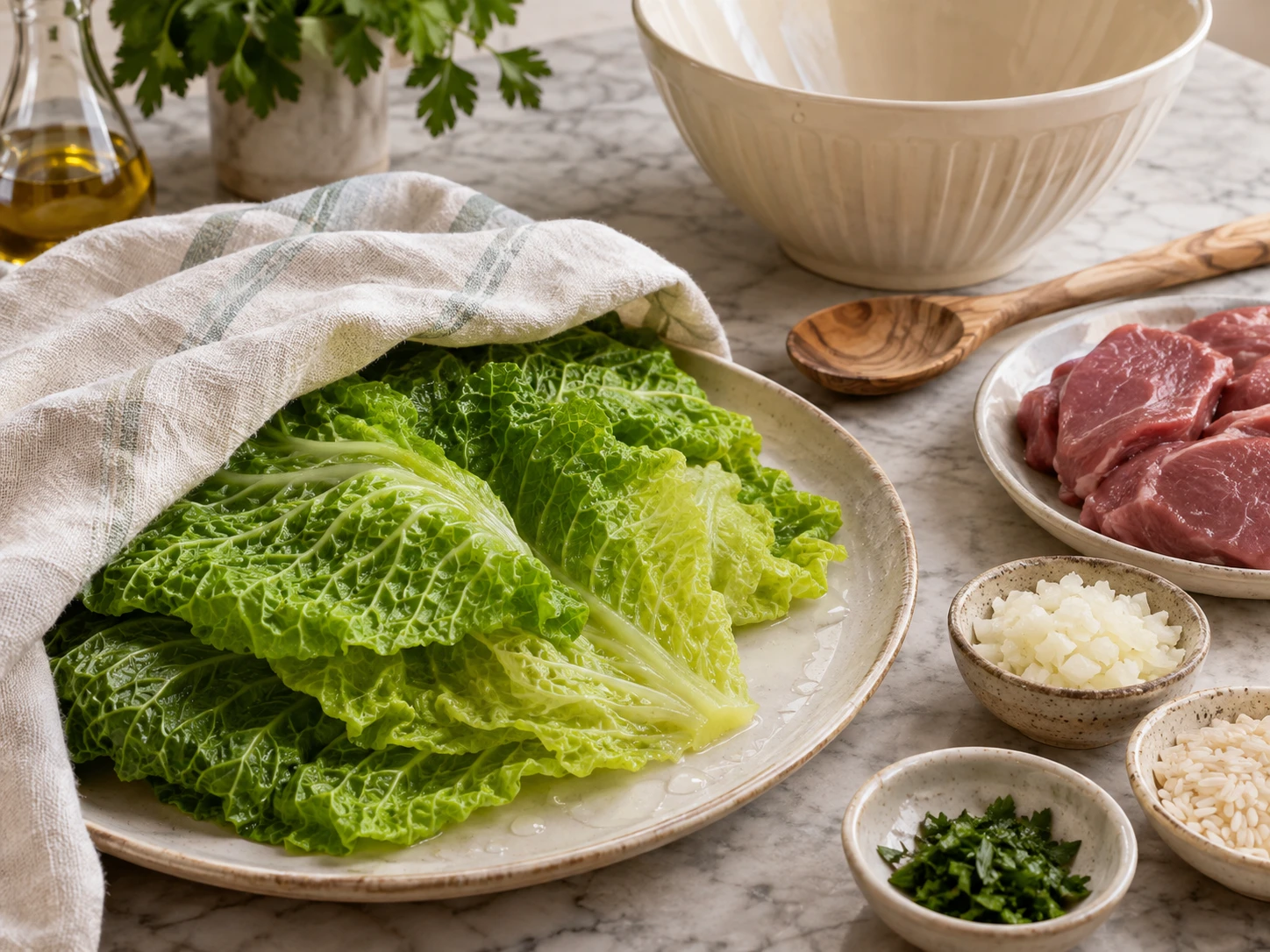
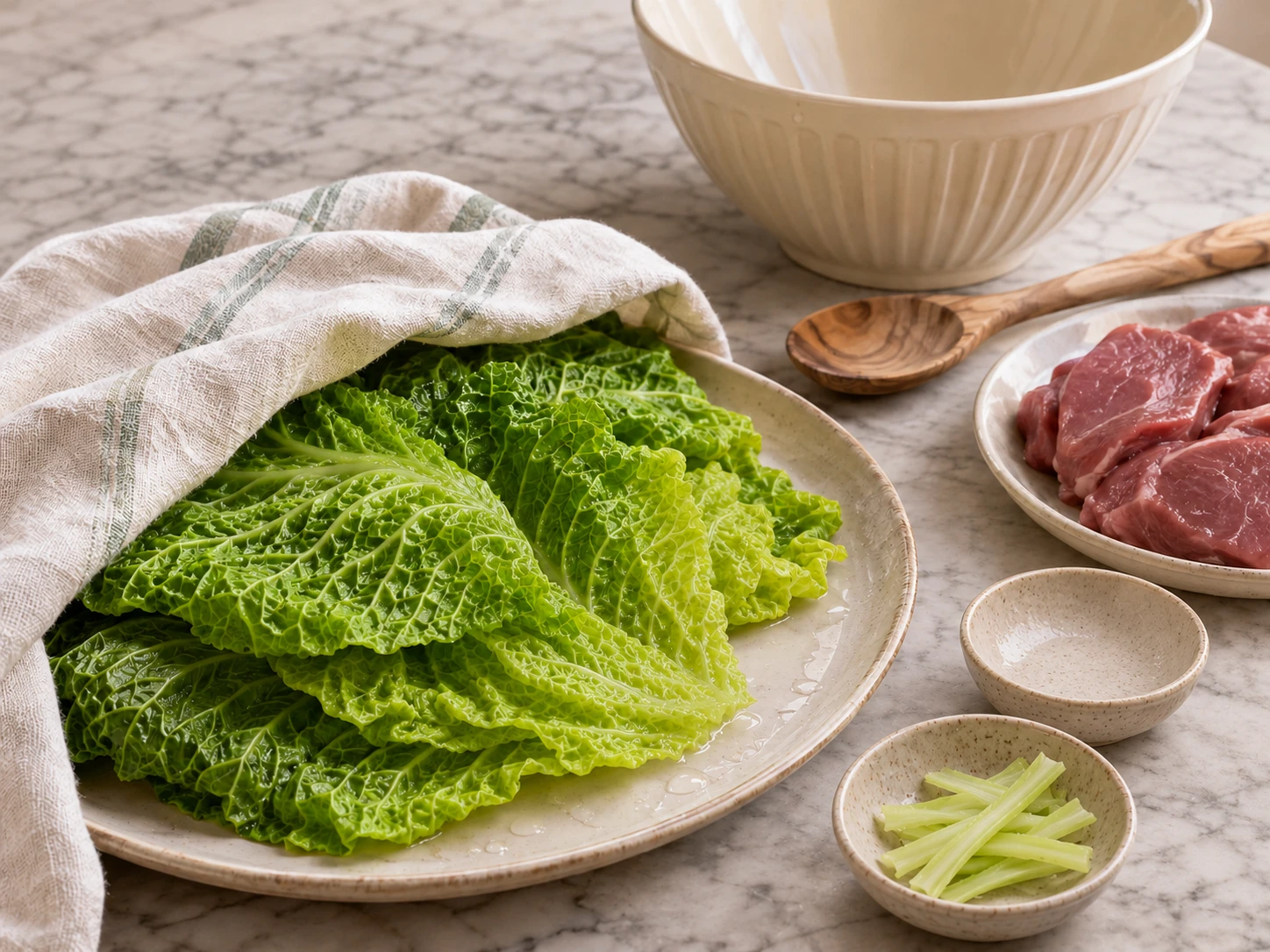
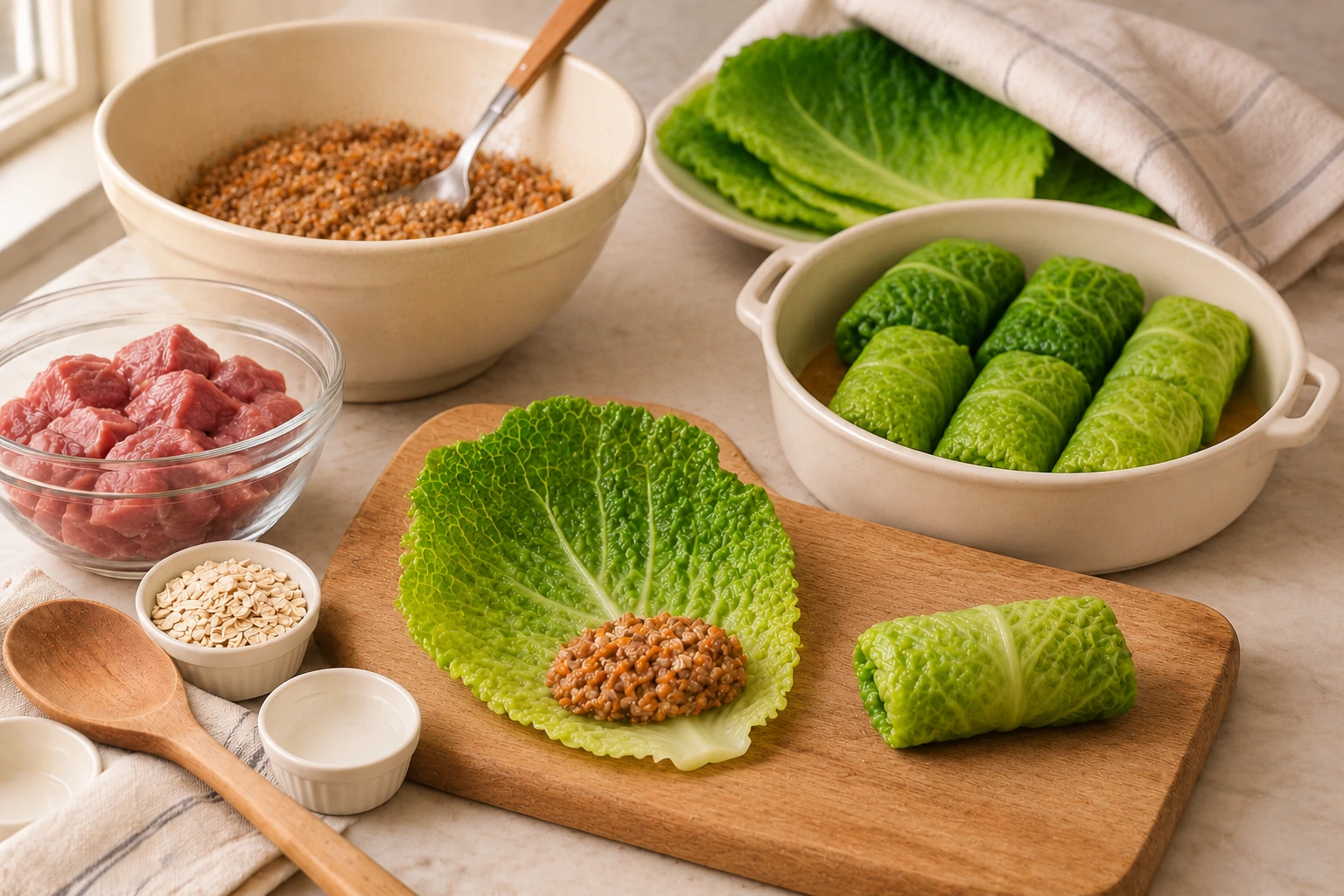
Prepare the cabbage leaves: Wash the savoy cabbage leaves thoroughly under running water and remove any damaged outer sections. Trim away the thickest part of each central rib without cutting through the leaf. Steam the leaves for approximately 3 to 5 minutes, just until flexible enough to fold without splitting. They should remain intact rather than becoming mushy. Transfer them to a clean plate and allow excess water to drain. Keep the leaves covered while preparing the filling so they remain pliable.
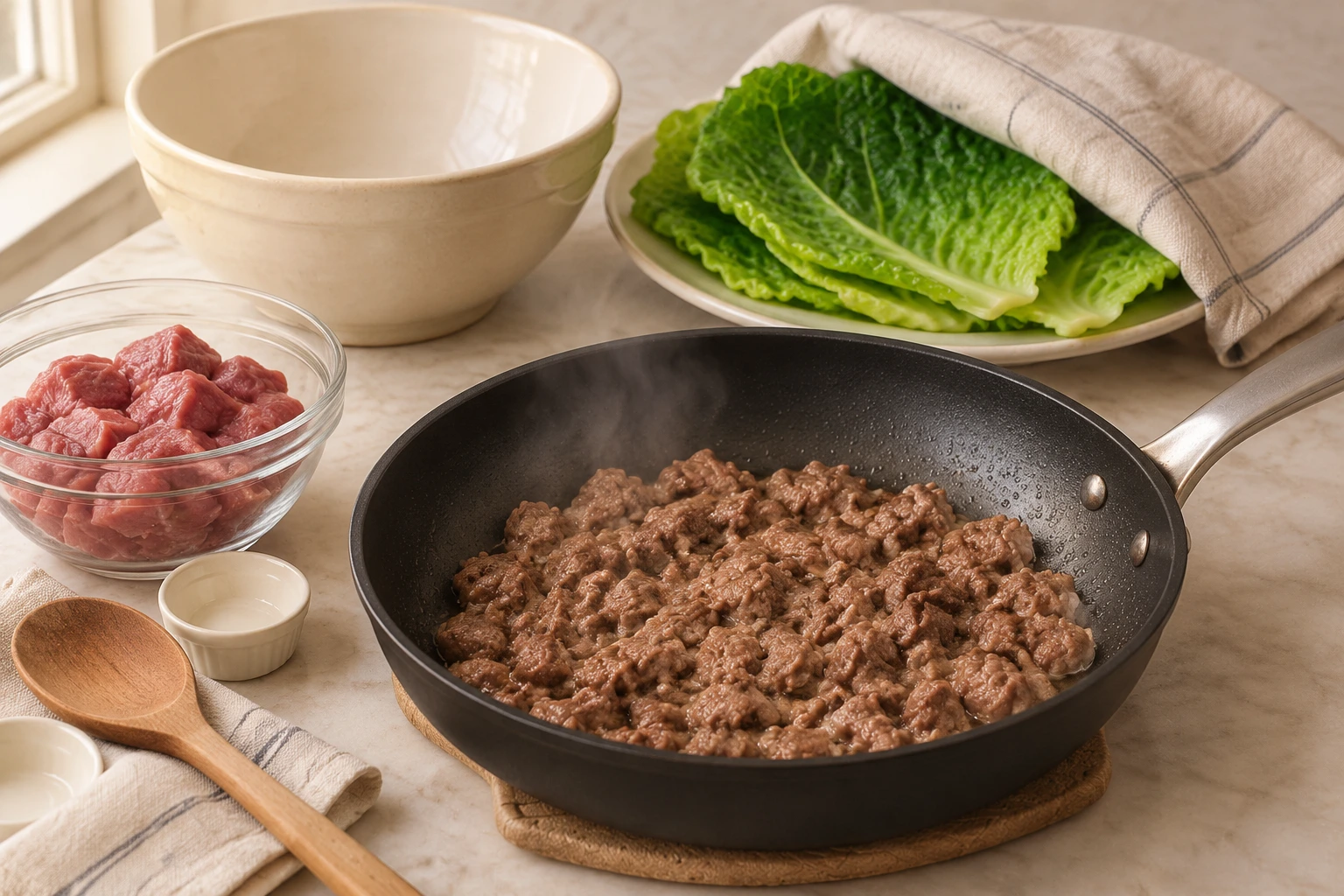
Cook the lamb thoroughly: Trim away visible fat and check the boneless lamb carefully for any remaining bone fragments. Cut it into small pieces and cook in a non-stick frying pan over medium heat with a tablespoon of water if needed to prevent sticking. Turn the pieces regularly until thoroughly cooked throughout. If using ground lamb, cook until it reaches an internal temperature of 71°C. Do not add oil, butter, salt, onion, garlic, stock or seasoning. Let the cooked meat cool slightly before chopping it very finely.
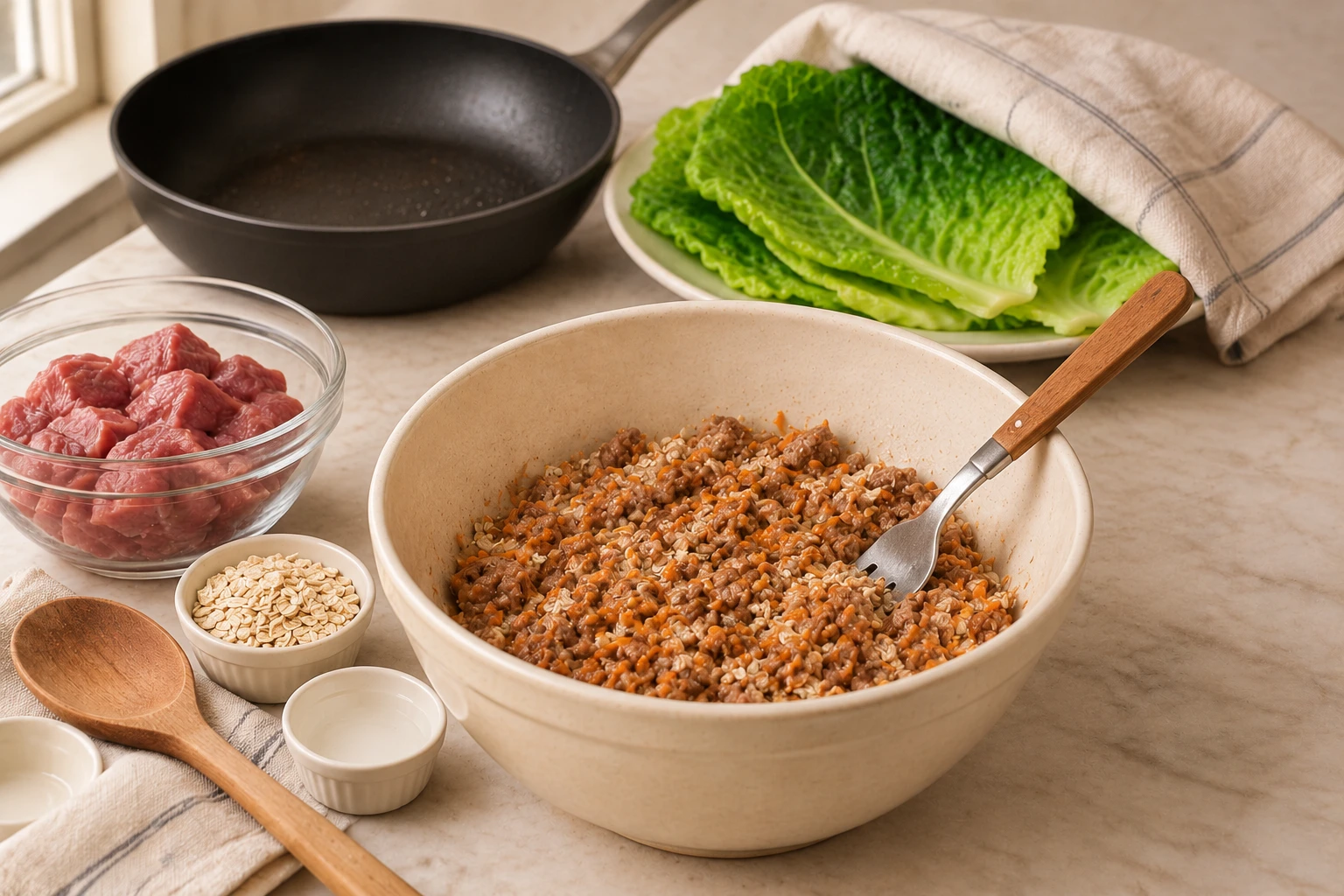
Make the soft filling: Place the cooled, finely chopped lamb in a small mixing bowl. Add the finely grated carrot and ground rolled oats. Mix with a fork until the ingredients are evenly distributed. Add water a teaspoon at a time if the mixture seems too dry. The filling should hold together when gently pressed but remain soft and moist, not wet or sticky. Keep the pieces small so the filling can be distributed evenly without overloading the cabbage leaves.
Fill and roll the cabbage: Lay one softened cabbage leaf flat on a clean chopping board with its trimmed rib facing towards you. Place a small spoonful of filling near the base of the leaf, leaving enough space around the edges to fold it securely. Fold the sides inwards, then roll gently towards the tip, keeping the filling enclosed without squeezing out the mixture. Repeat with the remaining leaves. Make smaller rolls rather than trying to use too much filling in each one. Place them seam-side down in a shallow steamer-safe dish.
Steam, cool and portion: Place the filled rolls in a steamer and steam gently for approximately 8 to 10 minutes, until the cabbage is tender and the filling is hot throughout. Because the lamb has already been cooked, this final stage is intended to soften and bring the rolls together rather than replace thorough cooking of the meat. Remove carefully and transfer to a clean plate. Allow every roll to cool completely before serving. Cut each roll into appropriately sized pieces for your dog, checking that the cabbage and filling are soft and easy to chew.
Made this recipe?
Tap the paw so other pet parents know it’s worth making.
Be the first to make it
Tips & serving
Allow the rolls to cool completely before offering them. Start with a small piece to see how your dog tolerates the cabbage, then adjust the portion to your dog's size and usual diet. Cut the roll into bite-sized pieces and supervise while eating. Treats should remain occasional and should generally account for no more than 10% of daily calories, with the remainder coming from a complete and balanced diet. Ask your veterinarian about appropriate portions and discuss major diet changes with a veterinarian, particularly if your dog has dietary restrictions or a history of digestive sensitivity.
- Provides a different soft texture and shape from conventional homemade biscuits and crunchy treats.
- Uses lean cooked lamb as a straightforward source of animal protein in a small occasional snack.
- Makes practical use of seasonal savoy cabbage and a modest amount of carrot.
- Can be prepared in batches and divided into small portions for easier treat management.
- Choose flexible, undamaged inner savoy leaves because they fold more easily and are less likely to tear.
- Trim the thick cabbage ribs carefully, but leave enough leaf intact to enclose the filling securely.
Storage
Refrigerate completely cooled rolls promptly in a clean, airtight container at 4°C or below. For longer storage, freeze individual cooled rolls in a single layer until firm, then transfer them to a labelled airtight freezer container. Use within 2 months for best quality. Defrost frozen portions overnight in the refrigerator. Do not leave them thawing on the kitchen counter.
Substitutions
Lean boneless turkey or chicken can replace the lamb if cooked thoroughly and finely chopped. Keep the meat plain, remove skin and visible fat, and do not use seasoned leftovers. Courgette can replace the carrot in a small quantity. Grate it finely and squeeze away excess moisture before mixing so the filling remains cohesive rather than watery. If rolled oats are unsuitable for your dog's established diet, omit them and use a little extra finely chopped lamb to help the filling hold together. Do not introduce a new ingredient simply to make the recipe work.
Dogs recipe FAQ
Can I serve this treat every day?
Treat it as an occasional extra, not a meal plan. Allow the rolls to cool completely before offering them. Start with a small piece to see how your dog tolerates the cabbage, then adjust the portion to your dog's size and usual diet.
Is lean cooked boneless lamb okay for dogs?
This recipe uses lean cooked boneless lamb in a small, dog-appropriate amount. Skip it if your dog has a known sensitivity, and read the foods-to-avoid note on this page before serving.
How do I store this treat?
Refrigerate completely cooled rolls promptly in a clean, airtight container at 4°C or below. Use within 2 to 3 days and discard any portions that have been left at room temperature for more than 2 hours.
How should I introduce this treat?
Start with a taste-size portion next to your dog's usual food, and hold off on serving more until you have seen that it agrees with them.
Can dogs eat savoy cabbage?
Dogs can generally have small amounts of plain, cooked savoy cabbage. Wash it, remove tough ribs and steam it until tender. Keep portions modest because cabbage can cause gas or digestive discomfort in some dogs, especially when introduced suddenly or served in large quantities.
Can I make these lamb and cabbage rolls ahead of time?
Yes. Prepare the rolls, steam them thoroughly and let them cool completely before dividing them into portions. Refrigerate what you plan to use within 2 to 3 days and freeze the rest. Thaw frozen portions in the refrigerator rather than leaving them at room temperature.
Sources