

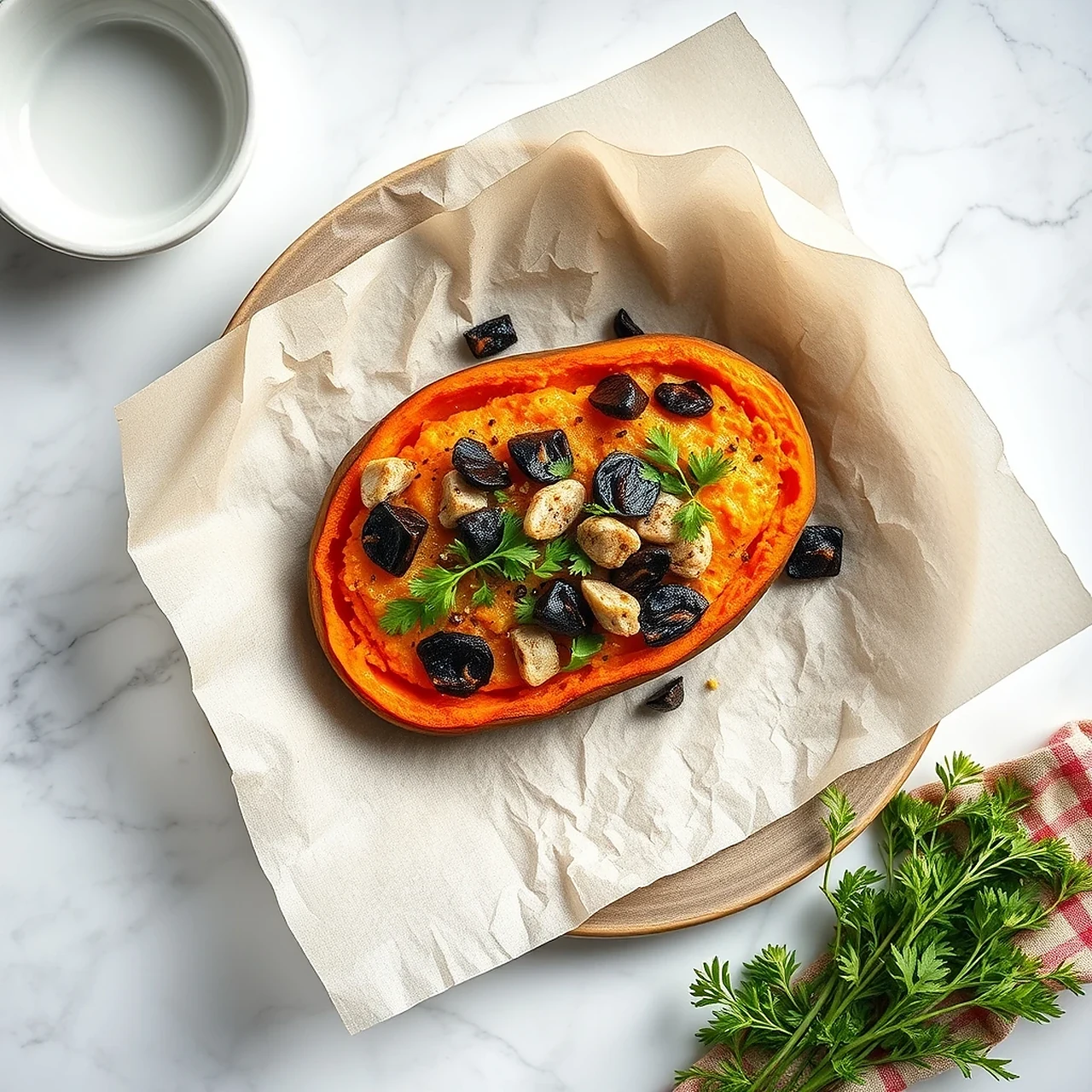
There is a special satisfaction that comes from making homemade treats for your beloved dog. You get to control every ingredient, ensuring only the best, most wholesome components make it into their bowl. These Sardine and Sweet Potato Soft Bakes are designed with exactly that in mind: a simple, nutrient-dense treat that offers both flavor and health benefits without any mystery ingredients. Sardines are a true powerhouse, offering a rich source of omega-3 fatty acids, which are fantastic for skin, coat, and joint health. Paired with sweet potatoes, which provide essential vitamins, fiber, and natural sweetness, these soft bakes become a delightful, easily digestible snack. Their soft texture makes them ideal for training, senior dogs, or any pup who prefers a chewy reward over a crunchy one. As with any new food introduction, it is wise to discuss major diet changes or new treats with your veterinarian, especially if your dog has existing health conditions or dietary sensitivities. Introduce these bakes gradually to ensure they agree with your dog's digestion. Always prioritize plain, unsalted ingredients safe for canine consumption.
Safety first: Introduce new foods gradually and speak with your veterinarian before making major changes to your dog's diet.
Foods to avoid
It is critical to use sardines packed only in water with no added salt, oils, sauces, or spices, as these can be harmful to dogs. Ensure sweet potato is always plain, cooked, and unseasoned. Never use ingredients known to be toxic to dogs, such as onions, garlic, xylitol, or chocolate, in any pet recipe.
Ingredients
Instructions
Prepare Ingredients: Begin by thoroughly draining the can of sardines. It is important to remove as much water as possible to prevent a soggy dough. If you are starting with a raw sweet potato, bake or boil it until very tender, then peel and mash it completely. Ensure the sweet potato is plain, with no added butter, s

Combine Wet Mixture: In a medium mixing bowl, combine the mashed sweet potato, the drained sardines, and the large egg. Use a fork or potato masher to break up the sardines and thoroughly mix all the ingredients until well combined and the sardines are mostly integrated into the sweet potato mixture.

Add Flour Gradually: Gradually add the whole wheat flour to the wet mixture, starting with one cup. Mix with a spoon or your hands until a soft, pliable dough forms. If the dough seems too dry and crumbly, add water one tablespoon at a time, mixing after each addition, until the dough comes together without being overl
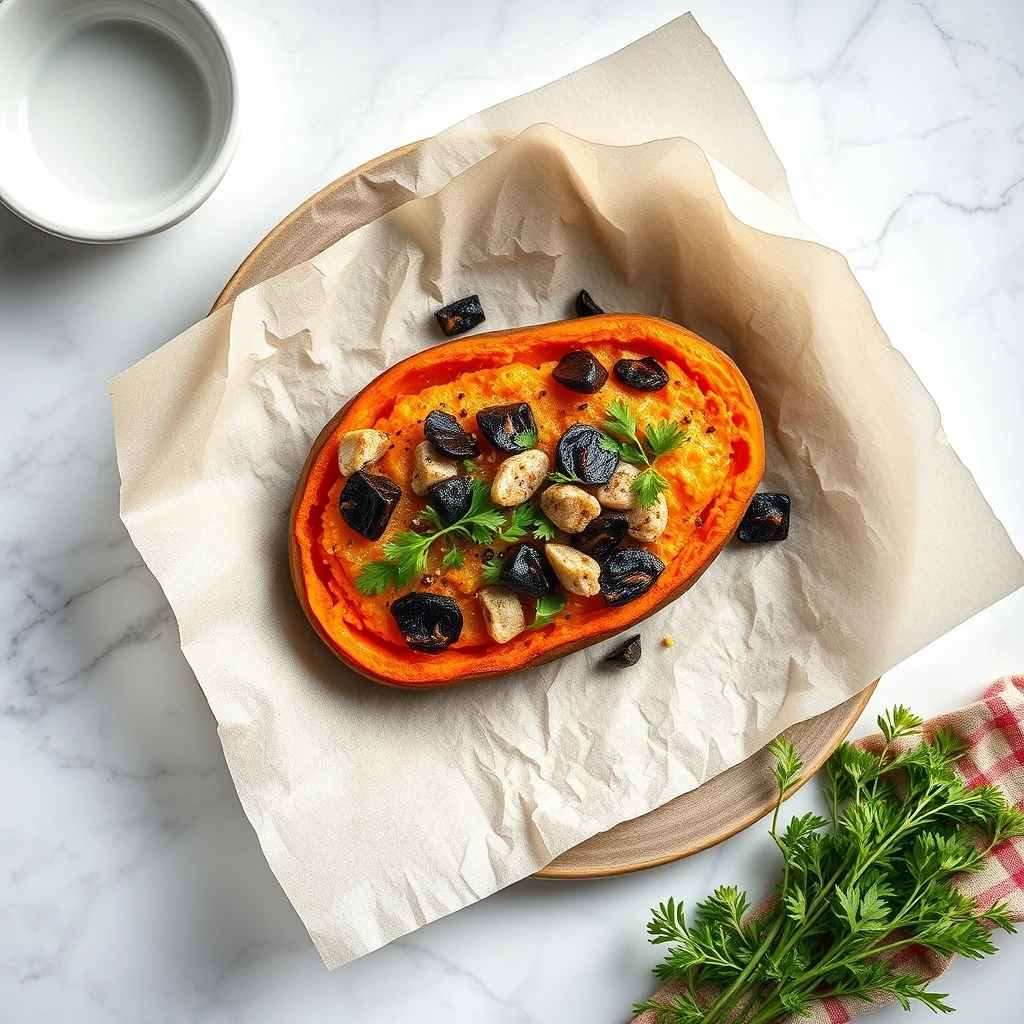
Form the Treats: Preheat your oven to 350°F (175°C) and line a baking sheet with parchment paper. Using a small cookie scoop or a teaspoon, drop uniform portions of the dough onto the prepared baking sheet. Gently flatten each portion slightly with your fingers or the back of a spoon to ensure even baking.
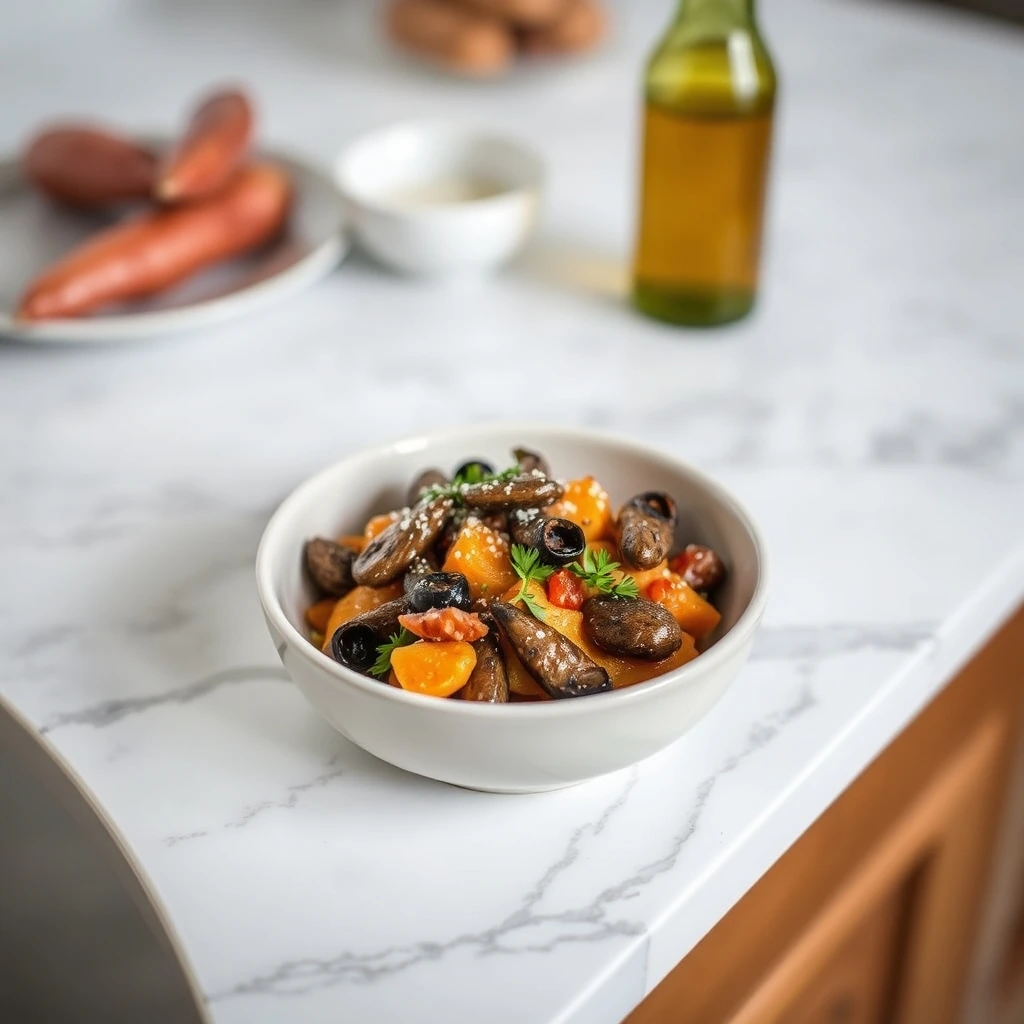
Bake to Golden: Bake the treats for 20-25 minutes, or until they are golden brown around the edges and firm to the touch. The baking time can vary slightly depending on the size and thickness of your treats. For a slightly crispier treat, you can extend the baking time by a few minutes, but keep an eye on them to preve
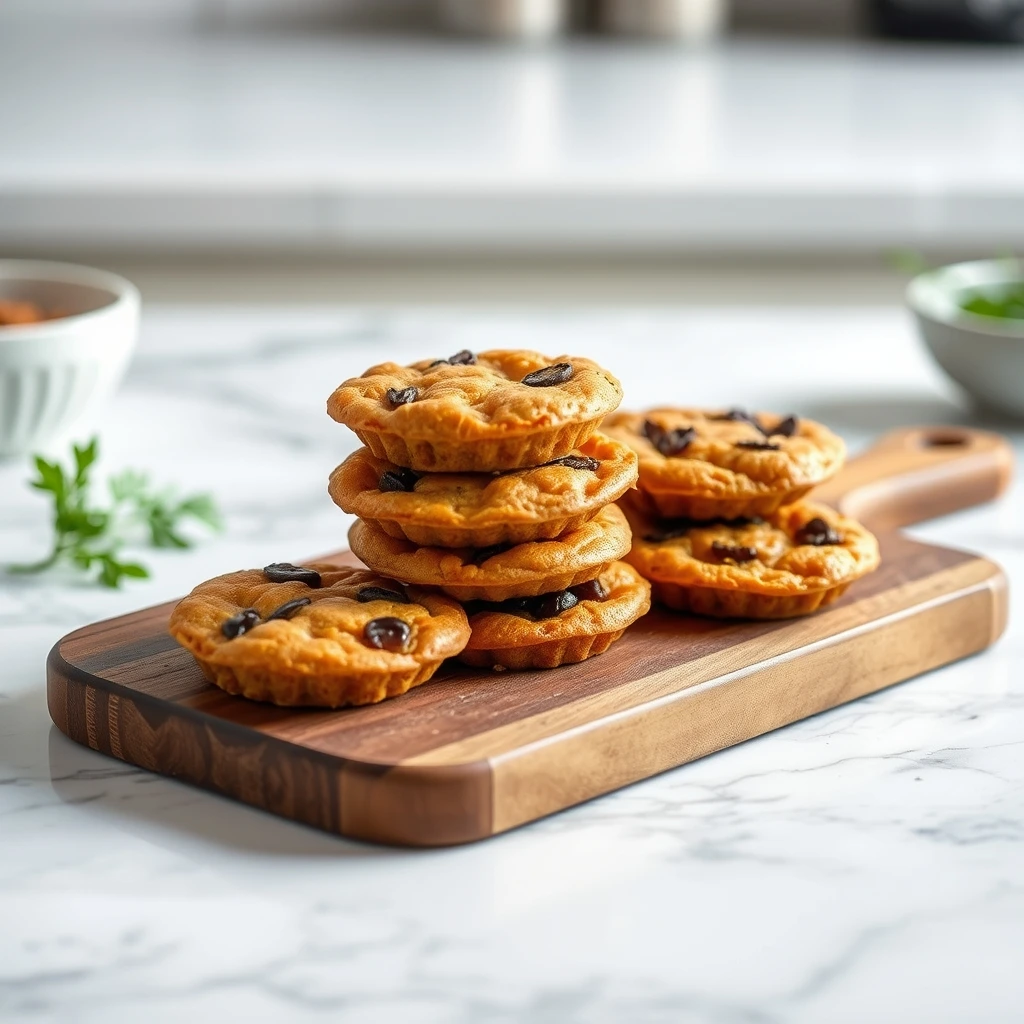
Cool Completely: Once baked, carefully transfer the treats from the baking sheet to a wire rack. Allow them to cool completely before offering them to your dog or storing them. Cooling ensures they set properly and are safe to handle and consume.
Made this recipe?
Tap the paw so other pet parents know it’s worth making.
Be the first to make it
Tips & serving
These treats are intended as a supplement to your dog's regular diet and should not replace a balanced meal. Introduce them gradually, starting with one or two small treats a day, and monitor your dog for any digestive upset or sensitivities. Adjust the quantity based on your dog's size, activity level, and overall caloric intake. For dogs with specific health concerns, consult your veterinarian before introducing new foods.
- Rich in Omega-3 Fatty Acids (supporting skin, coat, and joint health)
- Good source of Vitamins A and C (from sweet potato for immune support)
- High in Dietary Fiber (aids digestion)
- Easily digestible, soft texture (ideal for all ages, including seniors)
- Wholesome, limited-ingredient snack (no artificial additives)
- If the dough is too sticky to handle, lightly dust your hands with a bit of extra flour.
Storage
Thaw frozen treats in the refrigerator overnight or at room temperature for about an hour before serving.
Substitutions
- Flour
For dogs with wheat sensitivities, oat flour or rice flour can be used as a gluten-free alternative. You may need to slightly adjust the amount of water to achieve the desired dough consistency.
- Potato
Plain, unsweetened canned pumpkin puree can be substituted for sweet potato. The dough might be a bit softer, so you may need to add a touch more flour.
- Sardines
Canned salmon in water (no salt added) can be used as an alternative. Ensure any bones are completely soft and mashed, or removed entirely.
Dogs recipe FAQ
Can Homemade Sardine and Sweet Potato Soft Bakes for Dogs replace my dog's regular diet?
Treat it as an occasional extra, not a meal plan. These treats are intended as a supplement to your dog's regular diet and should not replace a balanced meal. Introduce them gradually, starting with one or two small treats a day, and monitor your dog for any digestive.
Is sardines okay for dogs?
This recipe uses sardines in a small, dog-appropriate amount. Skip it if your dog has a known sensitivity, and read the foods-to-avoid note on this page before serving.
How long does Homemade Sardine and Sweet Potato Soft Bakes for Dogs keep?
Store cooled treats in an airtight container in the refrigerator for up to 5 days. For longer storage, treats can be frozen in an airtight container or freezer-safe bag for up to 2-3 months.
How should I introduce this treat?
Start with a taste-size portion next to your dog's usual food, and hold off on serving more until you have seen that it agrees with them.
Can I use fresh sardines instead of canned?
Yes, if you have access to fresh sardines, ensure they are thoroughly cooked, completely deboned, and plain before mashing them into the recipe. This ensures safety and digestibility for your dog.
My dog has allergies to wheat. Can I use a different flour?
Absolutely. Oat flour or rice flour are excellent gluten-free alternatives. You might need to adjust the amount of water slightly to achieve the desired dough consistency, as different flours absorb liquids differently.
Sources