You fill the hay rack in the morning, come back at lunchtime and find most of it gone. Is your rabbit eating too much, or did you simply not put enough out? The opposite can be worrying too. Maybe your rabbit picks out a few favourite strands and leaves the rest sitting there. Hay isn't like pellets that you measure into a bowl twice a day. Rabbits need to nibble throughout the day and night, so fresh hay should always be within reach. That's the goal, rather than sticking to set mealtimes and fixed portions. For a healthy adult rabbit, the rule is straightforward: offer unlimited good-quality grass hay. How much actually disappears depends on your rabbit's size, age, appetite and individual needs. There's no need to weigh every handful. What matters is choosing suitable hay, keeping it available and paying attention to how much your rabbit eats. Let's look at what that means around the feeding rack, how pellets fit into the picture and what to do if your rabbit starts turning its nose up at hay.
Adult rabbits need unlimited hay every day
A healthy adult rabbit should never have to wait for its next helping of grass hay. Keep some available at all times. There isn't one daily weight or cup measurement that works for every rabbit, and trying to stick to one can be misleading. A small rabbit naturally eats less than a large breed. Even rabbits of similar size can have quite different appetites. Instead, check the feeder regularly and top it up when the supply gets low. Your rabbit should be able to reach its hay easily, whether it's having a nibble in the morning or settling down for the night.
Hay does most of the work in a rabbit's diet. Common feeding guidance puts it at around 80 to 85 percent of the diet by volume, which is a much bigger share than pellets or vegetables. There's a good reason for that. Grass hay contains long, coarse fibres that help keep normal digestive movement going. All that chewing also wears down rabbit teeth, which continue growing throughout life. So if you're wondering how much hay to give a rabbit, don't start with a measuring cup. Start with constant access and pay attention to how willingly your pet eats it.
How much hay should you put out at a time?
Think of the hay rack as a supply station, not a bowl with a fixed daily allowance. Put a generous amount out in the morning, have another look during the day and refill it before your rabbit runs out. A loose pile about the size of your rabbit's body is a handy starting point. From there, adjust according to how quickly your pet gets through it. It's only a practical estimate, not a nutritional rule you need to follow exactly. Some rabbits spend much of the day nibbling. Others wander over for a few mouthfuls, disappear and come back later.
How can you tell whether there's enough? Your rabbit should always have fresh strands to pull from the feeder, and it shouldn't be sitting empty for hours. Don't worry if there's hay scattered around the enclosure or tucked into the litter tray. That's quite normal. Rabbits pull out strands, eat what they fancy and sometimes drop the rest while settling down. Clear away anything damp, dirty or heavily soiled. Never put it back in the rack. If you're regularly throwing away large amounts of untouched hay, take a closer look at its freshness and whether your rabbit can reach the feeder comfortably.
Choose the best hay for pet rabbits
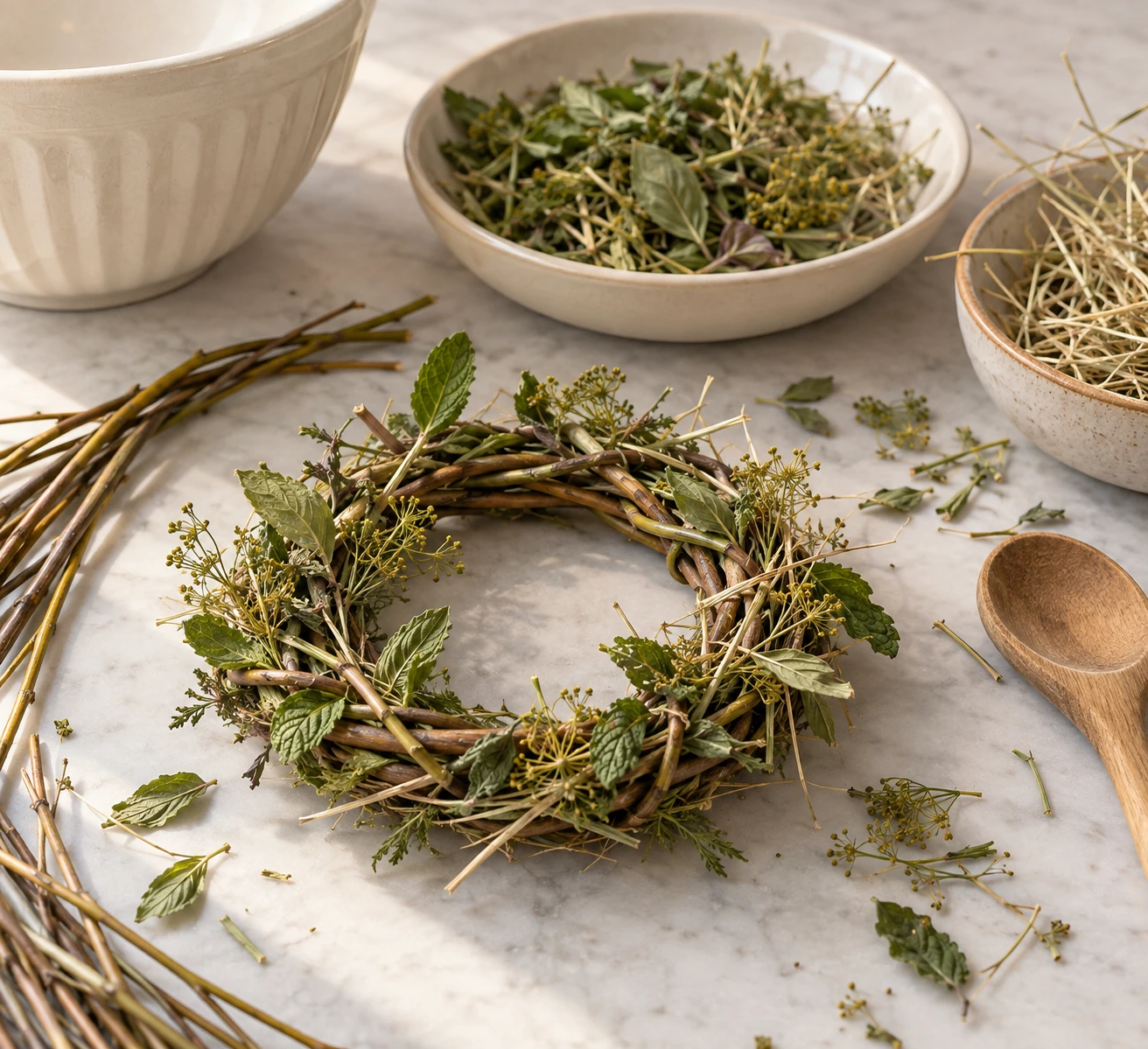
For most healthy adult rabbits, grass hay is the everyday staple to buy. Timothy hay is a familiar favourite because it's fibrous and has a texture many rabbits happily chew. Orchard grass is softer, which can make it a better choice for rabbits that leave coarser strands behind. Meadow hay brings a natural mix of textures and plant material, while oat hay gives you another flavour to try. You don't need to spend a fortune on a bag. Pick hay that smells fresh, feels dry and has plenty of clean, leafy strands rather than looking like a bundle of stiff stems.
Alfalfa is a different story. It's richer in protein and calcium than ordinary grass hay, making it more suitable for growing young rabbits and certain animals with increased nutritional needs. For a healthy adult, it usually isn't the right everyday choice. Pregnancy, nursing, age and individual health can all affect what belongs in the feeder, so ask your veterinarian before making alfalfa the main hay for an adult rabbit. Got a fussy eater? Try putting two suitable grass varieties side by side. You'll soon see which one your rabbit reaches for first.
How hay compares with pellets and vegetables
Hay needs to stay at the centre of your rabbit's daily diet. Pellets and fresh leafy vegetables are extras, not substitutes. There's a reason pellets can disappear so quickly. They're easy to eat, without all the chewing that comes with long strands of hay. Give your rabbit too many and it may fill up before getting interested in the hay rack. That's one reason free access to pellets generally isn't recommended for adult pet rabbits. Keep their portion appropriate for their size, age and health, and ask your veterinarian for guidance on the amount.
It's easy to get caught up looking for the perfect rabbit hay and pellet ratio. But the important thing is much simpler: hay should make up the overwhelming majority of the diet, with pellets as a smaller, measured addition. Fresh leafy greens can bring some variety to the bowl, but they don't replace hay either. Don't try to force every rabbit into one universal percentage. A growing rabbit has different nutritional needs from a mature adult, and a rabbit with a medical condition may need a different feeding plan. Keep the hay available throughout the day and ask your vet what pellet portion makes sense for your pet.
Why your rabbit might not be eating enough hay
Some rabbits would happily eat pellets and their favourite vegetables all day, leaving the hay rack almost untouched. Before worrying, have a look at what's in it. Hay that's been sitting around too long can lose its fresh smell and become dusty. Poor storage can leave it damp, and a bag full of stiff, coarse stems may simply be less appealing than a leafy variety. Try a fresh bag from a reputable seller. Put a little near your rabbit's favourite resting place and see whether it gets more attention. You can also offer another suitable grass hay alongside the usual one to find out whether texture or variety is the issue.
Now, there's a difference between a rabbit being picky and one suddenly refusing food. If your rabbit stops eating hay, eats noticeably less overall or produces fewer droppings, get veterinary attention promptly. Dental discomfort and digestive problems are among the possible reasons for a change in eating habits. You can't tell what's wrong just by inspecting the hay rack, though. If your rabbit stops eating altogether, it needs urgent veterinary care. Don't spend several days trying different hay brands and hoping the problem sorts itself out. A sudden change in appetite is a reason to contact your veterinarian.
Keep hay fresh, clean and easy to reach
Even lovely, fresh hay won't stay appealing if you store it badly. Keep unopened supplies somewhere cool and dry, with enough airflow. A breathable fabric bag or suitable storage container in a dry room is a good option. Don't seal damp hay inside an airtight plastic bag. Moisture trapped inside can encourage mould, and spoiled hay doesn't belong in your rabbit's feeder. Before adding a fresh handful, give it a quick check. Look for unusual smells, visible mould, excessive dust or signs of insects. Good hay should smell pleasantly grassy. If it smells musty or looks spoiled, throw it away.
Where you put the feeder makes a difference too. Many rabbits like to nibble while using their litter tray, so placing a hay rack beside or above that area can encourage regular eating. Pick one that lets your rabbit pull out strands without stretching awkwardly or getting stuck. Check it throughout the day for empty patches, wet hay and droppings. If you keep more than one rabbit, give them enough room to eat without one animal constantly pushing the other away. A quick look at the rack each day tells you quite a lot. Notice what's left and whether your rabbit seems to be eating its usual amount.
Do young and older rabbits need the same amount?
Not quite. Growing rabbits need a different balance of nutrients from mature adults, and that changes which hay is suitable. Alfalfa is commonly included in the diet of young rabbits because it contains more protein and calcium than ordinary grass hay. As they mature, their feeding plan generally shifts towards grass hay. The right timing depends on development and individual circumstances, so don't switch foods based on age alone. Follow your veterinarian's advice about when and how to make that change.
Older rabbits still need constant access to suitable grass hay. The difference is that some may chew more slowly or become less interested in certain textures. Softer grass varieties can sometimes be more appealing, but don't assume a change in eating habits is simply part of getting older. Dental problems and other health issues can affect appetite. If your older rabbit starts leaving hay behind, eats less than usual or produces different droppings, arrange a veterinary assessment. It's also worth asking your vet to review the entire feeding plan if your rabbit's weight or appetite changes.
How Much Hay Should a Rabbit Eat Each Day? FAQ
Can rabbits eat too much hay?
Healthy adult rabbits can generally have unlimited access to suitable grass hay. In fact, hay should make up most of what they eat each day. The bigger concern is usually too many pellets or treats, especially when those extras leave your rabbit less interested in its hay.
Should I refill my rabbit's hay every day?
Yes, check the feeder at least once a day and add fresh hay whenever the supply gets low. Don't just pile new strands on top of old ones. Remove anything damp, dirty or spoiled first so your rabbit always has clean hay to eat.
Can I give my rabbit unlimited timothy hay?
Yes. Timothy hay is a good everyday choice for most healthy adult rabbits, and you can offer it freely. Keep the supply fresh and within easy reach. If your rabbit has special dietary needs, ask your veterinarian whether timothy hay is the right option.
Why does my rabbit eat pellets but not hay?
Pellets are quicker and easier to eat, so a rabbit offered too many may choose them over hay. Old, dusty or coarse hay can also put a rabbit off. If your pet suddenly refuses hay, though, contact your veterinarian rather than assuming it's just being fussy.
How much hay should a baby rabbit eat?
Baby rabbits need constant access to suitable hay while they're growing. Alfalfa is often included because it contains more protein and calcium than ordinary grass hay. Ask your veterinarian when to start introducing more grass hay, as the timing depends on your rabbit's development.
Is meadow hay as good as timothy hay for rabbits?
Good-quality meadow hay can be just as suitable as an everyday grass hay for many adult rabbits. The texture and mix of plants can vary from one supplier to another. Choose a clean, fresh bag with a smell and texture your rabbit enjoys.