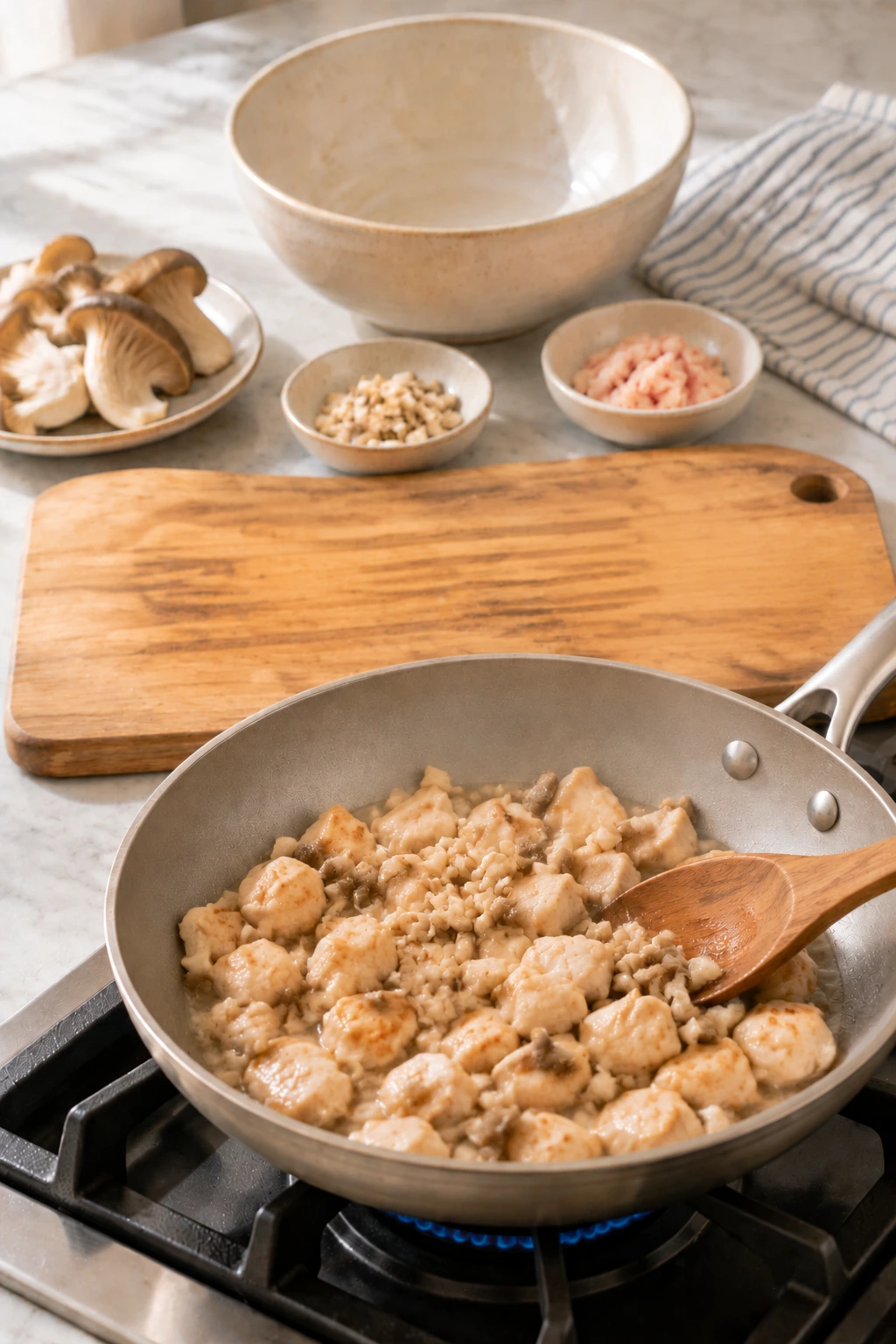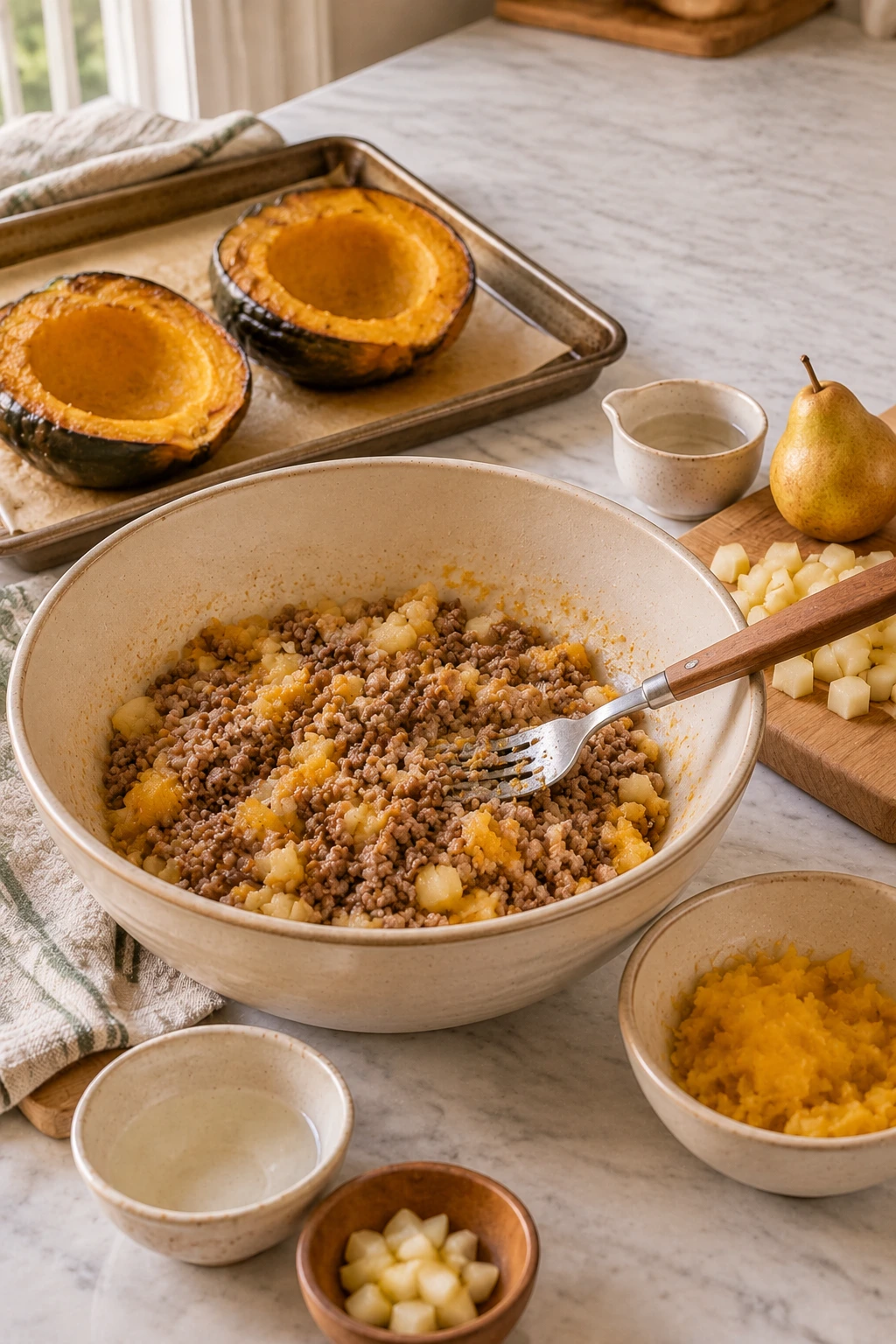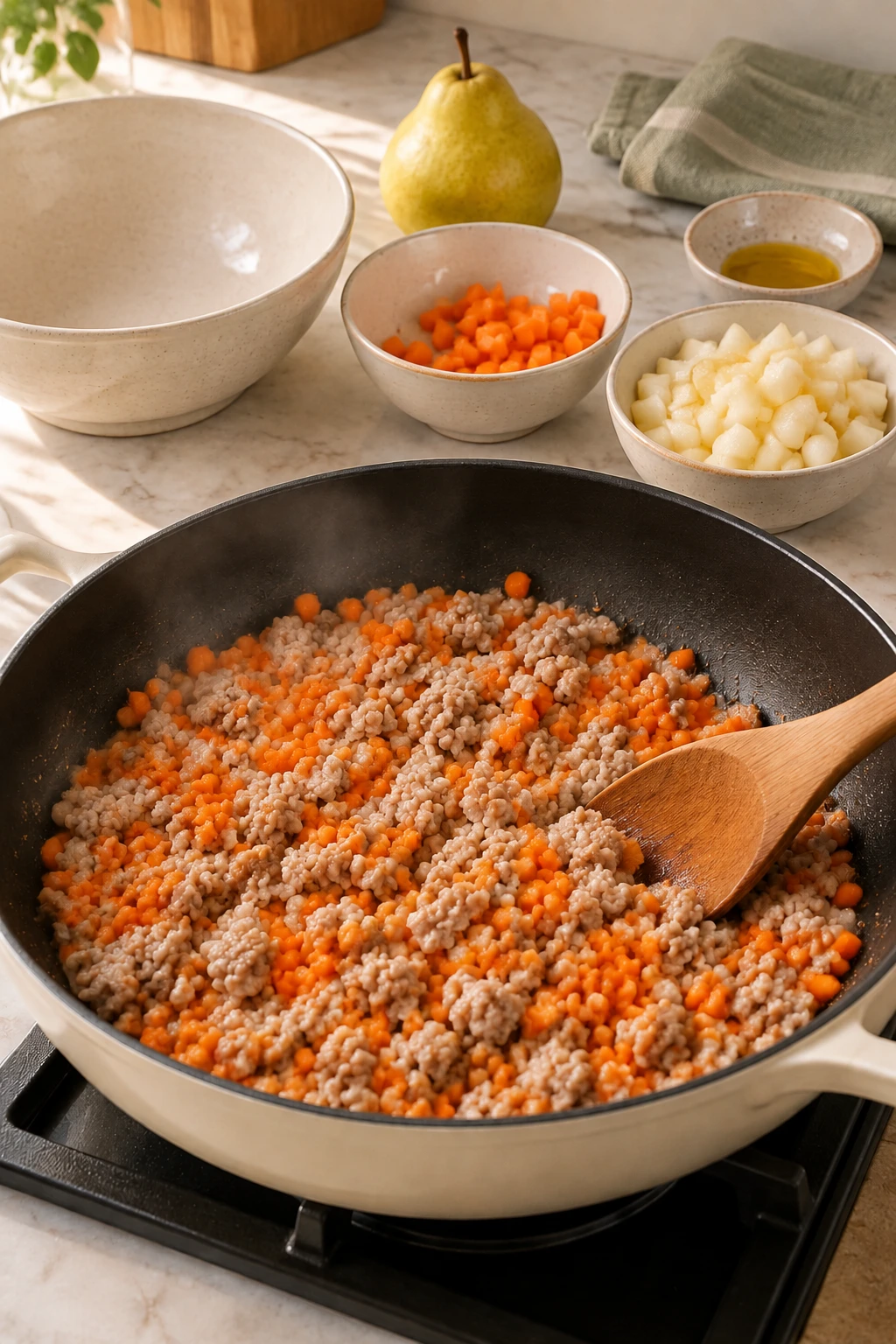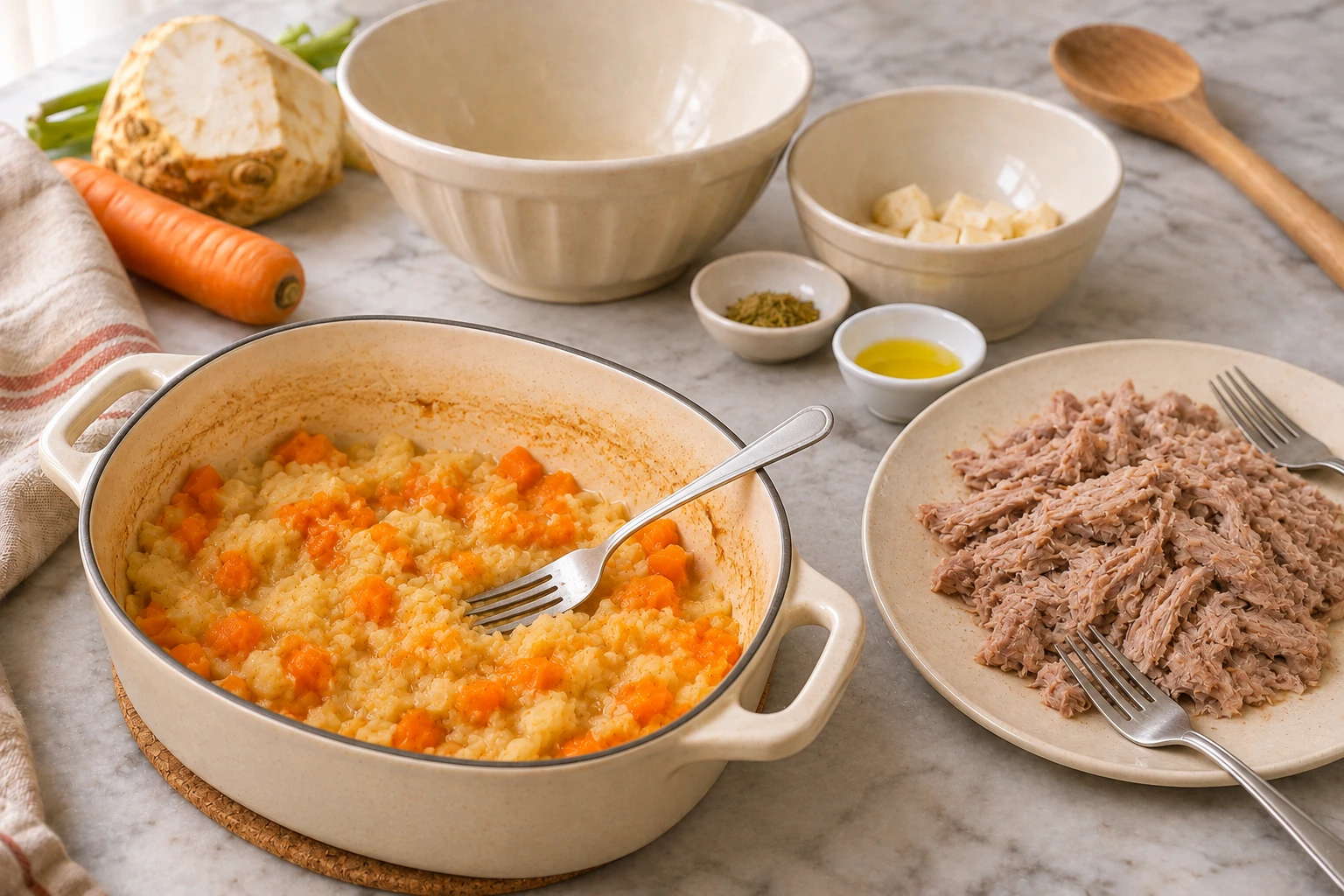

You have spent time cooking a batch of homemade food for your dog, and now you are wondering how many days it will stay safe in the refrigerator. It is a sensible question. Cooked meat, vegetables and grains do not stay fresh indefinitely, even when they are kept cold. For most properly handled homemade dog food, a practical storage window is 3 to 4 days in a refrigerator set at 40°F (4°C) or below. I would aim to use the food within 3 days and freeze the extra portions rather than stretch the storage time. The way you cool, portion and store the food matters just as much as the number of days on the calendar. A large pot left on the counter for hours is a different situation from small portions refrigerated promptly after cooking. Here is how to store homemade dog food, recognise possible spoilage, and decide when freezing makes more sense than keeping another container in the fridge.
How long does homemade dog food last in the fridge?
Cooked homemade dog food generally lasts 3 to 4 days in the refrigerator when it has been handled properly and kept at 40°F (4°C) or below. This follows the USDA's general guidance for cooked leftovers, including meat and poultry. Homemade meals often contain several ingredients, such as chicken, beef, rice, eggs and vegetables, so it makes sense to use the same cautious storage approach. I prefer setting a 3-day target for everyday feeding, particularly when the recipe contains meat, rather than waiting until the fourth day to finish a batch.
Why does refrigeration have a limit? Cold temperatures slow bacterial growth, but they do not stop it completely. Some harmful bacteria can grow even under refrigeration, and contaminated food does not always develop an unpleasant smell or appearance. A meal cooked on Sunday should therefore have a clear storage deadline. If you will not use it by Thursday, freeze the remaining portions earlier. The exact storage life can also depend on how quickly the food cooled, how cold your refrigerator stays and whether clean utensils were used. Do not assume that a tightly closed container makes old food safe.
Cool homemade dog food before storing it
A freshly cooked pot of dog food can stay warm in the middle long after the surface has cooled. Leaving it on the counter until it reaches room temperature is not a good storage habit. Bacteria multiply more quickly in the temperature range between 40°F and 140°F (4°C and 60°C). USDA food safety guidance recommends refrigerating perishable cooked food within 2 hours, or within 1 hour when the surrounding temperature is above 90°F (32°C). Treat homemade dog food with the same care you would give your own cooked leftovers.
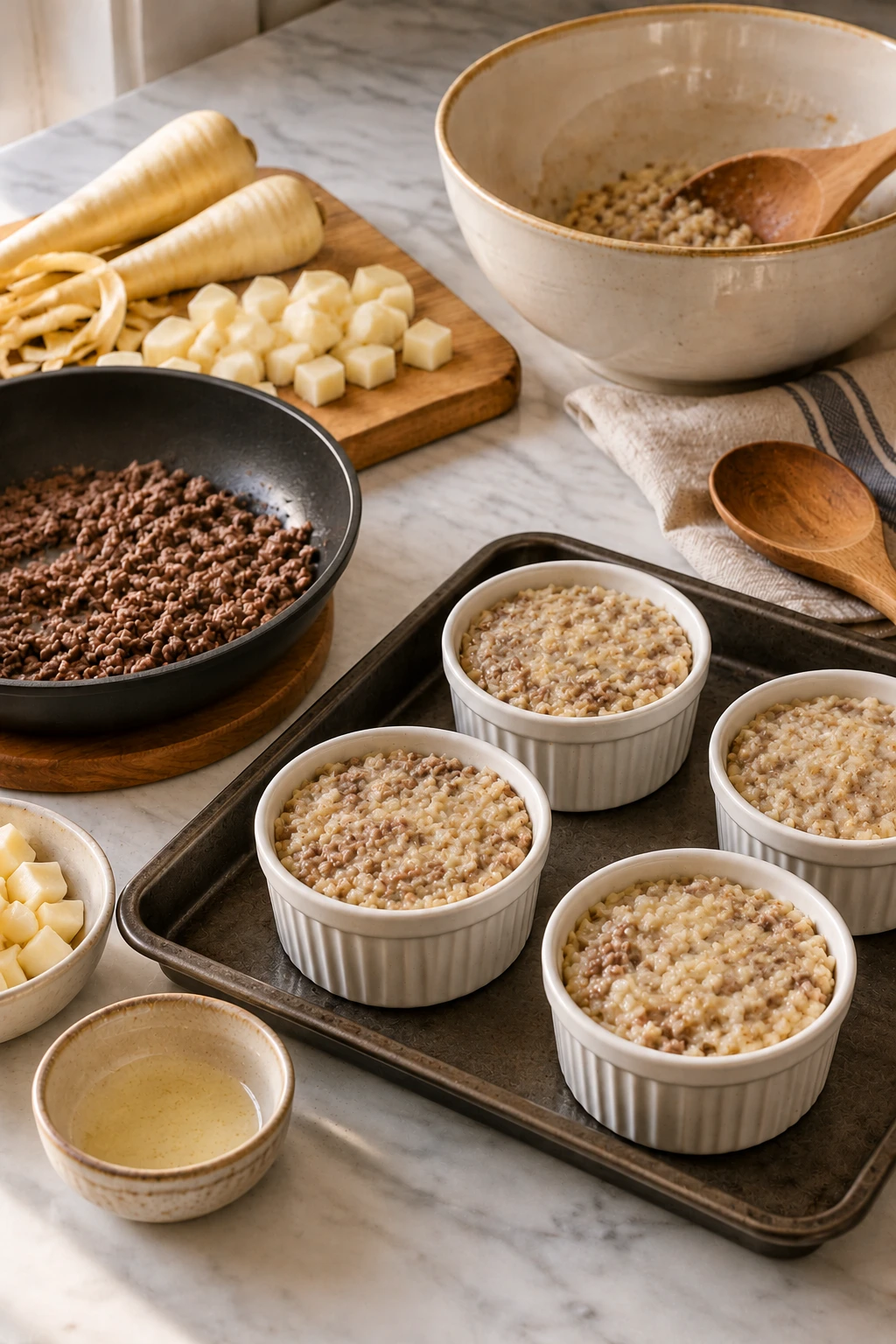
The easiest approach is to divide the food into several shallow containers while it is still warm. Smaller portions cool more quickly than one deep container filled to the top. Put them in the refrigerator promptly, leaving enough room for cool air to circulate. You do not need to leave a large pot sitting on the counter until it feels completely cold. If you have prepared a particularly large batch, divide it into manageable portions before refrigerating. Wash your hands and clean the utensils used during preparation, too. These small habits reduce the chance of introducing bacteria while the food is being handled.

Choose safe containers for homemade dog food
The container you choose should be clean, food-safe and easy to close securely. Glass containers with fitted lids are a good household choice because they are easy to wash and do not hold onto food smells as readily as some plastics. Food-grade plastic containers are also suitable when they are designed for food storage and are in good condition. Avoid containers with cracked lids, deep scratches or damaged surfaces that are difficult to clean. A container that closes properly also helps protect the food from spills and contact with other items in the refrigerator.
How should you arrange the portions? I would use individual containers sized for one meal or one day's feeding, depending on your dog's meal routine. This means you only open the amount you need instead of repeatedly handling one large batch. Label each container with the cooking date and, if you are freezing portions, the freezing date too. Store cooked dog food away from raw meat and anything that might drip onto it. Keep the refrigerator at 40°F (4°C) or below, ideally checking it with an appliance thermometer rather than relying on the temperature dial alone.
Can you freeze homemade dog food?
Yes. Freezing is a sensible option when you have cooked more dog food than your household can use within 3 to 4 days. Instead of keeping the entire batch in the refrigerator, set aside the portions you expect to need over the next few days and freeze the rest promptly. Use freezer-safe containers or sturdy food-grade freezer bags. Remove excess air from freezer bags, seal them well and leave a little room in rigid containers for expansion. Label each portion with its contents and preparation date so you can identify it later.
A freezer kept at 0°F (-18°C) or below keeps food frozen, although quality can gradually change over time. For homemade dog food, using frozen portions within 2 to 3 months is a reasonable quality target. This is not a guarantee that food remains safe if it was handled poorly before freezing. Freezing does not reliably destroy harmful bacteria, so it cannot rescue food that has already spent too long at room temperature or has spoiled. When you need another portion, move it to the refrigerator to thaw. Keep it covered, and do not thaw cooked dog food on the kitchen counter.
How to recognise homemade dog food that may have spoiled
A sour or rancid smell, visible mould, unusual sliminess or a change in texture can all be reasons to throw homemade dog food away. You might also notice unexpected liquid separation or a colour change, although these signs are not always proof of spoilage on their own. Cooked food can change slightly during refrigeration, particularly when it contains vegetables or natural fats. What matters is whether there are clear changes that suggest the food has deteriorated. If you open a container and something smells distinctly wrong, do not offer it to your dog.
There is one point that deserves particular attention: food can contain harmful bacteria without looking, smelling or tasting spoiled. A clean-looking container is not proof of safety, and tasting a small amount is never a suitable way to check. If you have lost track of the preparation date, know that the food sat out too long, or suspect the refrigerator became too warm, discard it. Do not scrape mould from the surface and feed the rest. The safest decision is to throw the entire portion away, wash the container thoroughly and start with a fresh meal.

Everyday habits that keep homemade dog food safer
Safe storage starts before the food reaches the refrigerator. Wash your hands with soap and water before and after handling ingredients. Use clean chopping boards, utensils and preparation surfaces. Keep raw meat separate from cooked ingredients, and never put cooked dog food back into a dish that previously held raw meat without washing it first. Once the meal is ready, use a clean serving spoon to transfer each portion into your dog's bowl. Avoid dipping a spoon that has already touched the bowl back into the storage container.
What about leftovers in your dog's bowl? Do not put food that has been sitting out back into the refrigerator with the untouched batch. Bacteria from your dog's mouth, the bowl and the surrounding environment can contaminate the food. Clear away uneaten moist food promptly, and wash the bowl with hot, soapy water before the next meal. If your dog tends to eat slowly, offer smaller portions rather than leaving a full bowl of homemade food available for hours. Keep your feeding routine consistent, and use the preparation date to guide every storage decision.
How Long Does Homemade Dog Food Last in the Fridge? Safe Storage Tips FAQ
How long can cooked dog food stay in the fridge?
Cooked homemade dog food generally keeps for 3 to 4 days when refrigerated promptly at 40°F (4°C) or below. For a cautious routine, plan to use it within 3 days and freeze anything you will not need.
Can homemade dog food last 5 days in the refrigerator?
I would not plan on keeping homemade dog food for 5 days. The usual guidance for cooked leftovers is 3 to 4 days, and refrigeration does not stop bacterial growth completely. Freeze extra portions instead.
Can I leave homemade dog food out overnight?
No. Cooked meat and other moist ingredients should not remain at room temperature overnight. If homemade dog food has been left out for more than 2 hours, discard it rather than refrigerating it for another meal.
Can I freeze homemade dog food after cooking?
Yes. Divide freshly prepared food into individual freezer-safe portions and freeze it promptly after cooking and portioning. Label the containers with the date, then thaw each portion in the refrigerator when needed.
How can I tell if homemade dog food has spoiled?
Warning signs include an unpleasant sour smell, visible mould, unexpected sliminess or unusual changes in texture. However, harmful bacteria can be present without visible changes, so always follow storage times and temperatures.
Is it safe to store homemade dog food in plastic containers?
Yes, provided the containers are food-grade, clean, undamaged and have secure lids. Glass containers are another good option. Use separate portions to reduce repeated handling and avoid cross-contamination.