

When the weather cools and chestnuts start showing up at the market, it's a nice opportunity to try something seasonal in the kitchen. This beef and chestnut crumble makes a simple homemade treat for your dog, with a soft, crumbly texture that's different from the usual biscuits and meatballs. It uses just a handful of familiar ingredients and is easy to portion into small pieces. Use lean ground beef cooked thoroughly and a little plain, fully cooked, peeled edible chestnut. Skip salt, oil, butter, onion, garlic, sauces, and seasonings. Since chestnut suitability and portion size vary from dog to dog, check with your veterinarian before serving, especially if your dog has dietary restrictions. This is an occasional treat, not a substitute for complete and balanced dog food.
Safety first: Start with a small portion beside your dog's usual food and confirm bigger diet changes with your veterinarian.
Foods to avoid
Use only edible culinary chestnuts that have been fully cooked, peeled, and checked for shell fragments. Never use horse chestnuts or conkers, which are toxic to dogs. Do not serve raw chestnut, salted or seasoned chestnuts, candied chestnuts, chestnut desserts, or products containing chocolate, sweeteners, onion, or garlic. Large or hard pieces can be difficult to chew and may pose a choking risk. Ground beef must be cooked thoroughly, and the treat must cool completely before serving. If your dog eats a horse chestnut or a seasoned product containing a harmful ingredient, contact a veterinarian or animal poison service promptly.
Ingredients
Instructions
Prepare the chestnut: Choose chestnuts sold for eating, not horse chestnuts or conkers. If starting with a raw edible chestnut, cook it fully using a suitable method, remove the hard shell and papery inner skin, and let it cool before checking carefully for shell fragments. Weigh 15 g, chop it into very small pieces, and place it in a small bowl beside the pan; if using ready-cooked chestnut, first check that it contains no salt, butter, seasoning, or other added ingredients.
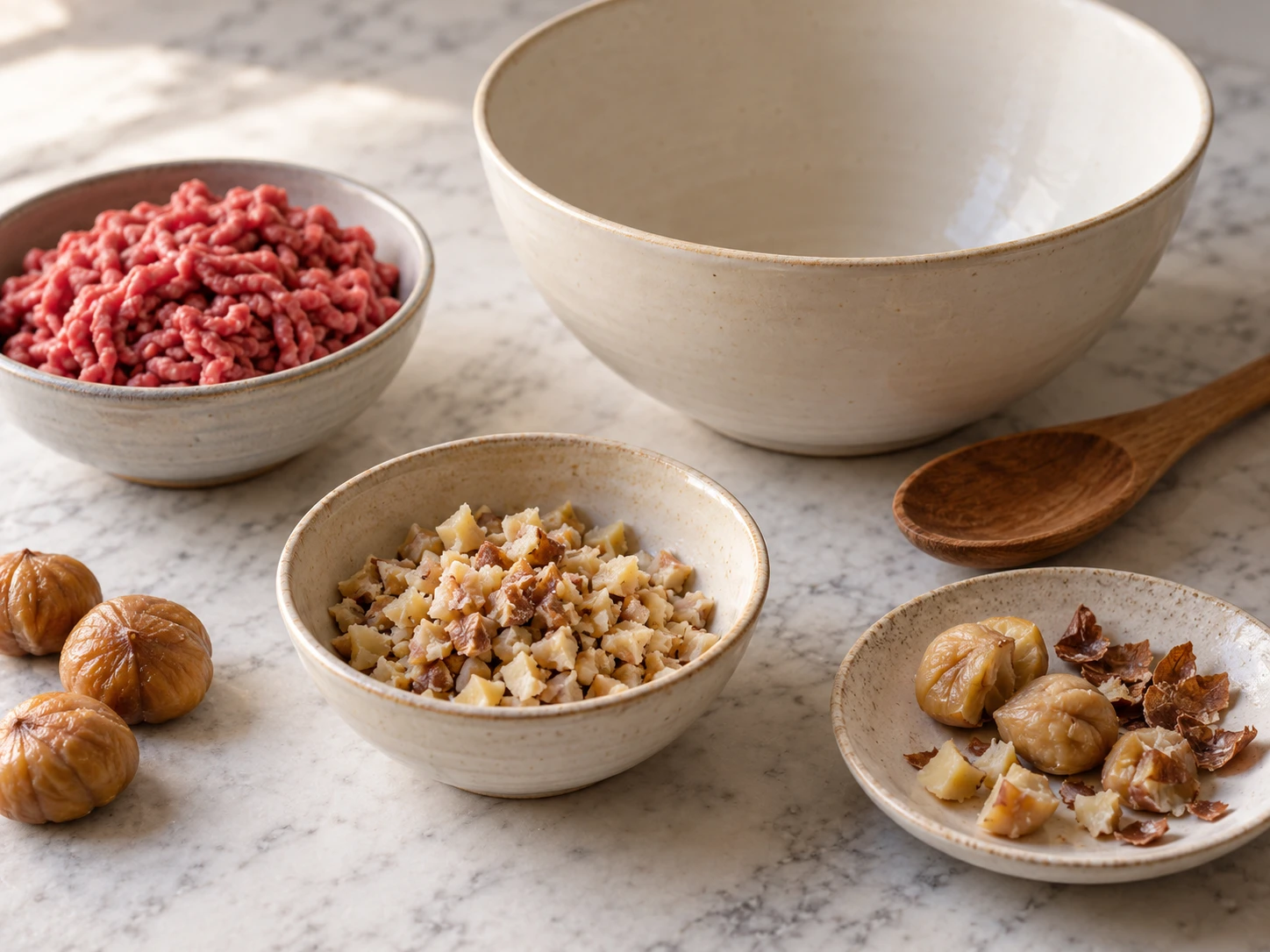
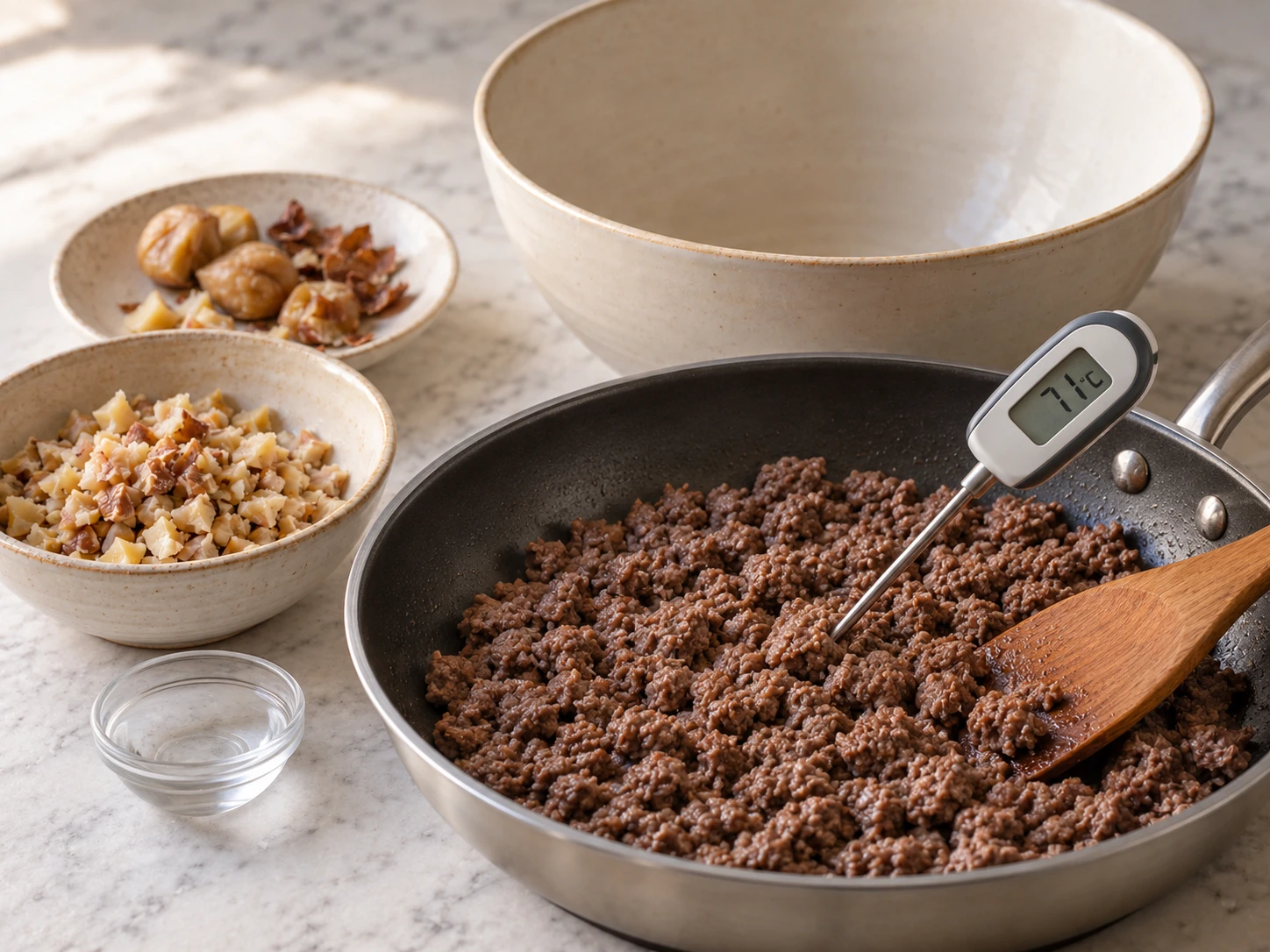
Cook the ground beef: Put the lean ground beef in a clean frying pan over medium heat, breaking it into small pieces with a heatproof spatula as it cooks. If the meat starts sticking or looks dry, add the tablespoon of water rather than oil or butter. Cook until no raw meat remains and the beef reaches an internal temperature of 71°C (160°F), stirring and checking several thicker pieces with a thermometer without letting it touch the pan.
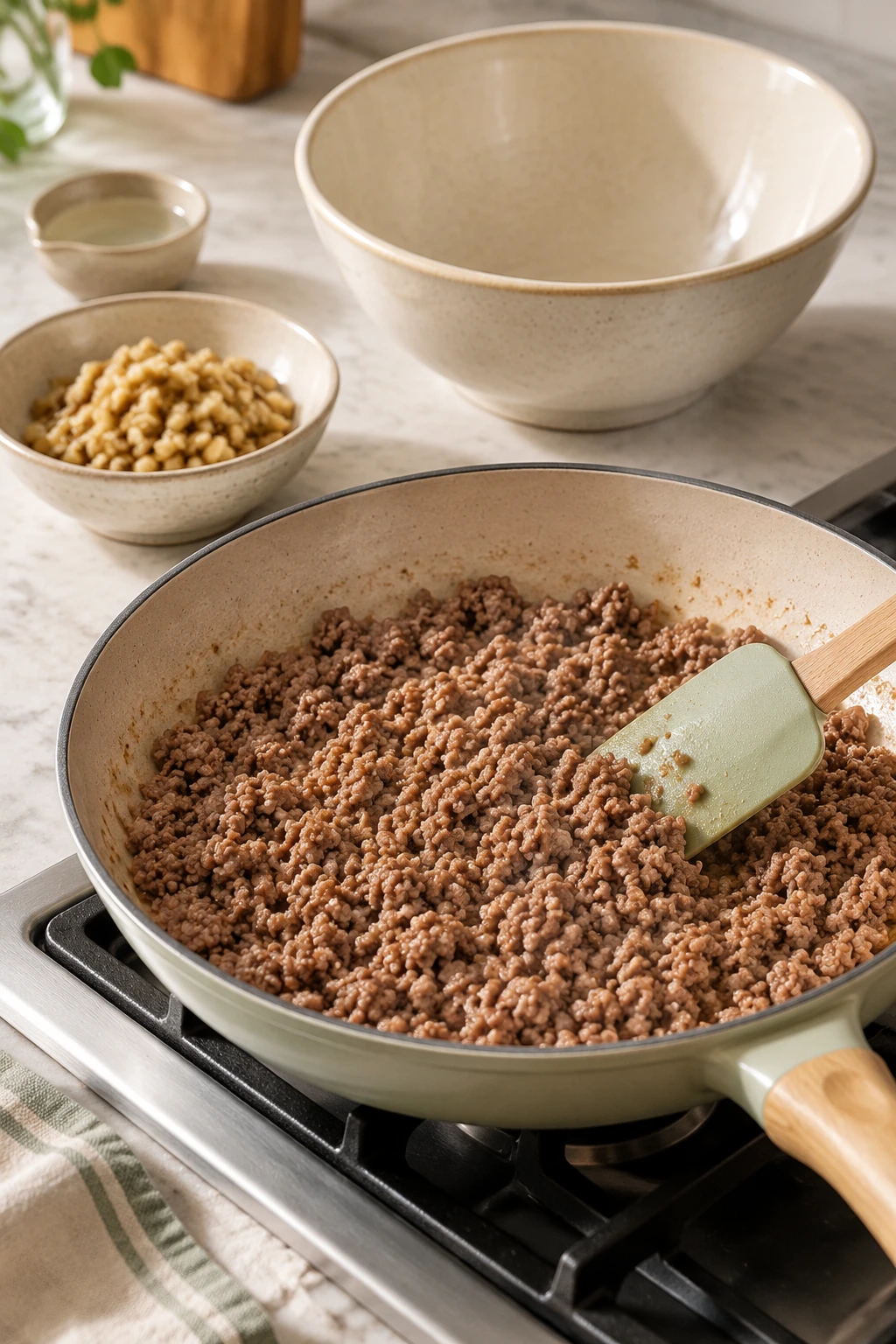
Break the beef into fine crumbles: Once the beef is fully cooked, turn the heat to low and break any larger pieces into small, even crumbles with the spatula. If a large pool of fat has collected, carefully drain it away without losing the meat. Keep the mixture moist rather than crisp or heavily browned, and turn off the heat if the pan gets too hot so the beef doesn't dry out and remains easy to portion into tiny pieces.
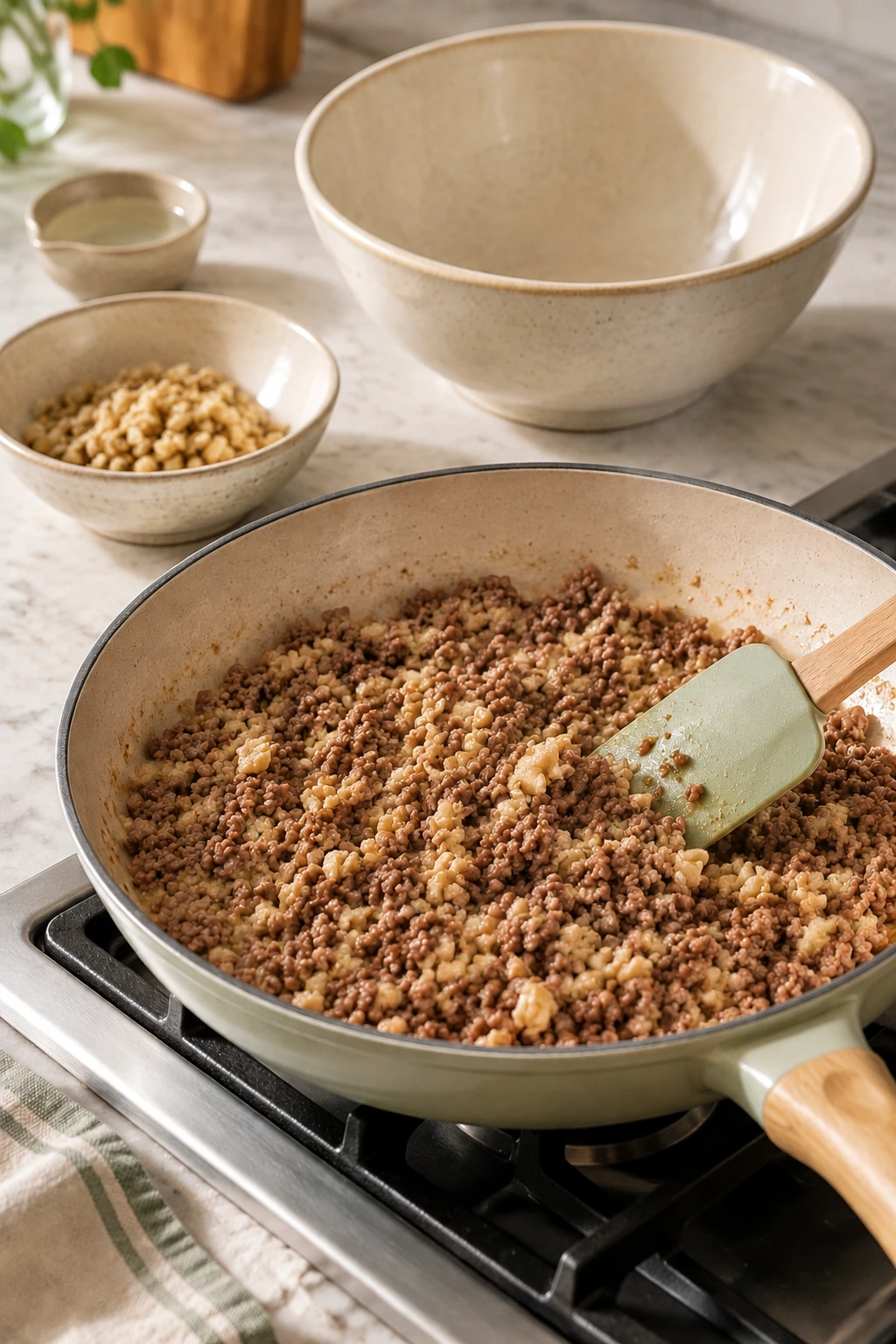
Fold in the chestnut: Add the finely chopped cooked chestnut to the beef and stir gently over low heat for about one minute, just until it's evenly distributed and warmed through. If using the optional parsley, add only the small measured amount at this stage, without adding seasoning, stock cubes, gravy, or sauces. Before removing the pan from the heat, check for hard chestnut pieces or shell fragments and remove anything that could pose a choking risk.
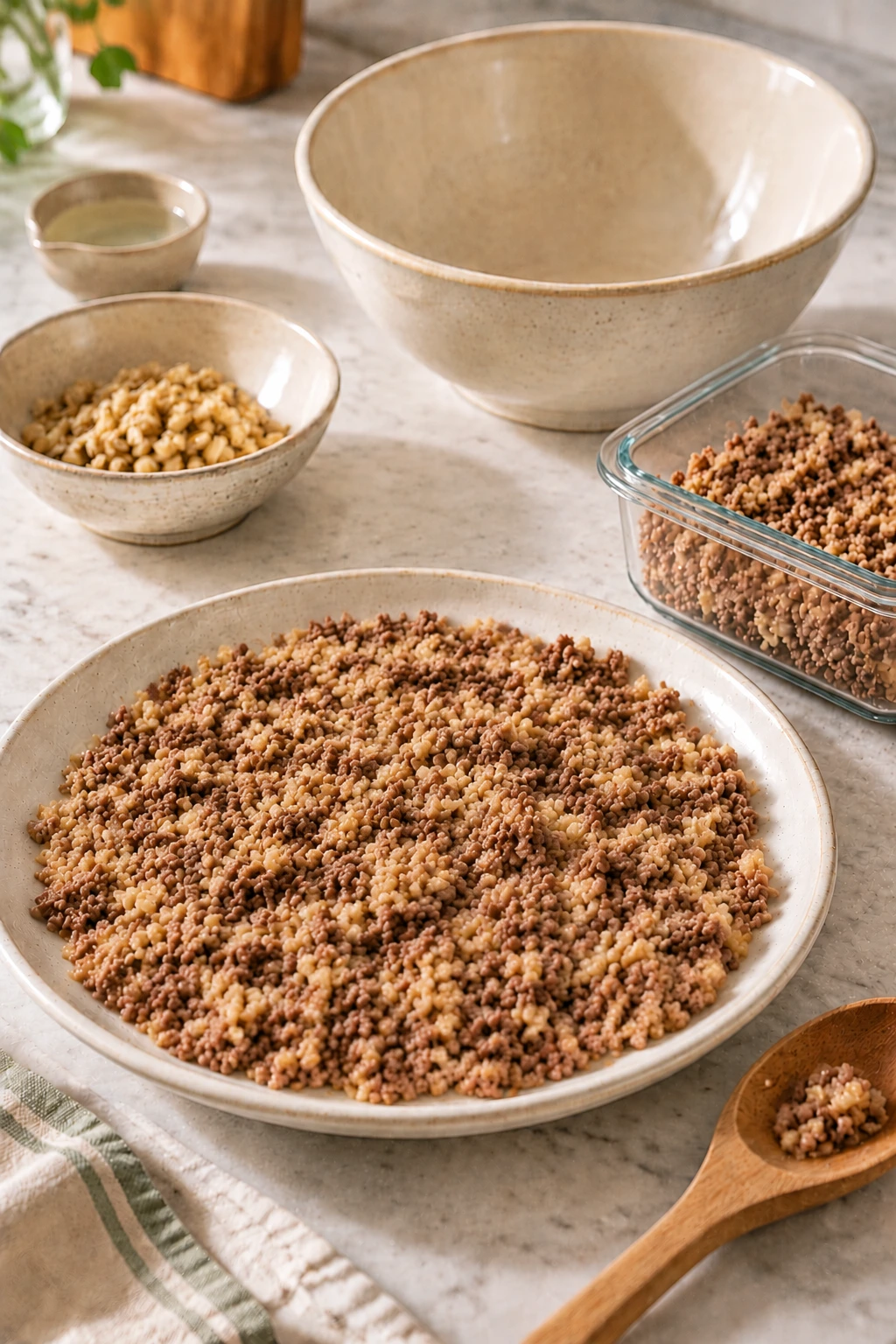
Cool and portion the crumble: Spoon the mixture onto a clean, shallow plate or into a container, spreading it out to let the steam escape. Let it cool completely before serving any to your dog, then break it into tiny, soft portions and feel for hard or unusually large pieces. Set aside only the small amount your veterinarian has advised is suitable, and promptly refrigerate the rest in a covered container rather than leaving the cooked meat at room temperature for an extended period.
Made this recipe?
Tap the paw so other pet parents know it’s worth making.
Be the first to make it
Tips & serving
Offer only a tiny amount once the crumble has cooled completely, and treat it as an occasional extra rather than a meal. The suggested batch yield does not establish a safe portion for every dog. Introduce unfamiliar ingredients cautiously and stop offering the recipe if your dog appears unwell. Ask your veterinarian whether plain edible chestnut is suitable for your dog and what portion, if any, is appropriate for its size, age, health, and usual diet. Always discuss major diet changes with a veterinarian.
- The loose, soft texture gives owners an alternative to molded biscuits and meatballs when preparing occasional homemade treats.
- A short ingredient list makes it easier to check labels, measure additions, and avoid unnecessary salt or seasoning.
- The small batch uses a modest amount of seasonal chestnut without making it the main ingredient.
- The crumble can be divided into tiny portions, helping owners keep treat amounts measured rather than offering a large piece.
- Choose the leanest ground beef available and drain excess fat after cooking to keep the crumble from becoming greasy.
- Chop cooked chestnut finely before mixing so the finished texture stays loose and does not contain large, hard pieces.
Storage
For longer storage, freeze small portions in a sealed freezer-safe container or bag. Use within 2 months for best quality, thaw in the refrigerator, and serve only after the portion has cooled to a safe temperature. Do not repeatedly thaw and refreeze the batch.
Substitutions
If your veterinarian advises against chestnut, omit it rather than replacing it automatically. You can prepare the same plain cooked beef crumble on its own, but confirm that beef is appropriate for your dog and keep the result an occasional treat. If lean ground beef is unavailable, ask your veterinarian about a suitable plain, lean, fully cooked alternative protein for your dog. Different meats have different fat contents and nutritional profiles, so do not assume they are interchangeable for every dog. The optional parsley can simply be left out.
Dogs recipe FAQ
Can Dogs Beef and Chestnut Savory Crumble replace my dog's regular diet?
Treat it as an occasional extra, not a meal plan. Offer only a tiny amount once the crumble has cooled completely, and treat it as an occasional extra rather than a meal. The suggested batch yield does not establish a safe portion for every dog.
Can dogs have lean cooked ground beef?
This recipe uses lean cooked ground beef in a small, dog-appropriate amount. Skip it if your dog has a known sensitivity, and read the foods-to-avoid note on this page before serving.
How do I store this treat?
Refrigerate the cooled crumble promptly in a clean, covered, airtight container and use within 3 days. Keep it at 4°C (40°F) or below, and discard it if it has been left at room temperature for more than 2 hours, or 1 hour in temperatures above 32°C (90°F).
What's the safest way to try this with my dog?
Offer a small amount beside regular food, introduce one new recipe at a time, and watch appetite, stool, skin, and behavior for a day or two.
Can dogs eat chestnuts?
Plain edible culinary chestnuts may be suitable for some dogs in small amounts, but they are not automatically appropriate for every pet. Use only fully cooked, peeled chestnuts without salt or seasoning, and ask your veterinarian whether they are suitable for your dog. Never confuse edible chestnuts with horse chestnuts or conkers, which are toxic.
Can I make this beef and chestnut crumble ahead of time?
Yes. Cook the beef thoroughly, mix in the prepared chestnut, and cool the crumble promptly in a shallow container. Refrigerate it in a covered container for up to 3 days or freeze small portions for longer storage. Thaw frozen portions in the refrigerator and check that each serving is fully cooled before offering it.
Sources