
If your rabbit has been staring at the parsley in your kitchen, you can relax a little. Healthy adult rabbits can generally eat fresh parsley as part of their leafy green intake. The leaves and tender stems are edible, and many rabbits like the strong smell enough to pick parsley out of a mixed plate first. That does not mean the whole bunch belongs in the bowl. Parsley is better treated as one green among several, while grass hay remains the food your rabbit should spend most of the day eating.
Is parsley safe for rabbits?
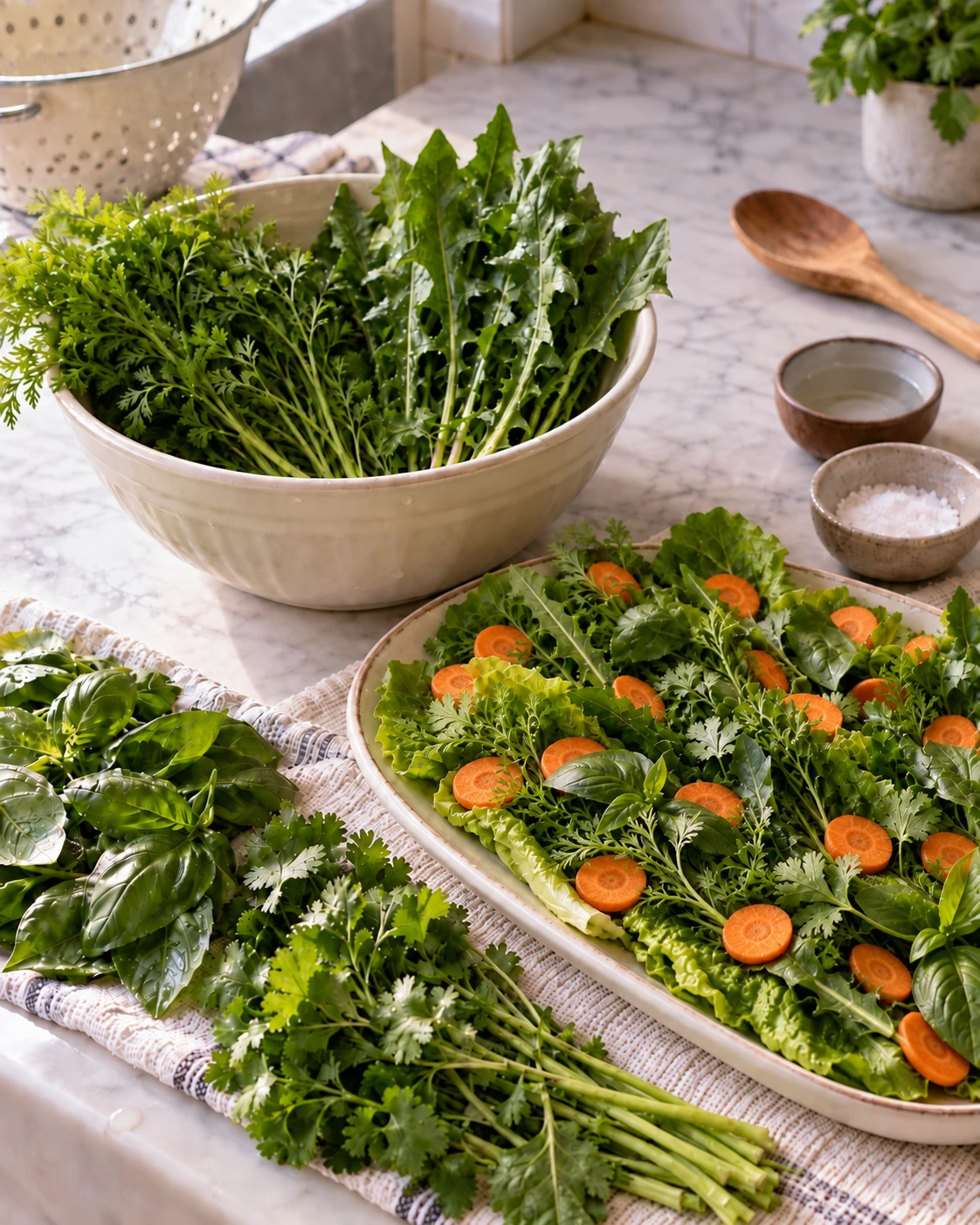
Fresh parsley is generally considered a rabbit safe leafy herb for healthy adults. Both curly parsley and flat leaf parsley can be offered, and the tender stems are fine too. The thing is, parsley belongs in the same part of the diet as other fresh greens, not in the place occupied by hay. A rabbit needs plenty of grass hay for normal chewing and digestive function, while parsley adds variety, moisture and plant nutrients in a much smaller part of the daily menu. I would use it beside other suitable greens rather than filling an entire bowl with parsley alone.
What about the strong smell? That is not a warning sign. Parsley naturally has a much sharper aroma than lettuce or many other rabbit greens, and some rabbits love it while others leave it untouched. Do not season it, cook it in butter or mix it with sauces. Plain and fresh is the useful version here. If your rabbit already eats a varied selection of leafy greens without digestive trouble, a little washed parsley is a reasonable food to rotate into that selection.

How much parsley can rabbits eat?
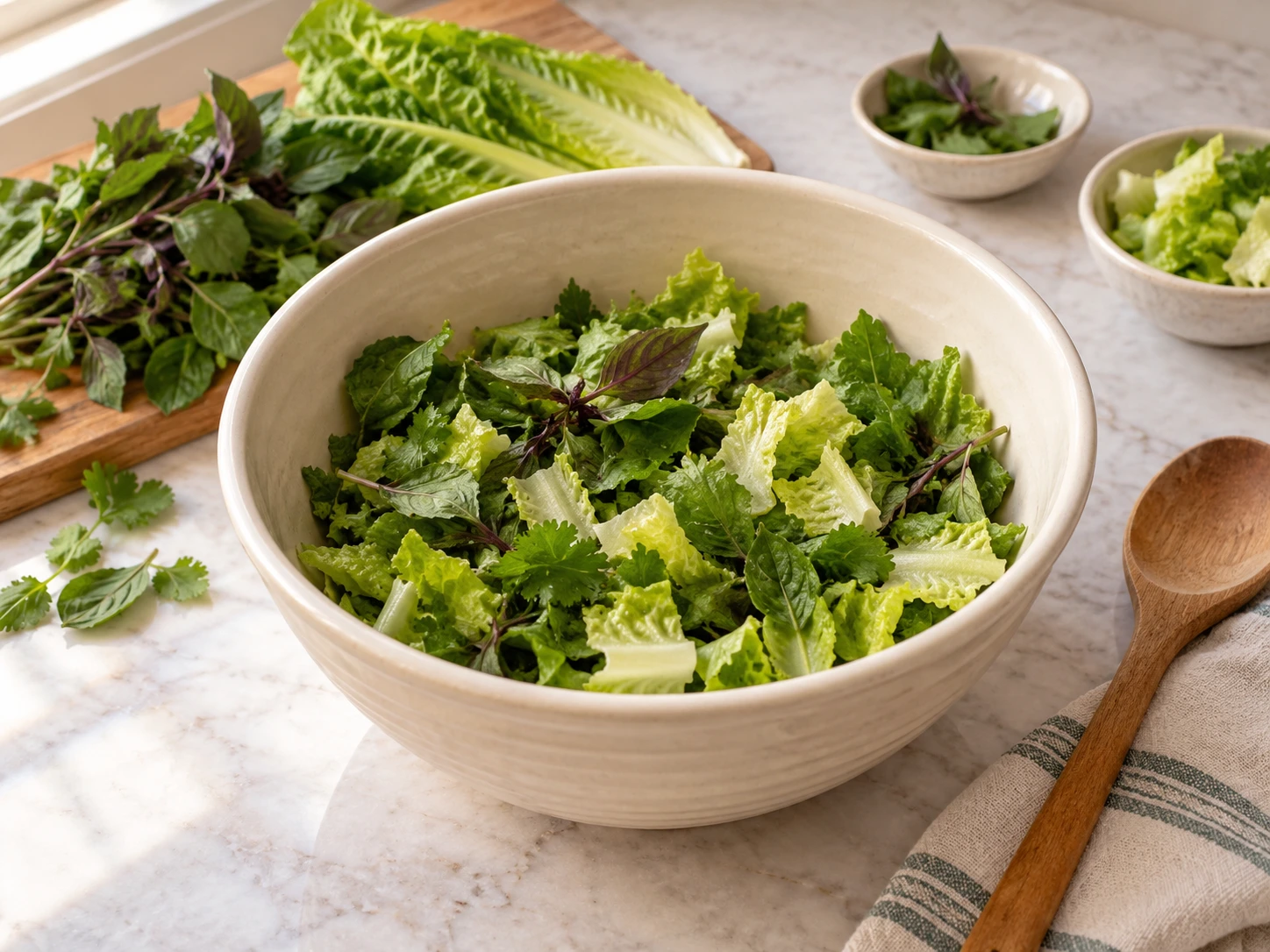
How much parsley can rabbits eat depends on the rabbit's size, usual diet, age and health history, so there is no useful single portion that fits every animal. For a healthy adult already accustomed to leafy vegetables, I would start with a few sprigs mixed with familiar greens rather than offering a dense handful on its own. You can then keep parsley as a small part of the total fresh greens you normally feed. The rest of the diet should still be built around unrestricted grass hay, with fresh water available at all times and pellets fed according to the plan that suits your rabbit.
Why keep the parsley portion modest? Variety makes it less likely that one herb dominates the fresh food your rabbit eats day after day. Parsley also contains more calcium than some commonly fed leafy vegetables, which is one reason I prefer rotating it with other greens instead of treating it as an unlimited food. Got a rabbit that would happily eat parsley and ignore everything else? Mix a small amount through the rest of the greens rather than serving a separate mound. If your veterinarian has given your rabbit a specific diet because of urinary, kidney or digestive concerns, follow that plan instead of using a general portion guide.

Why parsley should not replace hay
Parsley looks fresh and nutritious, so it is easy to assume that a big bowl of herbs is an especially healthy rabbit meal. Rabbits do not work that way. Their digestive system depends heavily on the fiber supplied by grass hay, and their teeth also benefit from the long periods of chewing that hay encourages. Parsley contains useful plant nutrients and water, but it cannot provide the same physical structure or feeding pattern. So even if your rabbit would choose parsley first, keep the hay rack stocked and let herbs remain the smaller side of the diet.
Honestly, this is where owners can be misled by enthusiasm at feeding time. A rabbit may rush toward fragrant parsley while seeming far less excited about hay, but excitement does not tell you which food should form the largest share of the diet. Fresh greens are useful because they add variety and moisture. Hay does a different job and needs far more space in the daily menu. If your rabbit suddenly stops eating its usual hay rather than simply preferring parsley at that moment, that change deserves veterinary attention rather than extra herbs offered to tempt the appetite.
How to introduce parsley without upsetting the diet
A rabbit that has never eaten parsley should get a small introduction rather than a bowlful. Wash a few fresh sprigs, shake off the excess water and offer them alongside foods your rabbit already knows. Then keep the rest of that day's food routine ordinary. This makes it easier to notice how the new green agrees with your rabbit instead of changing several things at once. Some rabbits eat parsley immediately. Others sniff it, nibble one leaf and walk away. Both reactions are normal, and there is no need to keep replacing familiar greens with parsley until your rabbit accepts it.
So what should you watch after introducing it? Pay attention to your rabbit's normal appetite, droppings and general behavior rather than trying to interpret every tiny change. If parsley seems to coincide with a persistent digestive change, stop adding the new food and speak with your veterinarian. A rabbit that stops eating, produces markedly fewer droppings or seems unwell needs prompt veterinary advice because appetite and gut problems in rabbits can become serious. For an otherwise well rabbit, slow introductions are simply a practical way to find out which fresh foods suit that individual.

Preparing parsley safely for your rabbit
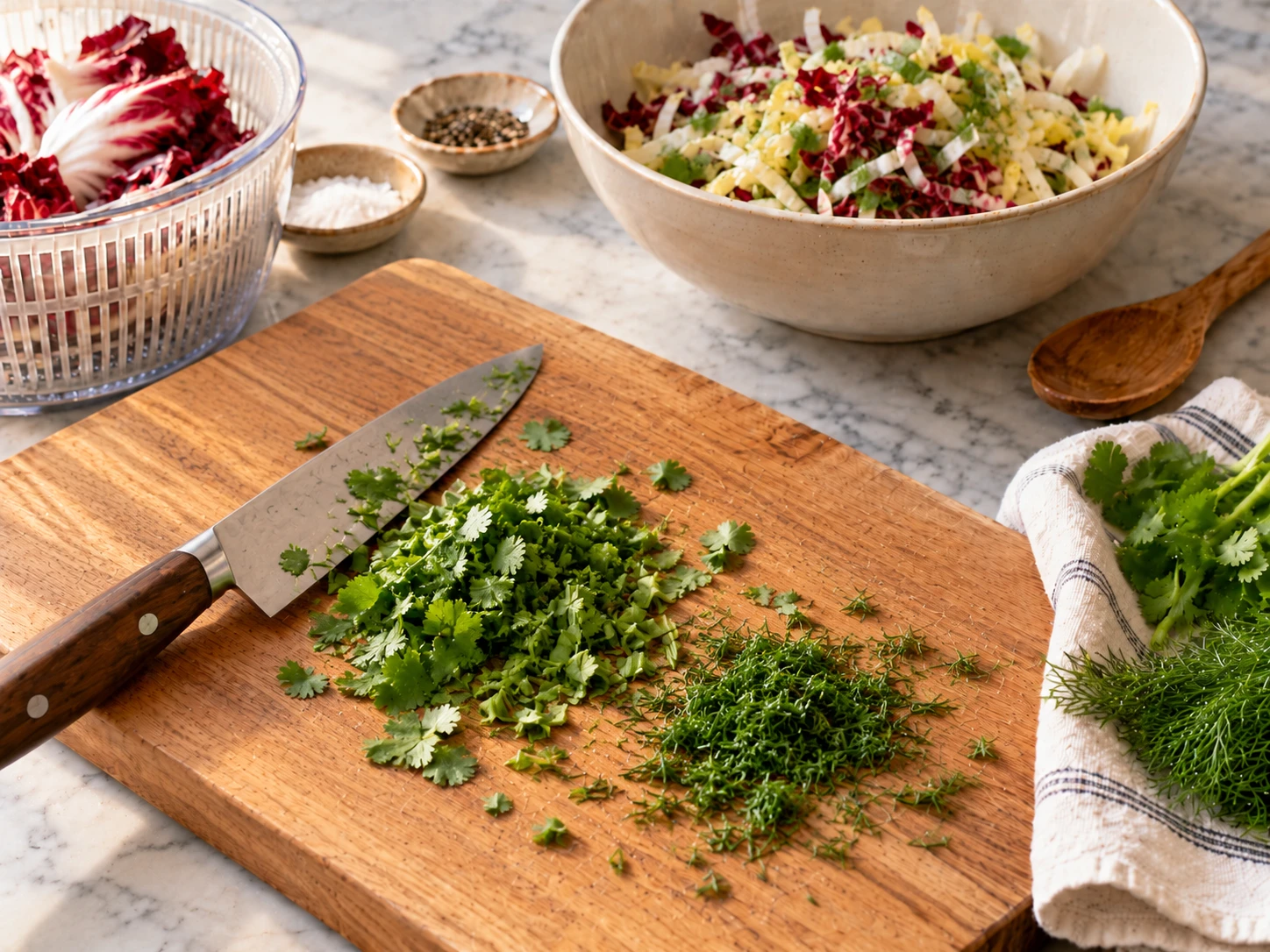
Choose parsley that looks fresh, crisp and free of slimy patches. Rinse it thoroughly under cool running water to remove soil and surface debris, including the areas where leaves meet the stems. You do not need to strip away every stem. Tender parsley stems are edible for rabbits and can be served with the leaves. I would discard any wilted bunch that smells sour or has started to become mushy, just as I would for food going onto my own plate. Store the rest chilled and keep it dry enough that it does not rot quickly.
Serve parsley plain. Skip salt, oil, salad dressing, garlic, onion and cooked mixtures meant for people. If the parsley came as a garnish on restaurant food, I would skip that too because you may not know what it touched. Home grown parsley can be fine, but only use plants that have not been exposed to garden chemicals that are unsafe for pets. Plus, check what you actually picked. If you are not completely sure that a garden plant is parsley, do not feed it. Plant identification mistakes are not worth taking with a rabbit.
When parsley needs a little more caution
General feeding advice fits healthy adult rabbits best. A rabbit with a history of urinary problems, kidney concerns, repeated digestive trouble or another medical condition may need a different selection of greens. Parsley contains calcium, and rabbits handle dietary calcium differently from people, so the amount that suits one rabbit may not be the amount your veterinarian wants for another. This does not make parsley a dangerous food by itself. It means medical history matters. If your rabbit is already on a diet chosen for a health problem, do not add parsley regularly without checking how it fits that plan.
Young rabbits also deserve a slower approach because their diet changes as they grow. If yours has not yet started eating fresh greens, I would not use parsley as an experiment without first checking the feeding advice you have been given for that rabbit's age. The same goes for a newly adopted rabbit whose previous diet is unclear. Keep changes gradual. And if you are asking about parsley because your rabbit is refusing normal food, parsley is not a home treatment for poor appetite. Contact a rabbit experienced veterinarian so the reason for that change can be assessed.
Can Rabbits Eat Parsley Safely? What Owners Should Know FAQ
Can rabbits eat parsley every day?
A healthy adult rabbit may be able to eat some parsley regularly, but I would rotate it with other suitable leafy greens rather than relying on parsley every day. Variety keeps one herb from taking over the fresh part of the diet.
Can rabbits eat parsley stems?
Yes, the tender stems of fresh parsley are generally edible for healthy adult rabbits. Wash the whole herb well and offer the stems with the leaves. Tough, spoiled or slimy pieces should be discarded.
Can rabbits eat curly parsley and flat leaf parsley?
Both curly parsley and flat leaf parsley can generally be offered to healthy adult rabbits. The difference is mostly shape and flavor. Serve either type plain, washed and as part of a varied selection of greens.
Is parsley safe for rabbits with urinary problems?
That depends on the individual rabbit and the diet your veterinarian has recommended. Parsley contains calcium, so rabbits with a history of urinary or kidney concerns should have their fresh greens discussed with a veterinarian rather than following a general feeding guide.
What should I do if my rabbit gets an upset stomach after parsley?
Stop offering the new food and contact your veterinarian if the digestive change persists or your rabbit seems unwell. A rabbit that stops eating or has a marked drop in normal stool production needs prompt veterinary attention.