You've got a few kale leaves left in the fridge while preparing your rabbit's greens. Can one go in the bowl? Yes. Most healthy adult rabbits can eat kale in sensible amounts. It provides fibre and several useful nutrients, but there's a catch: kale contains more calcium than some other salad greens. I'd treat it as one of several vegetables to rotate, not something to heap into the bowl every morning. Portions matter here. Rabbits have sensitive digestive systems, and some are more likely than others to develop gas or urinary calcium problems. A rabbit already used to eating different leafy vegetables will generally find kale easier to accept than one that's only familiar with hay and pellets. Let's look at how much to offer, whether curly kale is suitable, what its calcium means and how to introduce it without rushing things.
Can rabbits eat kale safely?
Yes, healthy rabbits can enjoy kale as part of a varied selection of fresh greens. Regular kale and curly kale are both suitable. You'll find it in the same vegetable family as cabbage, broccoli and Brussels sprouts. Its leaves bring some dietary fibre, vitamins and minerals to the bowl. That's useful, but don't let the fresh vegetables take over the meal. Grass hay should still provide most of your rabbit's daily fibre. Think of leafy greens as an addition for variety and nutrients, not a replacement for the hay that keeps digestion moving.
Here's where a little caution helps. Some rabbits develop gas or digestive discomfort after eating larger amounts of brassica vegetables, while others manage a small serving quite happily. Your own rabbit's tolerance matters more than simply knowing kale is generally safe. If it's already eaten kale without any apparent trouble, a small portion can stay in the regular greens rotation. Never served it before? Start with a little piece, not a whole leaf. Keep everything else in the diet familiar while you watch how your rabbit responds.

How much kale can rabbits eat?
I wouldn't build the whole salad around kale. The RSPCA recommends that fresh leafy greens and herbs make up around 10% of a pet rabbit's diet, alongside a diet based mainly on hay and grass. That fresh portion should include a mixture of suitable plants. Kale deserves a smaller share because of its calcium content and the possibility of digestive discomfort. There's no standard portion that works for every rabbit. Size, age, current diet and individual health all influence what makes sense for the animal eating from the bowl.
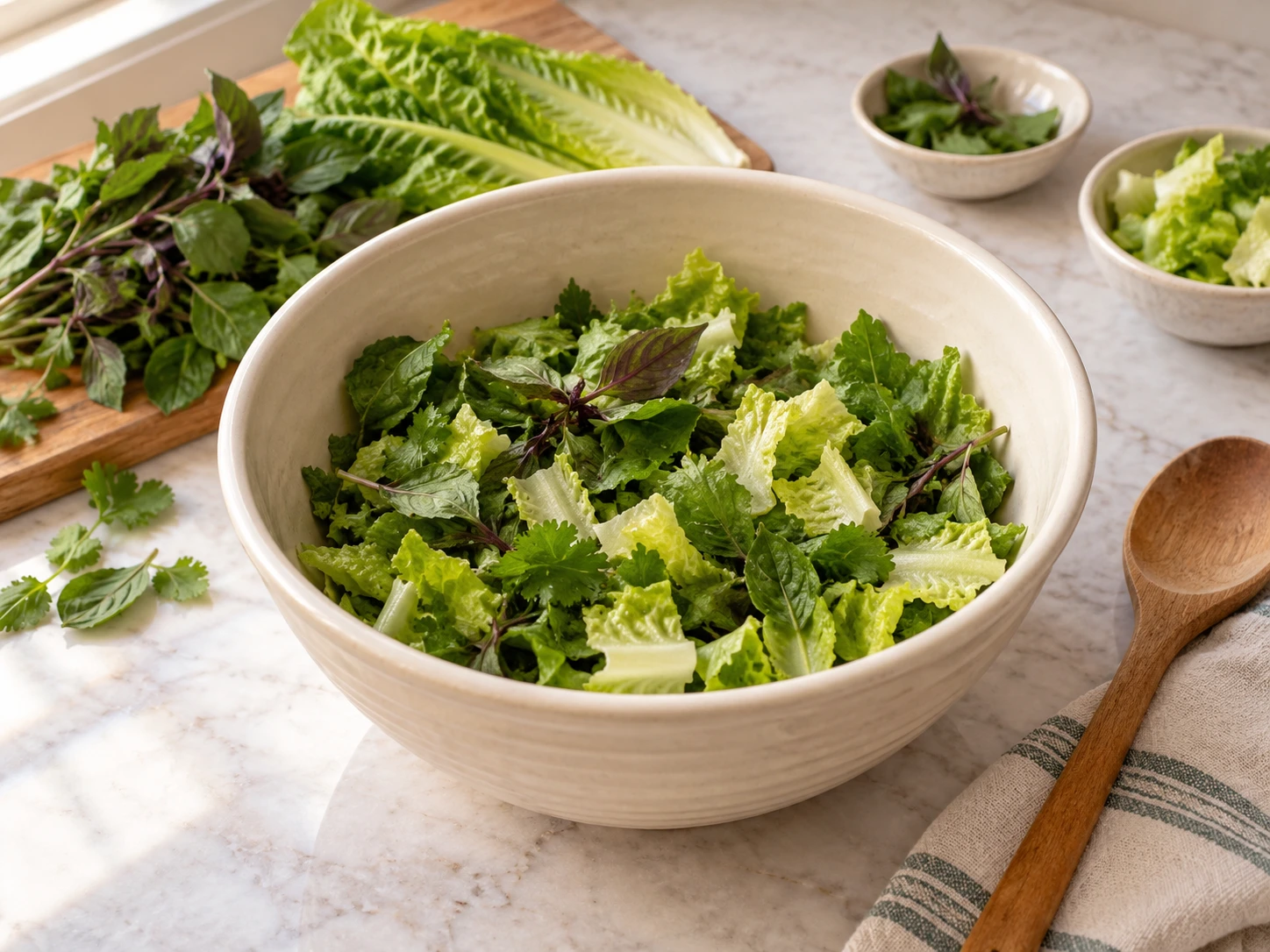
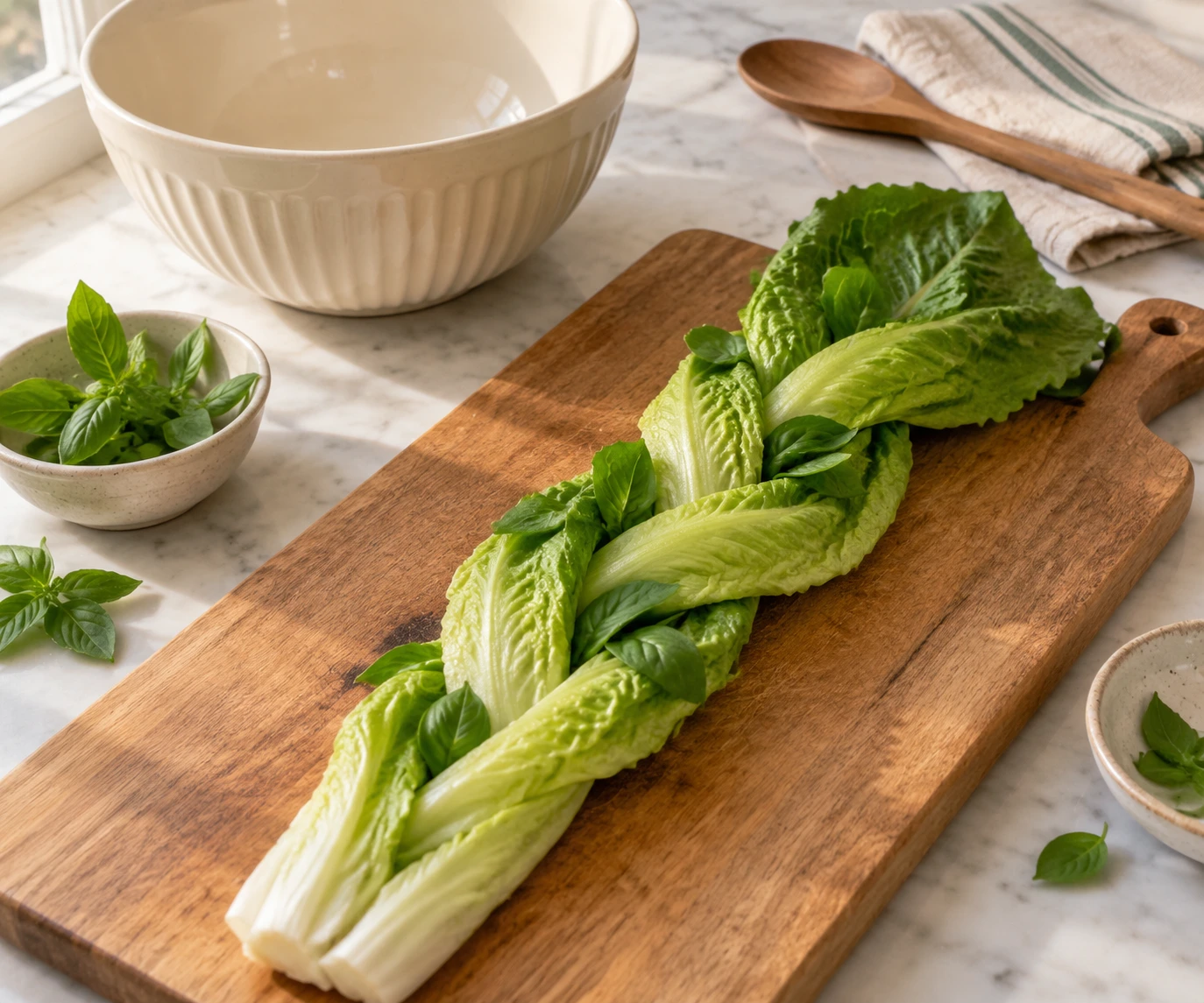
If your rabbit already eats fresh vegetables regularly, try mixing a small piece of kale with lower-calcium choices such as romaine lettuce, coriander or rocket. There's no need to fill the feeding dish with kale, even if your rabbit happily eats every leaf. A smaller rabbit will naturally need less fresh food than a much larger breed. And remember, kale can't make up for missing hay. Suitable grass hay should be available without restriction throughout the day, with fresh water alongside it. Unsure about the right overall greens allowance? Ask your veterinarian to help you work out a suitable feeding plan.

Does kale's calcium content matter for rabbits?
Yes. This is the main thing I'd keep in mind when deciding how often kale goes into the bowl. Rabbits process dietary calcium differently from many other mammals. They absorb a large proportion of the calcium they eat, then their kidneys remove the excess through urine. That's why rabbit urine can sometimes look cloudy or leave a pale residue. But there's a difference between that and urine that's thick, gritty or unusually sludgy. Don't brush those changes aside as normal.
Compared with several familiar salad greens, kale contains more calcium, although the exact level depends on its variety and growing conditions. That doesn't make it poisonous or automatically unsuitable. It just means you need to consider the whole diet rather than looking at one leaf in isolation. Several high-calcium vegetables every day may not be appropriate, particularly for a rabbit with previous urinary problems. I'd make lower-calcium greens such as romaine, rocket and coriander regular choices, with kale taking a smaller place in the rotation. If your rabbit has had urinary problems, ask your rabbit-savvy veterinarian whether kale belongs in its individual feeding plan.
Can rabbits eat curly kale every day?
Curly kale is fine for rabbits, but I wouldn't serve it as an everyday staple. Those curled leaves are perfectly edible, and their shape doesn't introduce any special toxicity. The same moderation applies to other common kale varieties. If your rabbit likes curly kale, there's room for a little in its fresh vegetable selection, as long as the rest of the diet is appropriate and it tolerates brassica vegetables well.
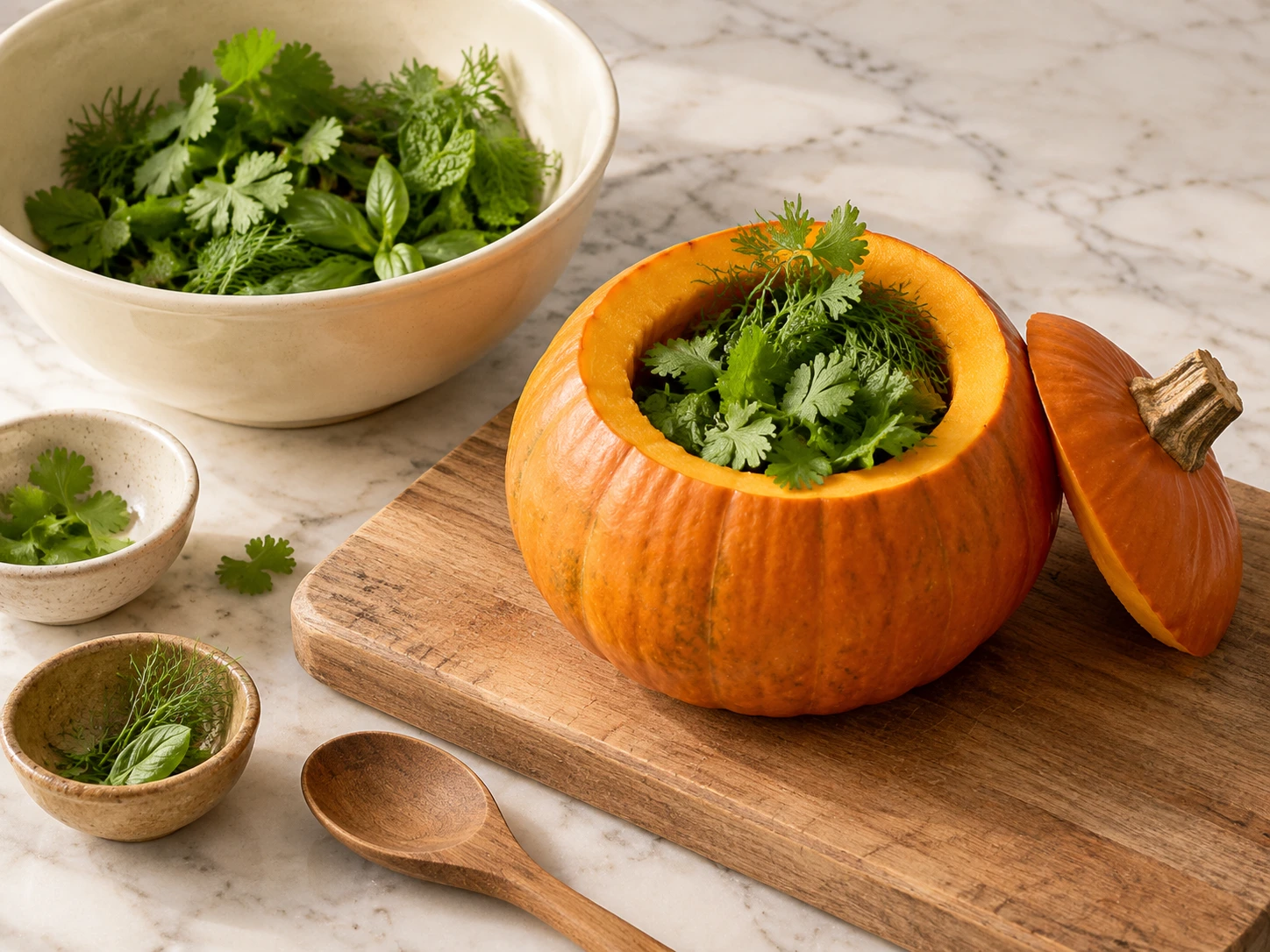
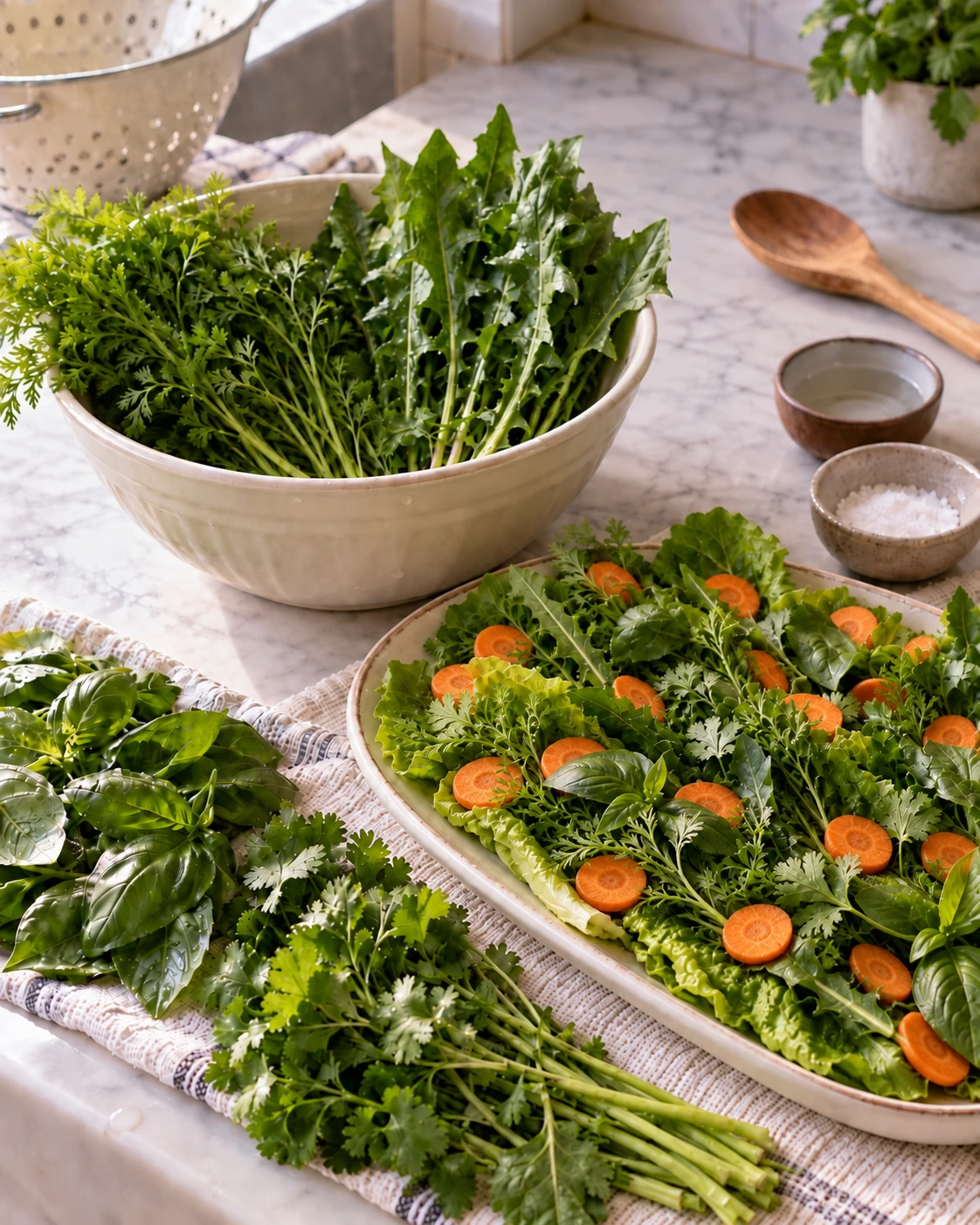
Why not keep serving it? For one thing, kale contains calcium, and some rabbits get gas from vegetables in the same family. Eating the same brassica repeatedly also leaves less room for other plants and flavours. Romaine lettuce, rocket, watercress, coriander, basil and dill are all suitable alternatives. Mix things up between feedings. You don't need to make the bowl complicated or introduce several unfamiliar vegetables together. Keep the familiar greens in place and change one ingredient at a time. That way, you'll have a much clearer idea of which foods your rabbit accepts and which ones cause trouble.
How to introduce kale into your rabbit's diet
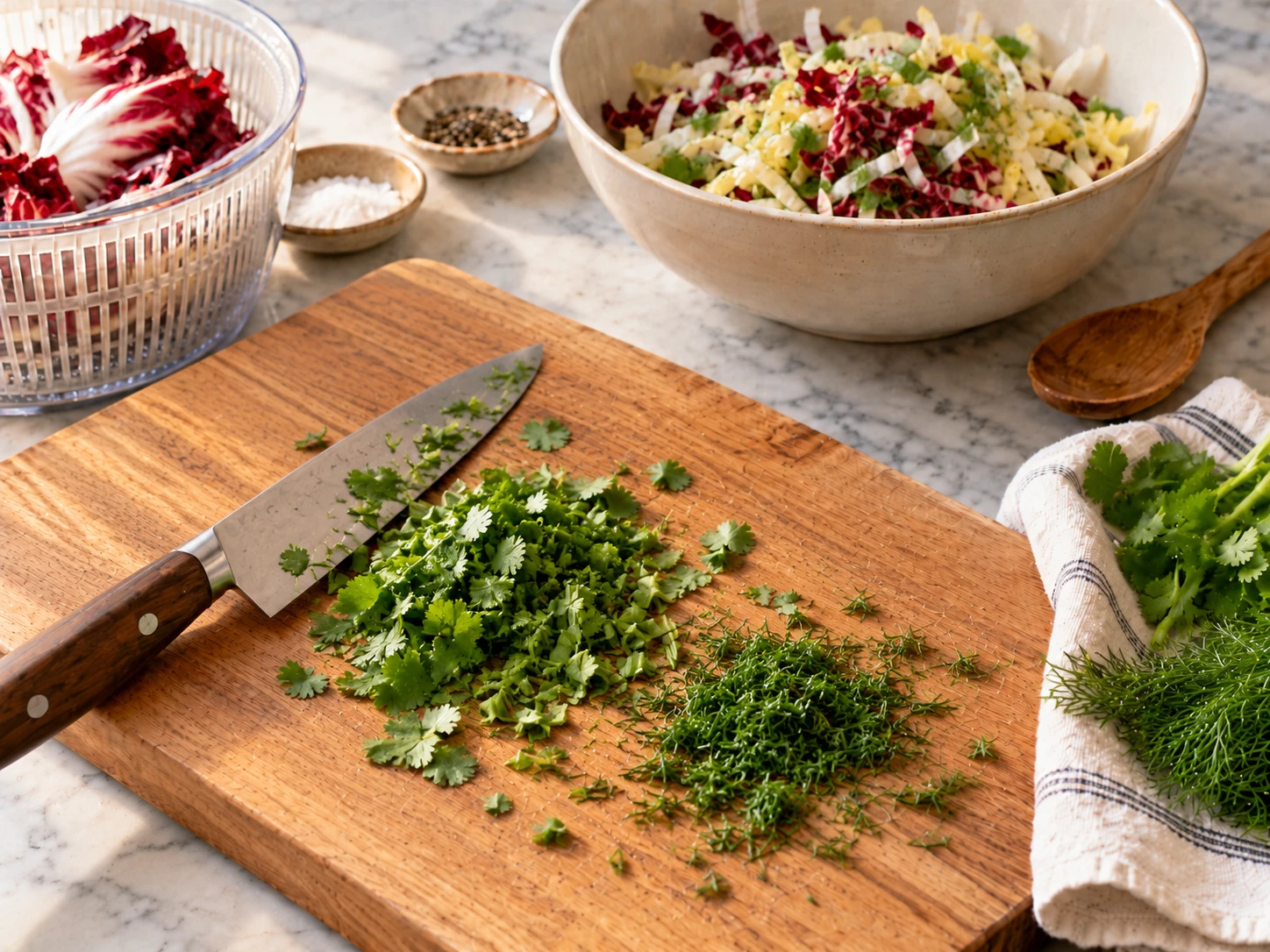
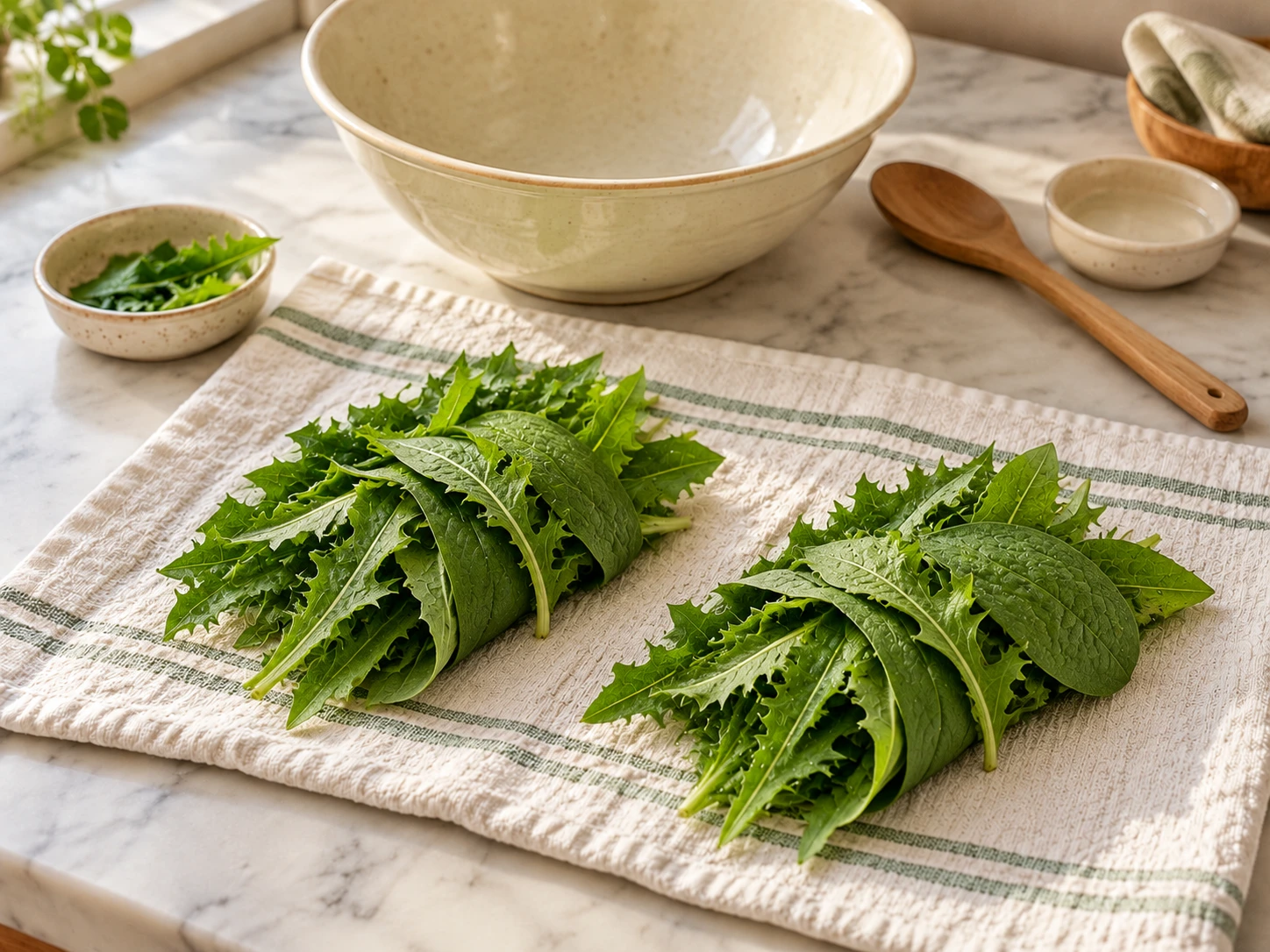
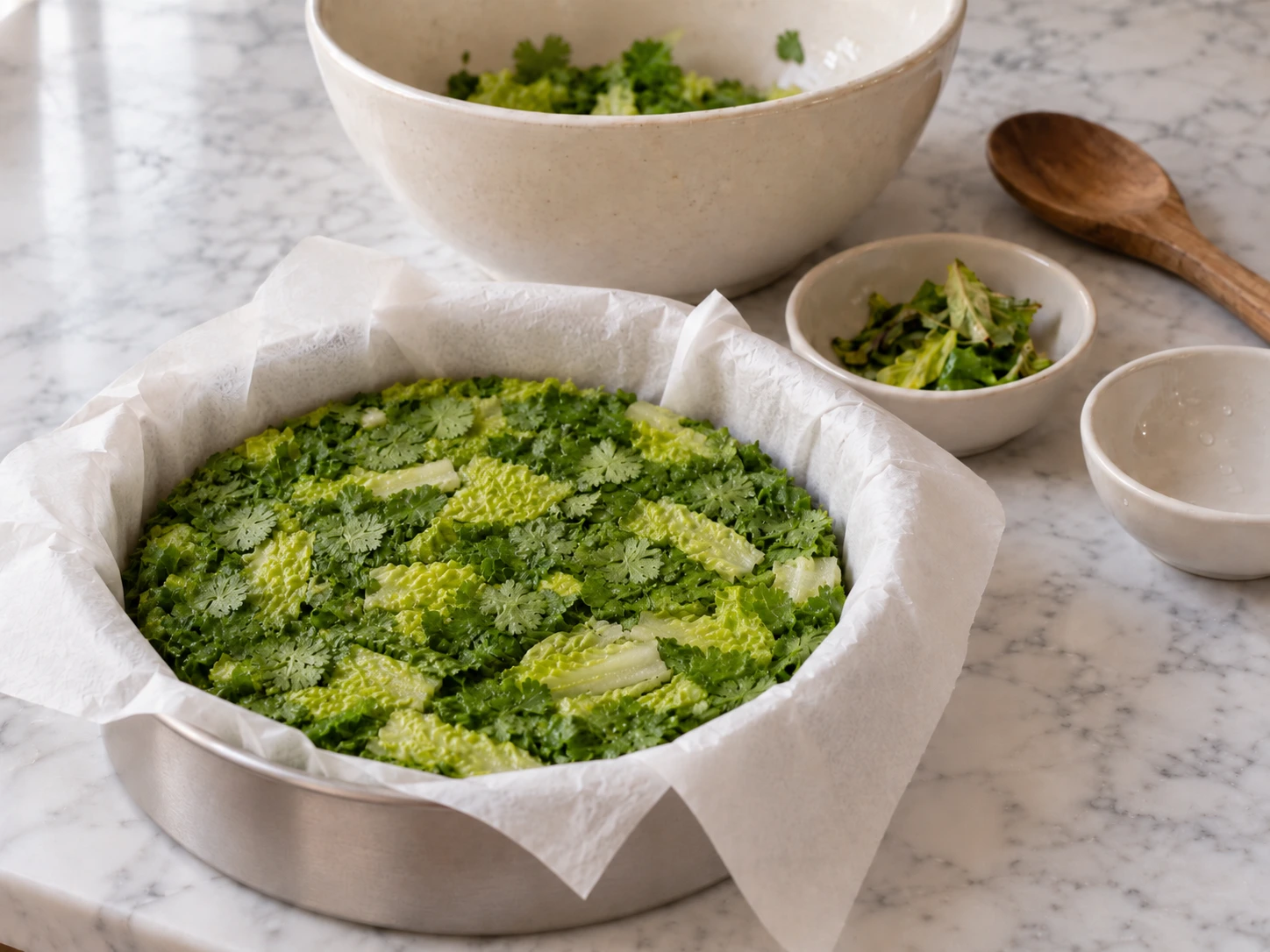
Never given your rabbit kale before? Start with a small piece of a fresh leaf. Give it a good wash under clean running water, then remove anything damaged or spoiled. On the cutting board, look for leaves that are fresh and firm rather than wilted, slimy or discoloured. Don't use kale that might have come into contact with garden chemicals or pesticides. You can put the small piece beside greens your rabbit already knows and eats comfortably. The rest of the meal stays familiar, which makes introducing the new food simpler.
Slow is better here. Add the new vegetable gradually over several days instead of offering a generous serving straight away. Keep an eye on appetite, droppings and normal behaviour. If the droppings change, your rabbit loses interest in food or starts showing signs of discomfort, take it seriously. Rabbits can become seriously unwell when eating or digestive activity changes. If your rabbit stops eating, produces noticeably fewer droppings or appears unwell, contact a veterinarian promptly. Don't keep putting kale in the bowl hoping things will settle. If you suspect the vegetable isn't agreeing with your rabbit, remove it from the menu.
Which rabbit-safe leafy greens can you serve instead?
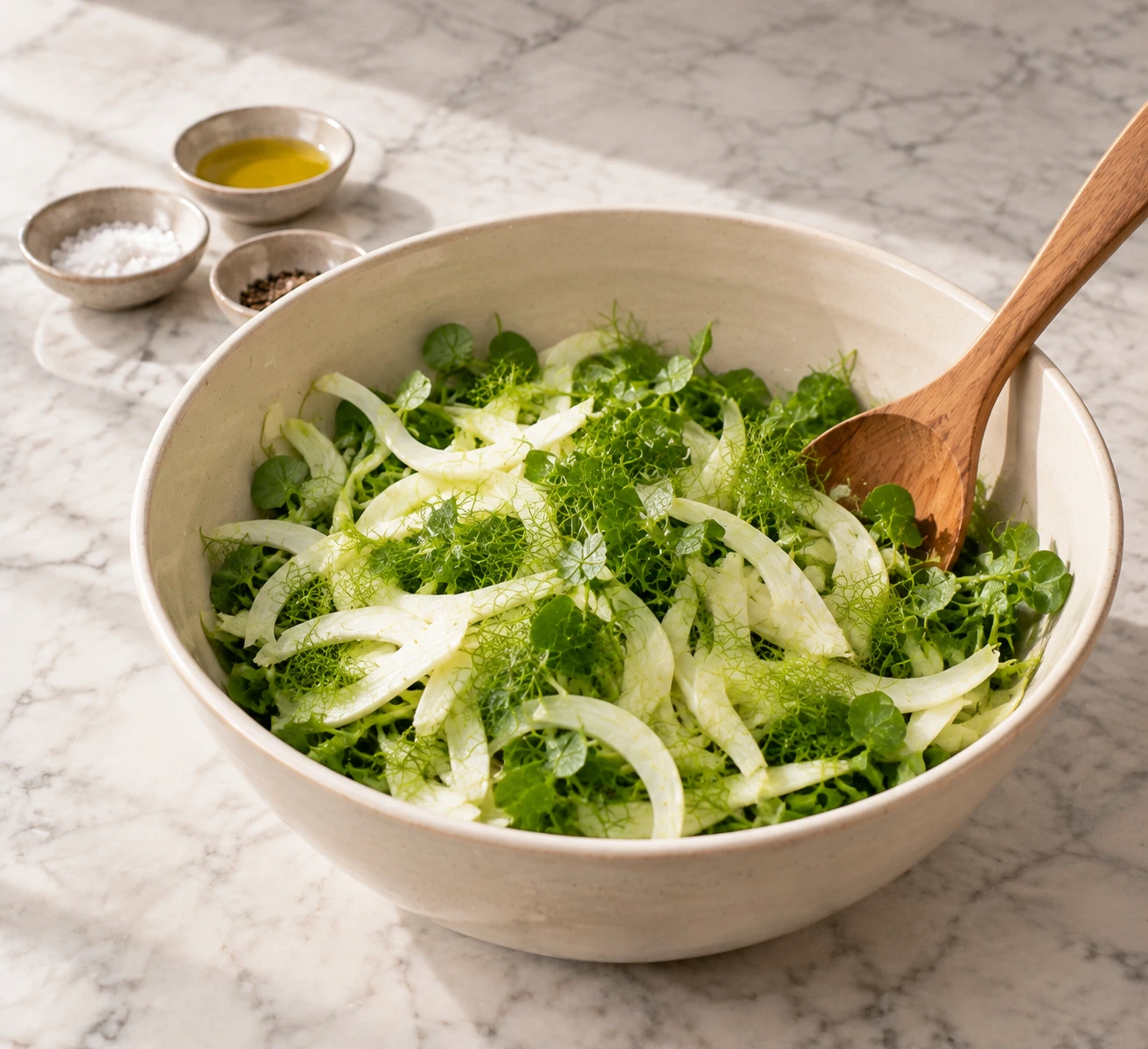
You have plenty of choices if you'd rather leave kale out of the bowl. Romaine lettuce makes a useful regular option, and rocket, coriander, basil, dill and watercress are suitable alternatives too. Each brings a slightly different flavour and texture, which gives a rabbit something new to investigate at feeding time. Rather than relying on one vegetable for all the variety, choose a few suitable greens and rotate them.
Other leafy vegetables need a bit of thought as well. Spinach, parsley and certain other dark leafy greens contain relatively high amounts of calcium or oxalates, so they aren't automatic replacements for kale as the main ingredient. The Rabbit Welfare Association and Fund includes kale among suitable brassicas but recommends rotating these vegetables because large amounts can cause digestive discomfort. Wash every fresh green, check that you've identified it correctly and avoid anything exposed to garden chemicals. If your rabbit has a special dietary requirement, ask a veterinarian familiar with rabbit nutrition to help choose an appropriate combination. Keep the hay rack full first. Build the fresh greens selection around that.

Can Rabbits Eat Kale Safely? Portions, Calcium and Feeding Tips FAQ
Can rabbits eat kale every day?
Kale is better served as part of a rotation than as an everyday staple. Its calcium content and potential to cause gas make regular variety a sensible choice. Alternate it with other suitable greens, particularly romaine lettuce, rocket and coriander, rather than relying on kale for every serving.
Can rabbits eat raw kale?
Yes, healthy rabbits can eat fresh raw kale in moderate amounts. There's no need to cook or season it. Wash the leaves thoroughly, remove any spoiled sections and start with a small piece if your rabbit hasn't eaten kale before. Gradual introductions are easier on the digestive system.
Can rabbits eat curly kale?
Yes, most healthy rabbits can eat small amounts of curly kale. The curled shape doesn't make it unsuitable or introduce a special toxicity concern. Just remember that its calcium content and potential digestive effects are the same considerations you'd have with other kale varieties.
Is kale too high in calcium for rabbits?
Kale contains more calcium than some commonly served salad greens, but that doesn't automatically rule it out. It can fit into a varied diet in moderation. If your rabbit has a history of urinary problems, ask your veterinarian for individual dietary advice before including it.
Can baby rabbits eat kale?
Baby rabbits need feeding choices suited to their stage of development, and vegetables introduced too early can upset their digestion. Don't add kale without first checking the appropriate feeding stage and portion with a rabbit-savvy veterinarian. Their age and existing diet matter when deciding what belongs in the bowl.
Can rabbits eat kale stems as well as leaves?
Yes, tender kale stems are edible, although I'd offer them in small amounts alongside the leaves. Wash them thoroughly and discard any tough or spoiled pieces. If your rabbit hasn't eaten kale stems before, introduce them gradually and watch how it responds.