
You've sliced a cucumber for lunch, and your rabbit has appeared beside you with that familiar hopeful look. Before you share a piece, you probably want to know if cucumber is actually safe for rabbits. What about the dark green skin, the soft seeds in the middle and all that watery flesh? The good news is that healthy adult rabbits can generally eat fresh cucumber in small amounts. The skin and soft seeds are usually fine too. But cucumber is mostly water, and rabbits have digestive systems built around eating plenty of fibrous plants. How much you offer matters, especially if your rabbit has never tried it before. Here's how to make cucumber an occasional treat without letting it crowd out the hay and leafy greens your rabbit needs every day.
Is cucumber safe for rabbits to eat?
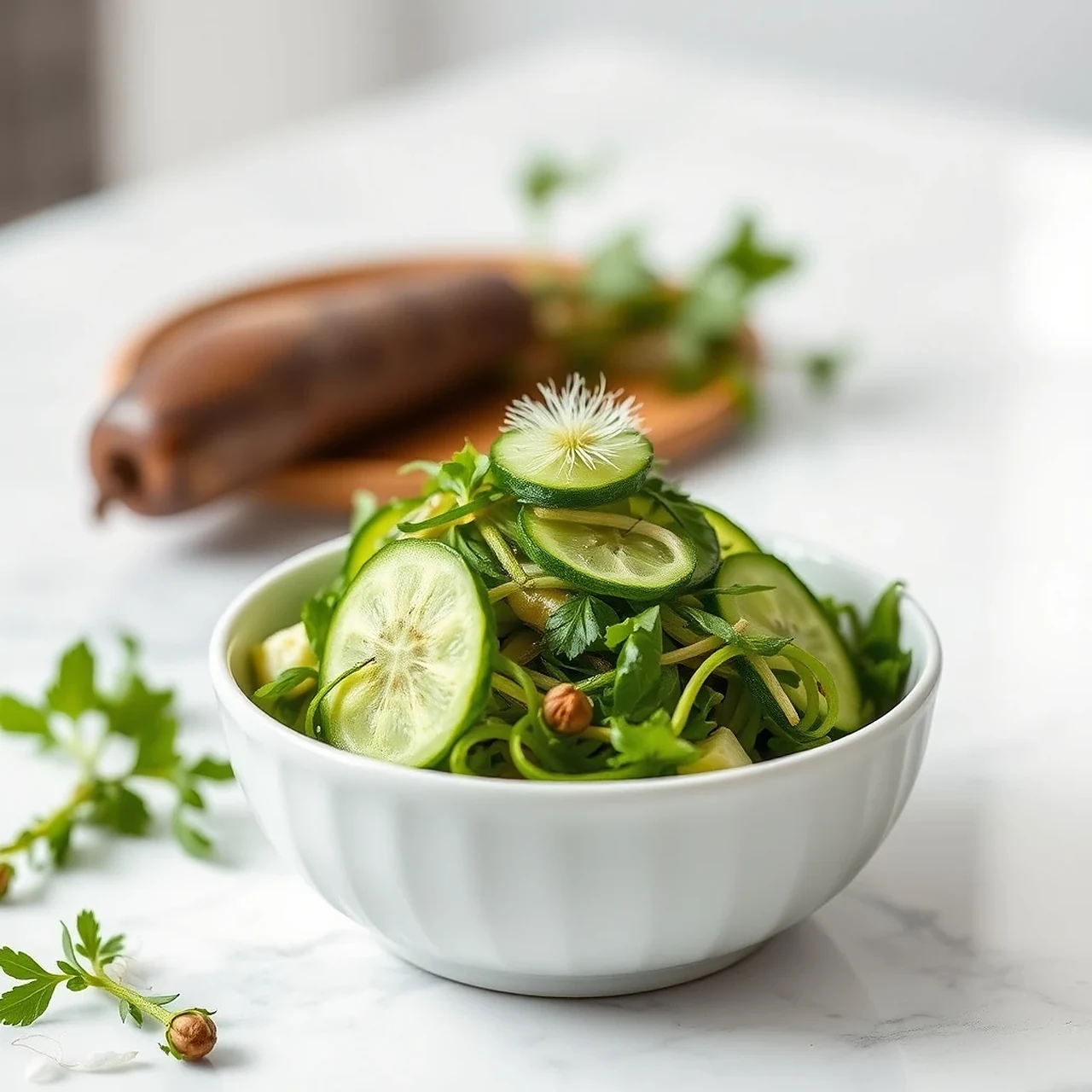
Fresh, plain cucumber is generally safe for healthy adult rabbits. It isn't considered toxic, and the familiar green cucumber sold in supermarkets contains no ingredient that makes it unsuitable as an occasional treat. Most of the vegetable is water, with small amounts of fibre and nutrients. That high water content explains why a slice feels so cool and crisp. It also explains why cucumber shouldn't take up much room in your rabbit's food bowl.
A rabbit's digestive system depends on a steady supply of fibre, particularly from grass hay. Hay keeps food moving through the gut and gives rabbits the long chewing time their teeth need. Cucumber has nowhere near enough fibre to replace it. So, can rabbits eat cucumbers every day? Some adults may tolerate small amounts, but I would keep cucumber as an occasional extra rather than a daily habit. There's little nutritional reason to offer it constantly when leafy greens provide a better contribution to the regular diet.
The thing is, two rabbits can react differently to the same food. One might eat a small cucumber slice without any change in droppings or appetite, while another may have a sensitive digestive system. If your rabbit has a history of digestive trouble or follows a special diet, ask your veterinarian before introducing cucumber. For a healthy adult trying it for the first time, keep the portion small and leave plenty of familiar hay available.
Can rabbits eat cucumber skin and seeds?
You don't usually need to peel cucumber before offering it to your rabbit. The dark green skin is edible and contains some fibre, although it still doesn't make cucumber a high-fibre food. Wash the whole cucumber thoroughly under running water before cutting it, even if you plan to remove the peel. Dirt and other residues on the outside can transfer onto the flesh as your knife passes through. If the skin looks damaged, mouldy or spoiled, skip that cucumber altogether.
Can rabbits eat cucumber seeds? Yes, the small, soft seeds inside an ordinary cucumber are generally safe for healthy adult rabbits. They don't need to be scraped out. Those pale seeds sit in the watery centre and are quite different from the hard seeds found in some mature gourds. If you're cutting a particularly large, overripe cucumber with unusually tough seeds, I'd choose a younger, fresher one instead. There's no benefit in giving your rabbit a piece that's difficult to chew.
One detail matters if you're using a cucumber from your own garden: avoid any fruit that tastes distinctly bitter. Unusual bitterness can indicate elevated levels of naturally occurring compounds called cucurbitacins, which may cause digestive problems. Don't offer bitter cucumber to your rabbit. For ordinary fresh cucumber, though, you can leave the washed skin and soft seeds intact and cut a small piece that's easy to handle.

How much cucumber can a rabbit eat?
If you're wondering how much cucumber can a rabbit eat, think of it as a small taste rather than a bowl of vegetables. For a healthy adult rabbit that's already comfortable eating a varied diet, a thin slice or a couple of small bite-sized pieces is a cautious starting amount. This is a practical example, not a universal serving allowance. The suitable amount depends on your rabbit's size, age, normal diet and digestive history. Your veterinarian can advise you on portions for your individual rabbit.
Why keep it so small? Cucumber contains so much water that a generous serving can displace more useful foods and may upset the digestive balance of a rabbit that isn't accustomed to it. A rabbit that fills up on cucumber may be less interested in hay afterward. That trade isn't worthwhile. Hay should remain freely available, with suitable leafy greens forming the main fresh-food portion of an adult rabbit's diet.
I'd offer cucumber only occasionally, especially while you're learning how your rabbit responds. Got a rabbit that begs whenever you open the fridge? It's tempting to keep handing over slices, but enthusiasm doesn't tell you how much its gut can comfortably handle. Give the small portion you've chosen, then put the rest away. If your rabbit's droppings, appetite or behaviour change after a new food, stop offering it and contact your veterinarian for advice.

How to prepare cucumber for your rabbit
Start with a fresh cucumber that feels firm and has no slimy patches, visible mould or unpleasant smell. Wash it thoroughly with clean running water and rub the surface gently to remove dirt. There's no need for soap, detergent or produce-cleaning chemicals. Cut off the ends, then slice a small piece with a clean knife. Thin slices or small pieces are easy to offer, and they let you see exactly how much your rabbit is getting.
Serve cucumber plain. Don't add salt, vinegar, salad dressing, spices or oil. Pickled cucumber is a different food altogether, and the salt and acidic pickling ingredients make it unsuitable for rabbits. The same goes for cucumber that's been mixed into a prepared salad with onions, garlic or creamy dressing. Keep the portion separate before you season your own food. Simple preparation is best here.
So, how to feed cucumber to rabbits for the first time? Offer a tiny piece alongside their familiar foods rather than replacing part of a meal. Introduce only one unfamiliar food at a time, and watch their normal eating and droppings over the following day or two. Remove uneaten cucumber before it becomes warm, dirty or soft. Because the cut surface is wet, it can spoil quickly when left in a food dish. Wash the dish afterward and keep the remaining cucumber refrigerated for your own use.

Can baby rabbits eat cucumber?
Young rabbits need more caution with unfamiliar fresh foods than healthy adults do. Their digestive systems are still developing, and their feeding needs change considerably as they grow. A baby rabbit that's recently been weaned shouldn't be given cucumber simply because an adult rabbit can eat it. The watery flesh offers little of the fibre that young rabbits need from their age-appropriate hay and other established foods.
Can baby rabbits eat cucumber once they start eating vegetables? The answer depends on their age, weaning history and the diet they're already accustomed to. Fresh greens are generally introduced gradually as young rabbits mature, but there isn't one cucumber introduction date that's right for every rabbit. A rabbit-savvy veterinarian can help you decide when to introduce fresh foods and which ones to try first. This matters especially for young rabbits with an unknown feeding history, including newly adopted pets.
Look, a baby rabbit reaching for your cucumber doesn't mean it's ready to digest it comfortably. I would leave cucumber out until the youngster is established on an appropriate diet and your veterinarian has advised that fresh foods can be introduced. When that time comes, start with the recommended foods and introduce them gradually. There is no nutritional urgency to add cucumber.
Can rabbits eat cucumber leaves and other parts of the plant?
If you grow cucumbers at home, you may wonder whether your rabbit can nibble the leaves as well as the fruit. Cucumber plants have broad, slightly rough leaves attached to trailing stems, and they're part of the same plant as the cucumber itself. However, being part of an edible vegetable plant doesn't automatically make every portion a suitable rabbit food. There is less reliable rabbit-specific feeding guidance for cucumber foliage than for the ordinary fruit.
I'd be cautious about offering cucumber leaves, especially if you don't know how the plant was grown. Garden leaves may carry pesticide or fungicide residues, and plants near paths or soil treated with garden chemicals can pick up unwanted contamination. Leaves may also have mildew, insect damage or other signs of poor condition. Washing helps remove surface dirt, but it doesn't make a chemically treated or unhealthy plant safe to feed.
Want to share something green from the garden? Choose rabbit-safe leafy foods that you can identify confidently and that your rabbit already tolerates. Ask your veterinarian about cucumber leaves before adding them to the diet, rather than treating them as interchangeable with the fruit. I'd also keep rabbits away from cucumber vines and garden beds where they might chew unfamiliar plant material without you noticing.
What if your rabbit eats too much cucumber?
Sometimes a rabbit gets hold of a larger piece than you intended. Perhaps someone left a bowl of sliced cucumber on a low table, or your rabbit managed to pull a piece from a shopping bag. If the cucumber was fresh and plain, the main concern is generally the amount eaten and how your individual rabbit responds. A large serving of watery food may be poorly tolerated, particularly by a rabbit with a sensitive digestive system.
Pay attention to changes in your rabbit's normal eating habits, droppings and activity. Rabbits usually produce frequent, rounded droppings and spend much of the day nibbling hay. A rabbit that stops eating, produces noticeably fewer droppings, develops diarrhoea or seems uncomfortable needs prompt veterinary attention. Digestive problems in rabbits can become serious quickly, and you shouldn't assume that cucumber is the only possible cause. Don't try home treatments or wait for the problem to resolve on its own.
If your rabbit has eaten an unusually large amount, contact your veterinarian for advice based on its size, health and what was eaten. If it's acting unwell, seek urgent veterinary care. For everyday feeding, the safer habit is to prepare a small portion in advance and keep the rest out of reach. A single thin slice is much easier to account for than a cucumber left within nibbling distance.
Can Rabbits Eat Cucumber Safely? Skin, Seeds and Serving Tips FAQ
Can rabbits eat cucumber every day?
Healthy adult rabbits may tolerate small amounts of cucumber, but daily servings aren't necessary. Cucumber is mostly water and provides relatively little fibre. I'd offer it occasionally and leave room in the regular diet for unlimited hay and suitable leafy greens. Ask your veterinarian about the right balance for your rabbit.
Can rabbits eat cucumber skin?
Yes, the skin of an ordinary fresh cucumber is generally safe for healthy adult rabbits. Wash it thoroughly under running water before serving. The peel contains some fibre, but cucumber still isn't a substitute for hay. Avoid skin that is spoiled, mouldy or contaminated with garden chemicals.
Can rabbits eat cucumber seeds?
The small, soft seeds inside a normal cucumber are generally fine for healthy adult rabbits. You don't need to remove them before offering a small slice. If the cucumber is overripe and has unusually large or hard seeds, choose a fresher cucumber instead.
How much cucumber can a rabbit eat in one sitting?
For a healthy adult rabbit, a thin slice or a couple of small pieces is a cautious amount to try initially. There isn't one serving size that suits every rabbit. Body size, usual diet and digestive sensitivity all matter, so ask your veterinarian for individual portion guidance.
Can baby rabbits eat cucumber?
Cucumber isn't a suitable food to introduce casually to baby rabbits. Their digestive systems are still developing, and fresh foods should be introduced according to their age and established diet. Ask a rabbit-savvy veterinarian when your young rabbit is ready for vegetables and which foods to introduce first.
Can rabbits eat cucumber leaves?
Cucumber leaves aren't as well established in rabbit feeding guidance as the fruit itself. Garden foliage can also carry pesticide residues or other contamination. Rather than offering leaves without knowing their suitability, check with your veterinarian and choose familiar rabbit-safe greens.