
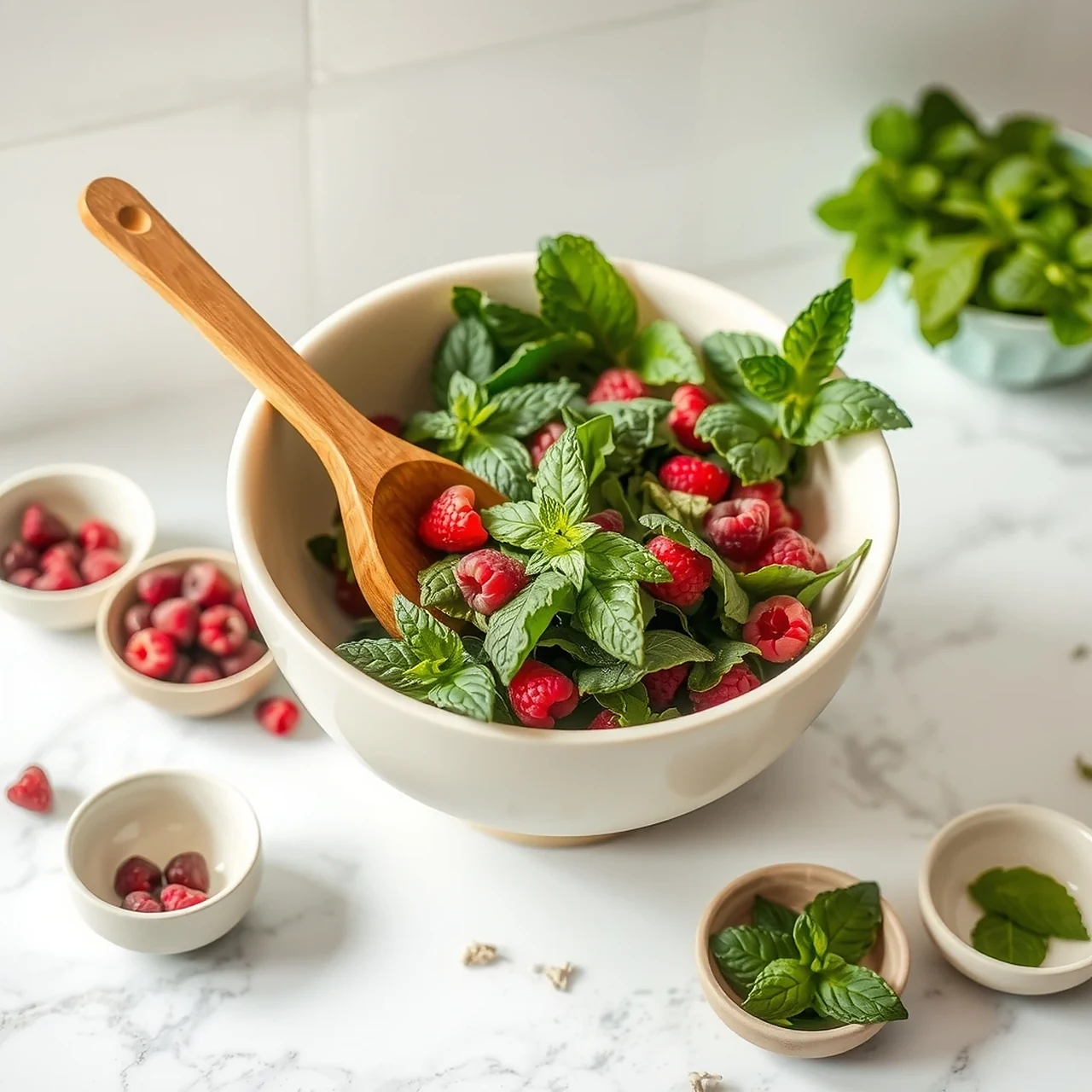
When raspberry canes and herbs are producing plenty of clean leaves, drying a small batch is a simple way to save some of that garden forage for later. Raspberry leaves and mint dry especially well, holding onto enough aroma and texture to make an ordinary serving of hay a little more interesting. This mix also uses small amounts of strawberry and blackberry leaves for variety, but every plant needs to be correctly identified, unsprayed, thoroughly cleaned, and completely dry before storage. Offer the finished mix as a small forage addition rather than a replacement for unlimited hay or grass, and introduce any unfamiliar plants gradually.
Safety first: Offer a small taste the first time and watch your rabbit for any tummy upset before serving more.
Foods to avoid
Never use lawn clippings, leaves from chemically treated plants, unidentified wild plants, roadside forage, moldy material, or plants collected from places contaminated by dogs or other animals. Lawn clippings can ferment rapidly after cutting and should not be included in rabbit forage mixes.
Ingredients
Instructions
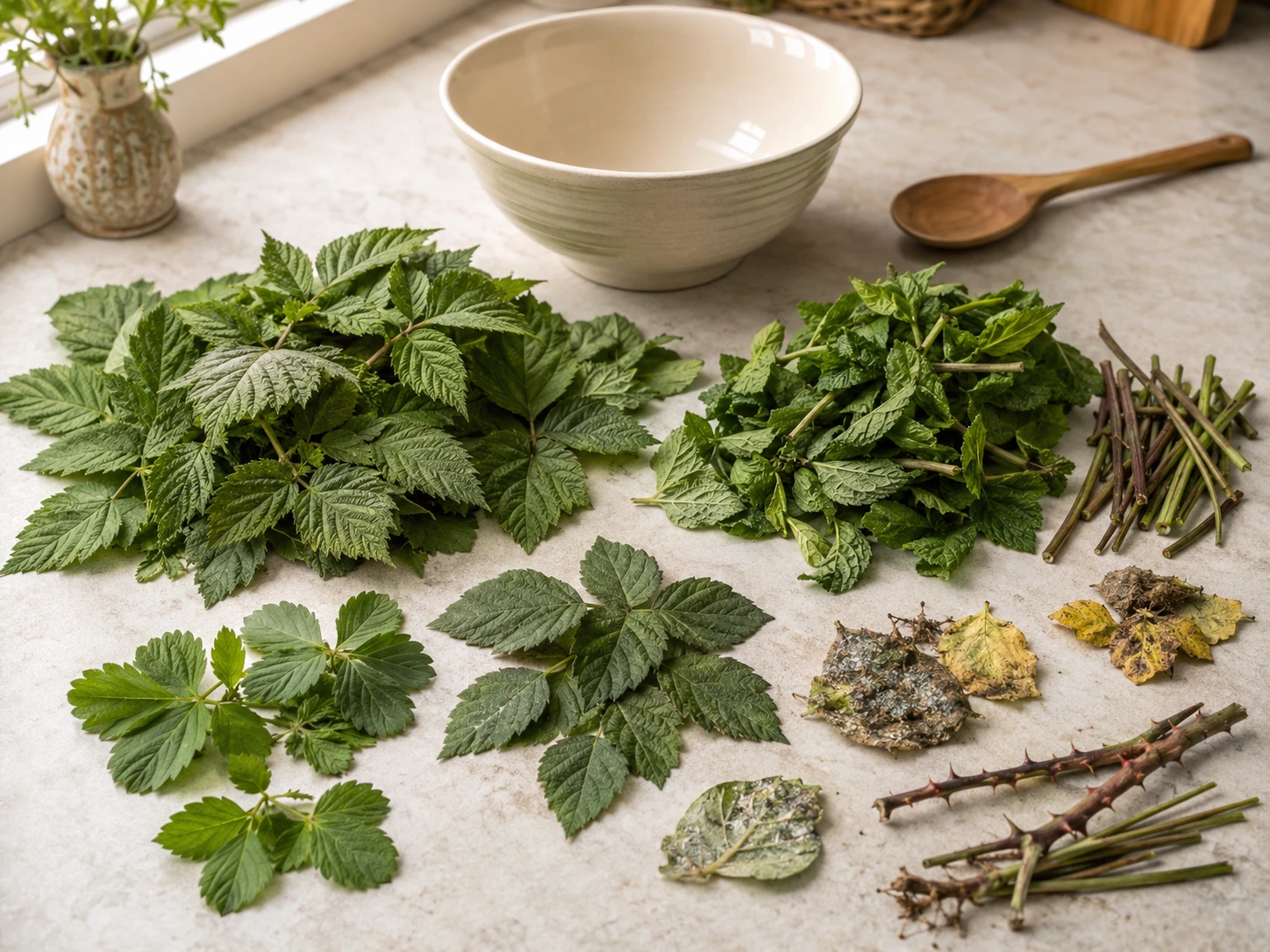
Sort the Leaves: Spread the raspberry, mint, strawberry, and blackberry leaves out so you can inspect each one individually. Discard anything yellowed, moldy, heavily damaged, contaminated, difficult to identify, or collected from an area that may have been sprayed with pesticides or exposed to roadside pollution or animal waste. Remove tough stems and any thorny blackberry stem pieces before washing.
Rinse and Dry: Rinse the selected leaves gently under cool clean water, then let them drain thoroughly. Arrange them in a single layer over clean kitchen towels and blot carefully until very little surface moisture remains. Wet leaves take longer to dry and can encourage spoilage, so it is worth taking your time here.
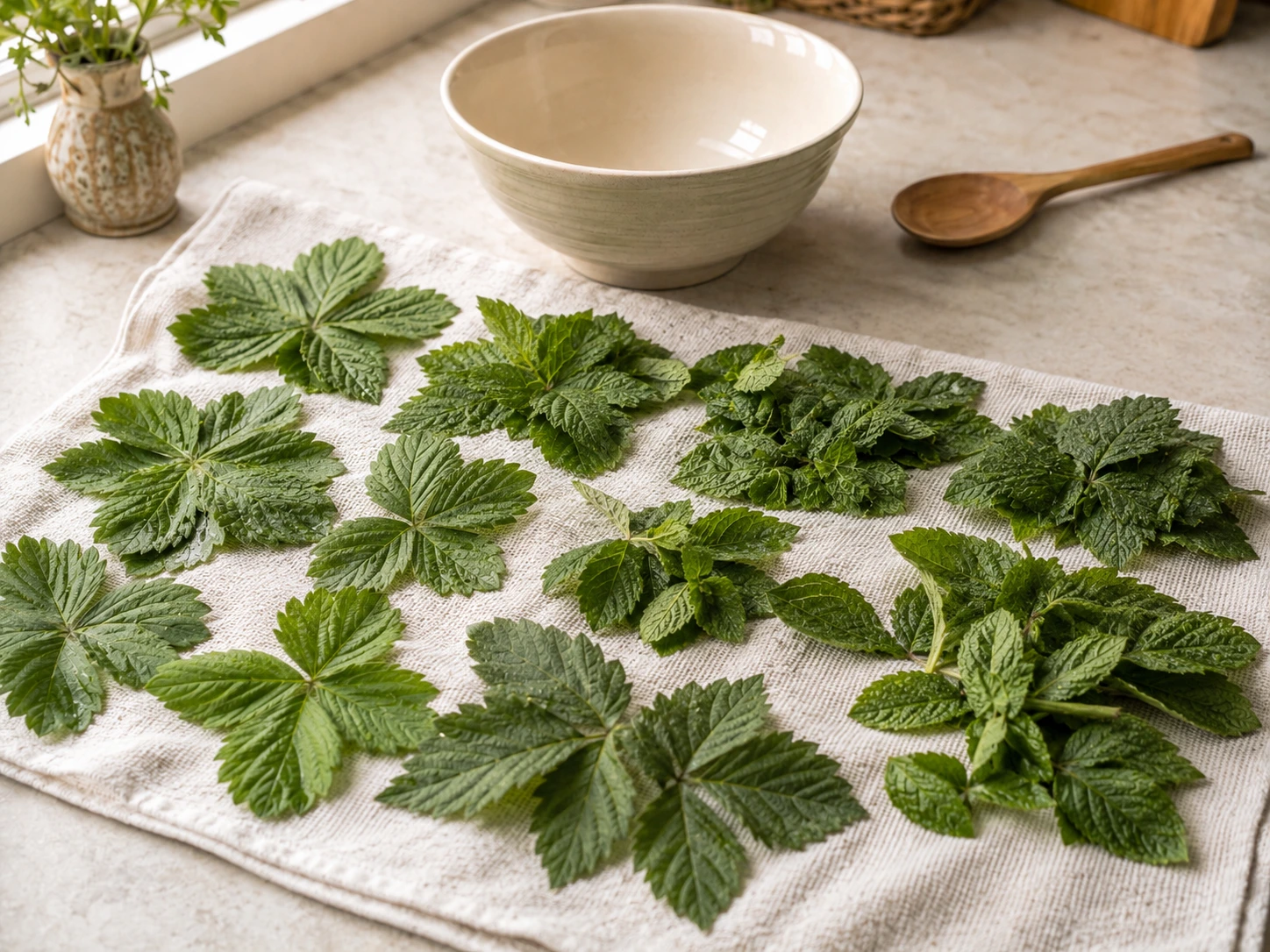
Arrange for Drying: Transfer the surface-dry leaves to the mesh rack or ventilated trays in a loose single layer, leaving small gaps between them. Avoid piling the leaves or overlapping them in thick clusters, since good airflow is essential for even air-drying. Keep the different leaves mixed across the rack instead of compressing them into dense bundles.
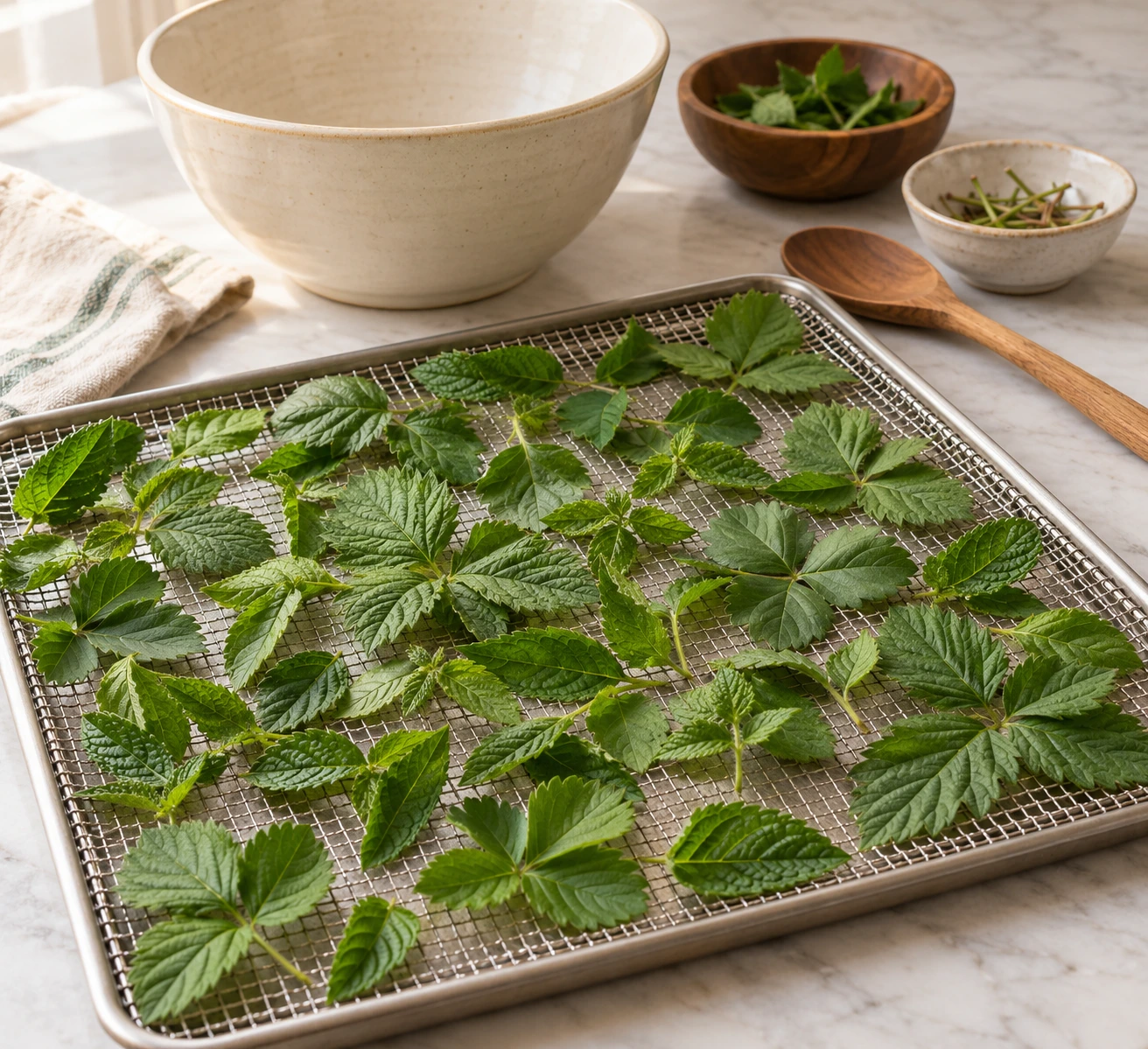
Air-Dry Completely: Leave the rack in a dry, well-ventilated indoor place away from direct sun, cooking steam, and humidity. Turn or gently redistribute the leaves periodically so both sides dry evenly. Keep drying until every leaf feels fully dry and papery rather than cool, flexible, or damp, since remaining moisture can cause the stored forage to spoil.
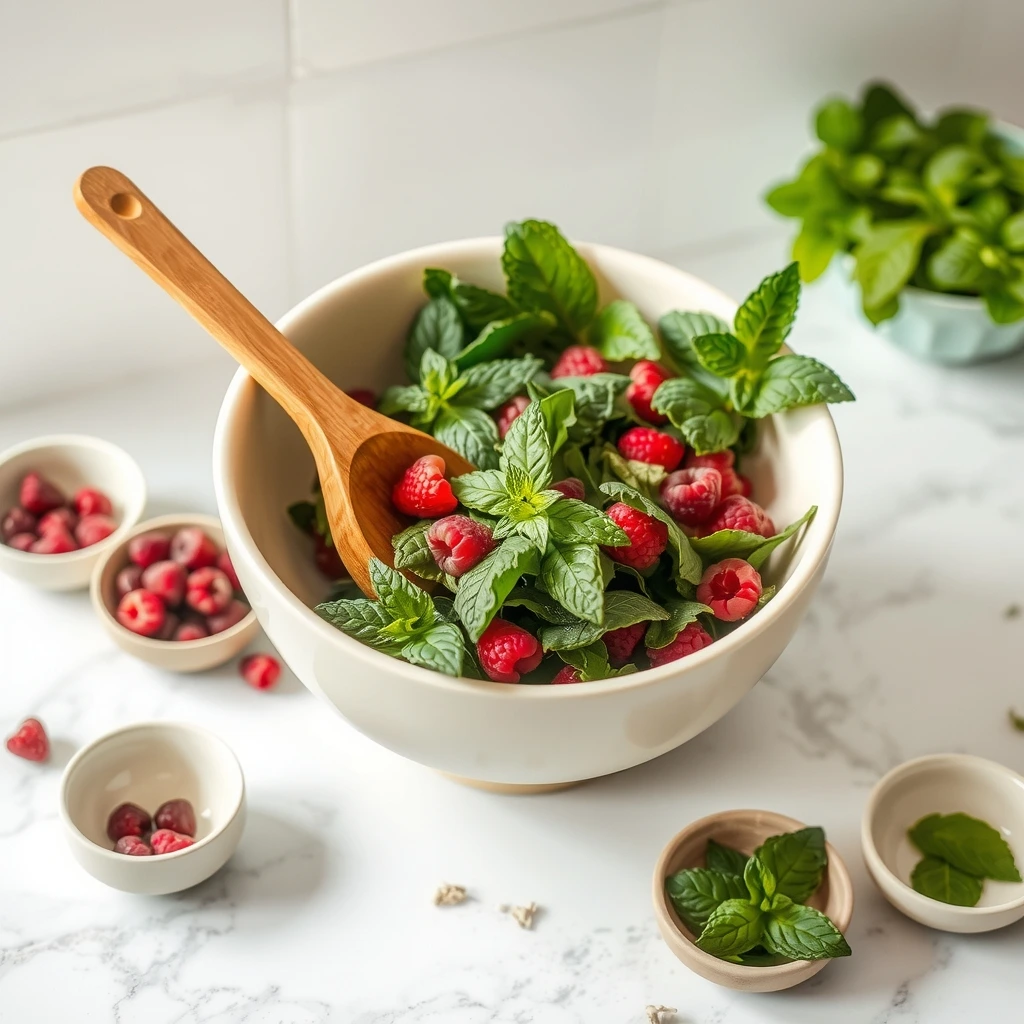
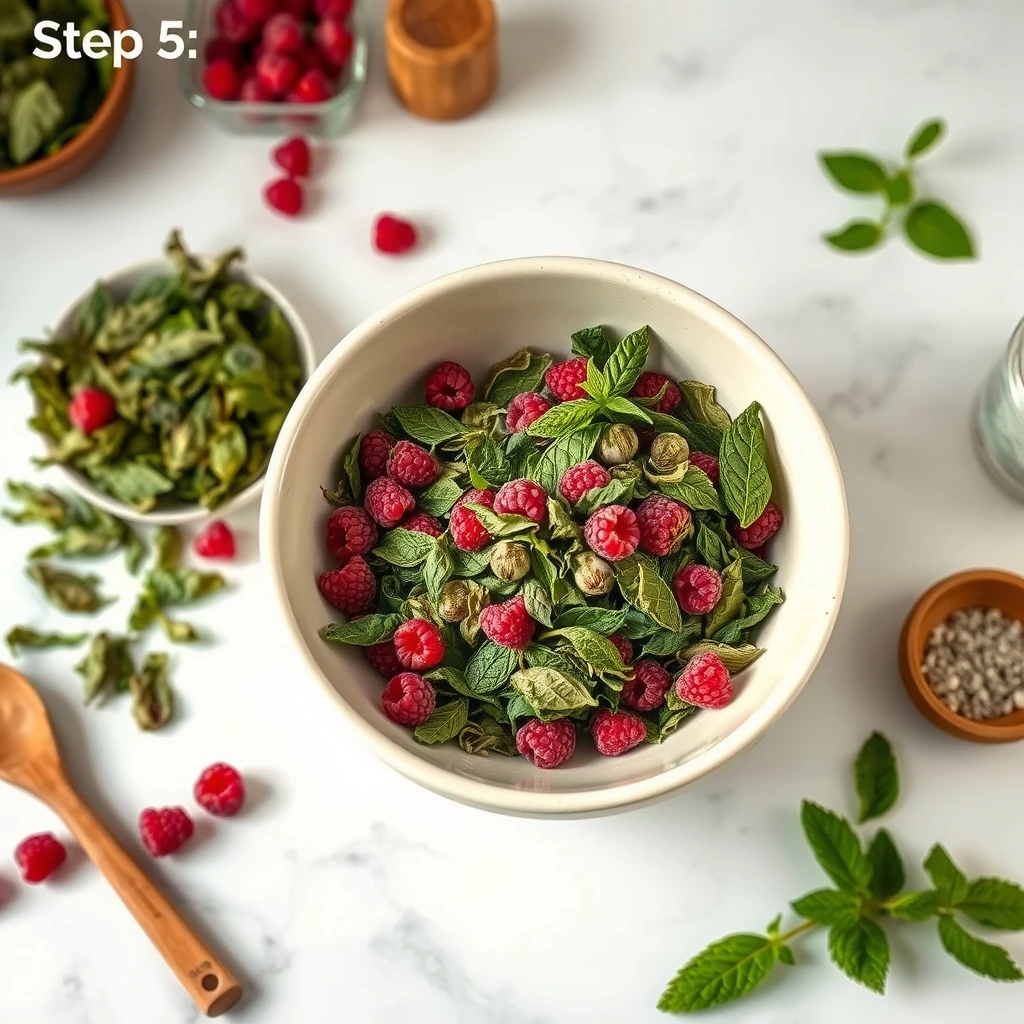
Crumble and Store: Once every leaf is completely dry, break the larger raspberry, strawberry, and blackberry leaves into coarse flakes, leaving some mint leaves nearly whole for texture. Toss everything together loosely in the cream bowl, then transfer the mixture to a completely dry airtight glass jar. Keep the pieces recognizable rather than grinding them into powder, which makes it easier to scatter a small pinch through hay.
Made this recipe?
Tap the paw so other pet parents know it’s worth making.
Be the first to make it
Tips & serving
Scatter only a small pinch of the dried mixture through the rabbit's usual unlimited hay rather than serving a bowlful on its own. Introduce each unfamiliar plant gradually and separately when possible so you know it is well tolerated. Hay or grass should remain the main part of the diet, and major diet changes should always be discussed with a veterinarian.
- Adds varied aromas and dry leaf textures to ordinary hay-based foraging.
- Provides a practical way to preserve suitable unsprayed garden leaves for later enrichment.
- The loose mixture can be scattered widely instead of encouraging fast treat eating.
- Harvest only leaves you can identify confidently, and avoid relying on appearance alone when distinguishing unfamiliar garden or wild plants.
- Dry smaller leaves alongside larger ones but check them separately, since thin mint leaves may become crisp before thicker raspberry leaves.
- Keep the finished forage coarse rather than powdery so it remains easy to scatter through hay and encourages searching.
Storage
Store the fully dried forage in a clean, completely dry airtight glass jar in a cool, dark cupboard away from humidity, steam, and direct sunlight. Check the contents before every use and discard the entire batch if you notice dampness, condensation, mold, unusual discoloration, or a stale or musty smell. Do not seal leaves that are still flexible, cool, or moist in the center. Leaving residual moisture trapped inside the jar can spoil an otherwise carefully prepared batch.
Substitutions
If strawberry or blackberry leaves are unavailable, simply leave them out and increase the proportion of correctly identified raspberry leaves rather than substituting an unfamiliar garden plant. A different rabbit-safe herb such as basil or coriander can replace part of the mint, but introduce the new herb gradually and confirm that the specific plant is considered suitable for rabbits before harvesting it.
Rabbits recipe FAQ
Can Dried Raspberry Leaf and Mint Forage Mix for Rabbits replace my rabbit's regular diet?
Treat it as an occasional extra, not a meal plan. Scatter only a small pinch of the dried mixture through the rabbit's usual unlimited hay rather than serving a bowlful on its own.
Can rabbits have raspberry leaves?
This recipe uses raspberry leaves in a small, rabbit-appropriate amount. Skip it if your rabbit has a known sensitivity, and read the foods-to-avoid note on this page before serving.
How should I store leftovers?
Store the fully dried forage in a clean, completely dry airtight glass jar in a cool, dark cupboard away from humidity, steam, and direct sunlight.
What's the safest way to try this with my rabbit?
Offer a small amount beside regular food, introduce one new recipe at a time, and watch appetite, stool, skin, and behavior for a day or two.
Can rabbits eat dried raspberry leaves and mint?
Rabbit welfare guidance includes raspberry leaves among suitable forage plants and mint among suitable herbs, and specifically notes that these leaves can be dried. They should still be offered as part of a varied diet built around unlimited hay or grass, not as the main food.
How do I know when the leaves are dry enough to store?
The leaves should feel dry, light, and papery throughout, with no cool, soft, or flexible patches when folded or handled. If thicker leaves still bend because they contain moisture, leave them on the drying rack longer rather than sealing them in a jar.
Sources