
You are trimming a basil plant for dinner when your rabbit appears beside your feet, nose twitching toward the fresh leaves. The smell is strong, the plant is easy to grow and your rabbit seems interested. But can rabbits eat basil, or is this one of those kitchen herbs that should stay on your plate? The reassuring answer is yes. Fresh culinary basil is generally safe for rabbits, and it can be part of the leafy greens you offer alongside their usual hay-based diet. There are a few details worth getting right before you hand over a sprig. The leaves and tender stems are both edible, but the portion matters, particularly if your rabbit has never tasted basil before. You also need to consider where the plant came from, how it was grown and what else your rabbit eats during the day. Here is how I would introduce basil, choose suitable pieces and decide whether it belongs in your rabbit's regular salad.
Is basil safe for rabbits to eat?
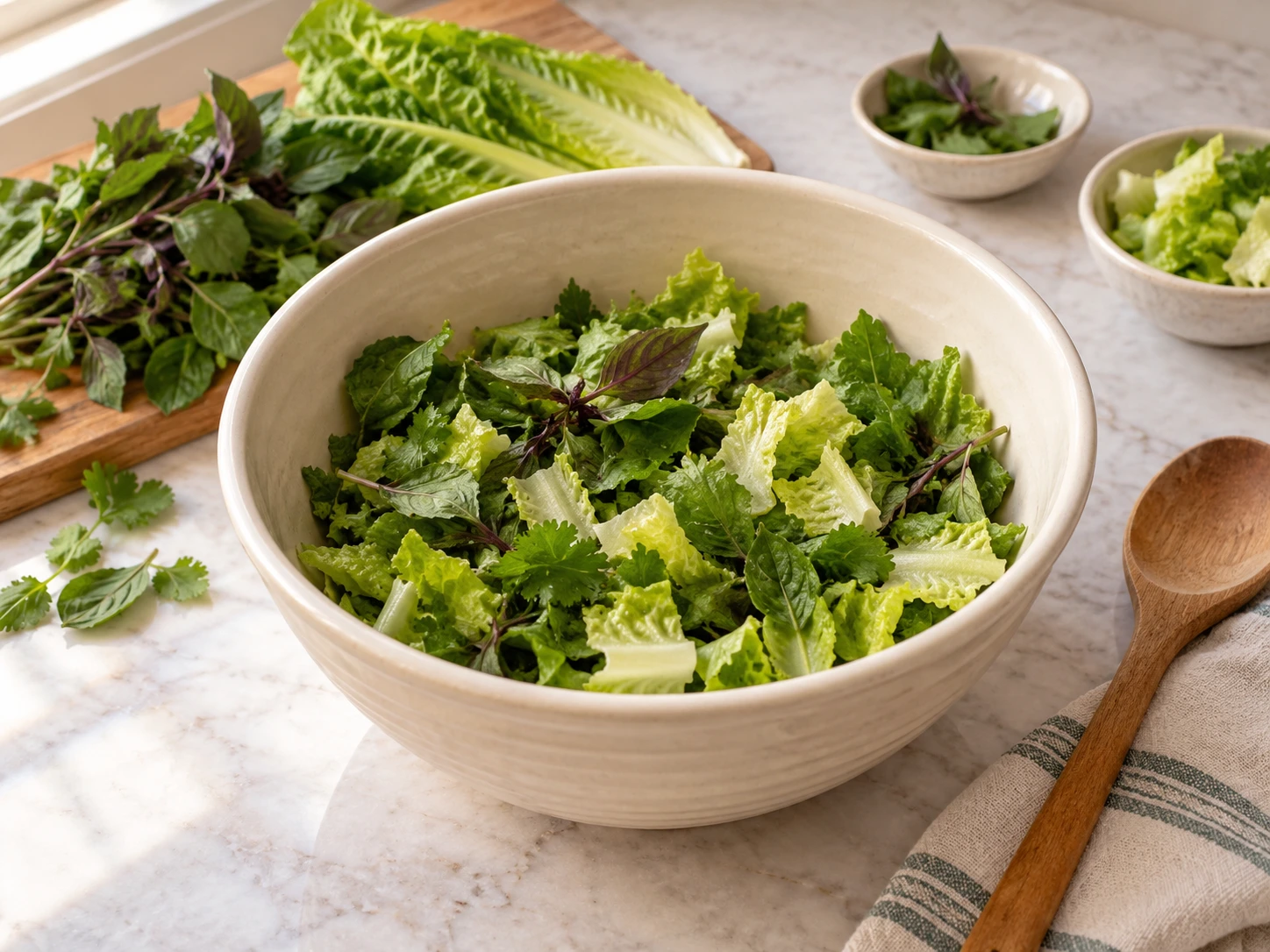
Fresh basil is a rabbit-safe culinary herb. The House Rabbit Society includes basil among suitable leafy greens, and the RSPCA also names it as an herb that rabbits can eat. Common culinary varieties such as sweet basil, Thai basil, lemon basil and purple basil are generally suitable when offered fresh and plain. The strong fragrance may seem unusual if you are used to feeding romaine lettuce, but that smell alone does not make the plant unsafe. Some rabbits rush toward it as soon as you put it down. Others investigate one leaf and then return to their hay.
Basil contains moisture and plant nutrients, so it can contribute to the variety of fresh foods in an adult rabbit's diet. Still, it cannot replace the long-strand fiber rabbits get from grass hay. Hay should remain available at all times, with suitable leafy greens forming a smaller part of the daily menu. Plus, not every rabbit tolerates every safe vegetable equally well. Age, existing health conditions and previous feeding habits can change what is appropriate. If your rabbit already eats several leafy greens comfortably, a little basil is a reasonable food to try. Check with a rabbit-experienced veterinarian before changing the diet of a young rabbit or one with special dietary needs.
Can rabbits eat fresh basil leaves and stems?
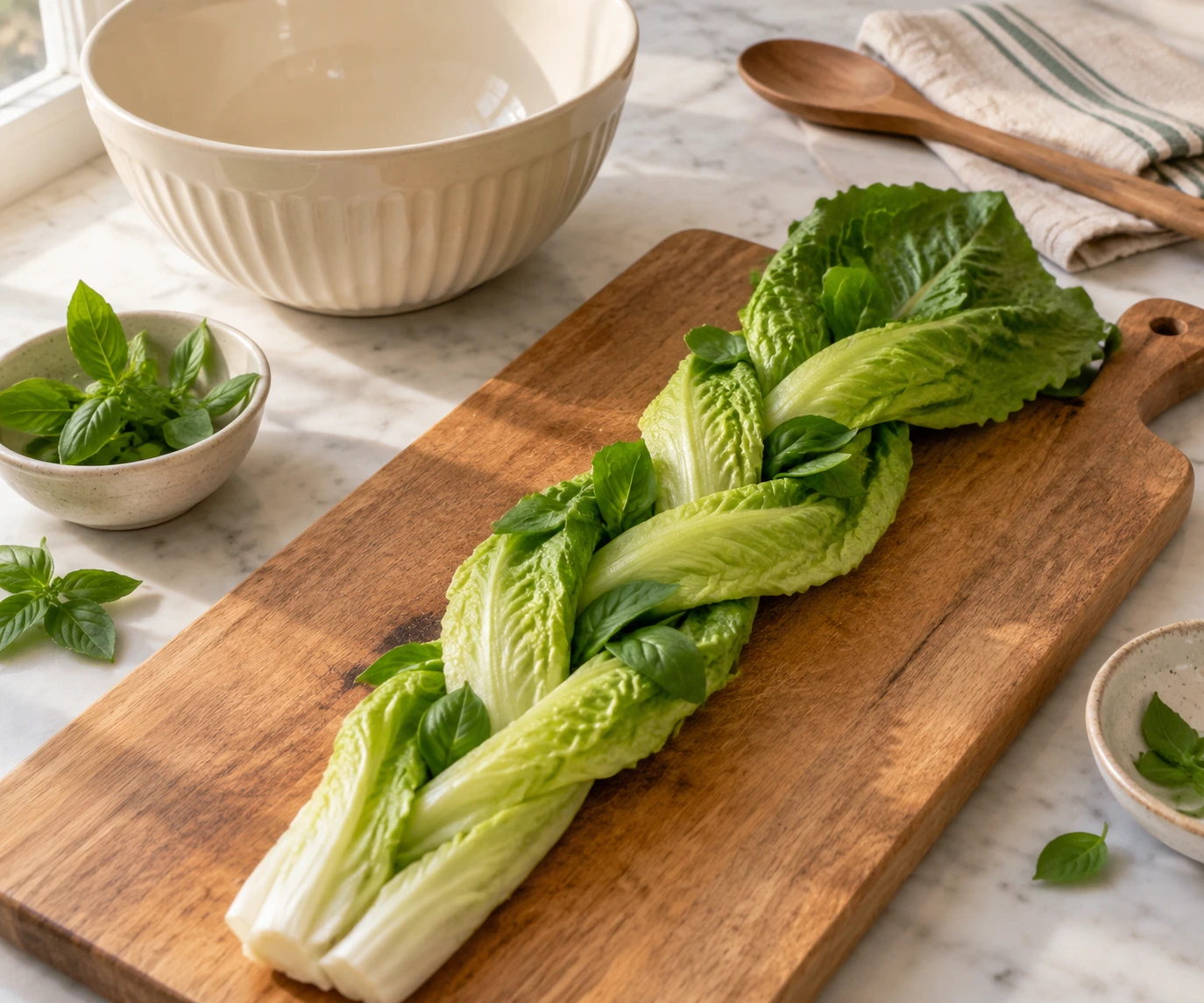
The soft leaves are the easiest part of basil to offer. Choose fresh, green leaves that are free of mold, decay or visible damage. A leaf that smells pleasantly herbal and feels firm is a better choice than one that has turned dark and slippery at the bottom of a refrigerator drawer. You can serve the leaves whole after washing them. There is no need to cook basil, dry it or mix it with anything else. In fact, plain fresh leaves make it easier to judge what your rabbit is actually eating.
Can rabbits eat basil stems too? Yes, the tender green stems of culinary basil are generally edible, including the thin stalk attached to a leaf. I would choose the flexible upper growth rather than the thick, woody base of an older plant. Tough stems are less appealing, and a rabbit may simply leave them behind. What about basil flowers? The flowers of correctly identified culinary basil are generally considered edible, but they are unnecessary, so you can leave them out if you prefer. The important distinction is between the fresh edible plant and concentrated basil products. Basil essential oil is not a substitute for fresh leaves. Give your rabbit a clean, plain sprig rather than anything processed or seasoned.
How much basil can rabbits eat at one time?
There is no universal basil-only portion that suits every rabbit. A small dwarf rabbit and a large adult rabbit do not need identical amounts of fresh food, and a rabbit with a sensitive digestive system may need a different approach. For a healthy adult that already tolerates leafy greens, I would begin with a single small basil leaf. That is an introduction, not a full serving. Once basil is familiar and well tolerated, a few leaves or a small tender sprig can form part of the rabbit's usual mixed greens. The amount should fit within the fresh-food allowance recommended for that individual rabbit.
It helps to think about the entire salad rather than counting basil leaves in isolation. The RSPCA advises offering a mix of safe leafy greens and herbs, while keeping hay as the main part of the diet. A rabbit that already has romaine lettuce and coriander in its bowl does not need a separate large serving of basil on top. You can replace a small part of the usual greens with basil instead. Got a rabbit that begs whenever you open the herb drawer? You can still offer a modest amount. More basil is not necessarily a better meal, especially if it leaves less room for the hay your rabbit needs to keep eating.
Can rabbits eat basil every day?
A healthy adult rabbit that tolerates basil can generally eat some as part of its daily leafy greens. The RSPCA includes basil among herbs suitable for daily feeding, but it also recommends rotating the greens you offer. That distinction matters. Eating a little basil regularly is different from receiving a large bowl of basil as the only fresh vegetable every afternoon. Even a safe herb should not become the entire fresh-food selection. A mixture gives your rabbit different plant nutrients and keeps the diet from depending too heavily on one ingredient.
In practice, I would alternate basil with other suitable greens that your rabbit already enjoys. You might add a few basil leaves to a familiar salad on one day, then offer a different selection the next. There is no special need to feed basil seven days a week. If your rabbit loves it and your veterinarian is happy with the overall diet, a small daily portion may also be reasonable. What if your rabbit turns away from basil? Leave it out. Rabbits have individual preferences, and refusing one strongly scented herb does not mean there is something wrong with their appetite if they continue eating their usual food normally.
How to introduce basil without upsetting your rabbit's routine
A rabbit that has never eaten basil should meet it gradually. Start with a small amount of one washed leaf alongside foods that are already familiar. Avoid introducing several new greens in the same meal, because that makes it harder to tell which food agrees with your rabbit. The House Rabbit Society recommends introducing new vegetables slowly, and that is sensible advice for aromatic herbs too. A sudden large change in fresh-food intake can disturb a rabbit's usual digestive routine. Keep the ordinary hay supply, water and established feeding schedule in place while your rabbit becomes familiar with the new leaf.
Over the following days, pay attention to whether your rabbit continues its usual eating and toileting habits. If basil appears to disagree with your rabbit, stop offering it and speak with your veterinarian about the change. Do not assume that a food is harmless to an individual rabbit simply because it appears on a safe-food list. Rabbits can become seriously unwell when they stop eating or producing droppings normally. If you notice either change, contact a rabbit-experienced veterinarian promptly rather than trying to manage the problem through food changes at home. For a rabbit with a history of digestive trouble, I would get veterinary guidance before offering basil for the first time.
Choosing, washing and storing basil for your rabbit
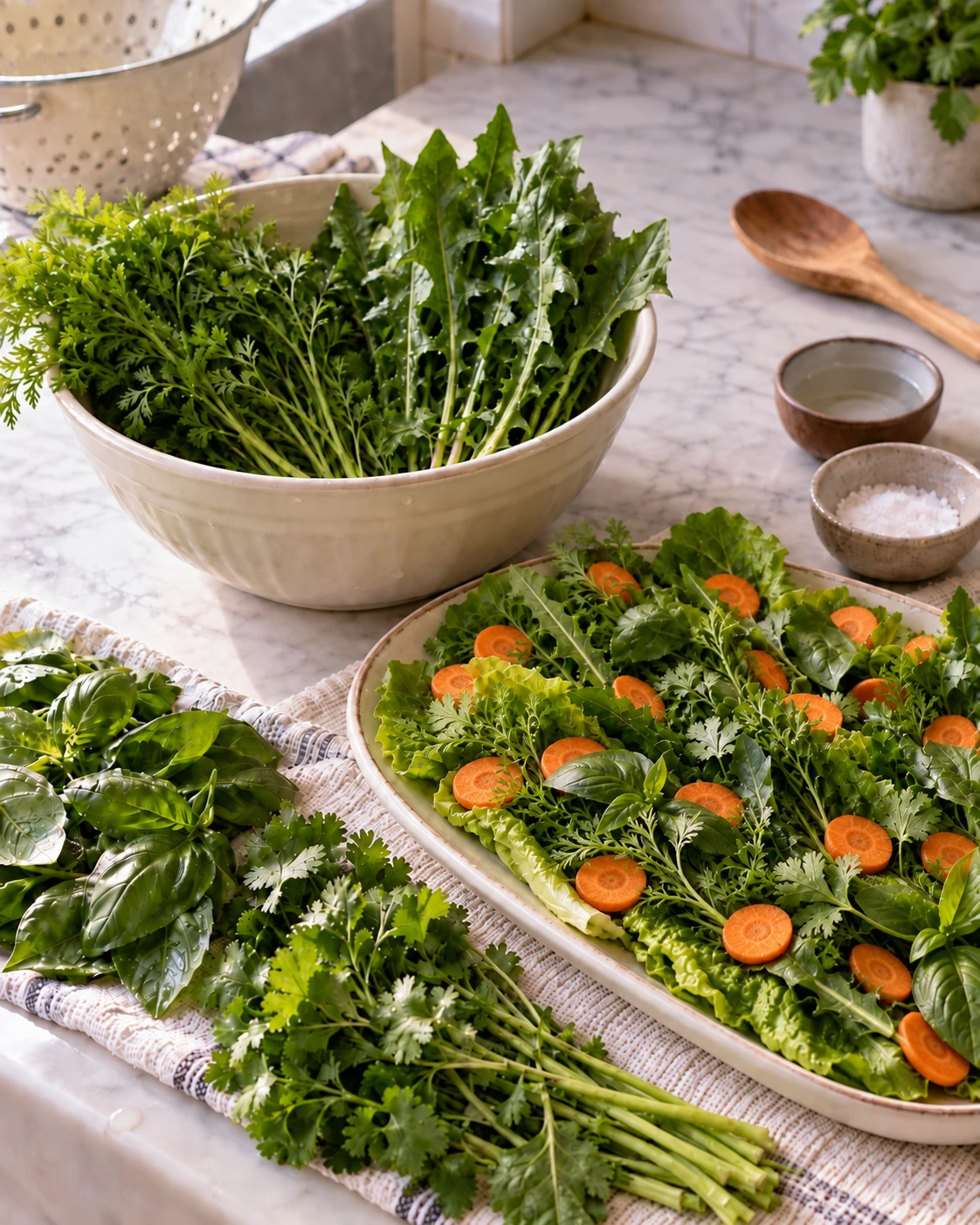
Fresh basil from a supermarket or your own herb pot can be suitable, provided you know exactly what the plant is and it has not been exposed to unsafe chemicals. I would avoid decorative mixed-herb pots with unclear plant labels, roadside plants and leaves from areas treated with weed killers or pesticides. Rinse fresh basil thoroughly with clean water before feeding it, including leaves harvested from your own kitchen windowsill. The House Rabbit Society recommends careful washing of fresh produce because contamination can occur before the vegetables reach your kitchen. Washing is useful, but it cannot guarantee that every chemical residue or infectious hazard has been removed.
Once washed, you can offer the leaves plain, with a little clean rinse water still clinging to them. Skip basil prepared with oil, garlic, onion, salt, sauces or salad dressing. Pesto is especially unsuitable because it commonly contains ingredients that rabbits should not eat. For storage, keep unused fresh basil in a clean, suitable container and follow the storage advice for the product. Basil can be sensitive to cold, so a fresh pot on a clean windowsill or a small bunch stored according to its packaging may work better than a wet bag of leaves forgotten in the refrigerator. Discard basil that smells rotten, shows mold or has become slimy. If you grow it yourself, pick only what you need and check the plant for insects or damaged growth before serving.
When basil is better left out of the bowl
Although basil is generally safe, there are times when I would leave it out until a veterinarian has advised otherwise. Young rabbits need age-appropriate feeding, and introducing fresh greens too early or changing their diet quickly can be a problem. Rabbits with ongoing digestive sensitivity, a recent appetite change or a medically restricted diet also deserve individual advice. A safe-food list cannot account for every rabbit's medical history. If a veterinarian has recommended a particular diet, do not add basil simply because another rabbit seems to enjoy it.
There is also no reason to keep offering a herb that your rabbit consistently refuses or appears not to tolerate. Suppose your rabbit eats the familiar lettuce but leaves every basil leaf untouched. That is fine. Remove the unwanted fresh food before it becomes spoiled and carry on with the foods your rabbit normally eats. On the other hand, refusing all food, eating noticeably less than usual or producing fewer droppings is a different situation that needs prompt veterinary attention. Do not try to tempt a rabbit through a serious appetite change with extra basil instead of calling the vet. You know your rabbit's ordinary food habits better than anyone, so take meaningful changes seriously.
Can Rabbits Eat Basil Safely? Fresh Leaves, Stems and Feeding Tips FAQ
Can rabbits eat fresh basil straight from the plant?
Yes, rabbits can eat fresh culinary basil picked directly from a healthy plant. Identify the herb correctly, make sure it has not been treated with unsafe chemicals and wash the leaves thoroughly before offering them. Start with a small amount if basil is new to your rabbit.
Can rabbits eat basil stems as well as leaves?
Yes, the soft green stems of culinary basil are generally safe for rabbits to eat. Tender stems attached to fresh leaves are a practical choice. Thick, woody stems from older plants may be less appealing, so I would remove those rather than expect the rabbit to chew them.
How much basil can rabbits eat in a day?
There is no fixed basil-only allowance for every rabbit. Begin with a single small leaf when introducing the herb, then offer a few leaves or a small sprig as part of the usual mixed greens if it is well tolerated. Ask your veterinarian about suitable fresh-food portions for your rabbit.
Can rabbits eat basil every day without problems?
Basil can be part of the daily leafy green selection for a healthy adult rabbit that tolerates it. However, regular feeding should not mean offering basil as the only vegetable. Rotate it with other suitable greens and keep unlimited grass hay available.
Can rabbits eat Thai basil or purple basil?
Yes, Thai basil and purple basil are culinary basil varieties generally considered suitable for rabbits. Their color and fragrance differ from common sweet basil, but they should still be offered fresh, washed and unseasoned. Introduce each unfamiliar variety gradually rather than offering a large bunch.
Can baby rabbits eat basil?
Baby rabbits have different nutritional needs from adults, and fresh vegetables should be introduced according to their developmental stage and established diet. Do not use adult basil portions for a young rabbit. Ask a rabbit-experienced veterinarian when and how to introduce fresh herbs safely.