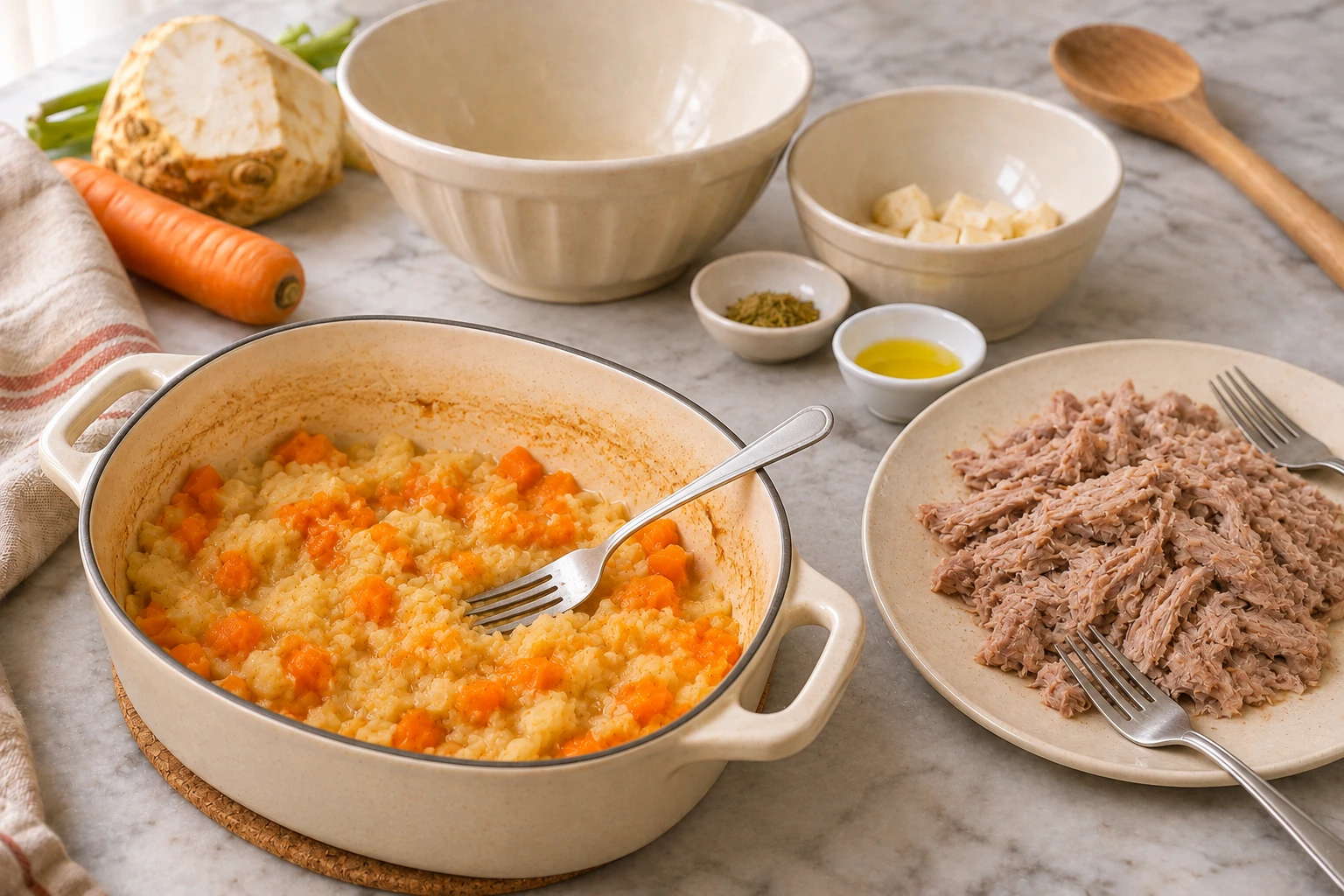
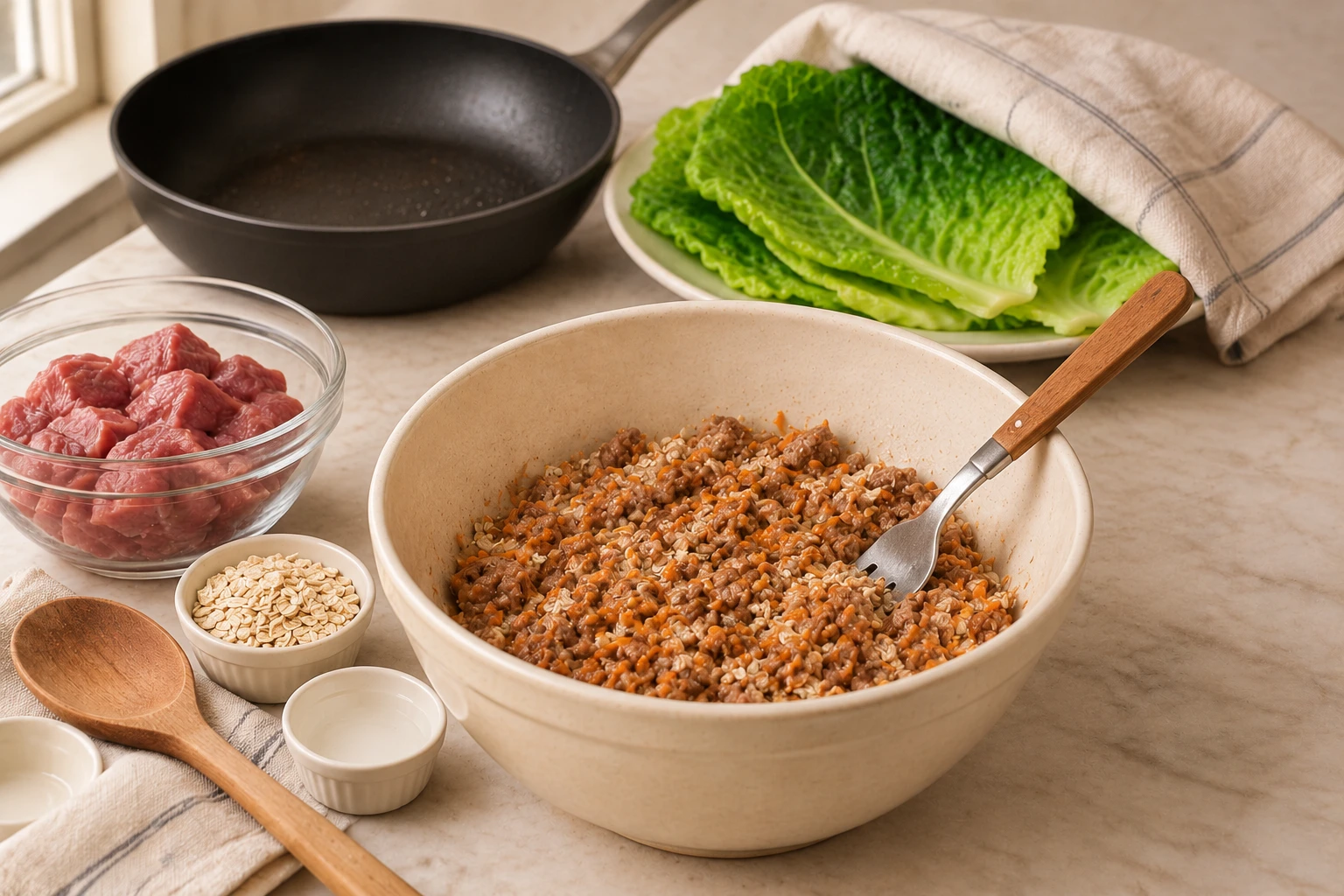
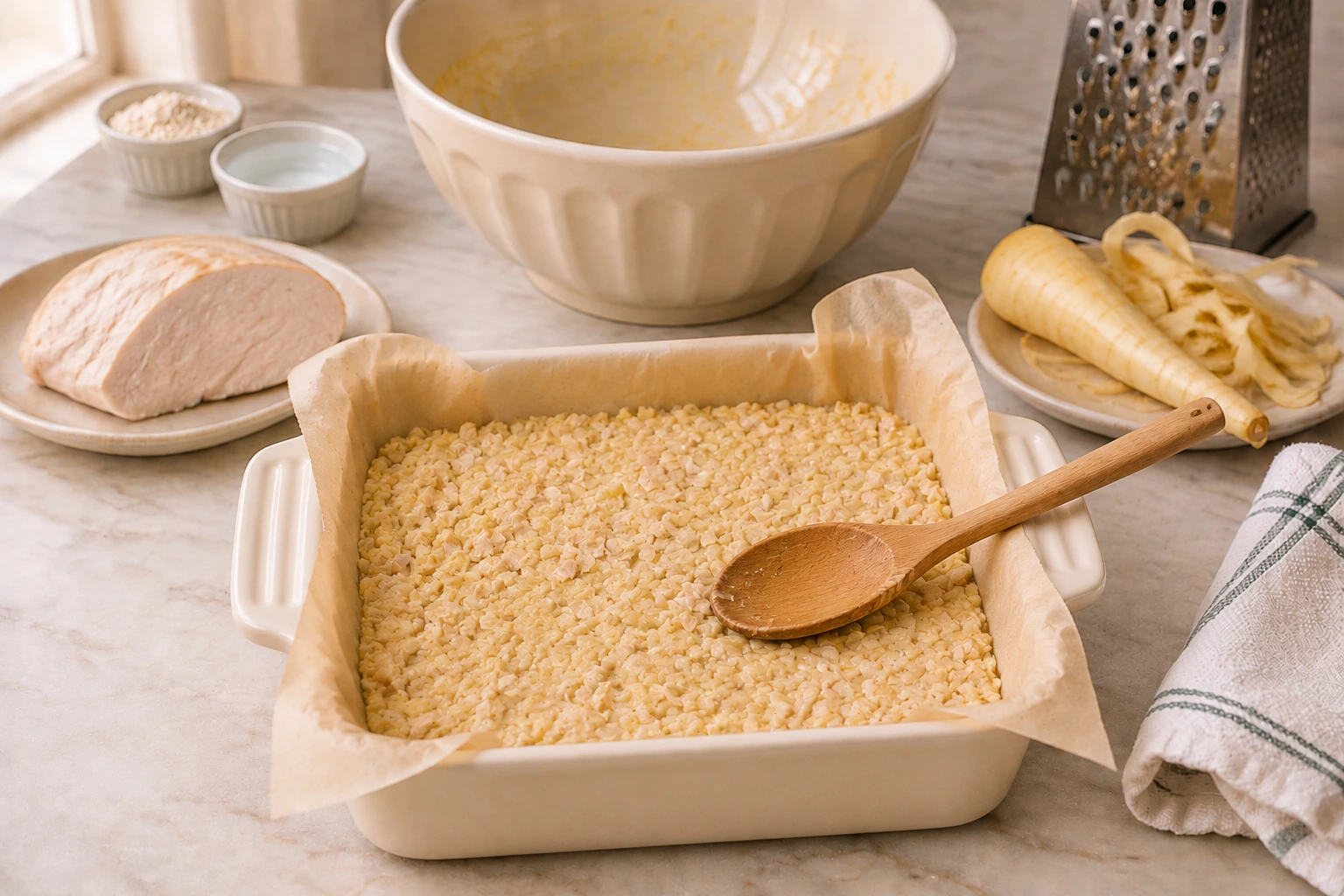
Cooking for your dog feels like a nice thing to do. You pick the meat, wash the vegetables and know exactly what's going into that bowl. Maybe your dog seems happier with home-cooked meals, or perhaps you just like having a say in what they eat. There's nothing wrong with that. But before homemade food becomes an everyday habit, there's one thing you need to know: is your dog actually getting all the nutrients they need? Yes, homemade dog food can be a complete and balanced diet. Getting there, though, takes more than throwing some chicken, rice and vegetables into a pot. Dogs need specific amounts of vitamins, minerals, fats and amino acids, and some of the easiest nutrients to miss are the ones that matter over the long term. Let's look at what a properly balanced homemade diet involves, where everyday recipes tend to go wrong and why a veterinary nutritionist should be involved before you replace your dog's regular food.
Can homemade dog food provide complete nutrition?
Absolutely. A dog can get everything they need from food prepared in your kitchen. There's nothing automatically inferior about a properly formulated homemade diet. The tricky part is getting the proportions right. Dogs need protein to maintain their tissues, fats for energy and essential fatty acids, and carbohydrates when they're included as an energy source. Vitamins and minerals need to be there in the right amounts too. Then there's the question of calories. Your dog needs enough to maintain a healthy body condition. All these things have to work together. Simply putting a little meat, grain and vegetables in the bowl isn't enough.
This is where a lot of homemade recipes go wrong. A bowl of chicken, carrots, rice and peas looks like a decent dinner, doesn't it? But you can't judge its nutritional value by looking at it. There might be plenty of protein and not nearly enough calcium, zinc or certain vitamins. A 2025 study published in the American Journal of Veterinary Research examined 1,726 owner-reported homemade dog diets. Only 6% were potentially complete under adult dog nutritional standards. So, can homemade dog food be complete and balanced? Yes, without question. But the recipe needs to be built around what your dog requires nutritionally, not just a collection of ingredients that look good together.

Why meat and vegetables are not enough
One mistake I would watch for is putting too much emphasis on meat. Chicken, beef and turkey are excellent sources of protein, but muscle meat on its own doesn't give dogs the mineral balance they need. Calcium is the big one. Meat contains phosphorus, yet it generally doesn't provide enough calcium to balance a diet built around meat. Get that balance wrong over time and bone health can suffer. Puppies need particular attention here. Their skeletons are still developing, so unsuitable calcium and phosphorus levels can be especially problematic.
There are other gaps to think about. Zinc, iodine, copper, vitamin D and certain B vitamins all need to be accounted for when putting a recipe together. Essential fatty acids matter too, and the amounts depend on which ingredients you're using. Adding another handful of vegetables won't fix everything. Carrots and spinach bring some useful nutrients to the bowl, but they aren't a replacement for a properly formulated vitamin and mineral supplement. Too much of certain nutrients can be just as troublesome as too little. If your dog's dinner is mostly meat with a few vegetables on the side, don't assume it's suitable for everyday feeding. Ask your veterinarian to review the actual ingredients and quantities.
What a properly balanced homemade recipe needs
A veterinary nutritionist doesn't just glance at a list of ingredients and give it a thumbs-up. They look at the whole recipe, right down to the exact amounts. The protein sources must provide the required amino acids, and the fats need to supply appropriate essential fatty acids. There's also the energy side of things, which depends on your dog's size and activity level. Calcium and phosphorus need careful attention, as do trace minerals and vitamins that ordinary grocery ingredients might not supply in sufficient amounts. The proportions make all the difference. Even a recipe with every food group represented can fall short if the quantities aren't right.
That's why many homemade diets need a specially formulated vitamin and mineral supplement. Don't confuse this with sprinkling a general multivitamin over dinner. The supplement has to match the recipe and take into account the nutrients already coming from the food. Some recipes also call for a particular oil or another source of essential fatty acids. These aren't details to guess at. Leave them to the person formulating the diet. I wouldn't start adding eggshell powder, calcium tablets or human supplements because somebody online suggested it. An incorrect addition can cause another nutritional imbalance. What you want is a complete recipe written for your individual dog.

Why internet recipes can leave nutritional gaps
A recipe with thousands of happy comments isn't necessarily a good everyday meal for your dog. Many online recipes are built around familiar ingredients and easy cooking. You might find one using ground beef, sweet potato, peas and rice, for instance. It sounds perfectly reasonable, but what about the nutrients those ingredients don't provide? Some recipes mention a supplement without giving its exact formulation or explaining why it's needed. Others ask for a handful of vegetables or a little oil. Fine for an occasional kitchen experiment, perhaps. Not precise enough when your dog is eating the same food every day.
There's research behind this concern, too. UC Davis evaluated 200 published homemade dog food recipes and found that very few provided all essential nutrients in adequate amounts. Even recipes written by veterinarians weren't automatically complete. So I'd be careful about picking a feeding plan just because it appears on a popular pet website, in a cookbook or on social media. A veterinary nutritionist works with established nutrient standards and formulation methods to assess the whole diet. If a recipe doesn't explain how it meets your dog's nutritional needs, don't treat it as a complete feeding plan.
How to balance homemade dog food for everyday feeding
Before choosing a recipe, start with the dog sitting in front of you. A veterinary nutritionist will consider age, current weight, body condition, activity, reproductive status and medical history. These details matter. A growing puppy doesn't have the same nutritional requirements as a healthy adult dog. An older dog may need an individual feeding plan too, depending on its health and how active it is each day. And if your dog has a diagnosed medical condition, extra care is needed. Some nutrients may have to be adjusted under veterinary supervision.
Once the recipe has been formulated, stick to it. Weigh the ingredients using the exact units and quantities provided. Guessing with a spoon or measuring cup can throw things off. Use the specified cuts of meat, cooking methods and supplements. There's another detail worth remembering: cooking changes the water content and weight of ingredients. Swapping a cooked ingredient for its raw equivalent without checking the recipe can change the final meal. The same goes for replacing chicken with beef or removing something your dog doesn't seem keen on. Don't make those changes quietly. Ask the nutritionist for approved alternatives if an ingredient becomes unavailable.
Can dogs eat homemade food every day? Yes, as long as the recipe is designed to meet their full nutritional needs for daily feeding and you follow it properly. Keep the instructions somewhere handy, including the supplement details. Your veterinarian should also know about any changes in your dog's weight, appetite or general condition. And if preparing the meals starts becoming difficult, or your dog refuses one of the ingredients, have the recipe reviewed. Don't simply adjust the proportions yourself and hope for the best.
Homemade dog food vs commercial dog food
Complete commercial dog food has one rather useful advantage: you don't have to work out the whole recipe yourself. Reputable products carry a nutritional adequacy statement showing which life stage or stages the food is intended for. Depending on the product and applicable standards, that adequacy may be supported by formulation against recognised nutrient profiles or by feeding trials. You can check the packaging and know what the food is designed to provide. For owners who don't want to weigh several ingredients and supplements at every meal, that's a fairly straightforward option.
Cooking at home gives you a different sort of control. You choose the ingredients and prepare everything in your own kitchen, which some owners genuinely prefer. It can also help when a veterinary nutritionist needs to develop a particular recipe around a dog's individual dietary requirements. But homemade feeding takes time. You have to handle food carefully and prepare the recipe consistently, even on busy days. Neither choice is automatically better. A complete, appropriate commercial food can meet your dog's nutritional needs, just as a properly formulated homemade diet can. Think about what your dog requires and whether you can stick to the feeding plan reliably.

When to review your dog's homemade feeding plan
Don't assume a recipe that works for a healthy adult dog will remain suitable forever. Puppies grow quickly, and their nutritional requirements change as they develop. Pregnancy and nursing can affect those needs too. So can changes in activity and certain health conditions. Even a carefully formulated recipe deserves another look from time to time. Perhaps an ingredient you normally buy is no longer available. Maybe a supplement has been discontinued, or your dog has gained or lost weight. Those are all sensible reasons to revisit the feeding plan rather than relying on an old recipe indefinitely.
Keep an eye on your dog's body condition and eating habits, but remember that looking healthy doesn't prove the diet is complete. A dog can maintain a normal weight while still missing certain vitamins or minerals. Routine veterinary appointments are a good opportunity to discuss the recipe, feeding quantities and any changes you've noticed. Your veterinarian can decide whether a further nutritional assessment is appropriate. If you're thinking about homemade feeding for a puppy or a dog with a medical condition, arrange professional advice before making the switch. Planning a suitable diet from the start is much easier than trying to correct a nutritional imbalance after a long period of feeding.
Can Homemade Dog Food Be a Complete and Balanced Diet? FAQ
Can homemade dog food be complete and balanced without supplements?
Sometimes, but many homemade diets need a specific vitamin and mineral supplement to cover nutritional gaps. Meat, vegetables and grains don't automatically provide everything your dog needs. Before serving a homemade recipe as an everyday diet, have the complete ingredients and quantities assessed by a veterinary nutritionist.
Can dogs eat homemade food every day?
Yes, dogs can eat homemade food daily when the recipe meets their full nutritional requirements and suits their life stage and health. A recipe intended for occasional treats isn't necessarily suitable for everyday meals. Stick to a professionally formulated plan and have it reviewed when your dog's needs change.
What are the most common homemade dog food nutritional deficiencies?
Calcium is one of the most common concerns, especially when a diet relies heavily on muscle meat. Zinc, iodine, copper, vitamin D and certain B vitamins can also be missing. What your dog lacks depends on the ingredients and their proportions, so an individual nutritional assessment is needed.
Is homemade dog food healthier than commercial dog food?
Not necessarily. Both can meet your dog's nutritional needs when properly formulated and appropriate for their life stage. Homemade meals give you more control over ingredients, but they also take time and careful preparation. The right choice depends on your dog's requirements and how reliably you can maintain the feeding plan.
How do I balance homemade dog food correctly?
Start with a qualified veterinary nutritionist who can formulate a recipe using established canine nutrient requirements. You should receive exact ingredient types, quantities, preparation instructions and any necessary supplement details. Don't try to fill nutritional gaps by randomly adding ingredients or general-purpose vitamins.
Can I use chicken and rice as my dog's everyday homemade food?
No, chicken and rice alone aren't a complete everyday diet. They provide protein and energy, but they don't cover all the nutrients a dog needs over the long term. If you'd like to use both ingredients regularly, ask a veterinary nutritionist to build a complete recipe around them.