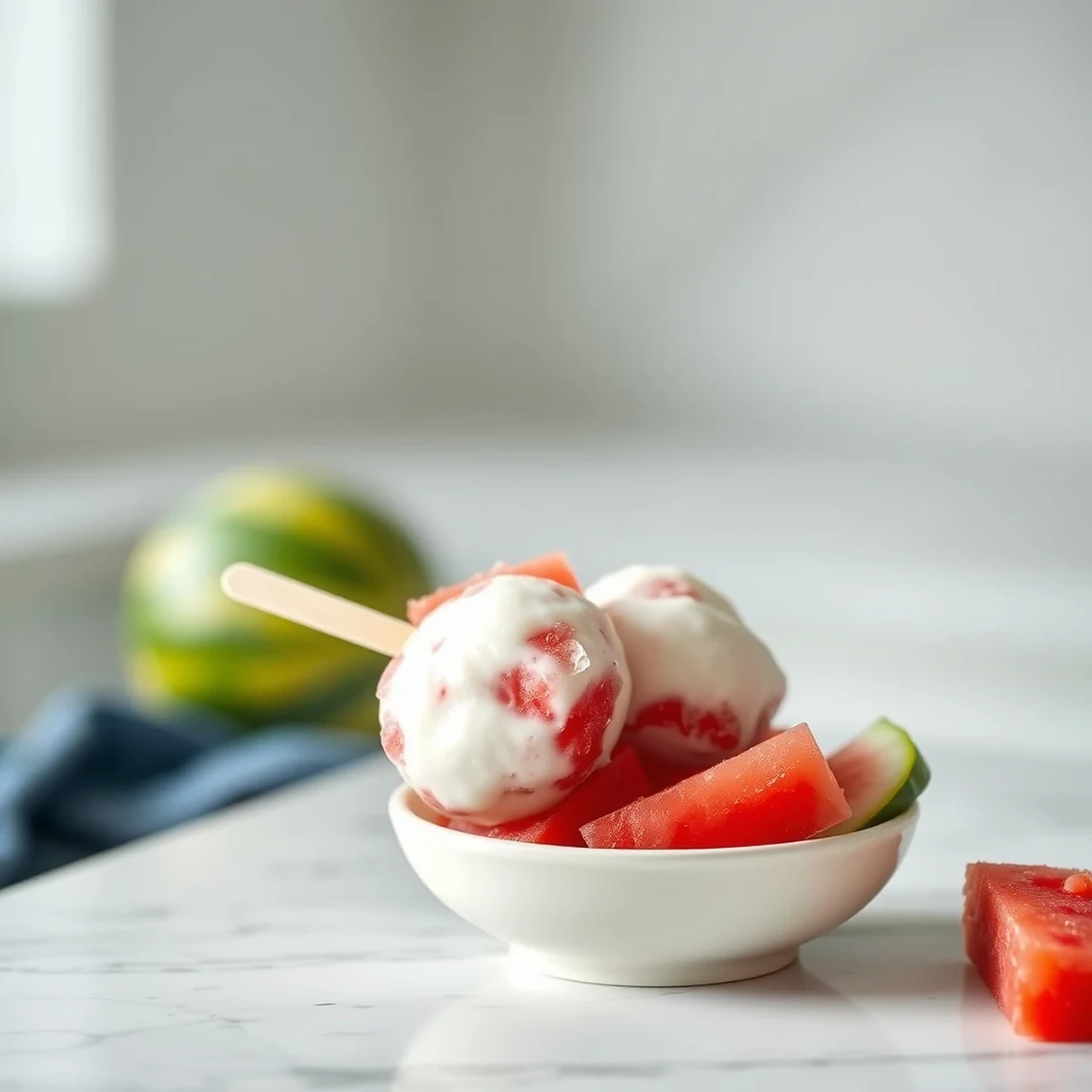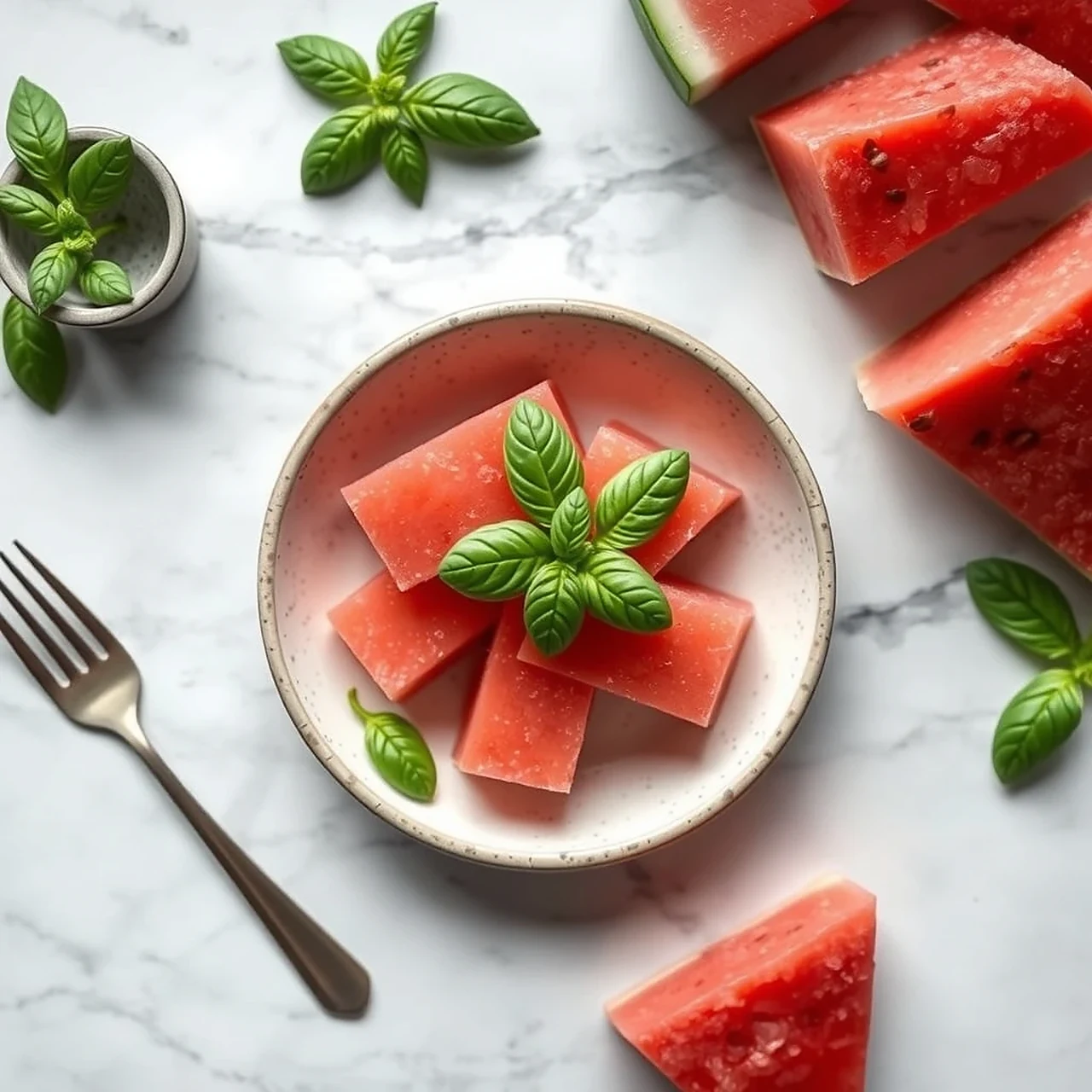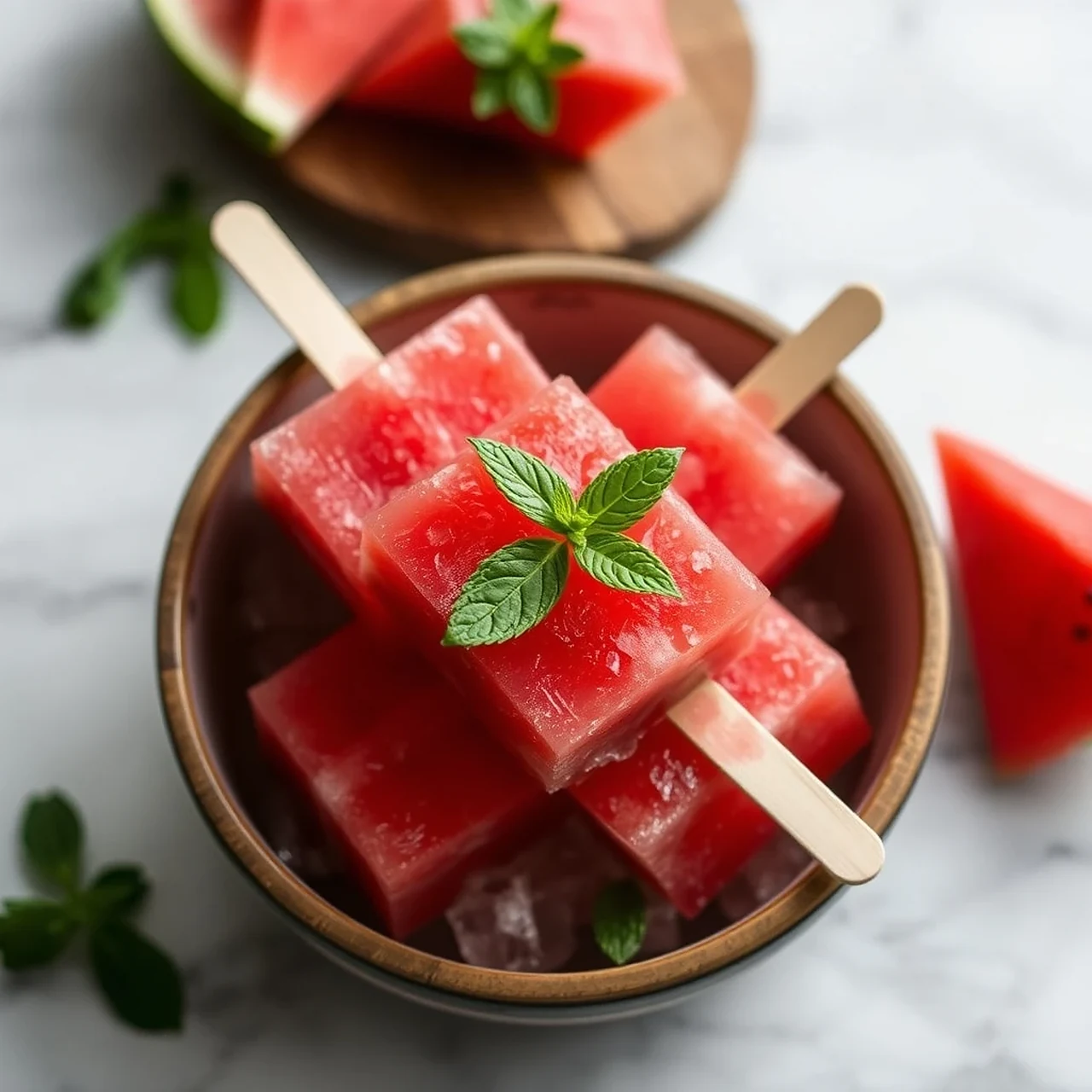


Many dog owners wonder if sharing a small piece of summer fruit is a safe way to give their pet a treat. If you have been asking can dogs eat watermelon, the short answer is that many dogs can enjoy small amounts of properly prepared watermelon, but the details matter. Like any extra food outside a dog's regular diet, watermelon should be introduced thoughtfully and prepared in a way that fits your individual dog's needs. This guide explains what makes watermelon different from other treats, how to offer it safely, why certain parts of the fruit should be avoided, and what owners should consider before sharing it with puppies. The goal is to help you make a more informed choice about adding watermelon to your dog's occasional treats.
Can Dogs Eat Watermelon Safely?
Many dogs can eat watermelon safely when it is offered as a small occasional treat and prepared correctly. Watermelon is mostly made of water and contains natural sugars, which is why many dogs find it appealing on warm days. However, treats should only be a small part of a balanced diet because dogs have different nutritional needs than humans. A fruit that is suitable for one dog may not be the right choice for another, especially when considering factors such as age, overall health, and normal eating habits.
The question is watermelon safe for dogs is not only about the fruit itself but also about how it is served. Plain watermelon flesh is generally the part owners consider offering, while other parts of the fruit can create concerns. Dogs can react differently to new foods, so introducing any new treat gradually and paying attention to how your dog responds is an important part of responsible feeding.

Why Watermelon Can Be Appealing as a Dog Treat
Watermelon is popular with many dog owners because it feels like a simple, fresh food choice compared with many processed treats. Its high water content is one reason people often consider it during warmer weather. The texture can also make it an interesting snack for dogs that enjoy chewing soft foods. Even so, watermelon should not replace a dog's regular meals or be viewed as a necessary part of their diet.
When choosing treats, it helps to think about the overall balance of your dog's daily food intake. A dog that already receives several treats throughout the day may not need additional extras, even if those foods are considered safe. Individual dogs can also have different dietary requirements, so owners should consider their pet's normal diet and personal circumstances before introducing new foods.
How to Prepare Watermelon for Your Dog
Preparation is an important part of safely sharing watermelon with a dog. Owners should focus on offering plain watermelon flesh rather than fruit pieces with added ingredients. Flavored watermelon products, sweetened foods, or desserts made for people may contain ingredients that are not appropriate for dogs. Keeping the treat simple makes it easier to understand what your dog is eating and reduces unnecessary extras.
The seeds and rind are also important considerations. Many owners remove seeds and the tough outer rind before offering watermelon because these parts are not the same as the soft fruit inside. The rind can be difficult for some dogs to chew and digest, while seeds may be an unwanted part of the snack. Careful preparation helps make the experience safer and more comfortable for your pet.
Can Puppies Eat Watermelon?
Many owners ask can puppies eat watermelon because young dogs often seem interested in trying everything their family eats. Puppies have developing digestive systems and specific nutritional needs, so new treats should be introduced with extra care. A small amount of a suitable food may be considered by some owners, but puppies still need a complete diet designed for growth.
When introducing any new treat to a puppy, it is helpful to consider the puppy's age, current diet, and individual needs. A puppy's response to a new food may differ from an adult dog's response. If you are unsure whether watermelon fits into your puppy's routine, discussing food choices with your veterinarian can help you make a decision based on your puppy's specific situation.

Common Mistakes Owners Make When Sharing Watermelon
One common mistake is offering too much of a new treat simply because a dog enjoys the taste. Even foods that are considered suitable for many dogs can be too much when they become a large part of a dog's daily intake. Treats work best when they stay occasional and complement, rather than replace, a balanced diet.
Another mistake is assuming every dog will respond the same way to a food. Dogs vary in size, age, activity level, and dietary needs. Some dogs may handle new treats differently than others. Paying attention to your own dog's needs and asking for professional guidance when you have concerns is a better approach than relying only on general advice.
What to Remember Before Giving Your Dog Watermelon
Watermelon can be a simple occasional treat for many dogs when it is served in a suitable way. The most important points are choosing plain fruit, preparing it carefully, and remembering that treats are only a small addition to a dog's overall eating routine. A healthy diet is built around foods that meet your dog's nutritional needs every day.
If your dog has special dietary considerations, existing health concerns, or you are unsure about adding new foods, your veterinarian can help you understand what choices are appropriate. Feeding decisions are personal because every dog is different, and a safe choice for one pet may not always be the best choice for another.
Can Dogs Eat Watermelon Safely? What Owners Should Know FAQ
Is watermelon safe for dogs to eat every day?
Watermelon is best considered an occasional treat rather than a daily food. Dogs need a balanced diet, and frequent treats should fit within their overall nutritional needs.
Can dogs eat watermelon seeds and rind?
Owners generally remove seeds and rind before offering watermelon because these parts are different from the soft fruit and may not be suitable for every dog.
Can puppies eat watermelon safely?
Some puppies may be able to have small amounts of prepared watermelon, but puppies have special nutritional needs, so new treats should be considered carefully.
How should I introduce watermelon to my dog?
Introduce new foods thoughtfully by offering a small amount and considering your dog's individual response, diet, and overall care needs.