

Many dog owners wonder can dogs eat turkey safely, especially when turkey appears during family meals or holiday celebrations. Turkey is a common source of protein in many human diets, and it can be tempting to share a small piece with a dog who is watching closely. The answer depends less on turkey itself and more on how it is prepared, what parts are offered, and the individual dog receiving it. This guide explains what owners should know about dogs and turkey meat, including why plain turkey may be different from seasoned leftovers, what ingredients can create concerns, and why gradual, thoughtful choices matter. Every dog has different nutritional needs, so turkey should be considered as part of an overall feeding routine rather than a replacement for a complete diet.
Plain Turkey Can Be Suitable for Many Dogs When Prepared Carefully
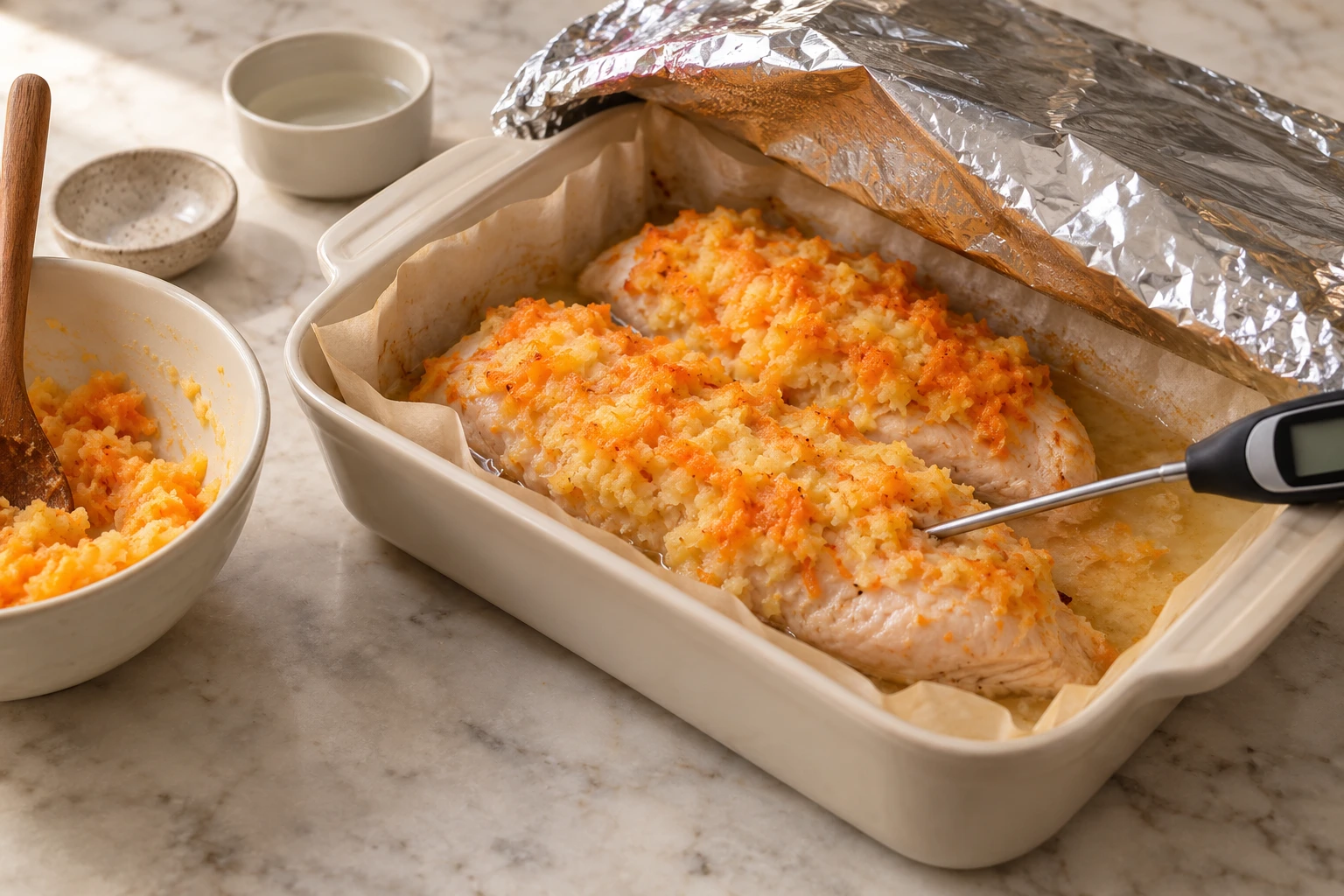
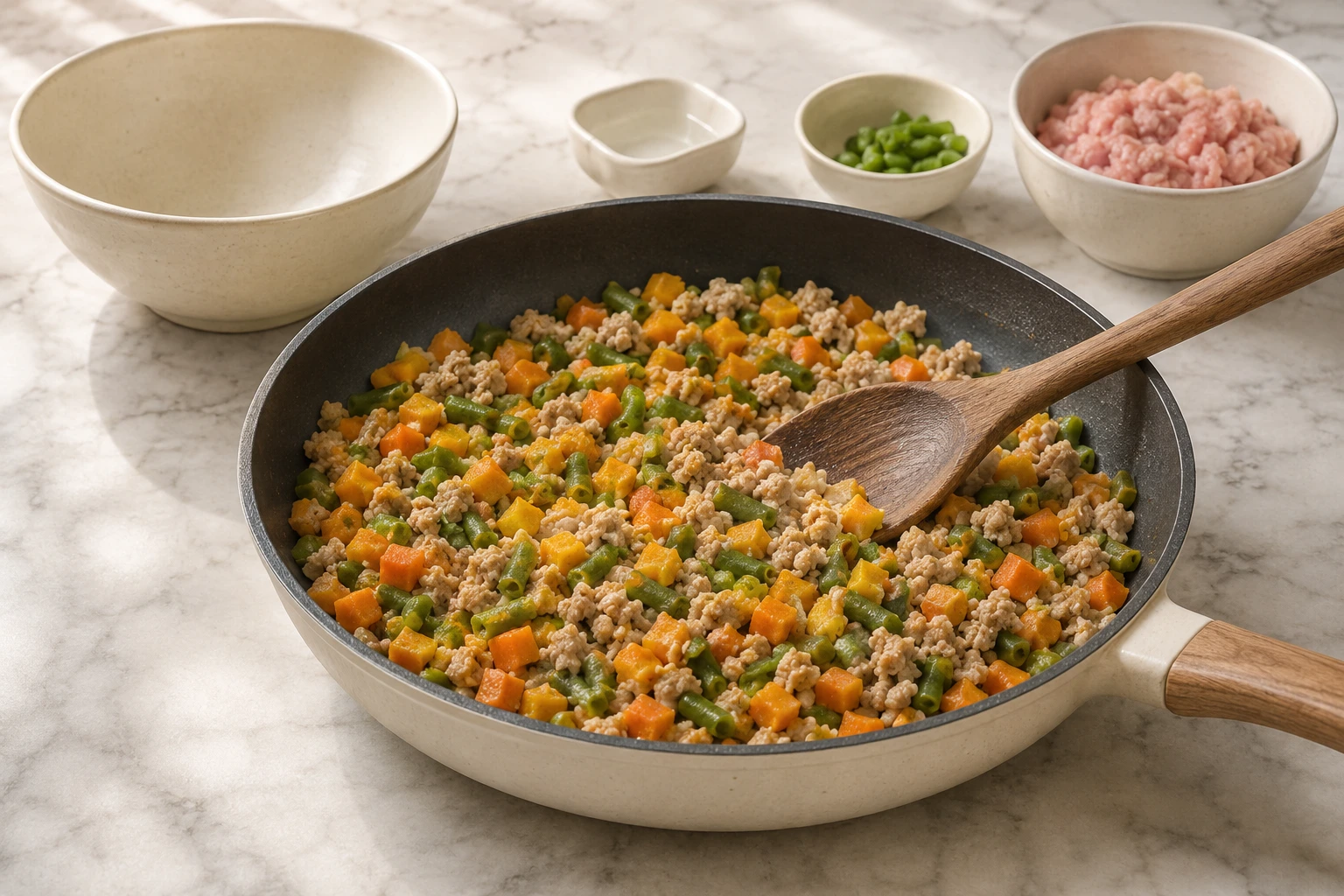
When owners ask is turkey safe for dogs, the most important detail is preparation. Plain, fully cooked turkey meat without added seasonings or rich ingredients is generally considered a food many dogs can eat as part of a balanced feeding plan. Turkey provides protein and other nutrients that are useful components of many diets, but a single ingredient does not make a complete meal on its own. Dogs need a properly balanced diet that matches their age, size, activity level, and individual needs.
The type of turkey matters because many human recipes include ingredients that are not chosen with dogs in mind. A simple piece of unseasoned turkey is very different from a slice of heavily seasoned holiday turkey, a sandwich filling, or a dish prepared with sauces and fats. Owners should focus on the full recipe rather than only the main ingredient. A dog eating turkey should receive food prepared with their needs in mind, especially if the food is being offered regularly.

Why Seasoned Turkey and Holiday Leftovers Need More Care
Many questions about can dogs eat turkey come from situations where a dog has access to leftovers. The concern is usually not the turkey meat itself, but the extra ingredients added during cooking. Turkey dishes may contain seasonings, rich sauces, fatty skin, or other additions that are not appropriate for every dog. These extras can change a simple protein source into something much harder for a dog's digestive system to handle.
Owners should remember that dogs do not experience food the same way people do. A meal that feels like a small treat from the family table can represent a very different nutritional choice for a dog. Foods prepared for people often contain combinations of ingredients that are difficult to evaluate from a dog's perspective. Offering a separate plain portion made specifically for the dog is usually easier to manage than sharing a finished human meal.
Turkey Bones, Skin, and Fatty Parts Require Extra Attention
Dogs and turkey meat can become a more complicated topic when bones, skin, and fatty portions are involved. Turkey bones can create concerns because cooked bones may become brittle and behave differently from raw bones. Pieces of bone can pose risks if a dog swallows them, which is why many owners choose to avoid giving dogs turkey bones altogether. The safest choices depend on the individual situation and should be discussed with a veterinarian when there are concerns.
Turkey skin and fatty portions are another consideration because they add more richness than plain meat. Some dogs may tolerate different foods better than others, while some may be more sensitive to changes in their diet. A responsible feeding approach considers the whole dog, including their normal eating habits and any existing dietary needs. Foods that are enjoyable for humans are not automatically suitable additions to every dog's routine.

How Turkey Fits Into a Dog's Overall Feeding Routine
Understanding can dogs eat turkey safely also means looking beyond one food. Turkey may be a food some owners choose to offer occasionally, but it should fit alongside a complete and balanced diet. A dog's main nutrition should come from food designed to meet their needs, while additional foods are considered within the bigger picture of their daily eating pattern.
Every dog responds differently to changes in food. Age, lifestyle, body condition, and individual sensitivities all influence what works well for a particular animal. A food that suits one dog may not be the right choice for another. This is why owners should make feeding decisions based on their own dog's circumstances rather than assuming every dog will react in the same way.
Introducing Turkey Thoughtfully and Watching Your Dog's Response
When adding any new food, including turkey, owners should pay attention to how their dog responds. Changes in diet can affect dogs differently, and individual tolerance varies. A careful approach means considering turkey as a new addition rather than immediately making it a large part of the feeding routine. This helps owners make more informed choices about what belongs in their dog's diet.
Questions about food are often connected to a dog's broader health and nutrition needs. If an owner is unsure whether turkey fits their dog's situation, especially when the dog has specific dietary considerations, a veterinarian can provide guidance based on that individual animal. General feeding information can help owners understand options, but personalized advice always depends on the dog being considered.
Can Dogs Eat Turkey Safely? What Owners Should Know FAQ
Can dogs eat turkey breast?
Dogs can eat plain cooked turkey breast in many situations, but it should be prepared without ingredients that may not suit dogs. Individual dietary needs vary, so owners should consider their dog's overall feeding plan.
Is turkey safe for dogs during holidays?
Turkey during holidays requires extra care because festive recipes often include seasonings, rich ingredients, sauces, or other additions. Plain turkey prepared separately is a different choice from leftovers.
Can dogs eat turkey skin?
Turkey skin contains more fat and is not the same as plain turkey meat. Owners should consider their dog's individual needs and discuss diet questions with a veterinarian when unsure.
Can dogs eat turkey leftovers?
Turkey leftovers may contain ingredients that make them unsuitable for dogs, including seasonings and rich foods. Owners should check what was added before considering whether any portion is appropriate.