

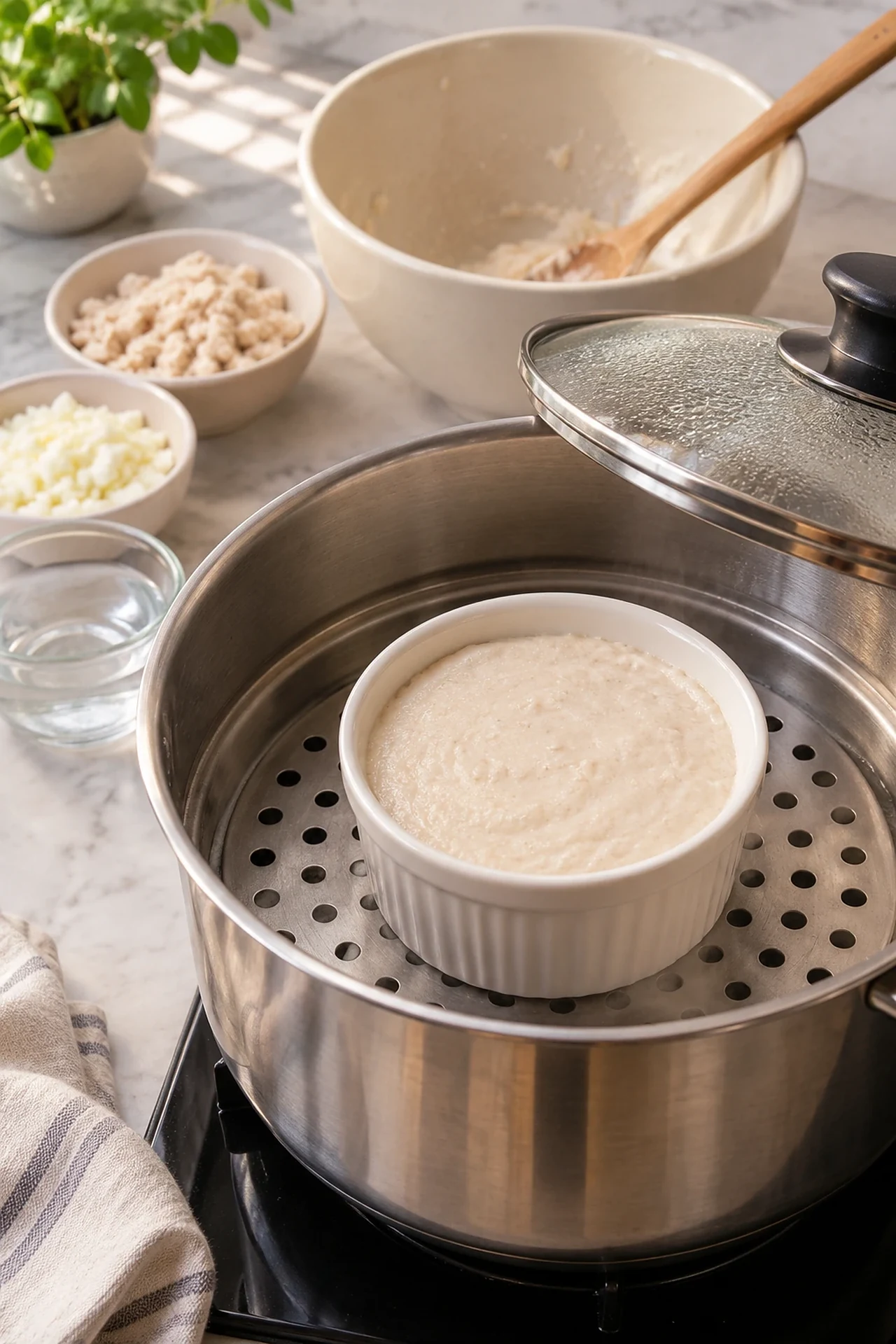
This steamed turkey and egg white custard makes a soft, savory supplemental treat for cats who enjoy tender textures. Plain turkey breast provides the main flavor, while fully cooked egg white helps the mixture set without dairy, salt, oil, or seasoning. Blending everything before steaming creates a smooth custard that is easy to portion into tiny spoonfuls. The recipe is simple, but careful food handling is still important. Use boneless, skinless turkey cooked completely through, fully cooked egg white, and clean water. Let the custard cool completely before serving, offer only modest portions, and remember that homemade treats like this should never replace a nutritionally complete feline diet.
Safety first: Every cat is different: age, allergies, and health conditions all matter, so check with your vet when in doubt.
Foods to avoid
Do not use raw or undercooked turkey, raw egg white, turkey skin, bones, deli turkey, smoked turkey, seasoned leftovers, gravy, broth containing onion or garlic, butter, oil, salt, milk, cream, cheese, or other flavorings. This custard is a supplemental treat only and is not formulated to replace complete and balanced cat food.
Ingredients
Instructions
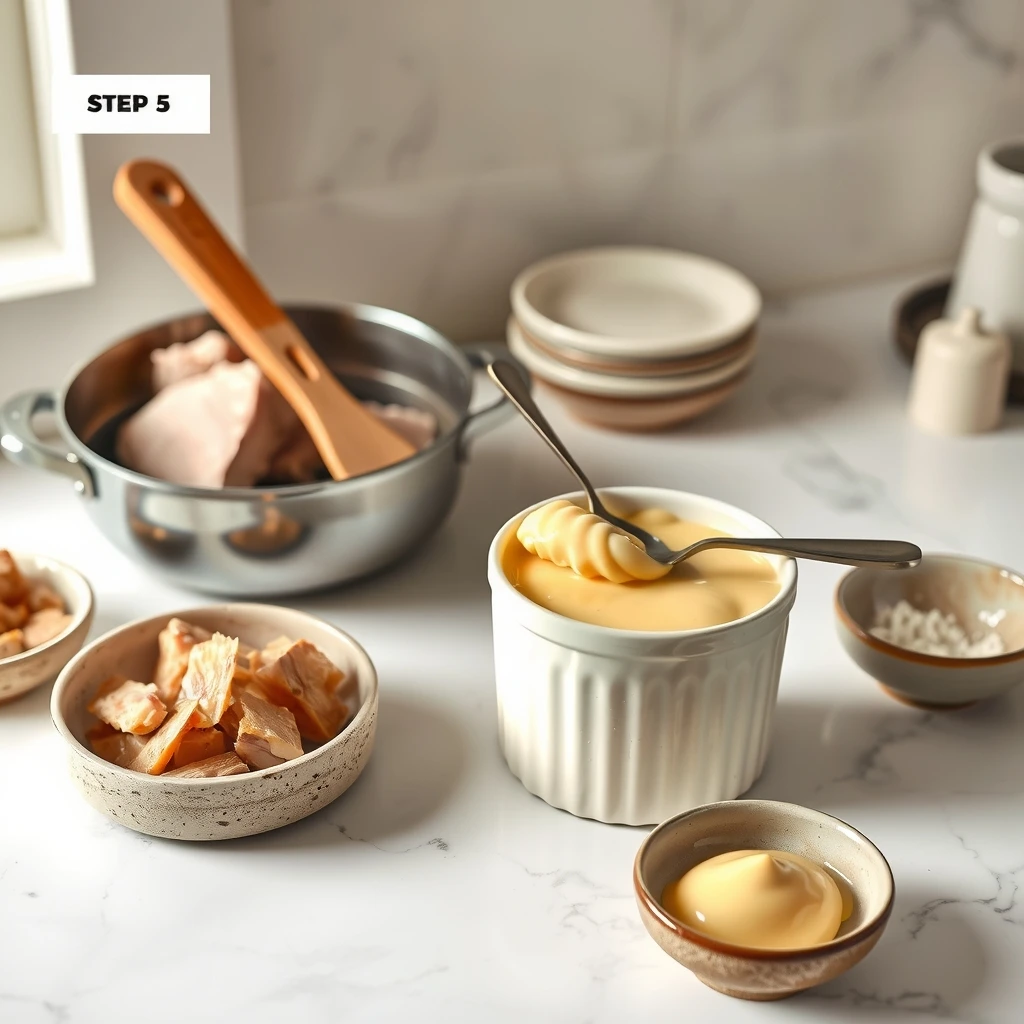
Cook and mince the turkey: Cook the boneless, skinless turkey breast completely through using plain water or a dry nonstick pan, with no salt, oil, butter, herbs, onion, garlic, or other seasoning. Let it cool enough to handle, mince it very finely, then measure 1/2 cup and place it in a small preparation bowl.
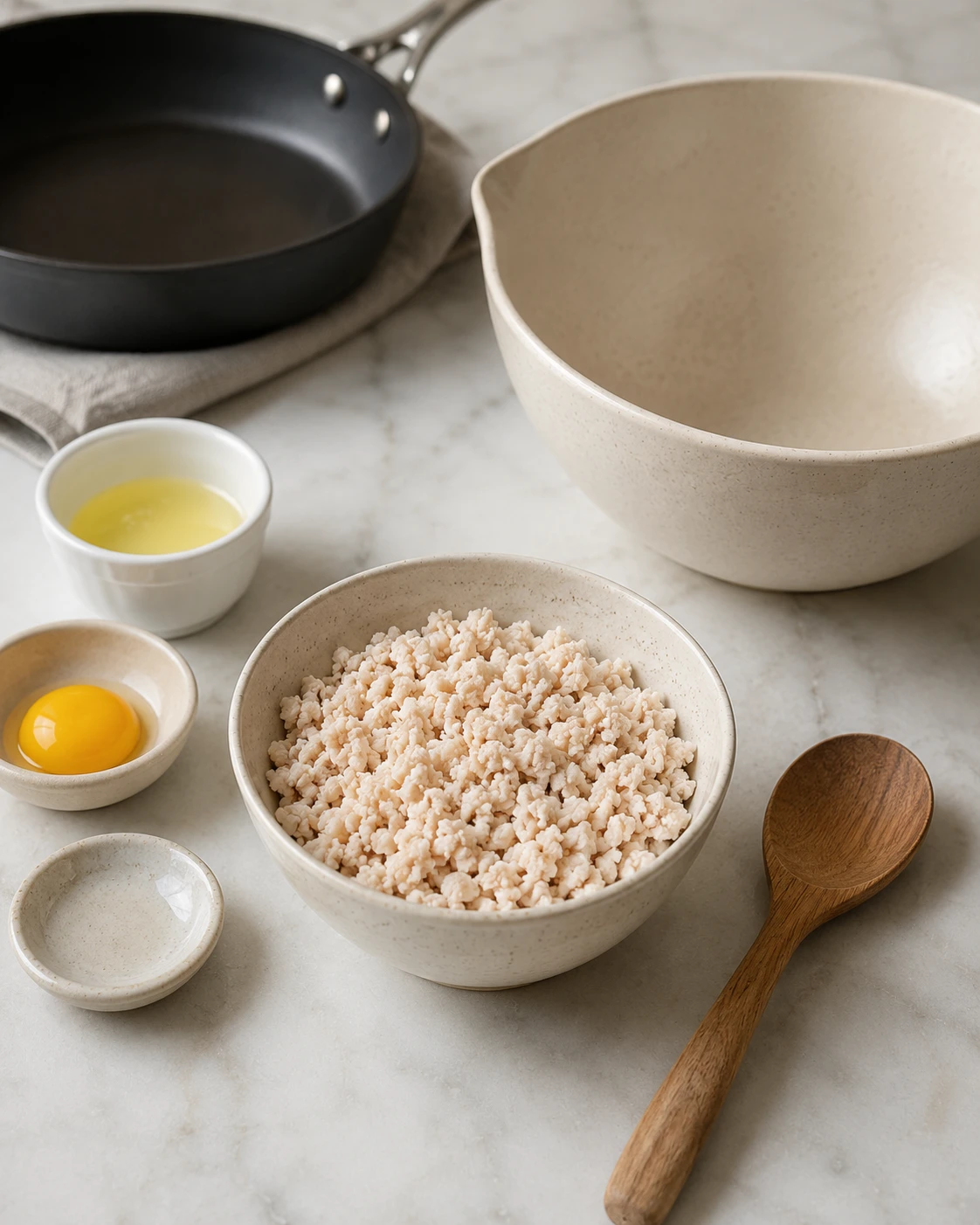
Prepare the egg whites: Cook the egg whites until completely firm, with no translucent or runny areas remaining. Let them cool, chop them into small pieces so they blend evenly, then add them to the bowl with the minced turkey, keeping shells and yolk out of the mixture.
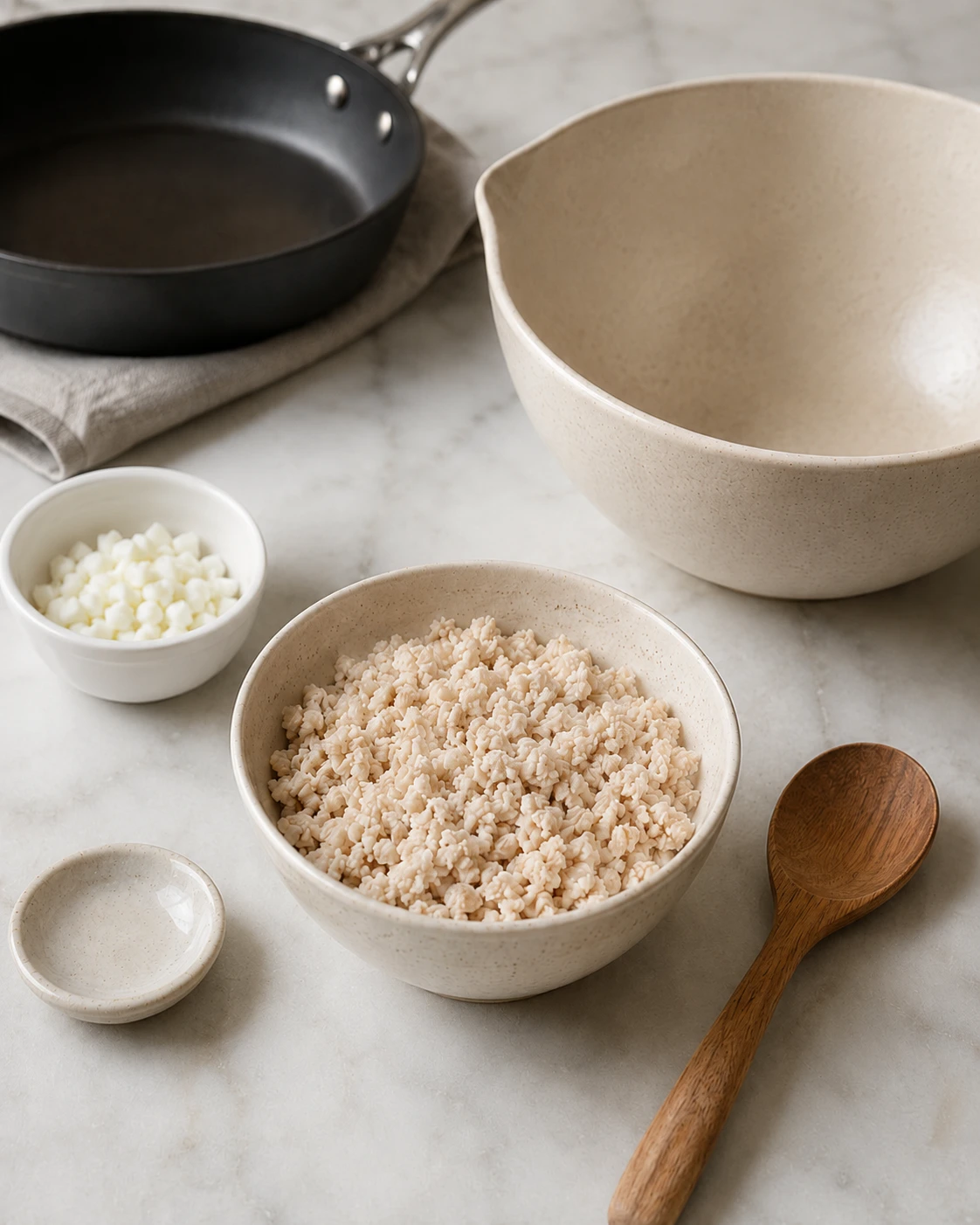
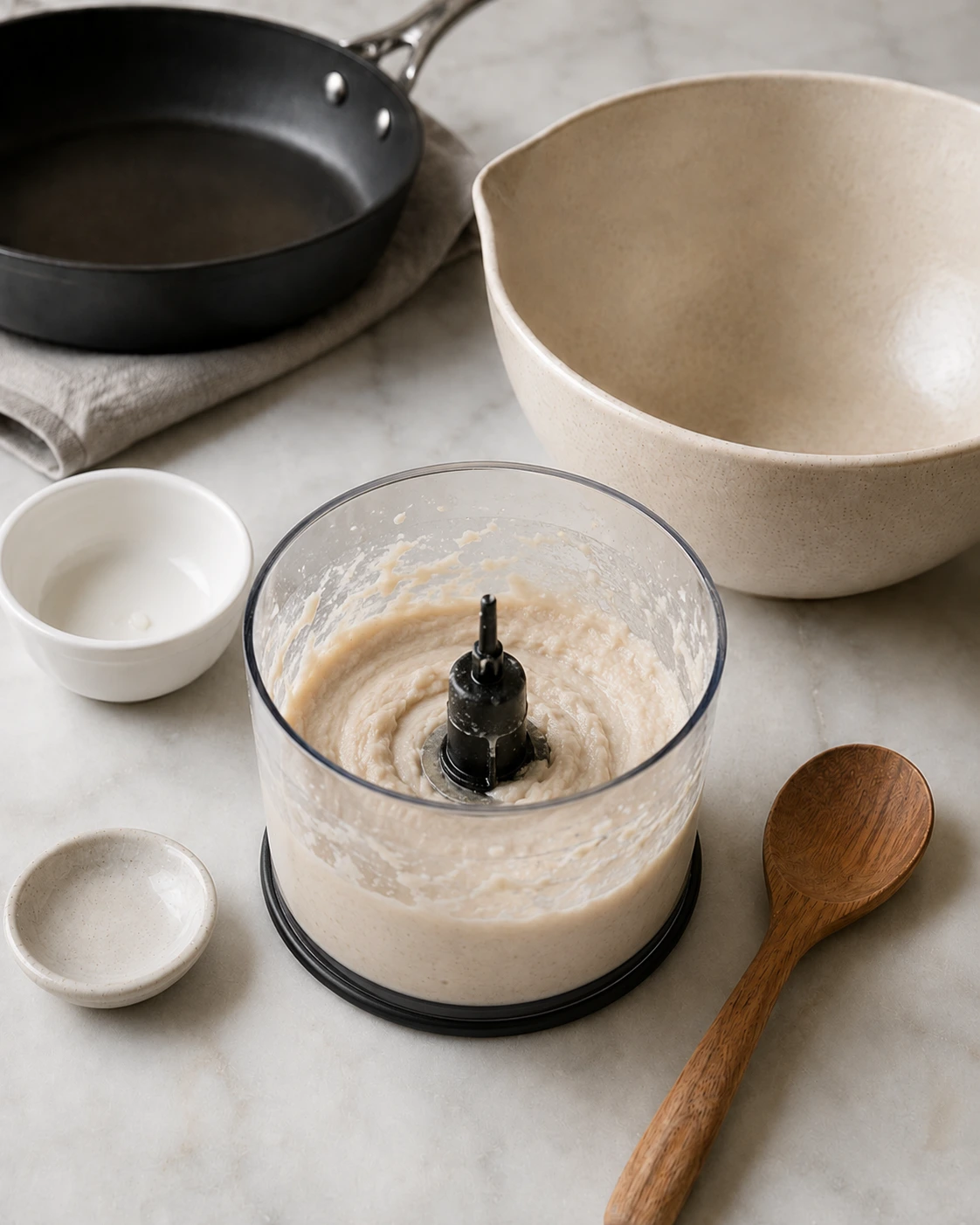
Blend until smooth: Transfer the cooked turkey and egg whites to a small food processor, add 1/3 cup cool water, and blend in short bursts until smooth, thick, and still spoonable. Scrape down the sides as needed, and if the mixture remains unusually stiff, blend in the additional teaspoon of water rather than making it watery.
Steam the custard: Spoon the blended mixture into the ramekin and smooth the top. Set the ramekin on a steamer basket or heat-safe rack above gently simmering water, making sure the water does not splash into the dish, then cover and steam gently for about 10 to 12 minutes until the mixture feels set and holds together when lightly pressed with a spoon.
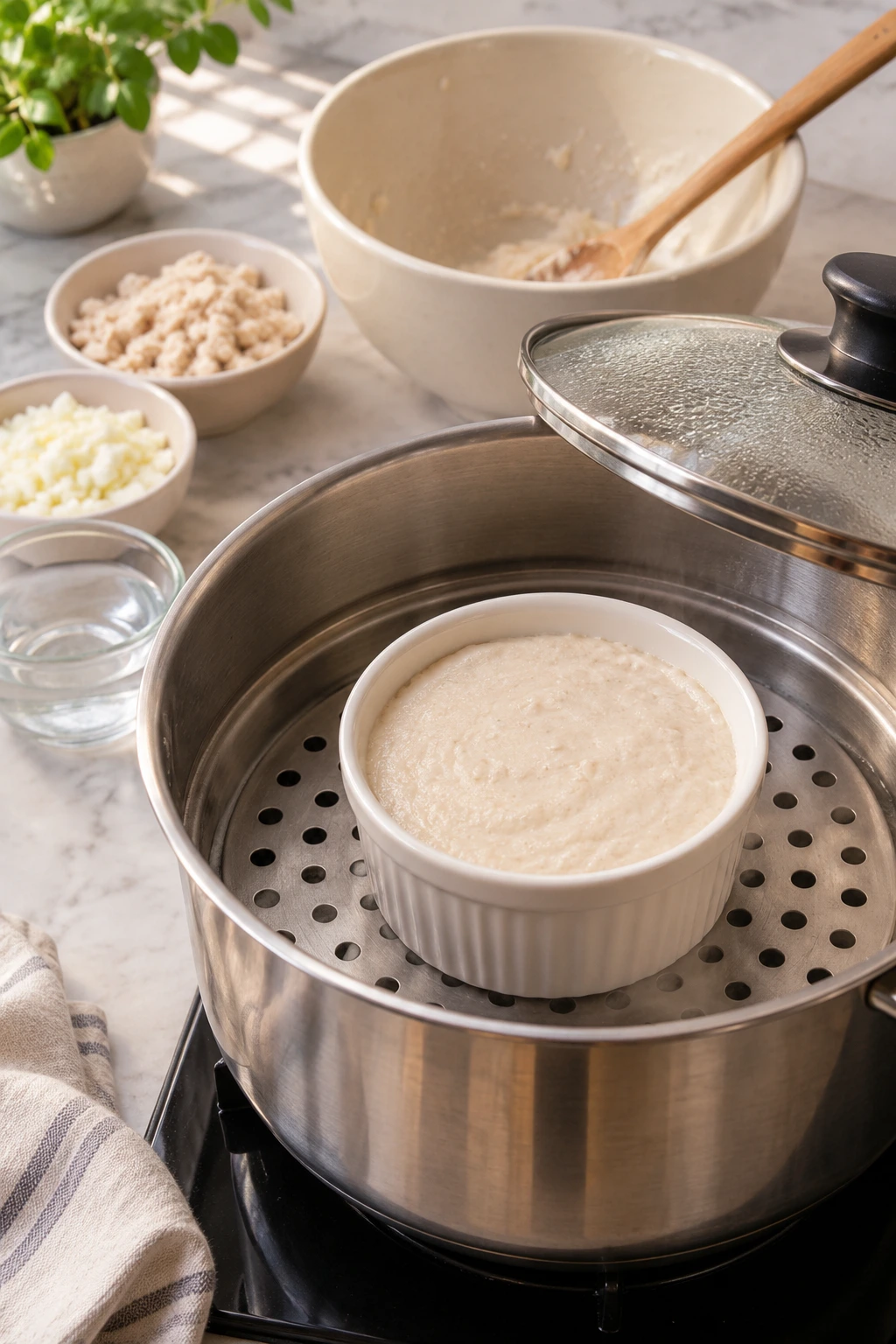
Cool and portion: Carefully remove the ramekin from the steamer and let the custard cool completely. Once cold, check that it is softly set and easy to break with a teaspoon, then scoop only a tiny spoonful for serving and refrigerate the remaining custard promptly in a clean covered container.
Made this recipe?
Tap the paw so other pet parents know it’s worth making.
Be the first to make it
Tips & serving
Serve the custard completely cooled and begin with a very small spoonful rather than offering the ramekin as a meal. Treats should remain a limited addition to a nutritionally complete cat food. Individual calorie needs and tolerances vary, so discuss major diet changes or frequent homemade additions with your veterinarian.
- The soft spoonable texture makes very small treat portions easy to measure.
- The short ingredient list makes it simple to see exactly what the treat contains.
- Steaming creates a different homemade texture without relying on dairy, gelatin, or freezing.
- Mince the cooked turkey before blending so the processor can create a smoother, more consistent custard texture.
- Keep the steaming water at a gentle simmer because aggressive boiling can splash water into the ramekin.
- Let the custard cool all the way through before judging its texture or offering any portion to your cat.
Storage
Discard any portion that has been left at room temperature for an extended period or that develops an unusual smell, color, or surface texture. For easier portion control, store the custard in one covered container and scoop out only what you plan to serve, rather than repeatedly returning a used feeding spoon to the stored batch.
Substitutions
Plain fully cooked chicken breast can replace the turkey in the same measured amount if your cat already eats chicken comfortably. Keep it boneless, skinless, unseasoned, and free from cooking sauces, brines, onion, and garlic. If the blended mixture is too thick, use a small amount of additional plain water rather than milk, cream, broth, or flavored cooking liquid, which may introduce unnecessary fat, sodium, seasonings, or unsafe ingredients.
Cats recipe FAQ
Can Steamed Turkey and Egg White Custard for Cats replace my cat's regular diet?
Treat it as an occasional extra, not a meal plan. Serve the custard completely cooled and begin with a very small spoonful rather than offering the ramekin as a meal. Treats should remain a limited addition to a nutritionally complete cat food.
Can cats have turkey?
This recipe uses turkey in a small, cat-appropriate amount. Skip it if your cat has a known sensitivity, and read the foods-to-avoid note on this page before serving.
How should I store leftovers?
Refrigerate the completely cooled custard in a clean airtight container and use it within two days. Discard any portion that has been left at room temperature for an extended period or that develops an unusual smell, color, or surface texture.
What's the safest way to try this with my cat?
Offer a small amount beside regular food, introduce one new recipe at a time, and watch appetite, stool, skin, and behavior for a day or two.
Can this turkey custard replace my cat's regular food?
No. This recipe is intended only as a small supplemental treat and does not contain the full balance of nutrients required for a complete feline diet. Keep your cat's regular complete food as the dietary foundation, and discuss any major diet changes with your veterinarian.
Why are both the turkey and egg white cooked before blending?
Cooking both ingredients first makes the preparation straightforward and avoids serving raw poultry or raw egg. The cooked proteins are then blended with water and gently steamed again to create the soft, cohesive texture that makes this recipe different from ordinary pieces of turkey.
Sources