This easy bird pilaf combines chewy-tender barley with finely chopped squash and colorful vegetables for a fresh snack with more texture than a soft mash. Keeping the pieces small and separate also makes it easy to scatter a little through a clean foraging dish, giving your bird something interesting to pick through. The barley is cooked completely plain, while the squash is steamed just until tender enough to nibble without turning mushy. Red bell pepper adds color and a softer crunch after brief steaming. Serve the pilaf fully cooled or only slightly warm, and offer it as a small fresh-food extra rather than a complete diet. Major diet changes should always be discussed with your veterinarian.
Safety first: Every bird is different: age, allergies, and health conditions all matter, so check with your vet when in doubt.
Foods to avoid
Keep the recipe completely free from salt, butter, cooking oil, sauces, stock, sugar, garlic, onion, avocado, and seasoning blends. Use plain fresh vegetables only, and make sure all produce, utensils, and feeding dishes are clean before preparation.
Ingredients
Instructions
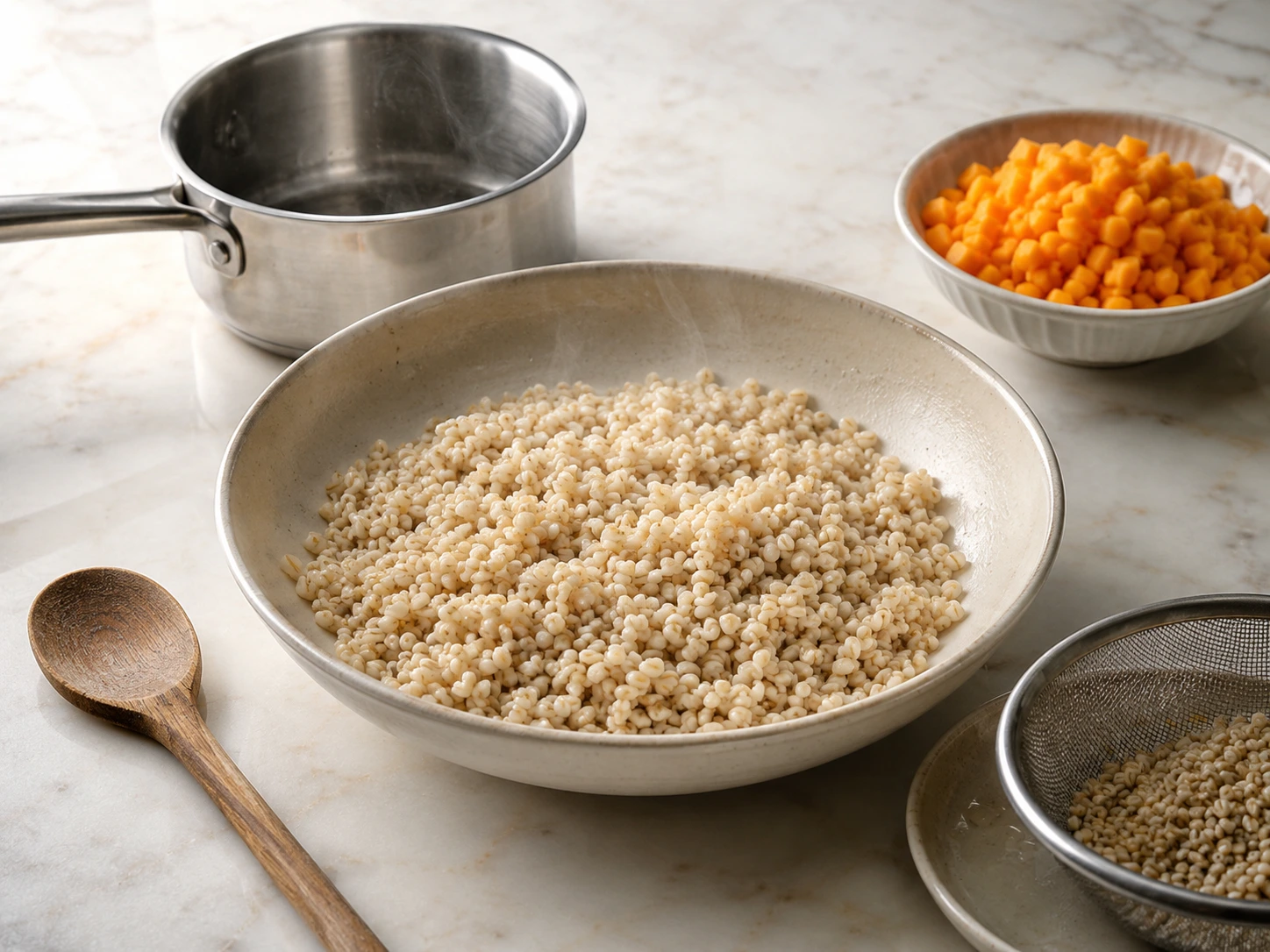
Cook the barley: Rinse the barley thoroughly under cool running water, then add it to a small saucepan with one cup of fresh water. Bring it to a gentle boil, reduce the heat, cover, and cook until the grains are fully tender but still hold their shape, without adding salt, butter, oil, broth, seasoning, or sweeteners. Drain any remaining water and spread the barley in the ceramic bowl so excess steam can escape while you prepare the vegetables.
Prepare the vegetables: Peel the squash and cut it into very small, even pieces that your bird can pick up comfortably. Remove the bell pepper stem, seeds, and pale inner ribs, then dice the pepper slightly smaller than the squash; wash the cilantro carefully and chop only the leaves and tender stems. Keeping everything small helps distribute the vegetables through the barley and reduces the chance that your bird picks out only one large favorite piece.
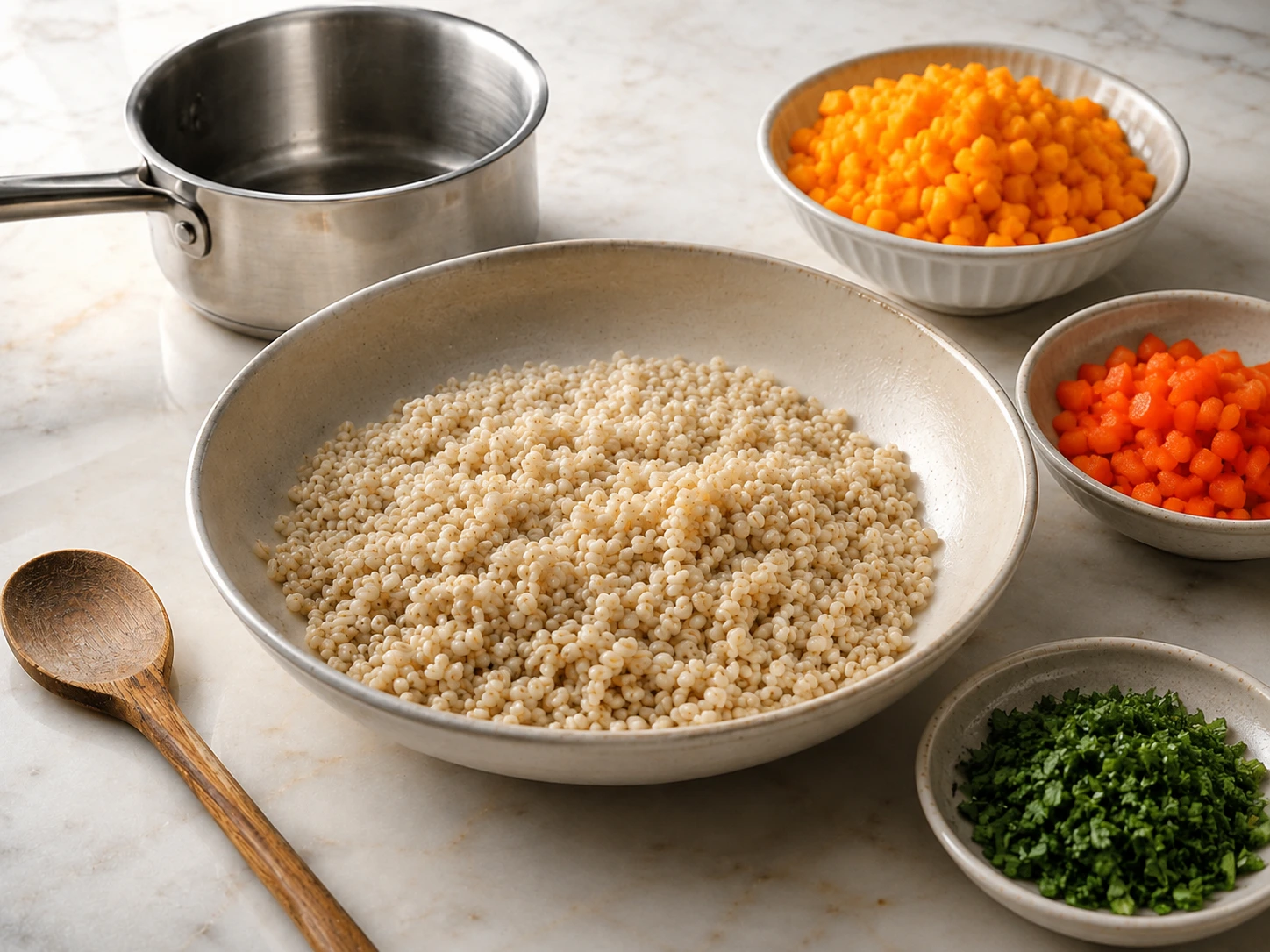
Lightly steam the squash: Place the diced squash in the steamer basket over a small amount of simmering water and steam until the pieces are tender when pressed with a fork but not collapsing. Add the diced red bell pepper during the final minute or two so it softens slightly while keeping some texture. Remove the vegetables from the heat promptly and let any surface moisture evaporate before combining them with the grain.
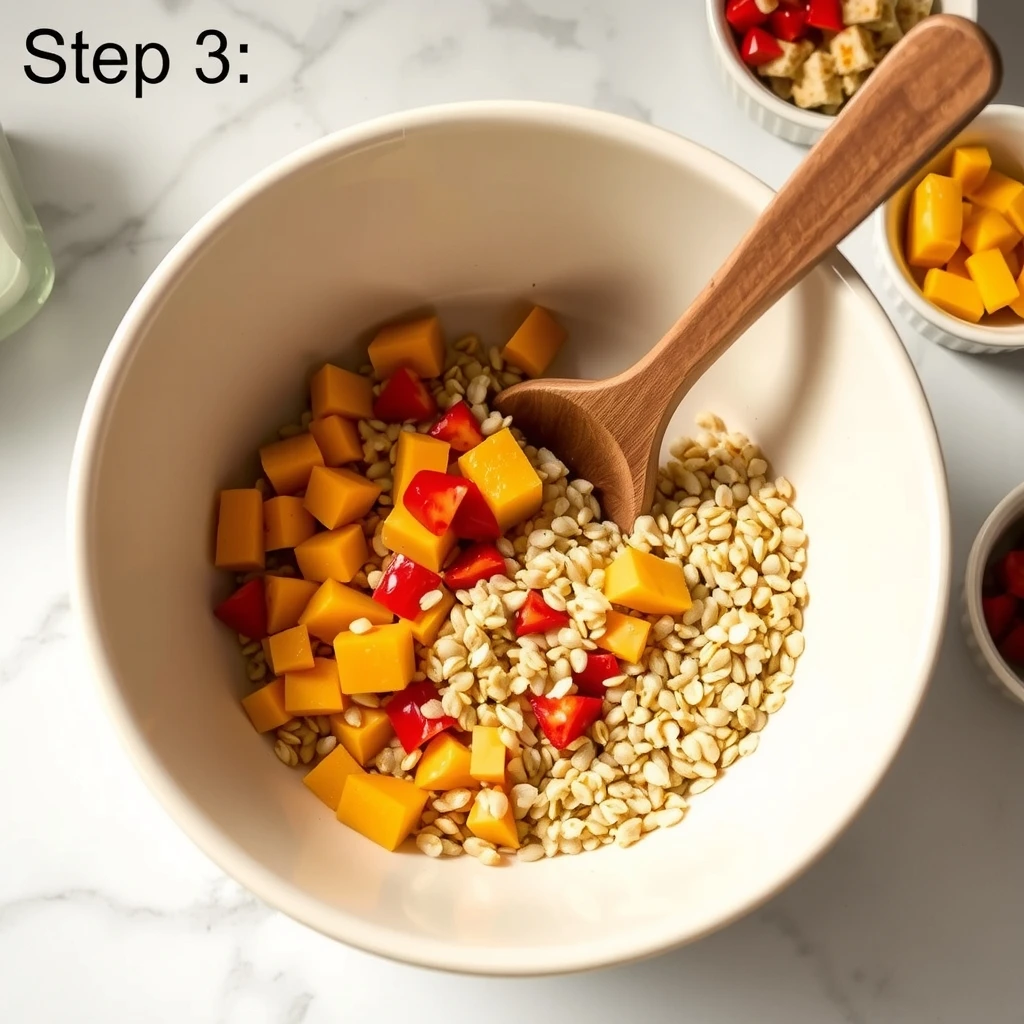
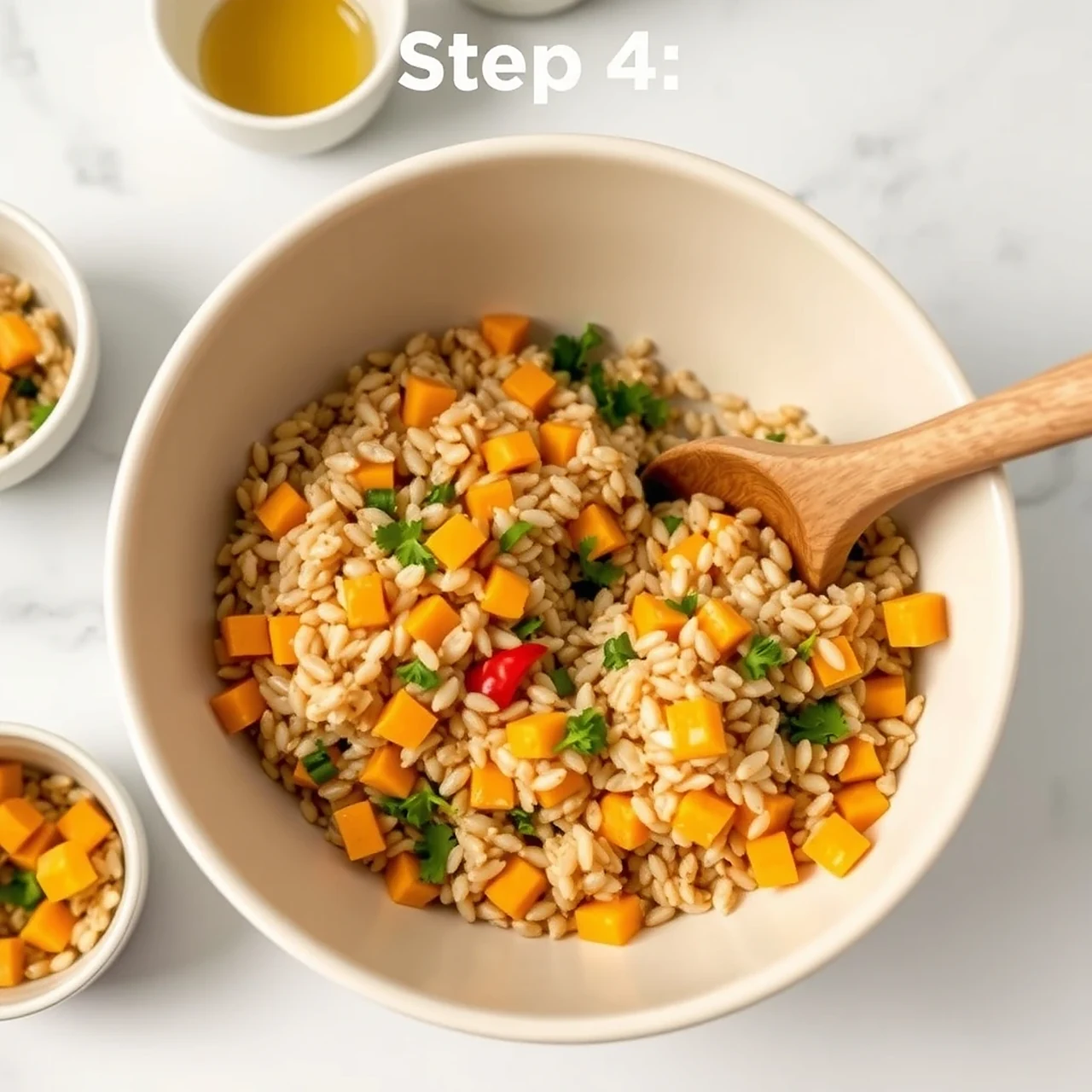
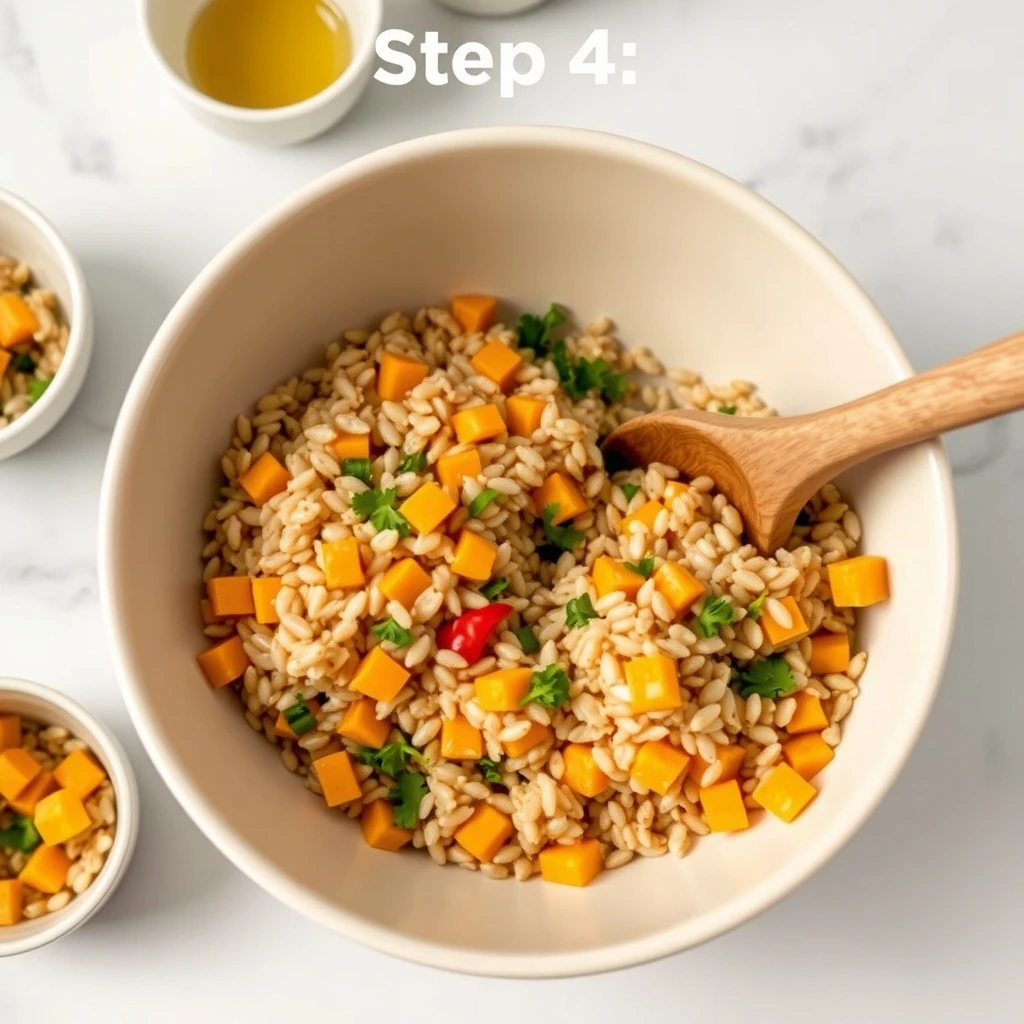
Fold into a loose pilaf: Make sure the barley and vegetables are no hotter than lukewarm, then add the steamed squash and pepper to the barley and sprinkle in the finely chopped cilantro. Fold everything together gently with a spoon rather than stirring aggressively so the mixture stays loose, with individual grains and small vegetable pieces still visible instead of becoming sticky or mashed. If condensation has collected in the bowl, let the pilaf cool uncovered for several minutes.
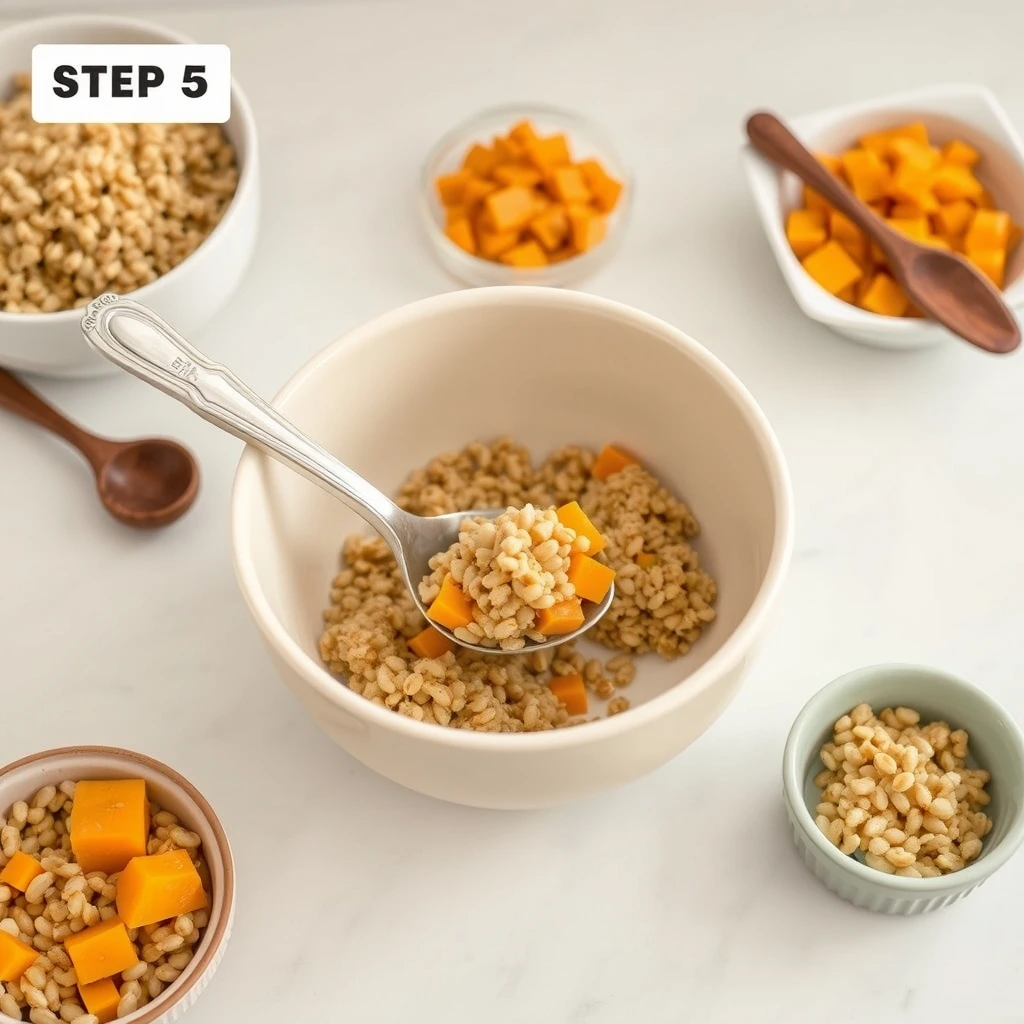
Cool and portion: Allow the pilaf to cool fully or reach a barely warm temperature before serving, then spoon only a small portion into a clean bird-safe food dish and refrigerate the rest immediately. Do not leave the fresh mixture sitting in the cage for long periods, especially in a warm room. Remove uneaten pilaf promptly and wash the dish before the next feeding so damp grain and vegetables are not allowed to spoil.
Made this recipe?
Tap the paw so other pet parents know it’s worth making.
Be the first to make it
Tips & serving
Offer a small spoonful as an occasional fresh-food snack alongside your bird's usual nutritionally balanced diet, adjusting the portion to the species and individual bird rather than filling the food bowl with pilaf. Remove uneaten fresh food promptly. If you want to make a significant change to your bird's regular diet or feeding routine, discuss it with your veterinarian first.
- The loose texture encourages birds to pick through several distinct grain and vegetable pieces instead of receiving one uniform mash.
- Batch cooking the plain barley creates a convenient fresh-food base that can be portioned carefully without adding salt, oil, or seasoning.
- Cook the barley until tender but stop before the grains split excessively, because distinct grains produce the intended loose pilaf texture.
- Dice the squash and pepper according to your bird's size so each piece is easy to grasp, investigate, and eat comfortably.
- Let both the grain and vegetables release excess steam before mixing, since trapped moisture can turn the finished pilaf unnecessarily wet.
- Introduce unfamiliar fresh ingredients gradually and observe what your individual bird actually eats rather than assuming every bird will accept the same foods.
Storage
Discard any portion that smells sour, becomes unusually wet or sticky, or has already been offered in the cage. For easier portion control, refrigerate the batch in a shallow container so it cools quickly, then remove only the amount needed for each serving with a clean spoon.
Substitutions
If butternut squash is unavailable, another plain cooked winter squash such as acorn squash can be used after removing the rind and seeds and cutting the flesh into similarly small pieces. If cilantro is not a familiar food for your bird, simply leave it out rather than replacing it with a seasoned herb blend. The barley, squash, and bell pepper are enough to maintain the pilaf texture.
Birds recipe FAQ
Is this snack a complete meal for my bird?
Treat it as an occasional extra, not a meal plan. Offer a small spoonful as an occasional fresh-food snack alongside your bird's usual nutritionally balanced diet, adjusting the portion to the species and individual bird rather than filling the food bowl with pilaf.
Can birds have squash?
This recipe uses squash in a small, bird-appropriate amount. Skip it if your bird has a known sensitivity, and read the foods-to-avoid note on this page before serving.
How do I store this snack?
Cool the pilaf promptly, transfer it to a clean airtight container, and refrigerate it for up to two days. Discard any portion that smells sour, becomes unusually wet or sticky, or has already been offered in the cage.
What's the safest way to try this with my bird?
Offer a small amount beside regular food, introduce one new recipe at a time, and watch appetite, stool, skin, and behavior for a day or two.
Can I use hulled barley instead of pearled barley?
Yes, provided it is cooked completely plain and until comfortably tender, but hulled barley usually takes longer to soften. Check the texture before mixing it with the vegetables. The finished grains should be easy for the bird to bite without being hard, dry, or heavily chewy.
Can I serve the pilaf straight from the refrigerator?
A refrigerated portion can be allowed to lose some of its chill before serving. It should be cool or only slightly warm, never hot. Avoid repeatedly warming and refrigerating the same portion. Take out only what you plan to offer and discard food that has already been sitting in the cage.
Sources