

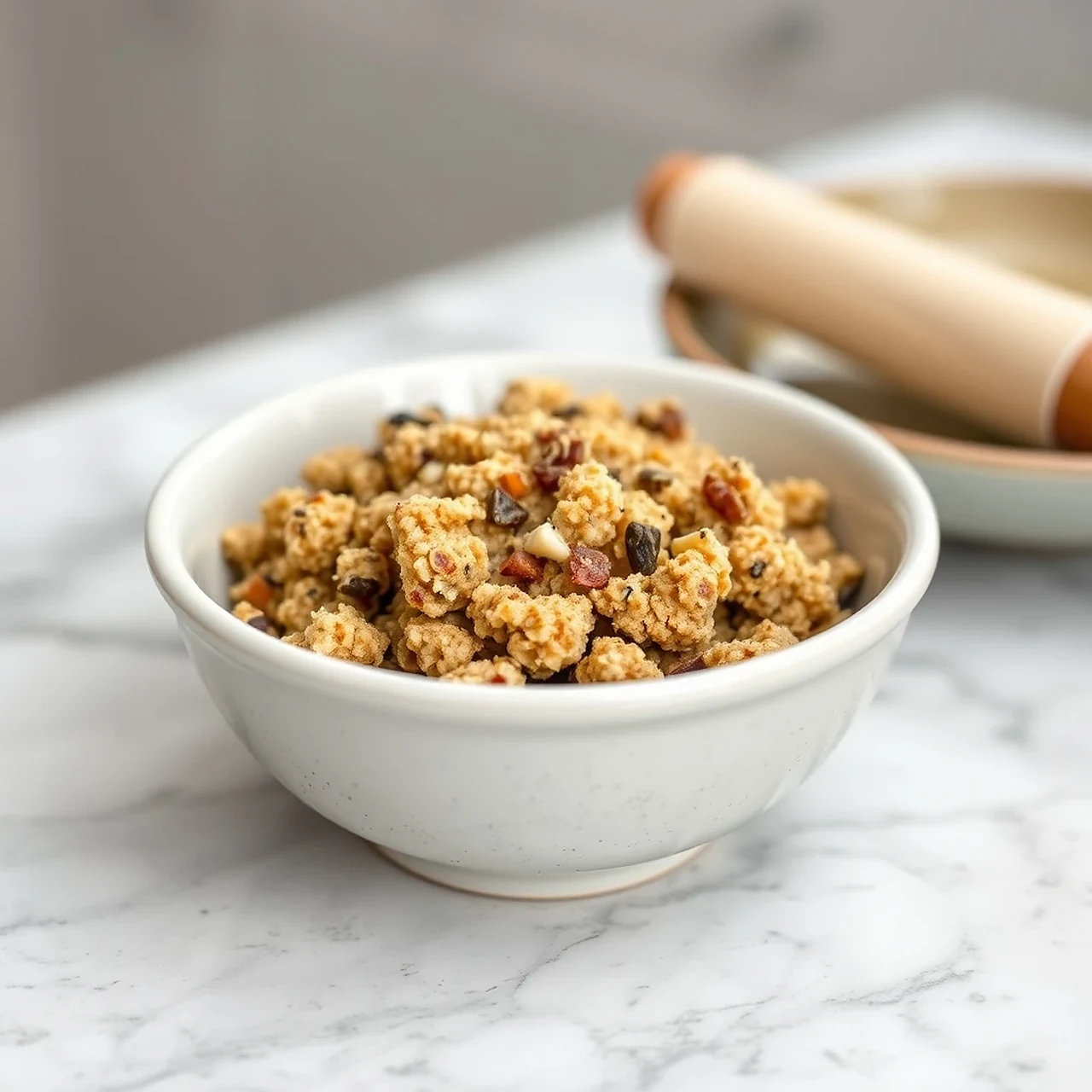
Providing supplemental food for wild birds can be a rewarding way to connect with nature right in your backyard. Among the most beneficial offerings is suet, a high-energy fat source that helps birds maintain their body temperature, especially during colder months, and provides essential fuel for breeding seasons. While store-bought options are available, crafting your own suet blocks ensures you know exactly what your feathered visitors are consuming, free from fillers or unwanted additives. This recipe for Savory Cornmeal Suet Blocks is designed to be straightforward and effective. It combines rendered beef suet with cornmeal, oats, and unsalted peanut butter, creating a dense, calorie-packed snack that appeals to many suet-loving species like woodpeckers, chickadees, nuthatches, and jays. The cornmeal and oats provide carbohydrates for quick energy, while the suet and peanut butter offer crucial fats and proteins. Creating these homemade blocks is not only an enjoyable activity but also a practical way to support local wildlife. Always ensure your feeding stations are clean and placed in a safe location, away from predators, and regularly monitor the suet for freshness, especially in warmer weather. While this recipe is designed for general wild bird consumption, if you have concerns about specific species or local wildlife, consulting with a local ornithologist or wildlife rehabilitation center is always a good idea.
Safety first: Offer a small taste the first time and watch your bird for any tummy upset before serving more.
Foods to avoid
Never use salted suet, salted peanut butter, or any salted nuts, as excessive sodium is harmful to birds. Avoid artificial colors, flavors, or preservatives. Do not use avocado, chocolate, or any ingredients toxic to birds. Discard any suet that shows signs of mold, rancidity, or has been exposed to extreme heat and melted significantly, as spoiled food can make birds ill. Always provide fresh water alongside food offerings.
Ingredients
Instructions
Melt the Suet: If using pre-rendered suet, gently melt it in a large saucepan over low heat or in a double boiler until fully liquid. If starting with raw suet, chop it into small pieces and melt slowly over low heat, then strain through cheesecloth to remove impurities, creating rendered suet. Once melted, remove from heat.
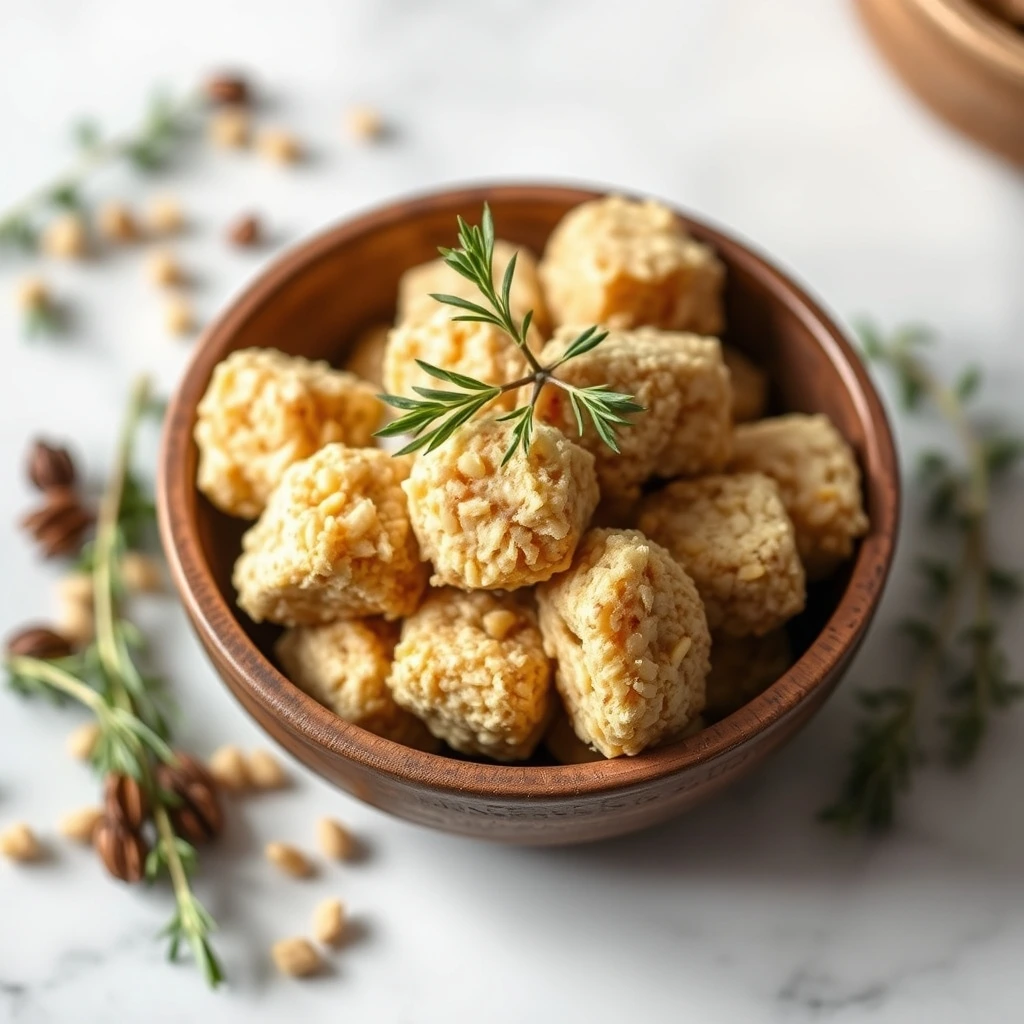
Combine Dry Ingredients: In a large mixing bowl, combine the cornmeal, quick-cooking oats, black oil sunflower seeds, and any optional chopped nuts or dried fruit. Stir thoroughly with a spatula or sturdy spoon to ensure an even distribution.
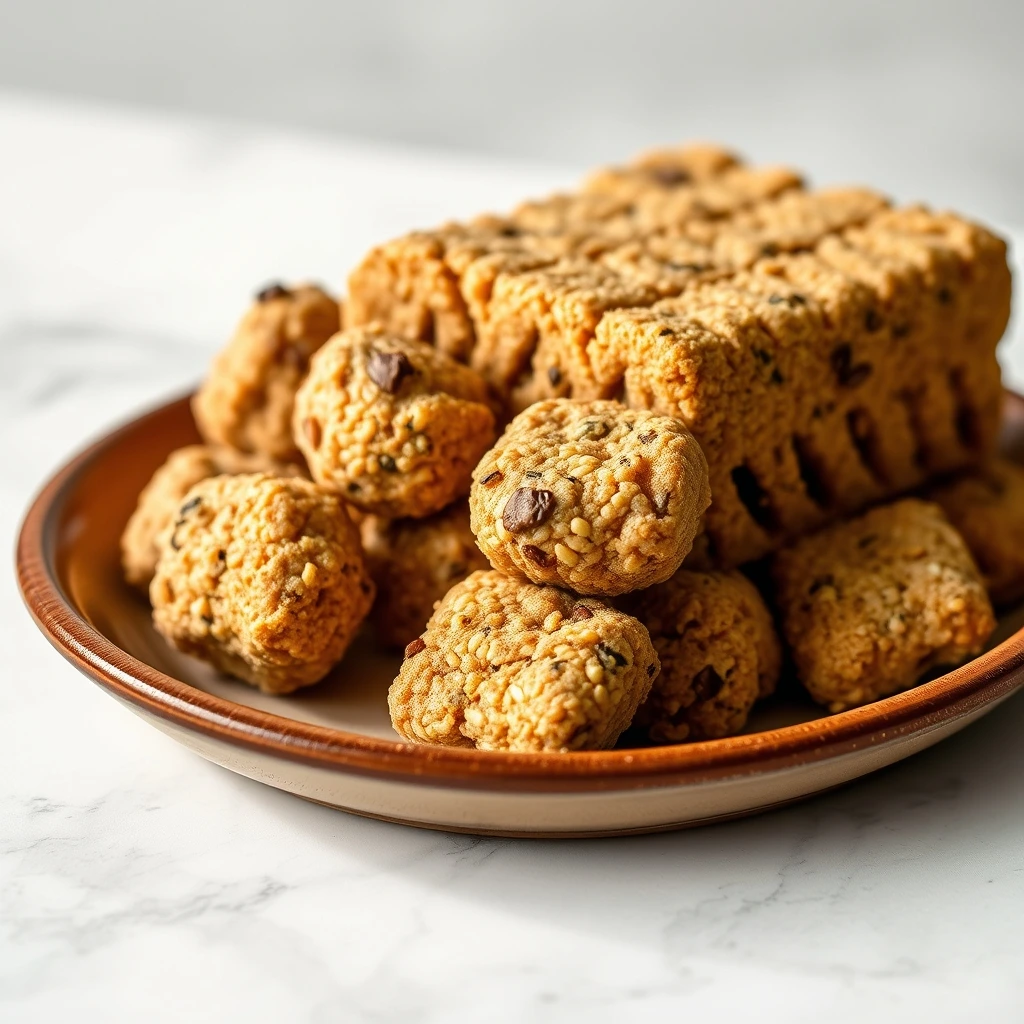
Mix Wet into Dry: Add the unsalted peanut butter to the melted suet in the saucepan, stirring until completely smooth and combined. Pour this warm suet and peanut butter mixture into the bowl with the dry ingredients. Mix vigorously until all the dry ingredients are fully coated and incorporated, forming a thick, uniform paste. The mixture should be stiff but workable.
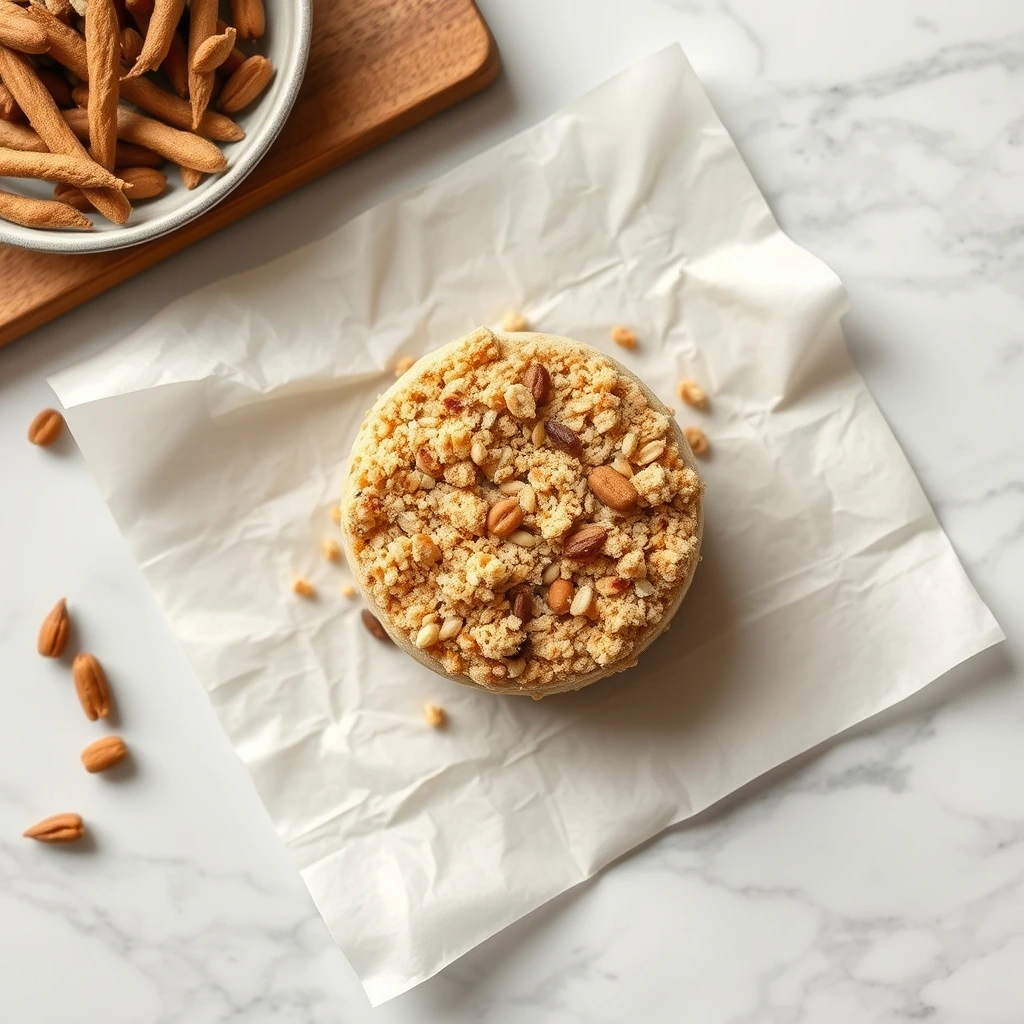
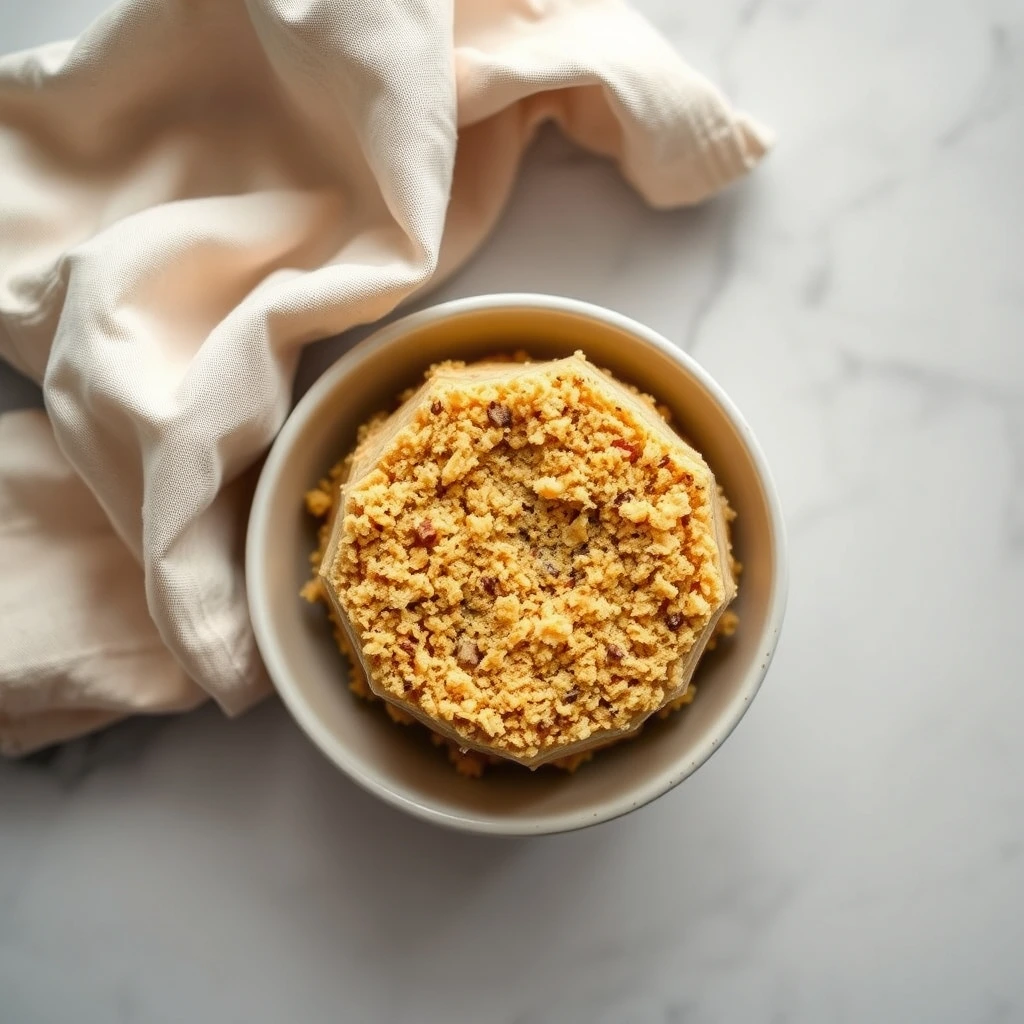
Press into Molds: Line your chosen suet molds with wax paper or parchment paper if they are not silicone. Firmly press the suet mixture into the molds, ensuring there are no air pockets. Pack it down tightly to create dense blocks. If using containers that will be difficult to remove, pressing the mixture onto a piece of string or twine before solidifying allows for easier hanging later.
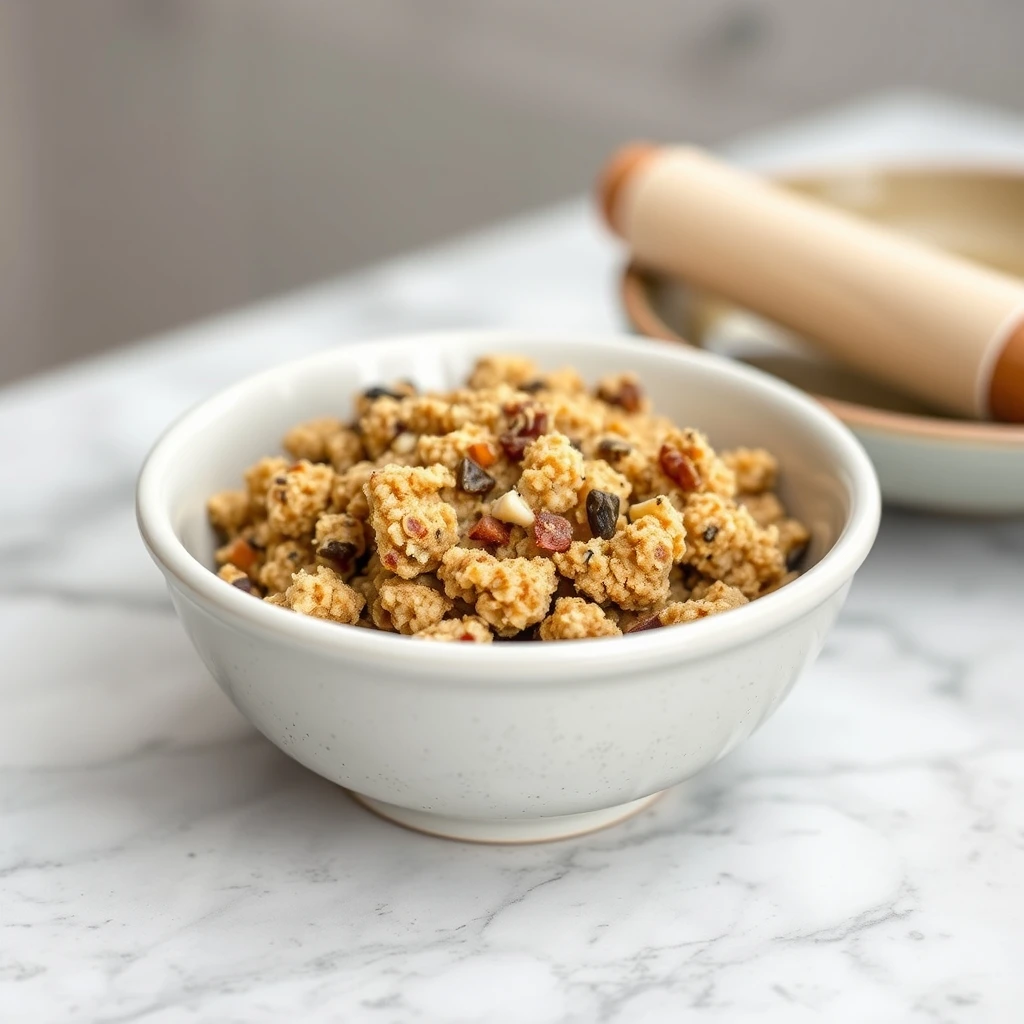
Chill Until Solid: Place the filled molds into the refrigerator and chill for at least 2-3 hours, or until the suet blocks are completely firm and solid. For longer-term storage, they can be frozen at this stage.
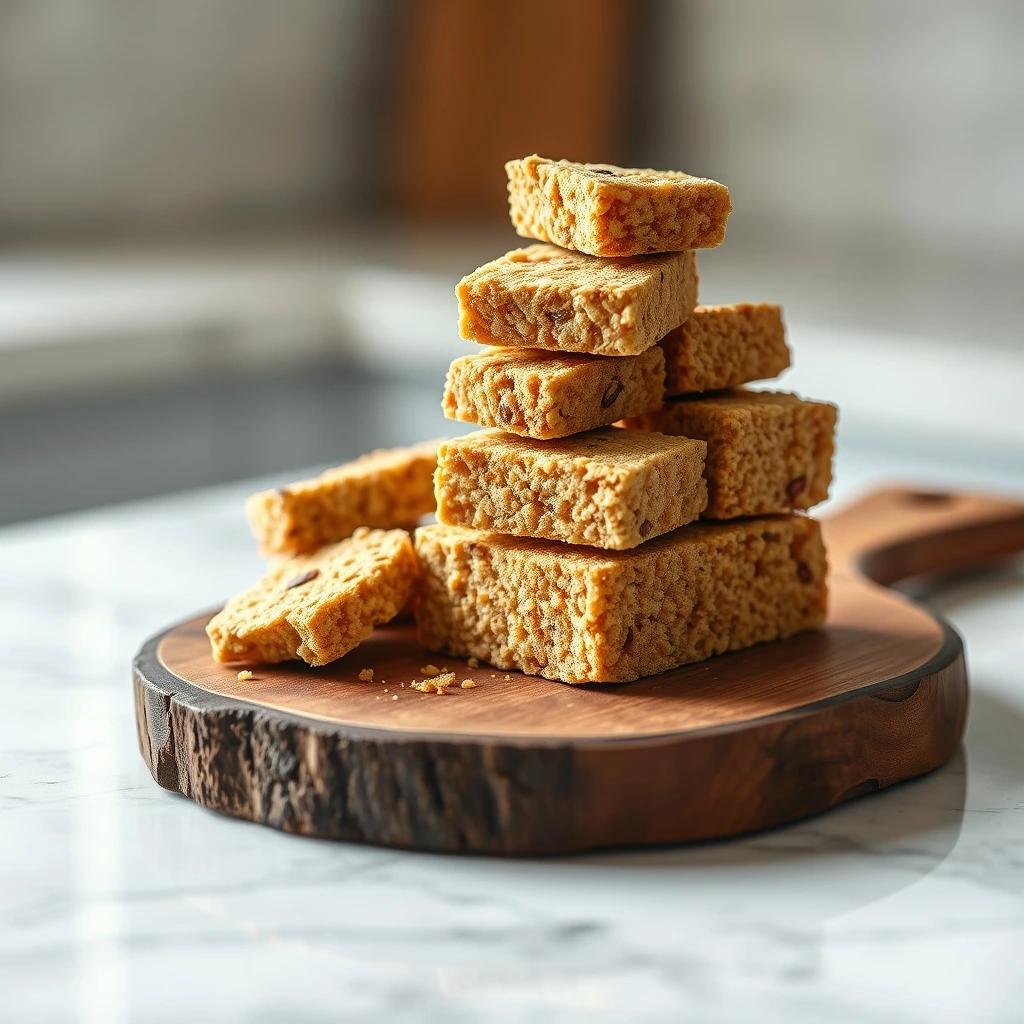
Demold and Serve: Once firm, carefully remove the suet blocks from their molds. If you used paper lining, peel it away. Place a suet block into a wire suet feeder cage. Hang the feeder in a safe location in your yard, visible to birds but away from potential predators like cats. Ensure the feeder is clean before adding new suet.
Made this recipe?
Tap the paw so other pet parents know it’s worth making.
Be the first to make it
Tips & serving
Place one suet block in a wire suet feeder and hang it from a tree branch or a dedicated feeder pole. Ensure the feeder is located in a spot where birds feel safe and can easily access it, ideally near protective cover. In colder climates, suet can be offered year-round. In warmer climates (above 50-60°F or 10-15°C), suet can spoil or melt, becoming messy and potentially harmful. Monitor the suet regularly and replace it as needed. Always ensure the feeder is clean to prevent the spread of diseases.
- Provides high-energy fat and carbohydrates essential for bird survival, especially in winter.
- Attracts a wide variety of suet-loving wild birds to your yard.
- Customizable with different bird-safe ingredients to appeal to specific species.
- Cost-effective alternative to store-bought suet blocks.
- Offers a satisfying way to support local wildlife.
- Rendering Raw Suet: To render raw beef suet (often available from butchers), chop it into small pieces and melt slowly in a saucepan over very low heat. Strain the melted fat through cheesecloth into a clean container, discarding the solids (cracklings). Let it cool and solidify before using.
Storage
Freezer: For longer storage, wrap individual suet blocks tightly in plastic wrap and place them in a freezer-safe bag or container. Thaw in the refrigerator before placing outdoors.
Substitutions
- Fat
While beef suet is ideal, you can use rendered bacon grease (ensure it's completely unsalted) or lard, though these may be softer and melt more easily in warm weather. Avoid vegetable shortening as it lacks the nutritional value birds need. Binder/
- Filler
Rolled oats or different types of flour (e.g., whole wheat) can be used in place of some cornmeal, but cornmeal is a preferred energy source.
- Seeds
Customize with other bird-safe seeds like millet, shelled peanuts, chopped pecans, or safflower seeds. Avoid cheap 'filler' seeds often found in generic mixes.
Birds recipe FAQ
Can Homemade Savory Cornmeal Suet Blocks for Backyard Birds replace my bird's regular diet?
Treat it as an occasional extra, not a meal plan. Place one suet block in a wire suet feeder and hang it from a tree branch or a dedicated feeder pole. Ensure the feeder is located in a spot where birds feel safe and can easily access it, ideally near protective cover.
Can birds have suet (rendered fat)?
This recipe uses suet (rendered fat) in a small, bird-appropriate amount. Skip it if your bird has a known sensitivity, and read the foods-to-avoid note on this page before serving.
How do I store this snack?
**Refrigerator:** Store finished suet blocks in an airtight container in the refrigerator for up to 2-3 weeks. **Freezer:** For longer storage, wrap individual suet blocks tightly in plastic wrap and place them in a freezer-safe bag or container.
What's the safest way to try this with my bird?
Offer a small amount beside regular food, introduce one new recipe at a time, and watch appetite, stool, skin, and behavior for a day or two.
Why make my own suet instead of buying it?
Homemade suet allows you to control the ingredients, ensuring no unwanted fillers, artificial additives, or excessive salt are present. It's often more economical and provides the satisfaction of knowing you're providing a wholesome food source for your backyard birds.
How can I prevent the suet from melting in warm weather?
In warmer temperatures, use a higher ratio of suet to other ingredients to create a firmer block. You can also add more cornmeal or flour. Always hang suet feeders in a shaded area, and consider offering suet only during cooler parts of the day or year if summer temperatures are consistently high.
Sources