

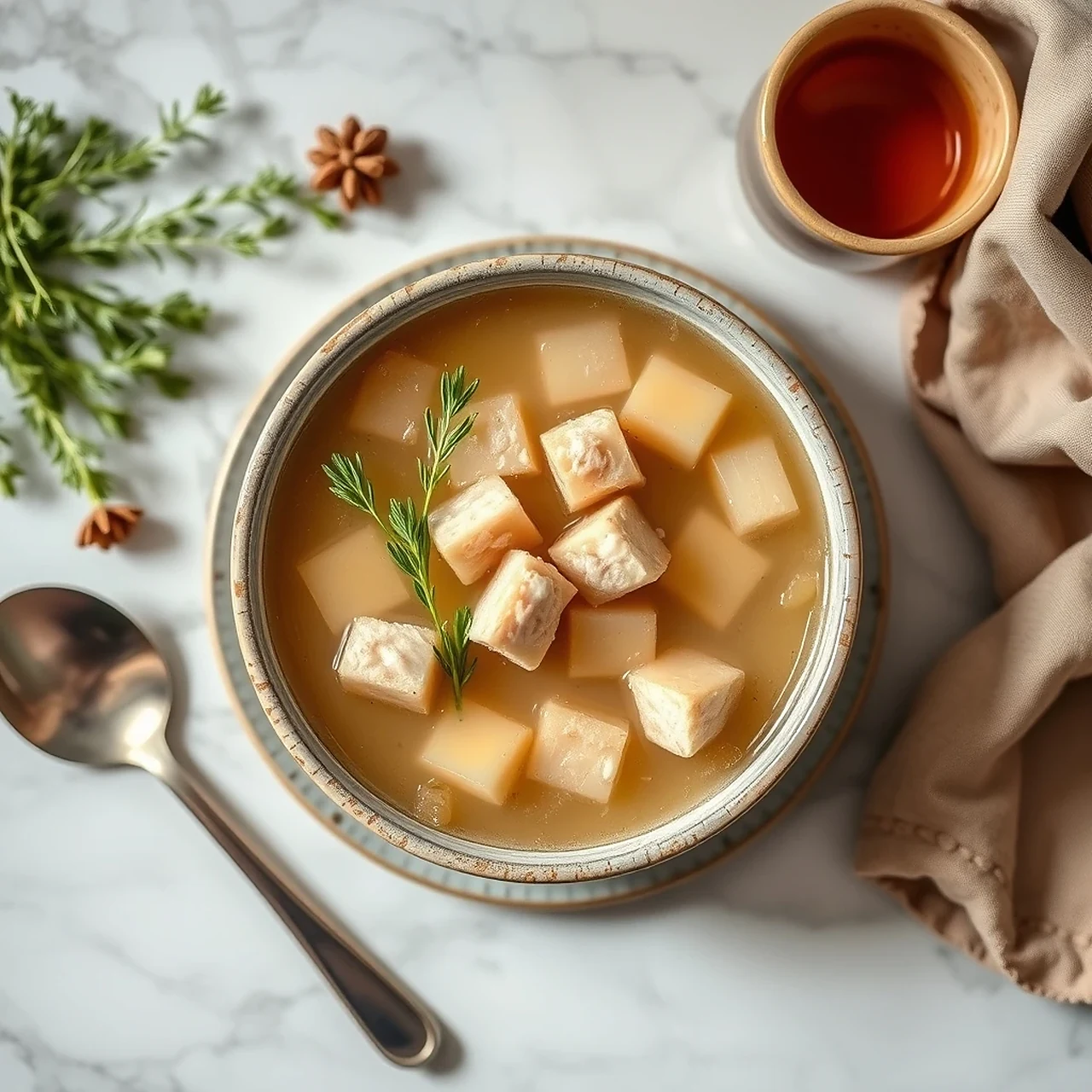
As the weather warms up, finding ways to keep our beloved cats hydrated and comfortable becomes a priority. While fresh water is always essential, a special treat that also contributes to their fluid intake can be a delightful bonus. This recipe for Frozen Chicken Broth and Catnip Cubes is designed with exactly that in mind. These simple frozen bites offer a cool, savory experience that many cats find irresistible, especially when enhanced with a sprinkle of dried catnip. It is a practical way to encourage hydration during warmer months or simply to provide a novel, enriching treat. We have carefully considered the ingredients and process to ensure this treat is both safe and enjoyable for your feline companion. Always introduce new foods gradually and in moderation. While this recipe uses cat-safe ingredients, it is a good practice to observe your cat's reaction and discuss any major dietary changes or concerns with your veterinarian.
Safety first: Skip this recipe if your cat has a known sensitivity to any ingredient, and introduce anything new slowly.
Foods to avoid
Never use chicken broth that contains onions, garlic, excessive salt, or any artificial seasonings, as these are harmful to cats. Always use low-sodium, unsalted varieties. Do not give large pieces of frozen treats that could be a choking hazard.
Ingredients
Instructions
Prepare the Broth: Ensure your chicken broth is low-sodium and unsalted. If using homemade broth, make sure it contains no onions, garlic, or other cat-toxic ingredients. It is crucial that the broth is completely cooled before proceeding. Pour the cooled chicken broth into a small, clean bowl.
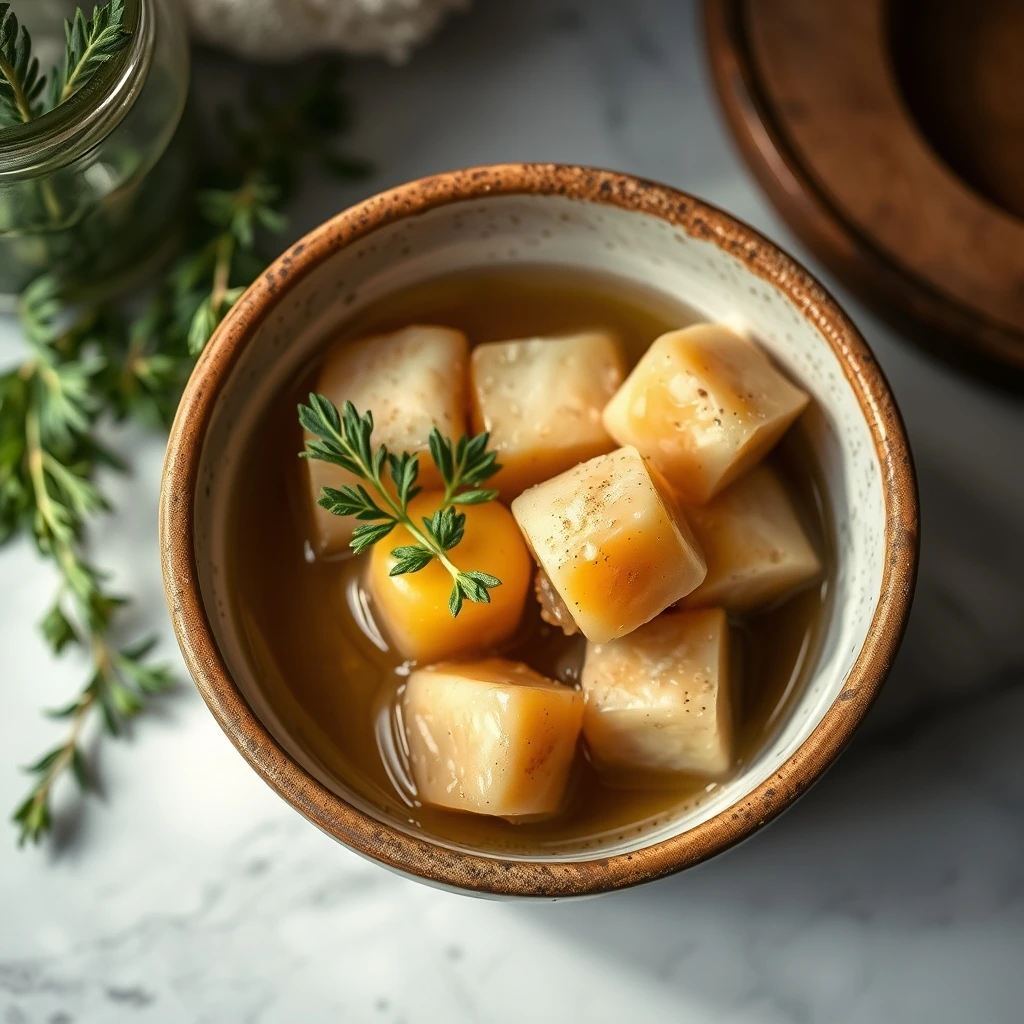
Add the Catnip: Measure out 1 to 2 teaspoons of dried catnip. The amount can be adjusted based on your cat's preference; some cats are more sensitive to catnip than others. If using fresh catnip, finely chop about 1 tablespoon. Sprinkle the catnip into the bowl with the cooled chicken broth.
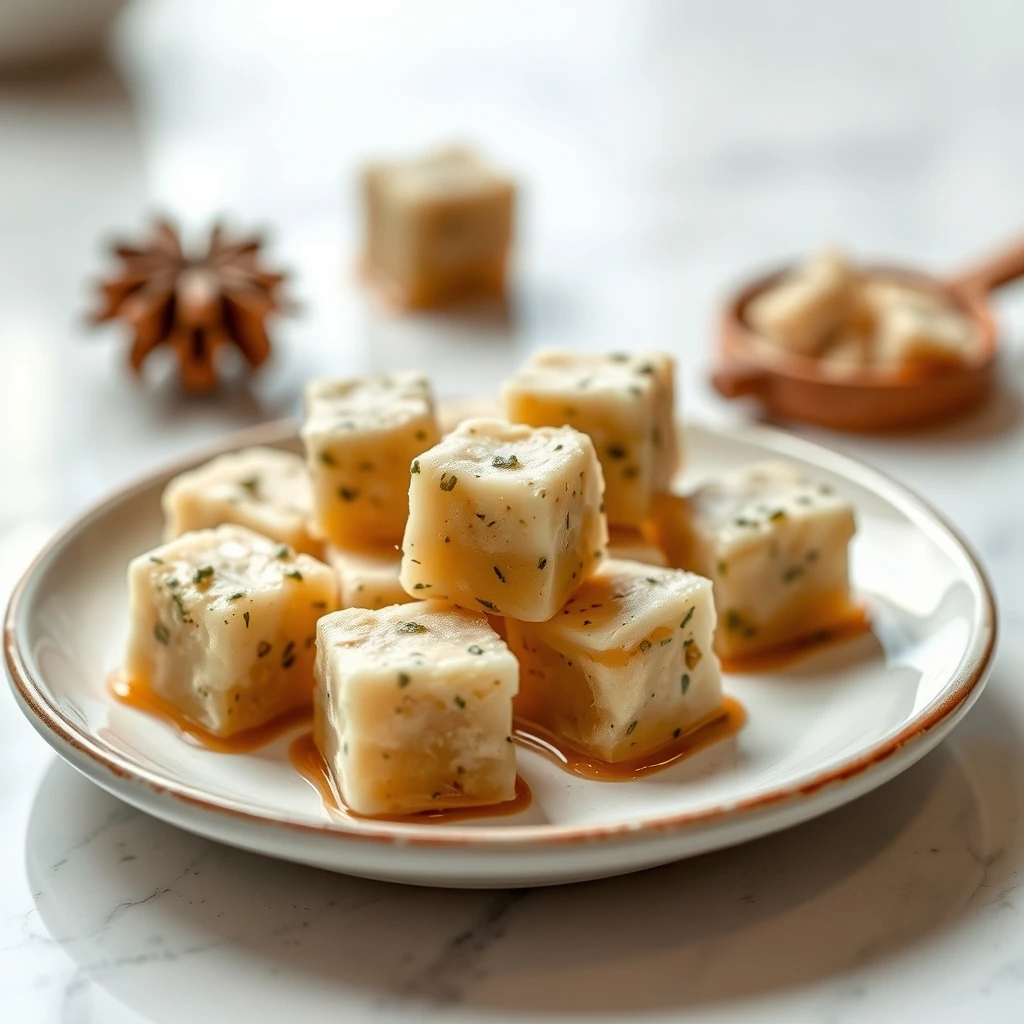
Gently Combine Ingredients: Using a whisk or a spoon, gently stir the catnip into the chicken broth until it is evenly distributed. Do not overmix, as vigorous stirring might create too many bubbles. The goal is to suspend the catnip throughout the liquid.
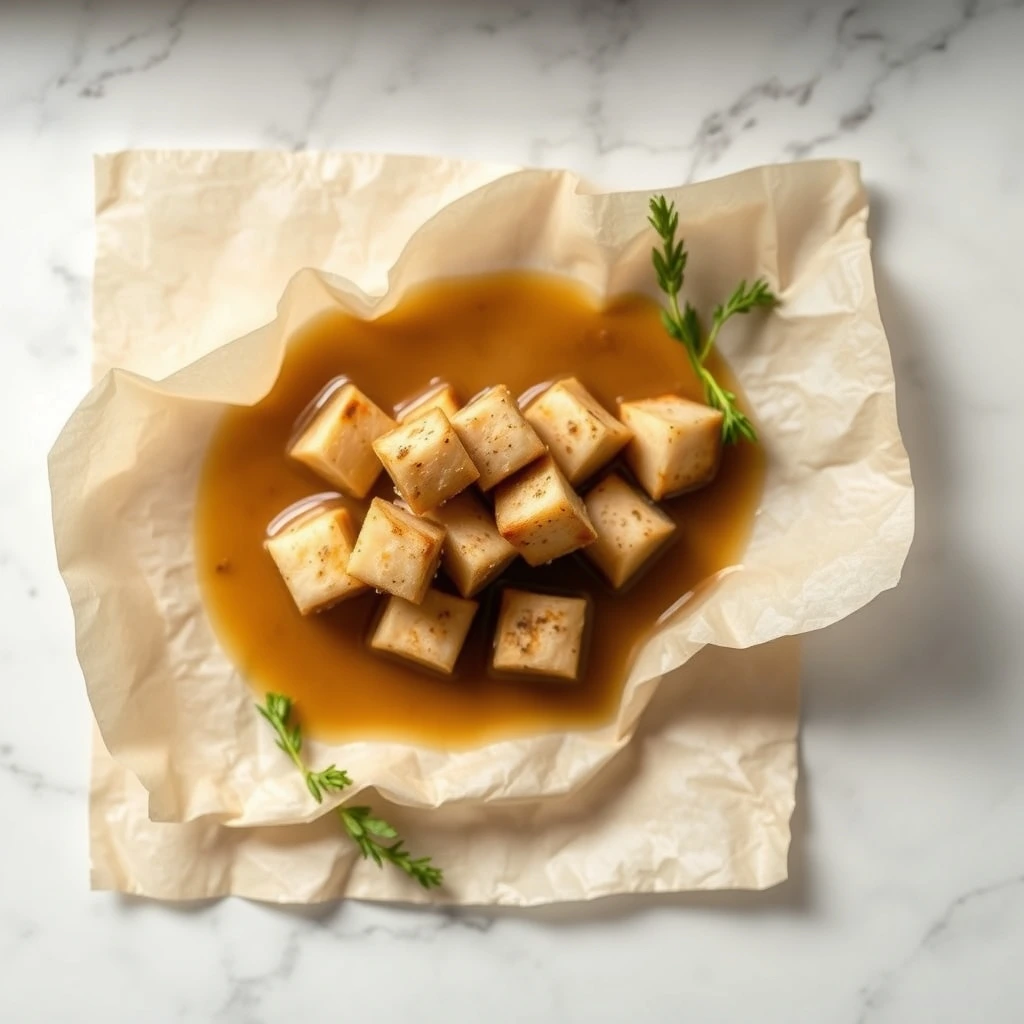
Pour into Molds: Carefully pour the catnip and broth mixture into your chosen ice cube tray or silicone treat molds. Fill each cavity almost to the top, leaving a small space for expansion during freezing. Small, bite-sized molds are best for cats.
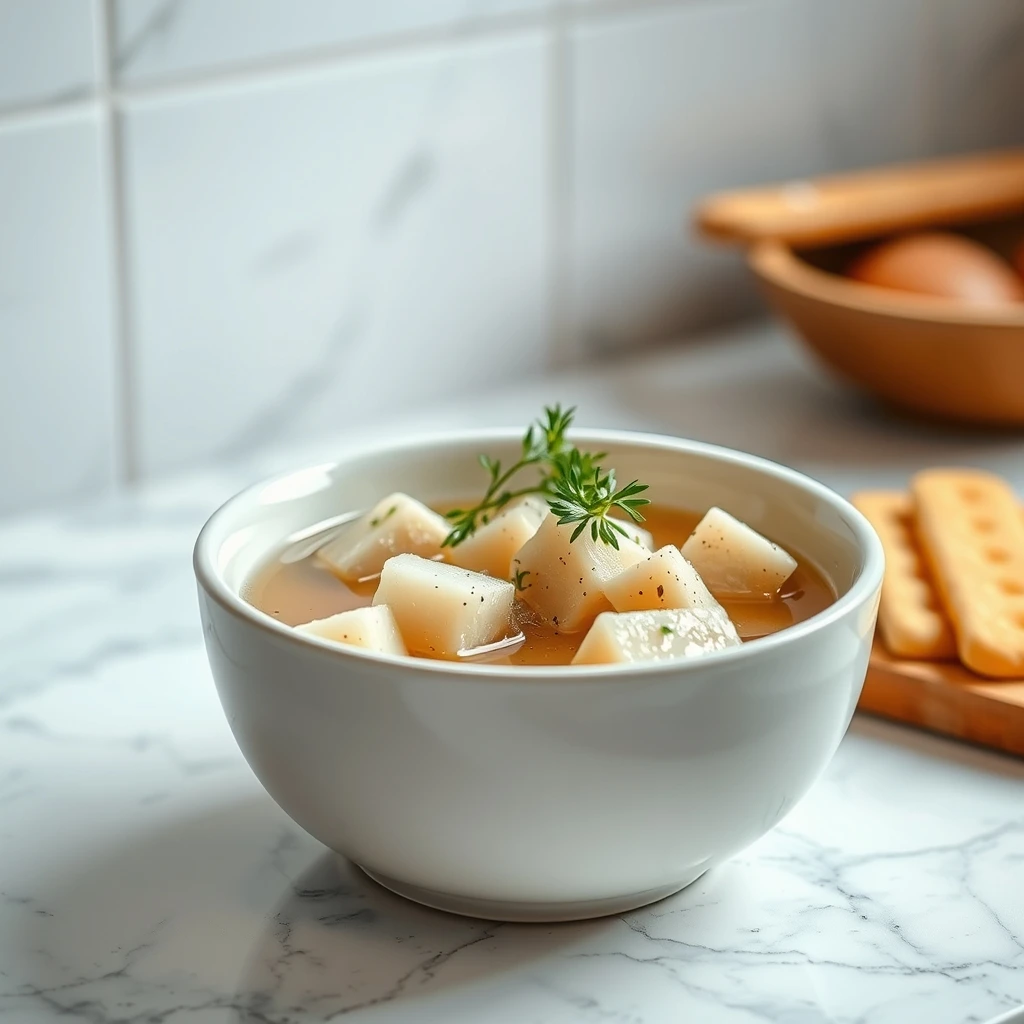
Freeze Until Solid: Place the filled molds flat in the freezer. Allow them to freeze for at least 4 hours, or preferably overnight, until they are completely solid. This ensures the cubes hold their shape well and provides the desired refreshing texture.
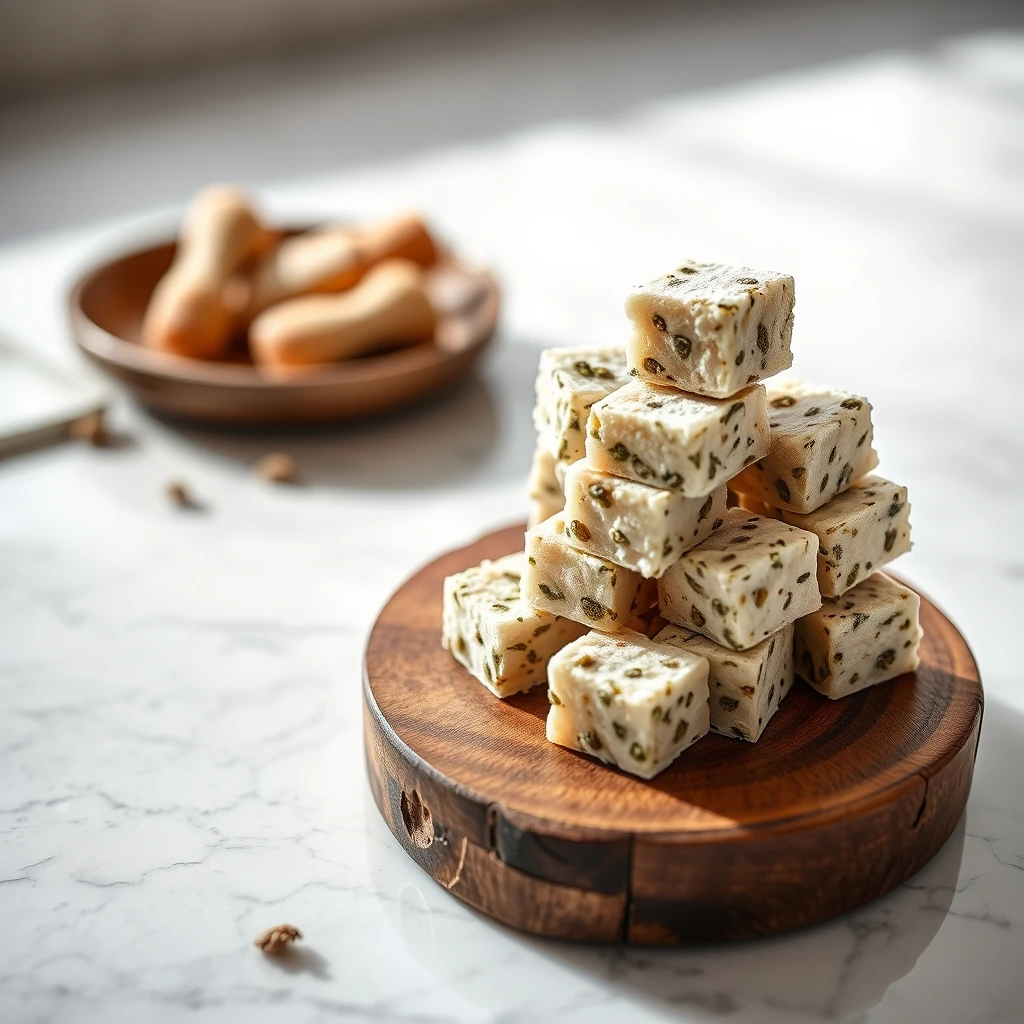
Demold the Cubes: Once thoroughly frozen, remove the molds from the freezer. If using a standard ice cube tray, you may need to twist it gently to release the cubes. For silicone molds, simply push up from the bottom of each cavity. The cubes should pop out easily.
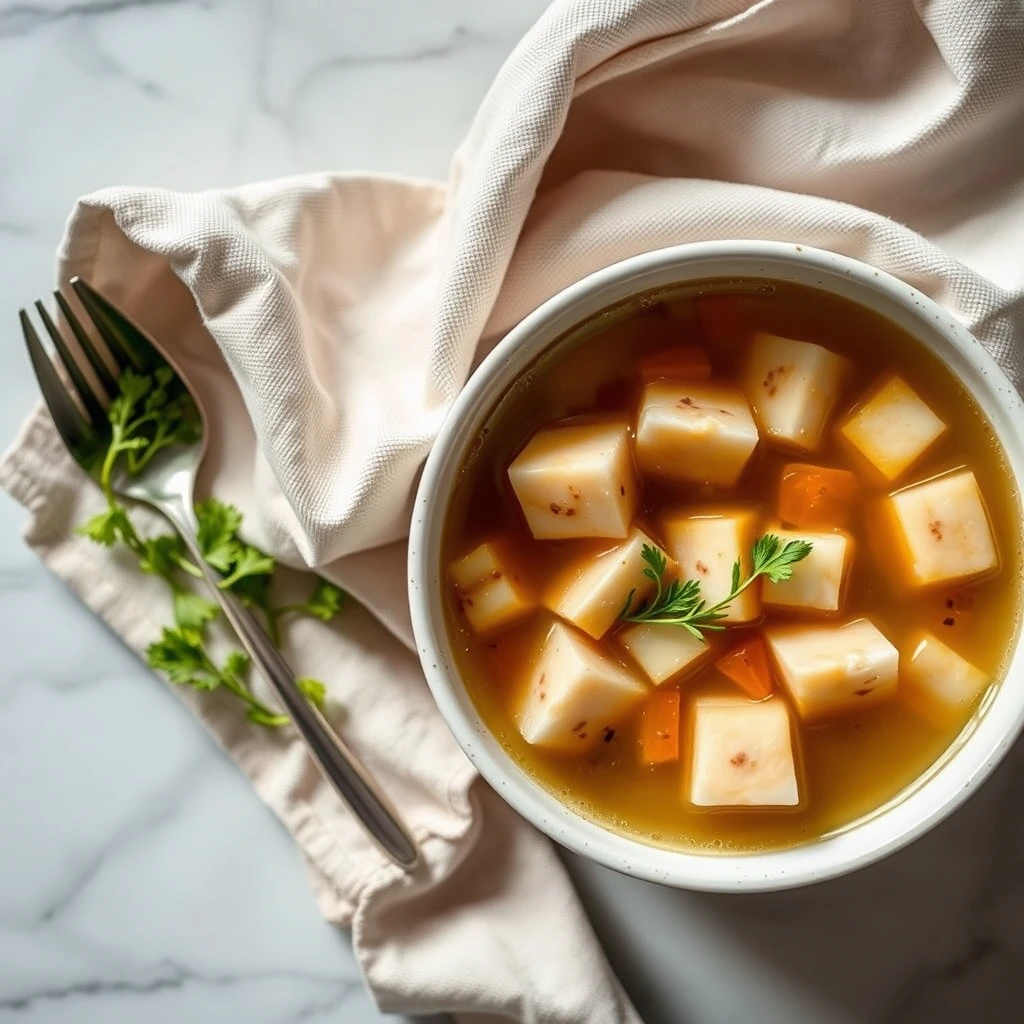
Store for Future Enjoyment: Transfer the demolded frozen cubes into an airtight, freezer-safe container or a resealable freezer bag. Label the container with the date. This helps keep them fresh and prevents freezer burn, making them ready for future treat times.
Made this recipe?
Tap the paw so other pet parents know it’s worth making.
Be the first to make it
Tips & serving
Offer 1-2 small cubes per day as a treat. Always supervise your cat while they enjoy frozen treats to ensure they do not choke or consume too quickly. While catnip is generally safe, observe your cat's reaction; some cats may become very active, while others become relaxed. If your cat has a sensitive stomach, introduce these very gradually. This treat is not a substitute for a balanced diet or fresh water.
- Encourages hydration, especially in warm weather
- Provides a cool and refreshing treat
- Offers mental stimulation through the enticing scent of catnip
- Supports bonding through homemade treat preparation
- For an extra layer of appeal, you can drop a tiny piece of cooked, unseasoned chicken into each mold before freezing.
- Consider using fun-shaped silicone molds to make the treats more visually appealing and easier to portion.
Storage
Always check for freezer burn before serving.
Substitutions
Instead of chicken broth, you can use low-sodium, unsalted turkey broth or bone broth specifically made for pets, ensuring no harmful additives. If your cat is not a fan of catnip, you can omit it entirely or try a tiny pinch of silvervine for a similar stimulating effect, if safe for your cat.
Cats recipe FAQ
Is this treat a complete meal for my cat?
Treat it as an occasional extra, not a meal plan. Offer 1-2 small cubes per day as a treat. Always supervise your cat while they enjoy frozen treats to ensure they do not choke or consume too quickly.
Is chicken broth okay for cats?
This recipe uses chicken broth in a small, cat-appropriate amount. Skip it if your cat has a known sensitivity, and read the foods-to-avoid note on this page before serving.
How long does Frozen Chicken Broth and Catnip Cubes keep?
Store the frozen cubes in an airtight, freezer-safe container or bag in the freezer for up to 3 weeks. Always check for freezer burn before serving.
How should I introduce this treat?
Start with a taste-size portion next to your cat's usual food, and hold off on serving more until you have seen that it agrees with them.
How often can I give my cat these frozen treats?
These are intended as an occasional treat. We recommend offering 1-2 small cubes per day at most. Monitor your cat's response, especially to the catnip, and adjust as needed.
Can I use fresh catnip instead of dried?
Yes, absolutely! If using fresh catnip, finely chop about 1 tablespoon to ensure it mixes well with the broth. Fresh catnip can be even more potent for some cats.
Sources