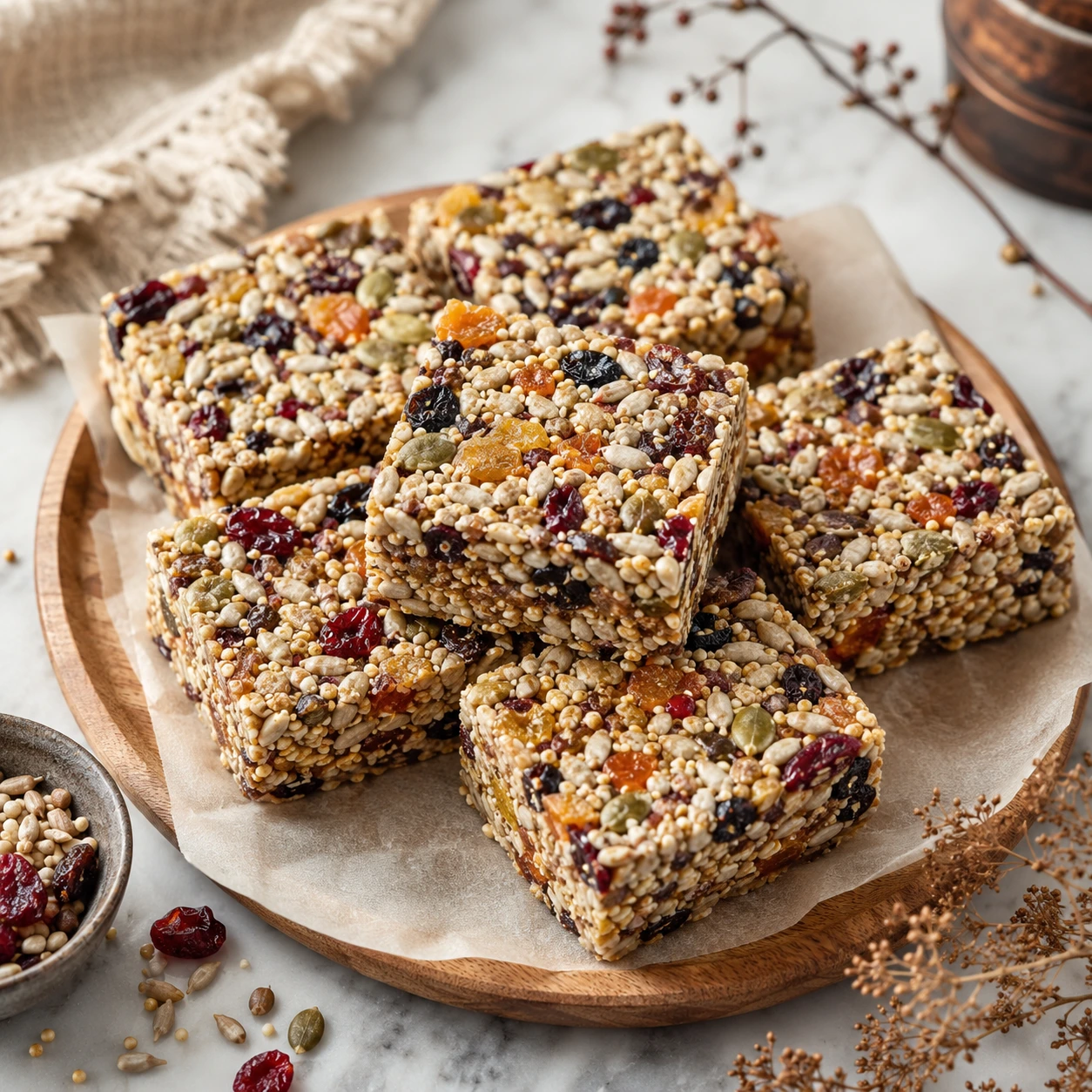
Bringing nature a little closer to home can be incredibly rewarding, and feeding local wild birds is one of the easiest ways to do it. These Wild Bird Seed & Fruit Blocks provide an appealing source of essential energy, especially during colder months or breeding seasons when natural food may be harder to find. The balanced combination of seeds, healthy fats, and dried fruits helps support the busy lives of the birds visiting your backyard. Making these blocks is a practical, enjoyable project for families who want to connect with nature. Choosing wholesome, beneficial ingredients gives you a thoughtful way to support local wildlife while observing different bird species and their natural behaviors up close. Before you begin, remember that every ingredient used in wild bird food must be safe and beneficial. The ingredients here were carefully selected to provide energy and nutrients without harmful additives. Always confirm that ingredients are suitable for wild birds by consulting reputable avian resources, since some common human foods can be harmful to them.
Safety first: Introduce new foods gradually and speak with your veterinarian before making major changes to your bird's diet.
Foods to avoid
Never use salted nuts, seasoned birdseed, or any ingredients with added sugar, artificial sweeteners (especially xylitol, which is toxic to many animals), or artificial colors/flavors. Avoid avocado, chocolate, caffeine, and fruit pits/seeds, as these are toxic to birds. Do not use moldy or spoiled ingredients. Always provide fresh, clean water separately.
Ingredients
Instructions
Gather and Prepare Ingredients: Lay out all your ingredients before you start. If using dried fruit, chop it finely so small beaks can manage it easily, and finely chop any nuts as well. This helps everything distribute evenly throughout the bird blocks.
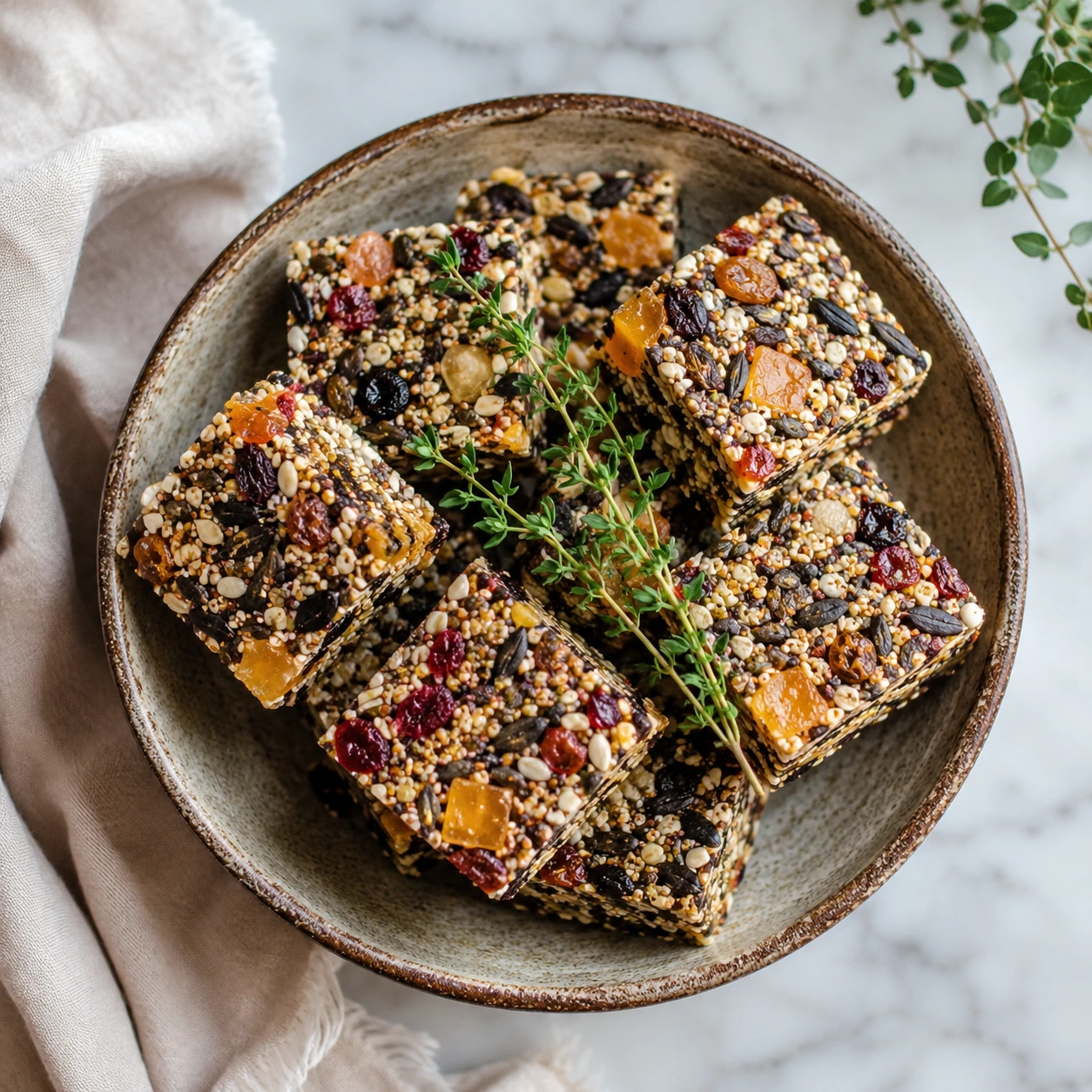
Melt Coconut Oil: In a small saucepan over low heat, gently melt the coconut oil until it becomes liquid. Keep a close eye on it so it does not overheat. Coconut oil provides valuable energy and acts as an important binder because it solidifies at cooler temperatures.
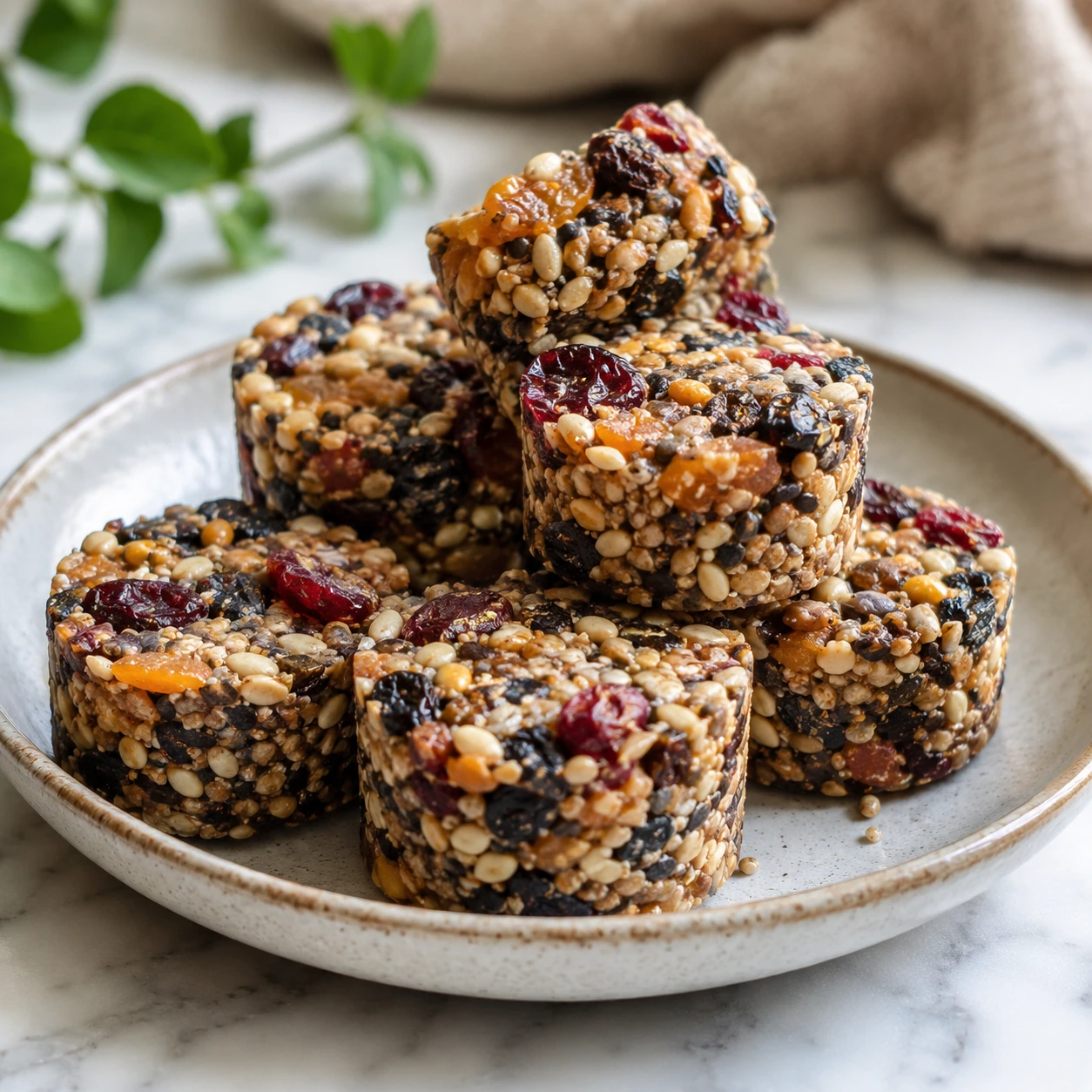
Combine Wet Binders: Once the coconut oil has melted, remove it from the heat. Combine it with the unsweetened peanut butter in your large mixing bowl, stirring thoroughly until the mixture is smooth and uniform. Together, these fats provide essential calories for active birds.
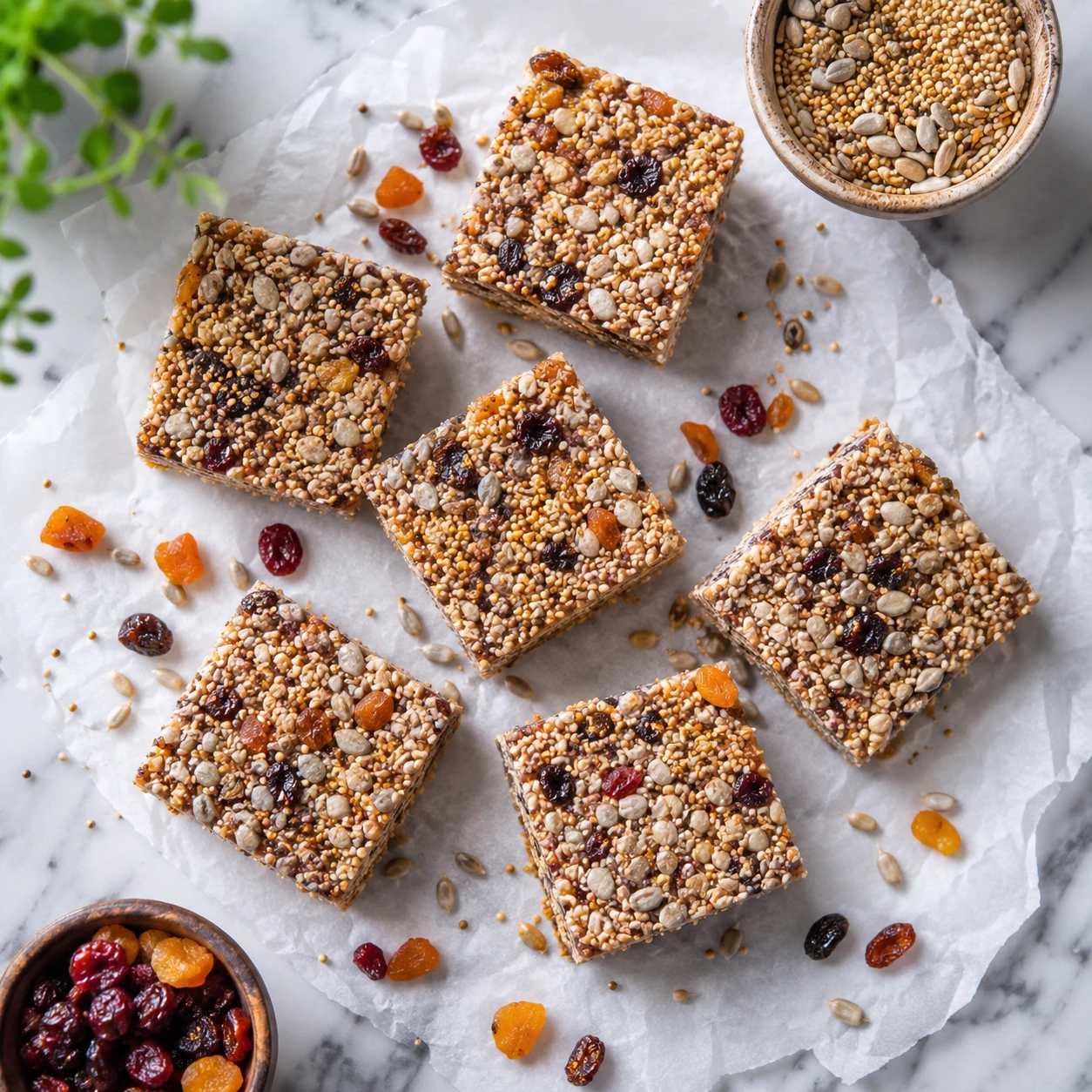
Mix Dry Ingredients: Add the birdseed blend, rolled oats, finely chopped dried fruits, and any optional nuts or crushed eggshells to the wet mixture. These ingredients bring plenty of nutritional variety to the blocks. Use high-quality birdseed, since birds often pick out their favorite pieces and leave less desirable fillers behind.
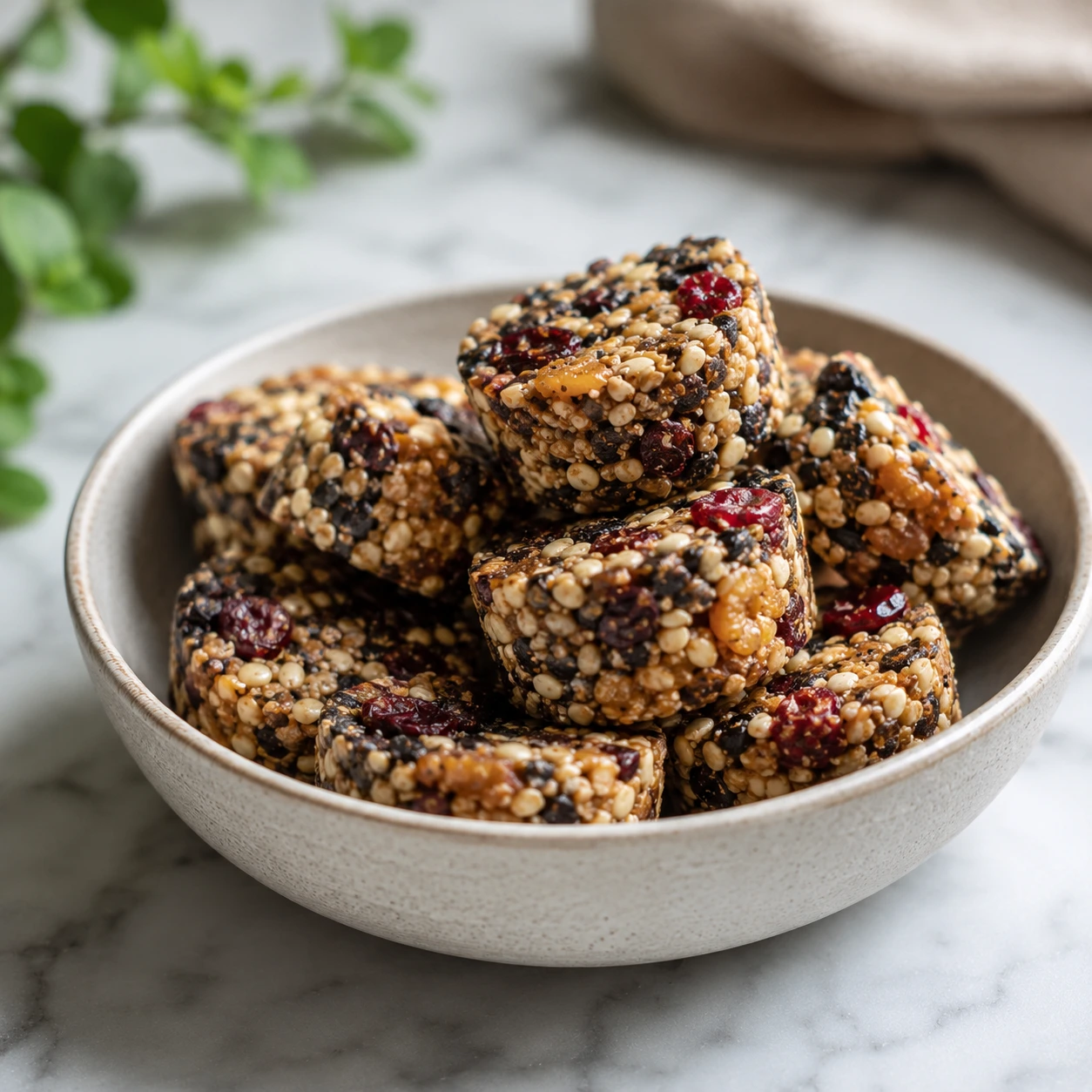
Fold Until Well Coated: Using a sturdy spatula or spoon, fold the wet and dry ingredients together. Keep mixing until every dry ingredient is evenly coated with the peanut butter and coconut oil mixture. This helps each block hold together properly while giving birds a good variety in every bite.
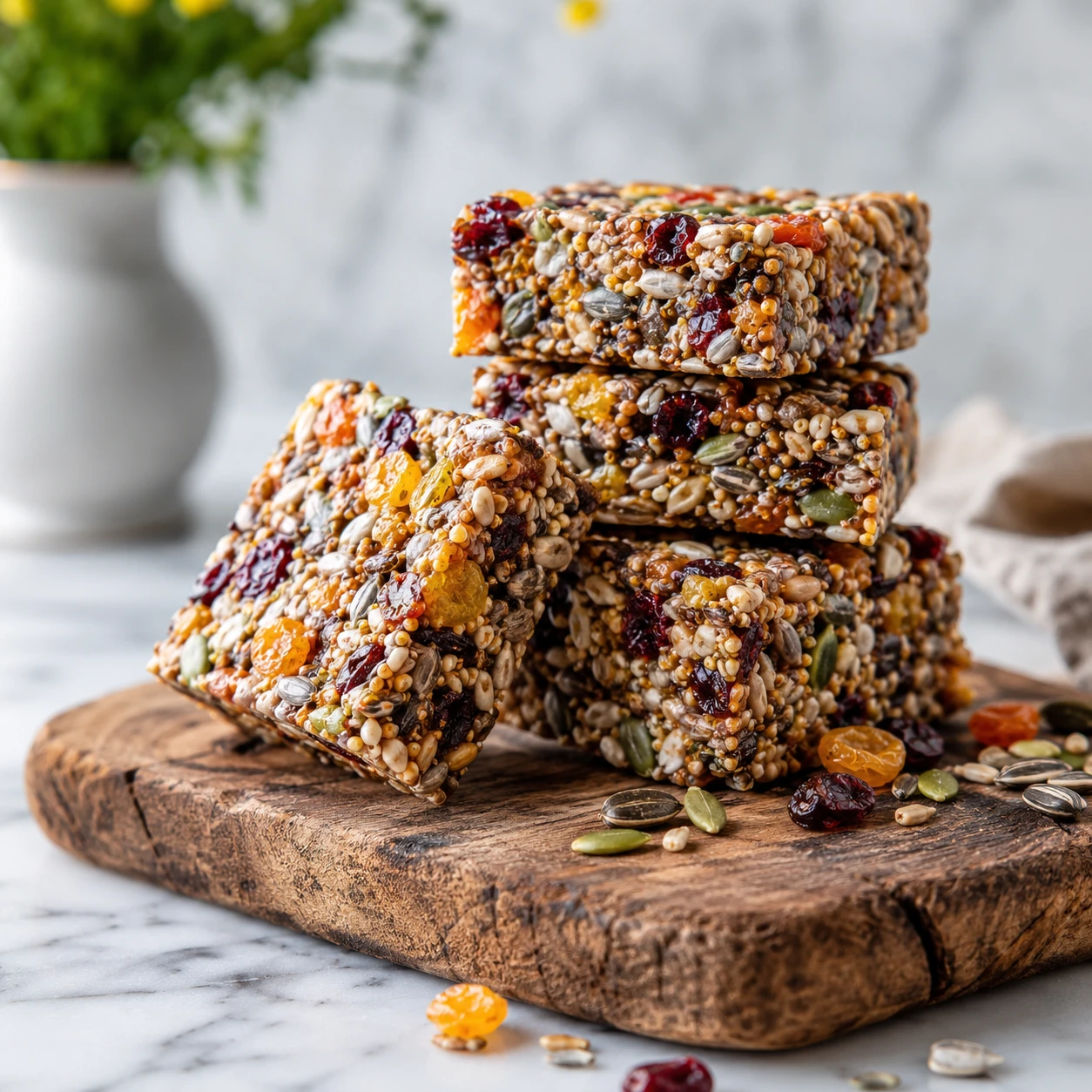
Press into Molds and Add Hangers: Firmly press the mixture into your chosen molds; silicone muffin molds work especially well because the blocks are easy to remove. For hanging blocks, cut pieces of natural jute twine or string, tie each one into a loop, and insert one end into the center of each block before chilling. Press carefully to make sure the twine is securely embedded.
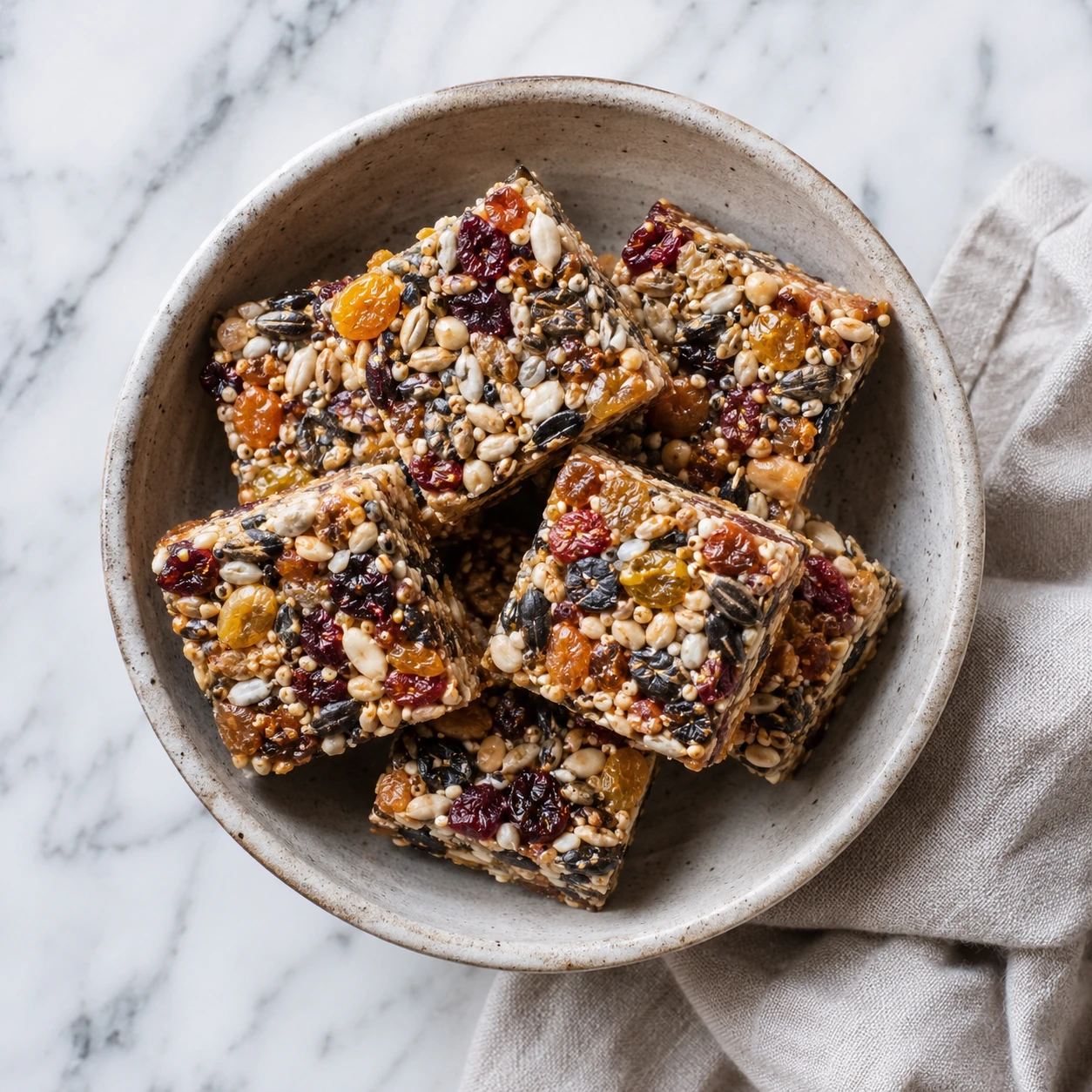
Chill Until Firm: Place the filled molds in the refrigerator or freezer until the blocks are completely firm. This usually takes 2-4 hours in the refrigerator or about 1 hour in the freezer. Once firm, gently remove the blocks from their molds; they should hold their shape well and be ready for your backyard birds.
Made this recipe?
Tap the paw so other pet parents know it’s worth making.
Be the first to make it
Tips & serving
Hang or place your Wild Bird Seed & Fruit Blocks in a sheltered area of your backyard, away from direct sun and strong winds, but visible from your home. Position them near shrubs or trees to offer birds a quick escape route from predators. Ensure the blocks are secure so they don't fall. Replace blocks as needed, especially if they become soiled or moldy. Always ensure fresh water is available nearby for drinking and bathing.
- Provides essential energy and fat, especially vital during cold weather or breeding season.
- Attracts a diverse range of wild bird species to your backyard.
- Offers a natural and additive-free food source.
- Encourages family engagement with nature and wildlife observation.
- Reduces waste by using wholesome, natural ingredients.
- Seasonal Adjustment: In warmer weather, blocks made with more coconut oil or suet might soften. Consider placing them in shadier spots or refrigerating them between feedings.
Storage
Thaw in the refrigerator before placing outdoors.
Substitutions
- Fats
Rendered unsalted suet (beef fat) can replace some or all of the coconut oil for a more traditional suet block, offering higher fat content. Ensure it's rendered and clean.
- Seeds
You can vary the birdseed blend. Black oil sunflower seeds are a universal favorite. White millet is good for ground feeders.
- Fruits
Any unsweetened, non-toxic dried fruit can be used, such as chopped figs, dates, or blueberries. Always check for seeds/pits and remove them.
Birds recipe FAQ
Can I serve this feeder food every day?
Treat it as an occasional extra, not a meal plan. Hang or place your Wild Bird Seed & Fruit Blocks in a sheltered area of your backyard, away from direct sun and strong winds, but visible from your home.
Is birdseed blend okay for birds?
This recipe uses birdseed blend in a small, bird-appropriate amount. Skip it if your bird has a known sensitivity, and read the foods-to-avoid note on this page before serving.
How should I store leftovers?
Store any unused blocks in an airtight container in the refrigerator for up to 2-3 weeks. For longer storage, freeze the blocks in an airtight container for up to 3 months. Thaw in the refrigerator before placing outdoors.
How should I introduce this feeder food?
Start with a taste-size portion next to your bird's usual food, and hold off on serving more until you have seen that it agrees with them.
Why is unsweetened peanut butter important?
Added sugars are not good for birds and can lead to health issues. Unsweetened, natural peanut butter provides healthy fats and protein without unnecessary additives.
Can I use any type of birdseed?
It's best to use a high-quality birdseed blend specifically designed for wild birds, without cheap fillers like red milo that many birds discard. Look for blends rich in black oil sunflower seeds, white millet, and safflower.
Sources