
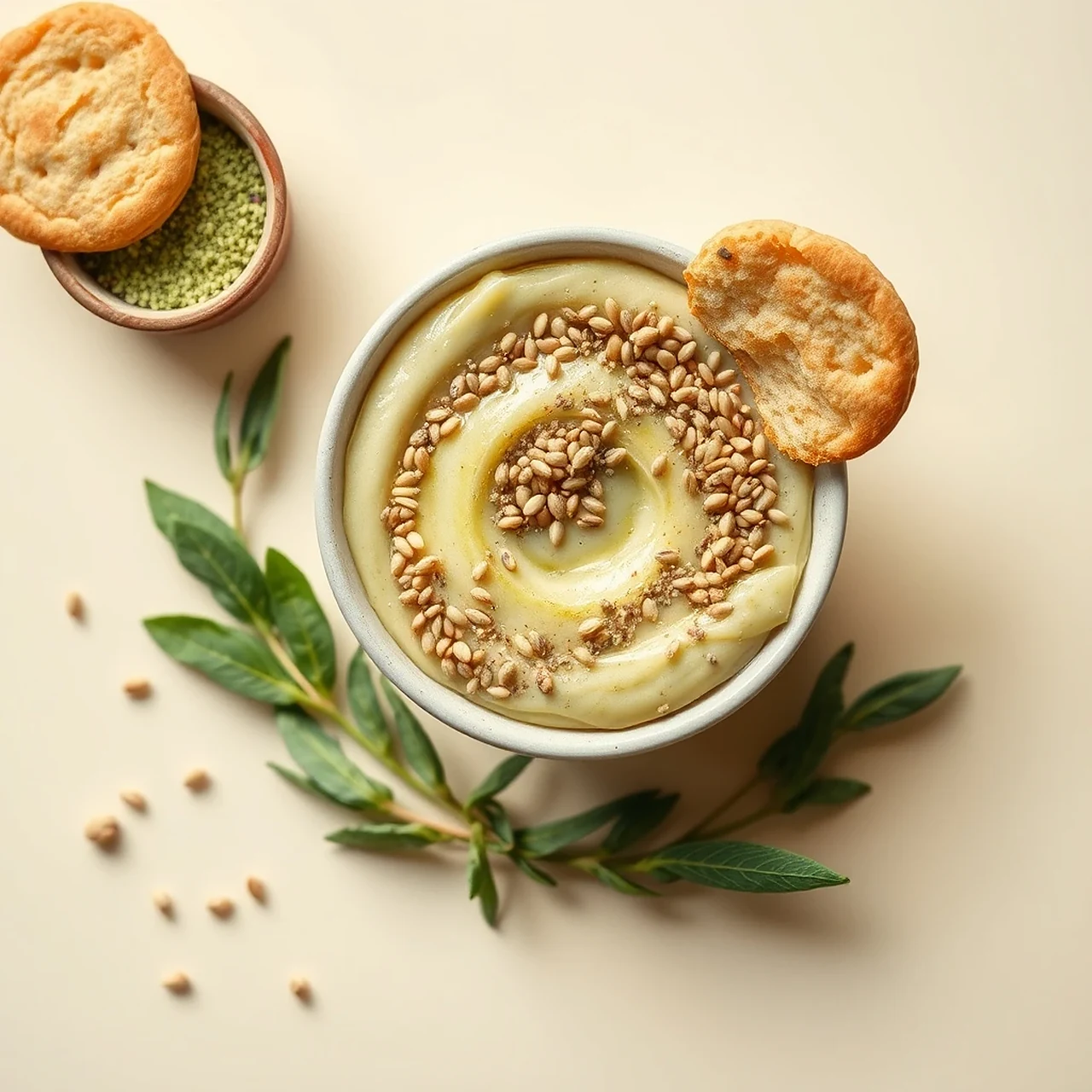
Providing enrichment for our feathered companions is just as important as offering a balanced diet. Birds in the wild spend a significant portion of their day foraging for food, a natural behavior that engages their minds and bodies. This Foraging Seed Swirl Garland is designed to tap into those instincts, transforming a simple seed treat into an interactive challenge. We carefully tested this recipe to ensure it is both safe and engaging. By presenting familiar, nutritious seeds like millet and chia in a novel format, we encourage your bird to peck, shred, and work for their reward, mimicking their natural environment. This isn't just a treat; it is an experience that supports their psychological well-being and helps prevent boredom. Before introducing any new treat or making significant changes to your bird's diet, it is always a good practice to discuss it with your avian veterinarian. They can offer personalized advice based on your bird's specific health needs and dietary requirements.
Safety first: Offer a small taste the first time and watch your bird for any tummy upset before serving more.
Foods to avoid
Do not use seeds treated with pesticides or fungicides. Avoid using any ingredients with added sugar, salt, artificial colors, or preservatives. Never use cotton twine or string that frays easily, as ingested fibers can cause impaction. Ensure all ingredients are thoroughly dry before storage to prevent mold. Avoid avocado, chocolate, fruit pits, and apple seeds, as these are toxic to birds.
Ingredients
Instructions
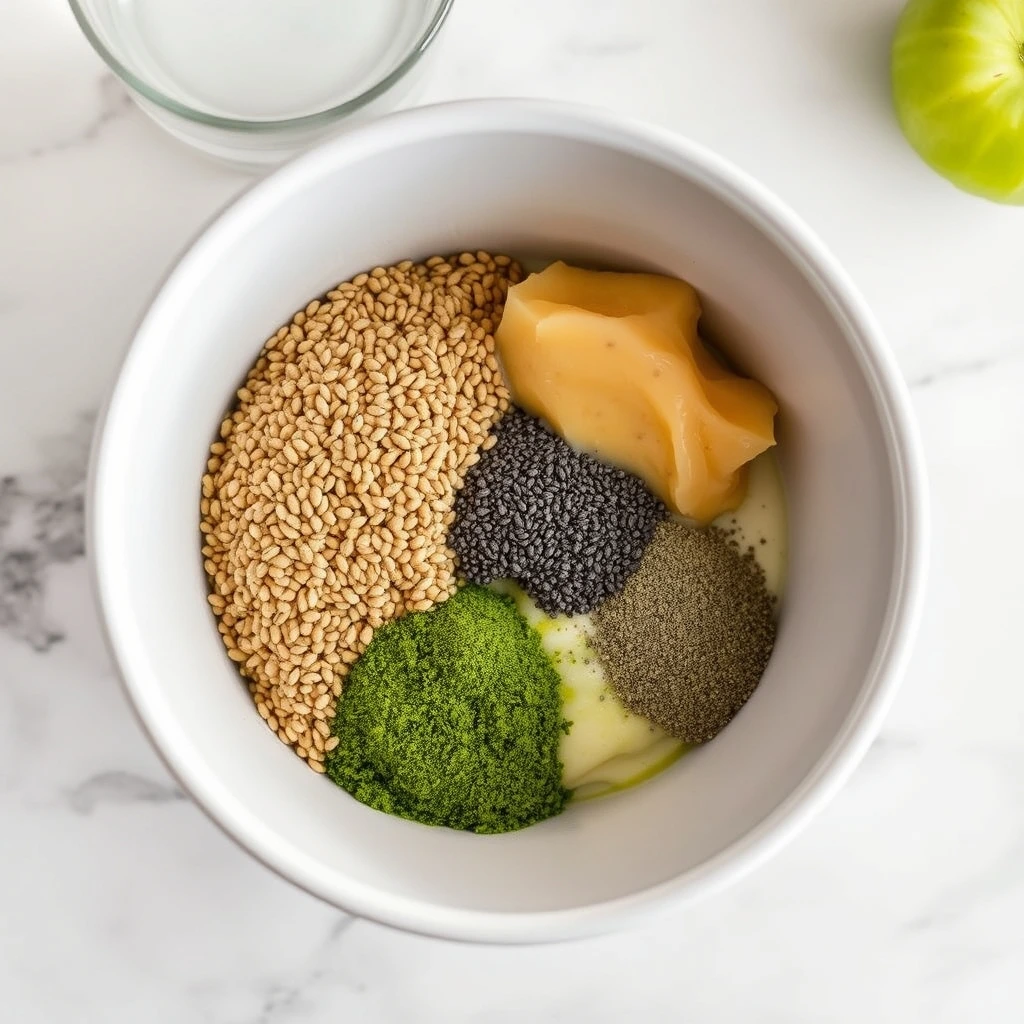
Combine Dry Ingredients: In a clean mixing bowl, combine the hulled millet seeds and chia seeds. If using, add the spirulina or barley grass powder now. Stir thoroughly with a spatula or spoon to ensure an even distribution of all dry components. The chia seeds will help bind the mixture together once liquid is added,
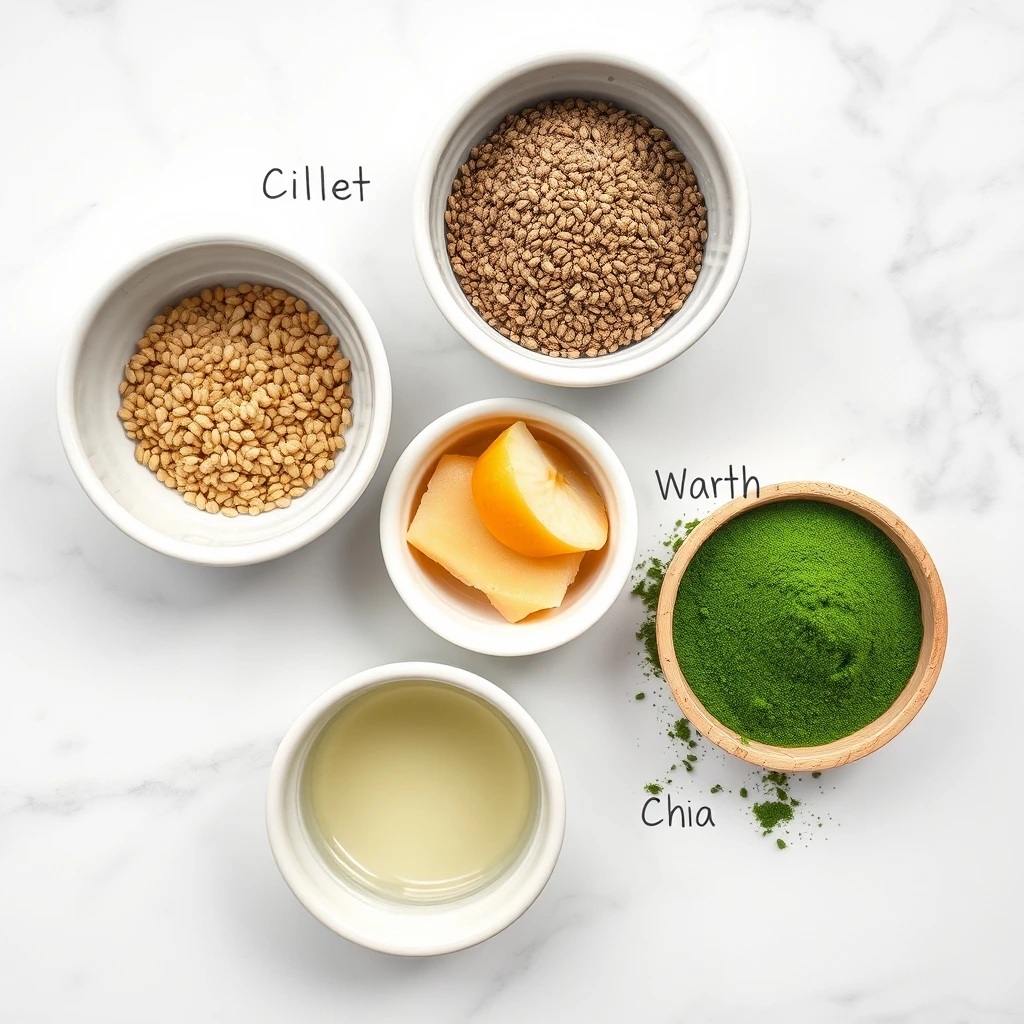
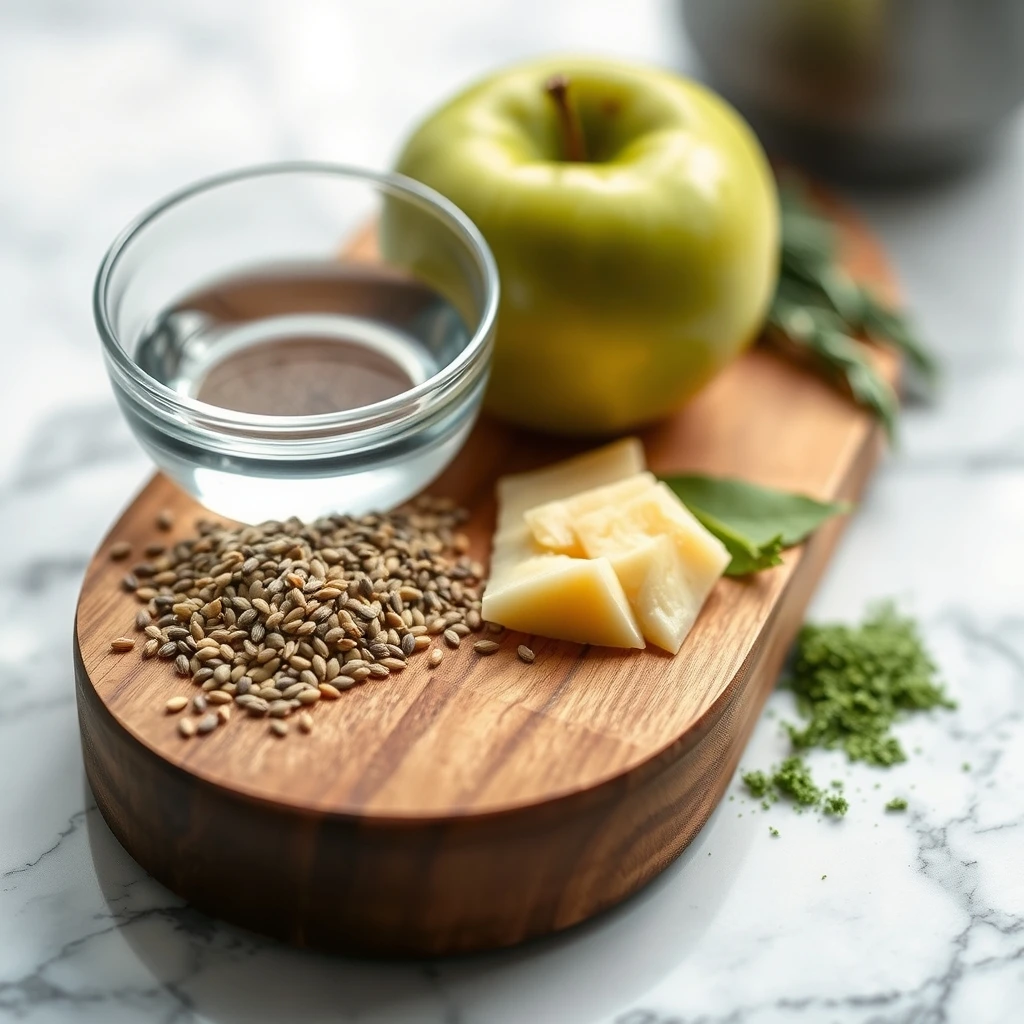
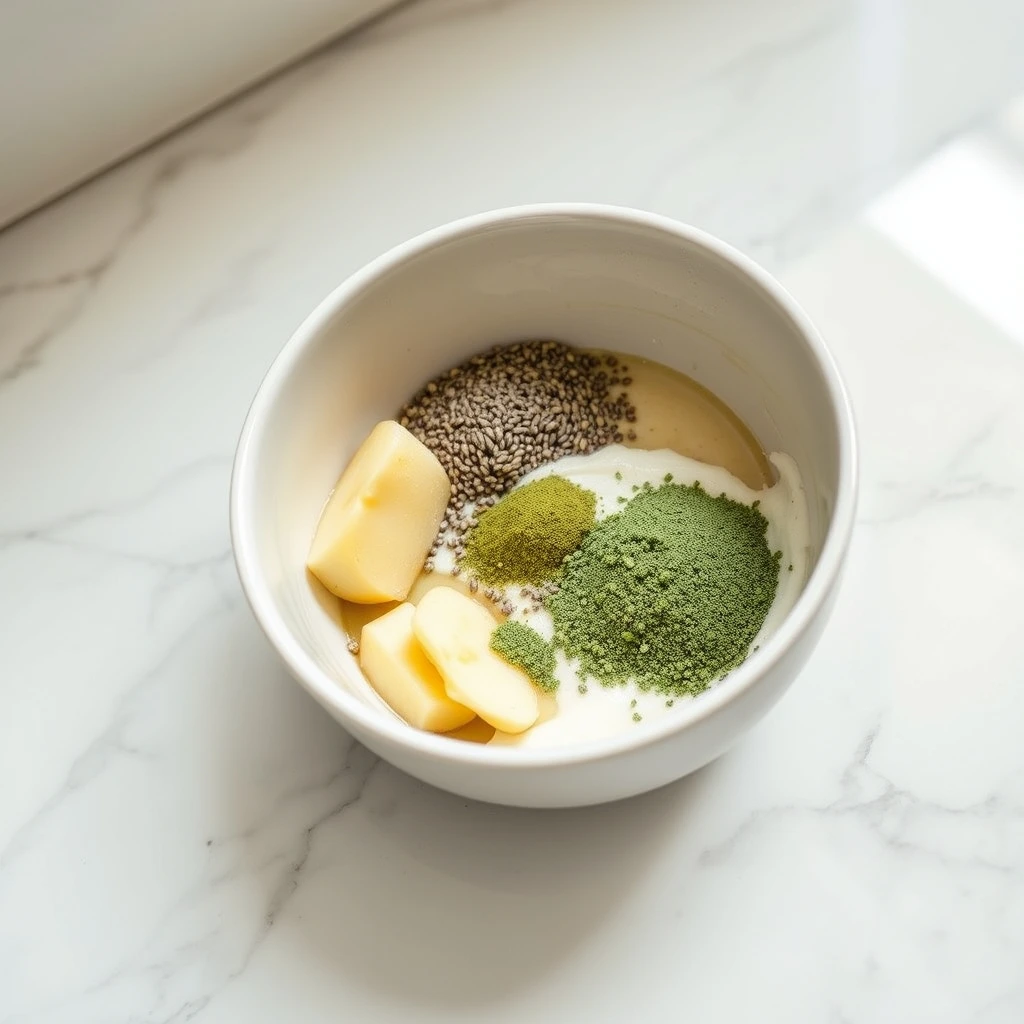
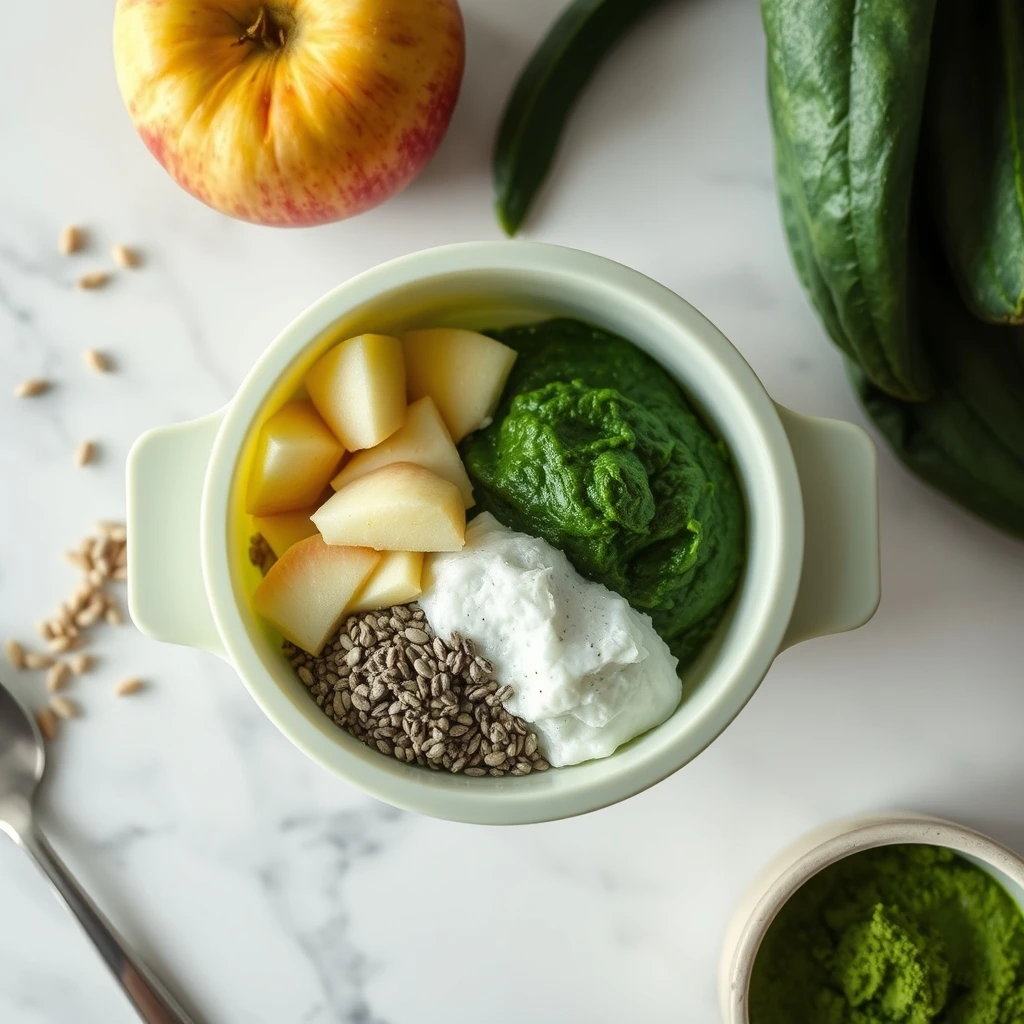
Add Wet Binders: Pour in the unsweetened applesauce. Begin mixing with the spatula. The applesauce acts as a natural, safe binder without any added sugars or artificial ingredients. If the mixture appears too dry or crumbly to hold its shape, add warm water one tablespoon at a time, mixing well after each addition, unt
Form the Swirls: Tear off small portions of the seed mixture, about 1-2 tablespoons each. Roll each portion between your palms into a thin, log-like shape, about 4-5 inches long. Carefully coil each log into a tight spiral or swirl shape. The spiral design provides nooks and crannies for your bird to explore, making th
Create Threading Holes: Using a large-eye needle or a thin skewer, carefully poke a hole through the center of each seed swirl. Ensure the hole goes all the way through and is wide enough to accommodate your bird-safe twine later. Creating these holes now, while the mixture is still soft, prevents breakage once the swi
Dehydrate or Dry Thoroughly: Place the baking sheet with the formed seed swirls into a food dehydrator set to its lowest temperature (typically 105-135°F / 40-57°C) or an oven set to its absolute lowest temperature (around 150°F / 65°C), leaving the oven door slightly ajar to allow moisture to escape. Dry for 4-6 hours
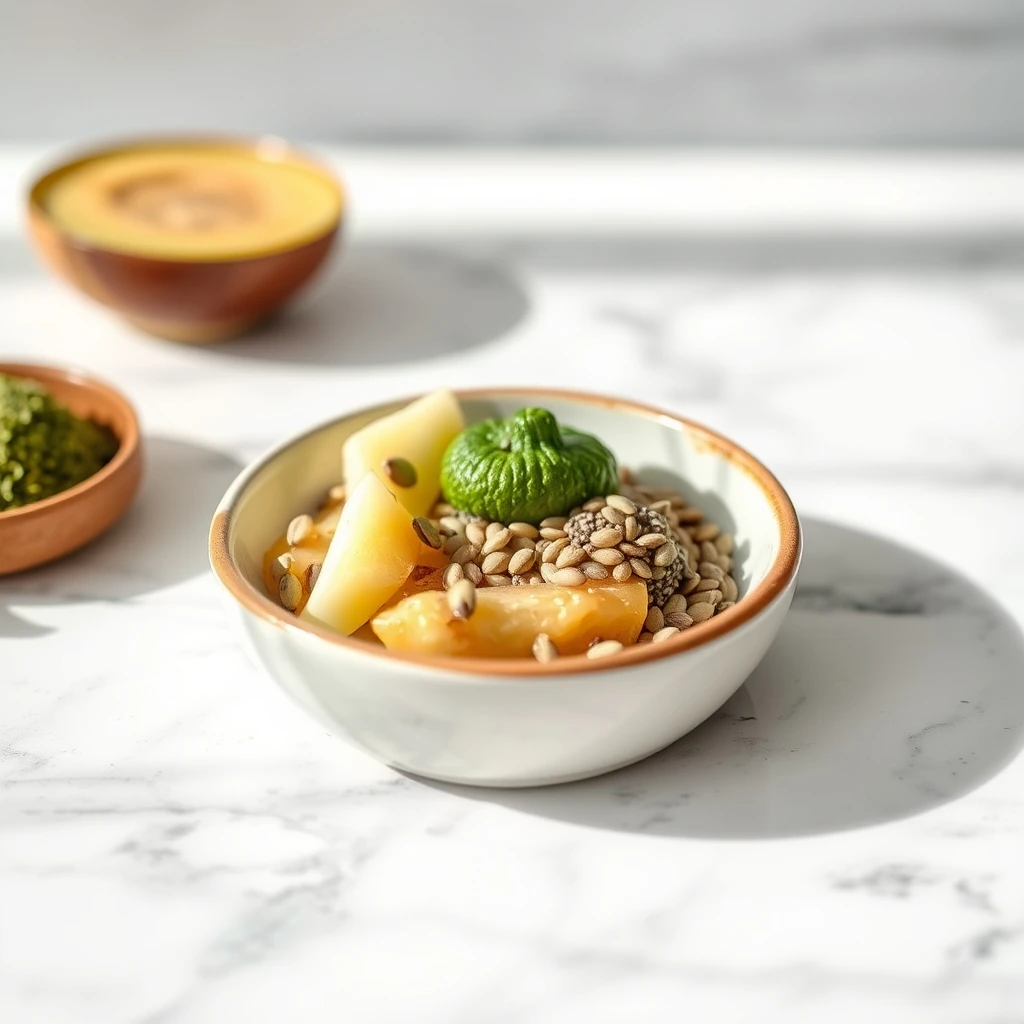
Cool and Assemble the Garland: Once fully dry, remove the seed swirls from the dehydrator or oven and let them cool completely to room temperature. This allows them to fully harden. Once cool, take a length of bird-safe twine. Carefully thread the cooled seed swirls onto the twine through the pre-poked holes, alternati
Made this recipe?
Tap the paw so other pet parents know it’s worth making.
Be the first to make it
Tips & serving
Hang the Foraging Seed Swirl Garland securely in your bird's cage or play area, ensuring it is out of the way of primary perches and food dishes to prevent contamination, but still easily accessible. Observe your bird's interaction; some birds may take to it immediately, while others might need a few days to investigate. Always remove any uneaten portions or the entire garland if it becomes soiled or overly damp to prevent bacterial growth. Offer this as an occasional enrichment treat, not a primary food source.
- Encourages natural foraging and shredding behaviors
- Provides mental stimulation and prevents boredom
- Offers physical exercise through manipulation and pecking
- Delivers beneficial seeds in an engaging format
- Promotes a sense of accomplishment for your bird
- Ensure all equipment is thoroughly cleaned before use to prevent contamination.
Storage
Store completely dried and cooled garlands in an airtight container at room temperature. Properly dried garlands can last for several weeks. If you notice any signs of mold or staleness, discard immediately.
Substitutions
- Seeds
Small amounts of flax seeds, sesame seeds, or canary seeds can be mixed in for variety, ensuring they are appropriate for your specific bird species. Binder Alternatives (use one): A very small amount of pureed banana or cooked sweet potato can be used instead of applesauce, but this may require longer drying times.
- Variation
Instead of swirls, you can form small disks or squares for a different foraging challenge.
Birds recipe FAQ
Is this enrichment a complete meal for my bird?
Treat it as an occasional extra, not a meal plan. Hang the Foraging Seed Swirl Garland securely in your bird's cage or play area, ensuring it is out of the way of primary perches and food dishes to prevent contamination, but still easily accessible.
Can birds have millet and chia seeds?
This recipe uses millet and chia seeds in a small, bird-appropriate amount. Skip it if your bird has a known sensitivity, and read the foods-to-avoid note on this page before serving.
How should I store leftovers?
Store completely dried and cooled garlands in an airtight container at room temperature. Properly dried garlands can last for several weeks. If you notice any signs of mold or staleness, discard immediately.
What's the safest way to try this with my bird?
Offer a small amount beside regular food, introduce one new recipe at a time, and watch appetite, stool, skin, and behavior for a day or two.
How often can I offer this garland to my bird?
This garland is best offered as an occasional enrichment treat, perhaps once or twice a week, depending on how quickly your bird goes through it and their overall diet. It should not replace their balanced daily diet.
My bird isn't interested in the garland. What can I do?
Birds can be cautious with new objects. Try hanging it in different locations in their cage or play area. You might also try breaking off a small piece and offering it by hand to pique their interest, or tucking a favorite small treat into one of the swirls.
Sources