

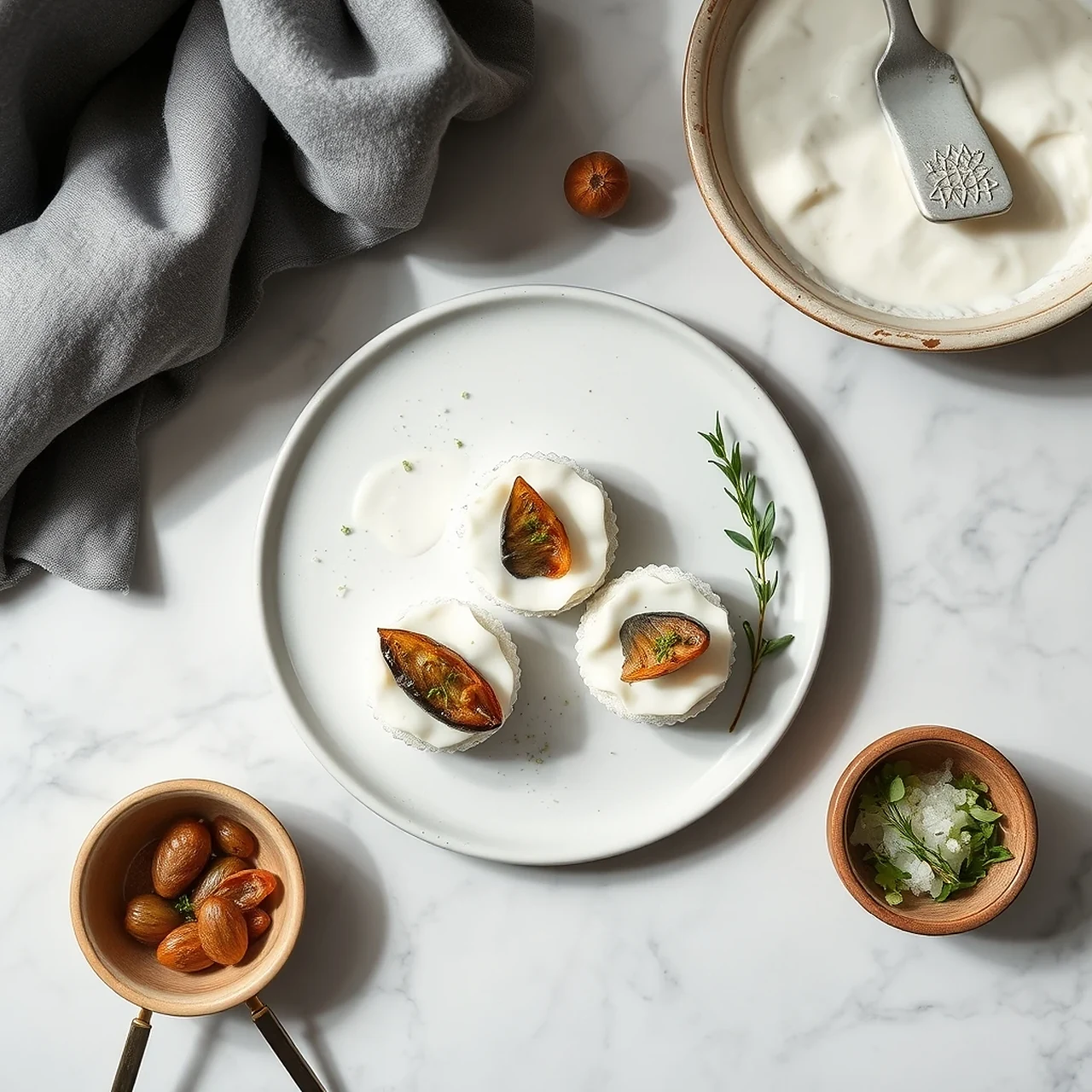
As a careful human recipe editor, I've seen firsthand how much our feline friends appreciate a cooling treat, especially when the weather warms up. These Kefir and Sardine Frozen Cat Bites are designed to be both refreshing and genuinely beneficial, marrying two ingredients known for their positive impact on cat health. We're looking for a simple, practical way to give our cats something special without compromising their well-being. This recipe is a fantastic way to introduce probiotics and essential fatty acids into your cat's diet in a delightful frozen format. Crafting homemade treats allows us to control exactly what goes into our pets' bodies, avoiding unnecessary fillers, salts, and preservatives. For this recipe, we focus on high-quality, pet-safe ingredients that contribute to overall vitality. The process is straightforward, requiring minimal equipment and effort, making it accessible for even the busiest pet parents. Always remember to consider your cat's individual dietary needs and preferences. While these ingredients are generally safe and beneficial, it is always wise to introduce new foods gradually. Before making any significant changes to your cat's diet, including adding new treats, it is always recommended to discuss it with your veterinarian. They can provide personalized advice based on your cat's specific health profile and ensure these treats are a suitable addition to their routine.
Safety first: Every cat is different: age, allergies, and health conditions all matter, so check with your vet when in doubt.
Foods to avoid
Never use sardines packed in oil or with added salt, flavored or sweetened kefir/yogurt, or any dairy products if your cat is known to be lactose intolerant. Avoid ingredients toxic to cats such as onions, garlic, chives, grapes, raisins, xylitol, or chocolate. Always check ingredient labels carefully.
Ingredients
Instructions
Prepare the Sardines: Open the can of sardines and carefully drain all the water. It is crucial to use sardines packed in water with no added salt or oil. The oil or excessive salt found in other sardine varieties can be detrimental to your cat's health. Ensure the sardines are boneless and skinless to prevent any choking hazards or digestive issues for your feline friend.

Combine Ingredients: Transfer the drained sardines to a small blender or food processor. Add the 1/4 cup of plain, unsweetened kefir. Kefir provides beneficial probiotics for gut health, and using an unsweetened variety is essential, as added sugars are unhealthy for cats.

Blend to a Smooth Paste: Secure the lid on your blender or food processor and blend the sardine and kefir mixture until it reaches a completely smooth, creamy consistency. This ensures the bites are easy for your cat to consume and digest, without any large chunks. Stop and scrape down the sides with a spatula if necessary to incorporate all ingredients evenly.
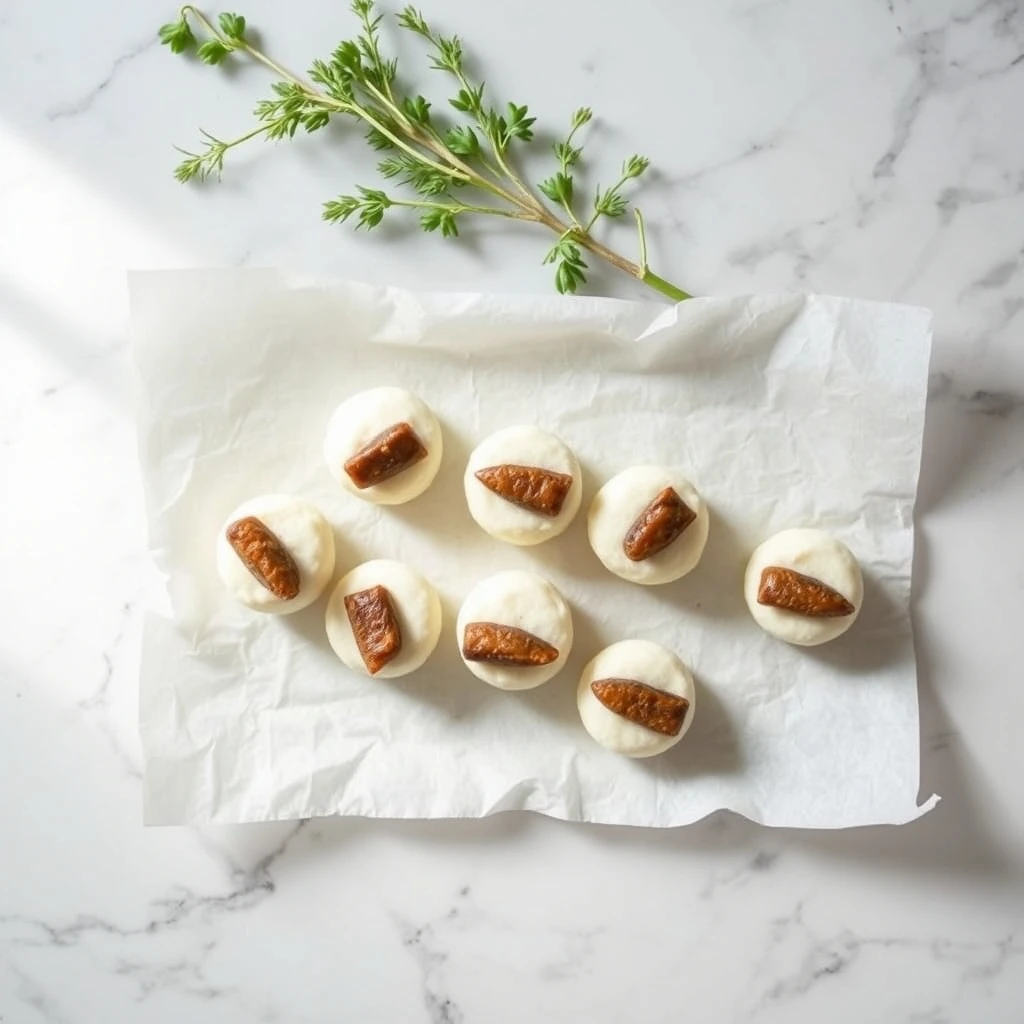
Fill the Molds: Using a spoon or spatula, carefully transfer the smooth mixture into a mini silicone ice cube tray or other small pet-friendly molds. Fill each cavity almost to the top. Silicone molds are ideal because they make it much easier to pop out the frozen treats later.
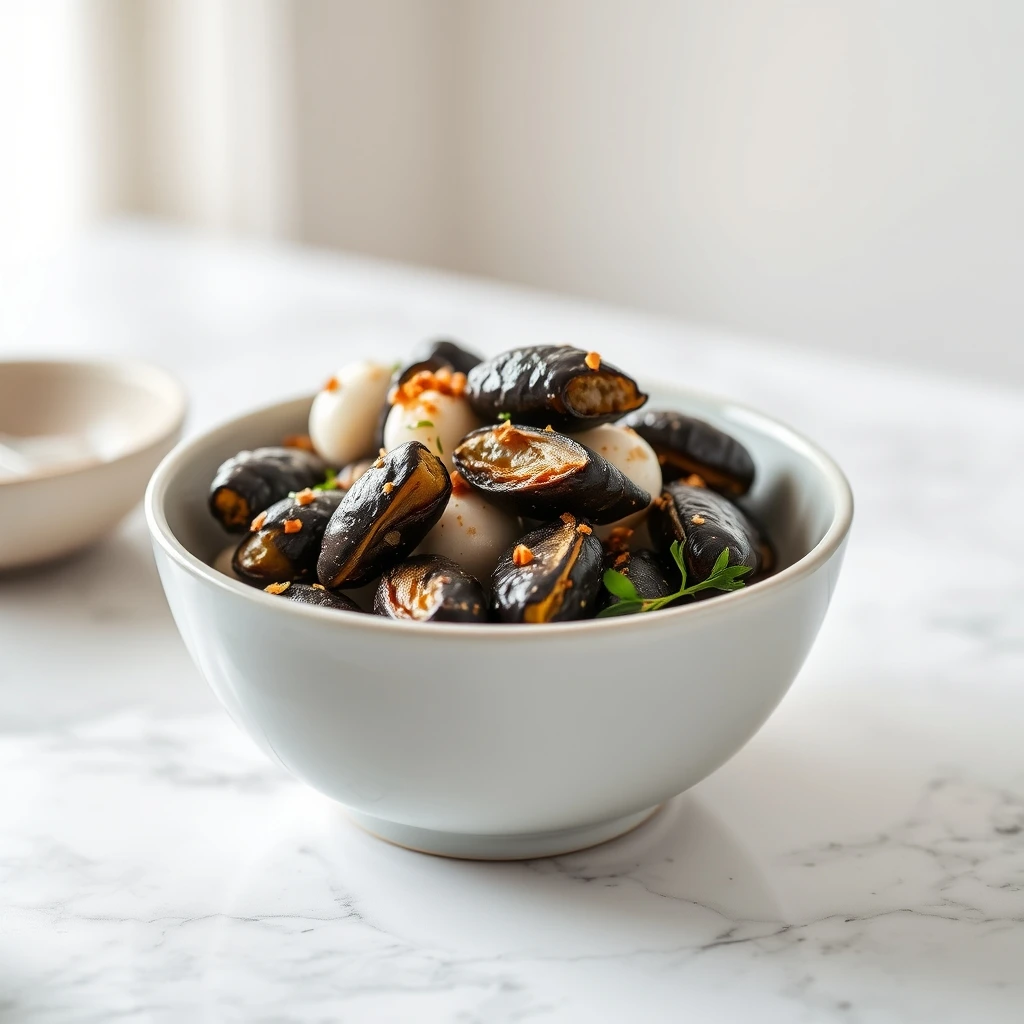
Freeze Until Solid: Place the filled molds into the freezer. For best results and to prevent freezer burn or odors, you can loosely cover the tray with plastic wrap or foil. Allow the bites to freeze completely, which typically takes at least 4 hours, or preferably overnight, to ensure they are firm and hold their shape.

Remove and Prepare for Storage: Once thoroughly frozen, carefully pop the individual bites out of their molds. If they are difficult to remove, let the tray sit at room temperature for a minute or two to slightly soften the edges, then try again. They should release easily from silicone.

Store Properly: Transfer the frozen bites into an airtight, freezer-safe container or a resealable freezer bag. This prevents freezer burn and keeps them fresh for longer. Make sure to label the container with the date of preparation.
Made this recipe?
Tap the paw so other pet parents know it’s worth making.
Be the first to make it
Tips & serving
These frozen bites are intended as a treat, not a meal replacement. Offer one or two small bites at a time, no more than once a day. Always supervise your cat while they are enjoying treats. Introduce new treats slowly to monitor for any digestive upset. If your cat has any health conditions, please consult your veterinarian before offering new foods.
- Provides beneficial probiotics for gut health and digestion from kefir.
- Excellent source of Omega-3 fatty acids from sardines, supporting skin, coat, and joint health.
- Offers hydration, especially beneficial for cats who do not drink enough water.
- Serves as a cooling treat, perfect for warmer weather or after playtime.
- A natural, preservative-free alternative to store-bought treats.
- Portion Control: Use very small molds to create bite-sized treats that are easy for cats to manage and help with portion control.
Storage
Always label with the date of preparation. Do not refreeze thawed treats. Discard any uneaten thawed treats within a few hours to prevent spoilage.
Substitutions
- Sardines
If sardines are unavailable or your cat dislikes them, you can use cooked, boneless, skinless salmon or tuna packed in water (no salt added). Ensure any fish is thoroughly cooked and all bones are removed.
- Kefir
Plain, unsweetened, whole-milk yogurt can be used as a substitute if kefir is not available, though kefir generally offers a wider range of probiotic strains. Ensure it is free from artificial sweeteners, flavors, or added sugars.
Cats recipe FAQ
Can I serve this treat every day?
Treat it as an occasional extra, not a meal plan. These frozen bites are intended as a treat, not a meal replacement. Offer one or two small bites at a time, no more than once a day. Always supervise your cat while they are enjoying treats.
Can cats have sardines?
This recipe uses sardines in a small, cat-appropriate amount. Skip it if your cat has a known sensitivity, and read the foods-to-avoid note on this page before serving.
How do I store this treat?
Store the frozen bites in an airtight, freezer-safe container or bag in the freezer for up to 1 month. Always label with the date of preparation. Do not refreeze thawed treats. Discard any uneaten thawed treats within a few hours to prevent spoilage.
What's the safest way to try this with my cat?
Offer a small amount beside regular food, introduce one new recipe at a time, and watch appetite, stool, skin, and behavior for a day or two.
How many of these frozen bites can I give my cat?
These are treats, so moderation is key. One to two small bites per day is generally a good guideline. Always consider your cat's overall caloric intake and activity level.
Can I use fresh sardines instead of canned?
Yes, you can use fresh sardines. If using fresh, ensure they are thoroughly cooked (steamed or boiled, no seasonings), and all bones and skin are meticulously removed before blending to ensure safety.
Sources