

As the weather gets warmer, helping our cats stay cool and hydrated becomes especially important. These 3-Ingredient Salmon & Broth Cat Freezies are a simple way to offer a refreshing frozen treat while providing extra hydration and omega-3s. With an easy preparation process, they are a great option even for pet parents who are just starting to make homemade treats.
Safety first: Keep treats and extras under about 10% of your cat's daily food - the regular diet should do the heavy lifting.
Foods to avoid
Never use raw salmon or fish in this recipe, as it can contain harmful bacteria or parasites. Do not use salmon or broth seasoned with garlic, onion, chives, or excessive salt, as these ingredients are toxic to cats. Avoid fish canned in oil or with added spices. Always ensure all bones and skin are removed from cooked fish.
Ingredients
Instructions
Prepare the Salmon: Make sure your salmon is fully cooked, plain, and free from any bones or skin before using it. Flake the cooked salmon into a food processor or blender, and avoid seasoned salmon since ingredients like garlic or onion can be toxic to cats.
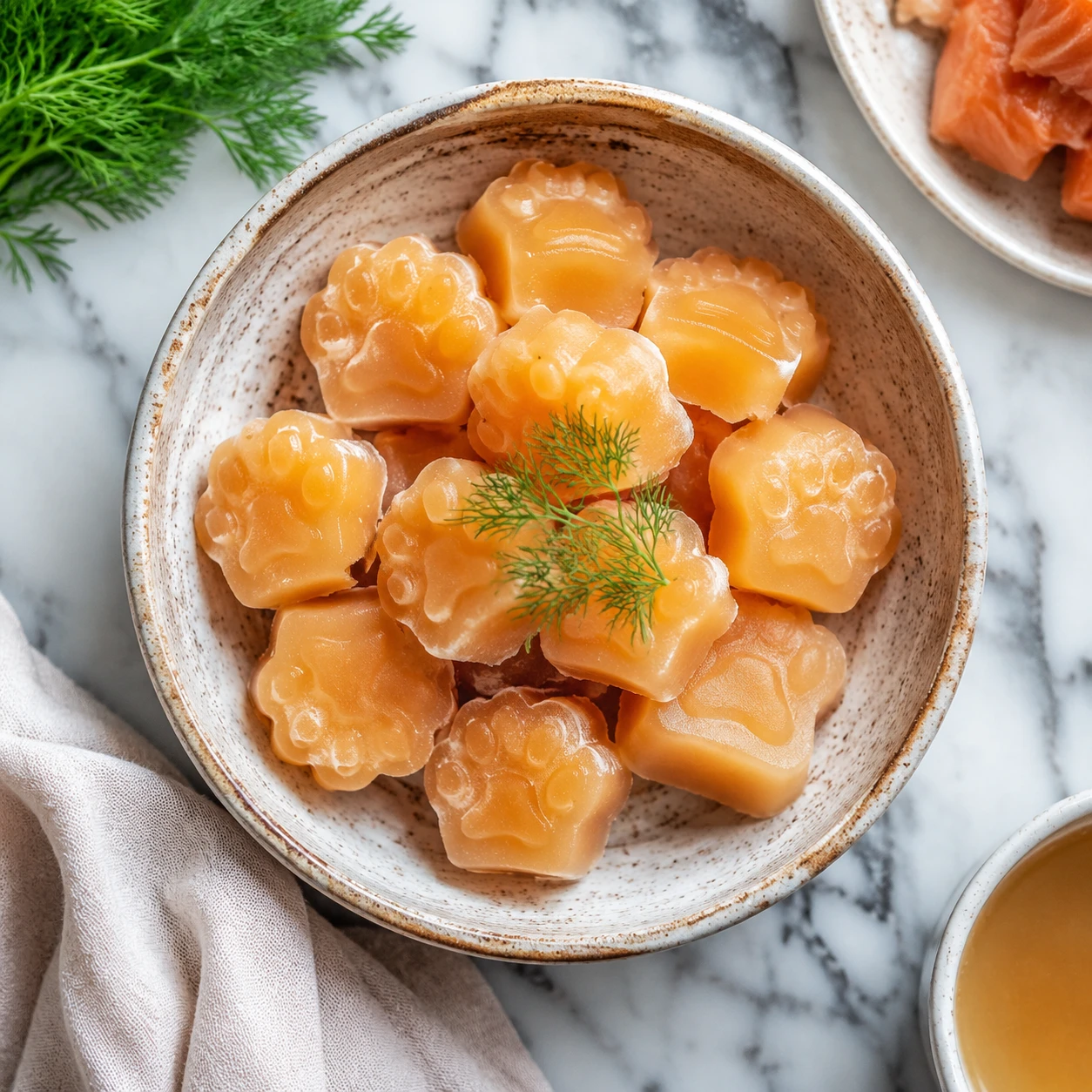
Combine Ingredients: Add the unseasoned, low-sodium cat-safe bone broth or fish broth and the filtered water to the food processor or blender with the salmon. The broth adds extra hydration and flavor, while the water helps create a smoother consistency that freezes well.
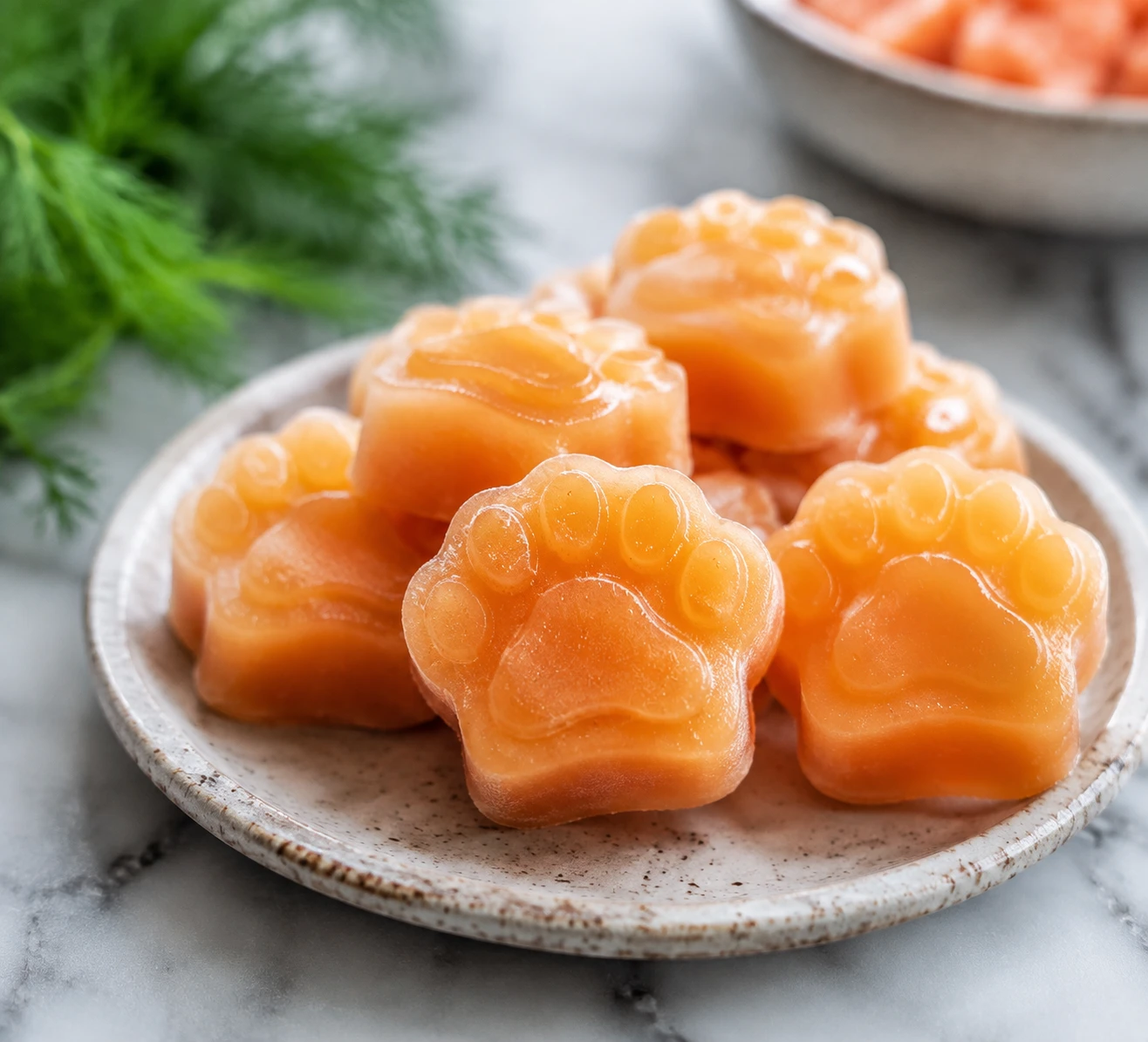
Blend Until Smooth: Blend the mixture until it becomes completely smooth and puree-like. Avoid leaving large chunks behind, as they can be difficult for cats to eat once frozen, and a smooth texture helps keep the flavors and nutrients evenly distributed.
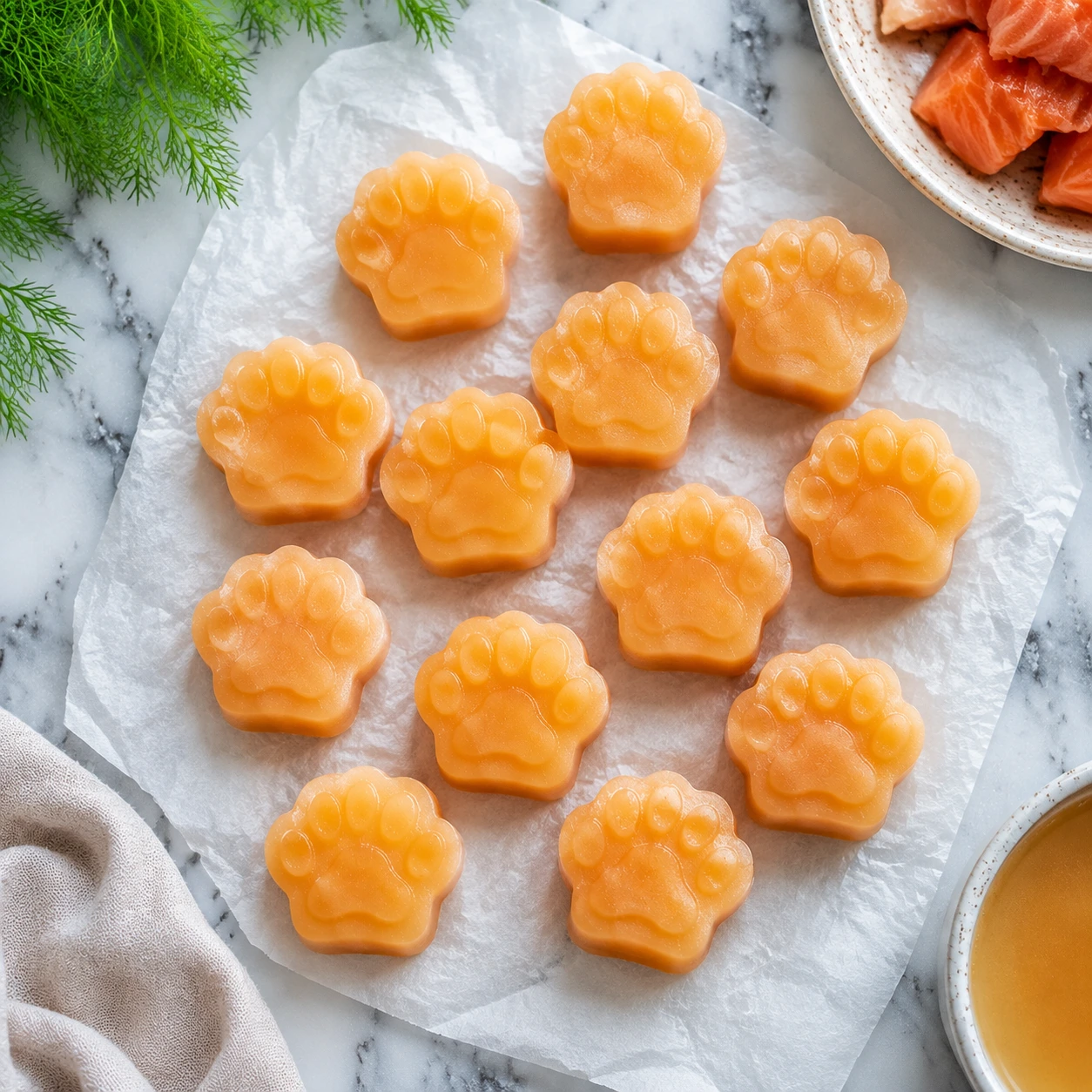
Pour into Trays: Carefully pour the blended salmon mixture into clean ice cube trays. Silicone trays are a great choice because they make it easier to remove the frozen treats later, and each compartment should be filled about three-quarters full to allow room for expansion during freezing.
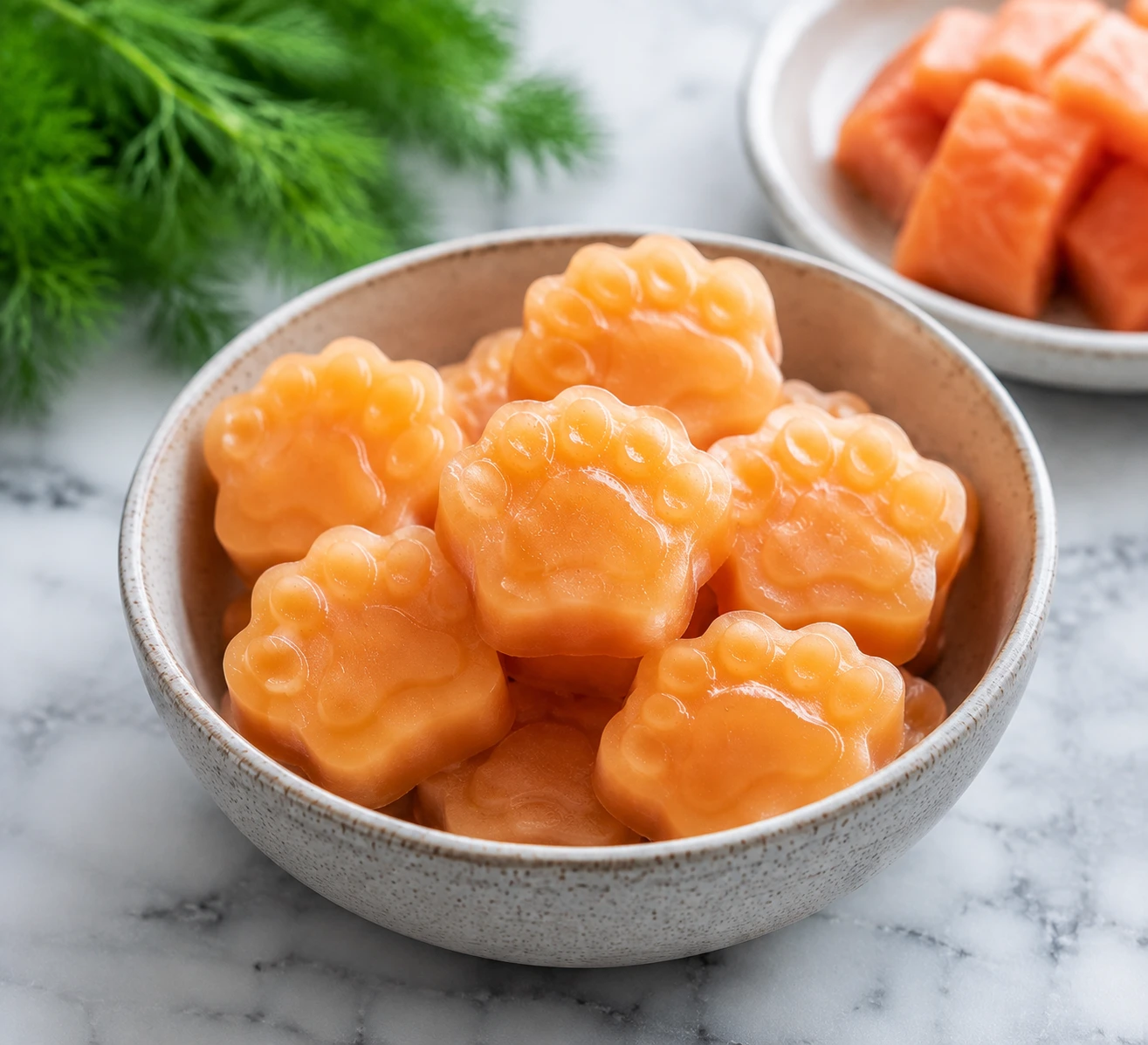
Freeze Thoroughly: Place the filled ice cube trays in the freezer and let the freezies freeze completely. This usually takes at least 3-4 hours, or until they are solid all the way through, so make sure they are fully frozen before removing them.
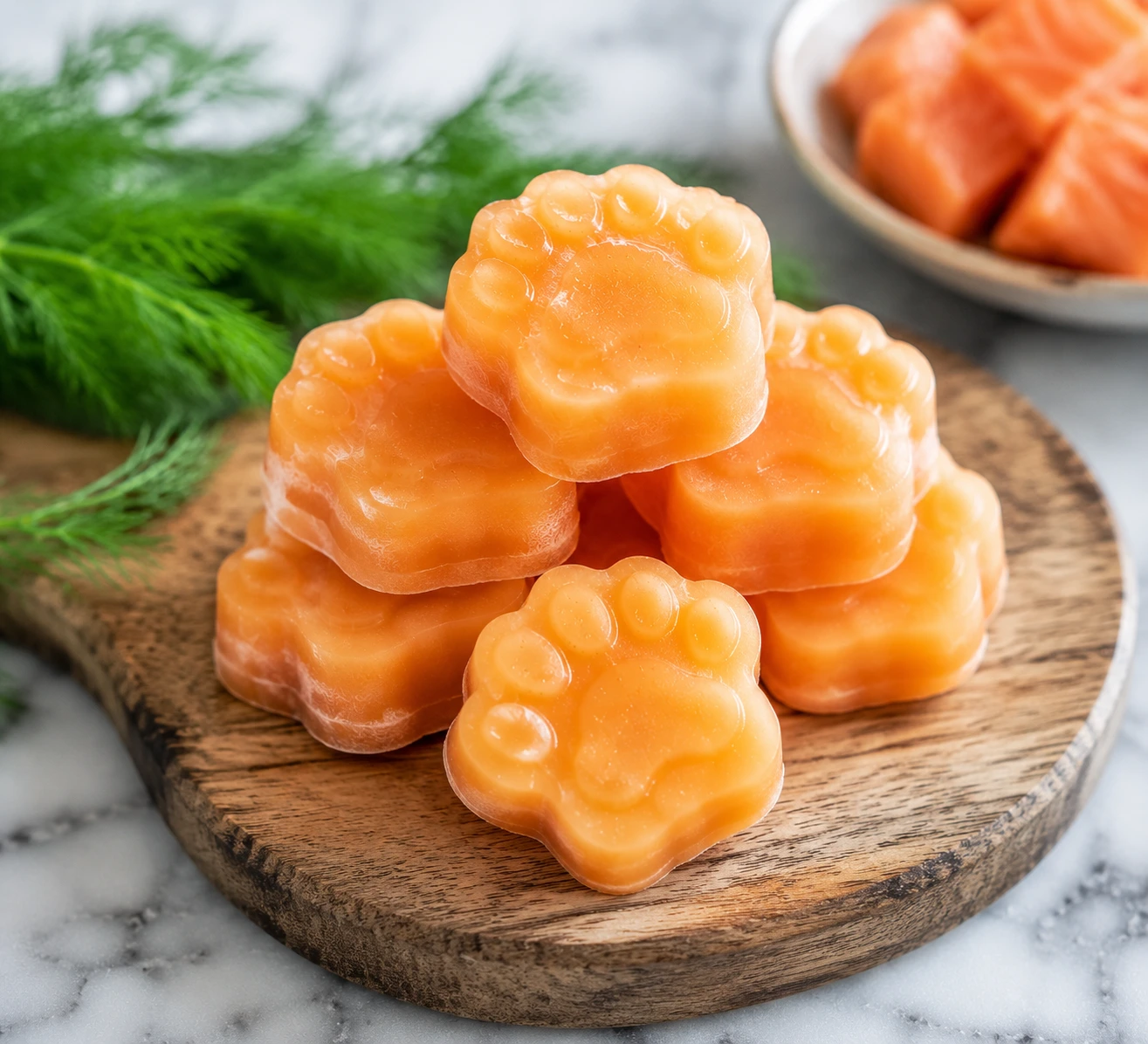
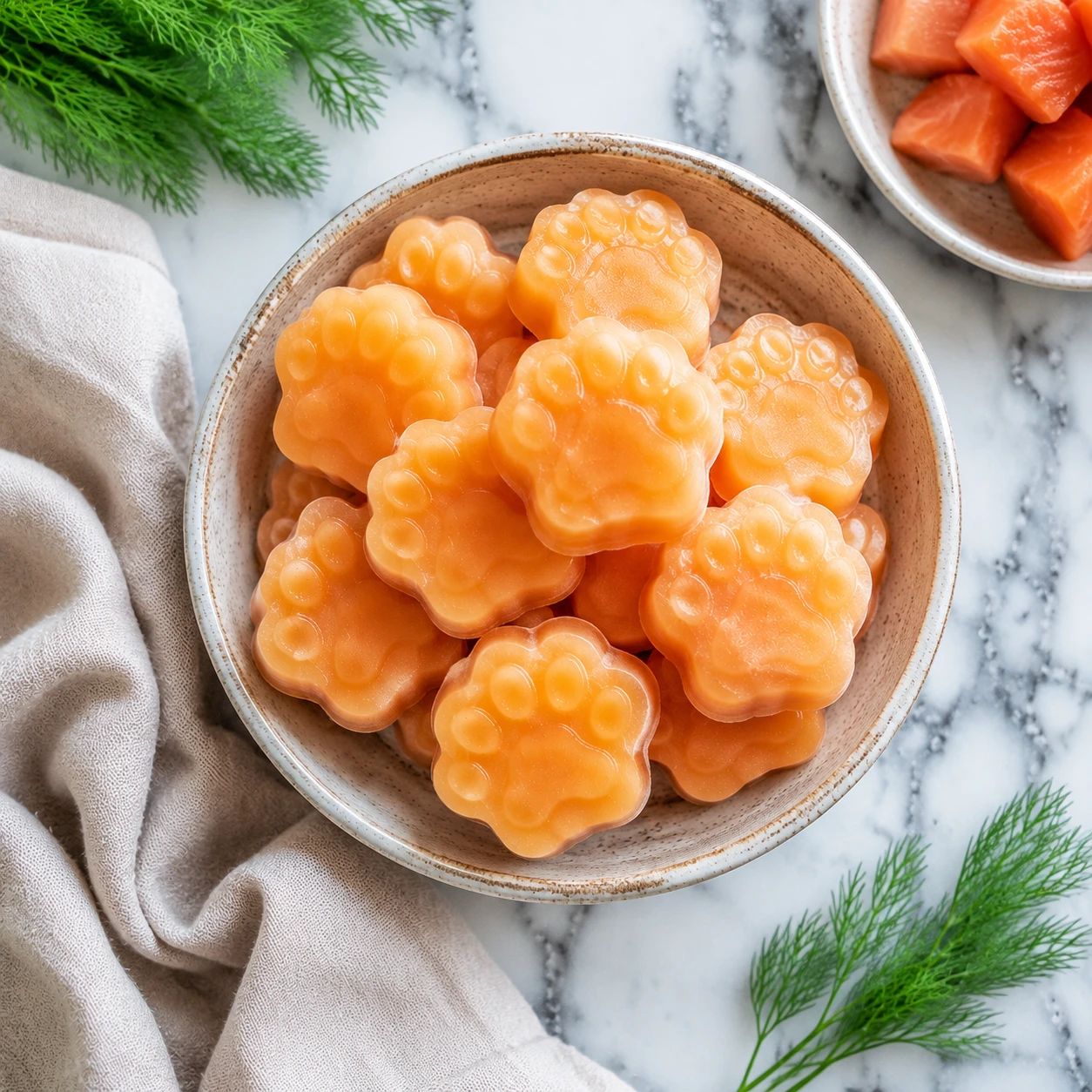
Remove and Store: Once the freezies are completely frozen, gently remove them from the trays. If you use silicone trays, they should pop out easily, and they should be transferred right away to an airtight, freezer-safe container or bag to help prevent freezer burn and keep them fresh.
Made this recipe?
Tap the paw so other pet parents know it’s worth making.
Be the first to make it
Tips & serving
These freezies are a treat, not a meal. Offer one small freezie (about 1-inch cube) per cat, a few times a week. Always supervise your cat while they enjoy frozen treats. For cats with sensitive teeth, you can let the freezie thaw for a minute or two to soften slightly before serving. Always ensure fresh water is available. Any major changes to your cat's diet should always be discussed with your veterinarian.
- Provides essential hydration during warm weather
- Rich in omega-3 fatty acids for skin and coat health
- Offers a stimulating, cooling texture for enrichment
- Made with minimal, easily digestible ingredients
- For easier removal, use silicone ice cube trays. If you only have plastic trays, run the bottom of the tray under warm water for a few seconds to loosen the freezies.
- Introduce these treats slowly. Some cats might be hesitant at first. Try offering a tiny piece to gauge their interest.
Storage
Store frozen freezies in an airtight, freezer-safe container or bag. Discard any uneaten portions after a few hours at room temperature.
Substitutions
- Fish
Cooked, plain tuna (packed in water, no salt added), cod, or sardines (in water, no salt) can be used instead of salmon. Always ensure it's unseasoned and boneless.
- Broth
Any unseasoned, low-sodium cat-safe bone or fish broth can be used. Avoid broths made for human consumption, as they often contain high levels of sodium, onions, or garlic.
- Water
You can substitute a small amount of additional cat-safe broth for the water, but be mindful of the overall liquid content for freezing consistency.
Cats recipe FAQ
Can I serve this treat every day?
Treat it as an occasional extra, not a meal plan. These freezies are a treat, not a meal. Offer one small freezie (about 1-inch cube) per cat, a few times a week. Always supervise your cat while they enjoy frozen treats.
Is salmon okay for cats?
This recipe uses salmon in a small, cat-appropriate amount. Skip it if your cat has a known sensitivity, and read the foods-to-avoid note on this page before serving.
How do I store this treat?
Store frozen freezies in an airtight, freezer-safe container or bag. They will keep well in the freezer for up to 2-3 weeks. Discard any uneaten portions after a few hours at room temperature.
How should I introduce this treat?
Start with a taste-size portion next to your cat's usual food, and hold off on serving more until you have seen that it agrees with them.
Can I use raw salmon for these freezies?
No, it is crucial to use fully cooked salmon for this recipe. Raw fish can contain harmful bacteria like salmonella or parasites that can make your cat very ill. Always cook fish thoroughly before serving it to your pet.
Is regular human chicken or beef broth safe to use?
It is generally not recommended. Most human broths are high in sodium and often contain ingredients like onion or garlic powder, which are toxic to cats. Always opt for unseasoned, low-sodium bone broth or fish broth specifically formulated or confirmed safe for cats.
Sources