
Sous vide is a gentle, controlled way to cook turkey breast without exposing it to the high heat of a frying pan or oven. The turkey cooks in a sealed, food-safe bag submerged in a temperature-controlled water bath, helping it stay moist and cook evenly throughout. Cutting the breast into evenly sized portions before cooking also makes it easier to handle and serve afterward. A little plain parsnip adds variety, but turkey remains the star of this topper. Cats are obligate carnivores and need a carefully balanced diet with essential nutrients this simple recipe cannot provide on its own. Serve it occasionally alongside complete cat food, never as a replacement for a balanced meal.
Safety first: Start with a small portion beside your cat's usual food and confirm bigger diet changes with your veterinarian.
Foods to avoid
Never use seasoned, brined, smoked or deli turkey. Avoid salt, pepper, garlic, onion, onion powder, stock cubes, gravy, butter, cooking oil and sauces. Do not include bones, skin or raw poultry. Sous vide cooking is not automatically safe simply because food is sealed in a bag. Use a properly calibrated immersion circulator, maintain the specified bath temperature, follow the cooking time for the stated thickness and verify that the thickest turkey portion reaches at least 74°C internally. Do not serve the cooking liquid unless it has been handled safely. This recipe is an occasional topper, not a complete feline diet.
Ingredients
Instructions
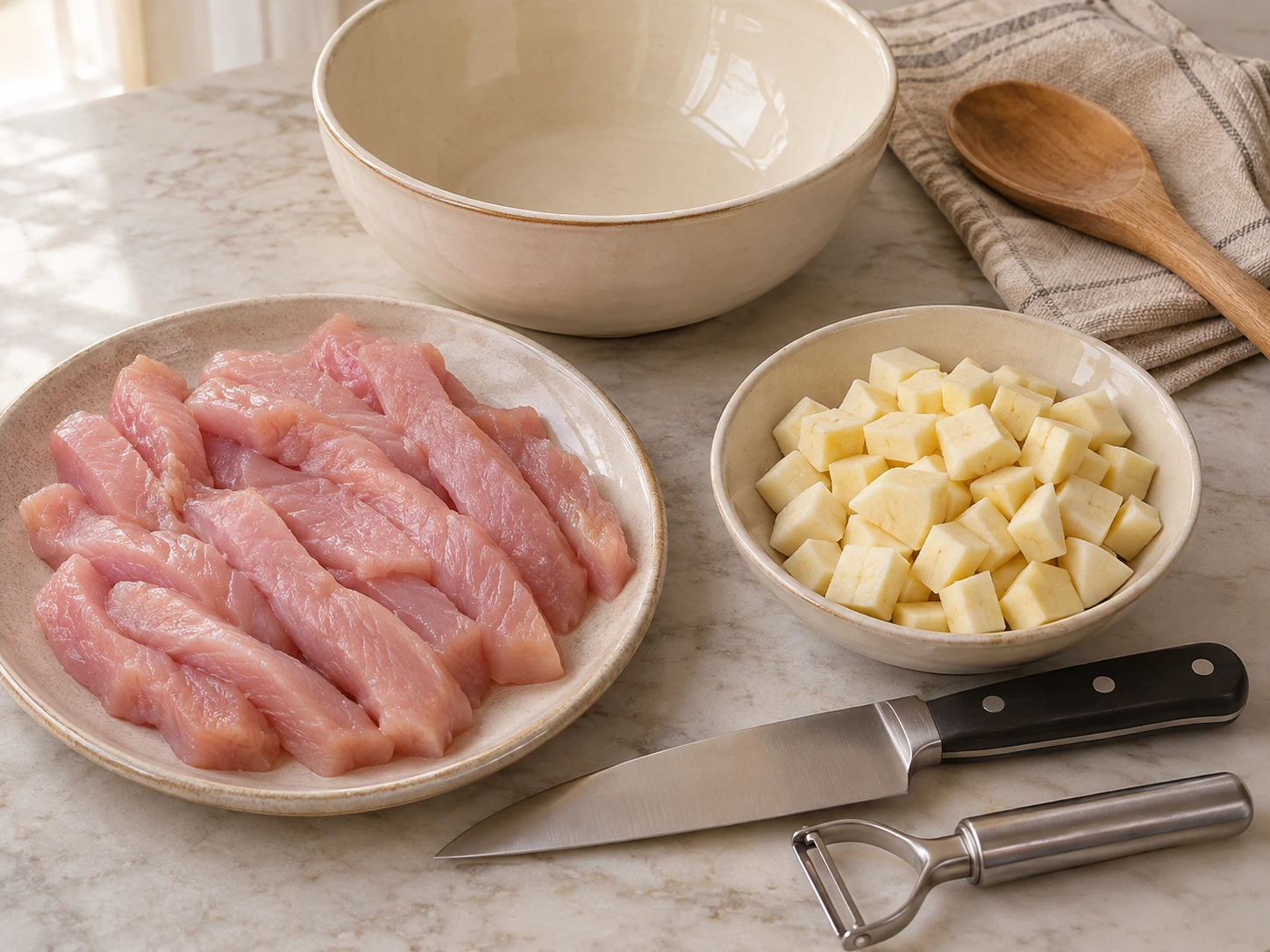
Prepare the Turkey and Parsnip: Start with fresh, fully thawed turkey breast and remove any visible connective tissue, skin, bone fragments and excess fat. Cut the meat into evenly sized strips approximately 2 cm thick, then peel the parsnip and cut it into small, evenly sized cubes. Keep the raw turkey and parsnip separate during preparation, and thoroughly wash your hands, knife and cutting board after handling the poultry. Skip salt, seasoning, butter, oil, garlic and onion, as none of these ingredients is needed for this simple cat topper.
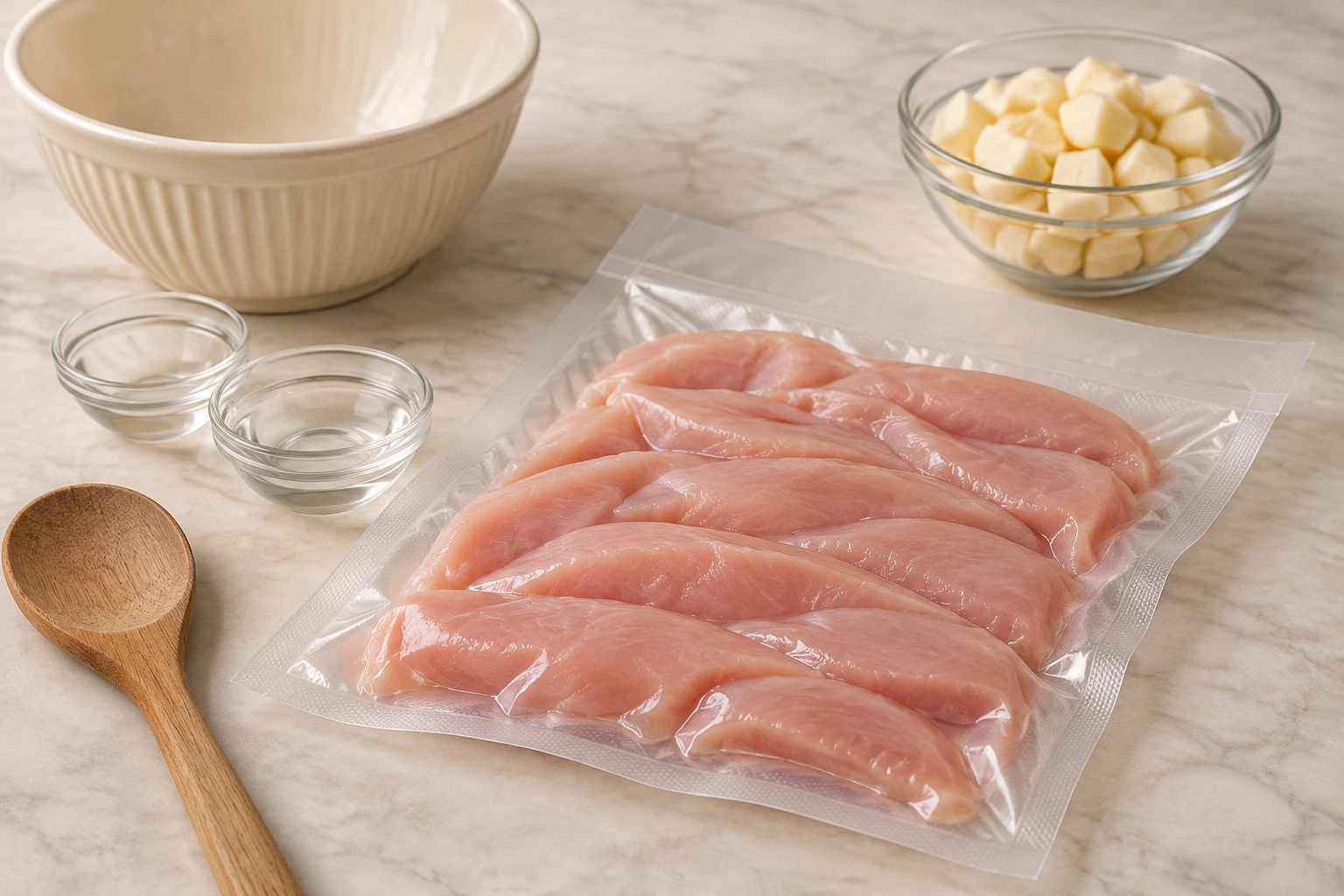
Seal the Turkey for Sous Vide Cooking: Arrange the prepared turkey strips in a single layer inside a food-safe sous vide bag and add the teaspoon of plain water. Make sure the pieces are not tightly stacked or folded together, then remove as much air as possible with a vacuum sealer, following the manufacturer's instructions. If you're using a suitable resealable sous vide bag, push out the air using the water-displacement method before sealing it securely. Check that the seal is completely closed and that the bag is suitable for the intended cooking temperature. Keep the prepared parsnip separate for independent cooking, and refrigerate the sealed turkey while the water bath heats if there
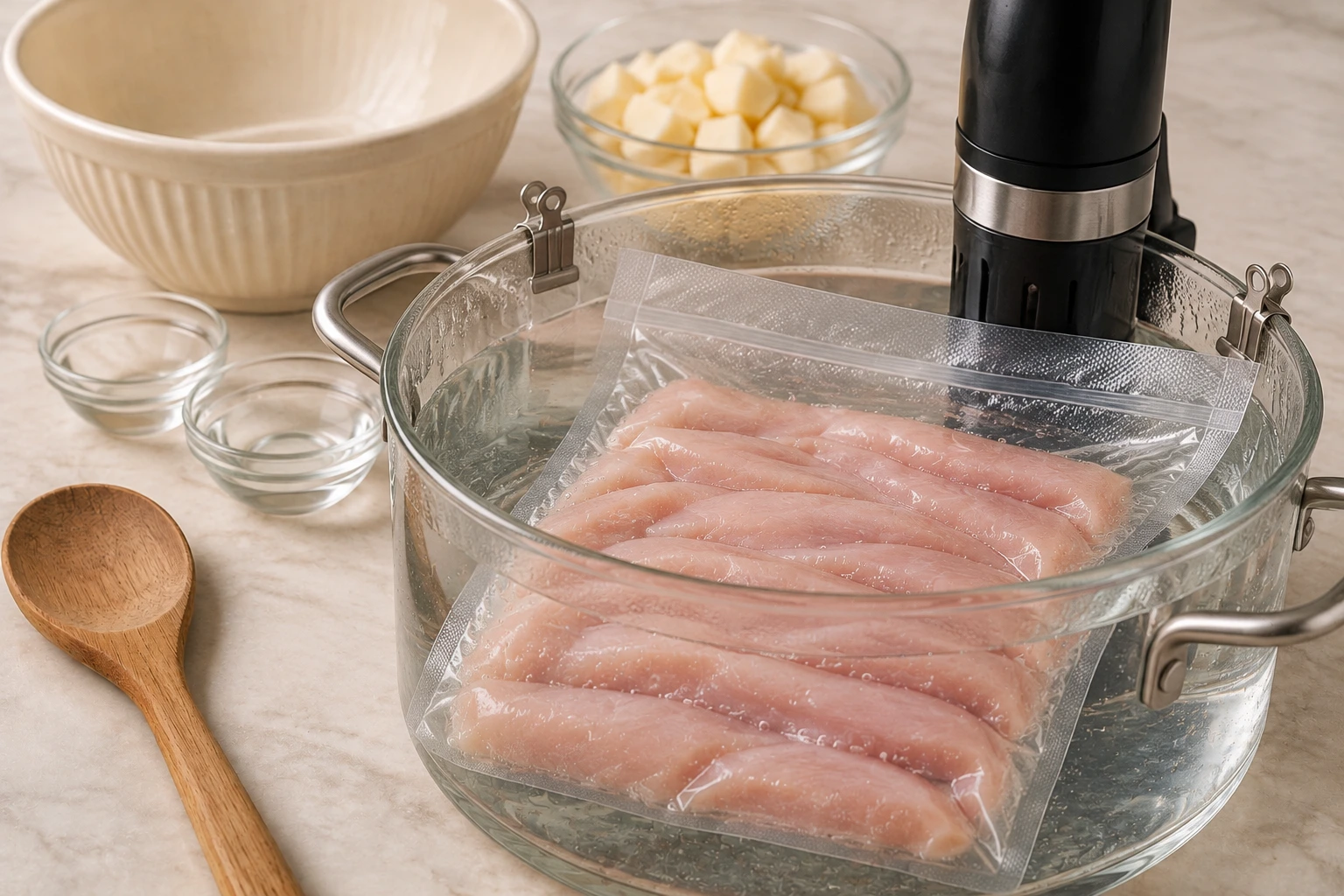
Cook the Turkey in a Controlled Water Bath: Set up your immersion circulator in a suitable water bath and preheat it to 74°C. Once the water reaches the target temperature, lower in the sealed turkey bag, making sure the meat is fully submerged and, when the bag design permits, the seal stays above the water. Secure the bag so it cannot float or block the circulator, then cook the evenly cut 2 cm thick turkey strips for approximately 90 minutes. This temperature and cooking time are intended for these small, evenly sized portions, not a whole turkey breast or thicker pieces. When cooking is complete, carefully open the bag and use a clean digital food thermometer to check the thickest
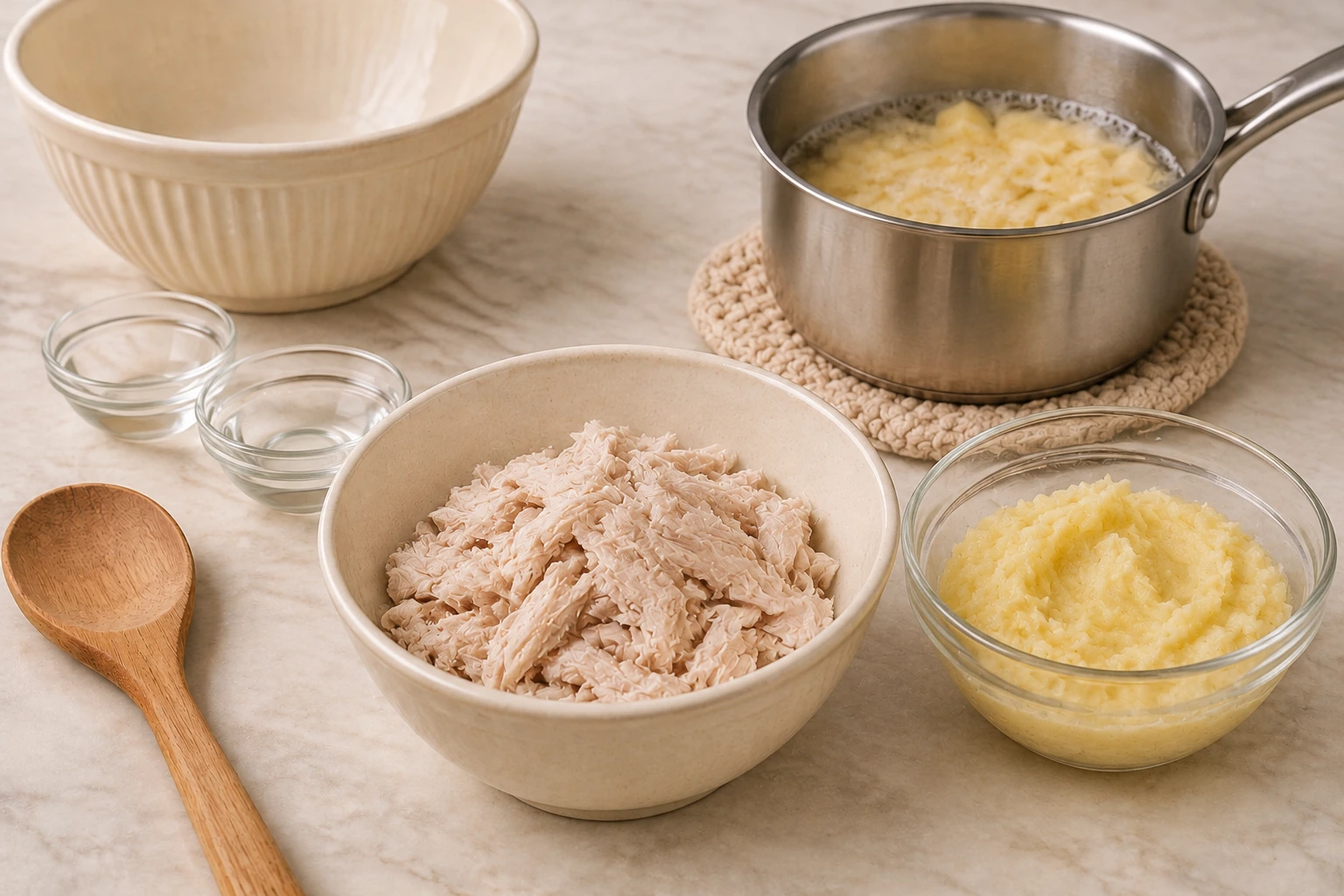
Cook the Parsnip and Prepare the Turkey: While the turkey finishes cooking, place the parsnip cubes in a small saucepan and cover them with plain water. Bring to a gentle boil, then simmer for around 10 to 15 minutes, depending on the size of the cubes, until they are completely tender and easily crushed with a fork. Drain thoroughly and allow them to cool slightly. Once the turkey has passed its internal temperature check, remove it from the bag using clean utensils. You can reserve a little cooking liquid, but only if it has been handled hygienically and cooled appropriately. Let the turkey rest briefly before finely slicing or shredding it into small, soft pieces, then mash the cooked
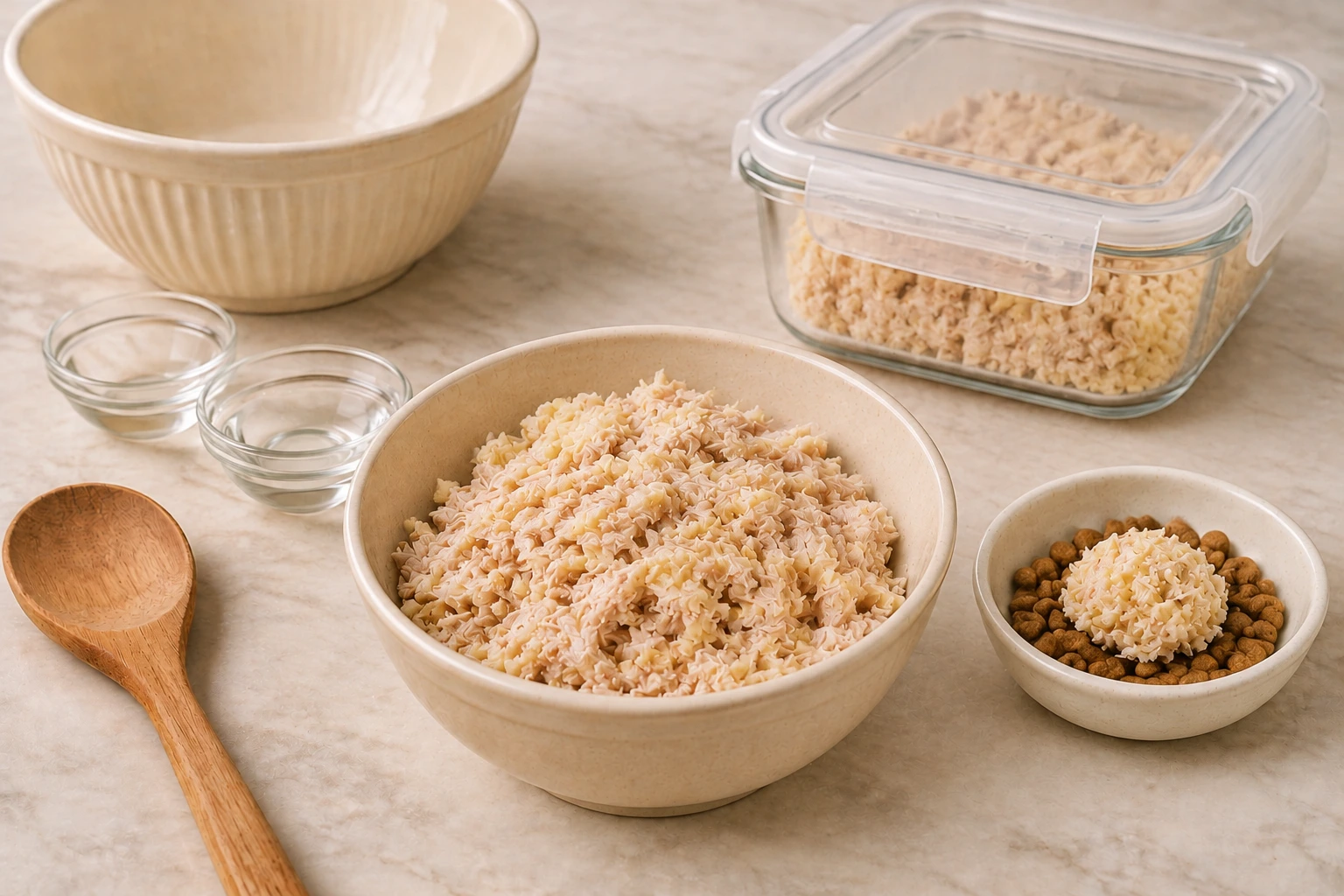
Combine and Portion the Topper: Add the finely shredded turkey and mashed parsnip to a clean small bowl and mix gently. Keep the turkey as the main ingredient, with the parsnip spread in a light coating rather than forming a thick vegetable puree. If the mixture looks dry, stir in a teaspoon of plain drinking water. Let everything cool completely to room temperature before serving, then divide the mixture into approximately 8 to 10 small portions. Transfer anything not being served immediately to a clean airtight container for refrigeration or freezing. For your cat's first serving, place just a teaspoon of the cooled mixture over their usual complete food. Never serve the topper hot or
Made this recipe?
Tap the paw so other pet parents know it’s worth making.
Be the first to make it
Tips & serving
Allow the topper to cool completely before serving. Start with approximately one teaspoon mixed into your cat's usual complete and balanced food, adjusting only if the cat tolerates it and the overall calorie allowance permits. Keep the turkey as a small addition rather than a substantial part of the meal. Homemade toppers are not nutritionally complete and should not displace a balanced feline diet. Treats and extras should generally remain within 10 percent of daily calories unless your veterinarian advises otherwise. Always discuss major diet changes with a veterinarian, particularly if your cat has specific dietary requirements, is a kitten, or follows a prescribed diet.
- Controlled water-bath cooking helps produce evenly cooked turkey with a tender texture that is easy to slice or shred into small portions.
- A short ingredient list makes it straightforward to identify exactly which ingredients are included in each homemade serving.
- Finely shredded turkey can be distributed over ordinary wet or dry cat food without requiring a separate large meal.
- Preparing several small portions at once makes it easier to manage occasional servings and reduce daily preparation time.
- Cut the turkey into consistently thick strips before sealing so the pieces heat more evenly throughout the sous vide cooking process.
- Use a food-safe bag designed for sous vide cooking, and check its temperature rating before placing it in the water bath.
Storage
Refrigerate freshly prepared portions promptly in a clean, airtight container at 4°C or below. For longer storage, divide the completely cooled topper into individual portions and freeze in suitable airtight freezer containers or sealed food-safe bags. Use within approximately 2 months for best quality.
Substitutions
Plain boneless, skinless chicken breast can replace turkey breast if your cat already tolerates chicken. Keep the same approximate portion size and apply the same poultry safety temperature checks. A small amount of peeled, fully cooked pumpkin can replace the parsnip if necessary. Use plain pumpkin without sugar, spices or pie-filling ingredients, and retain a small vegetable quantity rather than increasing its proportion. If your cat does not enjoy parsnip, simply omit it and prepare the turkey with plain drinking water.
Cats recipe FAQ
Is this topper a complete meal for my cat?
Treat it as an occasional extra, not a meal plan. Allow the topper to cool completely before serving. Start with approximately one teaspoon mixed into your cat's usual complete and balanced food, adjusting only if the cat tolerates it and the overall calorie allowance.
Can cats have boneless, skinless turkey breast?
This recipe uses boneless, skinless turkey breast in a small, cat-appropriate amount. Skip it if your cat has a known sensitivity, and read the foods-to-avoid note on this page before serving.
How should I store leftovers?
Refrigerate freshly prepared portions promptly in a clean, airtight container at 4°C or below. Use within 2 to 3 days for this small homemade batch, and discard any portion that has been left at room temperature for more than 2 hours or has been contaminated.
What's the safest way to try this with my cat?
Offer a small amount beside regular food, introduce one new recipe at a time, and watch appetite, stool, skin, and behavior for a day or two.
Is sous vide turkey safe for cats?
Sous vide can be used to prepare turkey safely when the equipment maintains the required temperature and the cooking process is appropriate for the meat's thickness. For this recipe, use a 74°C water bath and verify that the thickest turkey portion reaches at least 74°C internally. Proper handling, clean equipment and prompt refrigeration are equally important.
Can cats eat parsnips?
Plain, peeled parsnip that has been thoroughly cooked and mashed can be offered in a small quantity as an occasional ingredient. It should not become the main part of a cat's food because cats have specific nutritional requirements that rely heavily on animal-derived nutrients. Skip it if your cat does not enjoy the taste or texture.
Sources