

Cauliflower florets look like tiny trees, and that makes them a fun little snack for a curious parrot. I like keeping the branching tops intact instead of chopping everything up. It gives birds something to grip, investigate, and pick apart, while a quick roast makes the stems tender without leaving the florets mushy. Keep the cauliflower completely plain and check it carefully as it roasts. The branches should stay soft and easy to pull apart, without crunchy brown tips or tough stalks. Once everything has cooled, offer a piece that suits your bird's size and supervise the picking. Introduce cauliflower gradually if it's new, and serve it alongside your bird's usual balanced diet, not as a meal replacement.
Safety first: Start with a small portion beside your bird's usual food and confirm bigger diet changes with your veterinarian.
Foods to avoid
Never roast cauliflower for birds with added salt, butter, cooking oil, garlic, onion, flavored seasoning blends, sauces, or spicy coatings. Garlic and onion are especially inappropriate ingredients for pet birds. Avoid charred, burnt, brittle, or heavily dried florets, and never offer cauliflower straight from the oven. Do not use nonstick cookware with potentially hazardous coatings in a bird household, particularly PTFE-containing cookware, because overheating can release fumes that are extremely dangerous to birds. Use an appropriate uncoated baking tray and maintain good kitchen ventilation.
Ingredients
Instructions
Wash the cauliflower thoroughly: Preheat your oven to 180°C (350°F), then remove any bruised, discolored, or damaged spots from the cauliflower. Rinse the head under cool, running drinking-quality water, gently opening the branches to wash between the florets, checking for hidden dirt or insects, and rinsing again wherever needed. Drain in a colander, pat dry with a clean towel to prevent excess steaming during roasting, and set aside any fresh, tender inner leaves you want to use, washing those separately.
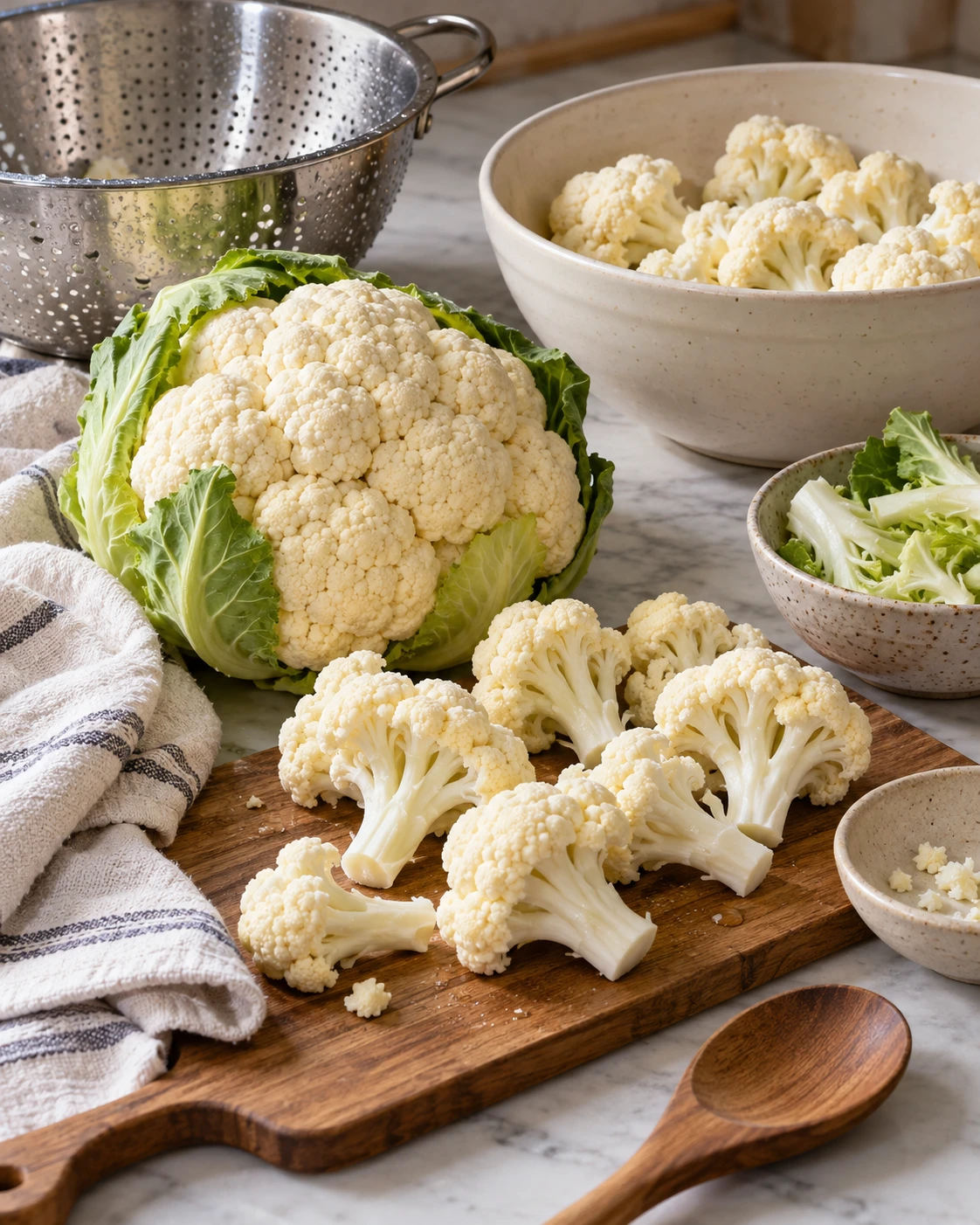
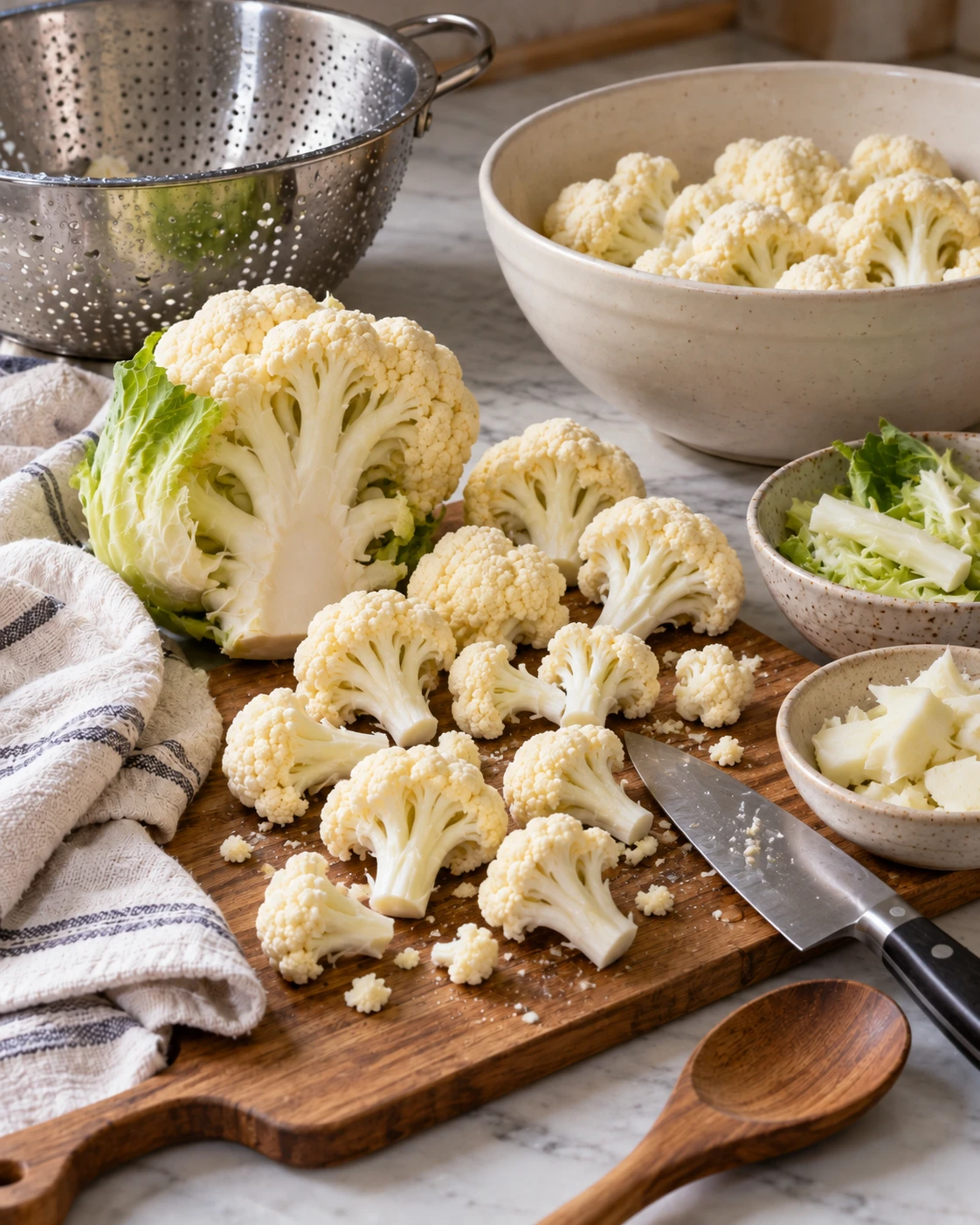
Cut small cauliflower trees: Place the drained cauliflower on a clean cutting board and use a sharp knife to cut 8 to 12 small florets away from the central stalk. Slice through the stems rather than the branching tops to keep their little tree shapes intact, trimming thick, woody sections and splitting oversized florets into compact pieces your bird can handle. Save only a few tender stalk pieces and inner leaves if you're using them, discard the tough parts, and remember that smaller parrots may do better with individual soft branchlets.
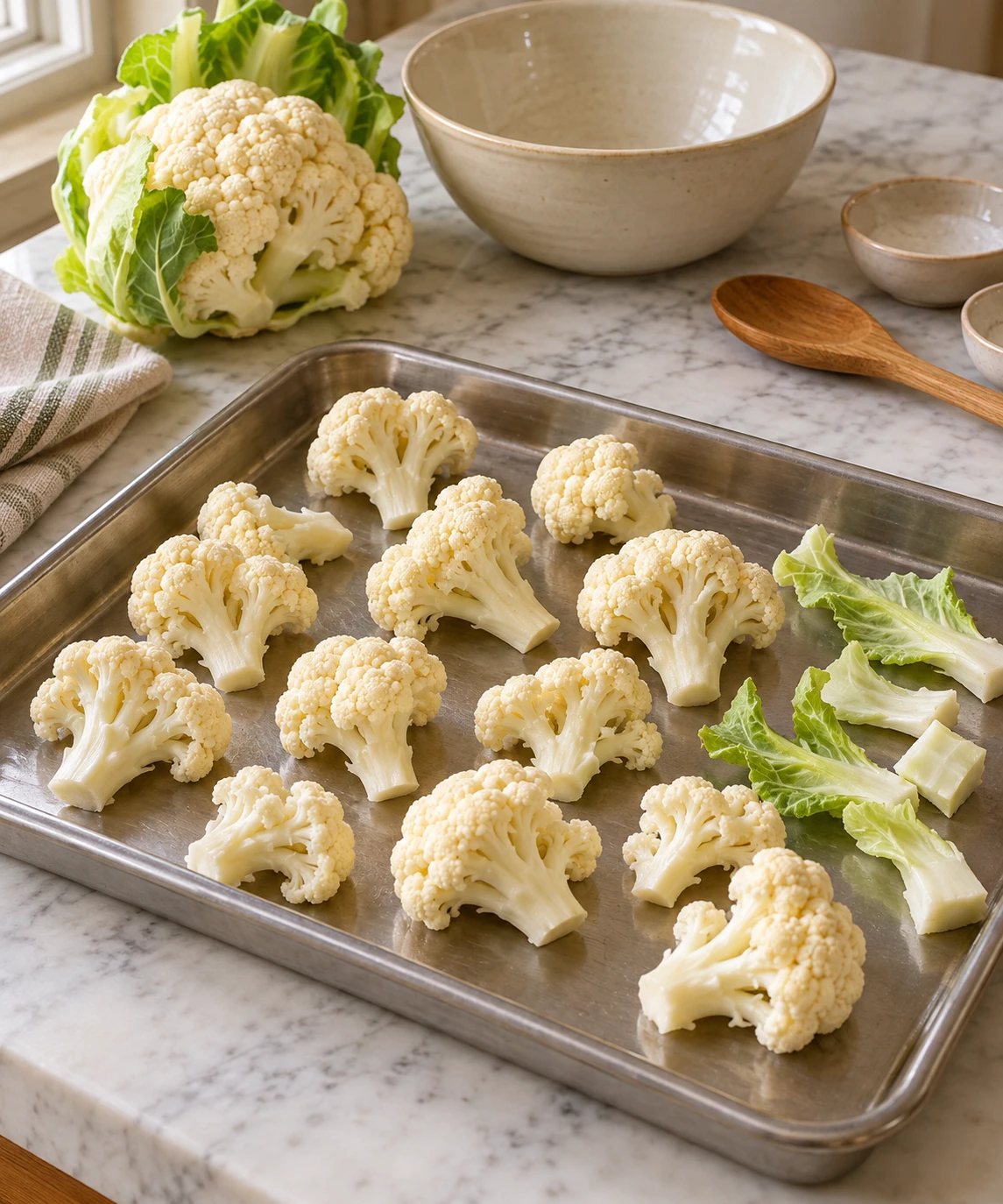
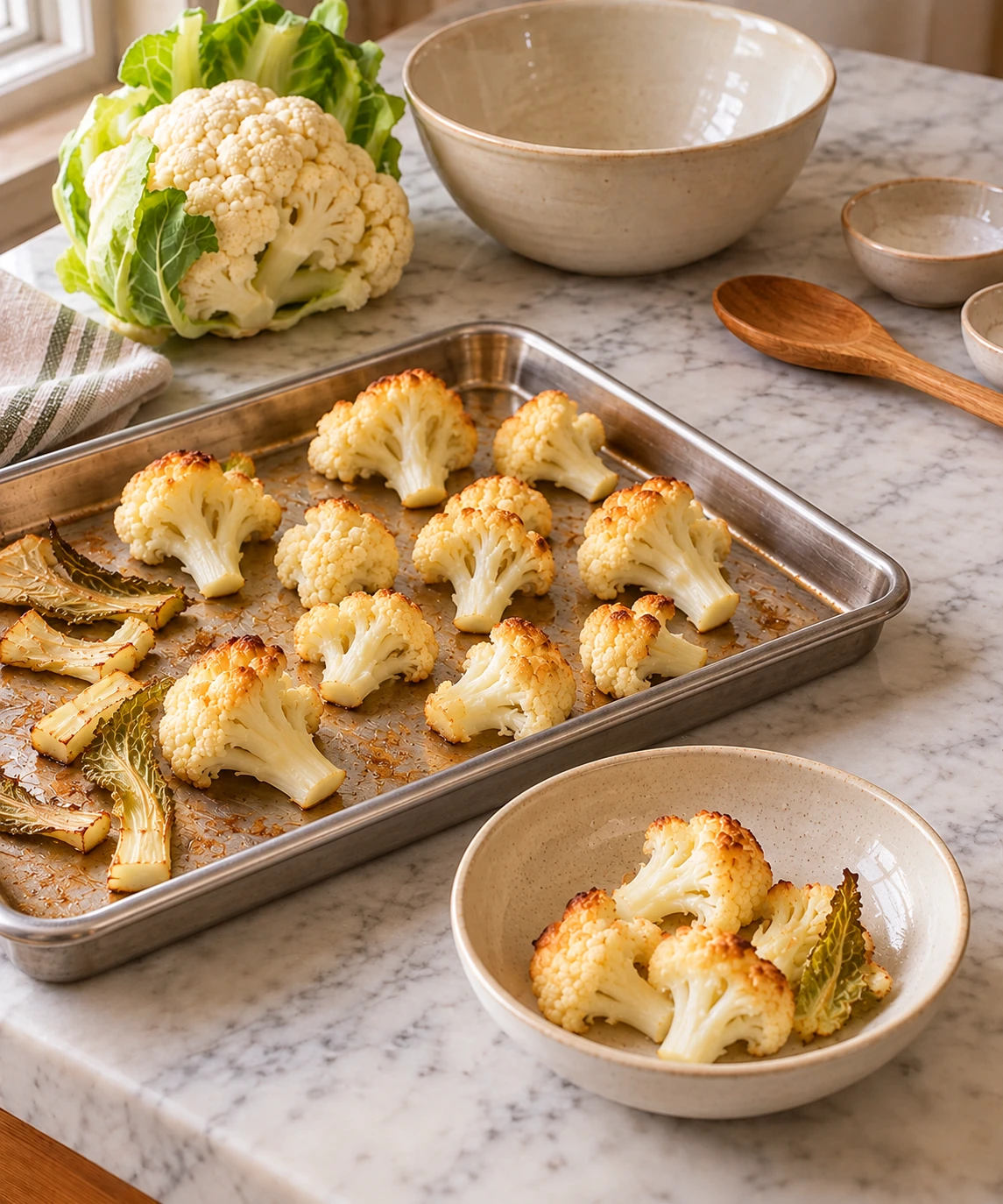
Arrange the florets for roasting: Arrange the cauliflower trees in a single layer on a clean, uncoated stainless steel baking tray, leaving space between them so they heat evenly. Lay the thicker stalk ends flat when possible, avoid crowding the delicate tops, and place any tender leaves or small stalk pieces separately on the tray so you can remove them earlier if needed. Keep everything completely plain, with no cooking oil, butter, salt, herbs, spices, sauces, or other seasonings.
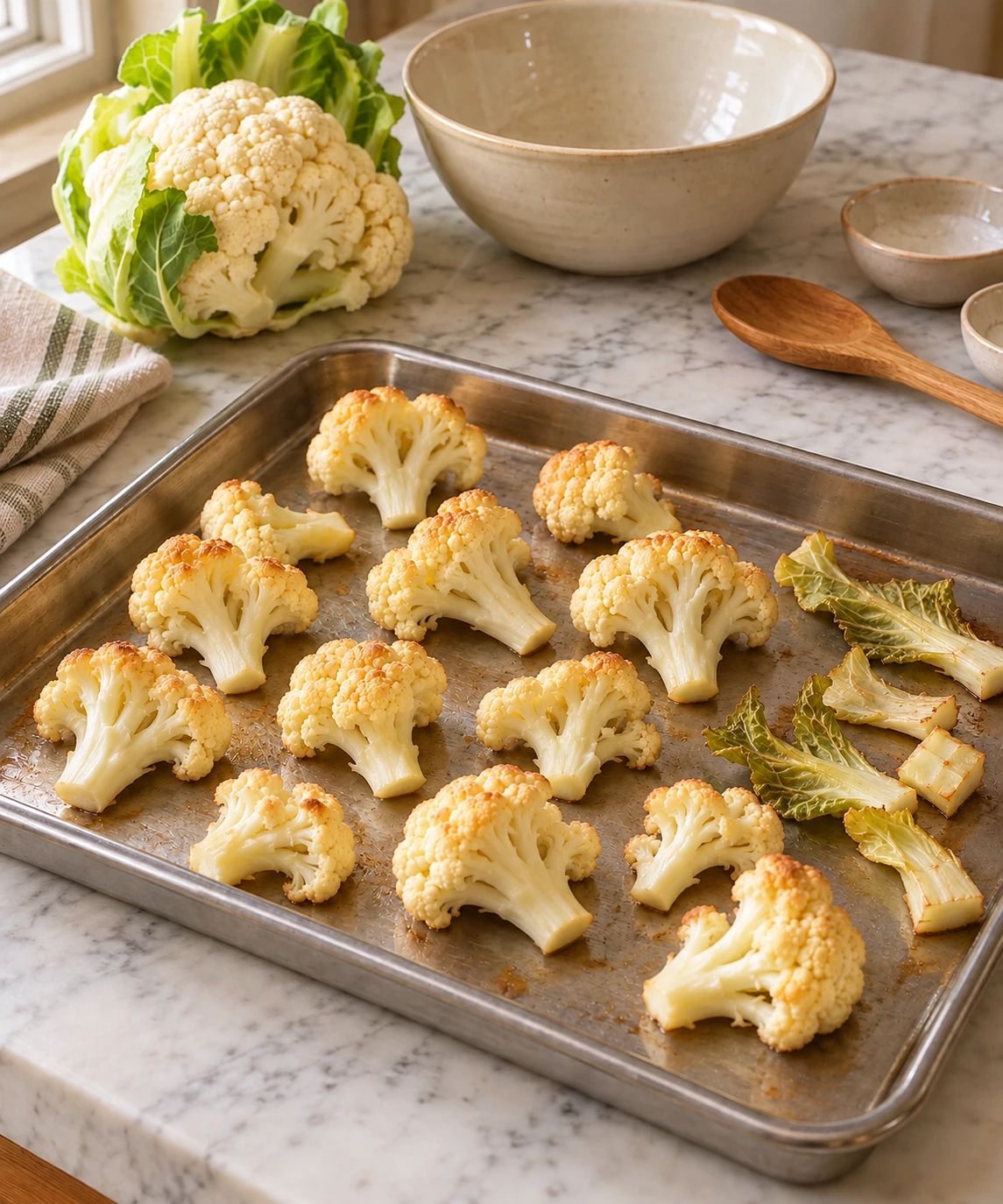
Roast until just tender: Place the tray on the middle oven rack and roast at 180°C (350°F) for approximately 12 to 18 minutes, checking after 10 minutes since smaller florets and leaves cook faster. Test the thickest stalk gently with a fork; it should give easily while the branches still hold together and feel slightly springy, and you can remove tender leaves or smaller pieces as soon as they're ready. Take the tray out before any tips become dark, hard, or brittle, aiming for pale cream cauliflower with only faint golden patches rather than deep browning or charring.
Cool and offer a supervised snack: Let the cauliflower cool completely on the tray for approximately 10 to 15 minutes, or longer for thicker pieces, then check the center of a stalk with clean fingers for any remaining warmth and remove hardened tips. Place one appropriately sized soft tree or smaller branchlet in a clean ceramic dish, keeping the rest separate for storage, and supervise your parrot as it grips, pulls apart, and eats the cauliflower. Remove leftovers promptly after the picking session, ideally within 30 to 60 minutes, and discard anything your bird has mouthed or contaminated.
Made this recipe?
Tap the paw so other pet parents know it’s worth making.
Be the first to make it
Tips & serving
Offer these cauliflower trees only to pet parrots for which cauliflower is an appropriate vegetable, taking the individual bird's species, size, feeding abilities, and existing diet into account. For a bird trying cauliflower for the first time, begin with one or two tiny, soft branchlets and observe its response before offering more on another occasion. A larger parrot may enjoy picking at a small whole floret, while a smaller parrot may need the branches separated into manageable bites. The stalk should be tender enough to break apart easily, and no piece should be large, rigid, or awkward for the bird to handle safely. Serve the cauliflower completely cool in a clean dish or another
- The cauliflower branches provide a naturally varied surface that encourages suitable parrots to investigate their food and pick apart individual pieces.
- Roasting without added oil or seasoning keeps the ingredient list simple and makes it easier to identify exactly what the bird is eating.
- Leaving the floret shapes intact offers a different feeding experience from finely chopped vegetables served in an ordinary food bowl.
- Tender florets can be divided into different sizes, allowing the preparation to be adjusted to a particular bird's handling and eating abilities.
- Preparing cauliflower separately gives owners an opportunity to observe how their bird responds to an unfamiliar vegetable without mixing it into the entire daily food ration.
- Choose cauliflower with tightly packed pale florets and firm stalks, avoiding heads with slimy areas, mold, or an unpleasant smell.
Storage
For short-term storage, allow the roasted cauliflower to cool completely before placing untouched portions in a clean, shallow, airtight food container. Discard the remaining batch if it develops an unusual odor, slimy surface, or other signs of spoilage. Keep cauliflower that has already been offered to your bird separate from unused portions. Do not return handled, mouthed, or soiled pieces to the refrigerator, even if they appear mostly intact.
Substitutions
Fresh broccoli florets can replace cauliflower when broccoli is appropriate for your bird's diet. Keep the same small branching shape, roast without oil or seasoning, and check frequently because the thinner leafy tips can dry out or darken faster than cauliflower. Introduce broccoli separately if it is new to your bird. For birds that struggle with larger stems, use the tiniest cauliflower branchlets from the same head rather than substituting a different ingredient. Reduce the roasting time as needed, checking that the pieces remain soft and do not develop hard, dry tips.
Birds recipe FAQ
Can I serve this snack every day?
Treat it as an occasional extra, not a meal plan. Offer these cauliflower trees only to pet parrots for which cauliflower is an appropriate vegetable, taking the individual bird's species, size, feeding abilities, and existing diet into account.
Can birds have cauliflower?
This recipe uses cauliflower in a small, bird-appropriate amount. Skip it if your bird has a known sensitivity, and read the foods-to-avoid note on this page before serving.
How long does Birds Roasted Cauliflower Foraging Trees keep?
For short-term storage, allow the roasted cauliflower to cool completely before placing untouched portions in a clean, shallow, airtight food container.
What's the safest way to try this with my bird?
Offer a small amount beside regular food, introduce one new recipe at a time, and watch appetite, stool, skin, and behavior for a day or two.
Can parrots eat roasted cauliflower?
Many pet parrots can enjoy plain cooked cauliflower as part of an appropriately varied diet. Roast it without oil, salt, or seasoning, and let it cool completely before serving. Begin with a small amount if cauliflower is unfamiliar, and check with an avian veterinarian about your particular bird's dietary needs.
Should the cauliflower trees be crunchy or soft?
Aim for tender stems and soft branching tops that still hold their shape. The cauliflower should not become dry, hard, brittle, or heavily browned. Test a thick stalk with a fork before removing the tray, and discard any unusually tough or charred pieces. Softer branchlets are preferable for smaller birds.
Sources