

Making homemade treats for your cat can be a simple, thoughtful way to show a little extra care while knowing exactly what goes into each bite. These 3-Ingredient Cottage Cheese & Spinach Cat Bites are easy to prepare, low in calories and made with wholesome ingredients, so they can be a nice option when you want a homemade snack without unnecessary additives. Cottage cheese provides a gentle source of protein and calcium, while fresh spinach adds essential vitamins and a touch of fiber. With such a short ingredient list, these bites are straightforward enough for busy pet parents to make and may also help reduce the chances of introducing common allergens or unnecessary additives. They work well as small training rewards or an occasional extra snack. As with any treat, these bites should make up only a small part of your cat's daily caloric intake, typically no more than 10%. The ingredients in this recipe are considered cat-safe, but every cat is different, so check with your veterinarian first if your cat has known sensitivities or allergies or if you're considering significant changes to their diet.
Safety first: Introduce new foods gradually and speak with your veterinarian before making major changes to your cat's diet.
Foods to avoid
Never use flavored cottage cheese, which often contains artificial sweeteners, excess salt, or ingredients harmful to cats. Avoid adding garlic, onion, chives, or excessive salt/spices to these treats, as these are toxic to felines. Always double-check ingredient labels if you are unsure about any component. If your cat shows any adverse reactions, discontinue use and consult your veterinarian.
Ingredients
Instructions
Prepare Oven and Ingredients: Preheat your oven to 350°F (175°C) and line a baking sheet with parchment paper to prevent sticking and make cleanup easier. Thoroughly wash the fresh spinach leaves, pat them dry, then finely chop them into very small pieces with no large chunks so the bites are easier for your cat to consume and digest.

Combine Wet and Dry: In a medium-sized mixing bowl, combine the plain small-curd cottage cheese with the finely chopped spinach. Mix thoroughly with a fork or spatula until the spinach is evenly distributed, making sure the cottage cheese is plain and contains no added salt, spices or artificial flavorings, which can be harmful to cats.
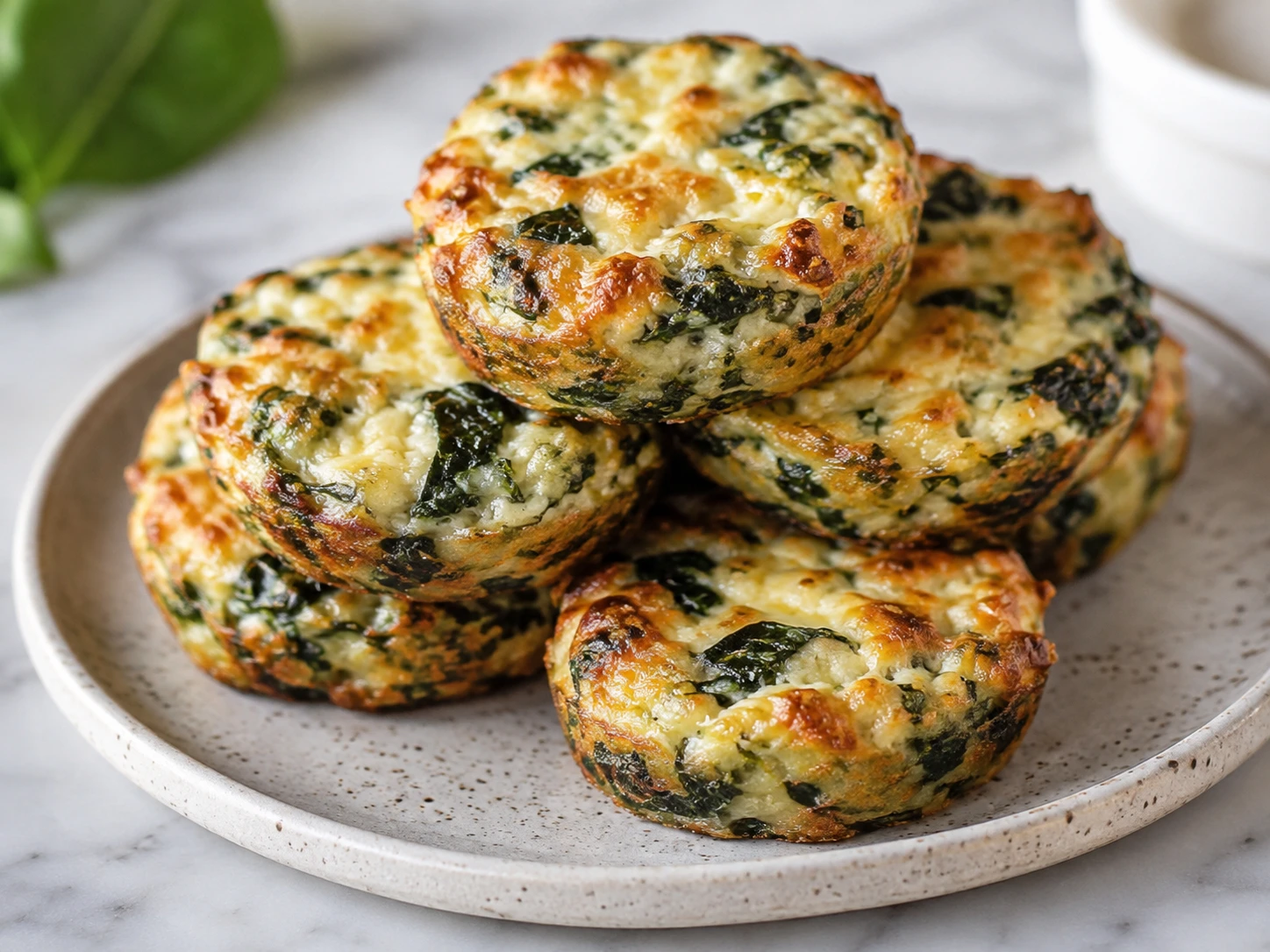
Add Flour and Mix Dough: Gradually add the whole wheat flour (or oat flour) to the cottage cheese and spinach mixture, mixing well until a cohesive, somewhat sticky dough forms. The flour acts as a binder to help the bites hold their shape during baking; if the mixture seems too wet, add a tiny bit more flour, a teaspoon at a time, until it is manageable.
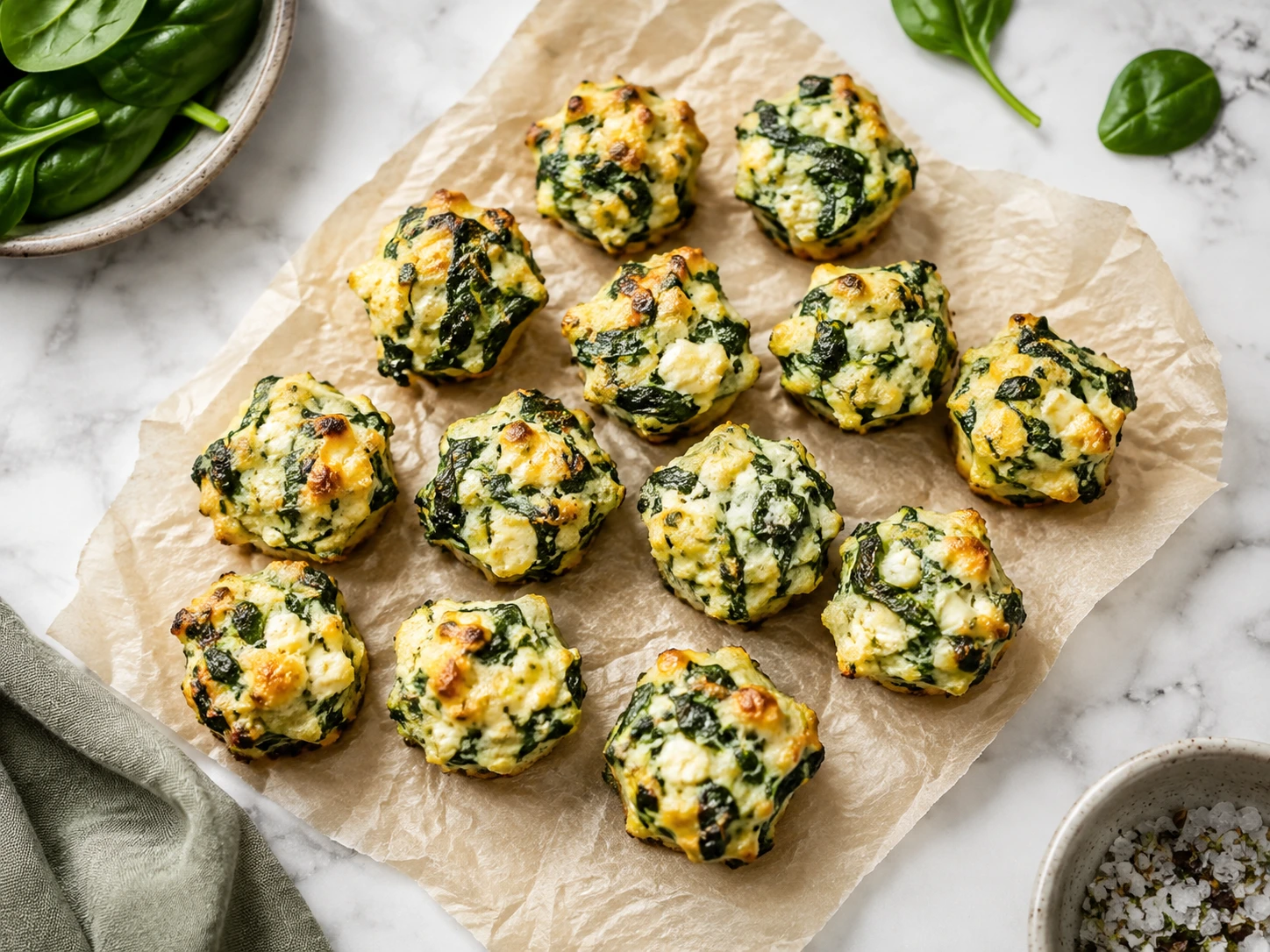
Form and Arrange Bites: Using your hands, roll small portions of the dough into pea-sized or slightly larger bite-sized balls, keeping them appropriately tiny for a cat's small mouth. Arrange the bites on the prepared baking sheet with a small space between each one for even baking, and keep them as uniform in size as possible so they cook consistently.
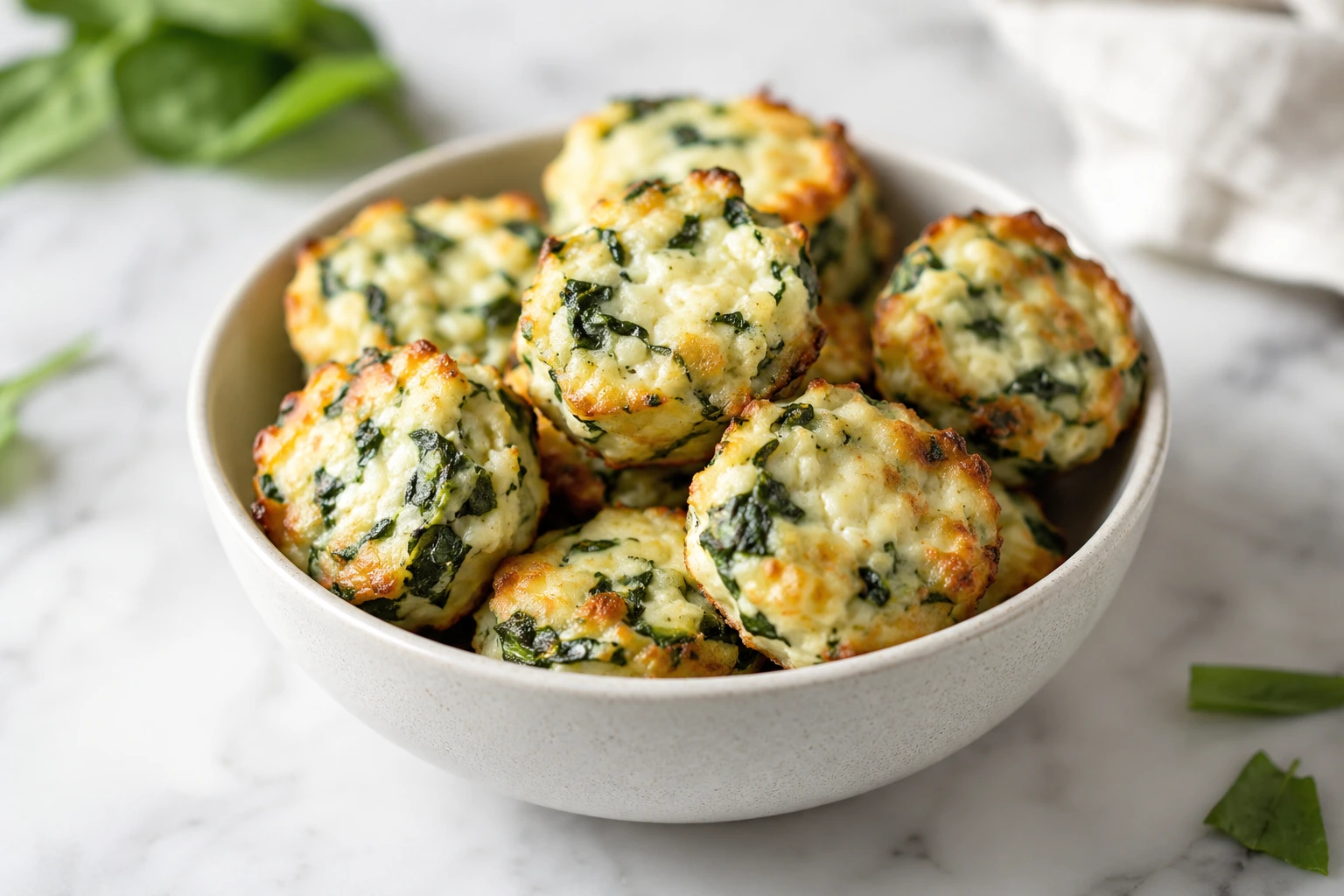
Bake Until Golden: Place the baking sheet in the preheated oven and bake for 18-20 minutes, or until the bites are lightly golden brown and firm to the touch. Baking time can vary slightly depending on your oven and the size of the bites, but baking them until firm helps ensure they are fully cooked and less likely to crumble.
Cool Completely: Once baked, carefully remove the baking sheet from the oven and immediately transfer the warm cat bites to a wire cooling rack. Allow them to cool completely before offering them to your cat, since cooling gives them their optimal texture and helps prevent burns or discomfort from warm treats.
Made this recipe?
Tap the paw so other pet parents know it’s worth making.
Be the first to make it
Tips & serving
Offer 1-3 bites as an occasional treat, not exceeding 10% of your cat's daily caloric intake. Always ensure fresh water is available. Observe your cat after introducing any new food to monitor for any digestive upset or sensitivities. These treats are intended as a supplement to a balanced diet, not a replacement.
- Homemade control over ingredients
- Good source of protein from cottage cheese
- Provides essential vitamins from spinach
- Low in calories, suitable for weight management
- Hydrating properties from fresh ingredients
- Size Matters: For very small cats or kittens (with vet approval), make the bites even smaller to prevent choking hazards.
Storage
Thaw in the refrigerator before serving.
Substitutions
- Flour
If your cat has a sensitivity to wheat, oat flour can be used as a gluten-free alternative for the binder.
- Vegetables
A very small amount of finely pureed cooked carrot or pumpkin (plain, unseasoned) could potentially replace spinach, ensuring they are cat-safe and introduced gradually.
Cats recipe FAQ
Can 3-Ingredient Cottage Cheese & Spinach Cat Bites replace my cat's regular diet?
Treat it as an occasional extra, not a meal plan. Offer 1-3 bites as an occasional treat, not exceeding 10% of your cat's daily caloric intake. Always ensure fresh water is available.
Is cottage cheese okay for cats?
This recipe uses cottage cheese in a small, cat-appropriate amount. Skip it if your cat has a known sensitivity, and read the foods-to-avoid note on this page before serving.
How should I store leftovers?
Store cooled treats in an airtight container in the refrigerator for up to 3-4 days. For longer storage, freeze the bites in a freezer-safe bag or container for up to 2 months. Thaw in the refrigerator before serving.
How should I introduce this treat?
Start with a taste-size portion next to your cat's usual food, and hold off on serving more until you have seen that it agrees with them.
Can I use low-fat cottage cheese?
Yes, plain low-fat or full-fat small-curd cottage cheese without any additives is suitable. The fat content is less critical than ensuring no harmful ingredients are present.
Why is spinach good for cats?
In small, controlled amounts, spinach provides vitamins A, C, and K, as well as iron and fiber. However, due to its oxalate content, it should always be given in moderation as part of a treat, not as a staple diet.
Sources