
You put your dog's dinner down, step away to finish something in the kitchen, and come back to find a bowl of untouched kibble. Maybe your dog sniffs it, looks at you, then wanders off. If this happens regularly, it is understandable to wonder whether a spoonful of something tastier would help. The good news is that a few ordinary foods can make dry dog food smell and taste more appealing without turning every meal into a complicated cooking project. The first thing I would do is keep the changes small. Plain cooked chicken, a little mashed pumpkin, or warm water can help some dogs take more interest in their usual food. The right choice depends on your dog's age, health, existing diet, and any food sensitivities. This guide explains what to add to dog food, how to prepare simple homemade dog food toppers, which ingredients to avoid, and when a change in appetite deserves a call to your veterinarian.
Start with warm water before buying new toppers
If your dog eats dry kibble reluctantly, try adding a little warm water before reaching for a new ingredient. Water softens the surface of the pieces and releases more of their aroma, which can interest a dog that seems unimpressed by a dry bowl. Stir the food, let it stand briefly until it is comfortably warm rather than hot, and offer it fresh. You do not need to turn every piece into mush. Some dogs prefer a little crunch, so experiment with the texture rather than assuming softer food will always win.
There is another advantage to this approach: water adds moisture without extra calories or upsetting the nutritional balance of a complete dog food. That makes it a sensible first step for dogs whose usual diet already meets their needs. Prepare only what your dog will eat at that meal, and discard leftovers rather than leaving softened kibble sitting out for hours. Warm water is especially useful when you want to find out whether aroma and texture are the problem before introducing several new foods. Try it at your dog's next meal and see how they respond.

Use plain cooked chicken or turkey for a stronger smell
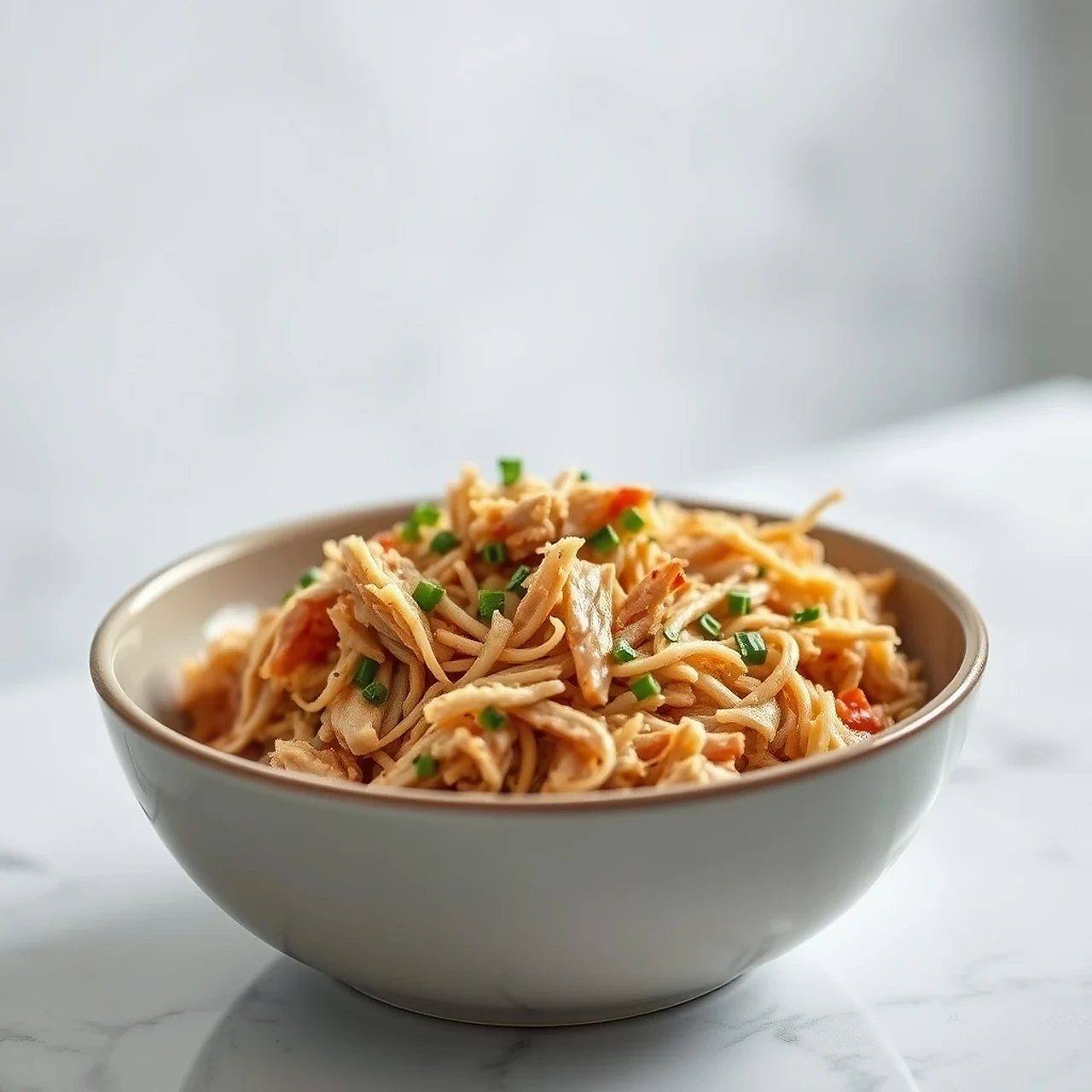
Plain cooked chicken or turkey is a useful option when you want to add a little meaty aroma to your dog's regular food. Cook the meat thoroughly, remove all bones, and shred it into small pieces before mixing a little through the kibble. Use meat without added salt, seasoning, butter, oil, onion, or garlic. Roast chicken from the dinner table is not automatically suitable, since it may contain salty seasoning, rich sauces, or small bones that are easy to overlook.
Why does this help? Meat has a familiar smell and taste for many dogs, so even a small amount may make the bowl more interesting. Still, there is no need to cover the kibble with a thick layer of chicken. Treat the meat as a topper, not as a replacement for a complete and balanced dog food. Extra foods can quietly add calories and alter the nutritional balance of the meal. If your dog has a known food allergy, a prescribed diet, or a medical condition that affects what they can eat, ask your veterinarian before introducing chicken or turkey. For an otherwise suitable dog, keep the preparation plain and the addition modest.

Try plain pumpkin or a few cooked vegetables
If you prefer a plant-based addition, plain cooked pumpkin is one option to consider. Use pumpkin that has been cooked and mashed without seasoning, or a plain canned pumpkin product whose ingredient list contains pumpkin alone. Do not confuse it with pumpkin pie filling, which may contain sugar, spices, or other ingredients that do not belong in your dog's bowl. A small amount stirred through the kibble changes its texture and adds a mild flavour. Some dogs enjoy it; others leave it behind, and that is perfectly fine.
Other simple choices include plain cooked carrots or green beans, chopped into pieces your dog can manage comfortably. Cook vegetables until soft enough to chew, and leave off salt, sauces, butter, and oil. Avoid seasoning blends that might contain onion or garlic. These foods can provide variety, but they should not displace a substantial share of your dog's complete food. If your dog has dietary restrictions or needs a carefully controlled diet, check with your veterinarian before adding vegetables. Choose one ingredient at a time, and offer it alongside the familiar kibble rather than making several changes at once.

Choose other safe foods carefully
There are several other foods you can consider when deciding what to add to kibble for picky dogs. Plain cooked egg, fully cooked boneless fish, or a small amount of plain, unsweetened yogurt may suit some dogs, provided the individual dog tolerates the ingredient and has no dietary restriction that rules it out. Keep preparations simple. Remove fish bones carefully, cook eggs without added butter or salt, and avoid yogurt products containing sweeteners or flavourings. Some dogs do not tolerate dairy well, so yogurt is not a necessary addition and should be skipped if it causes digestive upset.
A small amount of dog-safe, low-sodium broth can also moisten kibble and add aroma, but check the full ingredient list first. Many commercial stocks and broths contain onion, garlic, excess salt, or seasonings that are unsuitable for dogs. Products labelled for human consumption are not automatically safe for pets. When considering safe foods to mix with dog food, start with ingredients that have a clear purpose and are easy to identify. You do not need to build a different recipe every night. Pick one suitable addition, check that it agrees with your dog, and keep the main meal nutritionally complete.

Keep homemade dog food toppers small and balanced
A topper should make your dog's regular food more inviting without becoming the main meal. Most of your dog's daily calories should still come from a complete and balanced food suited to their life stage and individual needs. A commonly used general guideline is to keep treats and other extras to no more than 10 percent of daily calories, with at least 90 percent coming from complete and balanced food. This is a broad guideline, not a target every dog should reach. Dogs with weight concerns, certain medical conditions, or prescribed diets may need a different approach, so ask your veterinarian what is suitable.
It is easy to lose track of extras when you add a spoonful at breakfast, a few pieces of chicken at dinner, and treats between meals. Those calories add up, even when each addition looks small. I would choose one topper, use it consistently for a short period, and pay attention to whether your dog eats the regular food as well as before. If the topper starts taking over the bowl, reduce the amount rather than adding more ingredients. Homemade dog food toppers are meant to complement a suitable diet. They are not a substitute for a balanced homemade recipe formulated for your dog.
Avoid ingredients that can make your dog sick
Some foods that are ordinary in a human kitchen are dangerous for dogs. Never add onion or garlic, including powdered forms found in seasoning mixes, sauces, and some broths. Avoid grapes and raisins, chocolate, macadamia nuts, alcohol, and anything containing xylitol, a sweetener found in some sugar-free products. Cooked bones are unsafe because they can splinter, and heavily salted or fatty leftovers are poor choices for a regular topper. Keep food scraps out of the bowl unless you know every ingredient is suitable for your dog.
Rich foods can also cause problems even when they are not toxic in the usual sense. Greasy meat trimmings, buttery sauces, and large portions of unfamiliar food can upset digestion, and some dogs need stricter dietary limits because of their health history. If your dog eats a potentially toxic ingredient, contact a veterinarian or an animal poison service promptly rather than waiting for symptoms. If you are uncertain about a packaged product, read the label and ask your veterinarian before serving it. For everyday feeding, plain ingredients with no added seasoning are the safer place to start.
Know when a picky appetite needs veterinary advice
A dog that has always eaten slowly is different from a dog that suddenly turns away from meals. A new reluctance to eat can be linked to dental discomfort, nausea, pain, stress, or another health problem. Adding chicken may tempt a dog to take a few bites, but it does not explain why their appetite has changed. If your dog normally eats well and has abruptly stopped, contact your veterinarian for advice rather than spending several days trying new toppers.
Pay attention to changes in drinking, energy, weight, chewing, and interest in food, but do not try to diagnose the cause at home. Seek urgent veterinary care if your dog has severe symptoms such as repeated vomiting, a swollen or painful abdomen, collapse, or difficulty breathing. Puppies, older dogs, and dogs with existing medical conditions may need prompt advice when they miss meals. If your dog is otherwise well but regularly leaves food, your veterinarian can help you review the current diet, feeding routine, and any relevant health concerns. You can try warm water or a suitable plain topper while following that guidance, but do not let food experiments delay care.
What Can You Add to Dog Food to Make It More Appealing? FAQ
What is the best thing to add to dog food for picky eaters?
Warm water is a sensible first choice because it releases the aroma of dry kibble without adding calories. If your dog needs a different flavour or texture, plain cooked chicken or a little mashed pumpkin may suit them, provided the ingredients fit their diet.
Can I put chicken broth on my dog's kibble?
You can consider a small amount of broth if it is suitable for dogs and contains no onion, garlic, excessive salt, or unsafe seasonings. Check every ingredient on the label, since many regular kitchen stocks are unsuitable for pets.
Can I add eggs to my dog's dry food?
Plain, fully cooked egg can be an option for some dogs. Prepare it without butter, oil, salt, or seasoning, and keep the portion modest. Check with your veterinarian first if your dog has dietary restrictions or a prescribed diet.
How much food topper should I add to my dog's kibble?
Keep the amount small enough that your dog still gets most of their nutrition from complete and balanced dog food. A general guideline is to limit treats and extras to 10 percent of daily calories, but individual dogs may need a stricter limit.
Is pumpkin safe to mix with dog food every day?
Plain pumpkin may suit some dogs in small amounts, but it is not necessary for every dog and should not replace balanced food. Choose pumpkin without added sugar or spices, and ask your veterinarian whether regular use suits your dog's individual diet.
What should I add if my dog suddenly refuses kibble?
A sudden change in appetite deserves attention rather than a series of new toppers. Contact your veterinarian for guidance, especially if your dog also seems unwell, drinks differently, vomits, appears uncomfortable, or has trouble chewing.