
A useful starting point is the 10 percent rule for dog treats: treats and other extras should generally account for no more than 10 percent of your dog's daily calories, while at least 90 percent comes from a complete and balanced diet. This gives you a practical way to work out how many treats a dog can have per day without relying on an arbitrary biscuit count. You will also learn how to count homemade snacks, share rewards across the household and adjust portions when your dog needs a more individual feeding plan.
What the 10 percent rule means for your dog's daily treats
The 10 percent rule is a calorie guideline, not a promise that every dog can safely eat a certain number of biscuits. If your dog needs 500 calories a day, for example, treats and other extras should generally provide no more than 50 calories. The remaining 450 calories should come from a complete and balanced dog food appropriate for your pet. A dog with a higher daily energy requirement will have a different treat allowance from a smaller dog that needs fewer calories.
Why leave most of the daily calories for regular food? Complete dog food is formulated to provide the nutrients a dog needs in suitable proportions. Treats, even those made with wholesome ingredients, may not supply that same balance. If snacks regularly replace a substantial part of meals, your dog can take in plenty of calories while getting less of the nutrition intended by the main diet. Keep the 10 percent figure as an upper limit rather than a target you have to reach.
Calculate how many calories dog treats should contain
Start with your dog's daily calorie allowance, then calculate 10 percent of that amount. The figure on a food package is sometimes expressed as kilocalories, abbreviated kcal. In everyday pet food labeling, one kcal is what people usually mean by one food calorie. If your veterinarian has recommended 400 kcal per day, the general treat allowance would be up to 40 kcal. If the recommended daily amount is 700 kcal, the corresponding allowance would be up to 70 kcal. These are examples of the arithmetic, not feeding recommendations for dogs of those sizes.
The tricky part is knowing the right daily calorie figure for your own dog. Age, body condition, neuter status, activity, breed and medical needs can all affect energy requirements. Package feeding guides provide a starting point, but they do not account perfectly for every individual dog. If you are unsure what amount your dog needs, ask your veterinarian for a daily calorie target before setting a treat budget. Once you have that number, check the calorie information on each snack's packaging and keep a running total.

Turn the calorie allowance into a number of treats
Once you know the calorie allowance, check how many calories are in one treat. Suppose your dog's general daily treat budget is 40 calories and one biscuit contains 10 calories. Four biscuits would use the entire allowance, assuming there are no other extras that day. If each biscuit contains 20 calories, just two would use the same amount. This is why asking how many dog treats per day has no single answer. A large, rich biscuit and a tiny training reward can have very different calorie counts.
Package directions can be useful, but read them alongside the 10 percent rule and your dog's individual needs. Some products list calories per biscuit, while others give calories per gram or per serving. Make sure you are comparing the correct amount, particularly if you break larger treats into pieces. I would rather use several tiny rewards during training than hand out full-size biscuits for every successful cue. Your dog still gets the praise and reward, but each repetition uses less of the day's snack allowance.

Count homemade treats and food from your kitchen
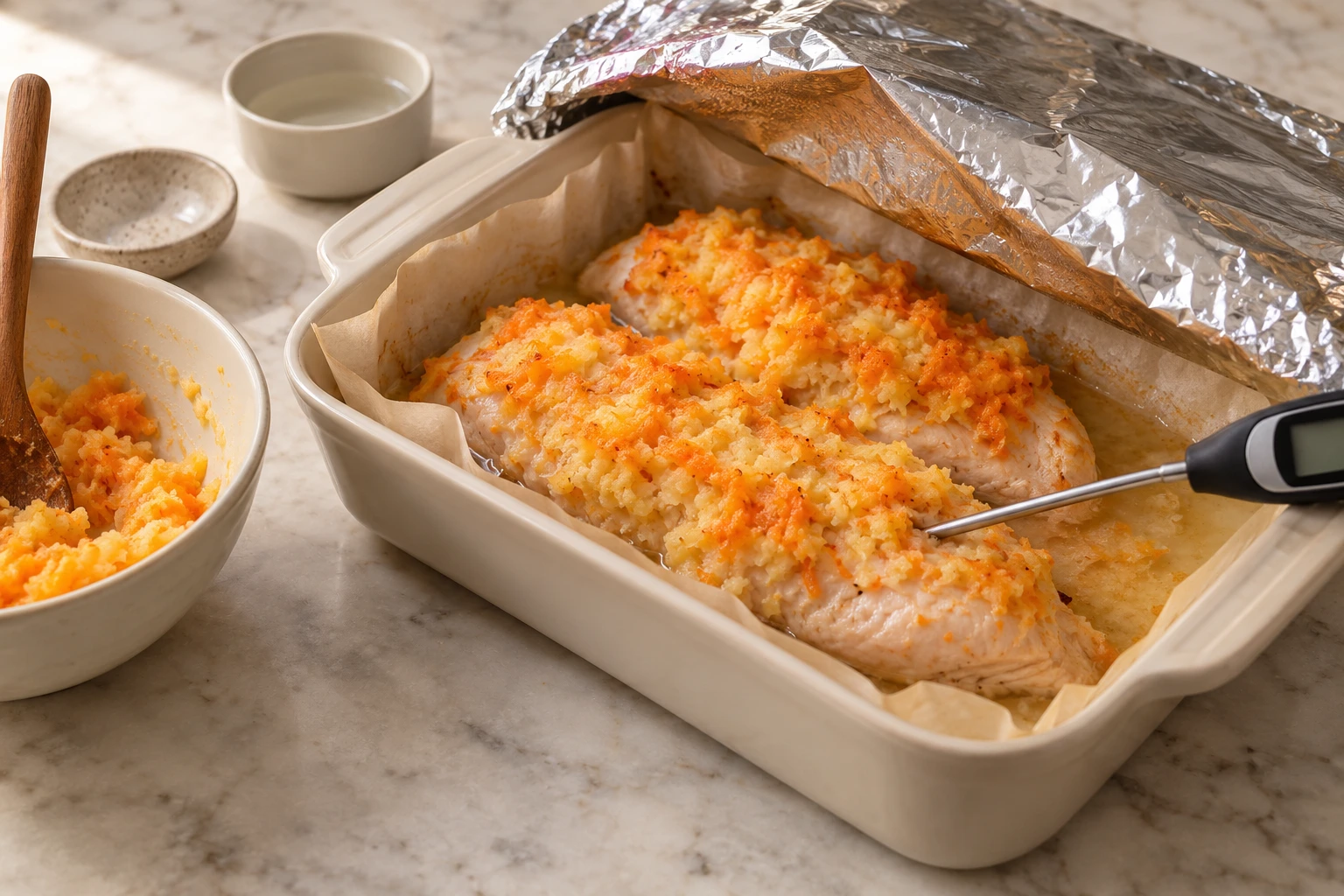
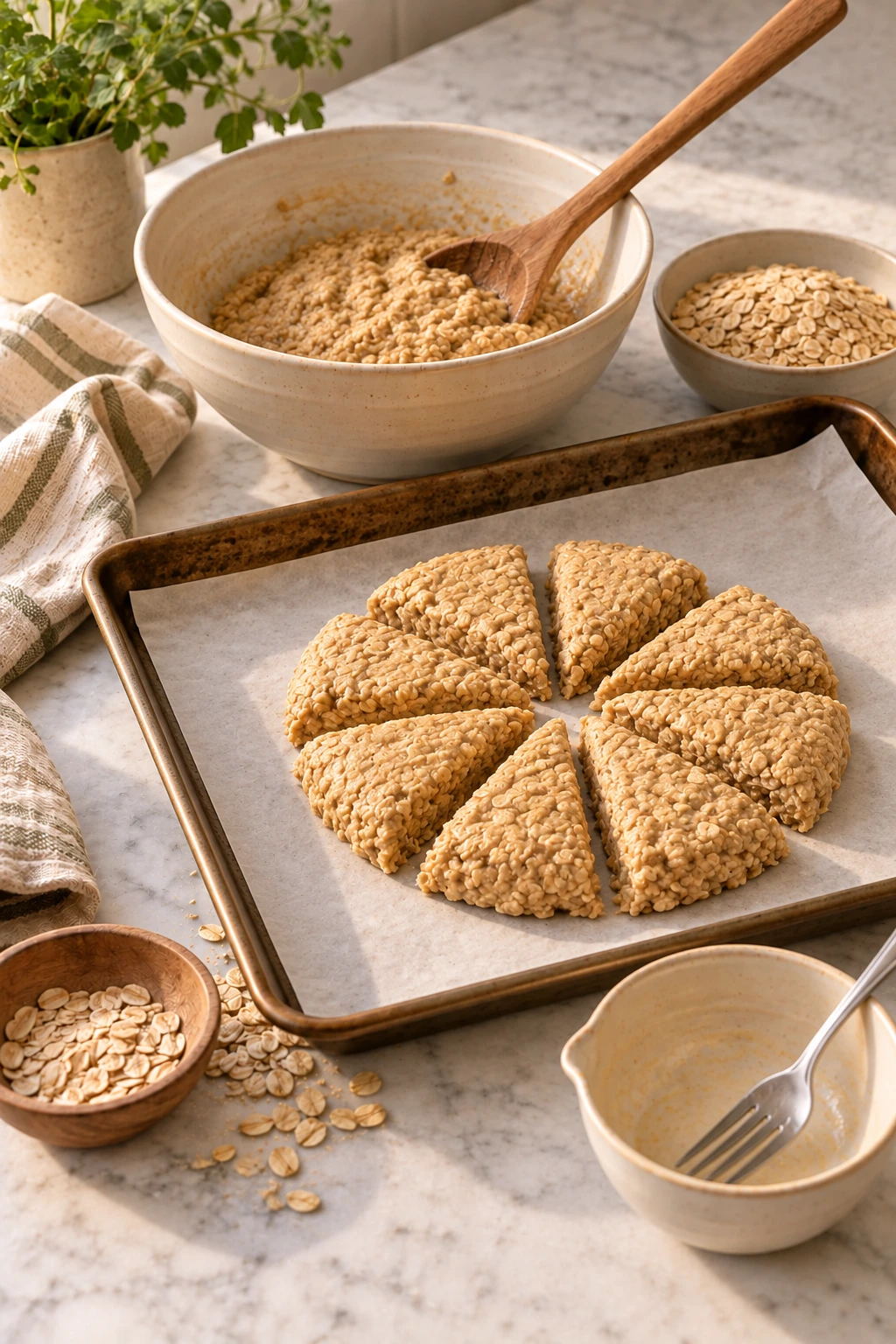
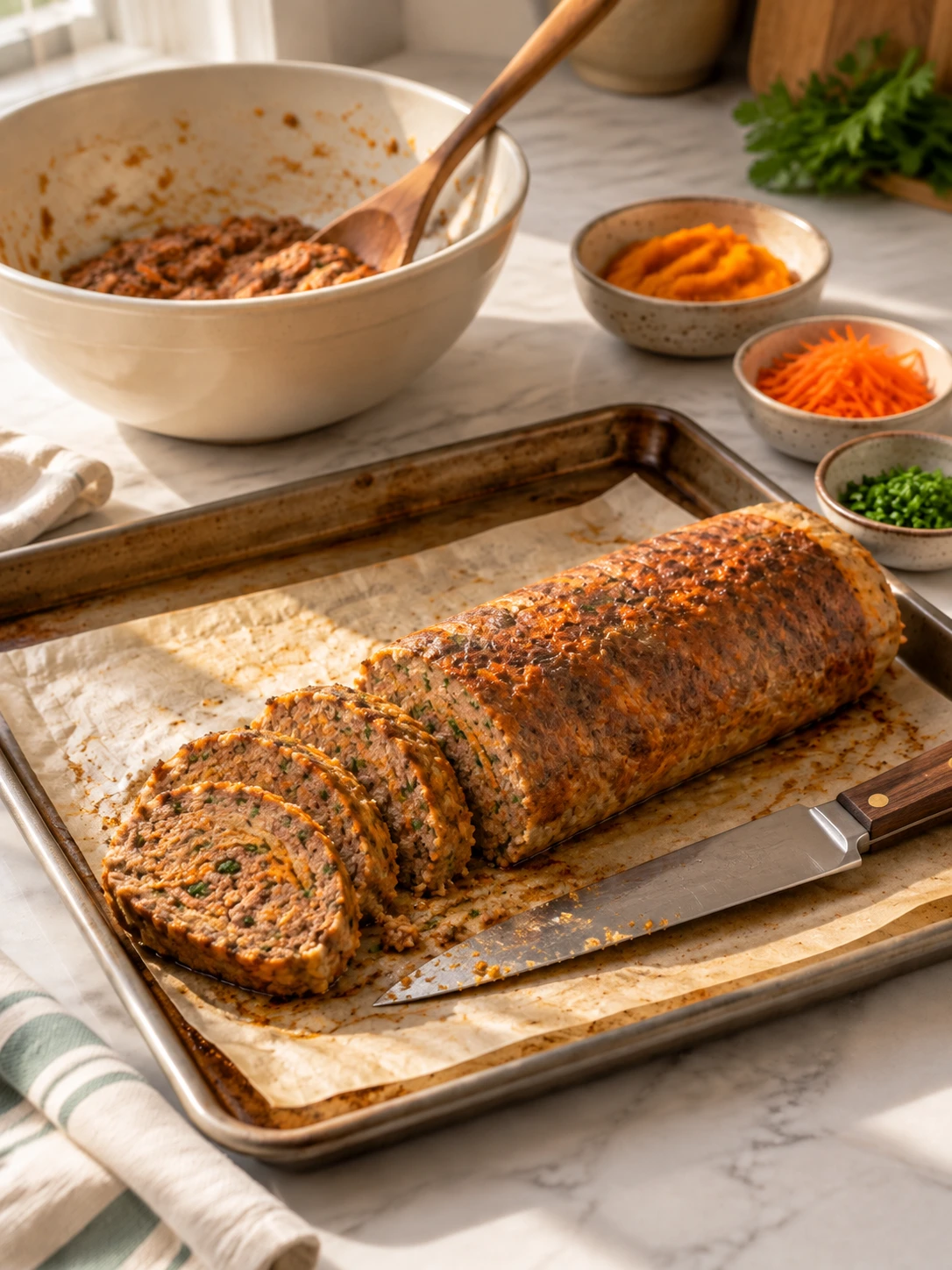
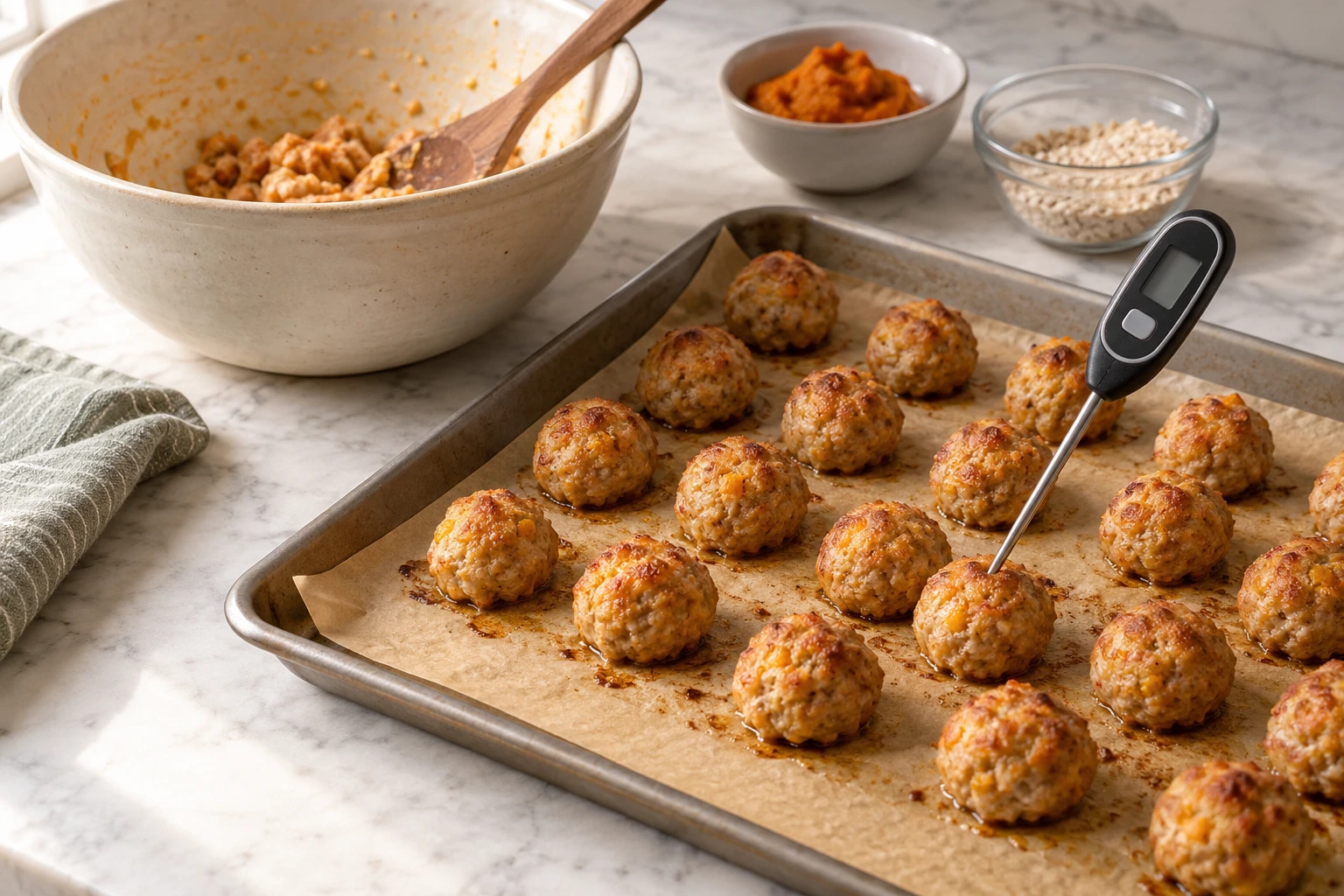
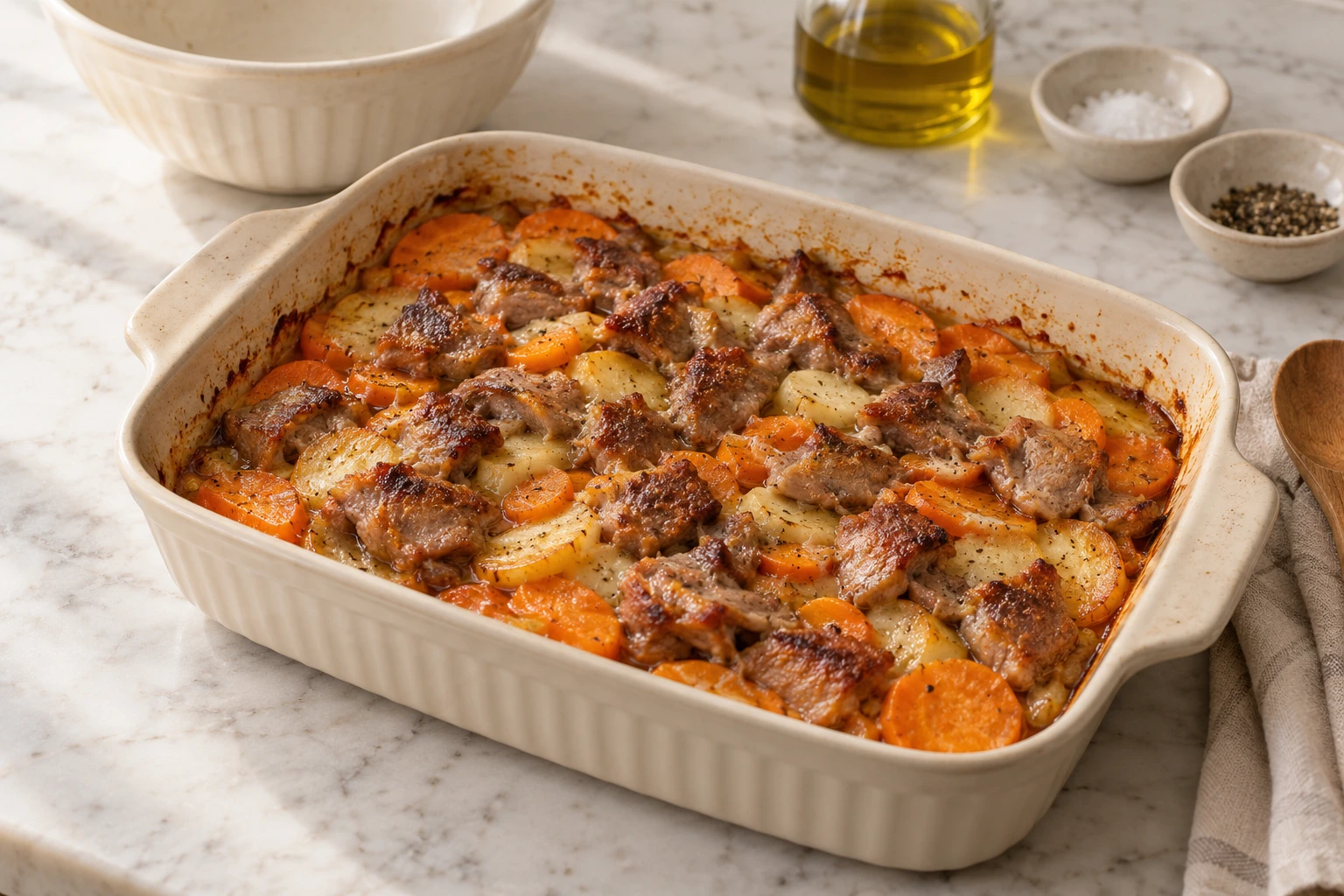
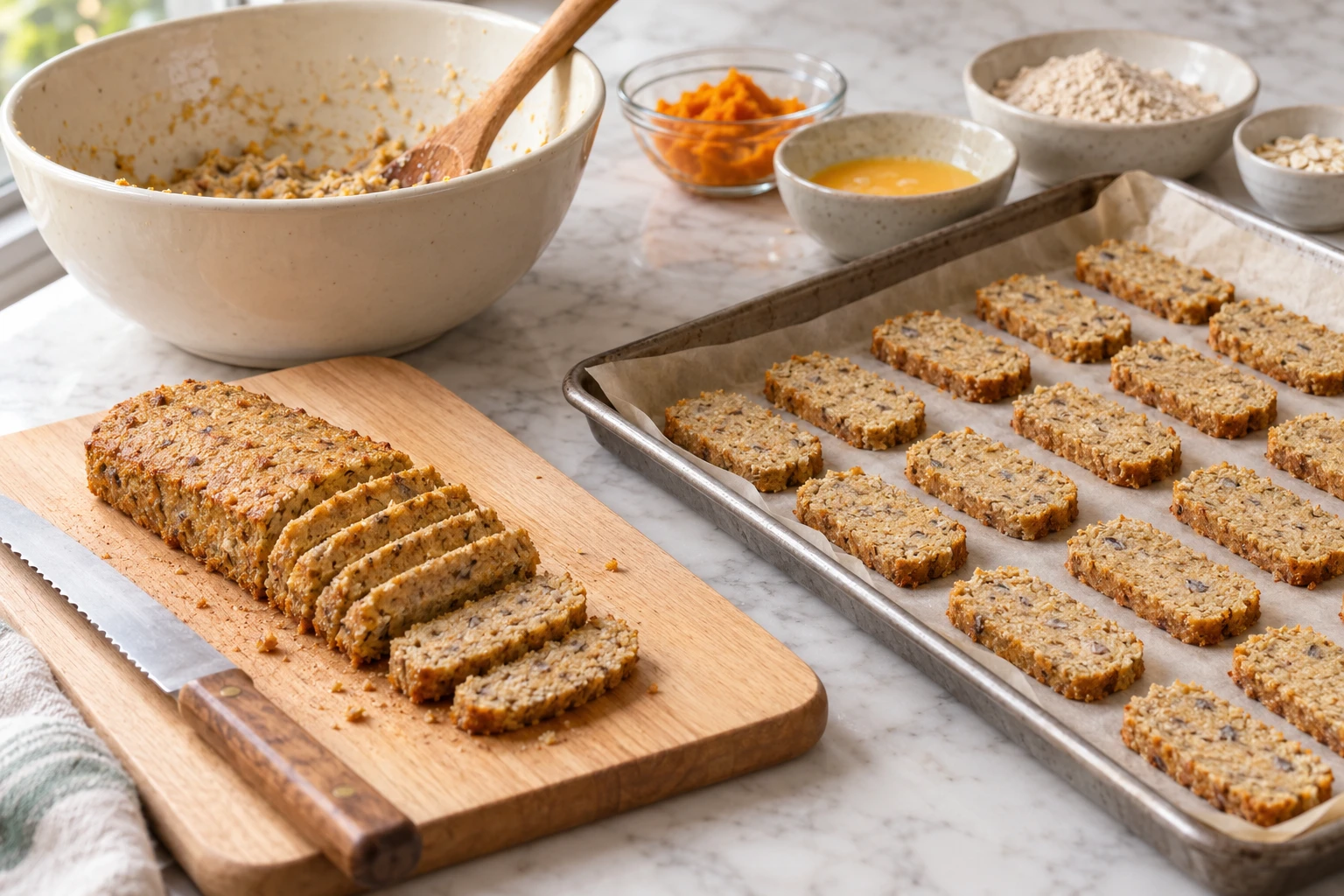
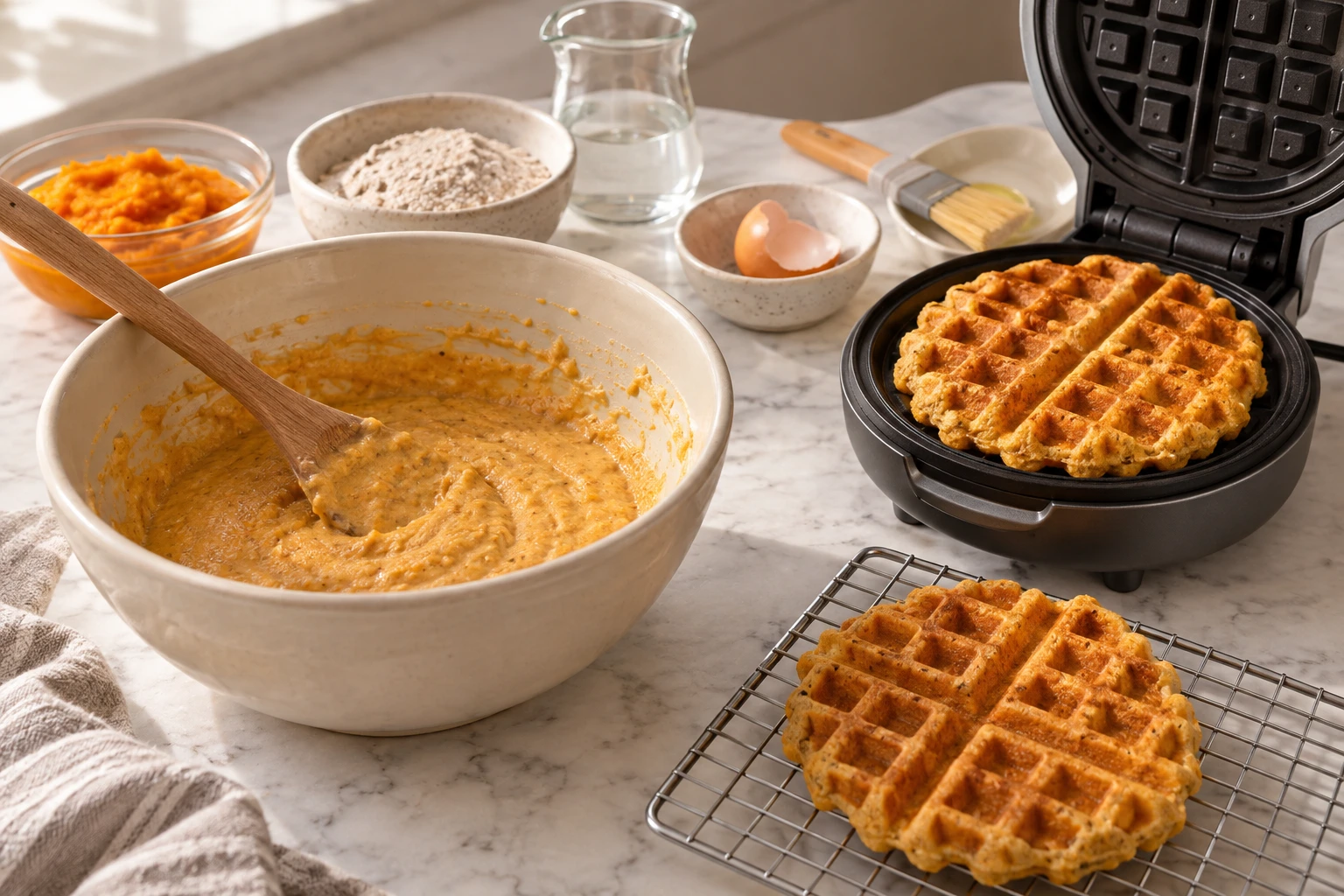
Homemade treats count toward the same daily limit as commercial biscuits. A snack made from oats, pumpkin, cooked chicken or another dog-safe ingredient is not automatically low in calories just because you prepared it yourself. Ingredients contribute energy, and oils, nut butters and other rich additions can make small portions surprisingly calorie-dense. If you bake a batch of homemade biscuits, estimate the calories from the ingredients and divide them across the actual number of portions. For a more accurate estimate, use reliable nutritional information for each ingredient and ask your veterinarian or a veterinary nutrition professional if the calculation is unclear.
What about a little piece of chicken during dinner preparation or a few bits of carrot while you cook? Count those too if they are extras outside your dog's normal balanced food. Plain vegetables may contribute relatively few calories in small portions, but they still belong in the day's overall picture. Only use ingredients known to be safe for dogs, and avoid foods that are toxic or unsuitable for your pet. If your homemade recipe contains several ingredients or you feed extras frequently, keep a note of what went into the batch rather than estimating from memory.
Spread treats across the day without losing track
A daily allowance is easier to manage if you decide on it before the first snack. Measure the day's treats into a small container each morning, then take rewards from that container for walks, training and quiet moments at home. When it is empty, the planned treat allowance has been used. This simple habit is especially helpful if more than one person feeds the dog. Without a shared plan, a dog can receive a biscuit from one family member, training rewards from another and an extra chew in the evening, all without anyone realising how much has accumulated.
You do not need to distribute the allowance evenly across every hour. Save smaller rewards for training sessions or situations where a treat is useful, and use affection, play or a brief game as rewards when food is not needed. If you use treats during a long training session, reduce the number of separate snacks offered at other times. Keep your dog's normal meal routine in place and avoid letting frequent rewards replace meals. If your dog starts leaving food regularly, gaining weight or losing weight unexpectedly, speak with your veterinarian rather than simply cutting food or snacks without guidance.
Adjust the limit for puppies, small dogs and dogs with special needs
A general percentage is a useful starting point, but some dogs need closer attention to treat portions. Puppies are growing and need nutrition suited to their stage of life, so snacks should not displace food formulated for growth. Small dogs can use up a substantial share of their daily calories with just a few ordinary biscuits. For either group, tiny rewards may be more practical than full-size treats, and your veterinarian can help you choose an appropriate daily allowance based on the dog's age, size and diet.
Dogs who need to lose weight, have a medical condition or follow a prescription diet may need a stricter or more specific plan. Certain treats can conflict with dietary restrictions, and a percentage alone cannot account for every clinical need. Do not assume that a low-calorie snack is suitable for a dog with a special diet. Ask your veterinarian which extras are acceptable and how they should fit into the daily feeding plan. If your dog's weight or appetite changes unexpectedly, arrange veterinary advice instead of relying on a treat calculator to explain what is happening.
Signs that your dog's treat portions need a second look
A dog can gain weight gradually enough that the change is hard to notice when you see them every day. Check your dog's body condition periodically and pay attention to changes in the fit of a harness, the outline of the waist and how easily you can feel the ribs. These observations are not a substitute for a veterinary assessment, but they can prompt a useful conversation about food portions. If your dog is gaining weight, count the treats, chews, table scraps and training rewards as well as the measured meals. Small extras can explain why an otherwise careful feeding routine is not producing the expected result.
You may also find that your dog starts ignoring regular food after frequent snacks. That does not automatically mean treats are the cause, since appetite changes can have many explanations. Avoid repeatedly offering richer food or increasing snacks to persuade your dog to eat. If appetite changes persist, your dog seems unwell or weight changes without a clear reason, contact your veterinarian. For routine portion planning, bring the food labels and a record of the treats you use. Those details can help the veterinary team recommend an allowance that suits your individual dog.
How Many Treats Can a Dog Have Each Day? Understanding the 10 Percent Rule FAQ
How many treats can a dog have per day?
There is no universal number because treats vary in size and calories, and dogs have different energy needs. As a general guide, keep treats and other extras within 10 percent of daily calories, then divide that allowance according to the calorie content of each snack.
What is the 10 percent rule for dog treats?
The rule means that treats and other extras should generally provide no more than 10 percent of a dog's daily calories. The other 90 percent should come from complete and balanced food suitable for the dog's needs. Your veterinarian can advise if your dog needs a different plan.
How many calories should dog treats be?
Treat calories should generally stay within 10 percent of your dog's total daily calorie allowance. For example, if your veterinarian recommends 500 calories per day, the general treat budget is up to 50 calories. That example is not a recommendation for every dog.
How many homemade treats can a dog have?
The number depends on the ingredients, portion size and calorie content of each homemade treat. Estimate the calories in the recipe, divide by the number of portions, and include those calories in the same daily allowance as commercial treats. Use only ingredients safe for dogs.
Do training treats count toward a dog's daily limit?
Yes. Every food reward counts, even when the pieces are tiny. If you train several times a day, choose small treats and set aside the day's portion in advance so repeated rewards do not quietly exceed the calorie budget.
Can my dog have more than 10 percent of daily calories from treats?
The 10 percent figure is a general guideline rather than a target to exceed. A larger share of treats can displace balanced nutrition and contribute excess calories. If your dog needs a special feeding plan, ask your veterinarian how to account for rewards and other extras.