

If your dog is watching closely while you slice an apple, it is reasonable to wonder whether sharing a piece is safe. For most healthy dogs, the answer is yes. Fresh apple flesh can be offered as an occasional treat when it is washed, prepared carefully, and given in an amount that suits the individual dog. The important part is knowing which portions of the fruit belong in the bowl and which should stay out. The apple core, stem, and seeds should be removed before feeding, and large chunks can be a choking concern, particularly for small dogs or enthusiastic eaters. This article explains can dogs eat apples safely, why preparation matters, what apples contribute nutritionally, and which apple products are better avoided. It also covers what to watch for the first time your dog eats apple and when a veterinary conversation is appropriate. These are general feeding guidelines rather than individualized medical advice. A dog's age, body size, usual diet, digestive history, and health conditions can all affect what makes sense for that particular animal, so questions involving symptoms, dietary restrictions, or ongoing health concerns belong with your veterinarian.
Yes, Most Dogs Can Eat Fresh Apple Flesh
For most healthy dogs, plain fresh apple flesh is considered a reasonable occasional food. Apples contain water and fiber, and they also provide small amounts of nutrients such as vitamin C and potassium. That does not mean a dog needs apples to have a balanced diet. A complete dog food is formulated to provide the nutrients a dog requires, while fruit is best viewed as an optional extra. Thinking of apple as a treat rather than a nutritional necessity helps prevent well-intentioned additions from gradually displacing the balanced food that should make up most of the diet.
The word occasional matters because apples also contain naturally occurring sugar and extra calories. Dogs vary widely in size, activity level, digestive tolerance, and medical needs, so there is no single serving that is right for every dog. A small amount of apple prepared in pieces appropriate to the dog's size is a more sensible starting point than handing over a whole fruit. Dogs with dietary restrictions, weight concerns, diabetes, digestive disease, or other ongoing health issues may need different guidance. Their veterinarian can advise whether fruit fits comfortably into the individual feeding plan.

Remove the Core, Stem, and Seeds Before Sharing
Preparation is one of the most important parts of answering whether apples are safe for dogs. Before offering apple, wash the fruit and remove the stem, core, and seeds. Apple seeds contain amygdalin, a compound that can release cyanide when the seeds are crushed or digested. Accidentally swallowing an isolated seed is different from intentionally feeding apple seeds, and a small accidental exposure does not automatically mean a dog will become ill. Still, there is no nutritional reason to feed the seeds, so removing them consistently is the safer habit.
The firm core creates a separate concern because its shape and texture can make it difficult for some dogs to chew safely. Large pieces of apple can also be swallowed too quickly. Cutting the edible flesh into manageable, bite-sized pieces helps reduce choking risk and makes portion control easier. The appropriate piece size depends on the individual dog, especially its body size and chewing style. If your dog has swallowed a large piece of core, is choking, is having trouble breathing or swallowing, or develops concerning symptoms after eating part of an apple, contact a veterinarian promptly for individualized advice.

Keep Apple Portions Small and Treat Them as Extras
When owners ask can dogs have apples, quantity is just as relevant as the fruit itself. Apple contains fiber, and a sudden increase in fiber can lead to loose stool, gas, or stomach discomfort in some dogs. The natural sugar in fruit also adds calories that are easy to overlook because the food seems wholesome. Offering a modest amount rather than unrestricted access lets you see how your dog responds without turning a snack into a meaningful part of the day's food intake. This is particularly useful when apple is new to the dog.
Treats and extras should generally remain a small part of an otherwise complete, balanced diet. That principle matters more than trying to find one universal number of apple slices because dogs have very different calorie needs. A piece that is minor for a large active dog may represent much more food for a small dog. If you regularly use apple as a training reward, cutting it into tiny pieces can help keep the overall amount modest. For dogs following a veterinary diet or a calorie-controlled plan, ask the veterinarian how extras such as fruit should be incorporated.
Watch Your Dog the First Time They Eat Apple
Even foods that are commonly tolerated can disagree with an individual dog. If apple is new to your pet, introduce only a small amount rather than offering several pieces at once. Then pay attention to how the dog behaves and how digestion looks afterward. Some dogs may develop mild digestive upset after unfamiliar fruit because of the fiber, sugar, or simply the change from their usual diet. A gradual introduction also makes it easier to connect an unexpected reaction with the new food instead of wondering which of several new treats may have caused the problem.
Stop offering apple if it repeatedly seems to cause digestive discomfort or other unusual reactions. Persistent vomiting, significant diarrhea, marked lethargy, trouble breathing, swelling, difficulty swallowing, or other concerning signs deserve veterinary attention rather than experimentation with different preparation methods at home. The same applies if your dog ate a large quantity of apples, swallowed substantial pieces of core, or consumed an apple product containing ingredients you are unsure about. A veterinarian can evaluate the actual exposure in context, including the dog's size, medical history, symptoms, and what was eaten.
Plain Fresh Apple Is Safer Than Many Apple-Flavored Foods
Fresh apple flesh and an apple-flavored human food are not the same thing. Apple pie, pastries, sweetened applesauce, caramel apples, juice, and similar products may contain large amounts of added sugar, fat, or other ingredients that are unnecessary for dogs and may cause digestive trouble. Sugar-free products require particular caution because some foods and gums can contain xylitol, a sweetener that is highly toxic to dogs. Ingredient lists matter whenever the food is processed rather than a plain piece of fruit.
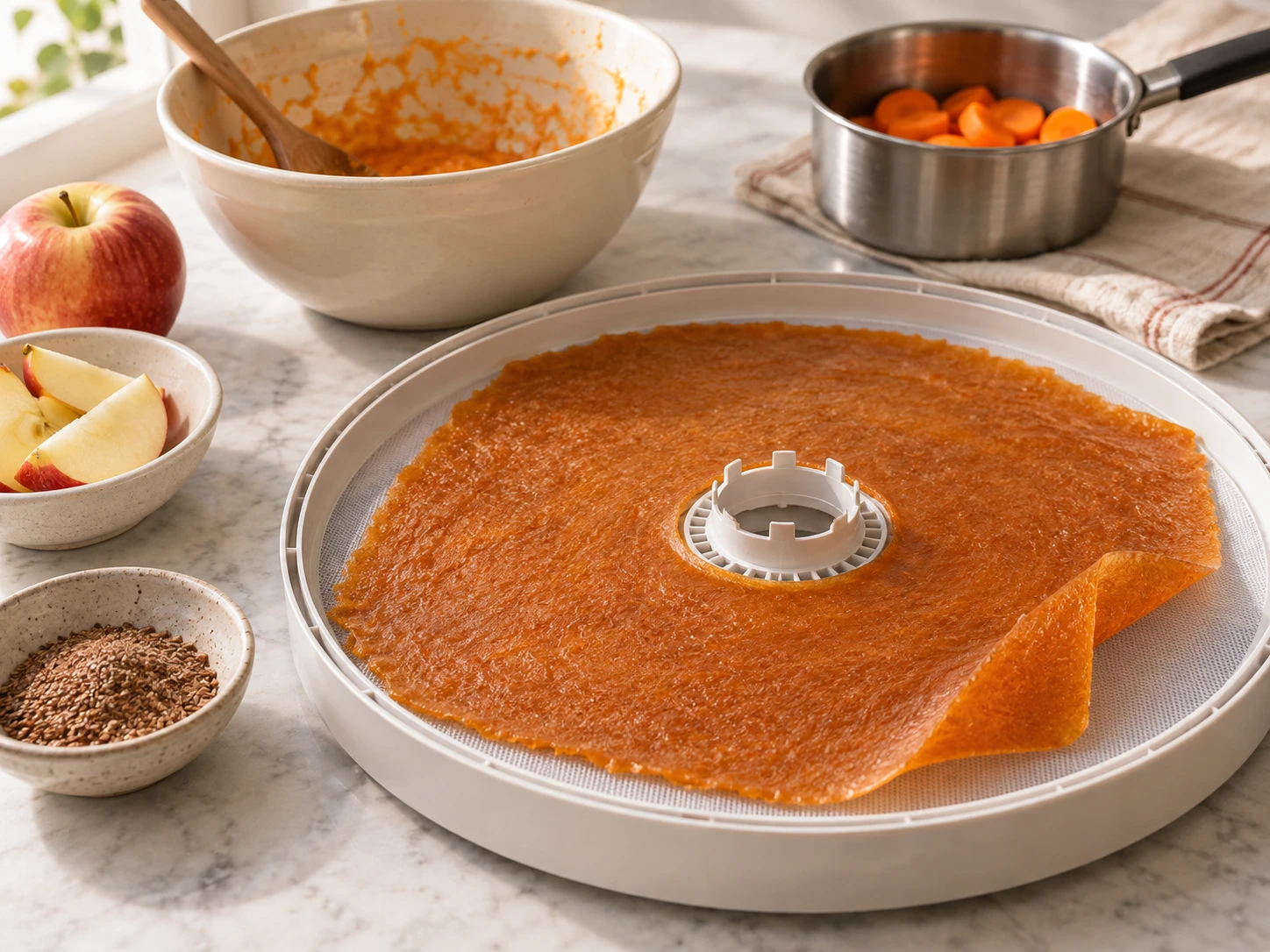
Dried apple can also be more concentrated than fresh fruit because much of its water has been removed, so it is easy to offer more sugar and calories than intended. Plain unsweetened applesauce may sound simple, but checking the ingredient list is still important because recipes vary. Apple juice provides little of the chewing satisfaction of fresh fruit while delivering concentrated sugar. If your goal is simply to let your dog enjoy apple, washed fresh flesh with the core and seeds removed is usually the most straightforward option. When an unfamiliar product has already been eaten, contact your veterinarian if you are uncertain about its ingredients or safety.

Some Dogs Need Individual Guidance Before Eating Apples
The general answer to are apples safe for dogs does not override an individual dog's health needs. Dogs managing diabetes, excess weight, gastrointestinal problems, food sensitivities, or other medical conditions may have reasons to limit fruit or avoid particular extras. Dogs eating a prescription or therapeutic diet may also need tighter control over foods outside that plan. Puppies, senior dogs, and dogs with chewing or swallowing difficulties can have different practical needs as well. These differences are why a food can be broadly safe for dogs while still being a poor choice for one particular pet.
If your dog is healthy and already tolerates a varied range of appropriate treats, carefully prepared apple can usually remain just that, an occasional treat. If there is a medical condition, a history of digestive reactions, or uncertainty about how much extra food fits the daily diet, your veterinarian is the best person to personalize the advice. That conversation is especially worthwhile when treats are given frequently because small extras can add up over time. The goal is not to make feeding complicated, but to keep treats compatible with the nutrition and health plan that is appropriate for your individual dog.
Can Dogs Eat Apples Safely? What Pet Owners Should Know FAQ
Can dogs eat apples with the skin on?
Yes, many dogs can eat washed apple skin along with the flesh. The skin adds fiber, however, so some dogs with sensitive digestion may tolerate peeled apple more comfortably. Individual needs should be discussed with a veterinarian.
What should I do if my dog ate an apple seed?
An accidentally swallowed seed does not automatically mean a dog will become ill, but apple seeds should not be intentionally fed. If multiple seeds, a large amount of apple, or concerning symptoms are involved, contact your veterinarian for advice based on the specific exposure.
Can puppies have apples?
Many puppies can eat a small amount of properly prepared apple flesh, but their digestive systems, calorie needs, and chewing abilities differ from adult dogs. Keep extras limited and ask your veterinarian about suitable treats for your puppy's age and diet.
Can dogs eat applesauce?
Plain unsweetened applesauce may be acceptable for some dogs, but fresh apple is usually simpler because processed recipes vary. Always check ingredients carefully, avoid products with unsafe sweeteners such as xylitol, and consider your dog's overall diet.
Can dogs eat green apples as well as red apples?
Yes, the edible flesh of both green and red apples can generally be offered to healthy dogs when washed and prepared correctly. Individual varieties differ somewhat in sweetness and tartness, but the same core, seed, and portion precautions apply.