

Simple soft baked tuna squares made with coconut flour. A practical homemade cat treat recipe using basic ingredients.
Safety first: Every cat is different: age, allergies, and health conditions all matter, so check with your vet when in doubt.
Foods to avoid
Do not feed to cats with known sensitivities to any listed ingredients.
Ingredients
Instructions
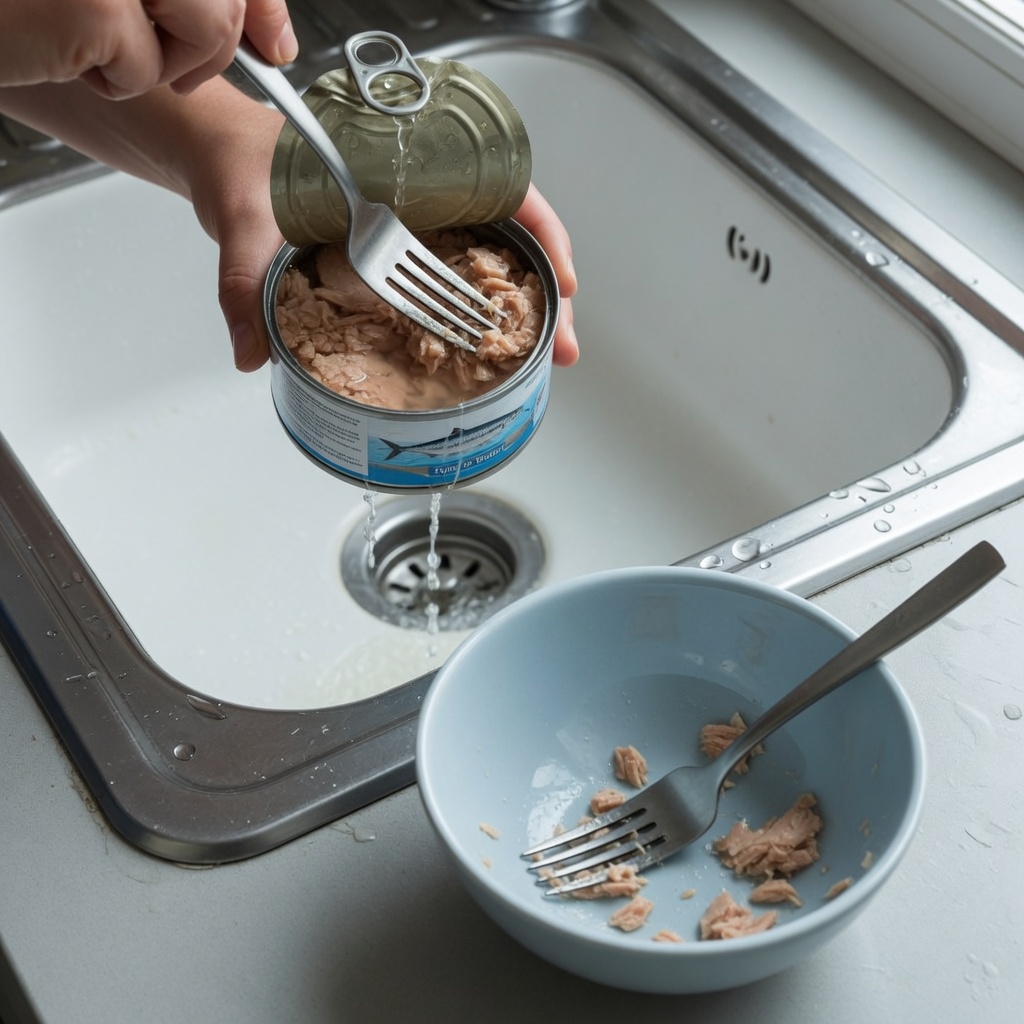
Drain the tuna: Open the can of tuna and press the lid firmly to drain all liquid into the sink. Flake the tuna with a fork in a mixing bowl until it breaks into small pieces with no large chunks remaining.
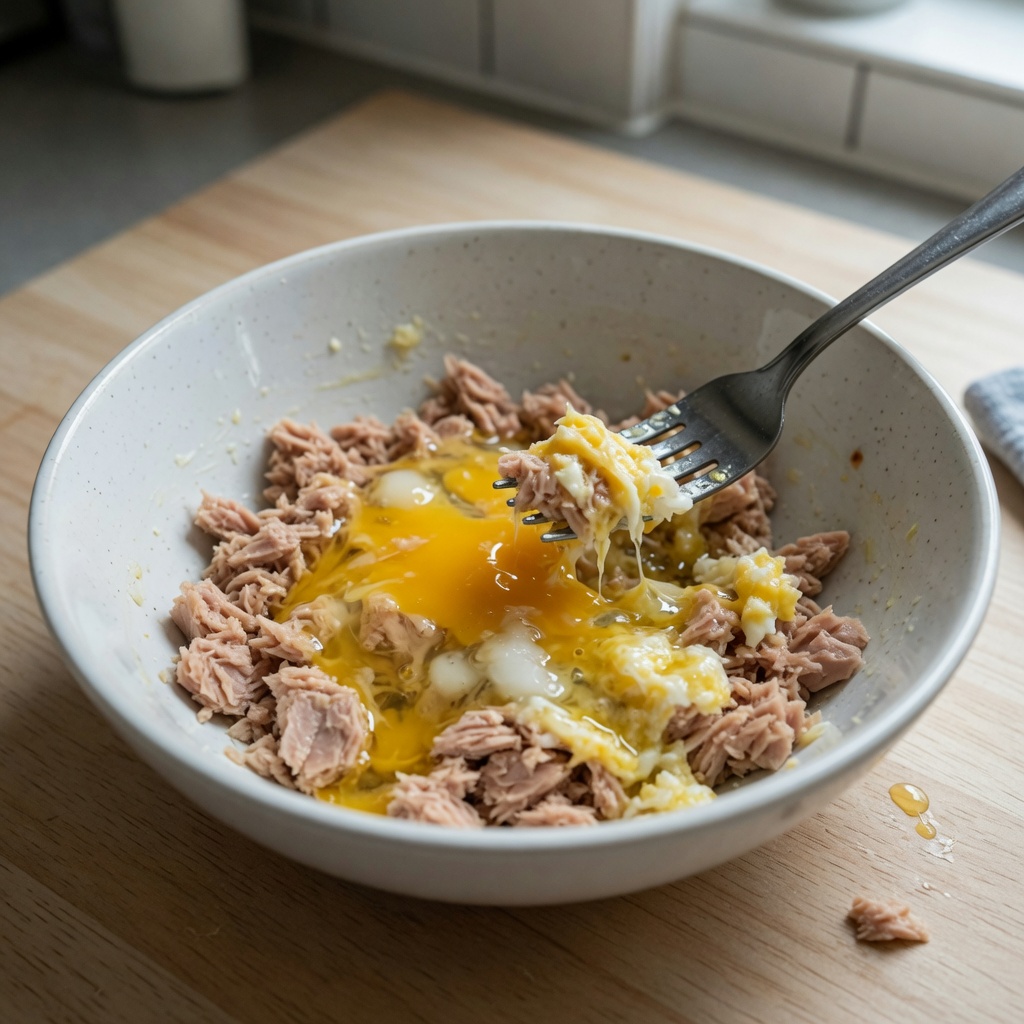
Mix wet ingredients: Add the egg and melted coconut oil to the flaked tuna in the bowl. Stir with the fork until the egg and oil coat the tuna evenly and the mixture looks slightly sticky.
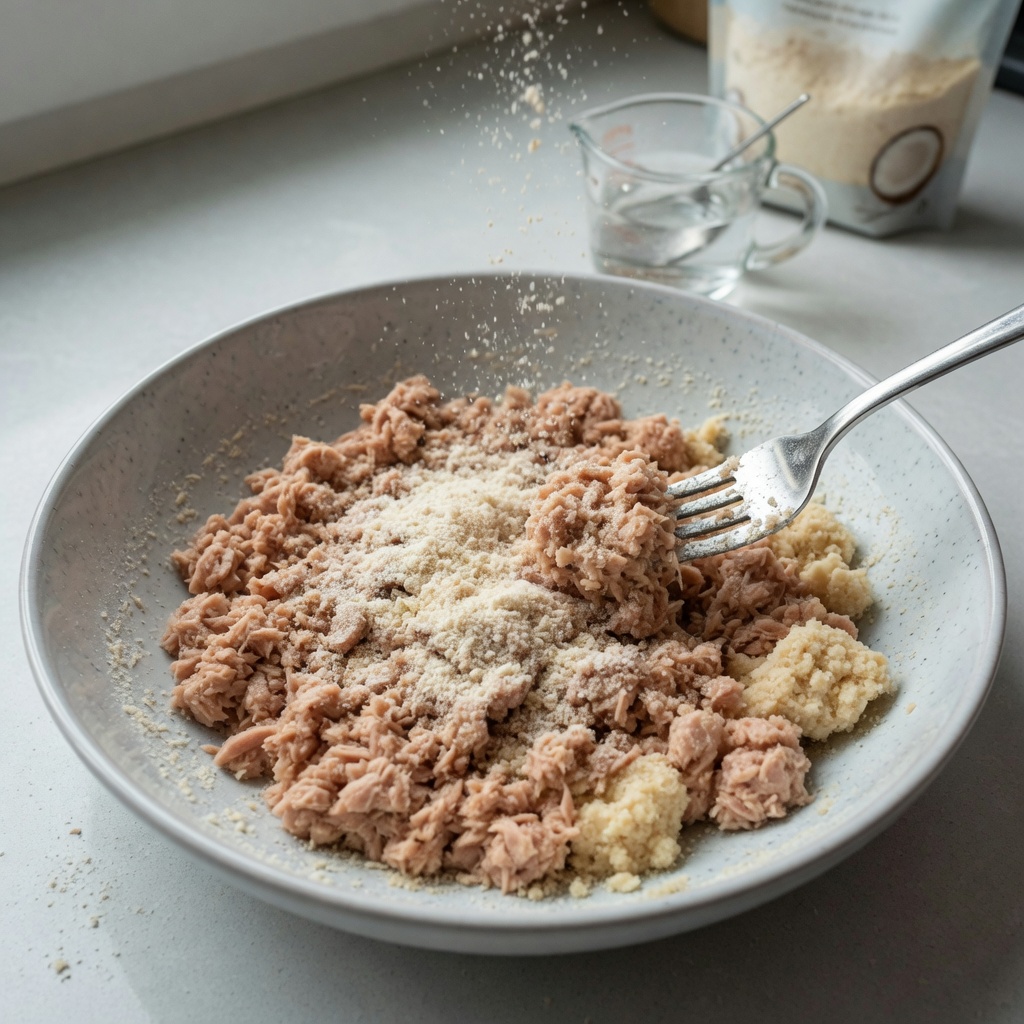
Add coconut flour: Sprinkle the coconut flour over the tuna mixture. Stir gently with the fork, adding water one tablespoon at a time, until a soft dough forms that holds together when pressed but is not wet or crumbly.
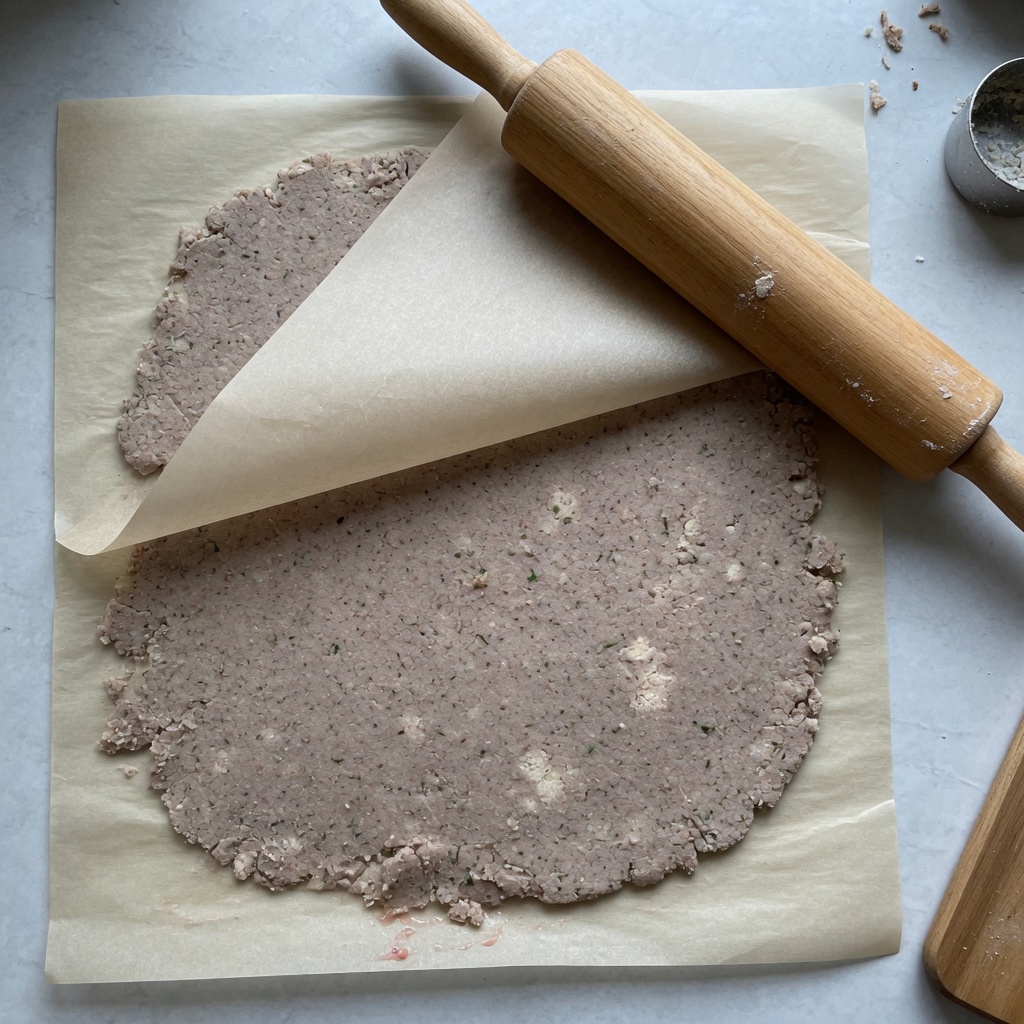
Roll the dough: Place the dough between two sheets of parchment paper on a flat surface. Use a rolling pin to roll it evenly to about 1/4 inch thick, working from the center outward.
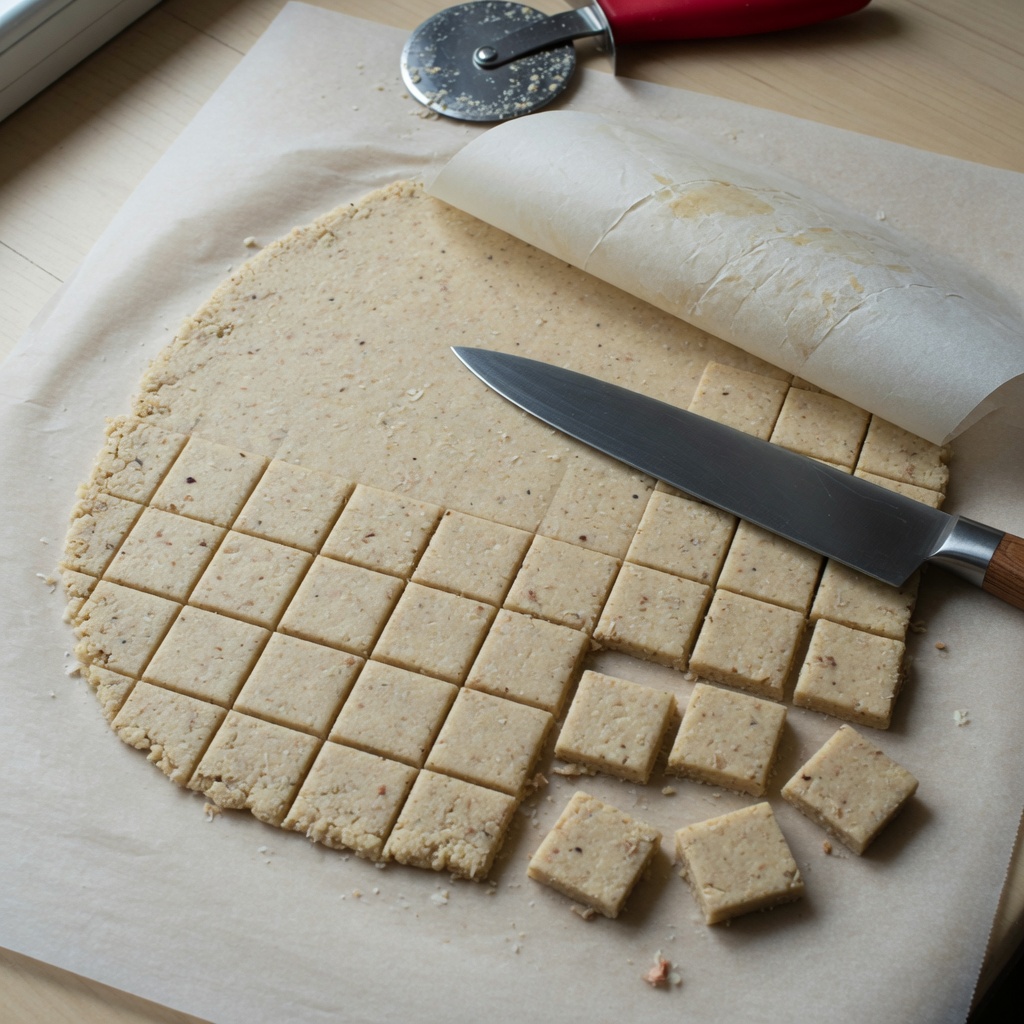
Cut into squares: Lift the top parchment and use a knife or pizza cutter to cut the dough into 1-inch squares. Gently separate the squares and transfer them to a parchment-lined baking sheet, spacing them slightly apart.
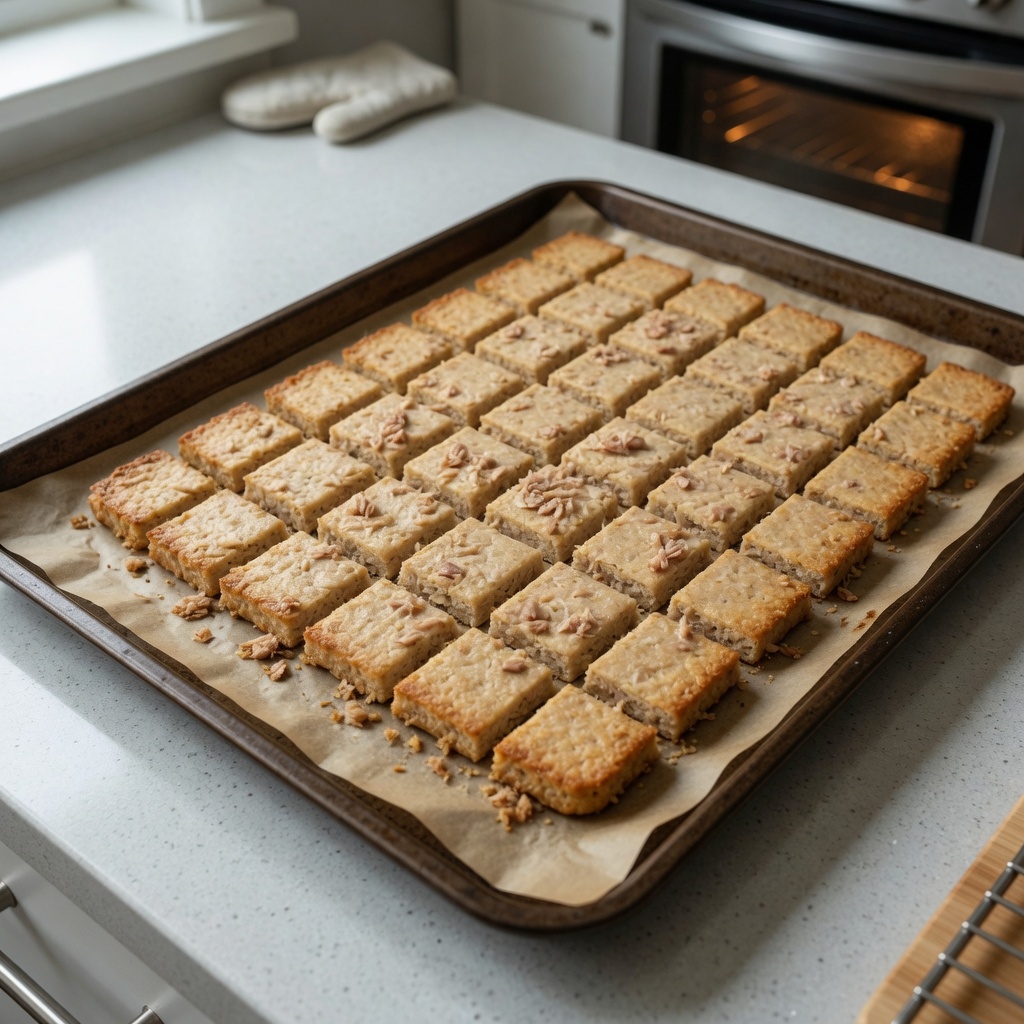
Bake the squares: Place the baking sheet in an oven preheated to 325°F. Bake for 16 to 18 minutes until the edges feel firm and the tops are lightly golden. Remove from the oven and let cool completely on the sheet.
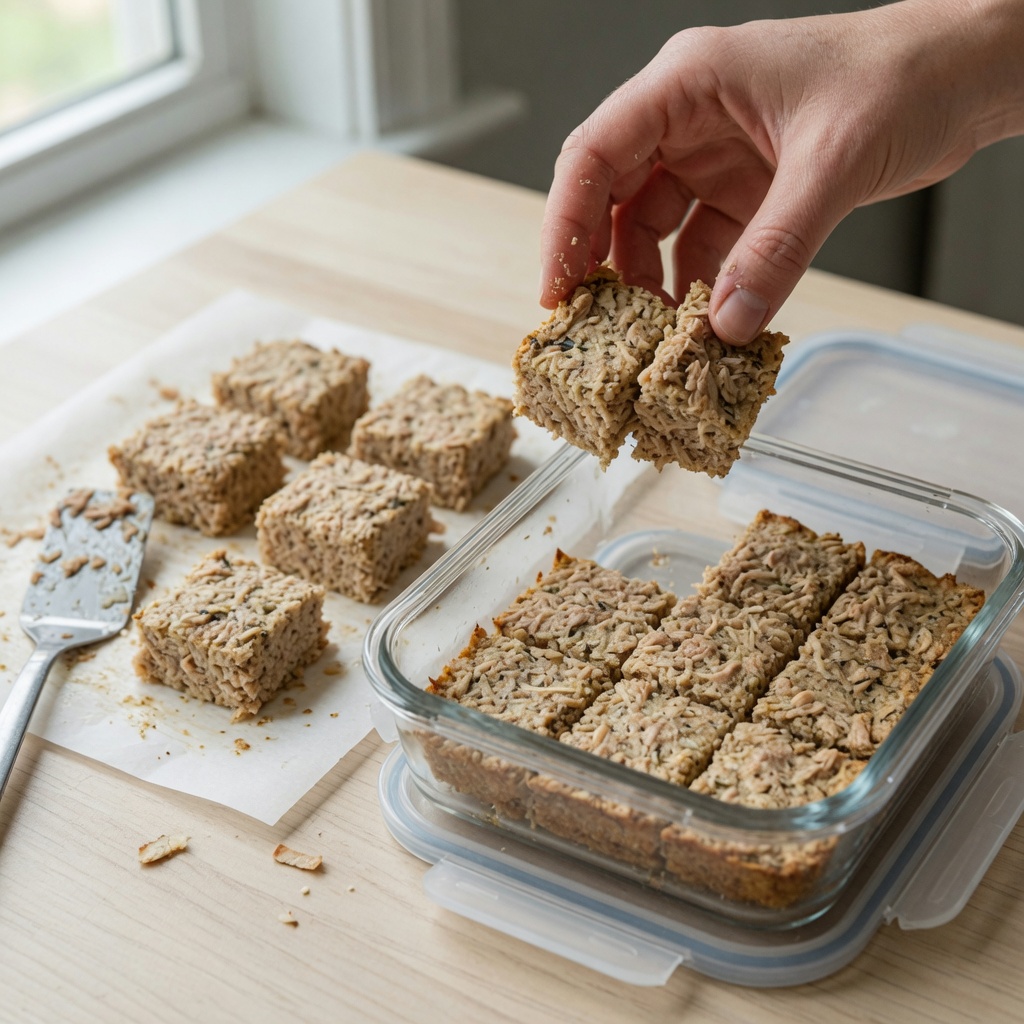
Cool and portion: Once fully cooled, move the squares to an airtight container. Break any that stuck together gently with your fingers before storing.
Made this recipe?
Tap the paw so other pet parents know it’s worth making.
Be the first to make it
Tips & serving
Offer one or two squares at a time as an occasional treat. Major diet changes should be discussed with a veterinarian.
- Uses common ingredients for quick preparation at home
- Produces soft texture suitable for cats that prefer tender treats
- Yields a batch that stores well for multiple feedings
Storage
Substitutions
Use drained canned salmon in place of tuna. Replace coconut oil with a small amount of olive oil if preferred.
Cats recipe FAQ
Is this treat a complete meal for my cat?
Treat it as an occasional extra, not a meal plan. Offer one or two squares at a time as an occasional treat. Major diet changes should be discussed with a veterinarian.
Can cats have canned tuna?
This recipe uses canned tuna in a small, cat-appropriate amount. Skip it if your cat has a known sensitivity, and read the foods-to-avoid note on this page before serving.
How should I store leftovers?
Store in an airtight container in the refrigerator for up to five days. Freeze extras in a single layer in a freezer bag for up to two months.
What's the safest way to try this with my cat?
Offer a small amount beside regular food, introduce one new recipe at a time, and watch appetite, stool, skin, and behavior for a day or two.
Sources