


As a careful pet parent, you're always looking for ways to enhance your cat's mealtime, offering not just sustenance, but genuine enjoyment and health benefits. This Steamed White Fish and Pea Puree recipe is designed to do just that. It's a gentle, fresh topper that can add a burst of flavor and nutrition to your cat's regular kibble or wet food, making mealtime more exciting and potentially more appealing for picky eaters. The beauty of this recipe lies in its simplicity and the quality of its ingredients. We're focusing on mild white fish, known for being easy on sensitive feline stomachs, combined with a touch of peas for vitamins and fiber. Steaming is our chosen cooking method to preserve nutrients and ensure the fish is tender and palatable, without adding unnecessary fats or oils. Before introducing any new food, especially a homemade one, into your cat's diet, it's always wise to consult with your veterinarian. They can provide personalized advice based on your cat's specific health needs, age, and dietary requirements, ensuring this topper is a beneficial addition.
Safety first: Skip this recipe if your cat has a known sensitivity to any ingredient, and introduce anything new slowly.
Foods to avoid
Never use any ingredients toxic to cats, including but not limited to onions, garlic, chives, leeks, grapes, raisins, chocolate, artificial sweeteners (especially xylitol), alcohol, and excessive salt. Always ensure all bones are removed from fish, as they can splinter and cause internal injury. Do not add any seasonings or spices unless explicitly stated as cat-safe.
Ingredients
Instructions
Prepare the Fish and Peas for Steaming: Rinse the white fish fillet under cool water and pat it dry with a paper towel. Inspect it carefully for any remaining bones or skin and remove them. If using fresh peas, rinse them. If using frozen peas, there's no need to thaw them first; they can go directly into the steamer.
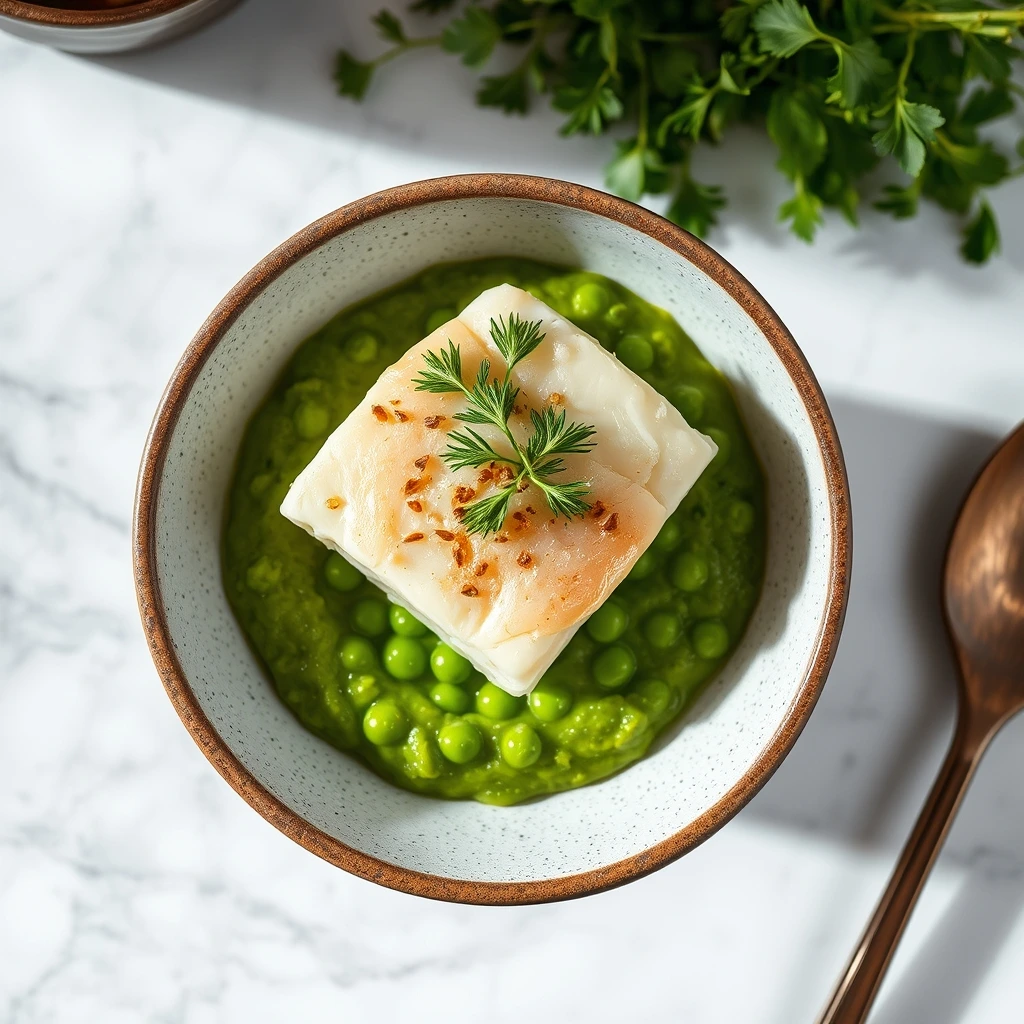
Steam the Ingredients: Place the fish fillet and peas into a steamer basket. Add about 1-2 inches of water to a small saucepan or pot, ensuring the water does not touch the bottom of the steamer basket. Bring the water to a boil, then reduce heat to a simmer, cover the pot, and steam for 10-12 minutes, or until the fis
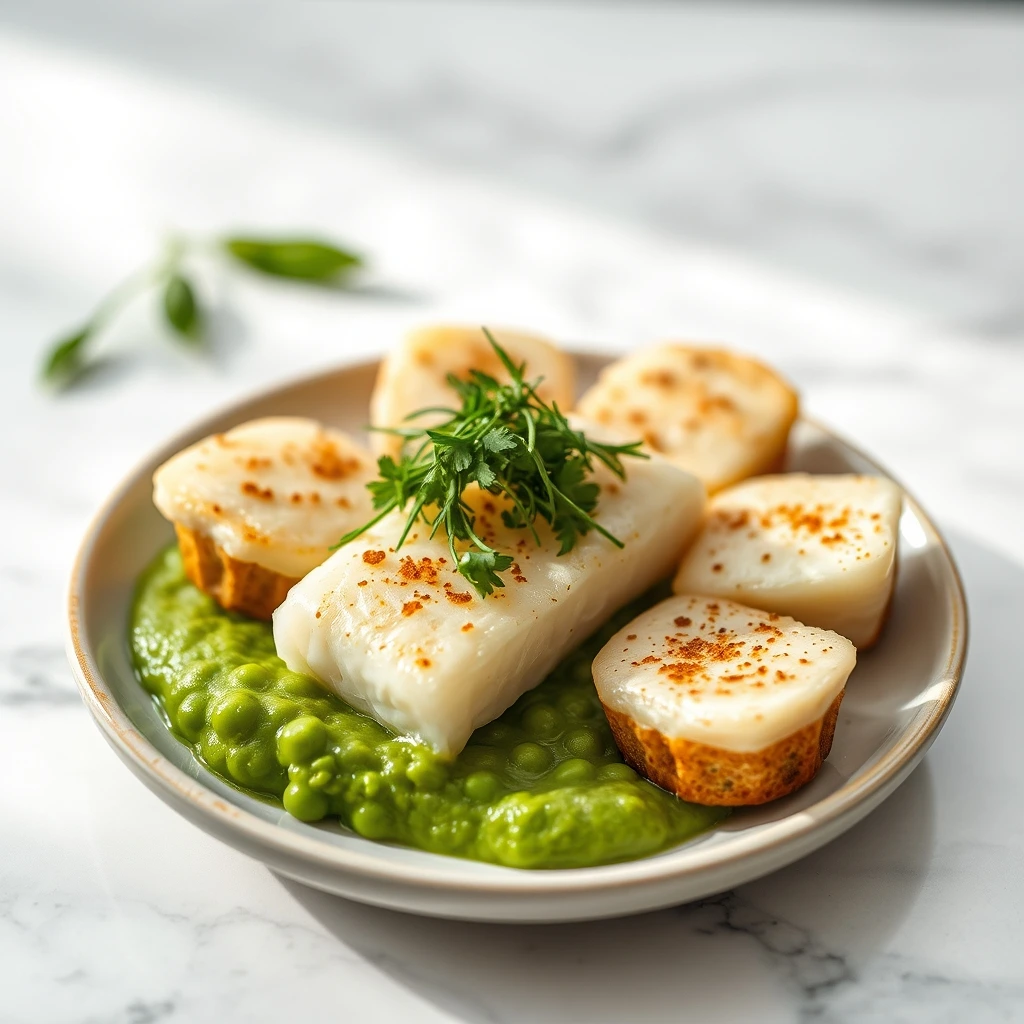
Cool Completely: Carefully remove the steamer basket from the pot. Transfer the cooked fish and peas to a plate or shallow bowl and allow them to cool completely to room temperature. This step is critical for your cat's safety, as hot food can cause burns, and it also prevents condensation that could lead to spoilage w
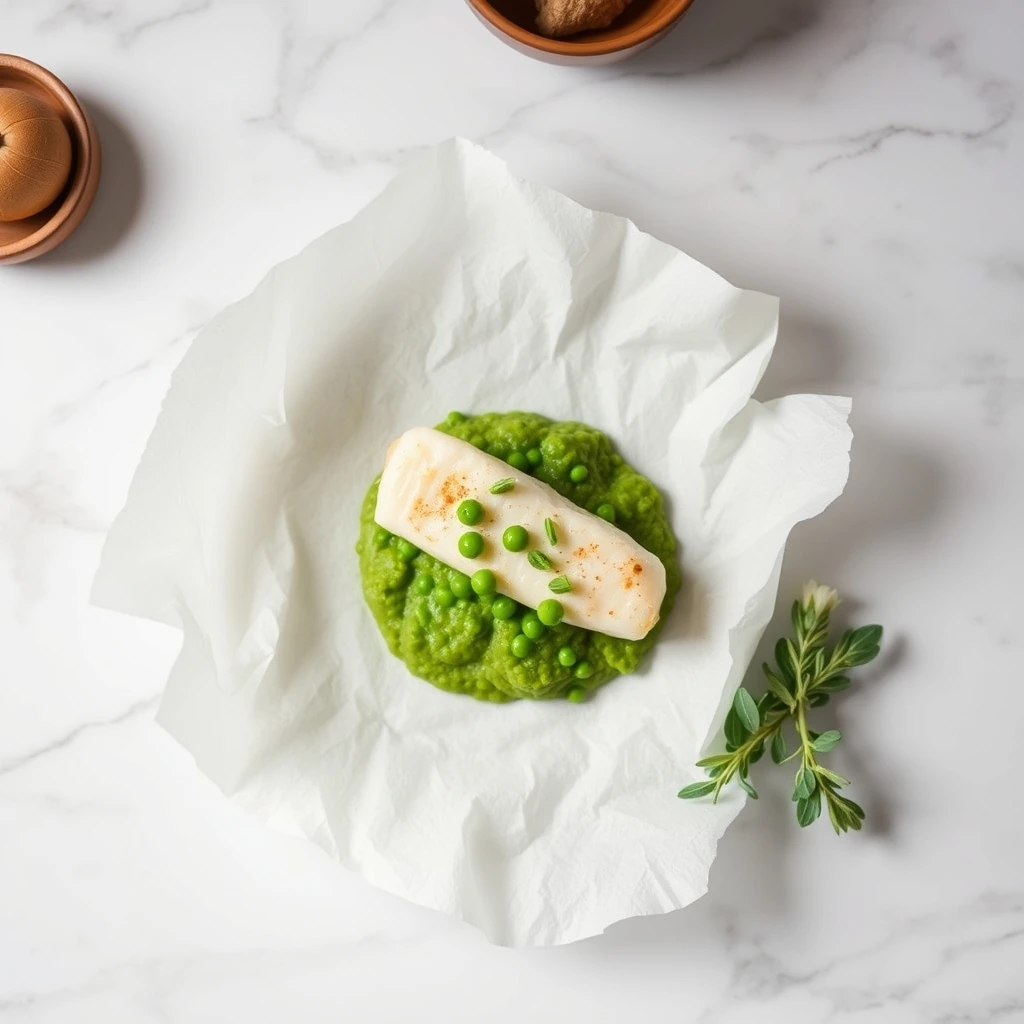
Flake the Fish: Once cooled, use a fork to gently flake the cooked fish into small, bite-sized pieces. Ensure there are no large chunks or any remaining bones, even if you thought you removed them all initially. This makes it easier for blending and safer for your cat to consume.
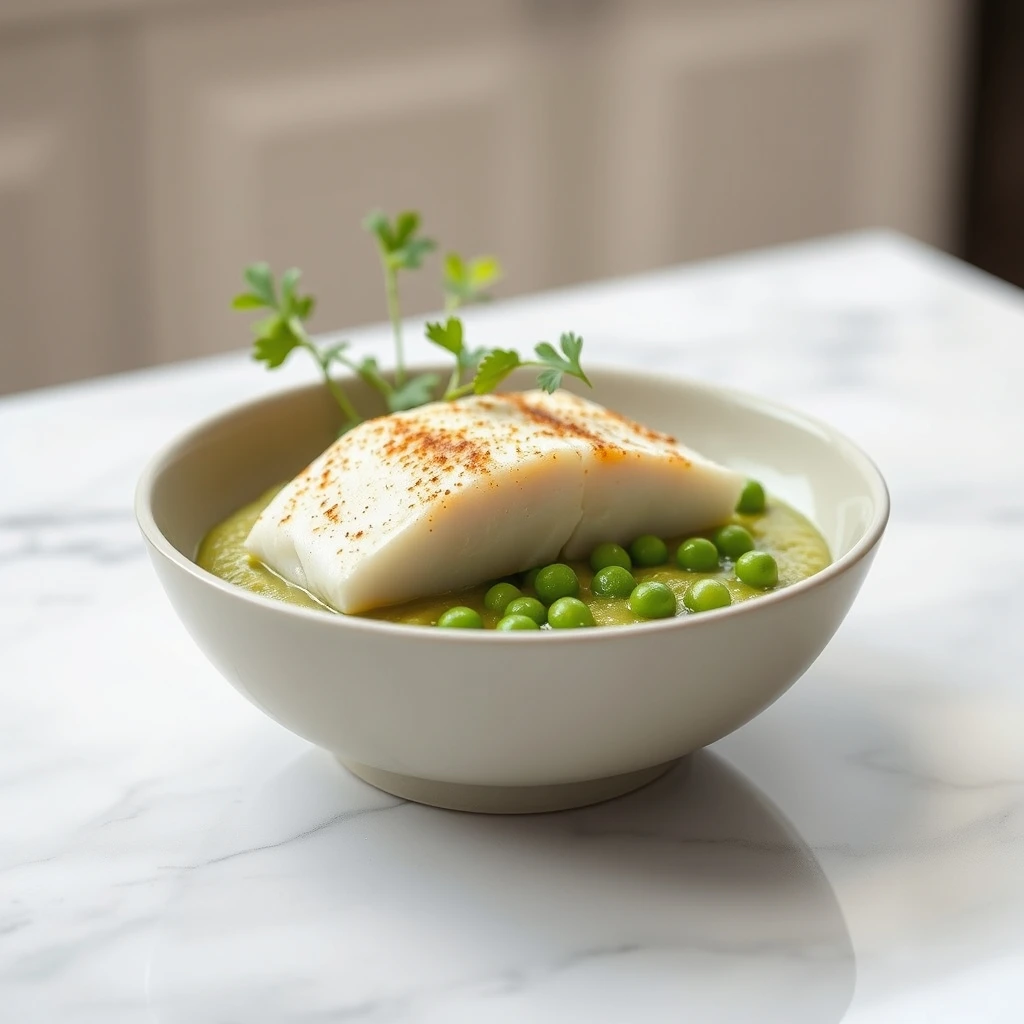
Puree the Mixture: Transfer the flaked fish and cooked peas into a food processor or blender. Add the 1/4 cup of filtered water or cat-safe, low-sodium chicken broth. Process until a smooth puree is formed. If the mixture is too thick, add a tiny bit more liquid (a teaspoon at a time) until you reach a consistency simi

Portion and Store: Once pureed, spoon the mixture into small, airtight containers or an ice cube tray for easy portioning. Label with the date. Store any portions you plan to use within 2-3 days in the refrigerator. For longer storage, freeze the individual portions.
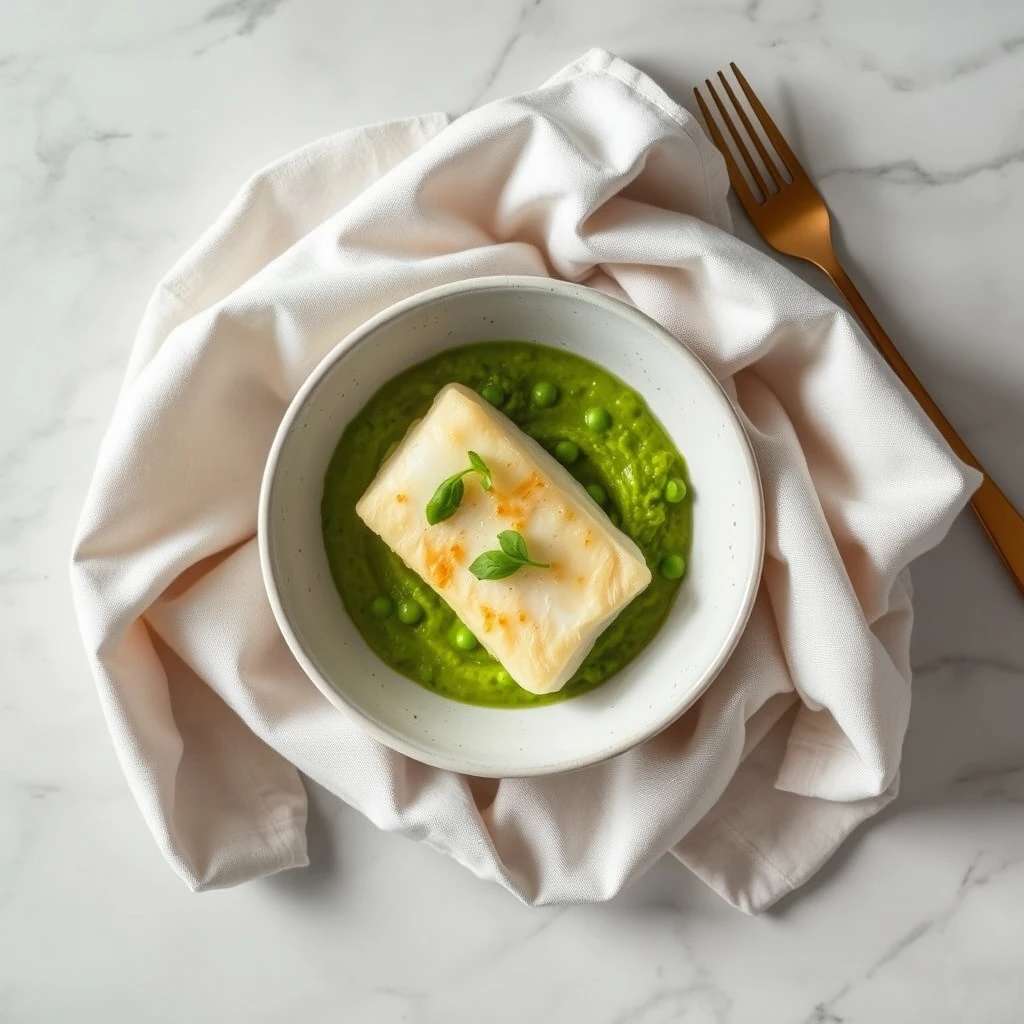
Serve as a Topper: When ready to serve, thaw a frozen portion in the refrigerator overnight or gently warm a refrigerated portion to room temperature. Never serve hot. Stir a small amount (about 1-2 tablespoons) into your cat's regular wet or dry food. Observe your cat's reaction and adjust serving size as needed, alwa
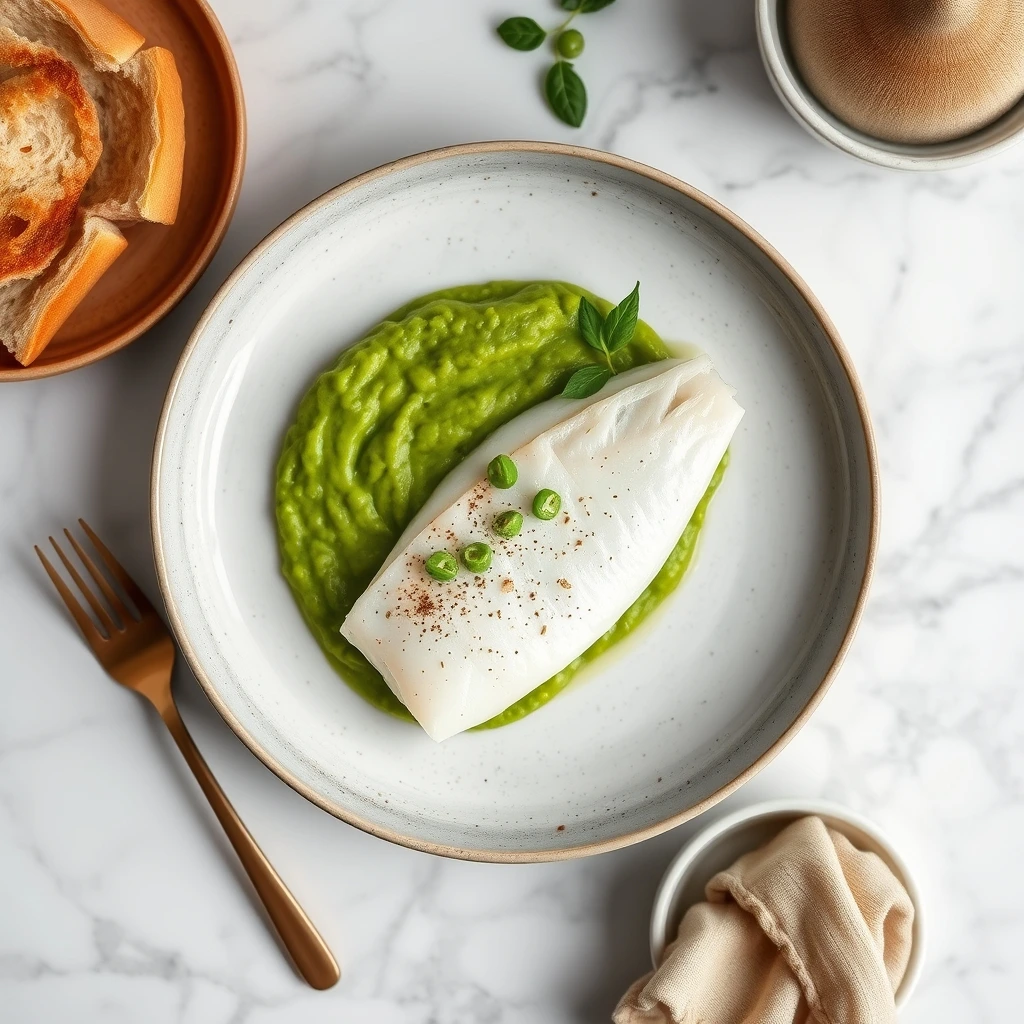
Made this recipe?
Tap the paw so other pet parents know it’s worth making.
Be the first to make it
Tips & serving
This recipe is intended as a meal topper, not a complete and balanced meal. It should complement your cat's regular, nutritionally complete cat food. Start by offering a very small amount, about a teaspoon, mixed into their regular food. Gradually increase to 1-2 tablespoons per serving, once or twice a day, if your cat tolerates it well. Always monitor your cat for any signs of digestive upset after introducing new foods. Remember to discuss any significant changes to your cat's diet with your veterinarian to ensure it meets their individual nutritional needs and health status.
- Adds moisture to your cat's diet, which is crucial for kidney health.
- Enhances palatability, making mealtime more appealing, especially for finicky eaters.
- Provides lean, easily digestible protein for muscle maintenance.
- Offers essential omega-3 fatty acids for skin and coat health.
- Introduces variety and fresh nutrients to their regular diet.
- Gradual Introduction: When introducing any new food, offer it slowly over several days to allow your cat's digestive system to adjust.
Storage
Thawing: Thaw frozen portions in the refrigerator overnight before serving. Do not thaw at room temperature for extended periods. Reheating: Always serve at room temperature or slightly warmed. Never serve hot. Do not reheat in a microwave, as it can create hot spots; if warming, do so gently over a double boiler or by placing the container in warm water.
Substitutions
- Fish
Instead of cod, tilapia, or pollock, you could use haddock or flounder. Always ensure it's boneless, skinless, and cooked thoroughly. Avoid oily fish like tuna or salmon for this specific recipe's 'gentle' angle, and never use raw fish.
- Peas
While peas are recommended for their nutritional profile and mild flavor, if your cat doesn't enjoy them, a small amount of finely pureed cooked green beans (no salt added) could be a very rare alternative, but peas are generally preferred.
Cats recipe FAQ
Can I serve this topper every day?
Treat it as an occasional extra, not a meal plan. This recipe is intended as a meal topper, not a complete and balanced meal. It should complement your cat's regular, nutritionally complete cat food.
Is white fish okay for cats?
This recipe uses white fish in a small, cat-appropriate amount. Skip it if your cat has a known sensitivity, and read the foods-to-avoid note on this page before serving.
How long does Steamed White Fish and Pea Puree keep?
**Refrigeration**: Store in an airtight container for up to 2-3 days. **Freezing**: Freeze individual portions in an ice cube tray, then transfer frozen cubes to a freezer-safe bag or container for up to 1 month.
How should I introduce this topper?
Start with a taste-size portion next to your cat's usual food, and hold off on serving more until you have seen that it agrees with them.
Can I use canned fish?
It's best to avoid canned fish for this recipe. Canned fish often contains high levels of sodium, oils, or other ingredients not suitable for cats. Freshly steamed fish provides the purest form of protein and nutrients.
My cat doesn't like peas. Can I omit them?
Yes, you can omit the peas if your cat doesn't enjoy them. The fish alone makes a wonderful, lean protein topper. The peas add some vitamins and fiber, but the fish is the primary nutritional component here.
Sources