

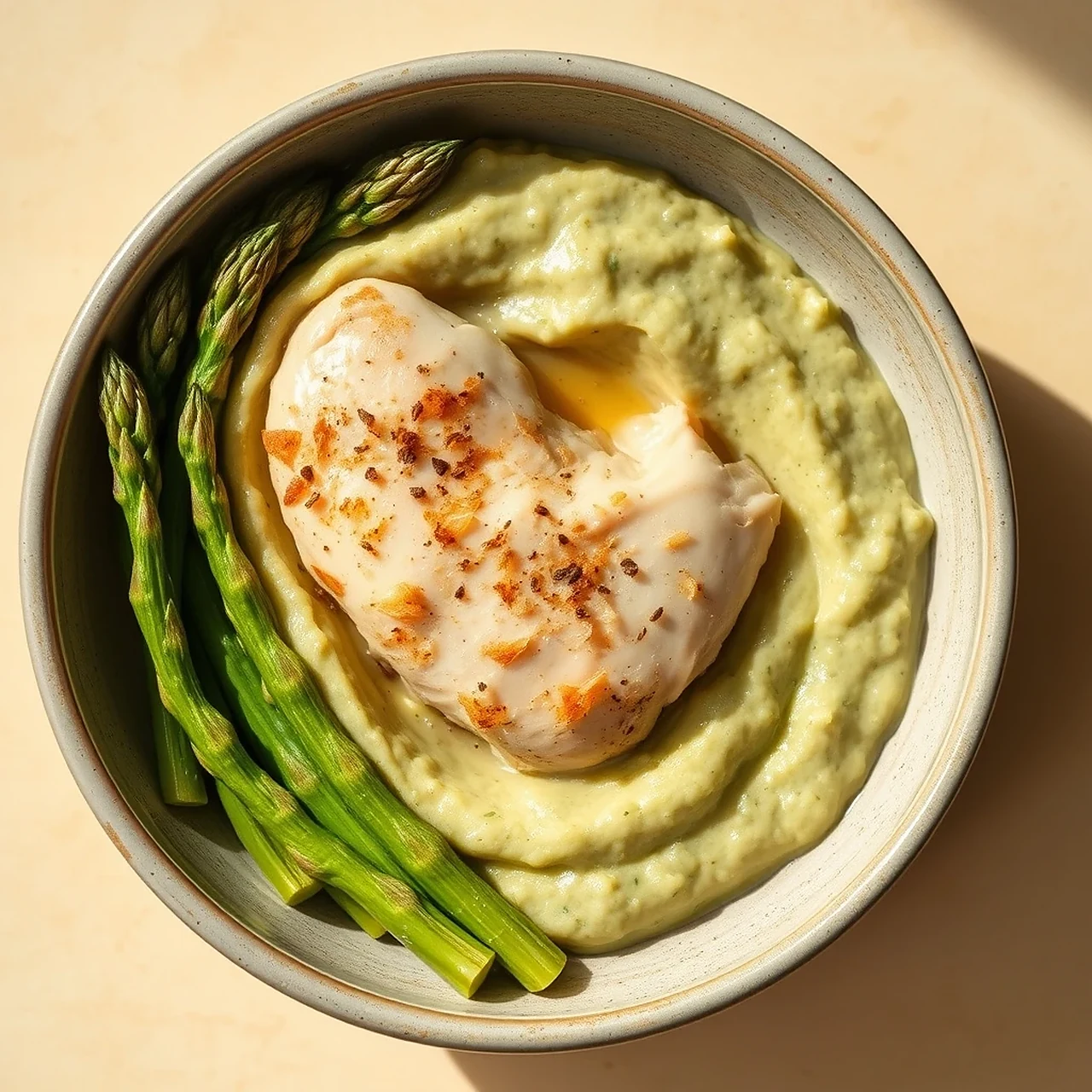
As a careful human recipe editor who has personally tested countless pet-friendly preparations, I understand the importance of not just what goes into our pets' bowls, but how it enhances their overall well-being. This Chicken and Asparagus Puree Topper is a recipe I've developed to address a common concern for cat parents: hydration. Many cats do not drink enough water, especially those on a dry kibble diet, which can lead to various health issues over time. This topper offers a delicious and easy way to add essential moisture to their meals, making it particularly appealing for picky eaters or those needing extra encouragement to hydrate. Beyond hydration, this recipe focuses on providing lean protein and a gentle, pet-safe vegetable like asparagus. Asparagus, when properly prepared, can be a novel and beneficial addition, offering vitamins and fiber. The goal is a highly palatable, easily digestible texture that blends seamlessly with your cat's existing food, transforming a regular meal into a more enticing and nutrient-rich experience. Before introducing any new food, especially a significant dietary change or a new ingredient like asparagus, it is always wise to consult with your veterinarian. They can provide personalized advice based on your cat's specific health needs, sensitivities, and current diet, ensuring this topper is a suitable and beneficial addition for your individual feline friend.
Safety first: Offer a small taste the first time and watch your cat for any tummy upset before serving more.
Foods to avoid
Never use seasoned broth, as it often contains onion, garlic, or excessive salt, which are toxic or harmful to cats. Do not use raw chicken. Always ensure all ingredients are fresh, properly cooked, and free from any seasonings, oils, or spices. Remember, any significant dietary changes should be discussed with your veterinarian.
Ingredients
Instructions
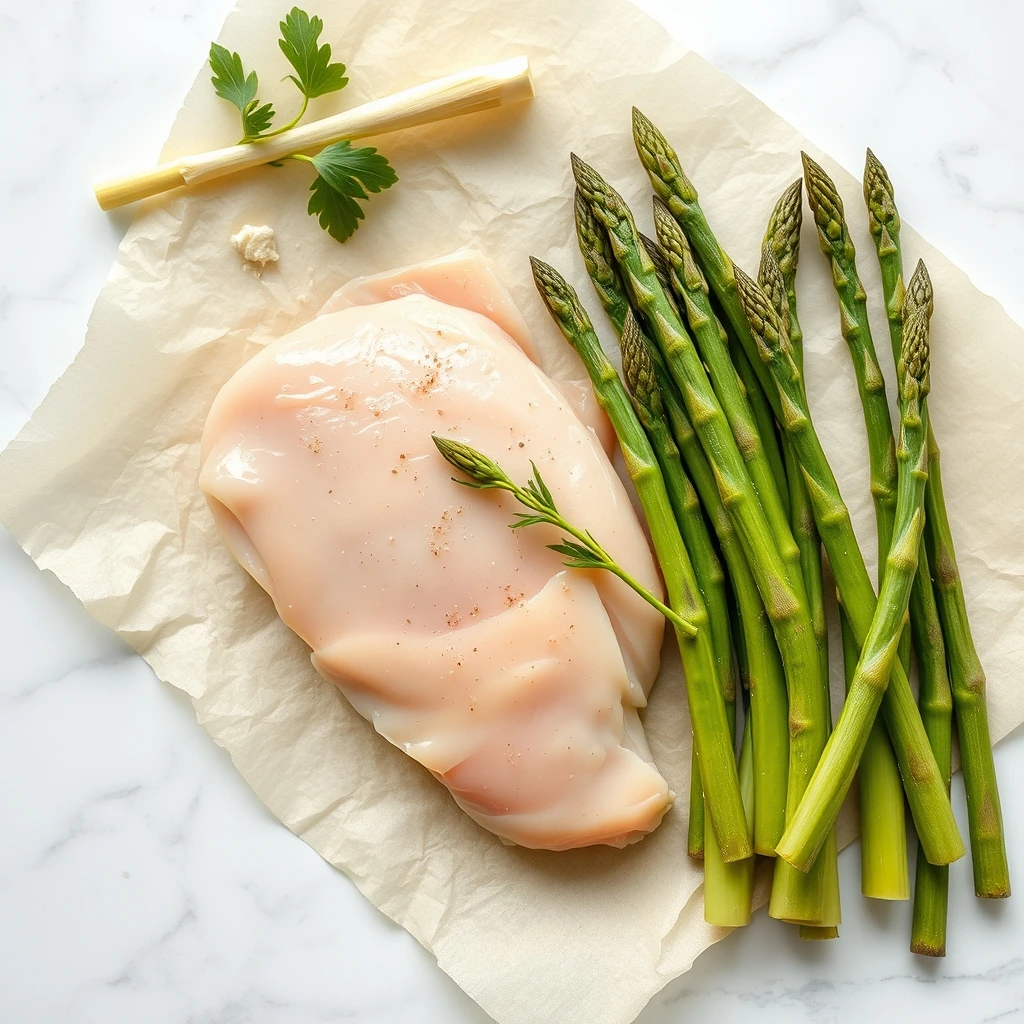
Prepare Chicken and Asparagus: Rinse the chicken breast and pat it dry. Cut it into 1-inch cubes to ensure even cooking. Trim the tough, fibrous ends off the asparagus spears; you'll typically snap them where they naturally break. This step ensures everything cooks efficiently and is ready for blending.
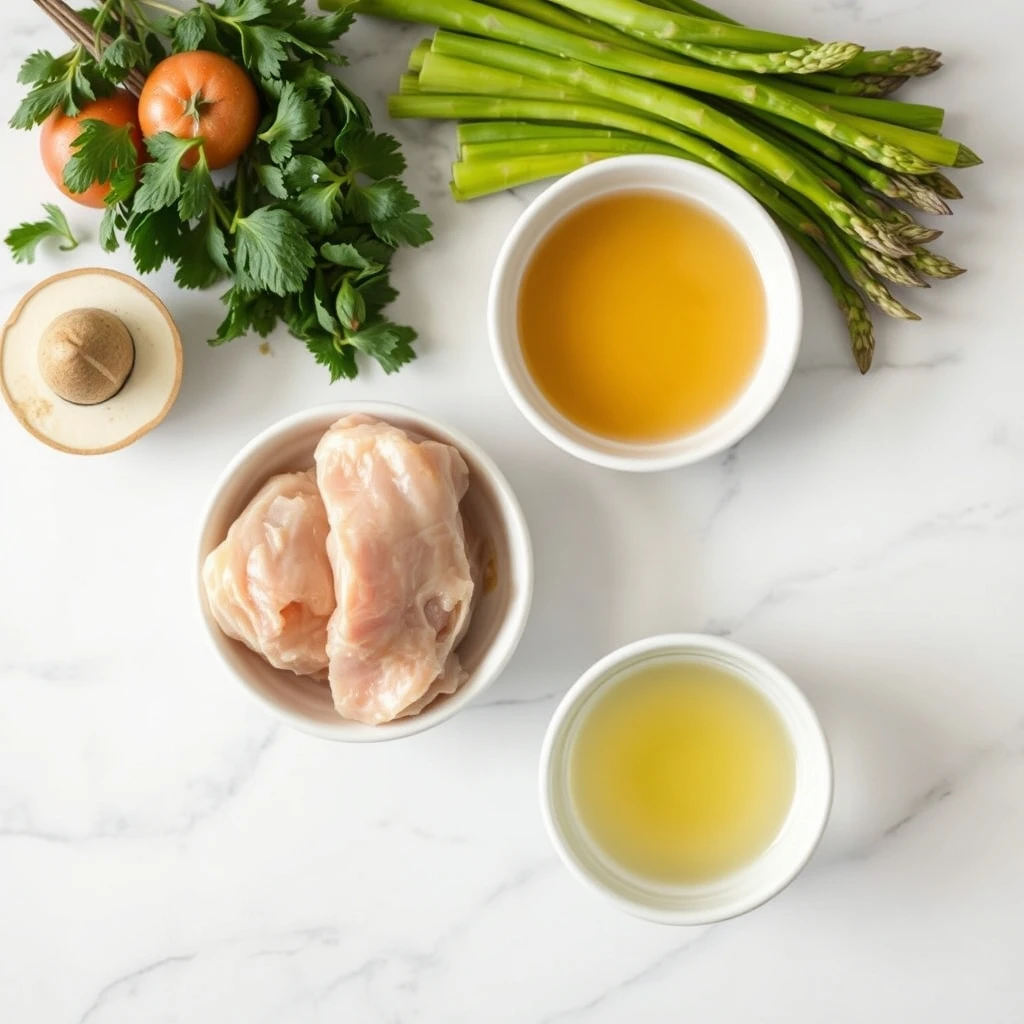
Cook the Chicken: Place the cubed chicken in a small saucepan. Add just enough filtered water or unsalted chicken broth to cover the chicken. Bring to a gentle boil, then reduce heat, cover, and simmer for 15-20 minutes, or until the chicken is thoroughly cooked through and no longer pink inside. Cooking ensures safety
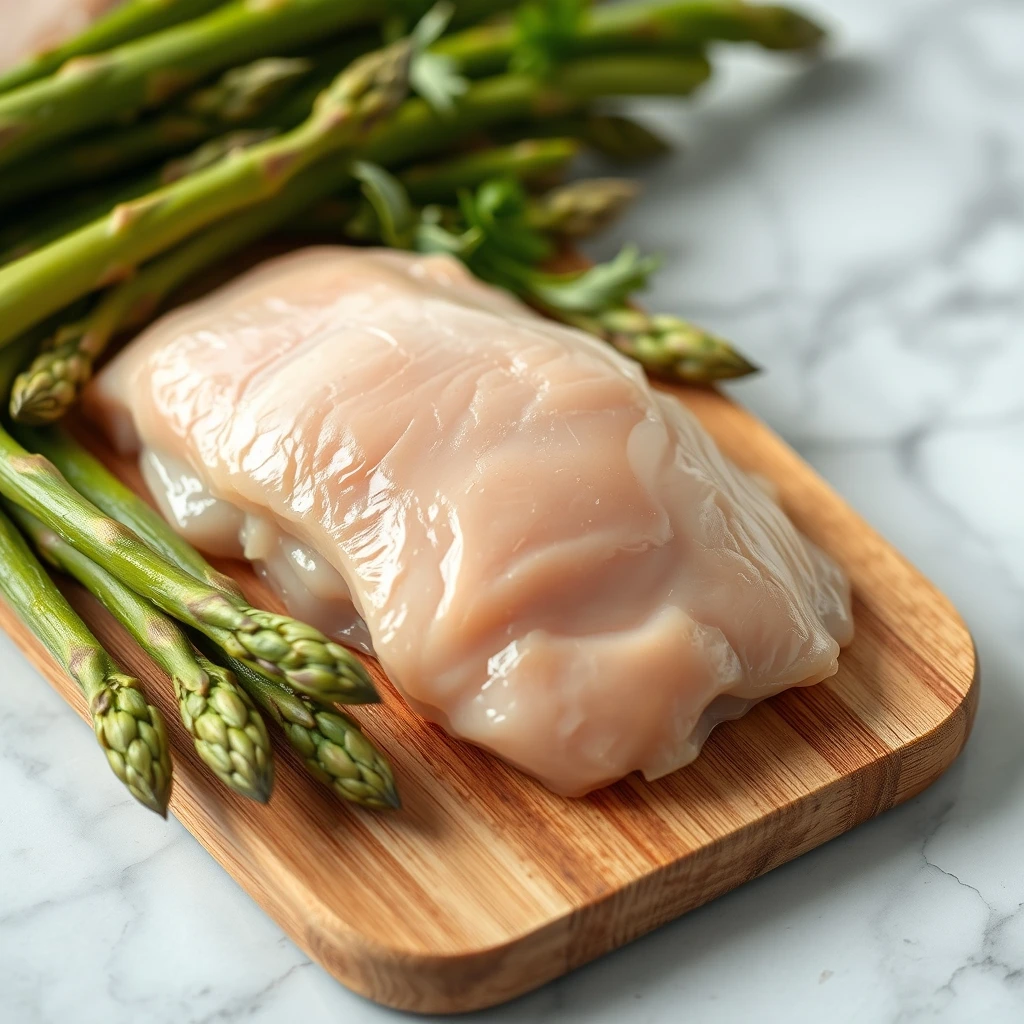
Steam the Asparagus: While the chicken is cooking, steam the trimmed asparagus. You can do this in a steamer basket over boiling water for 5-7 minutes, or until the asparagus is very tender and easily pierced with a fork. Overcooking it slightly is fine here, as the goal is a smooth puree. Softening the asparagus ensur
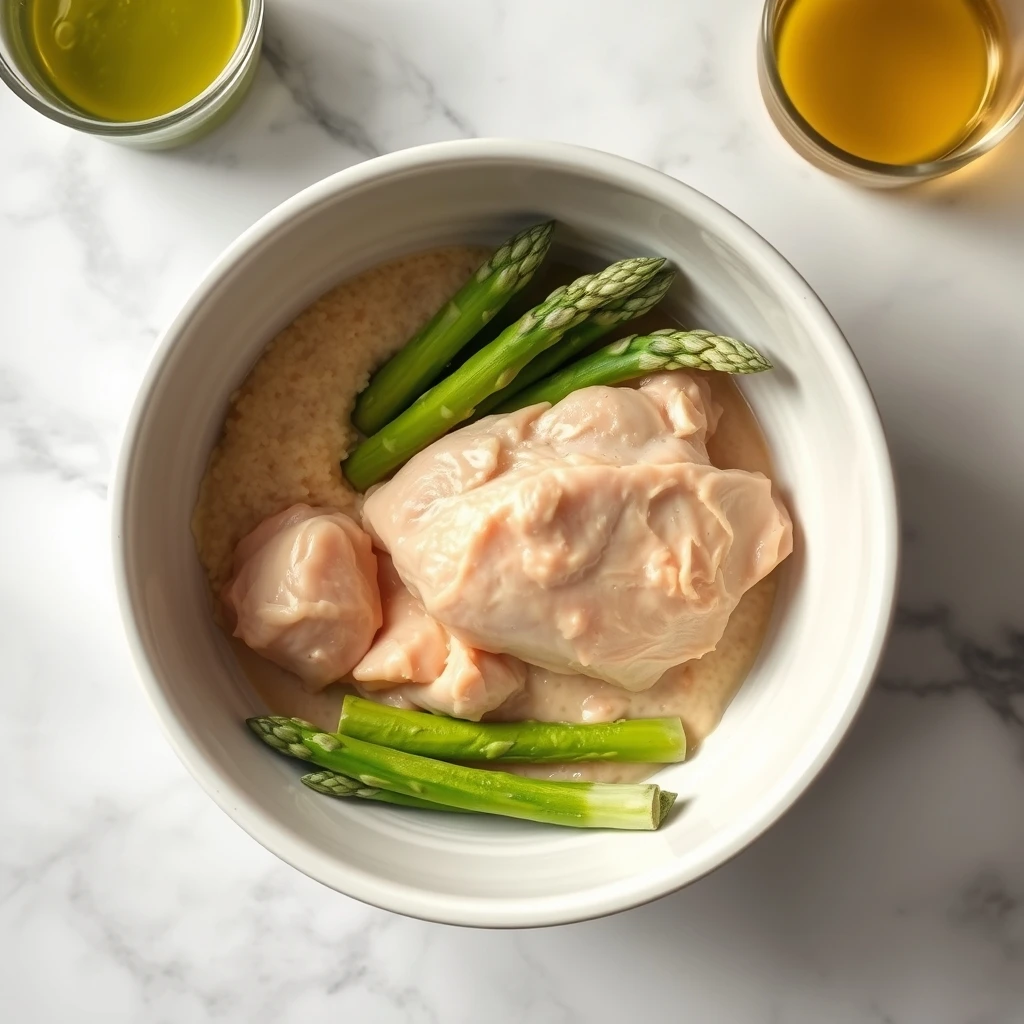
Combine for Blending: Once cooked, carefully remove the chicken from its cooking liquid, reserving the liquid. Transfer the cooked chicken and the steamed asparagus to your food processor or high-speed blender. The reserved cooking liquid will be used to achieve the desired consistency.
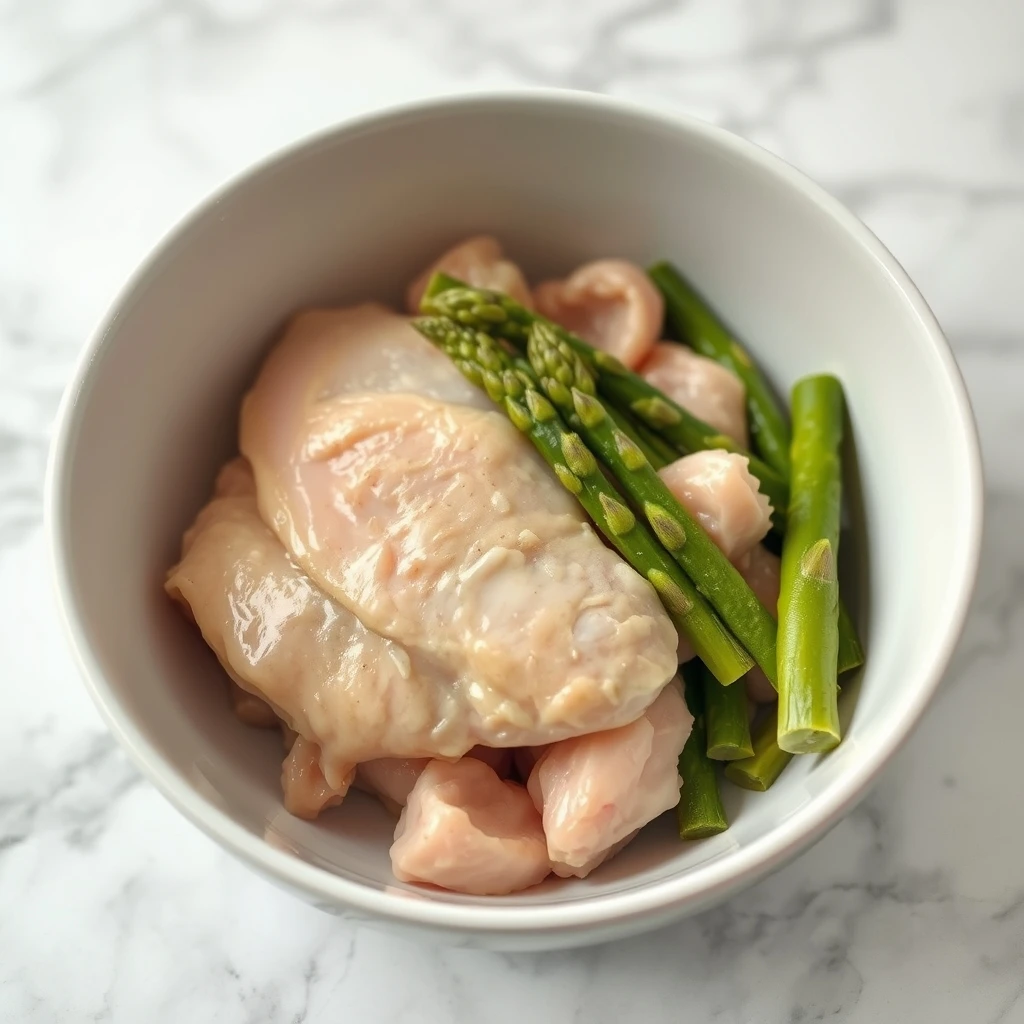
Create the Puree: Add about 1/2 cup of the reserved chicken cooking liquid to the food processor with the chicken and asparagus. Blend on high until the mixture is completely smooth and free of any lumps. Add more reserved liquid, one tablespoon at a time, until you reach a consistency similar to a thick baby food pure
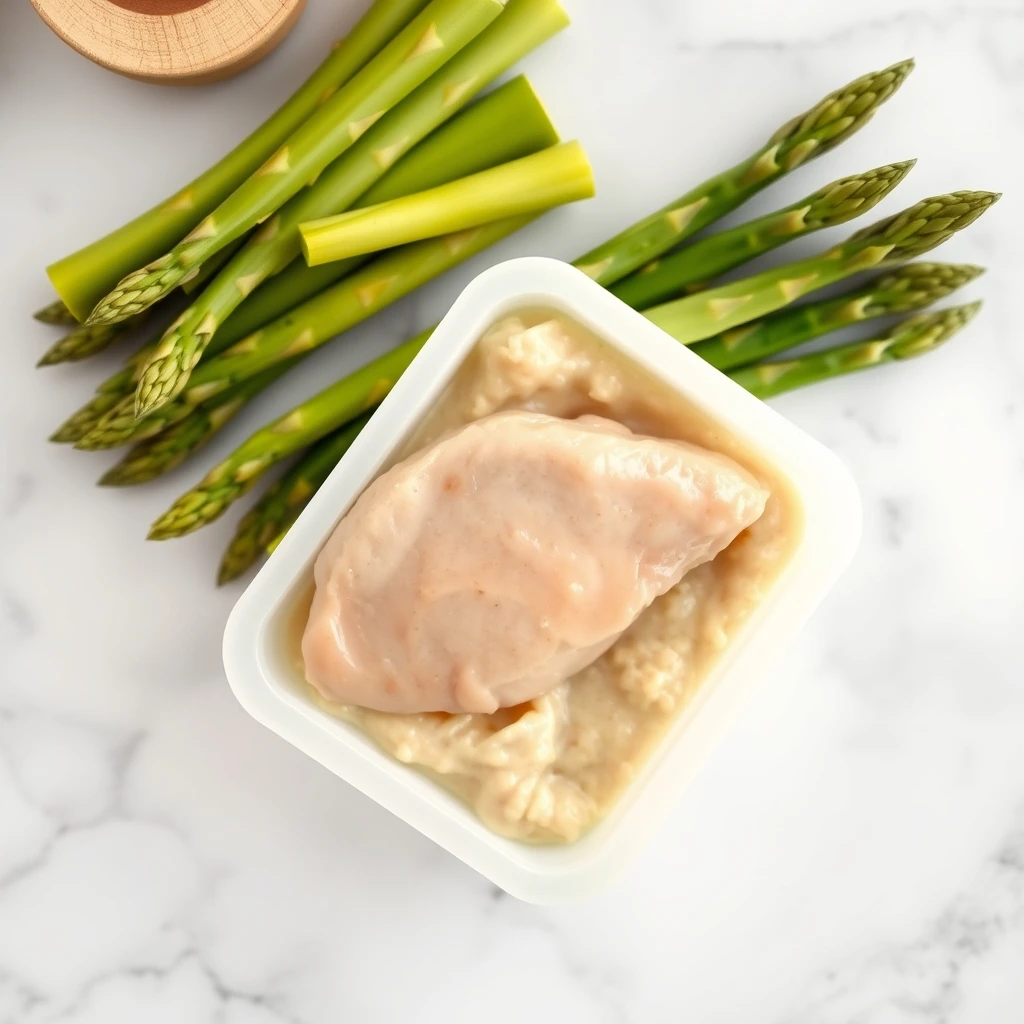
Cool and Portion: Allow the puree to cool completely before portioning. Transfer the cooled puree into small airtight containers suitable for refrigeration, or into ice cube trays for freezing. Cooling prevents condensation and maintains freshness for storage.
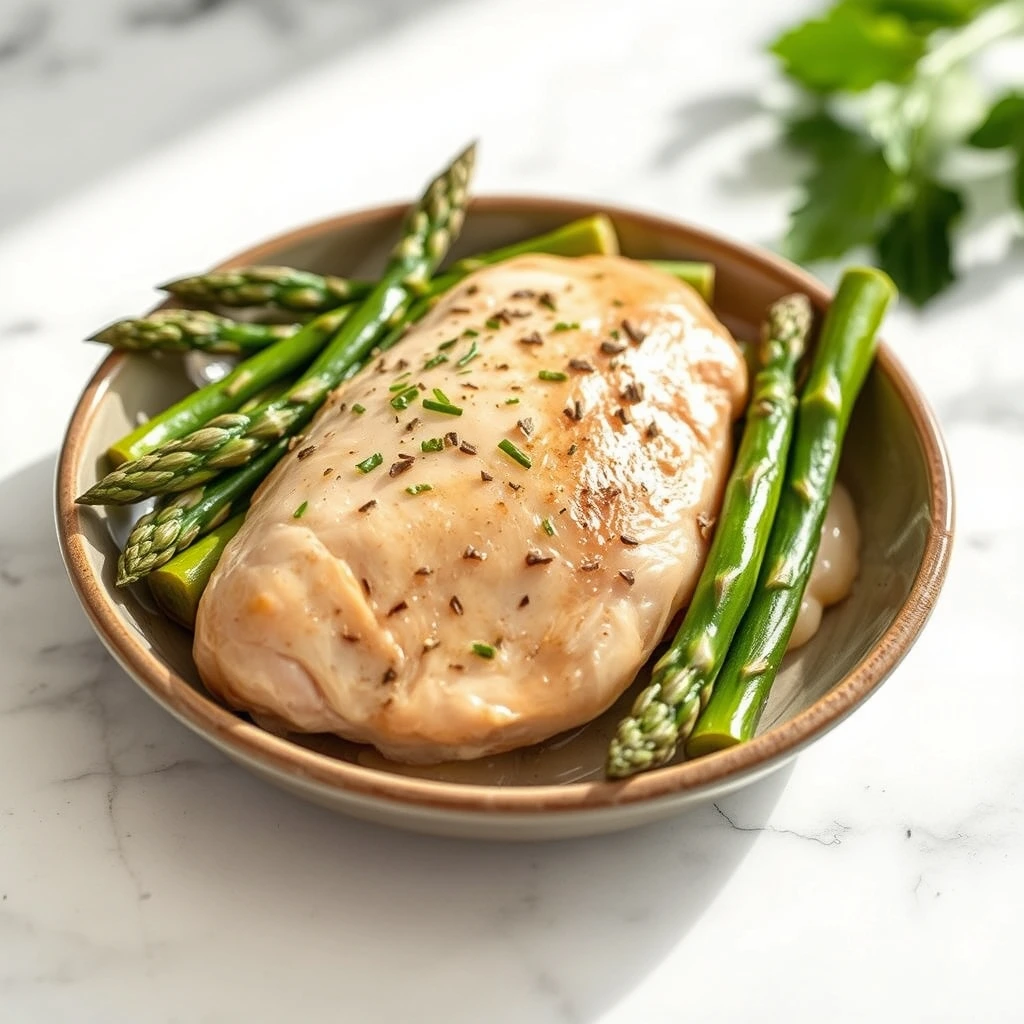
Serve to Your Cat: Once cooled, this puree is ready to be served. Spoon a small amount onto your cat's regular meal, mixing it in if desired. Observe your cat's reaction and adjust serving size as needed.
Made this recipe?
Tap the paw so other pet parents know it’s worth making.
Be the first to make it
Tips & serving
Start by adding 1-2 teaspoons of the puree to your cat's regular meal once a day. Observe how your cat tolerates it. If well-received, you can gradually increase the amount to 1-2 tablespoons per meal, depending on your cat's size and dietary needs. This puree is intended as a topper and not a complete meal replacement. Always ensure fresh water is available. Any major changes to your cat's diet should be discussed with your veterinarian.
- Boosts Hydration: Significantly increases moisture intake, vital for feline kidney health.
- Highly Palatable: The smooth texture and savory flavor can entice even picky eaters.
- Nutrient-Rich: Provides lean protein from chicken and vitamins/fiber from asparagus.
- Easy to Digest: Thoroughly cooked and pureed ingredients are gentle on a cat's digestive system.
- Versatile Topper: Easily mixes with kibble or wet food to enhance any meal.
- For extra picky cats, start with a very small amount mixed thoroughly into their favorite wet food.
Storage
Freeze: Freeze in ice cube trays. Once frozen, transfer the cubes to a freezer-safe bag or container. Thaw a cube in the refrigerator overnight or gently warm before serving.
Substitutions
- Protein
Cooked boneless, skinless turkey breast or white fish (like cod or pollock, ensuring all bones are removed) can be substituted for chicken. Always cook thoroughly and avoid seasoning.
- Vegetable
Finely steamed and pureed green beans or pumpkin puree (plain, unsweetened, unspiced) can be used instead of asparagus if your cat prefers them or for variety.
- Liquid
Plain filtered water is always a safe choice if unsalted chicken broth is unavailable.
Cats recipe FAQ
Is this topper a complete meal for my cat?
Treat it as an occasional extra, not a meal plan. Start by adding 1-2 teaspoons of the puree to your cat's regular meal once a day. Observe how your cat tolerates it.
Can cats have chicken?
This recipe uses chicken in a small, cat-appropriate amount. Skip it if your cat has a known sensitivity, and read the foods-to-avoid note on this page before serving.
How long does Hydrating Chicken and Asparagus Puree Topper for Cats keep?
Refrigerate: Store in an airtight container for up to 3-4 days. Freeze: Freeze in ice cube trays. Once frozen, transfer the cubes to a freezer-safe bag or container. Frozen portions can be stored for up to 1 month.
What's the safest way to try this with my cat?
Offer a small amount beside regular food, introduce one new recipe at a time, and watch appetite, stool, skin, and behavior for a day or two.
Can I use canned chicken or asparagus?
It is best to use fresh, unseasoned ingredients. Canned chicken often contains high sodium, and canned asparagus can have added salt or preservatives that are not suitable for cats. Fresh is always the safest and healthiest option.
My cat does not like asparagus. What can I use instead?
You can substitute asparagus with other cat-safe, pureed vegetables like plain steamed green beans or a small amount of plain, unsweetened pumpkin puree. Always introduce new vegetables slowly and in small quantities.
Sources