
These little cannelloni give a familiar chicken treat a fun Italian-inspired twist. Plain pasta tubes are filled with finely minced, thoroughly cooked chicken thigh and a little smooth mashed parsnip, creating a soft, moist filling that's easy to cut into small, manageable pieces. The aim is a tender little treat, not a large or firm pasta parcel. This recipe is for an occasional treat, not a complete meal. Keep everything unseasoned, check that the pasta is fully tender, and leave out traditional cannelloni additions such as tomato sauce, garlic, onion and cheese. Remember to count treats towards your cat's daily allowance and speak with your veterinarian before making major changes to their diet.
Safety first: Introduce new foods gradually and speak with your veterinarian before making major changes to your cat's diet.
Foods to avoid
Never include garlic, onion, leek, chives, stock cubes, gravy, tomato sauce, cheese, cream, butter, salt or seasoning blends. Garlic and onion are particularly unsuitable for cats. Remove every bone, cartilage fragment and piece of skin from the chicken. Do not use raw or undercooked chicken, hard pasta, sharp broken pasta edges or hot filling. Introduce unfamiliar ingredients cautiously and stop serving the treat if your cat appears uncomfortable or develops an adverse reaction. This recipe is not nutritionally complete and is unsuitable as a regular meal replacement.
Ingredients
Instructions
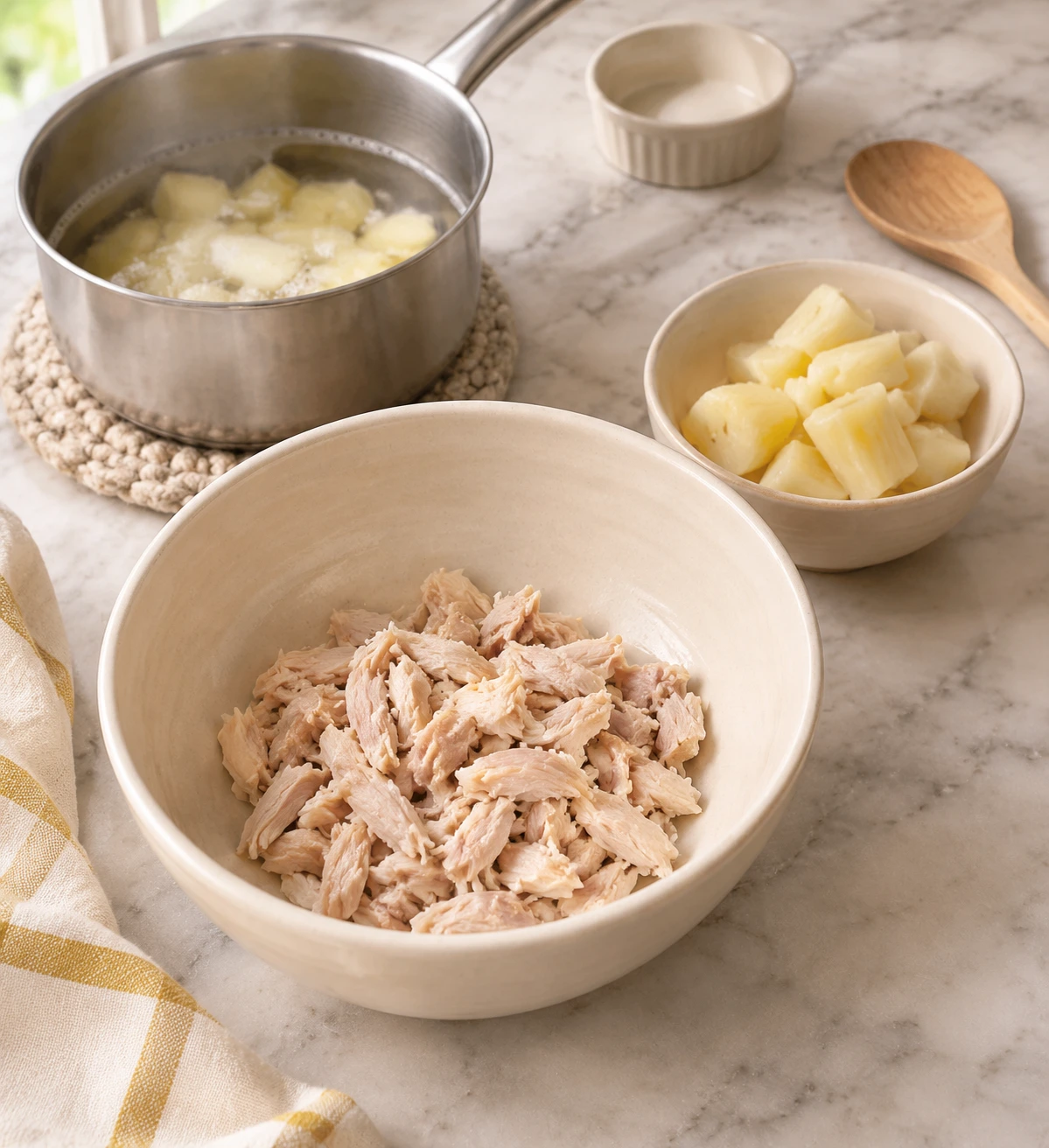
Prepare the chicken and parsnip: Check the cooked chicken thigh carefully, removing all skin, bones, cartilage and tough pieces. Make sure the chicken is thoroughly cooked and completely unseasoned. Peel the parsnip, cut it into small, even pieces, and simmer in a small saucepan of water until very soft, then drain thoroughly; keeping it separate makes it easier to control how much goes into the filling.
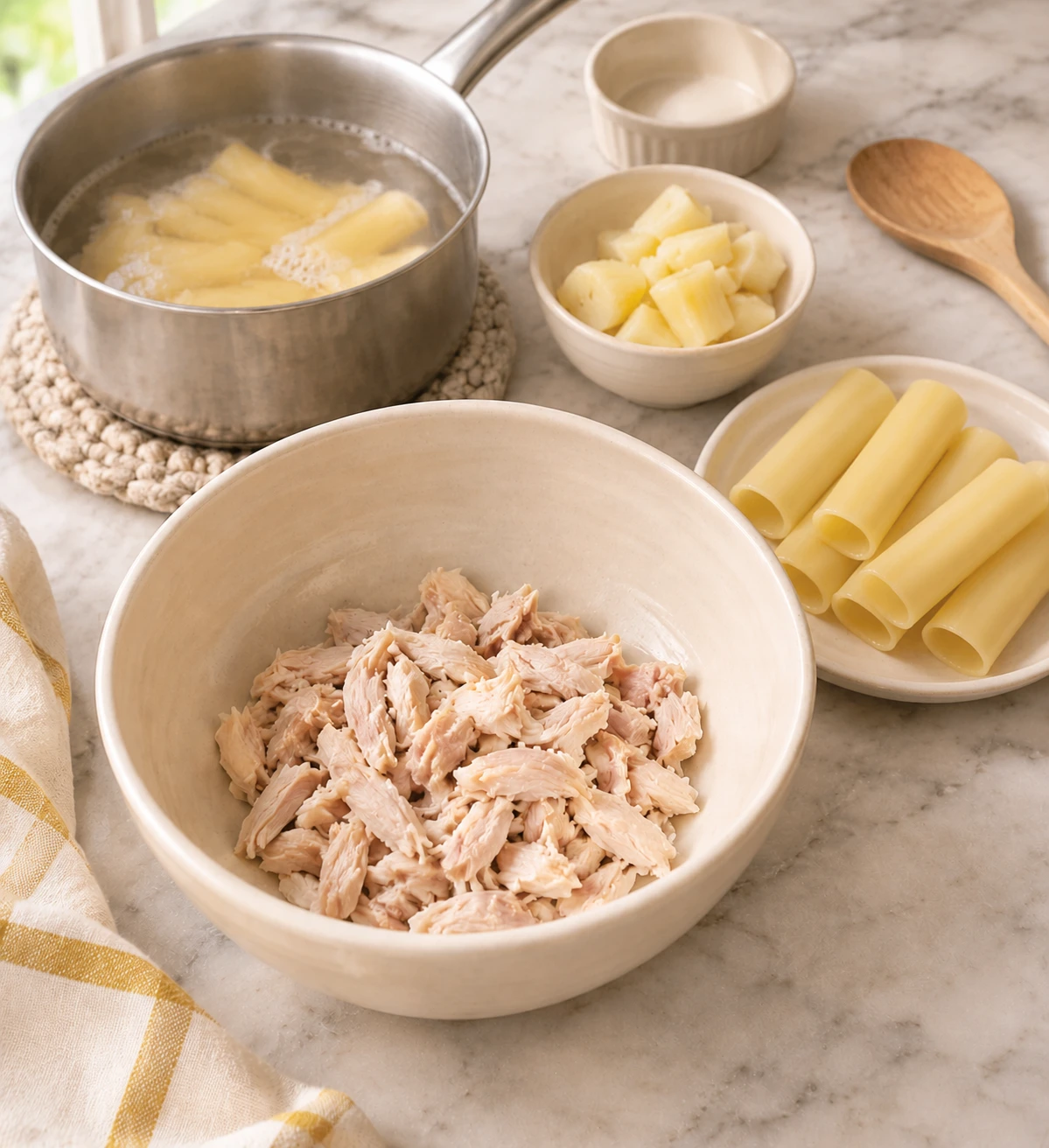
Cook the plain pasta: Cook the small cannelloni tubes according to the package directions in plain water, without salt, oil, stock or seasoning. For dried tubes that need baking to soften, use a method that makes them completely tender without sauce. Drain carefully, let them cool until comfortable to handle, and check each one for firm or sharp edges; discard any pasta that stays hard, brittle or difficult to break apart.
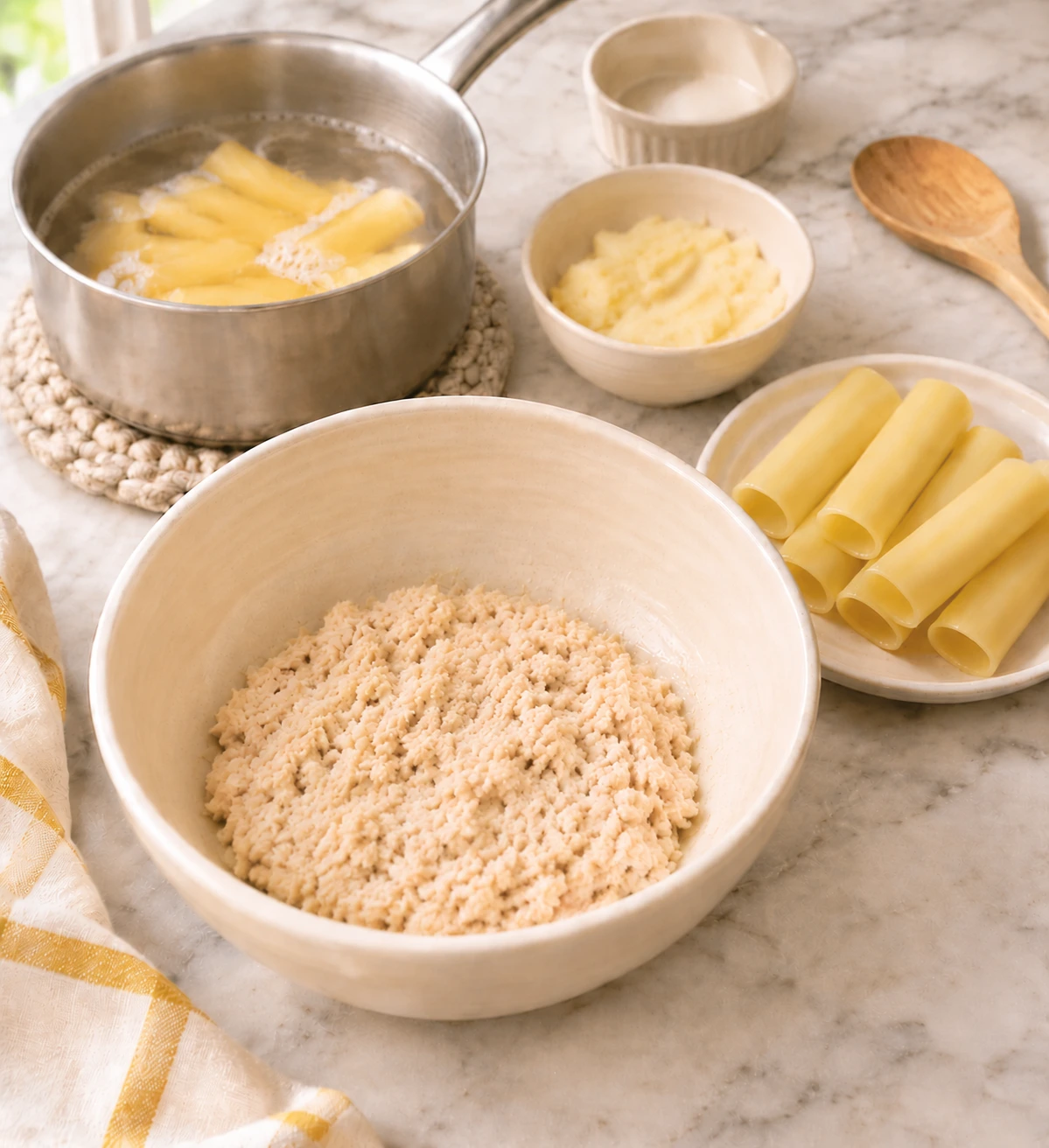
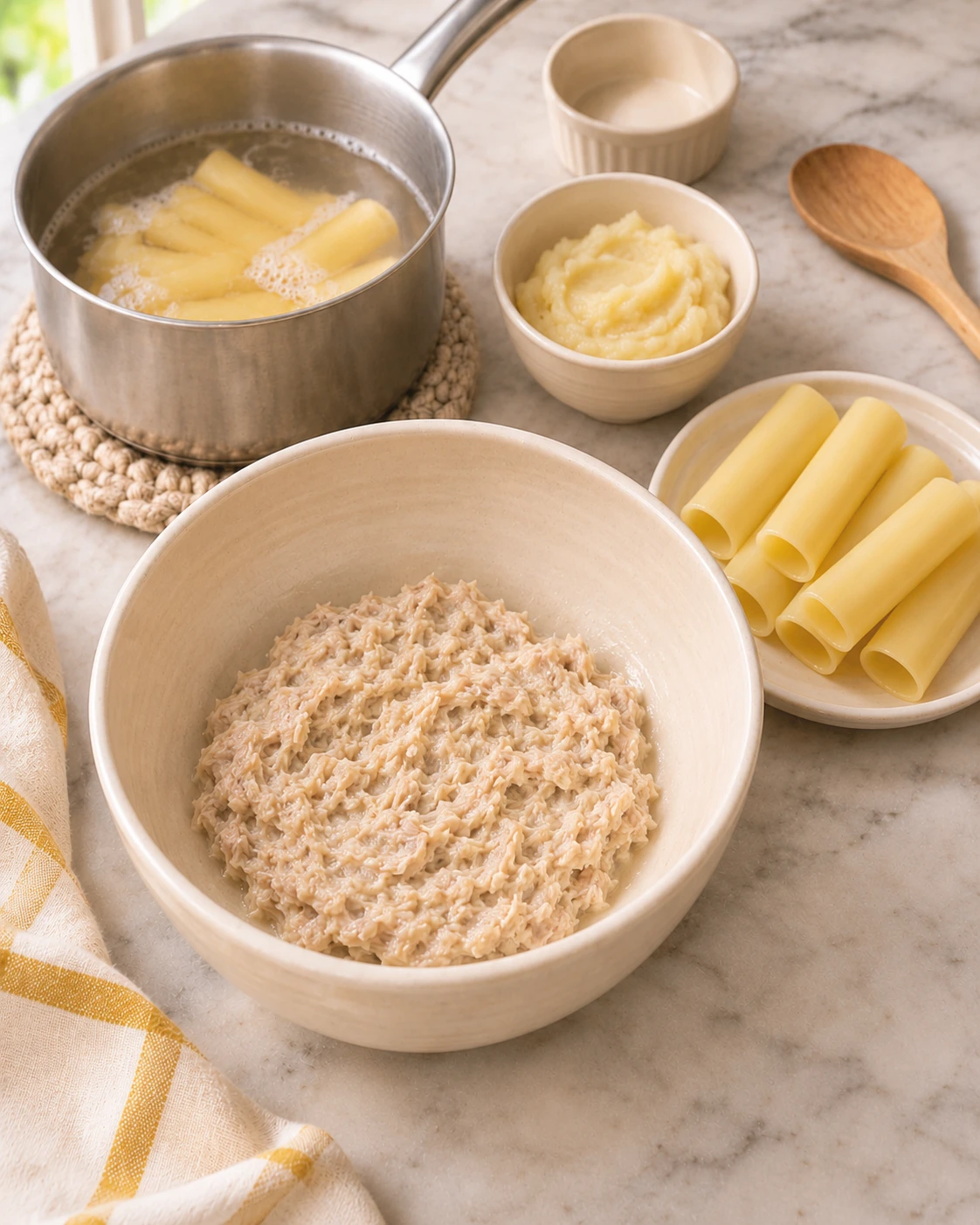
Make the soft chicken filling: Place the cooked chicken in a small mixing bowl and mince it very finely using a sharp knife or fork. Mash the drained parsnip separately until smooth, then mix a small amount into the chicken, making sure there are no large vegetable pieces or chicken chunks. If the filling feels dry, add warm, unseasoned cooking water a teaspoon at a time until it's moist enough to hold together without becoming watery or sticky.
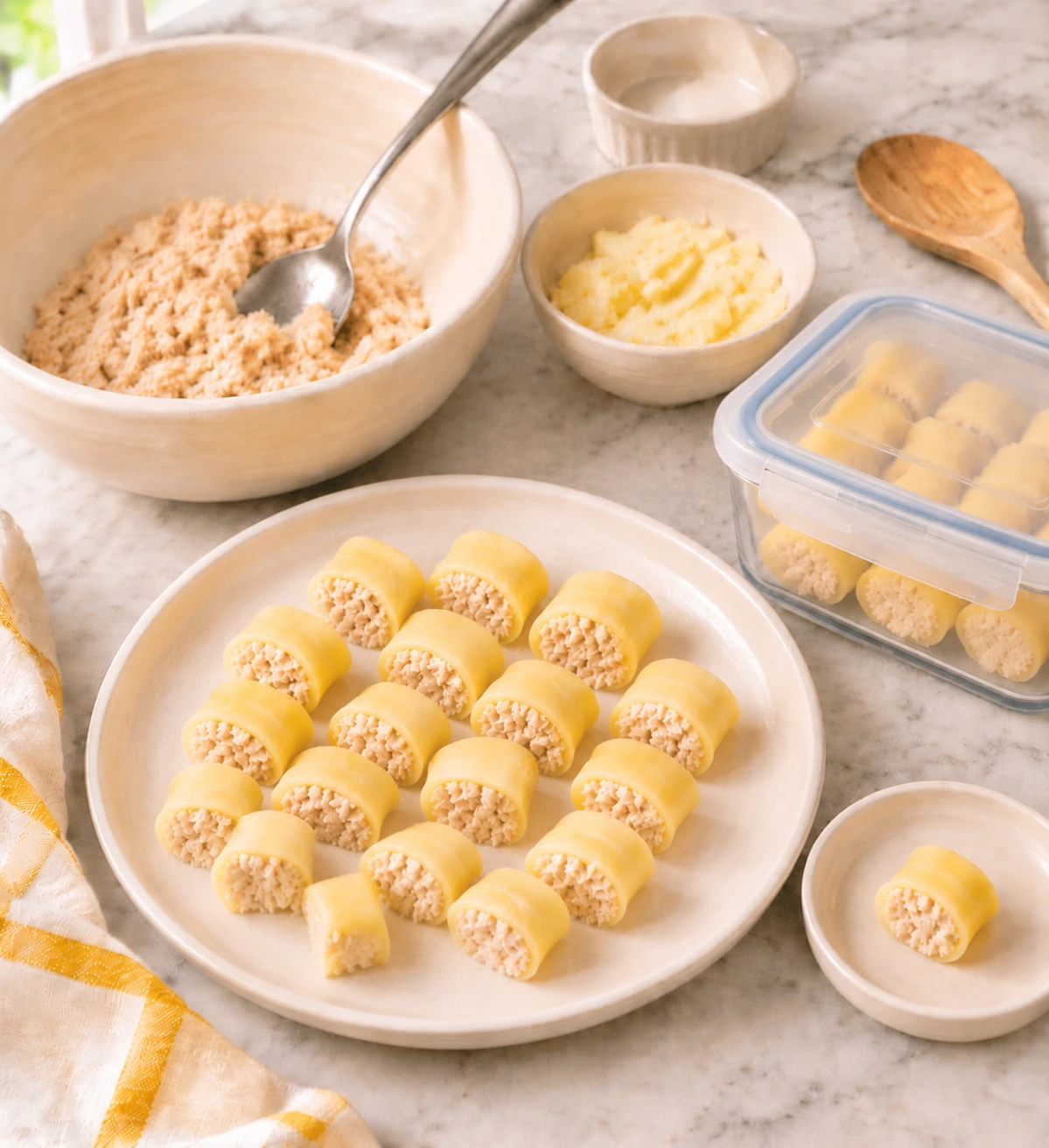
Fill the miniature cannelloni: Once the pasta tubes have cooled, use a small spoon or clean fingertips to gently fill each one with the chicken mixture. If needed, work from both ends to distribute the filling without forcing it inside, and avoid overfilling or packing it tightly. Keep the pasta intact and the filling evenly spread, discarding any tube that cracks or has a hard edge rather than serving a piece that might be uncomfortable for your cat.
Cool and portion for serving: Arrange the filled tubes in a single layer on a clean plate and leave them to cool completely. Cut each tube crosswise into small, manageable pieces for your cat, then check the cut surfaces to make sure the filling is soft and the pasta is fully cooked. Offer just one tiny piece to start, and promptly refrigerate the remaining batch in a sealed container, following the storage guidance below.
Made this recipe?
Tap the paw so other pet parents know it’s worth making.
Be the first to make it
Tips & serving
Serve only a tiny piece at first, with the pasta fully cooked, soft and cut into manageable portions. Treat these cannelloni as occasional extras rather than a replacement for balanced cat food. Keep all treats together within the recommended daily treat allowance, generally no more than 10% of daily calories. Individual needs vary, so ask your veterinarian about appropriate portions and discuss major diet changes with them.
- Chicken offers a familiar animal-protein ingredient in a simple homemade treat format.
- The soft filling can be divided into carefully measured, very small portions.
- A little mashed parsnip introduces a seasonal vegetable without making it the main ingredient.
- The recipe uses ordinary ingredients and avoids elaborate sauces, added salt and strong seasonings.
- Mince the chicken more finely than you would for human food so the filling distributes evenly inside the small pasta tubes.
- Mash the parsnip separately before mixing to prevent firm vegetable pieces from remaining in the filling.
Storage
Allow the finished cannelloni to cool completely, then transfer them to a clean, airtight food container and refrigerate promptly. For longer storage, freeze individual pieces in a single layer before transferring them to a labelled freezer-safe container.
Substitutions
If parsnip is unavailable, a similarly small amount of thoroughly cooked, plain pumpkin or carrot can be mashed into the chicken. Keep the vegetable quantity modest and avoid seasoned, canned pie filling or products containing additives. If cannelloni tubes are too large or difficult to prepare, use small plain pasta tubes that cook until completely soft. The shape is optional, but the pasta must be unseasoned, easy to cut and suitable for a tiny treat portion. Chicken thigh can be replaced with thoroughly cooked, boneless, skinless chicken breast if preferred.
Cats recipe FAQ
Can Cats Chicken and Parsnip Savory Cannelloni replace my cat's regular diet?
Treat it as an occasional extra, not a meal plan. Serve only a tiny piece at first, with the pasta fully cooked, soft and cut into manageable portions. Treat these cannelloni as occasional extras rather than a replacement for balanced cat food.
Is boneless, skinless cooked chicken thigh okay for cats?
This recipe uses boneless, skinless cooked chicken thigh in a small, cat-appropriate amount. Skip it if your cat has a known sensitivity, and read the foods-to-avoid note on this page before serving.
How should I store leftovers?
Allow the finished cannelloni to cool completely, then transfer them to a clean, airtight food container and refrigerate promptly. Use within 2 days for best freshness and discard any pieces left at room temperature for an extended period.
How should I introduce this treat?
Start with a taste-size portion next to your cat's usual food, and hold off on serving more until you have seen that it agrees with them.
Can cats eat plain pasta?
Plain, fully cooked pasta is not toxic to cats, but it provides little nutritional value and should not form a significant part of their diet. In this recipe, pasta is simply a small edible holder for the chicken filling and should only be offered occasionally.
Is parsnip suitable for this cat treat?
A small quantity of plain, thoroughly cooked parsnip can be used as an occasional ingredient. Peel it, cook until very soft and mash it thoroughly before mixing. Keep chicken as the main ingredient and avoid adding butter, salt, seasoning or other human recipe additions.
Sources