

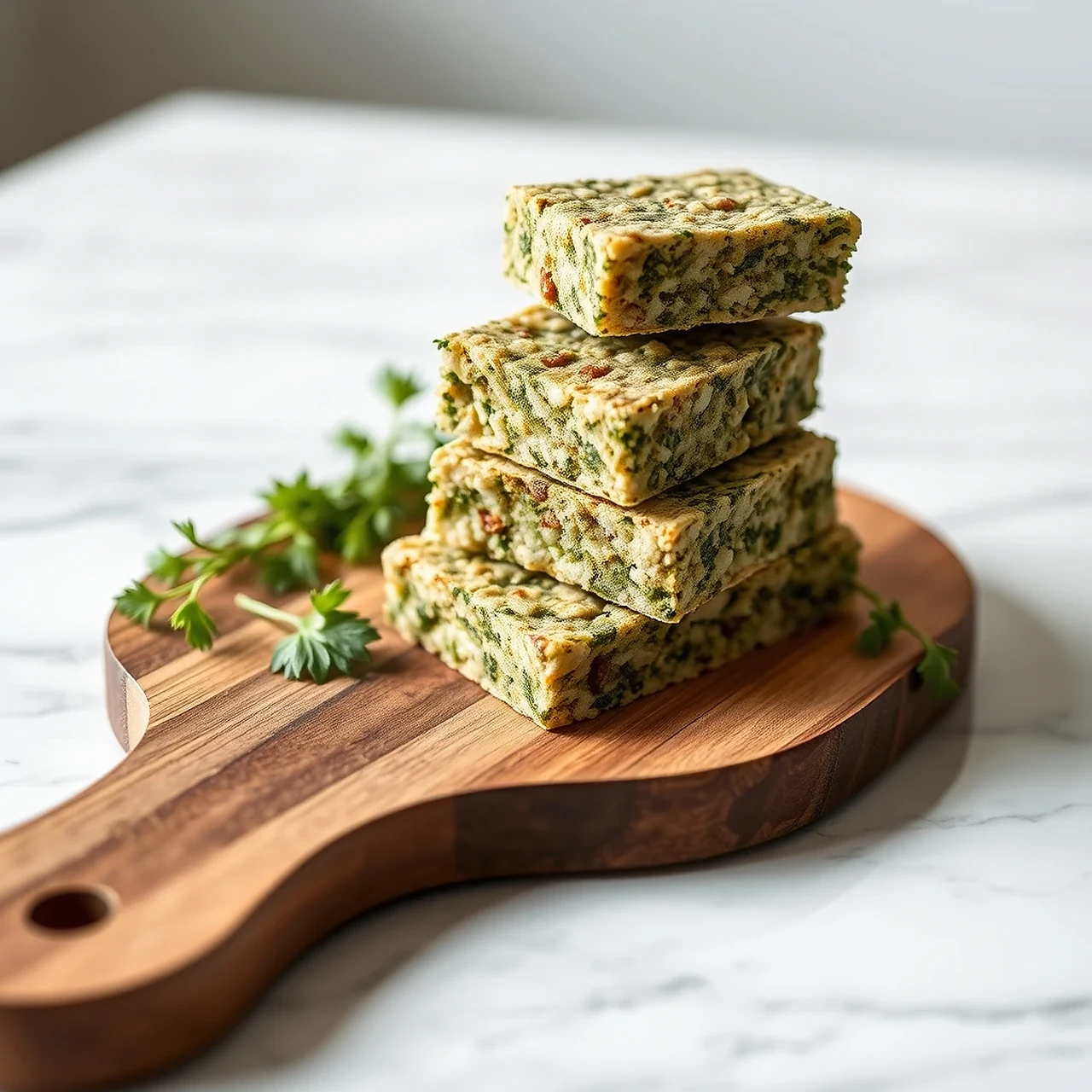
Providing engaging and species-appropriate enrichment is a cornerstone of happy pet ownership, especially for small animals and birds. These Pressed Herb & Veggie Enrichment Blocks are designed to do just that. They offer a dual benefit: a satisfying chew that helps wear down continuously growing teeth in rabbits and rodents, and a stimulating foraging activity that taps into the natural instincts of many small pets and birds to seek out their food. As a home recipe editor, I've seen firsthand how much pets enjoy working for their food, and these blocks make it both fun and nutritious. The process involves compacting fresh, wholesome ingredients into a durable form, creating a long-lasting treat that encourages interaction rather than quick consumption. It's about more than just a snack; it's an opportunity for mental stimulation and physical exercise, which are vital for their overall well-being. Before introducing any new food item, even a homemade one, into your pet's diet, it is always wise to discuss major dietary changes with your veterinarian. They can provide guidance tailored to your pet's specific health needs and ensure these enrichment blocks are a suitable addition to their routine.
Safety first: Skip this recipe if your bird has a known sensitivity to any ingredient, and introduce anything new slowly.
Foods to avoid
Never use ingredients that are toxic to pets, such as onions, garlic, avocado, chocolate, or fruit pits. Avoid using any processed ingredients, added sugars, salts, or artificial colors/preservatives. Ensure all fresh produce is thoroughly washed to remove pesticides. If you are unsure about the safety of an ingredient for your specific pet, do not use it and consult a veterinarian or reputable pet care resource.
Ingredients
Instructions
Prepare Ingredients: Begin by carefully washing all your fresh leafy greens and herbs under cool running water. Gently pat them dry to remove excess moisture. Measure out your timothy hay, ensuring it's loose and free of any dust. Proper preparation ensures both cleanliness and the best texture for your blocks.
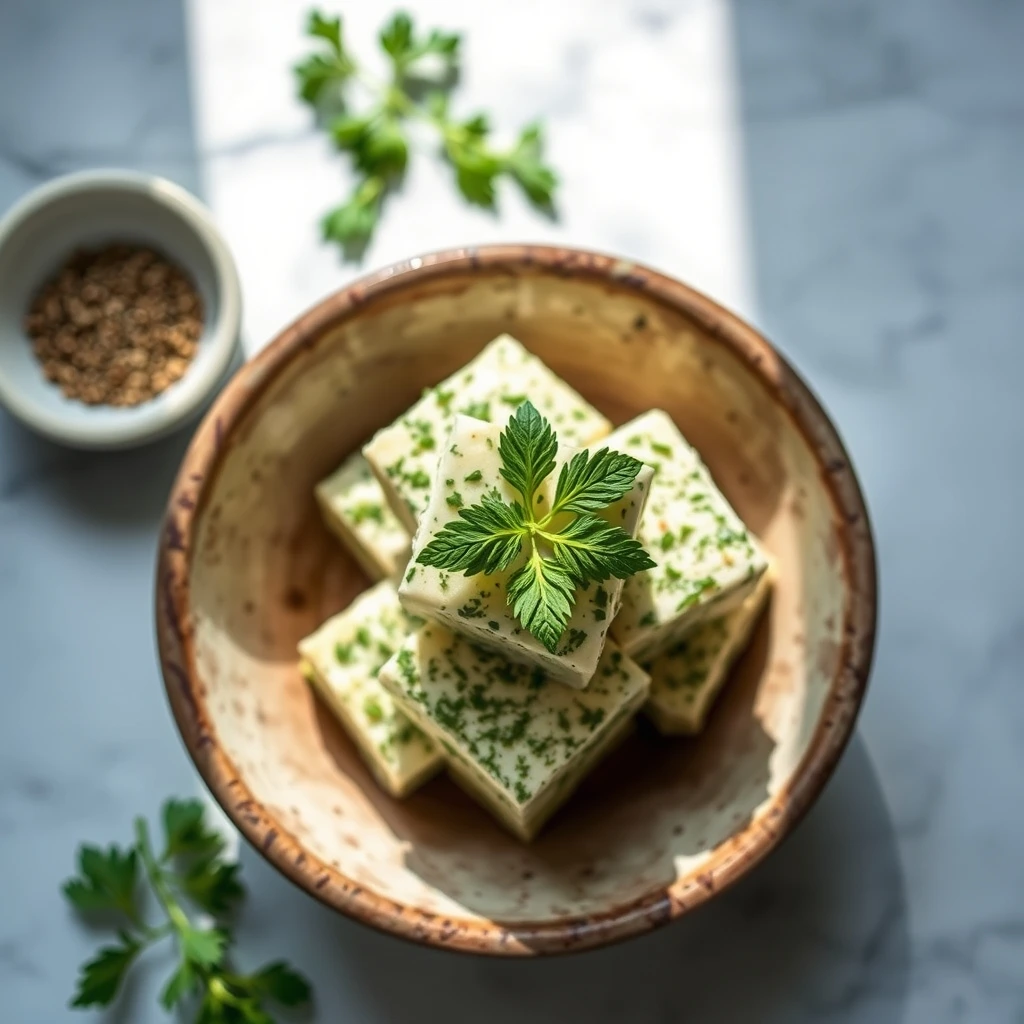
Chop Greens and Herbs: Using a sharp knife and cutting board, finely chop the washed leafy greens and herbs. The goal is to create small pieces, similar in size to the timothy hay strands. This fine chop helps the ingredients bind together better and ensures a consistent texture throughout the blocks. A food processor
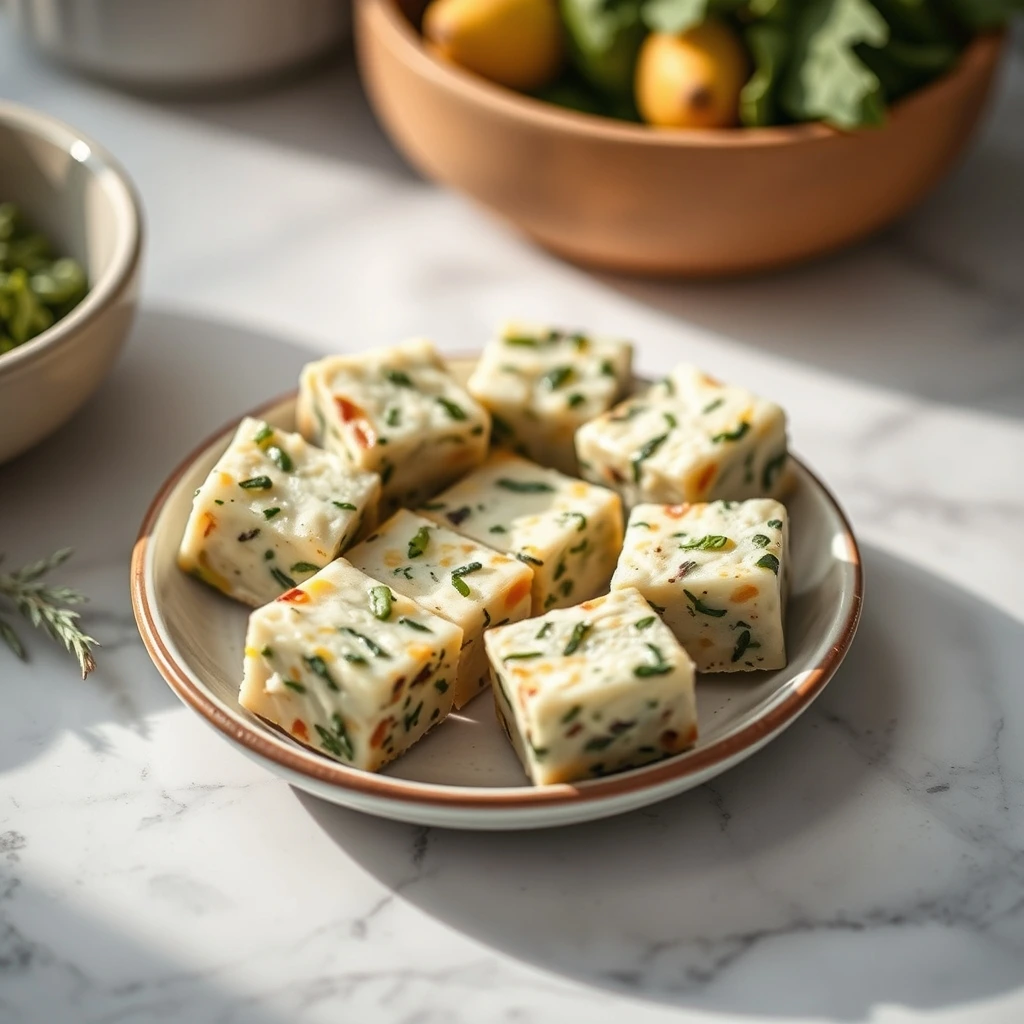
Combine Dry Ingredients: In a large mixing bowl, combine the finely chopped timothy hay, chopped leafy greens, and chopped fresh herbs. Use your hands to gently toss and mix these ingredients thoroughly. This ensures an even distribution of all components before adding any liquid, which is key for a well-balanced enric
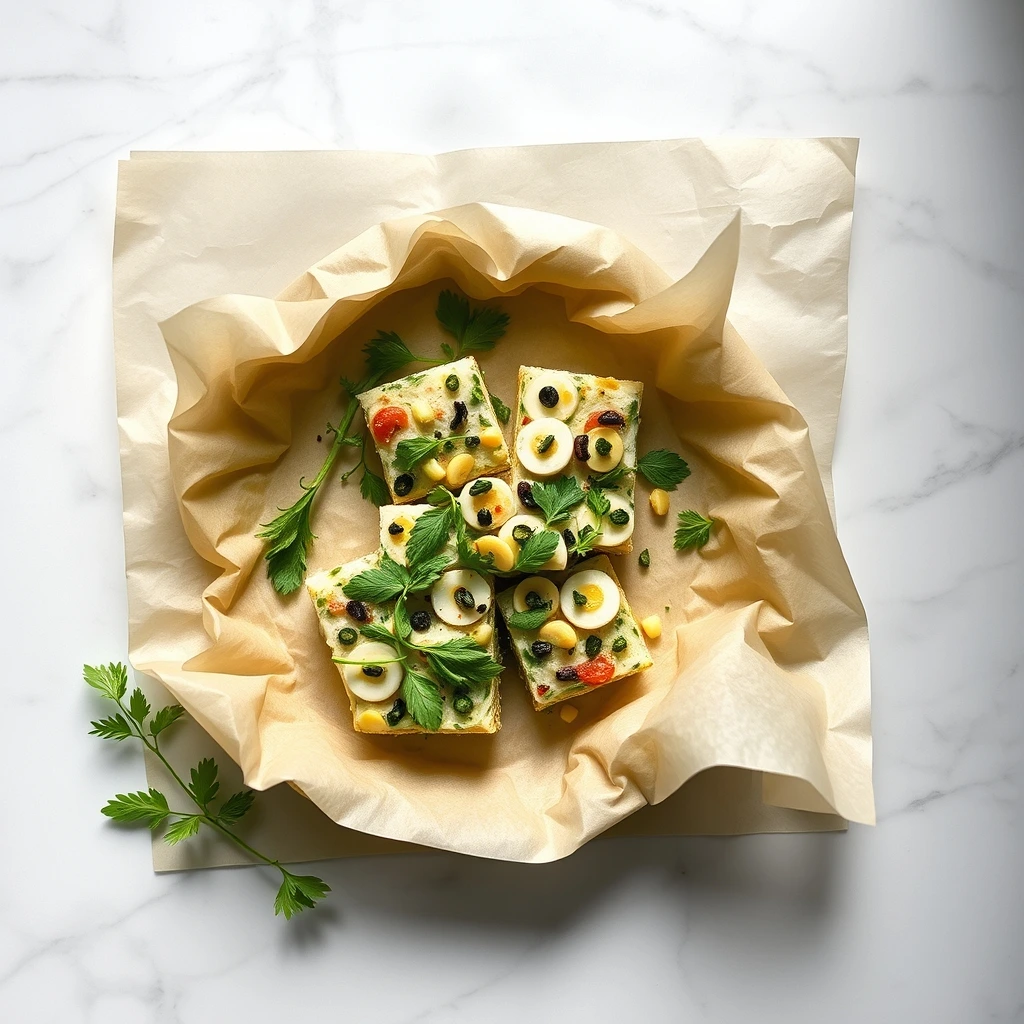
Form the Mixture: Gradually add warm water to the dry ingredient mixture, a tablespoon at a time, while kneading with your hands. The water acts as a natural binding agent, helping the hay and greens stick together. Continue adding water until the mixture is damp enough to hold its shape when squeezed, but not overly w
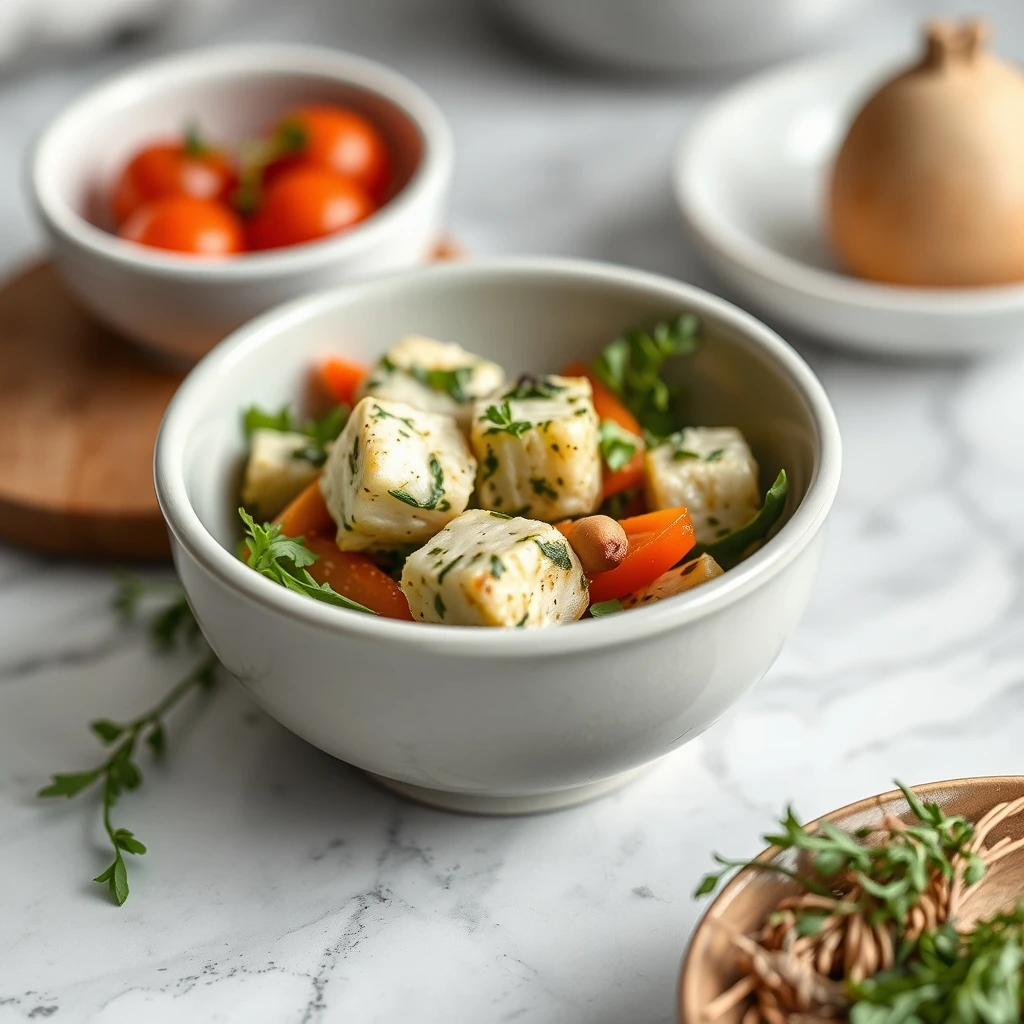
Press into Molds: Take small portions of the prepared mixture and firmly press them into your chosen molds, such as a silicone ice cube tray or small baking molds. Pack the mixture down as tightly as possible to create dense, sturdy blocks. The firmer you press, the less likely they are to crumble once dried. Level off
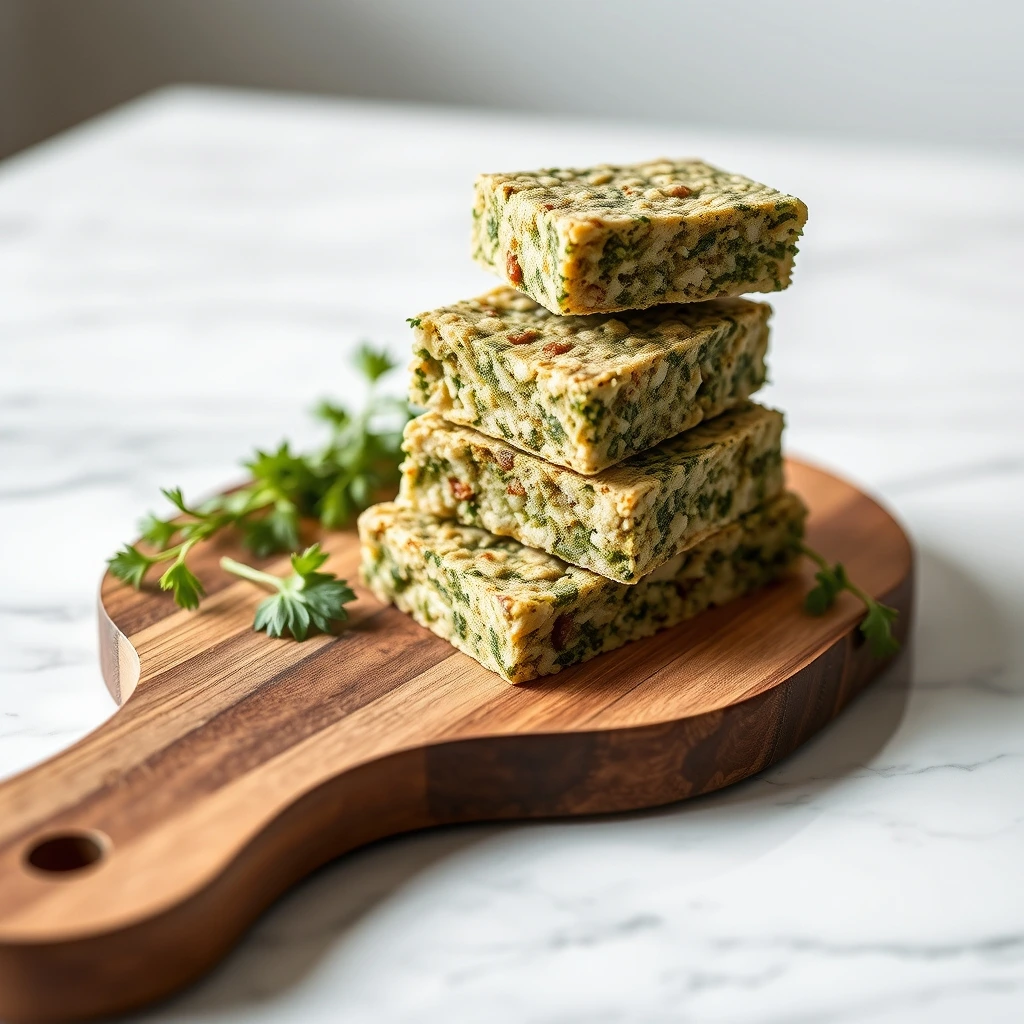
Bake and Dry: Preheat your oven to its lowest setting, typically around 175-200°F (80-95°C). Line a baking sheet with parchment paper and carefully place the molded blocks onto it. Bake for 3 to 5 hours, or until the blocks are completely dry and hard to the touch. The goal is to dehydrate them, not to cook them. This
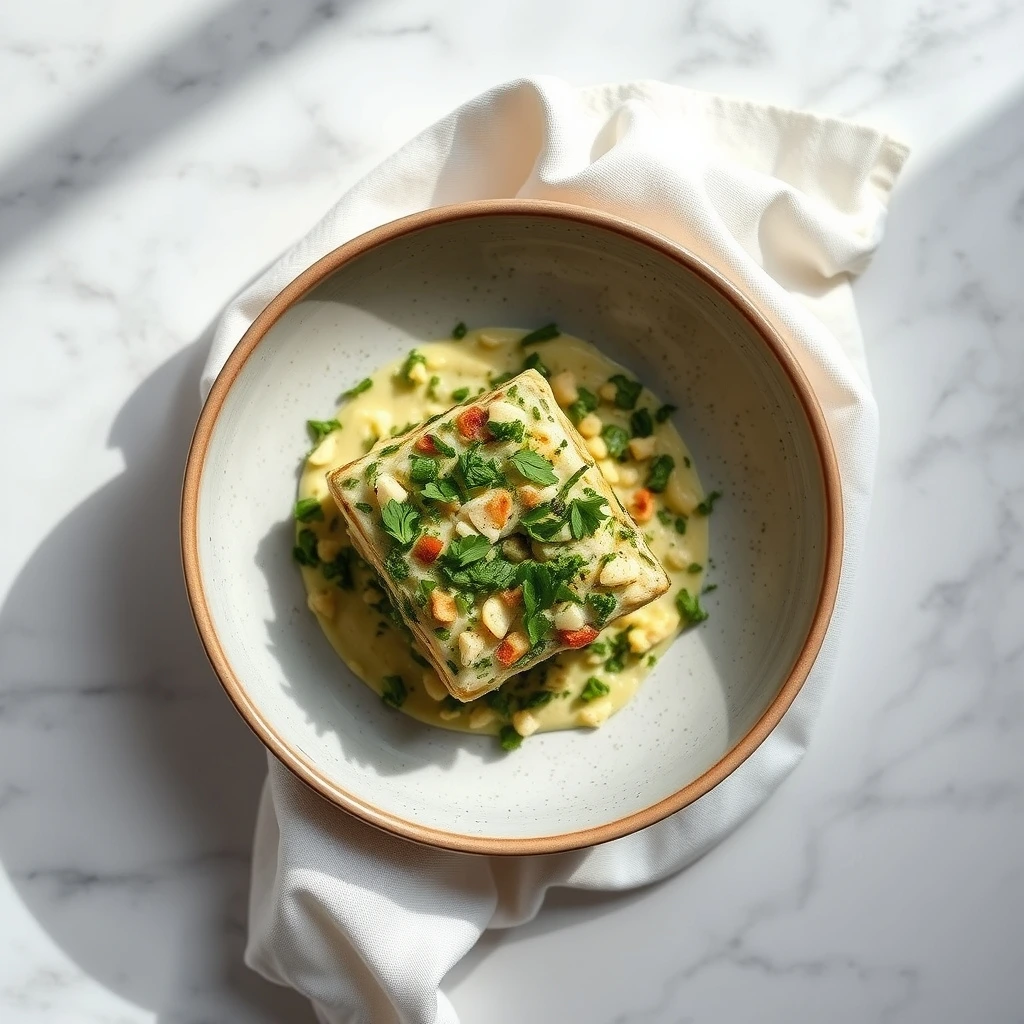
Cool and Store: Once the blocks are completely dry and hard, remove them from the oven and transfer them to a wire cooling rack. Allow them to cool down entirely to room temperature. This final cooling step helps to ensure they are fully set and ready for storage. Once cool, they will be ready for your pets to enjoy.
Made this recipe?
Tap the paw so other pet parents know it’s worth making.
Be the first to make it
Tips & serving
These Pressed Herb & Veggie Enrichment Blocks are intended as an enrichment item or occasional treat, not a primary food source. For rabbits and guinea pigs, offer one small block a few times a week, observing how your pet interacts with it. For birds, depending on their size, offer a small piece or an entire block a couple of times a week. Always supervise your pet when introducing new items to ensure they consume it safely and appropriately. Remember to always provide unlimited fresh water. If you have any concerns about your pet's diet, please consult with your veterinarian.
- Encourages natural foraging behaviors
- Supports dental health through chewing
- Provides essential dietary fiber
- Offers mental stimulation and reduces boredom
- Long-lasting interactive chew item
- For extra binding power, you can include a tiny pinch of unflavored, unsweetened rolled oats in the dry mix, but only if your pet tolerates oats well.
Storage
Once completely cooled and thoroughly dry, store the blocks in an airtight container at room temperature. Ensure they are fully dehydrated before storing to prevent mold. If any moisture remains, they will spoil quickly. Discard any blocks showing signs of mold or spoilage immediately.
Substitutions
- Hay
While timothy hay is ideal, you can use orchard grass or oat hay if your pet prefers or if timothy is unavailable. Avoid alfalfa hay for adult rabbits unless advised by a vet, as it is too rich in calcium and calories.
- Greens
Experiment with other pet-safe leafy greens like kale (in moderation), mustard greens, or beet greens. Always double-check for pet safety.
- Herbs
Rosemary, sage, or oregano can be used as alternatives or additions, provided they are pet-safe.
Rabbits, Small Pets, Birds recipe FAQ
Can I serve this fresh mix every day?
Treat it as an occasional extra, not a meal plan. These Pressed Herb & Veggie Enrichment Blocks are intended as an enrichment item or occasional treat, not a primary food source.
Is timothy hay, leafy greens, herbs okay for birds?
This recipe uses timothy hay, leafy greens, herbs in a small, bird-appropriate amount. Skip it if your bird has a known sensitivity, and read the foods-to-avoid note on this page before serving.
How should I store leftovers?
Once completely cooled and thoroughly dry, store the blocks in an airtight container at room temperature. Ensure they are fully dehydrated before storing to prevent mold. If any moisture remains, they will spoil quickly.
How should I introduce this fresh mix?
Start with a taste-size portion next to your bird's usual food, and hold off on serving more until you have seen that it agrees with them.
Why is it important for the blocks to be completely dry?
Thorough drying is crucial to prevent mold growth, which can be harmful to your pet. It also ensures the blocks are hard and durable, providing a satisfying chew and lasting longer as an enrichment item.
Can I use different types of hay?
Yes, you can substitute timothy hay with other pet-safe grass hays like orchard grass or oat hay. Always prioritize grass hays as the primary fiber source for rabbits and guinea pigs. Avoid alfalfa hay for adult small pets unless specifically recommended by your vet.
Sources