

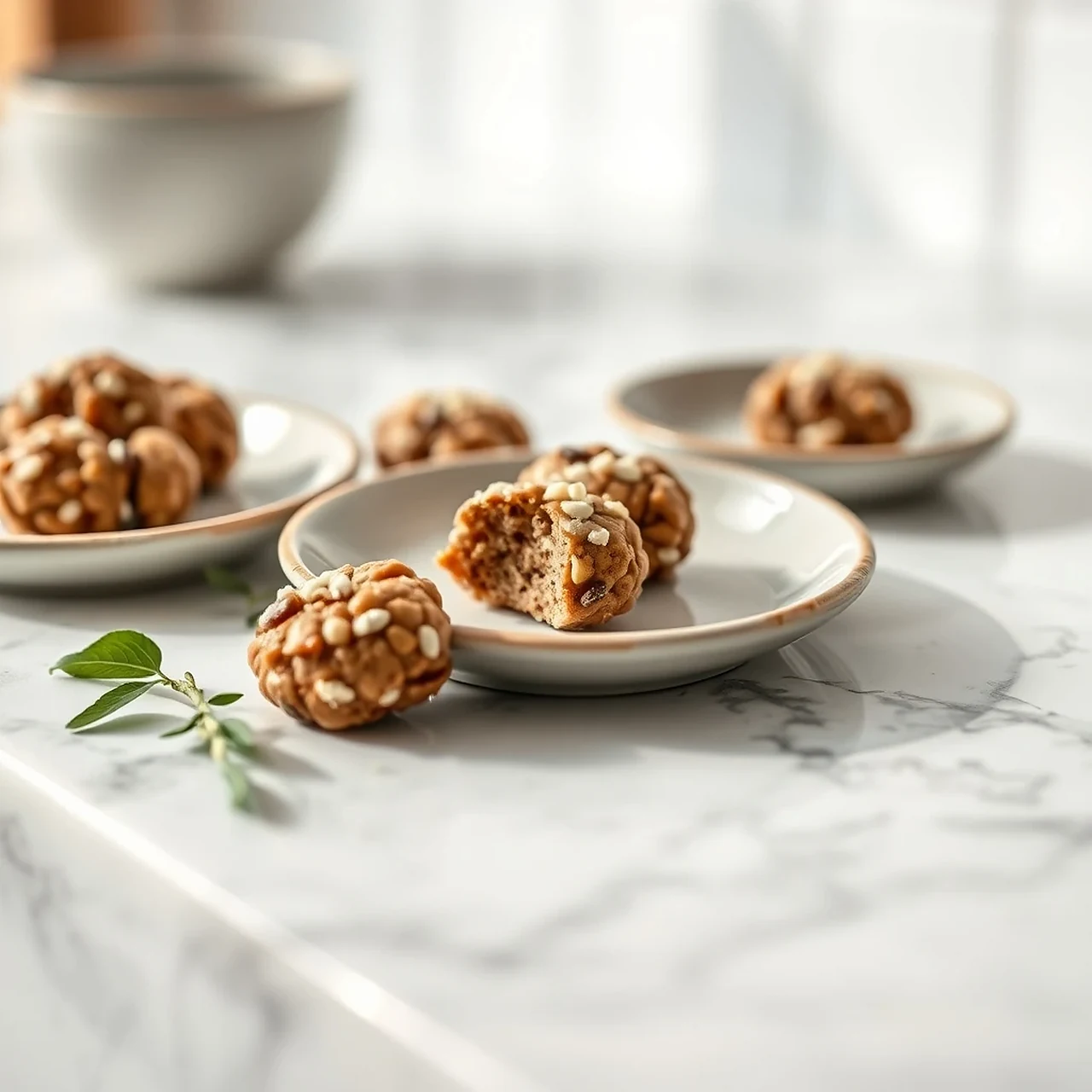
As a recipe editor who has spent countless hours experimenting with healthy pet treats, I truly understand the desire to offer our beloved companions something both enriching and safe. These Botanical Pressed Chews emerged from that very intention: to provide a natural, firm chew that supports dental health and encourages natural foraging behaviors in small pets and birds. Crafting these chews is a thoughtful process, focusing on the purest ingredients nature offers. We use only unsprayed, pet-safe edible flowers and leafy greens, combined with a touch of timothy hay powder for structure and added fiber. The beauty of this recipe lies in its simplicity and the genuine benefits it brings, from the satisfying gnawing texture that helps wear down ever-growing teeth to the mental stimulation of interacting with different botanicals. Before introducing any new treat, even one as natural as this, always observe your pet's individual preferences and reactions. Remember, any major changes to your pet's diet should always be discussed with your veterinarian to ensure it aligns with their specific health needs.
Safety first: Skip this recipe if your bird has a known sensitivity to any ingredient, and introduce anything new slowly.
Foods to avoid
Never use flowers or greens from florists, garden centers, or unknown sources, as they may be treated with pesticides or contain toxic varieties. Only use botanicals you have positively identified and know to be safe and unsprayed. Avoid toxic plants like lilies, tulips, azaleas, or foxglove. Do not add any sugars, salts, oils, or artificial ingredients.
Ingredients
Instructions
Prepare Botanicals: Carefully gather your fresh, unsprayed edible flowers and leafy greens. Rinse them thoroughly under cool, running water using a colander to remove any dirt or potential insects. Gently pat them dry with a clean paper towel or allow them to air dry completely.
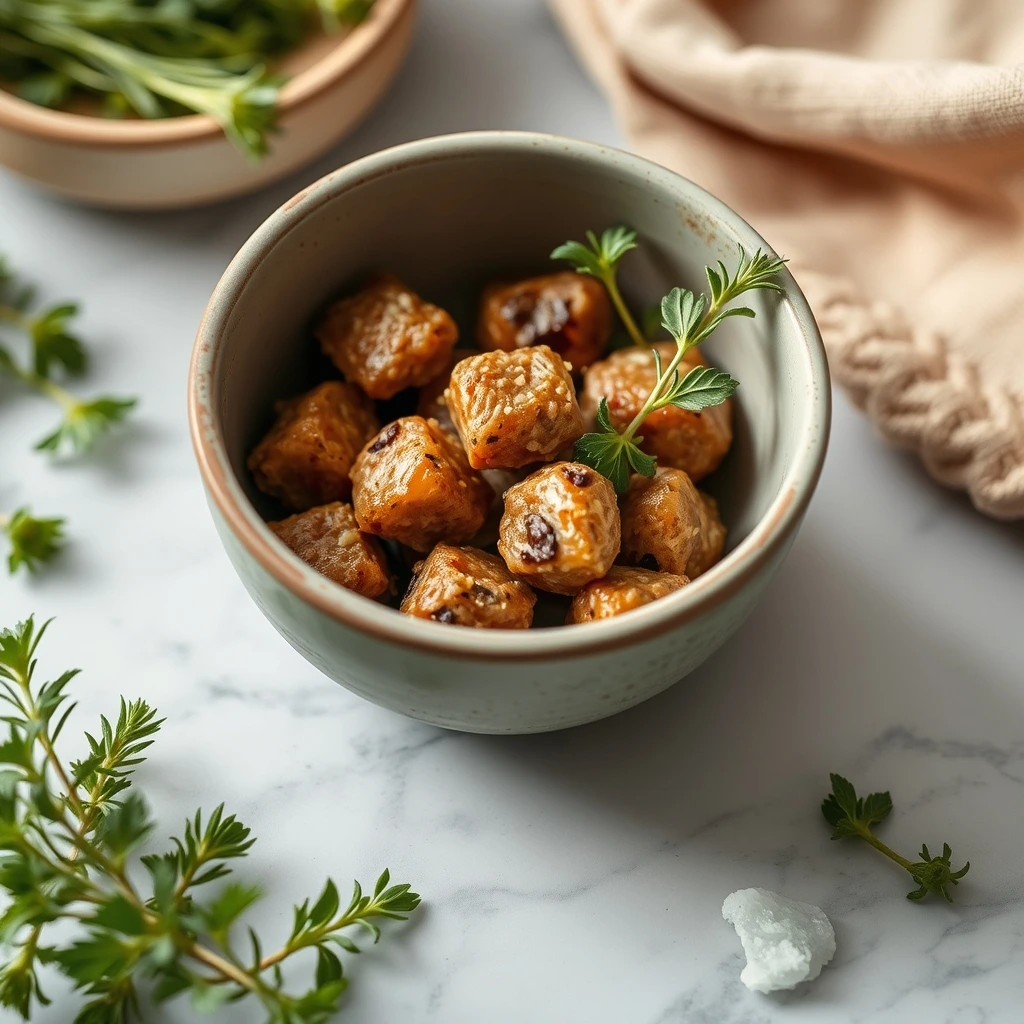
Finely Chop Ingredients: Once dry, finely chop the flowers and leafy greens. You can use a sharp knife for a more rustic texture or a food processor for a very fine, uniform consistency. The finer the chop, the easier it will be to press the mixture together. Aim for pieces no larger than a grain of rice.
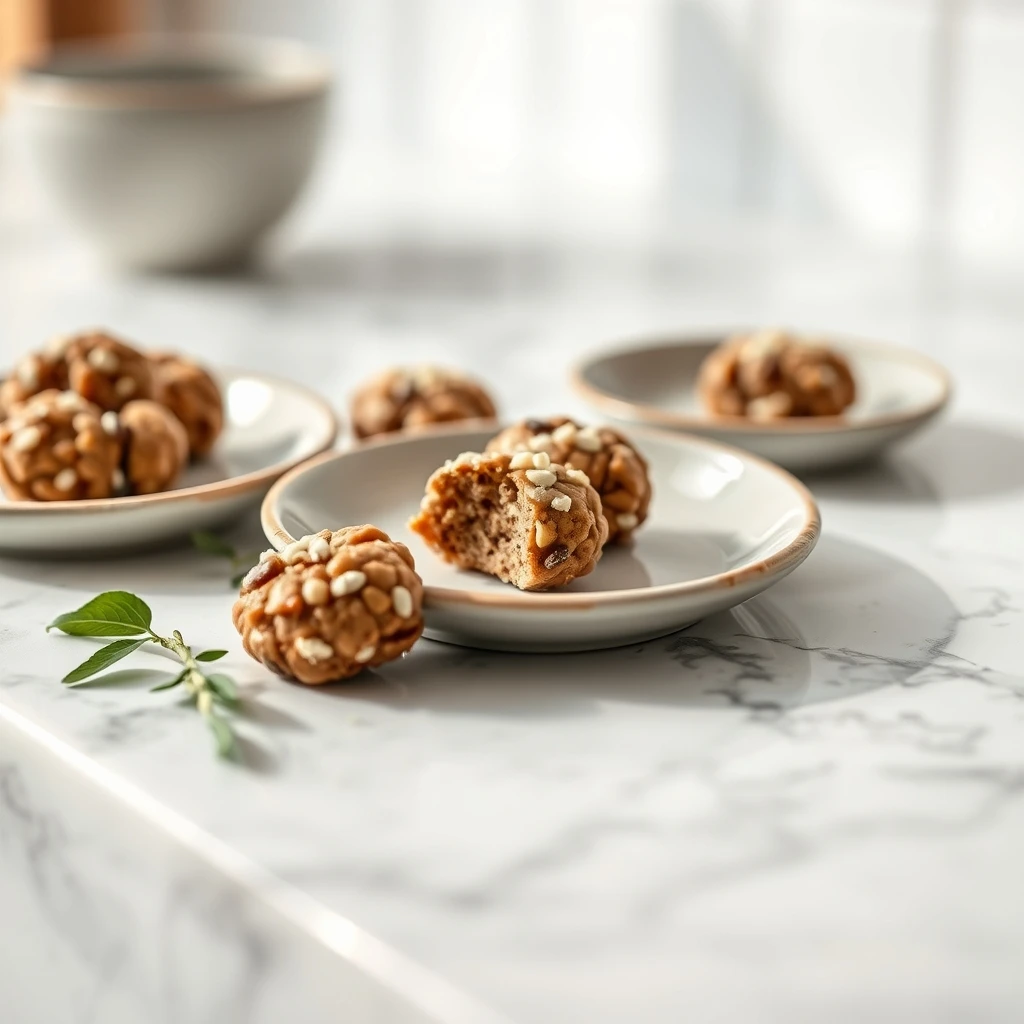
Combine and Mix: In a large mixing bowl, combine the finely chopped botanicals with the timothy hay powder. Use your clean hands to thoroughly mix the ingredients. Squeeze and press the mixture together as you mix; the natural moisture from the greens and flowers will help activate the hay powder as a binder, creating
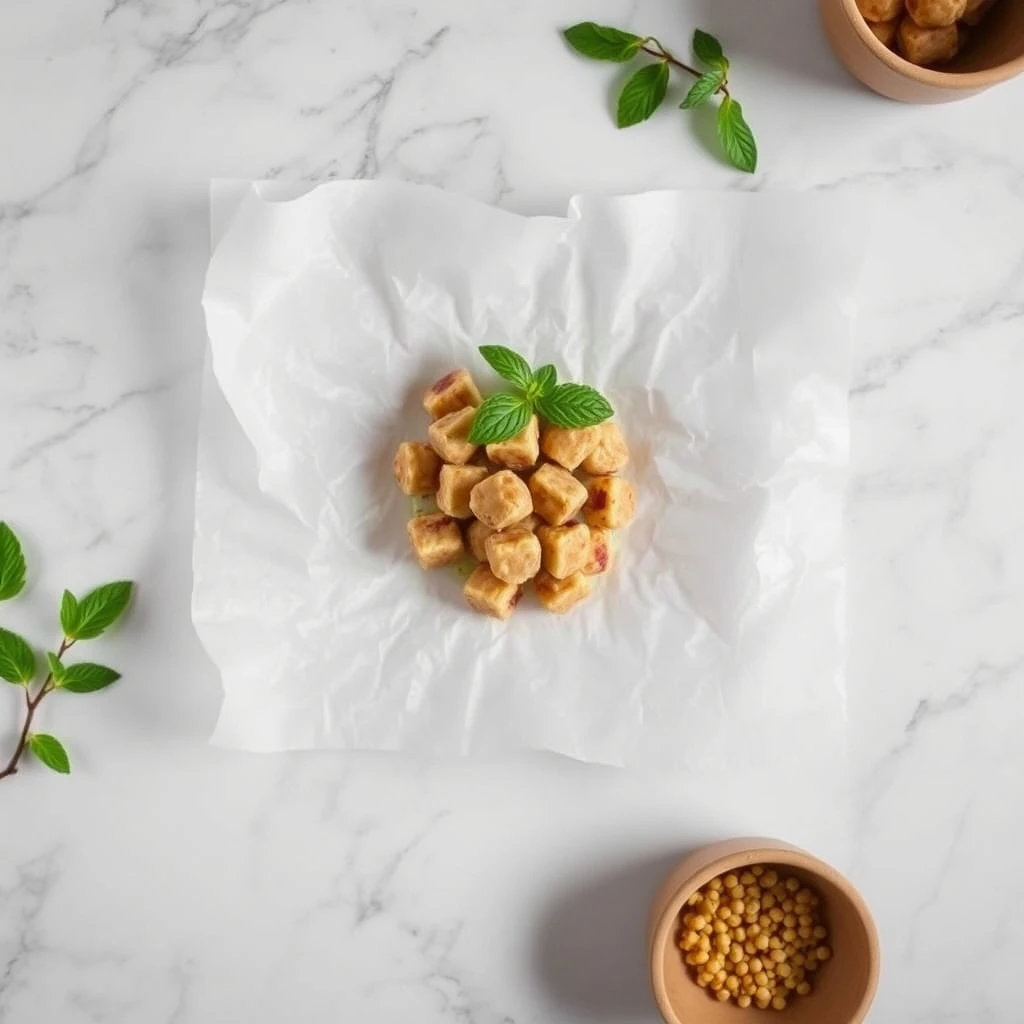
Press and Shape Chews: Lay a sheet of parchment paper on a clean, flat surface. Transfer the botanical mixture onto the parchment paper. Place another sheet of parchment paper over the mixture. Using a rolling pin or a flat-bottomed glass, firmly press and roll the mixture until it forms a thin, even layer, about 1/8 t
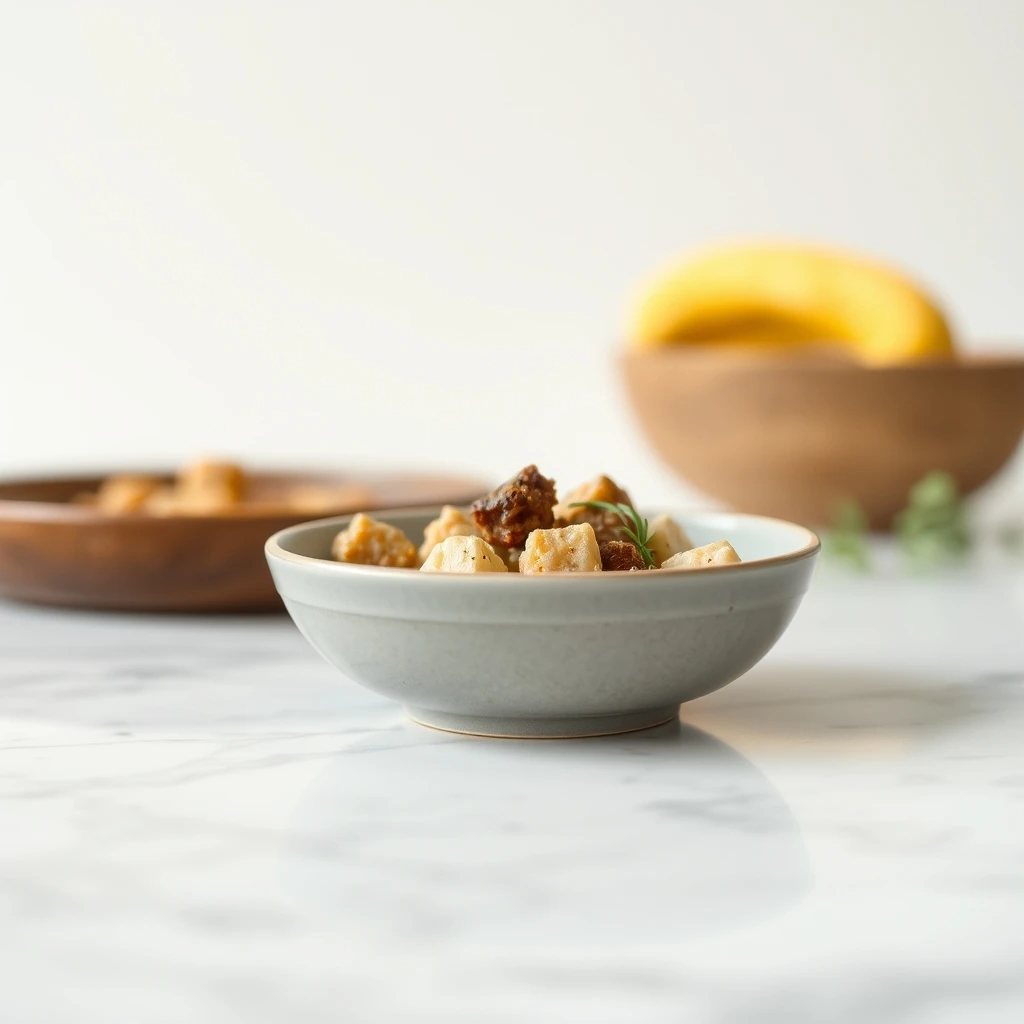
Dehydrate or Oven Dry: Carefully transfer the shaped chews to a dehydrator tray, ensuring they are not touching. If using an oven, place them on a baking sheet lined with parchment paper. Dehydrate at 105-115°F (40-46°C) for 4-8 hours, or oven-dry at the lowest possible temperature (e.g., 170°F/75°C) with the door slig
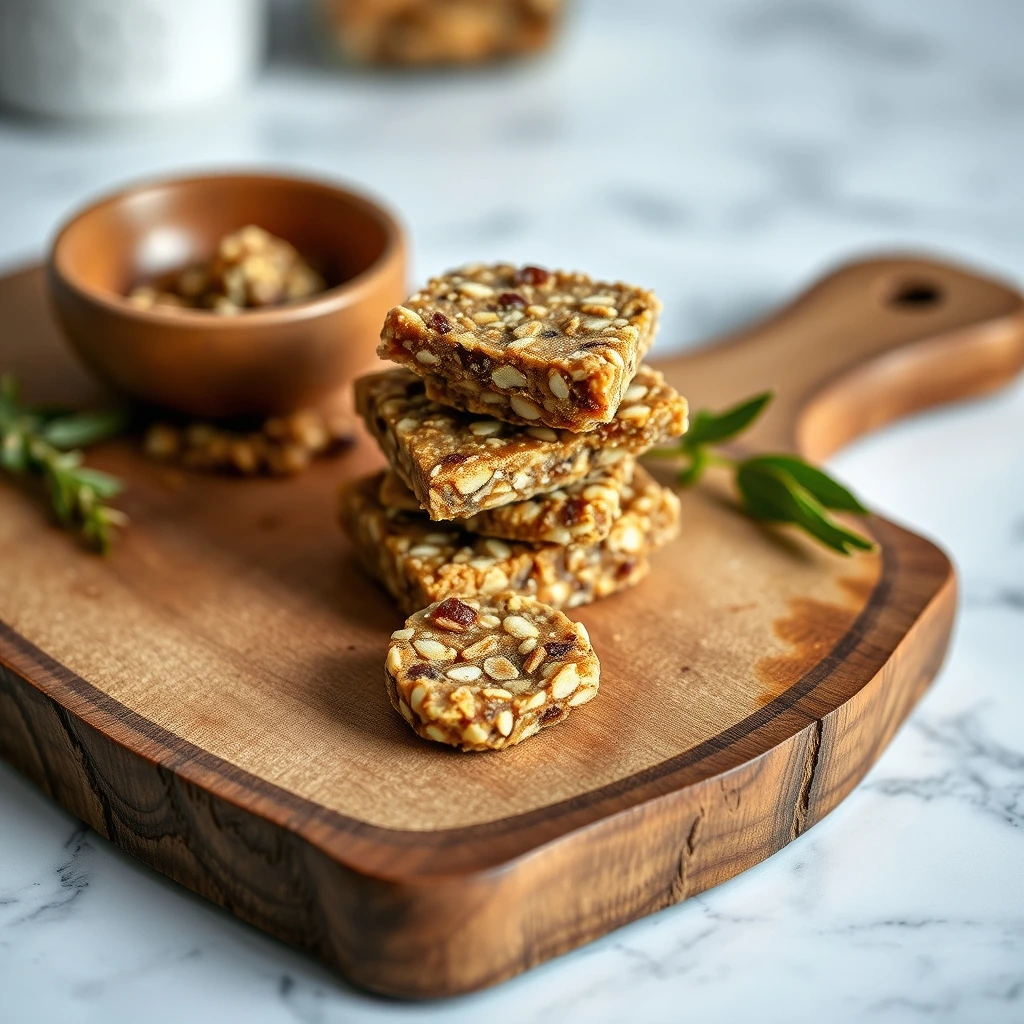
Cool and Inspect: Once the chews are completely dry and firm to the touch, turn off the dehydrator or oven and allow them to cool completely on a wire rack. It is crucial that they are thoroughly dry and crisp to prevent mold growth. Check for any soft or pliable spots; if found, return them for further drying.
Made this recipe?
Tap the paw so other pet parents know it’s worth making.
Be the first to make it
Tips & serving
Offer one small chew per pet a few times a week as a supplement to their regular diet, not a replacement. Always monitor your pet when introducing new items. Ensure fresh water is always available. Remember, treats should make up a small portion of their overall daily intake. Discuss any significant dietary changes with your veterinarian.
- Promotes natural gnawing behavior, aiding in dental wear for teeth that continuously grow.
- Offers mental enrichment through novel textures and scents.
- Provides a source of fiber and natural plant nutrients.
- Supports a natural, varied diet mimicking foraging.
- Free from artificial colors, flavors, and preservatives found in many commercial treats.
- For a stronger, more compact chew, ensure your botanicals are very finely chopped.
Storage
Store completely dried chews in an airtight container at room temperature. Keep away from direct sunlight or humidity. If you notice any signs of mold or spoilage, discard immediately.
Substitutions
For flowers/greens: Explore other pet-safe botanicals like hibiscus, clover, lavender buds (in moderation), or blackberry leaves. Always verify safety for your specific pet species. For binder: A very small amount of finely ground, plain oat groats can be used for birds, but timothy hay powder is generally preferred for its fiber content and suitability for small herbivores.
Rabbits, Small Pets, Birds recipe FAQ
Can I serve this treat / chew every day?
Treat it as an occasional extra, not a meal plan. Offer one small chew per pet a few times a week as a supplement to their regular diet, not a replacement. Always monitor your pet when introducing new items. Ensure fresh water is always available.
Is edible flowers and safe leafy greens okay for birds?
This recipe uses edible flowers and safe leafy greens in a small, bird-appropriate amount. Skip it if your bird has a known sensitivity, and read the foods-to-avoid note on this page before serving.
How do I store this treat / chew?
Store completely dried chews in an airtight container at room temperature. Keep away from direct sunlight or humidity. Properly dried chews can last for up to 2-3 weeks. If you notice any signs of mold or spoilage, discard immediately.
How should I introduce this treat / chew?
Start with a taste-size portion next to your bird's usual food, and hold off on serving more until you have seen that it agrees with them.
Why is thorough drying so important?
Thorough drying is crucial to remove moisture, which prevents mold growth and ensures the chews remain firm and safe for consumption. Any residual moisture can lead to spoilage.
Can I use store-bought dried botanicals?
Yes, if they are certified organic, human-grade, and specifically labeled as safe for pets. However, fresh botanicals often have better binding properties due to their natural moisture content, and you have direct control over their origin.
Sources