

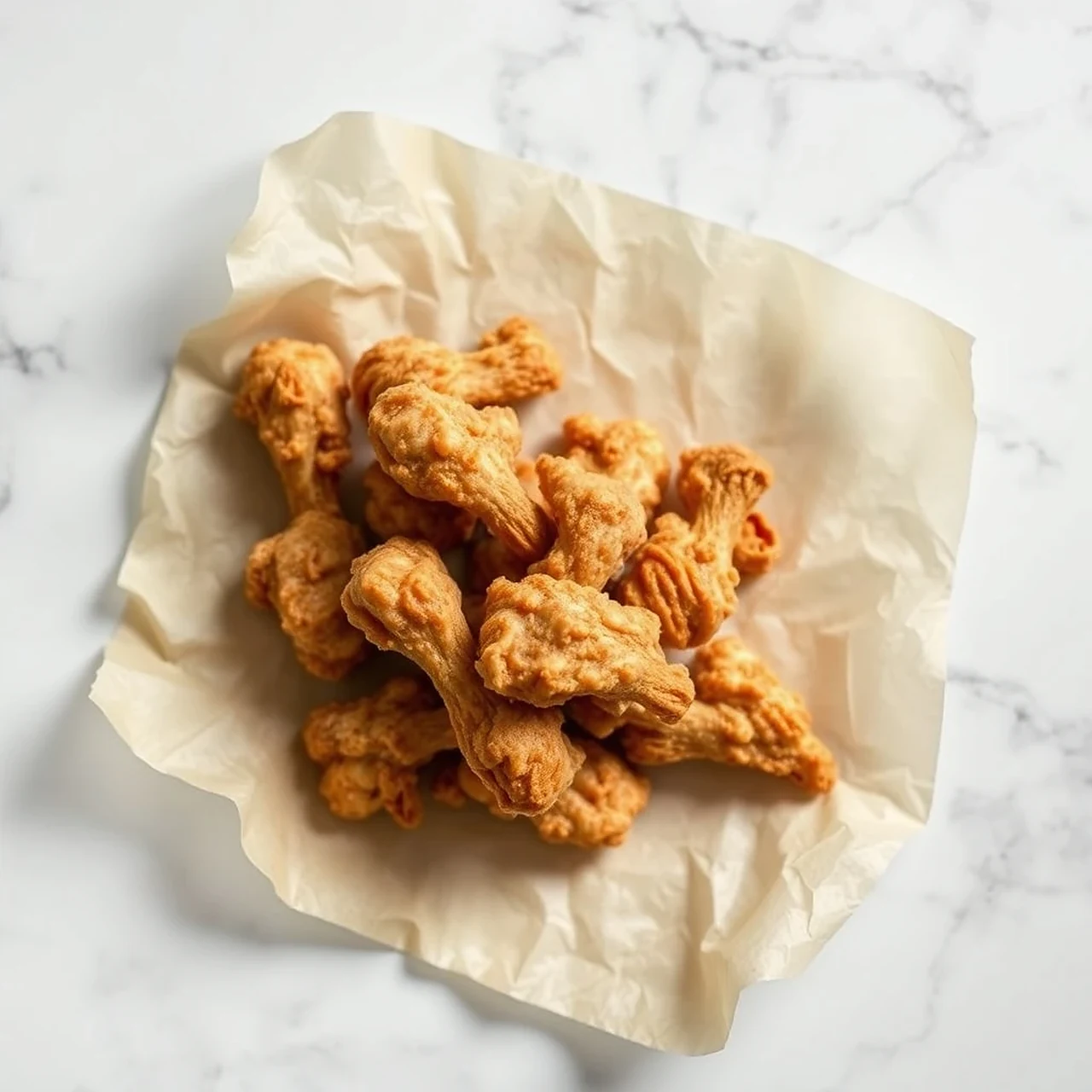
As pet parents, we are always looking for ways to support our dogs' health and happiness naturally. Dehydrated chicken feet have emerged as a beloved option, offering a unique blend of benefits in a simple, single-ingredient package. Making these chews at home ensures you control the quality and preparation, providing your dog with a wholesome treat free from unknown additives. These crunchy chews are popular for good reason. Their texture is thought to help scrape away plaque and tartar as a dog chews, contributing to better dental hygiene. Beyond dental benefits, chicken feet are a natural source of collagen, which is known to support joint health. Plus, the act of chewing itself is incredibly enriching for dogs, helping to alleviate boredom and reduce stress. Before introducing any new treat, especially one like dehydrated chicken feet, it is always wise to discuss major dietary changes or concerns with your veterinarian. This recipe focuses on safe preparation and proper handling to ensure your homemade chews are a wonderful, beneficial addition to your dog's treat repertoire.
Safety first: Start with a small portion beside your dog's usual food and confirm bigger diet changes with your veterinarian.
Foods to avoid
Never give your dog cooked chicken bones, as they can splinter dangerously. Ensure chicken feet are fully dehydrated to prevent spoilage and to achieve the brittle texture that helps prevent sharp splintering. Always supervise your dog while they are chewing to prevent choking hazards, especially with enthusiastic chewers. If your dog is a gulper, these chews might not be suitable.
Ingredients
Instructions
Prepare the Chicken Feet: Begin by thoroughly washing the chicken feet under cold running water. This helps remove any visible dirt or debris. For an optional extra cleaning step, you can soak the feet in a large bowl with water mixed with 1/4 cup of apple cider vinegar for 15 minutes. After washing or soaking, drain t

Trim the Nails: Using a sharp knife or poultry shears, carefully trim off the very tips of the chicken foot nails. This step removes any sharp points, making the chews safer and more pleasant for your dog to handle and consume. It also ensures a more uniform shape for dehydration.
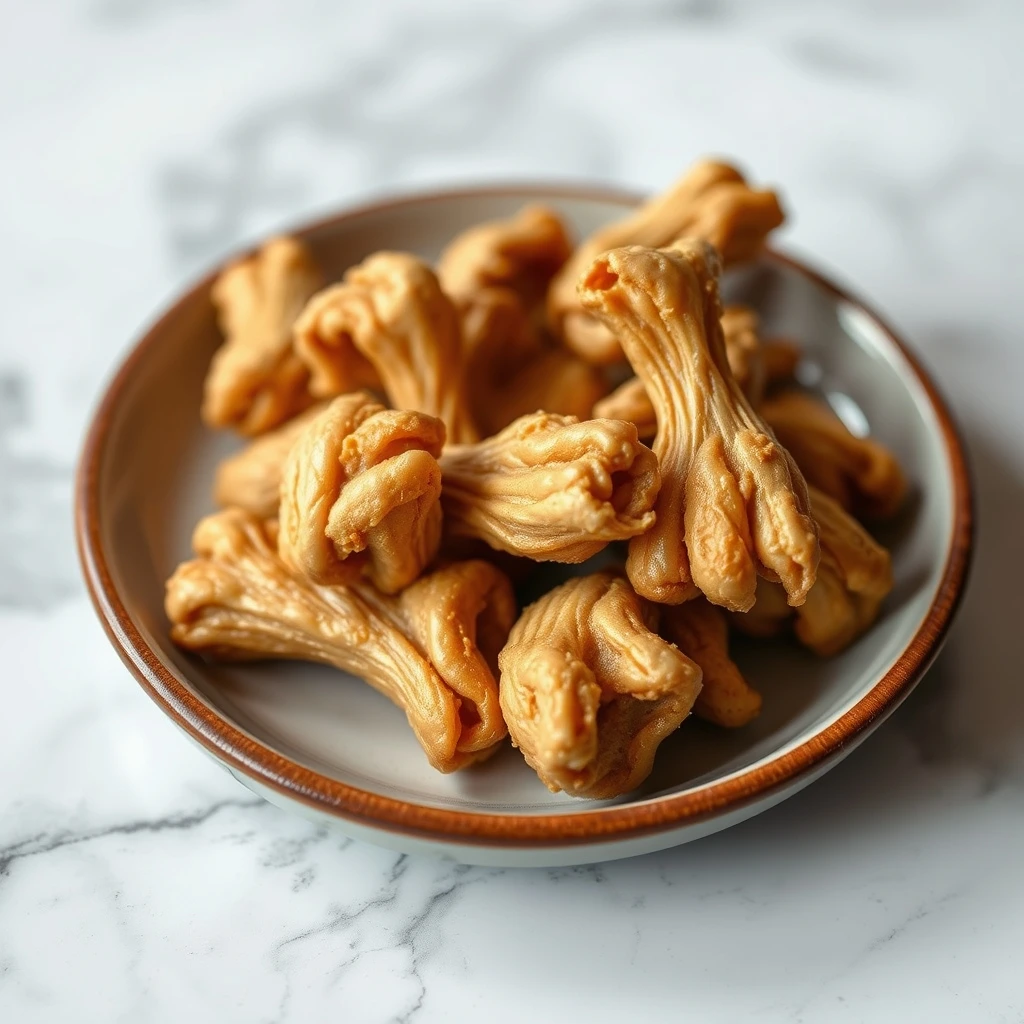
Arrange on Dehydrator Trays: Place the prepared chicken feet in a single layer on your dehydrator trays. It is crucial to ensure that none of the feet are touching each other. This allows for optimal air circulation around each piece, which is essential for even and thorough dehydration.
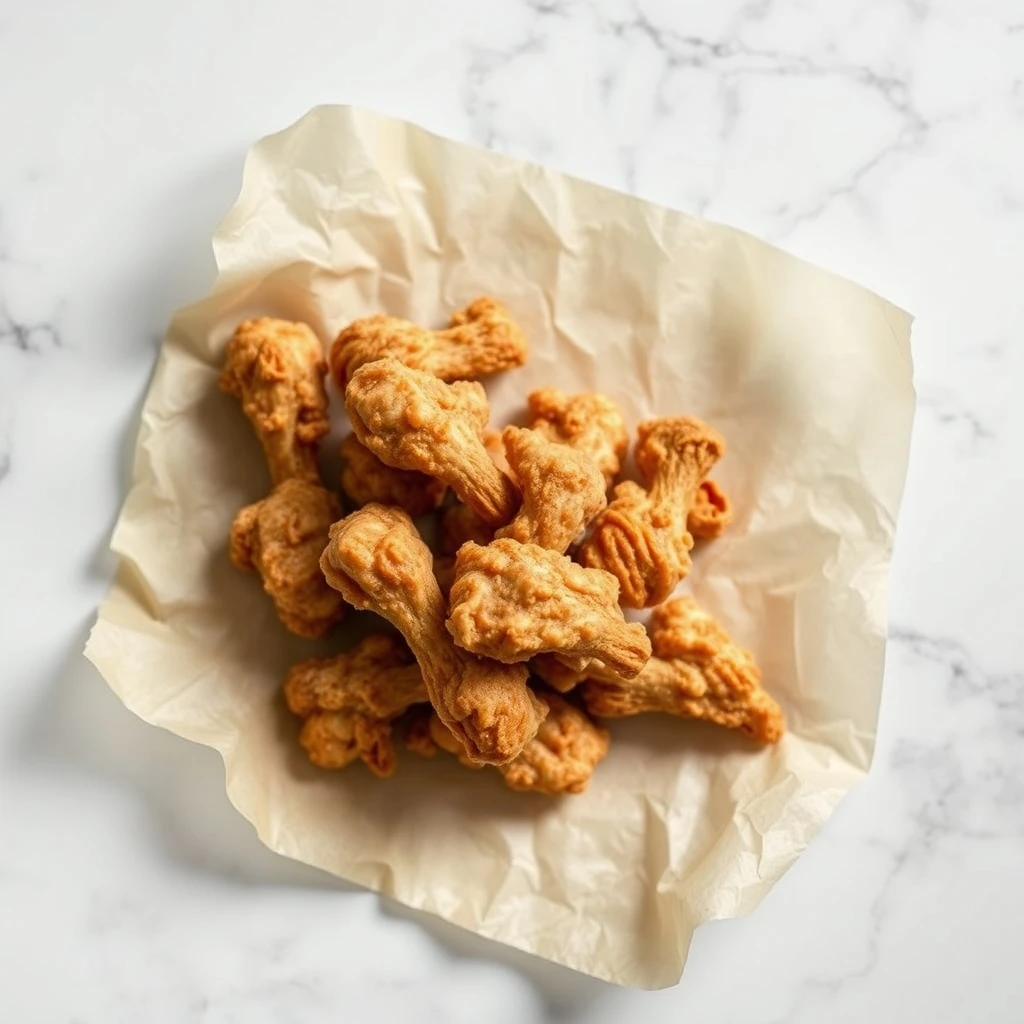
Begin Dehydration: Set your dehydrator to a temperature between 145-160°F (63-71°C). This temperature range is effective for drying meat safely while preserving nutrients. Dehydrate for 8 to 24 hours. The exact time will vary significantly based on your specific dehydrator model, the size and moisture content of the ch
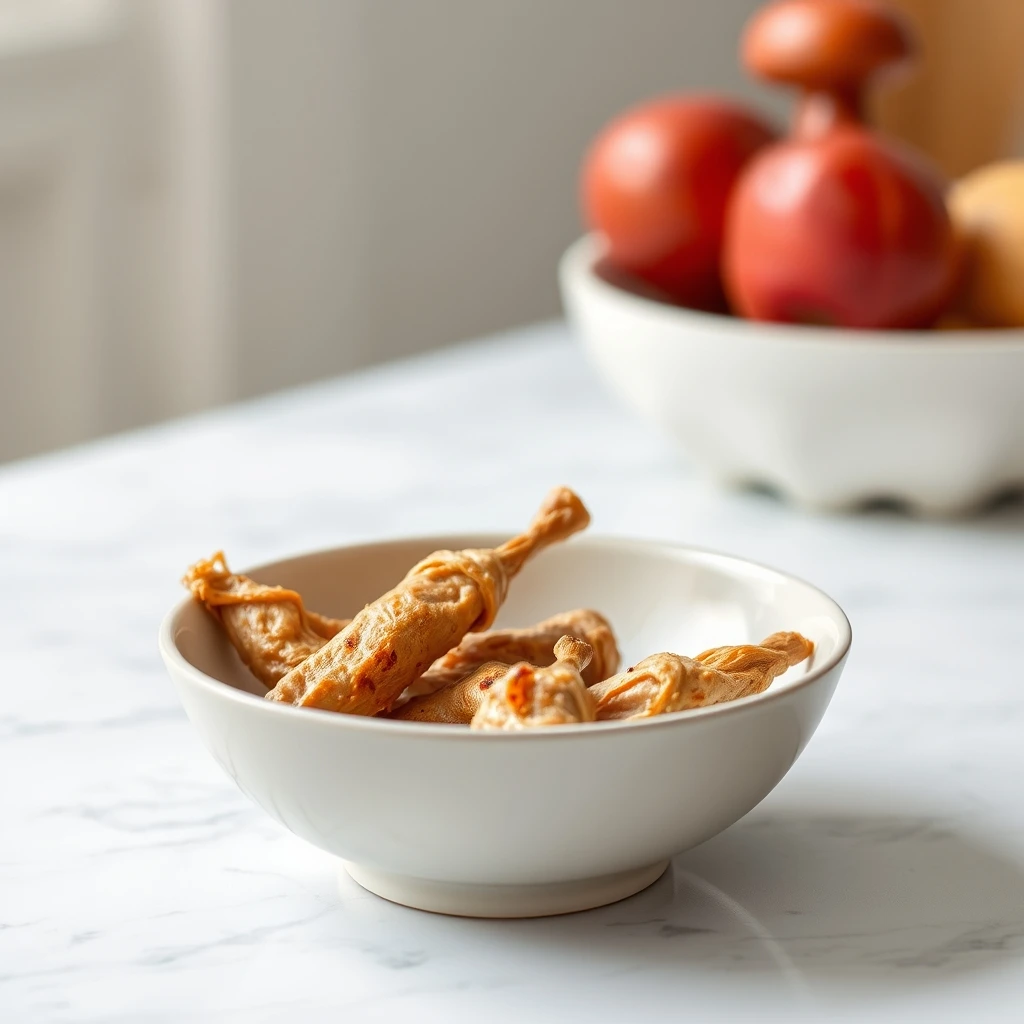
Check for Dryness: Periodically check the chicken feet for dryness. They are fully dehydrated when they are brittle, snap cleanly when bent, and show absolutely no signs of moisture or flexibility. They should feel very light and completely dry to the touch, with a hard, almost glassy texture. Any rubberiness indicates
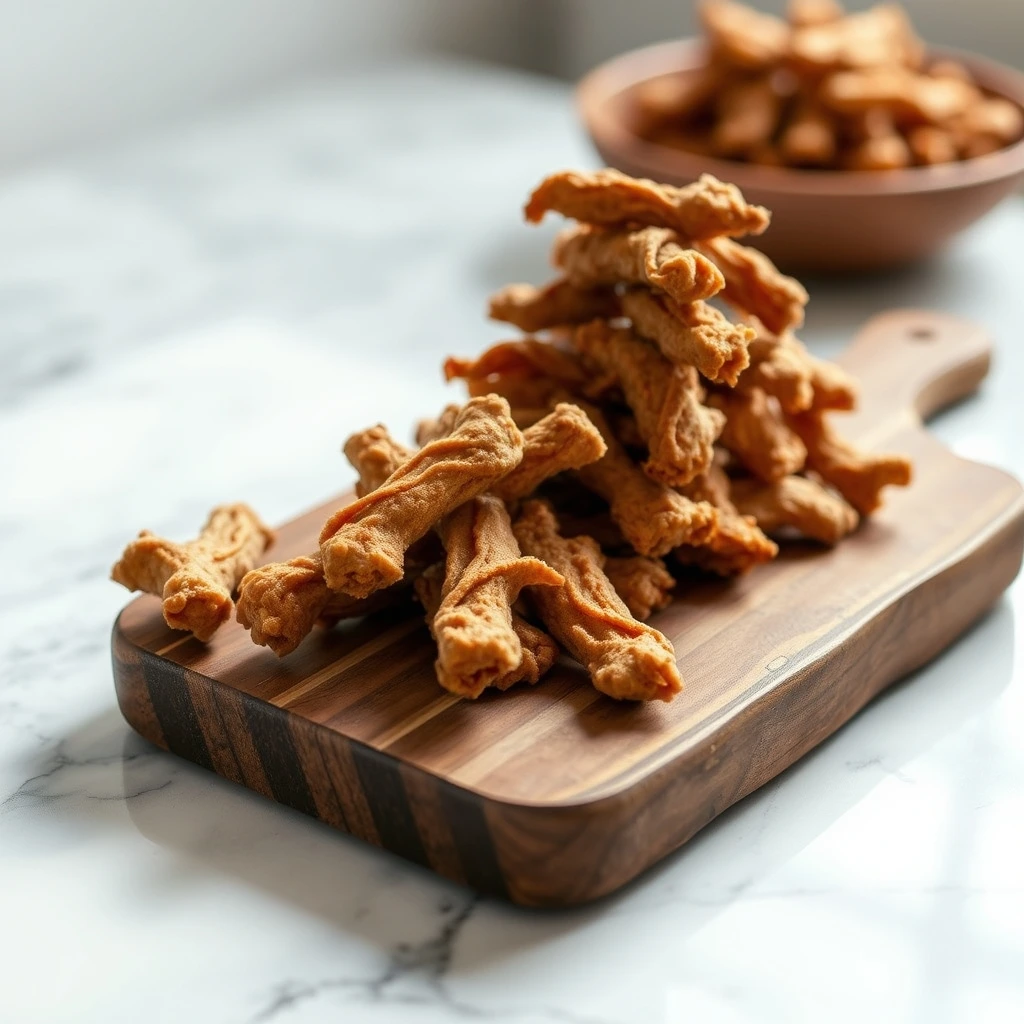
Cool Completely: Once the chicken feet have reached the desired level of dryness and crispness, turn off the dehydrator. Allow the chews to cool completely on the dehydrator trays or transfer them to a wire rack. Cooling is important as it helps them crisp up further and prevents condensation when stored.

Store Properly: Transfer the cooled, brittle dehydrated chicken feet to an airtight container. Proper storage is key to maintaining their freshness and preventing spoilage. Store them in a cool, dry pantry for up to 2 weeks, or in the refrigerator for up to 1 month. For longer-term storage, they can be frozen for up to
Made this recipe?
Tap the paw so other pet parents know it’s worth making.
Be the first to make it
Tips & serving
Always supervise your dog when they are enjoying any chew. Offer one chew at a time. The frequency depends on your dog's size and chewing habits, but generally, one or two small chews a few times a week is a good starting point. Ensure your dog has access to fresh water during and after chewing.
- Supports natural dental hygiene by helping to scrape away plaque during chewing
- Provides satisfying mental enrichment through extended chewing
- Single-ingredient, free from artificial additives or preservatives
- Natural source of collagen, which supports joint health
- Promotes healthy gums and strong jaws
- Source high-quality, fresh chicken feet from a reputable butcher or grocery store to ensure the best results and safety.
Storage
Substitutions
While chicken feet are unique for their structure and collagen content, if you're looking for other single-ingredient dehydrated chews, consider thinly sliced beef liver or sweet potato for different textures and nutritional profiles.
Dogs recipe FAQ
Is this treat a complete meal for my dog?
Treat it as an occasional extra, not a meal plan. Always supervise your dog when they are enjoying any chew. Offer one chew at a time. The frequency depends on your dog's size and chewing habits, but generally, one or two small chews a few times a week is a good.
Can dogs have chicken feet?
This recipe uses chicken feet in a small, dog-appropriate amount. Skip it if your dog has a known sensitivity, and read the foods-to-avoid note on this page before serving.
How do I store this treat?
Airtight container in a cool, dry pantry for up to 2 weeks Airtight container in the refrigerator for up to 1 month Airtight container in the freezer for up to 3 months.
What's the safest way to try this with my dog?
Offer a small amount beside regular food, introduce one new recipe at a time, and watch appetite, stool, skin, and behavior for a day or two.
Are dehydrated chicken feet safe for all dogs?
Dehydrated chicken feet are generally safe for most dogs, but it's important to consider your dog's individual chewing style and dental health. Always supervise chewing to prevent choking. For dogs with very sensitive teeth or those prone to gulping, discuss with your veterinarian if this type of chew is appropriate.
How do I know if they are properly dehydrated?
A properly dehydrated chicken foot will be brittle and snap cleanly when bent, similar to a dry twig. There should be no flexibility or rubberiness, and no moisture visible. If they feel soft or bend easily, they need more time in the dehydrator.
Sources