
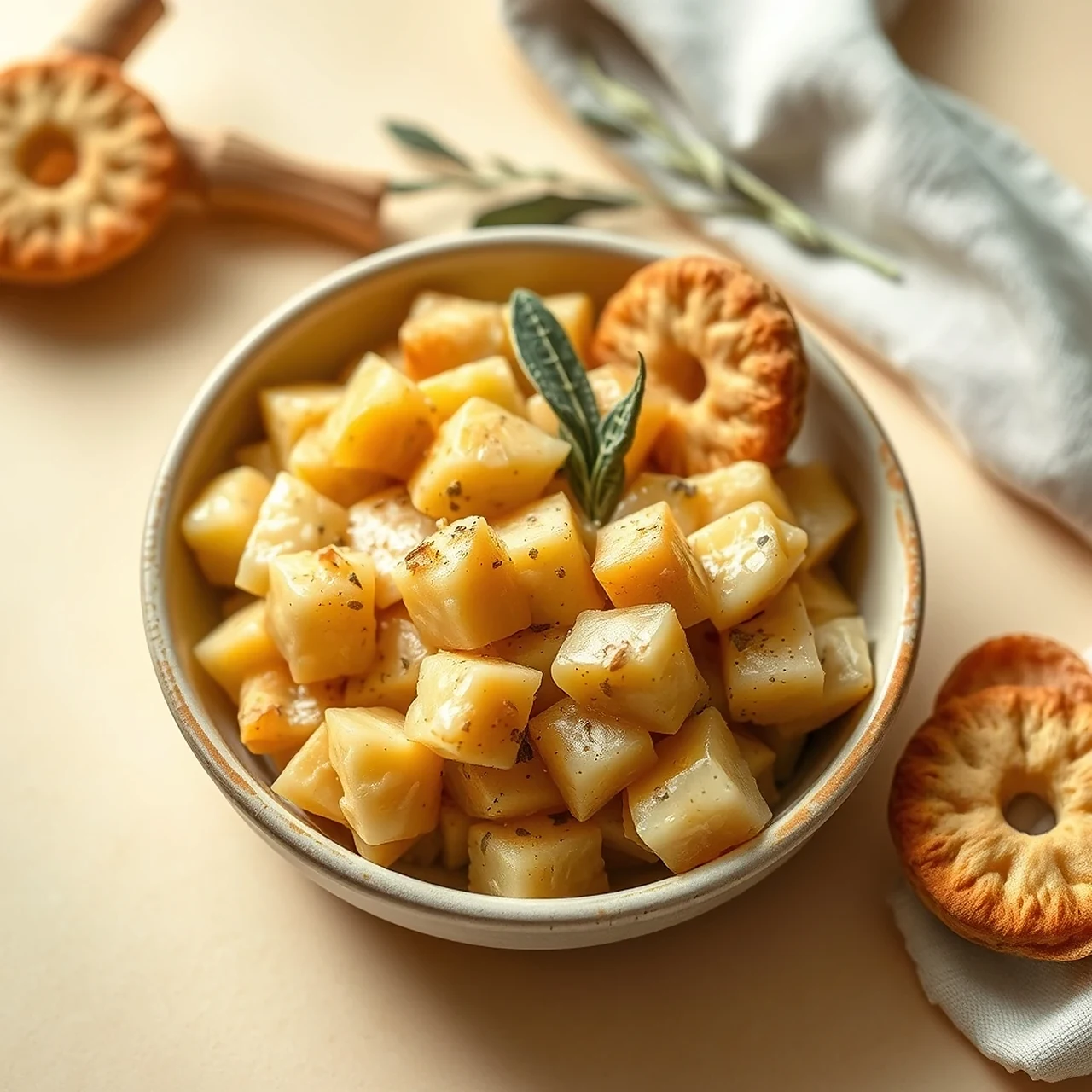
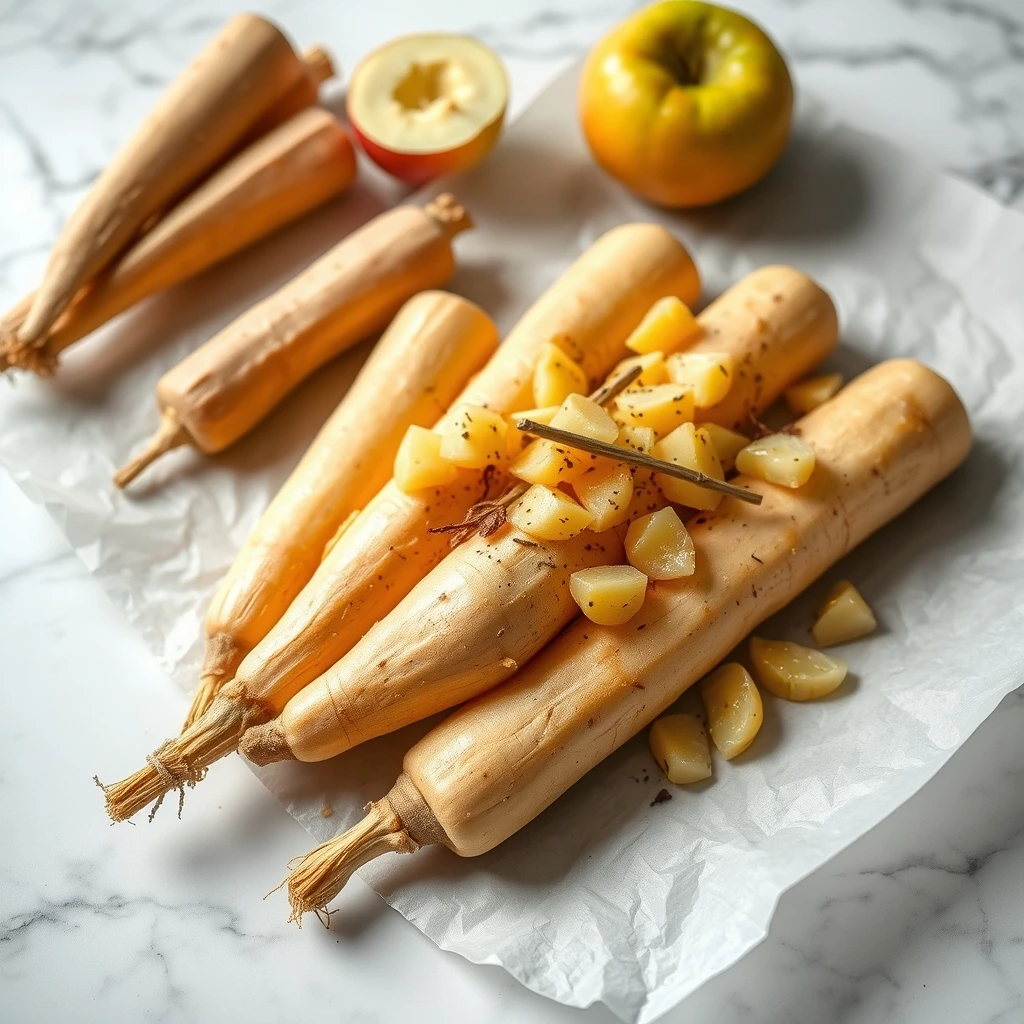
When searching for a truly satisfying and wholesome chew for our furry companions, it's easy to overlook the humble parsnip. As a recipe editor, I'm always looking for innovative ways to incorporate natural, seasonal ingredients into pet treats. This Parsnip and Apple Dog Chew recipe was developed with the idea of providing a long-lasting, beneficial snack that uses readily available ingredients and offers a distinct texture. These chews are designed to be firm and chewy, not hard and brittle. The combination of parsnip and apple offers a good source of dietary fiber, which can aid digestion, and the act of chewing itself can be beneficial for dental hygiene, helping to naturally scrape away plaque. We've focused on a slow drying process to achieve that desirable chewiness, ensuring the treats are not only delicious but also safe and long-lasting. Always introduce new treats gradually into your dog's diet, and monitor their reaction. If you have any concerns about specific ingredients or dietary changes, it's always best to discuss them with your veterinarian.
Safety first: Start with a small portion beside your dog's usual food and confirm bigger diet changes with your veterinarian.
Foods to avoid
While parsnips and apples are safe for most dogs, every dog is unique. If your dog has allergies, sensitivities, or any underlying health conditions, please consult with your veterinarian before introducing new foods or making any significant changes to their diet.
Ingredients
Instructions
Prepare Parsnips and Apples: Begin by thoroughly washing your parsnips and apple. Peel the parsnips to remove the outer skin, as it can be tough. Core the apple, but you can leave the skin on for added fiber and nutrients, provided it's organic and well-washed. Chop both the parsnips and apple into roughly 1-inch piece
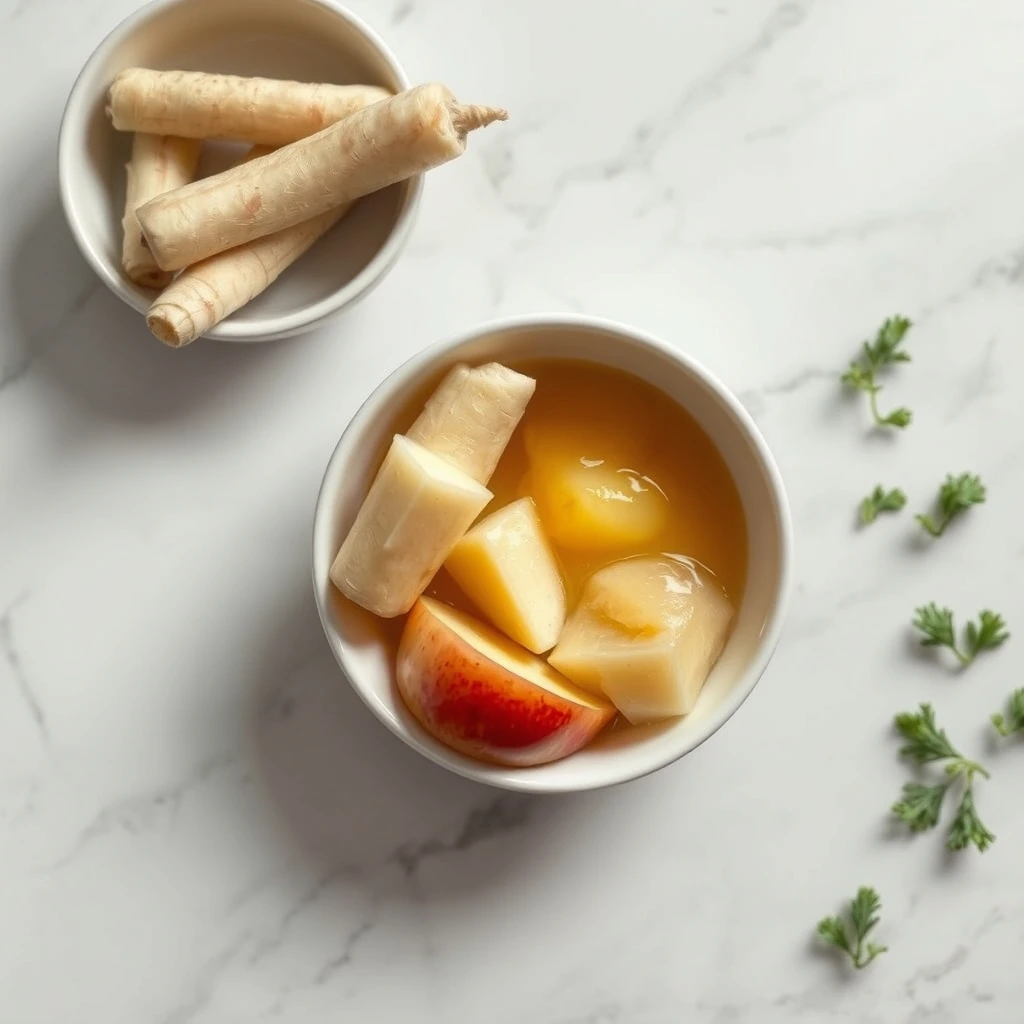
Steam Until Tender: Place the chopped parsnips and apple into a steamer basket over a pot of simmering water, ensuring the water does not touch the ingredients. Cover the pot and steam for about 15-20 minutes, or until both the parsnips and apple are very tender and easily pierced with a fork. Steaming helps retain nut
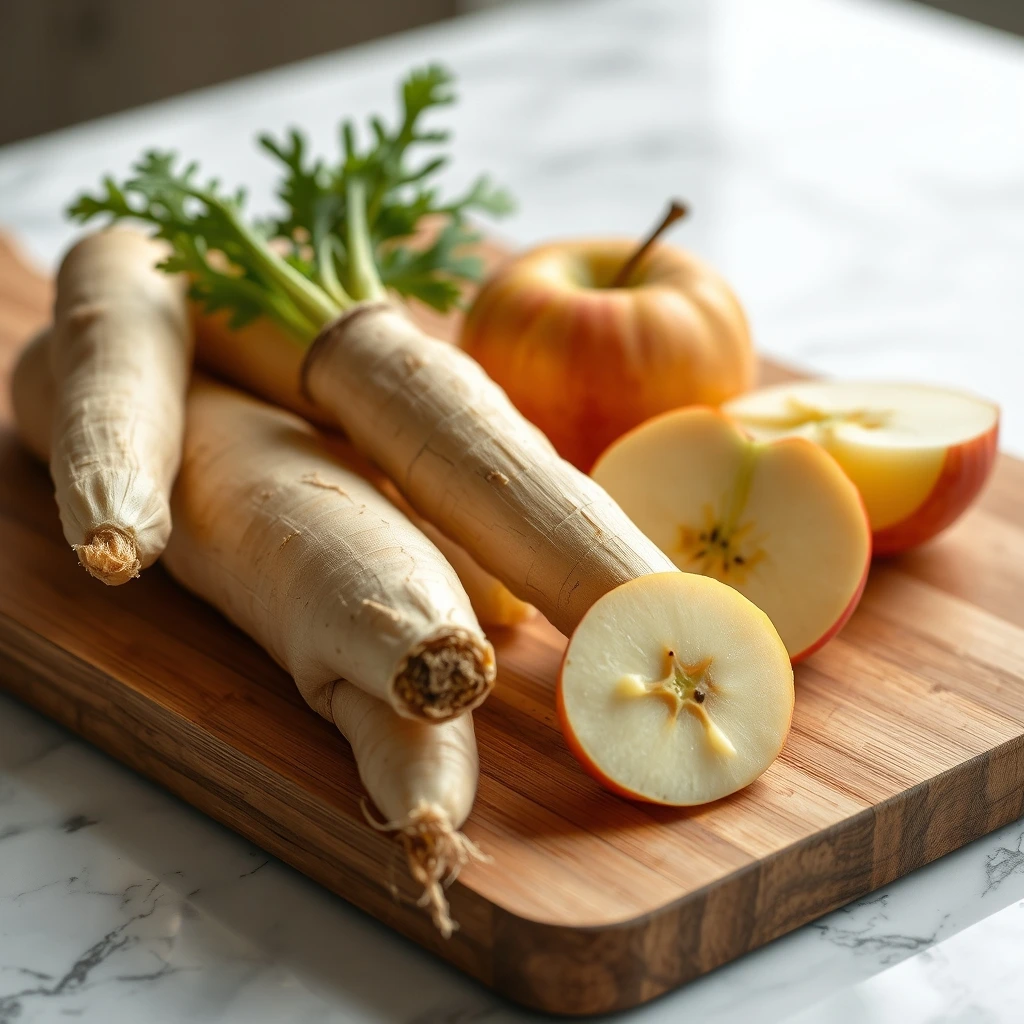
Blend to a Smooth Puree: Carefully transfer the steamed parsnip and apple pieces to a food processor or a high-speed blender. Process until a very smooth puree forms. If the mixture is too thick to blend easily, add water one tablespoon at a time, just enough to get the blades moving. You're aiming for a thick, spreada
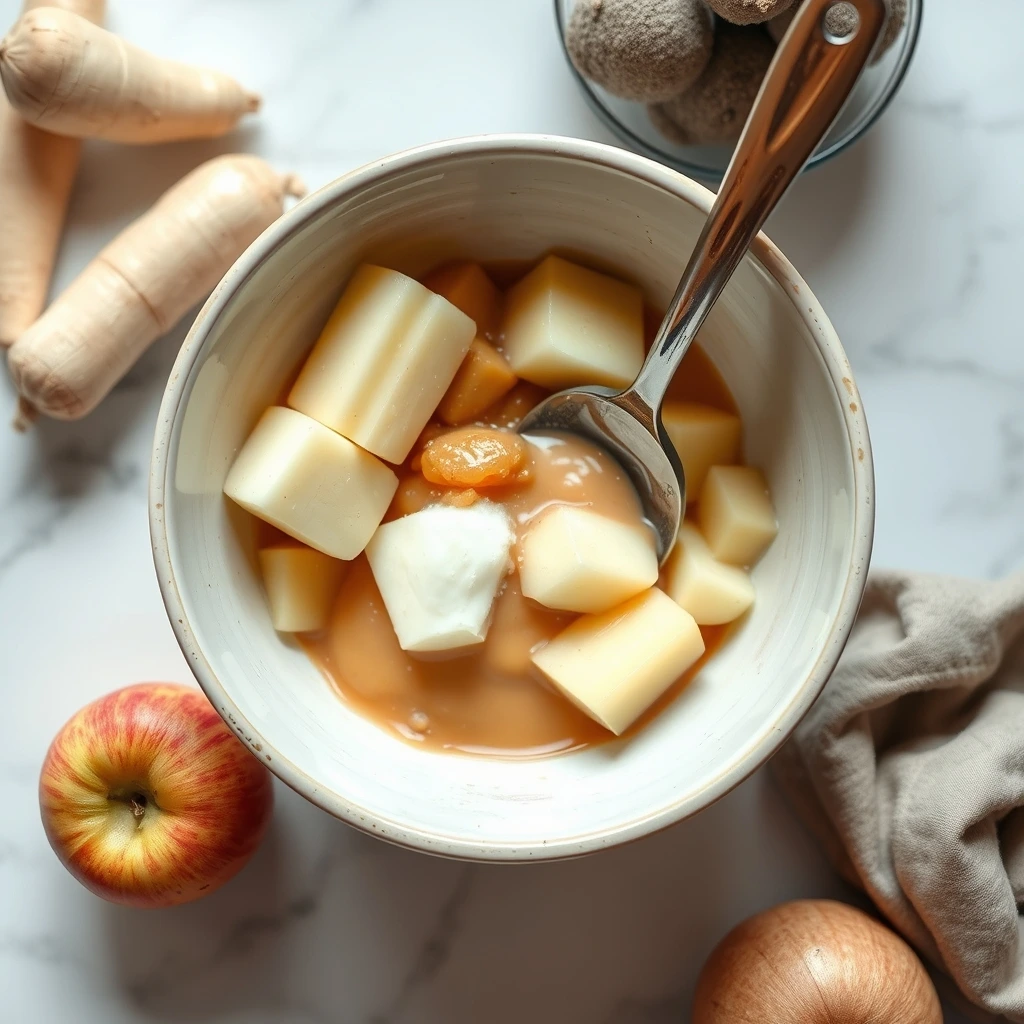
Shape the Chews: Line a baking sheet with parchment paper. Spoon the parsnip and apple puree onto the parchment paper. Using an offset spatula or the back of a spoon, spread the puree evenly to about 1/4 to 1/2-inch thickness. You can also roll out the puree between two sheets of parchment paper and use cookie cutters
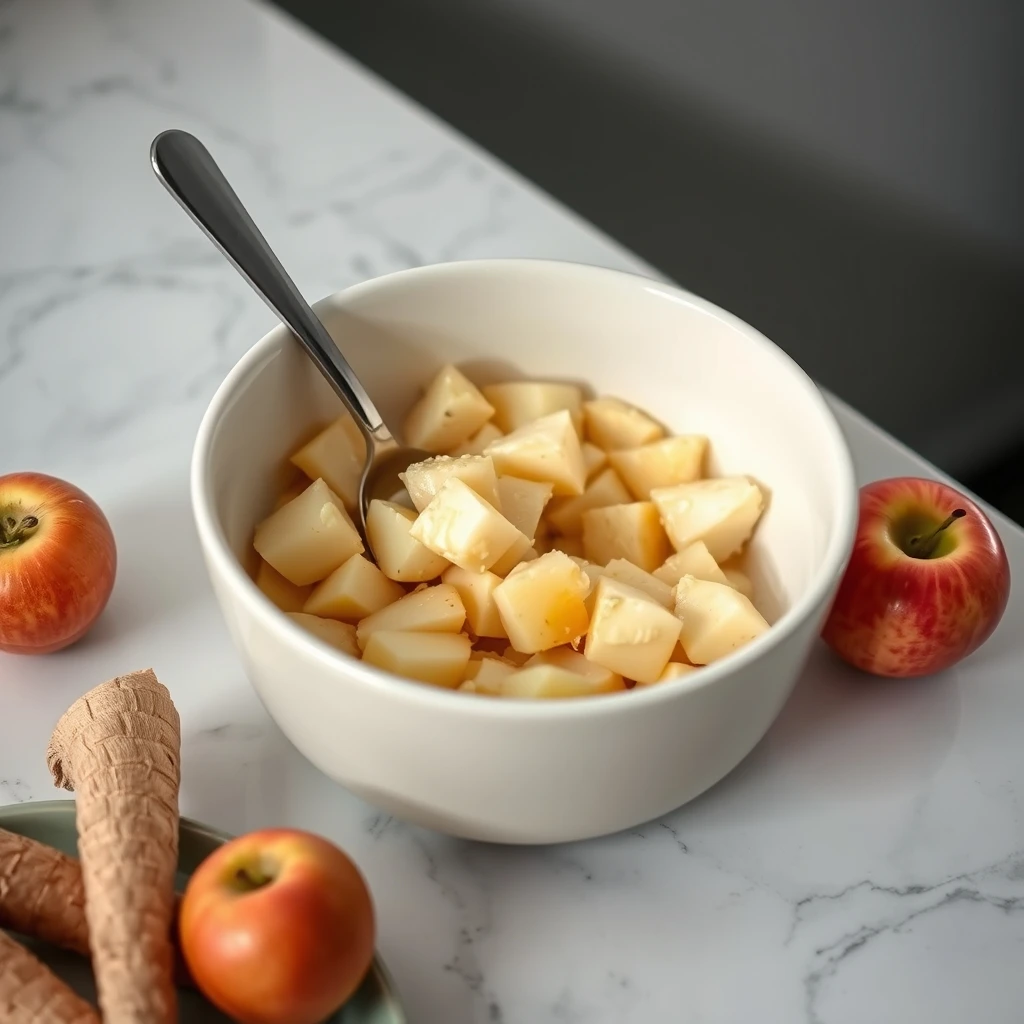
Prepare for Drying: Preheat your oven to the lowest possible setting, typically around 175°F (80°C). If your oven runs hotter, you might prop the door open slightly with a heatproof spoon to allow moisture to escape and prevent the chews from baking too quickly. The goal is to dehydrate, not to bake or brown. For pre-c
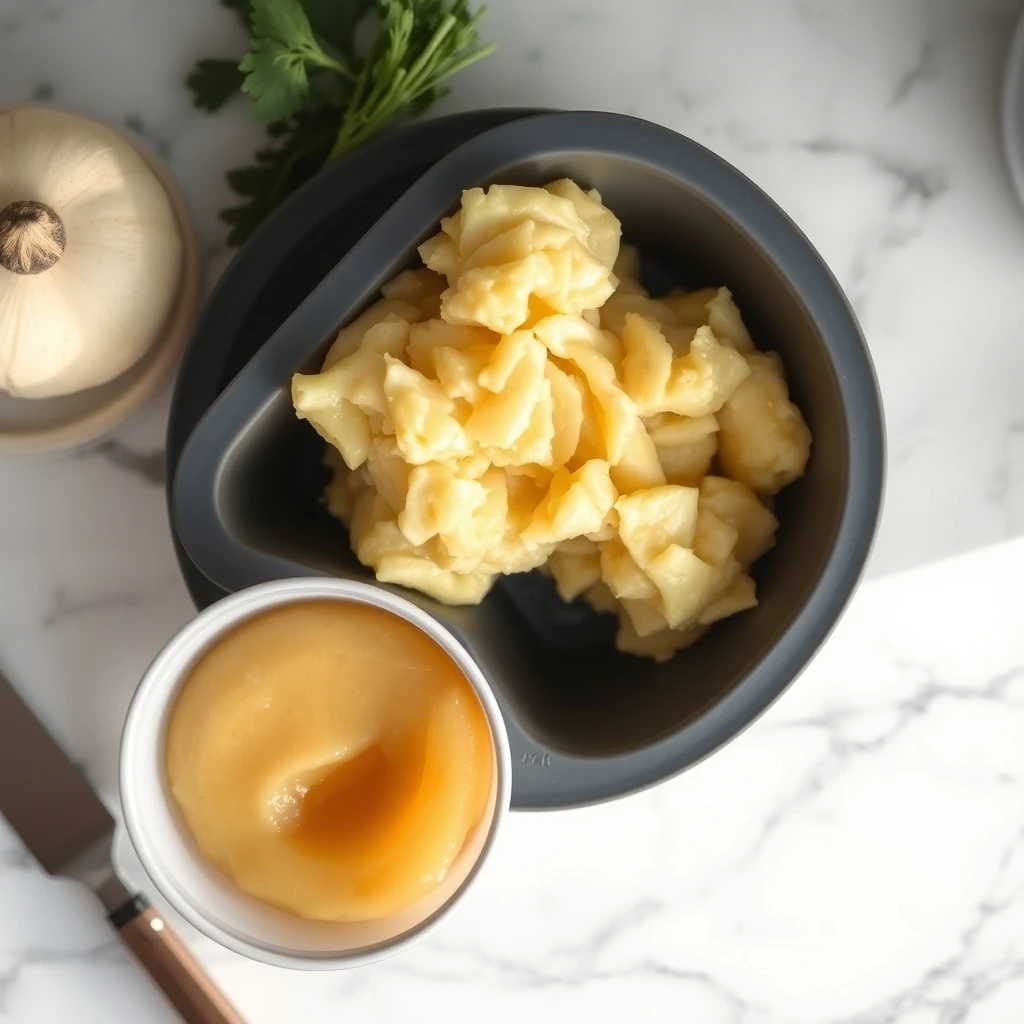
Slow Dry in the Oven: Place the baking sheet in the preheated oven. Bake for 3 to 4 hours, or even longer, depending on the thickness of your chews and your oven's temperature. Flip the chews halfway through the drying time to ensure even drying. The chews should feel firm, dry to the touch, and somewhat pliable, but n
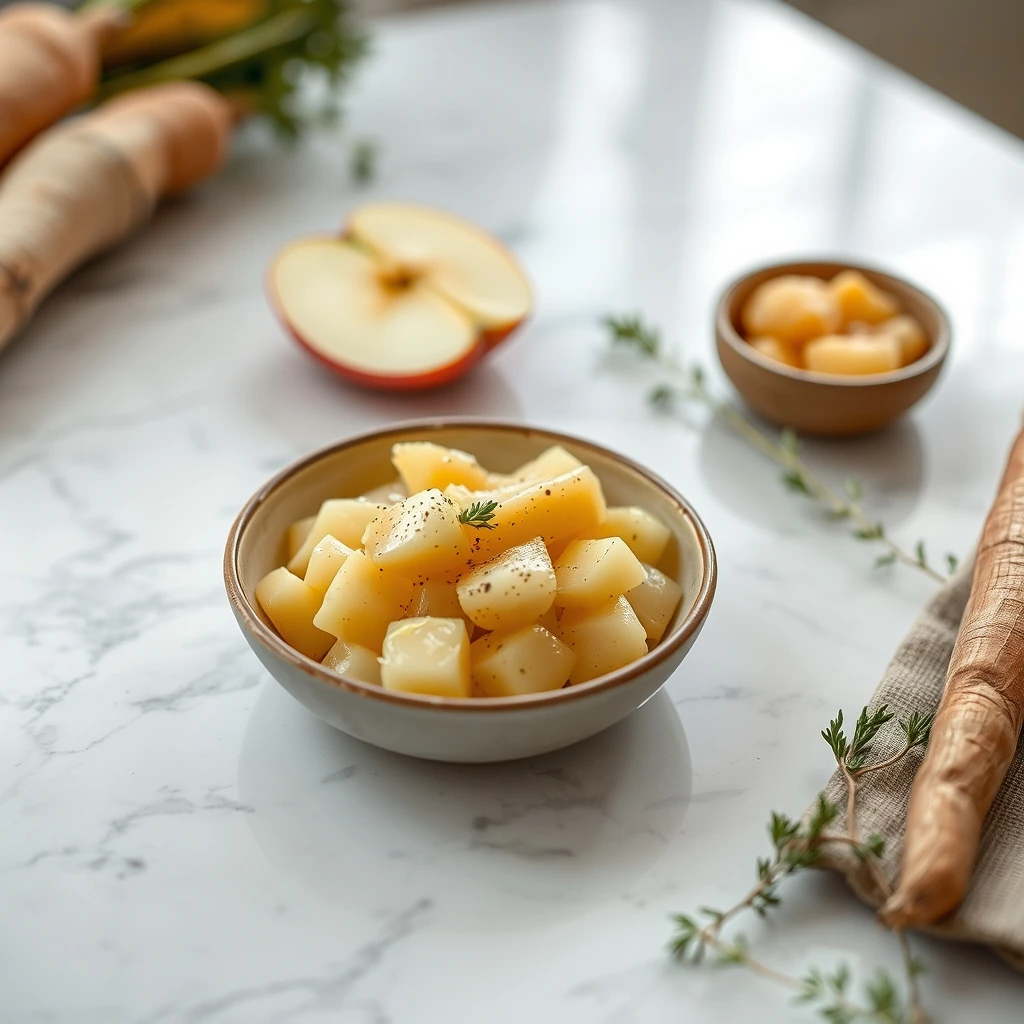
Cool and Check Texture: Once the chews are firm and dry, turn off the oven and let them cool completely on the baking sheet inside the oven with the door ajar, or on a wire rack at room temperature. This gradual cooling helps them firm up further and prevents condensation. Once fully cooled, they should have a satisfyi
Made this recipe?
Tap the paw so other pet parents know it’s worth making.
Be the first to make it
Tips & serving
These chews are intended as a supplementary treat and should always be given in moderation. The appropriate serving size will depend on your dog's size, activity level, and overall diet. A small dog might enjoy one small chew, while a larger dog could have one to two larger pieces. Always supervise your dog while they are enjoying chews to ensure safe consumption. Remember, treats should never make up more than 10% of your dog's daily caloric intake. If you have any questions about introducing new treats or dietary changes, it's always best to consult with your veterinarian.
- Provides dietary fiber for digestive support
- Offers a satisfying, long-lasting chewing experience
- Made with limited, natural ingredients
- Supports dental health through mechanical chewing action
- Utilizes seasonal root vegetables
- For easier spreading, slightly moisten your spatula or hands.
Storage
Thaw at room temperature before serving.
Substitutions
- Parsnips
Carrots or sweet potatoes can be used as a direct substitute. Ensure they are cooked until very tender.
- Apple
Pears or pumpkin puree (not pie filling) can be used instead of apple for a different flavor profile.
- Applesauce
If not using, you might need a tiny bit more water during blending to achieve the right consistency.
Dogs recipe FAQ
Can I serve this treat every day?
Treat it as an occasional extra, not a meal plan. These chews are intended as a supplementary treat and should always be given in moderation. The appropriate serving size will depend on your dog's size, activity level, and overall diet.
Can dogs have parsnip?
This recipe uses parsnip in a small, dog-appropriate amount. Skip it if your dog has a known sensitivity, and read the foods-to-avoid note on this page before serving.
How do I store this treat?
Store cooled chews in an airtight container at room temperature for up to 1 week. For longer storage, refrigerate for up to 2 weeks. Freeze for up to 3 months in a freezer-safe bag or container. Thaw at room temperature before serving.
What's the safest way to try this with my dog?
Offer a small amount beside regular food, introduce one new recipe at a time, and watch appetite, stool, skin, and behavior for a day or two.
Can I use other vegetables?
Yes, you can substitute other dog-safe root vegetables like carrots or sweet potatoes. Always research to ensure any new vegetable is safe for canine consumption before adding it to your dog's treats.
My chews are too soft. What did I do wrong?
If your chews are too soft, they likely need more drying time. The goal is to remove as much moisture as possible to achieve a firm, chewy texture. Return them to the lowest oven setting for another hour or two, checking periodically. Thicker chews will naturally take longer to dry.
Sources