

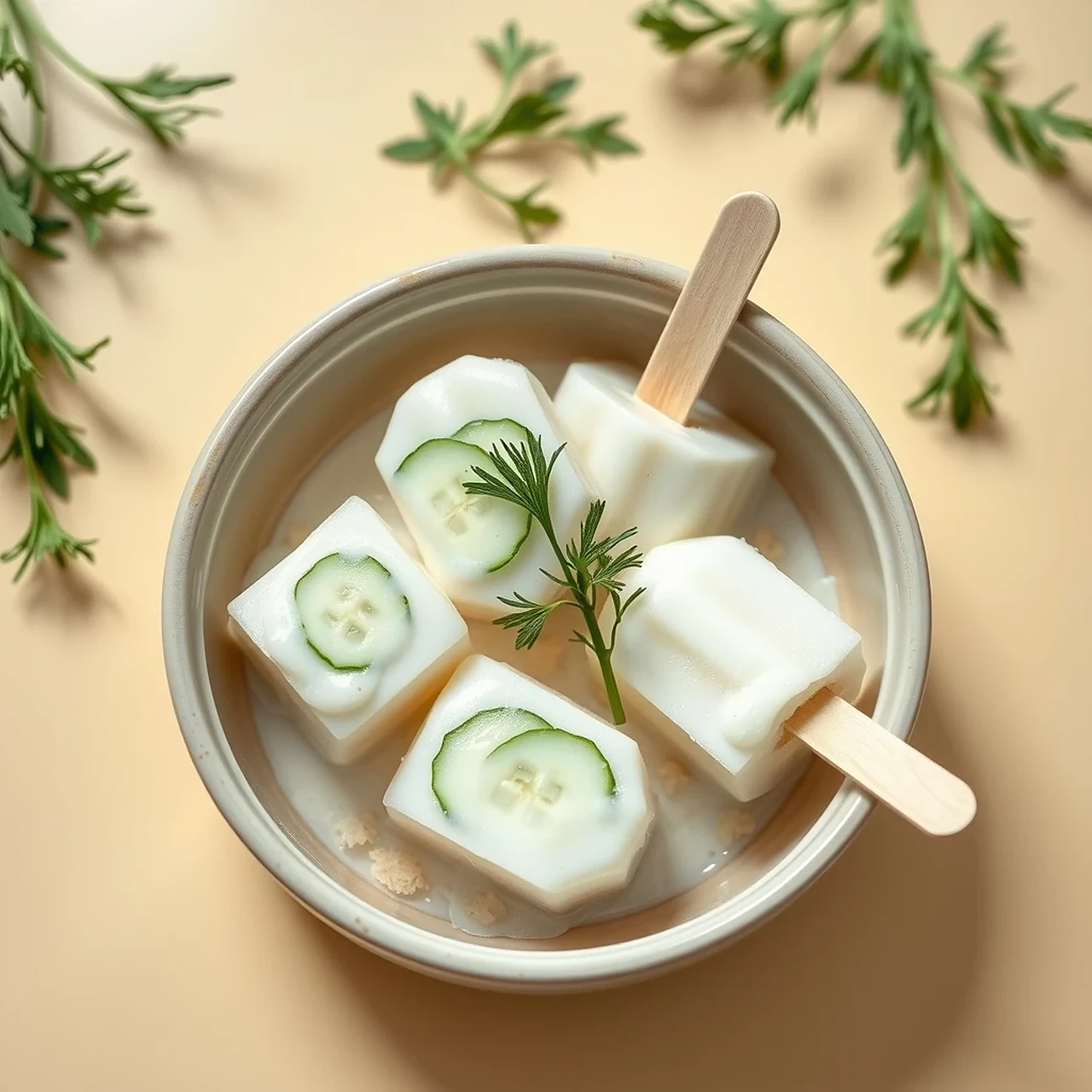
When the weather heats up, a homemade frozen treat can be a simple way to help your dog stay cool and hydrated. These Frozen Kefir and Cucumber Dill Pupsicles are refreshing and easy to make, with plain kefir providing beneficial probiotics that support your dog's digestive health. They're a wholesome option that combines simple ingredients with a cool treat dogs can enjoy on a hot afternoon. Making treats at home also means you know exactly what goes into them, with no hidden sugars, artificial flavors, or unsafe additives. This recipe uses natural ingredients known to be safe and beneficial for most dogs, and it's an easy, rewarding project to make for your furry friend. Even healthy treats should be served in moderation as part of a balanced diet. If your dog has any known sensitivities or medical conditions, or if you're planning significant changes to their diet, discuss it with your veterinarian first.
Safety first: Start with a small portion beside your dog's usual food and confirm bigger diet changes with your veterinarian.
Foods to avoid
Never use kefir or yogurt that contains added sugars, artificial sweeteners (especially xylitol, which is highly toxic to dogs), or artificial flavors. Avoid strong or potentially irritating herbs for dogs, such as onion, chives, or garlic, which are toxic. Do not use flavored kefirs as they almost always contain ingredients unsafe for dogs.
Ingredients
Instructions
Prepare Your Ingredients: Gather all your ingredients, then peel the cucumber thoroughly, slice it lengthwise, and use a spoon to scoop out the seeds. Dice the deseeded cucumber into small pieces and finely chop the fresh dill; this careful prep helps everything blend smoothly and removes parts of the cucumber that may be less digestible for some dogs.
Blend the Cucumber and Dill: Place the diced cucumber and chopped dill in your blender or food processor and blend until the mixture is as smooth as possible. A fine consistency helps keep larger pieces from settling at the bottom of the pupsicles.
Combine with Kefir: Pour the blended cucumber and dill mixture into a small mixing bowl, add the plain, unsweetened kefir, and stir thoroughly until well combined. If the mixture is too thick to pour easily, add one to two tablespoons of water and stir again until it reaches a pourable consistency.
Fill the Molds: Carefully pour the kefir and cucumber mixture into your silicone molds, filling each one almost to the top and leaving a small space for expansion during freezing. Silicone molds work especially well because they make the frozen treats easy to remove later.
Freeze Until Solid: Place the filled molds on a flat surface in your freezer and let them freeze completely for at least 3-4 hours, or preferably overnight. They should be solid enough to hold their shape and give your dog a long-lasting cool treat.
Release and Serve: Once fully frozen, gently pop the pupsicles out of their molds and serve one or two to your dog as a refreshing treat. Always supervise your dog while they enjoy frozen treats to make sure they eat them safely and don't try to swallow large pieces whole.
Made this recipe?
Tap the paw so other pet parents know it’s worth making.
Be the first to make it
Tips & serving
These pupsicles are intended as a treat, not a meal replacement. The serving size will depend on your dog's size and dietary needs. For smaller dogs, one small pupsicle per day is usually sufficient. Larger dogs might enjoy two. Always introduce new treats slowly and monitor your dog for any signs of digestive upset. Ensure the pupsicle is not too hard for your dog's teeth, especially for older dogs or those with dental issues. It's always a good practice to supervise your dog while they enjoy any frozen treat.
- Cooling Hydration: Provides essential fluids and helps lower body temperature on hot days.
- Gut Health Support: Kefir introduces beneficial probiotics, promoting a healthy digestive system.
- Nutrient Boost: Cucumbers offer vitamins K and C, potassium, and magnesium, while dill provides antioxidants.
- Engaging Activity: Licking a frozen treat offers mental stimulation and can be calming.
- For an extra nutritional boost, consider adding a tiny pinch of turmeric (known for anti-inflammatory properties) to the blend.
- If your dog is hesitant about frozen treats, you can offer a slightly thawed pupsicle initially.
Storage
Store leftover frozen pupsicles in an airtight, freezer-safe container or bag. Keep them separate to prevent sticking together.
Substitutions
- Kefir
Plain, unsweetened Greek yogurt can be used as an alternative, offering similar probiotic benefits. Ensure it contains live active cultures and no xylitol or other artificial sweeteners.
- Cucumber
You could try other dog-safe, high-water content vegetables like zucchini (peeled and deseeded) or a small amount of spinach for a different flavor profile.
- Dill
Fresh parsley or mint (in small amounts) can be used instead; both are dog-safe herbs that add a refreshing touch.
Dogs recipe FAQ
Is this treat a complete meal for my dog?
Treat it as an occasional extra, not a meal plan. These pupsicles are intended as a treat, not a meal replacement. The serving size will depend on your dog's size and dietary needs. For smaller dogs, one small pupsicle per day is usually sufficient.
Can dogs have kefir?
This recipe uses kefir in a small, dog-appropriate amount. Skip it if your dog has a known sensitivity, and read the foods-to-avoid note on this page before serving.
How do I store this treat?
Store leftover frozen pupsicles in an airtight, freezer-safe container or bag. They will keep well in the freezer for up to 2-3 weeks. Keep them separate to prevent sticking together.
What's the safest way to try this with my dog?
Offer a small amount beside regular food, introduce one new recipe at a time, and watch appetite, stool, skin, and behavior for a day or two.
Can I use flavored kefir for this recipe?
No, absolutely not. Flavored kefirs almost always contain added sugars, artificial sweeteners like xylitol (which is highly toxic to dogs), or other ingredients that are unsafe for canine consumption. Always use plain, unsweetened kefir.
My dog has a sensitive stomach. Is this treat safe?
Kefir is generally good for gut health, but every dog is different. We've peeled and deseeded the cucumber to minimize potential digestive upset. Introduce the treat slowly and in small amounts, and discontinue if you notice any adverse reactions. Always consult your veterinarian if you have concerns about your dog's diet or sensitivities.
Sources