

As a recipe tester, I'm always looking for simple ways to make healthy treats more fun for our canine companions. These Frozen Green Bean Gelatin Cubes came from that idea: a treat that feels special while still being genuinely beneficial, especially for dogs watching their weight or needing a little extra hydration during warmer months. Freezing gives them a natural crunch, while the gelatin adds a satisfying chew that makes the texture a little more interesting than a typical frozen treat. What I especially like about these cubes is how simple and wholesome they are. Green beans are a low-calorie vegetable for dogs and provide vitamins K, C, and A, along with fiber. Paired with unflavored gelatin, they become firm and chewy when frozen, so they last longer than a simple ice cube while also offering extra moisture. I've found them consistently popular with dogs of all sizes, and they're the kind of treat pet parents can feel good about offering. Even with wholesome ingredients, these treats are meant to be an occasional addition to your dog's balanced diet. Any significant changes to your pet's diet should always be discussed with your veterinarian to make sure they're appropriate for your dog's individual health needs.
Safety first: Every dog is different: age, allergies, and health conditions all matter, so check with your vet when in doubt.
Foods to avoid
Always use plain, unflavored gelatin. Do NOT use flavored gelatin mixes, which contain sugar, artificial sweeteners (like xylitol, which is highly toxic to dogs), and other ingredients unsuitable for pets. Ensure green beans are plain, with no added salt, butter, oils, or seasonings. Always avoid feeding your dog grapes, raisins, onions, garlic, chocolate, or avocado, as these are toxic.
Ingredients
Instructions
Prepare the Green Beans: If using fresh green beans, wash them and trim both ends; if using frozen, there's no trimming needed. Place the green beans in a small saucepan with 1/2 cup of filtered water, bring to a gentle boil, then reduce the heat and simmer for 5 minutes, or until tender-crisp. This softens the beans so they're easier to blend and digest.
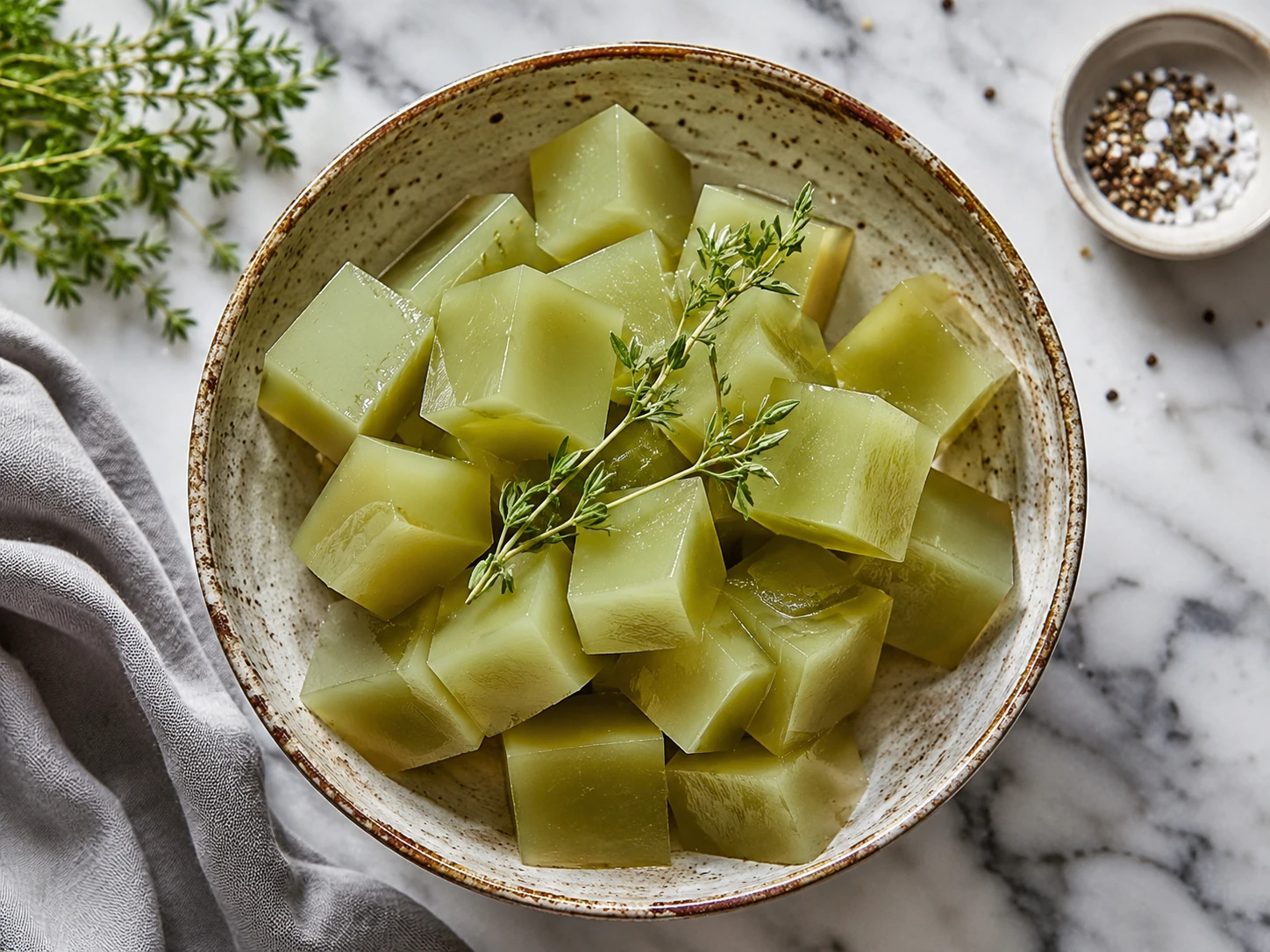
Blend Green Beans into Puree: Carefully drain any excess water from the cooked green beans, reserving a tablespoon or two if needed, then transfer the tender beans to a blender or food processor. Add 1/2 cup of fresh filtered water and blend until the puree is smooth and consistent, with no large chunks remaining. A smooth puree helps give the treats an even texture and allows the gelatin to set properly.
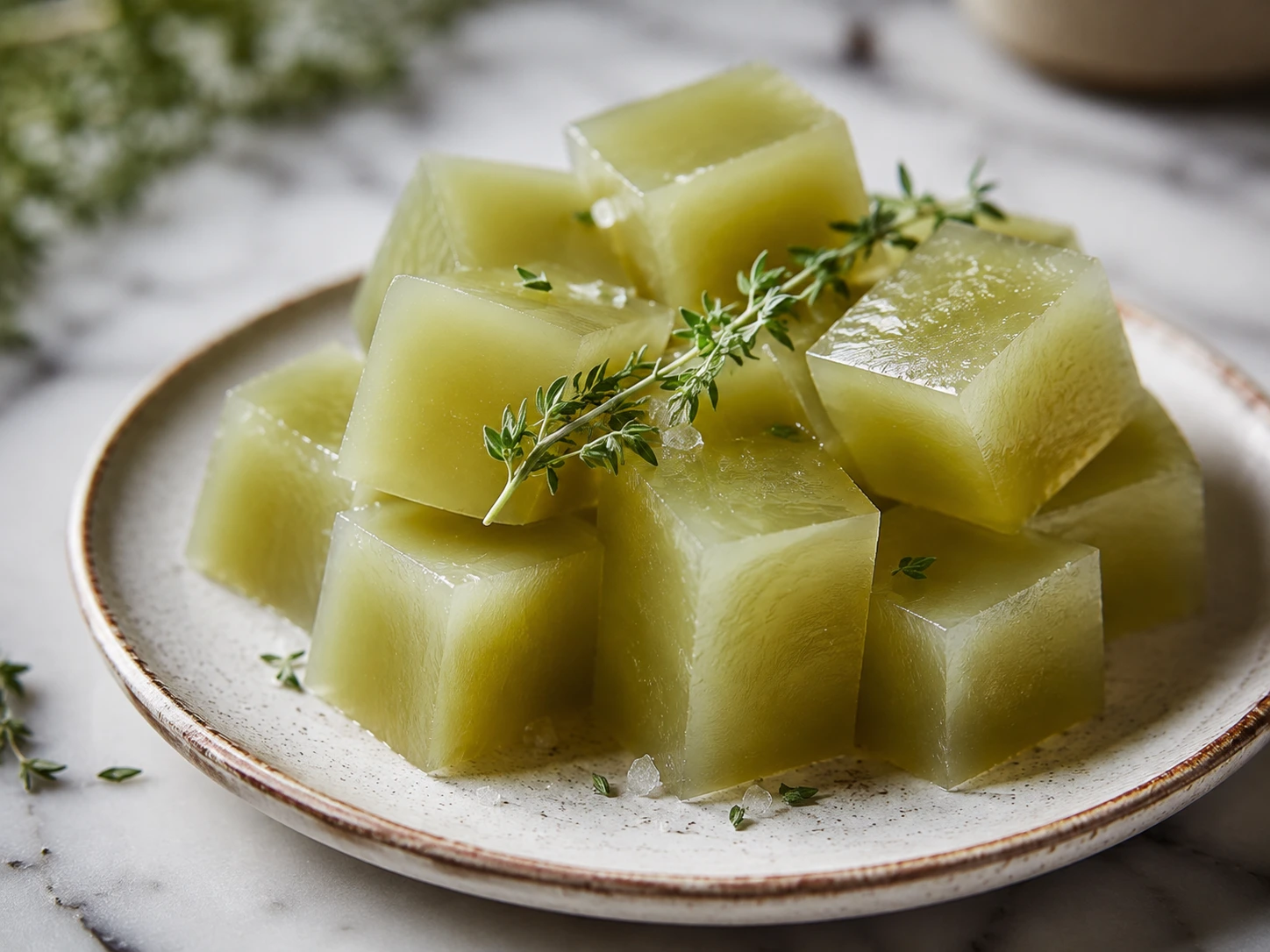
Activate the Gelatin: In a separate small mixing bowl, sprinkle the unflavored gelatin powder evenly over 1/2 cup of cold filtered water and let it sit for 2-3 minutes without stirring; this lets the gelatin "bloom," or absorb the water, so it will dissolve properly. Once bloomed, add 1/2 cup of very hot, but not boiling, filtered water and whisk continuously until the gelatin is completely dissolved and no granules remain. The finished mixture should be a clear, liquid solution.
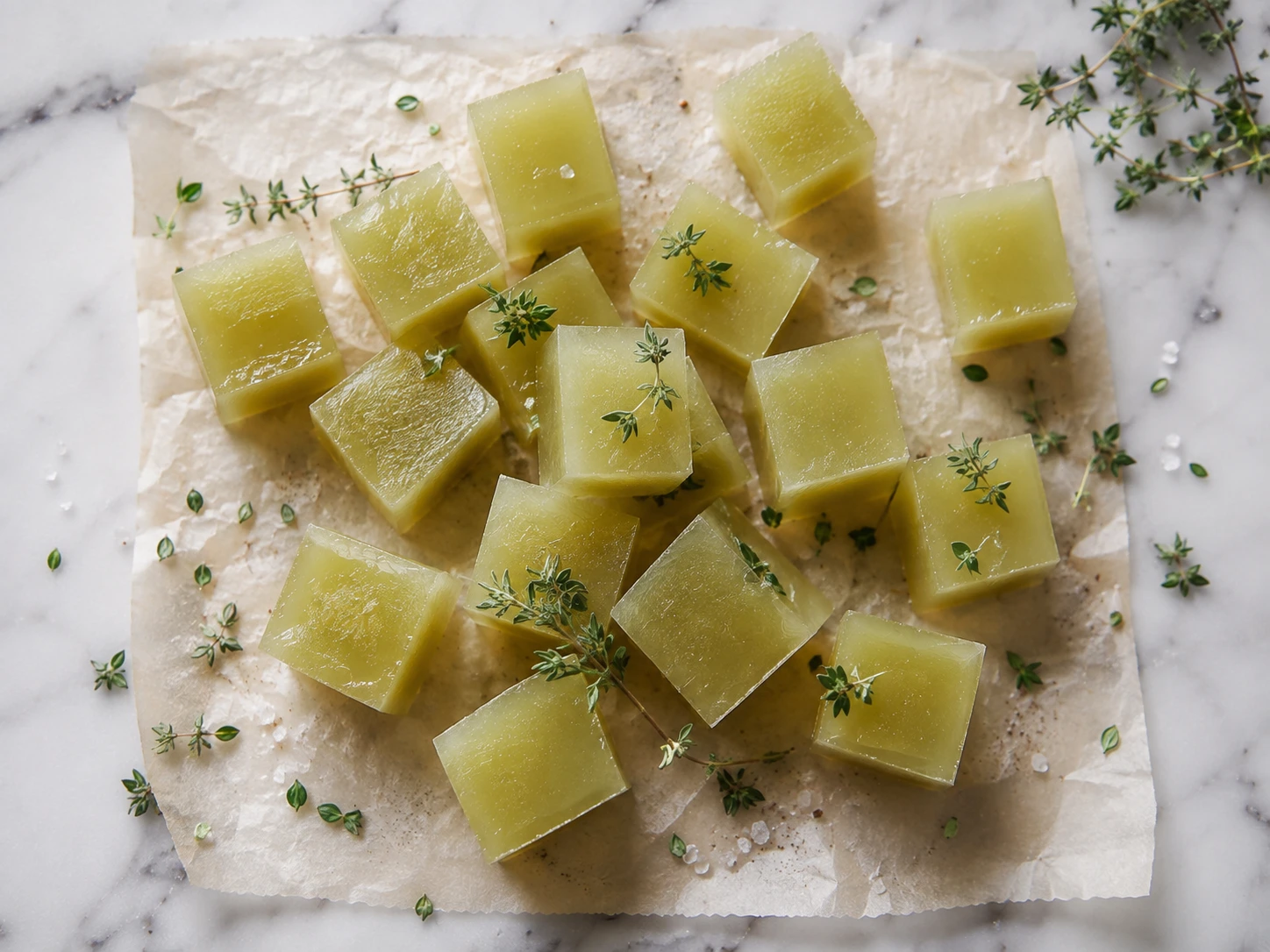
Combine Mixtures: Pour the smooth green bean puree into the bowl with the dissolved gelatin mixture. Whisk thoroughly until everything is well combined and the mixture is uniform in both color and texture. Take your time here so everything is fully incorporated and the finished treats are consistent.
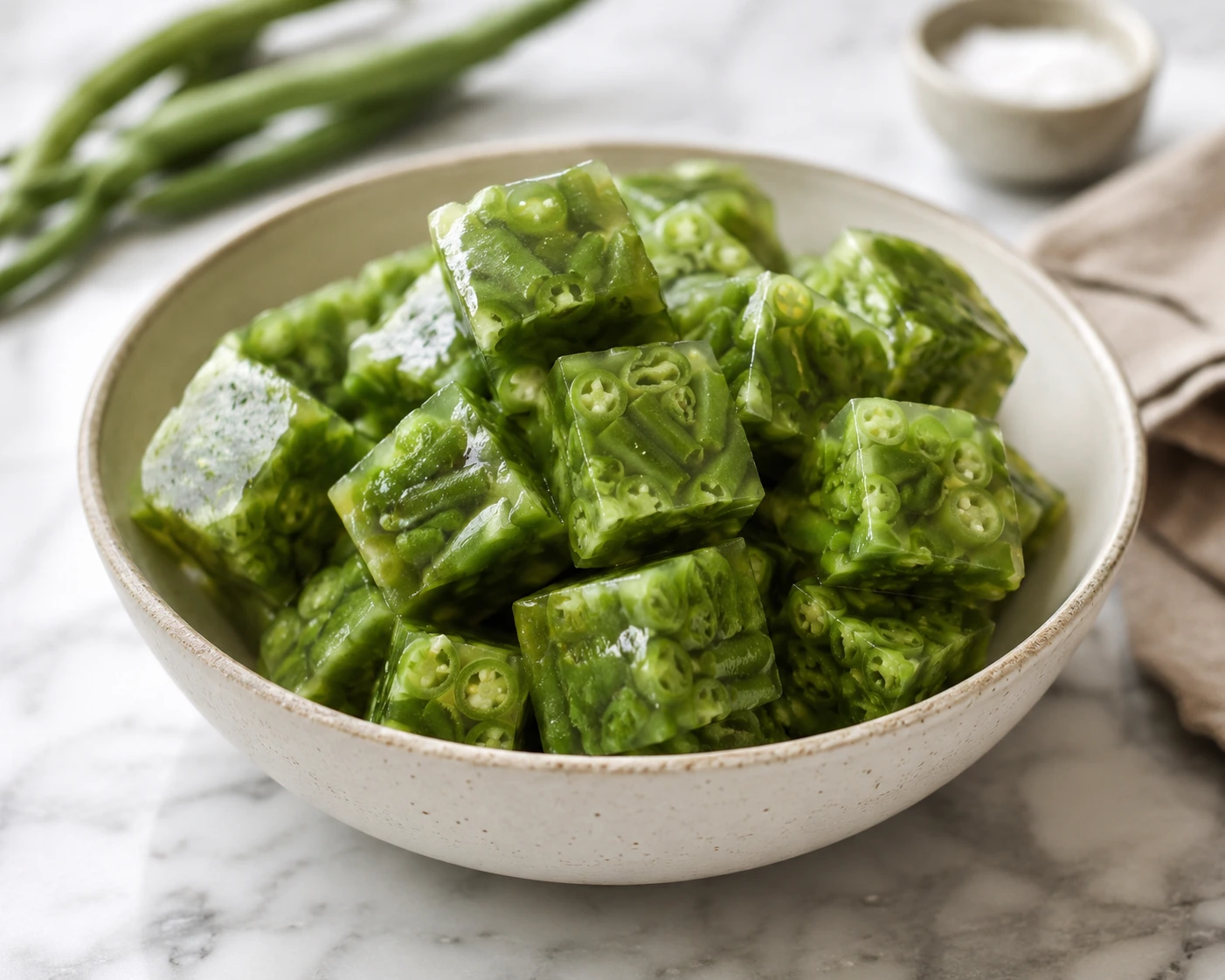
Pour into Molds: Carefully pour the combined green bean and gelatin mixture into your silicone ice cube molds, filling each cavity almost to the top. Small, bite-sized molds are generally best for dog treats because they're easier to portion and thaw more quickly. This recipe is designed to fill typical small ice cube trays.
Freeze Until Firm: Place the filled silicone molds on a flat surface, such as a baking sheet, and transfer them to the freezer. Freeze for at least 2-3 hours, or until the cubes are completely solid and firm to the touch, so they hold their shape and have the desired chewy, frozen texture. Once frozen, they can be easily popped out of the flexible silicone molds.
Made this recipe?
Tap the paw so other pet parents know it’s worth making.
Be the first to make it
Tips & serving
These treats are intended as an occasional snack. Start by offering one or two small cubes per day, depending on your dog's size and dietary needs. Always monitor your dog when introducing new treats to ensure they chew properly and do not swallow large pieces whole. Adjust the quantity based on your dog's overall diet and activity level. Remember to always provide fresh water alongside any treats. For any major dietary changes or concerns, consult your veterinarian.
- Low-calorie snack option
- Supports hydration, especially in warm weather
- Provides a satisfying, long-lasting chew
- Good source of vitamins (K, C, A) and fiber from green beans
- Easy to digest for most dogs
- Free from artificial colors, flavors, and preservatives
Storage
Once frozen solid, pop the cubes out of the silicone molds. Store the frozen green bean gelatin cubes in an airtight freezer-safe container or freezer bag.
Substitutions
- For green beans
While green beans are ideal for their low-calorie profile, you could experiment with other dog-safe, low-starch vegetables like cooked carrots or zucchini, ensuring they are pureed smoothly.
- For water
Bone broth (low sodium, no onion/garlic) could be used instead of water for added flavor and nutrients, but be mindful of its overall sodium content if using frequently.
Dogs recipe FAQ
Can I serve this treat every day?
Treat it as an occasional extra, not a meal plan. These treats are intended as an occasional snack. Start by offering one or two small cubes per day, depending on your dog's size and dietary needs.
Can dogs have green beans?
This recipe uses green beans in a small, dog-appropriate amount. Skip it if your dog has a known sensitivity, and read the foods-to-avoid note on this page before serving.
How should I store leftovers?
Once frozen solid, pop the cubes out of the silicone molds. Store the frozen green bean gelatin cubes in an airtight freezer-safe container or freezer bag. They can be kept in the freezer for up to 3-4 weeks for optimal freshness.
What's the safest way to try this with my dog?
Offer a small amount beside regular food, introduce one new recipe at a time, and watch appetite, stool, skin, and behavior for a day or two.
Can I use canned green beans?
It's best to use fresh or frozen green beans. If you must use canned, choose 'no salt added' varieties and rinse them thoroughly under cold water to remove any excess sodium before cooking and blending.
My dog doesn't like frozen treats. Can these be served unfrozen?
Yes, once set in the refrigerator, these can be served as chilled gelatin squares. The texture will be more jiggly than chewy, but still a refreshing treat. However, freezing them helps them last longer and provides a different textural experience.
Sources