

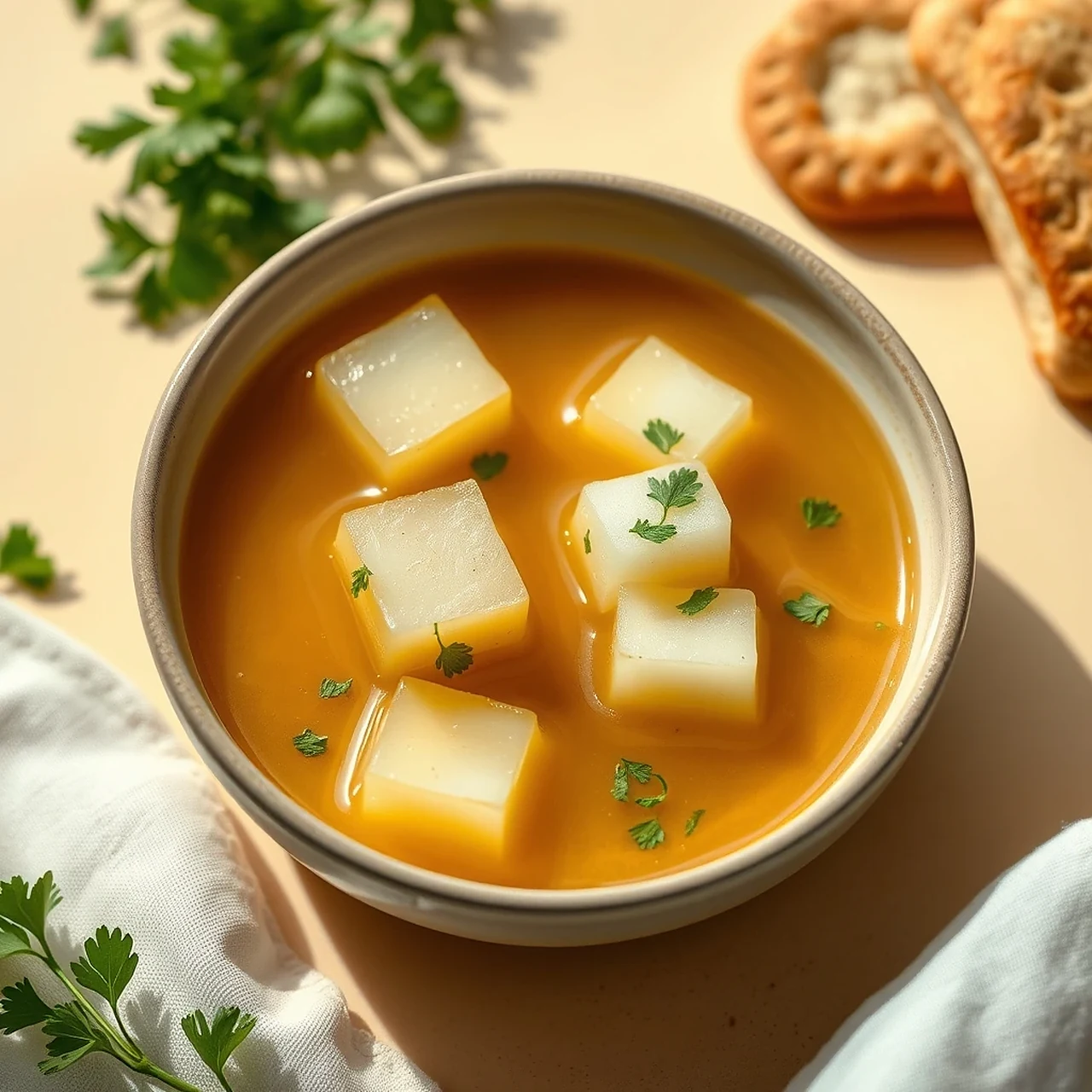
As the temperatures rise, keeping our pets properly hydrated becomes even more important. While fresh water should always be readily available, sometimes our furry friends need a little extra encouragement to drink up. This is where Cooling Veggie Broth Hydration Cubes come in as a delightful and practical solution. These easy-to-make frozen treats offer a burst of flavor that many pets find irresistible, turning a simple hydration task into an enjoyable moment. They are a wonderful alternative to high-calorie or sugary store-bought options, providing a wholesome, low-sodium snack that supports overall well-being without unnecessary additives. The preparation is straightforward, requiring minimal ingredients and equipment, making it an accessible project for any pet parent. Crafting homemade treats allows you to control exactly what goes into your pet's diet, ensuring only safe and beneficial ingredients are used. Always remember to choose a vegetable broth that is specifically low in sodium and free from harmful ingredients like onion, garlic, or xylitol, which are toxic to pets. For any significant changes to your pet's diet, a conversation with your veterinarian is always recommended to ensure it aligns with their individual health needs.
Safety first: Offer a small taste the first time and watch your dog for any tummy upset before serving more.
Foods to avoid
Never use broth containing onion, garlic, leeks, chives, or xylitol, as these are toxic to pets. Always choose low-sodium options. Do not feed large quantities at once, as this can cause stomach upset or be too cold for sensitive pets.
Ingredients
Instructions
Gather and Prepare Ingredients: Begin by gathering your ingredients and equipment. Carefully check the label of your vegetable broth to ensure it is low in sodium and completely free of onion, garlic, leeks, chives, and xylitol, all of which are harmful to pets. If using, finely chop the fresh parsley. This careful rev
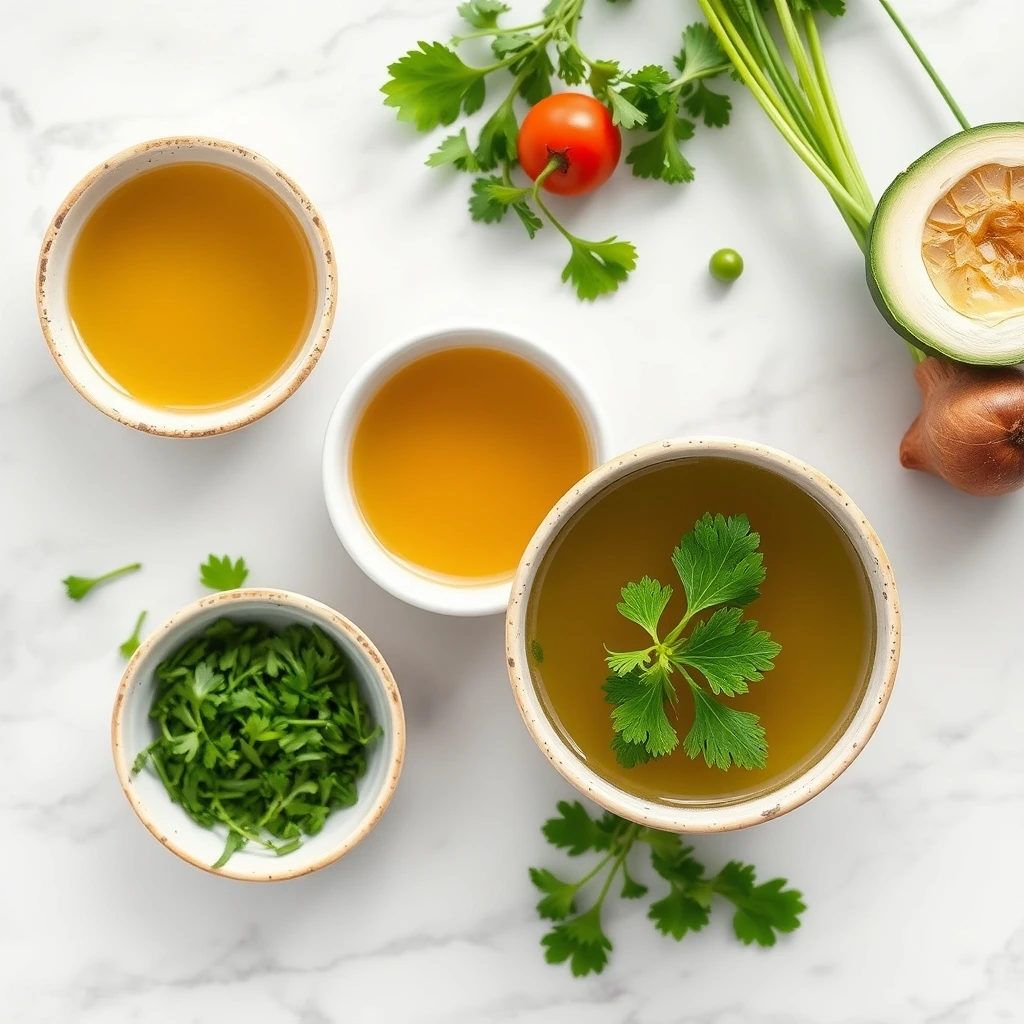
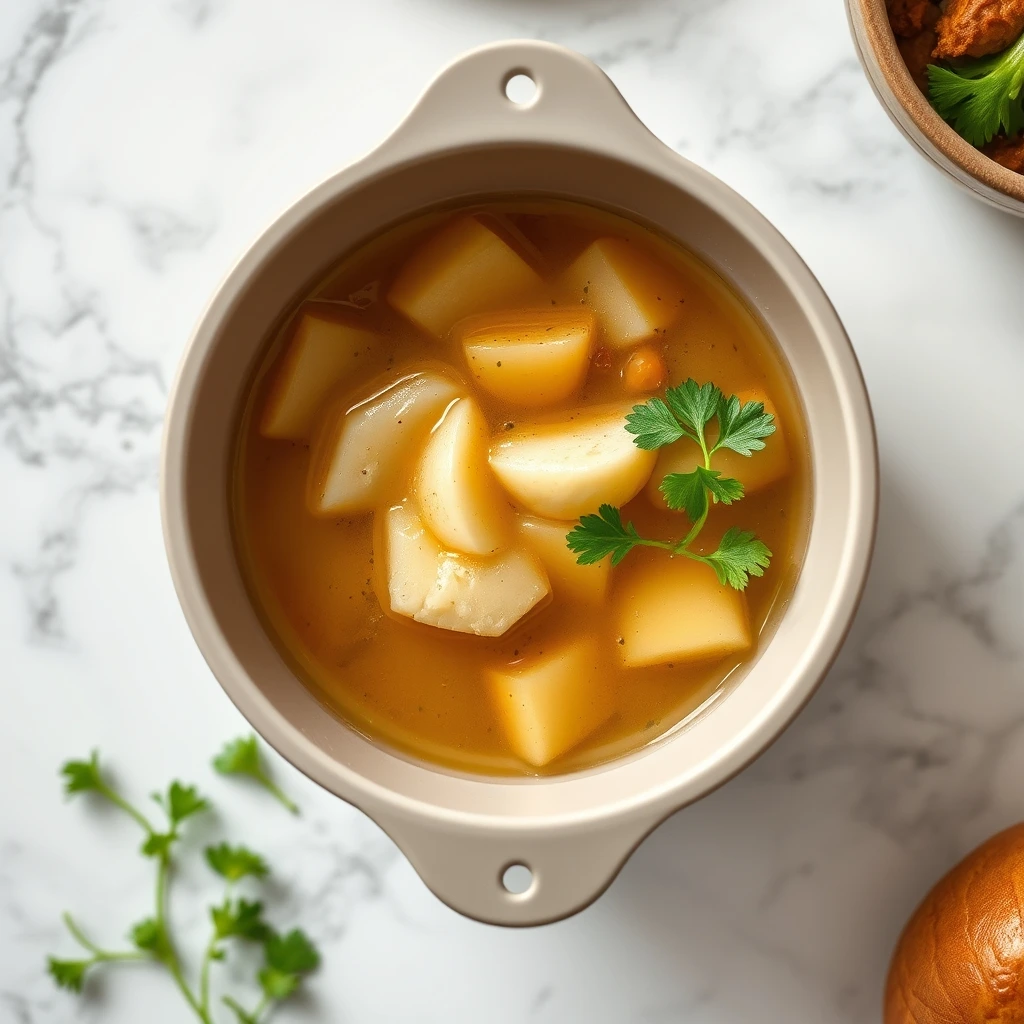
Combine Broth and Optional Additions: Pour the 2 cups of pet-safe vegetable broth into a clean measuring cup or a small bowl. If you are adding the optional fresh parsley, stir it into the broth now using a whisk or spoon. The parsley adds a subtle fresh aroma and a hint of green, making the cubes visually appealing. E

Fill Silicone Molds: Carefully pour the broth mixture into your silicone ice cube molds. Fill each cavity almost to the top, leaving just a tiny bit of space for expansion during freezing. Silicone molds are recommended because they make it much easier to remove the frozen cubes later without breaking them. Avoid overf
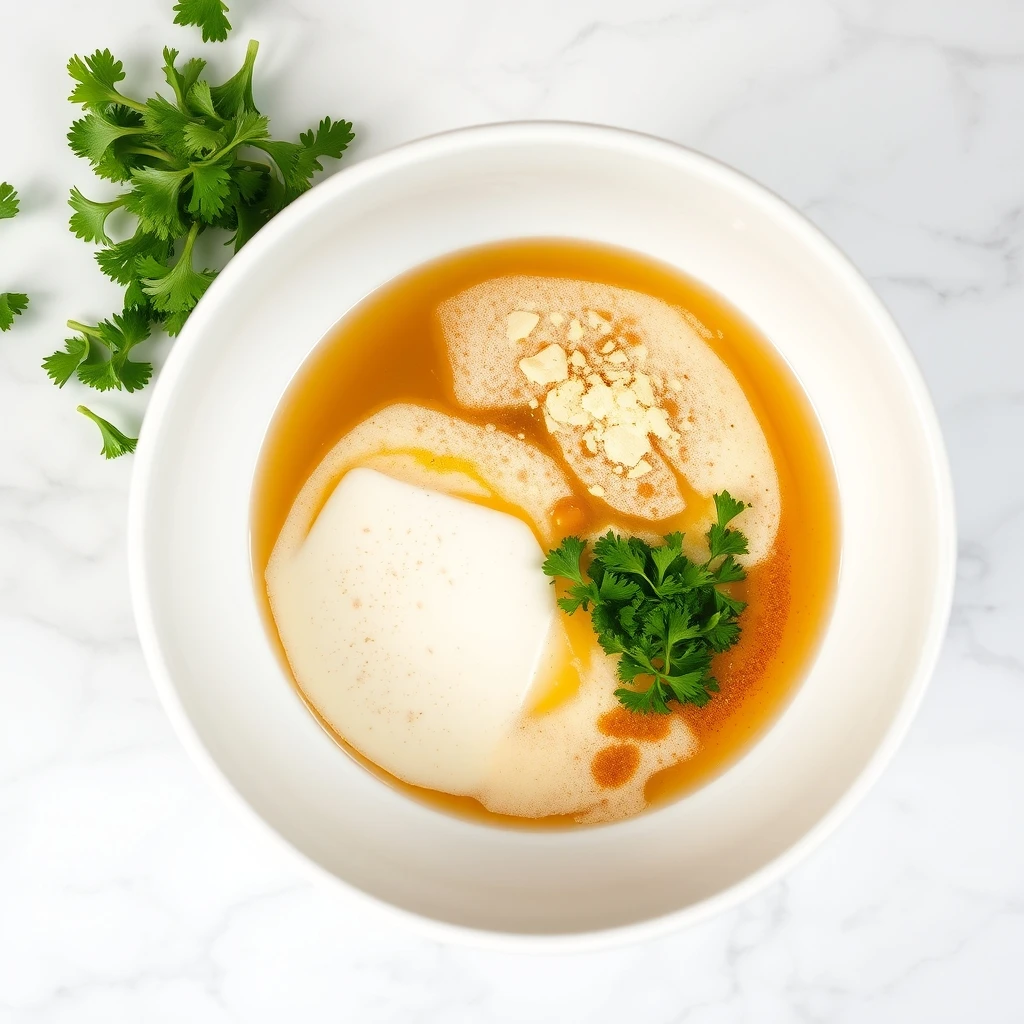
Freeze Until Solid: Once all the molds are filled, carefully transfer the entire tray to your freezer. Place it on a flat, stable surface to prevent spills. Allow the cubes to freeze completely solid, which typically takes about 3 to 4 hours. Ensuring they are fully frozen prevents them from sticking together or meltin
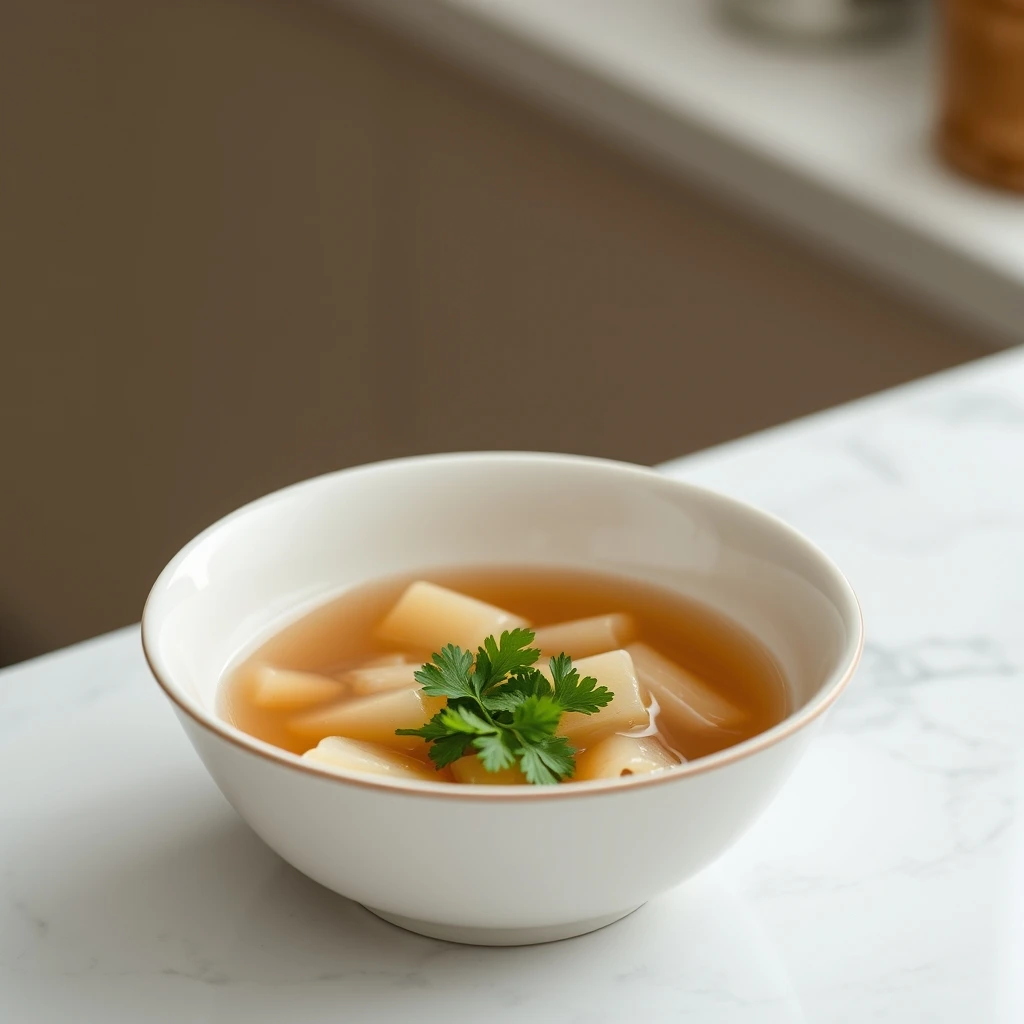
Demold the Hydration Cubes: Once the cubes are frozen solid, remove the mold from the freezer. Gently twist and push the bottom of each silicone cavity to pop out the frozen cubes. Silicone's flexibility makes this process simple and prevents the cubes from breaking. Be mindful not to apply excessive force.
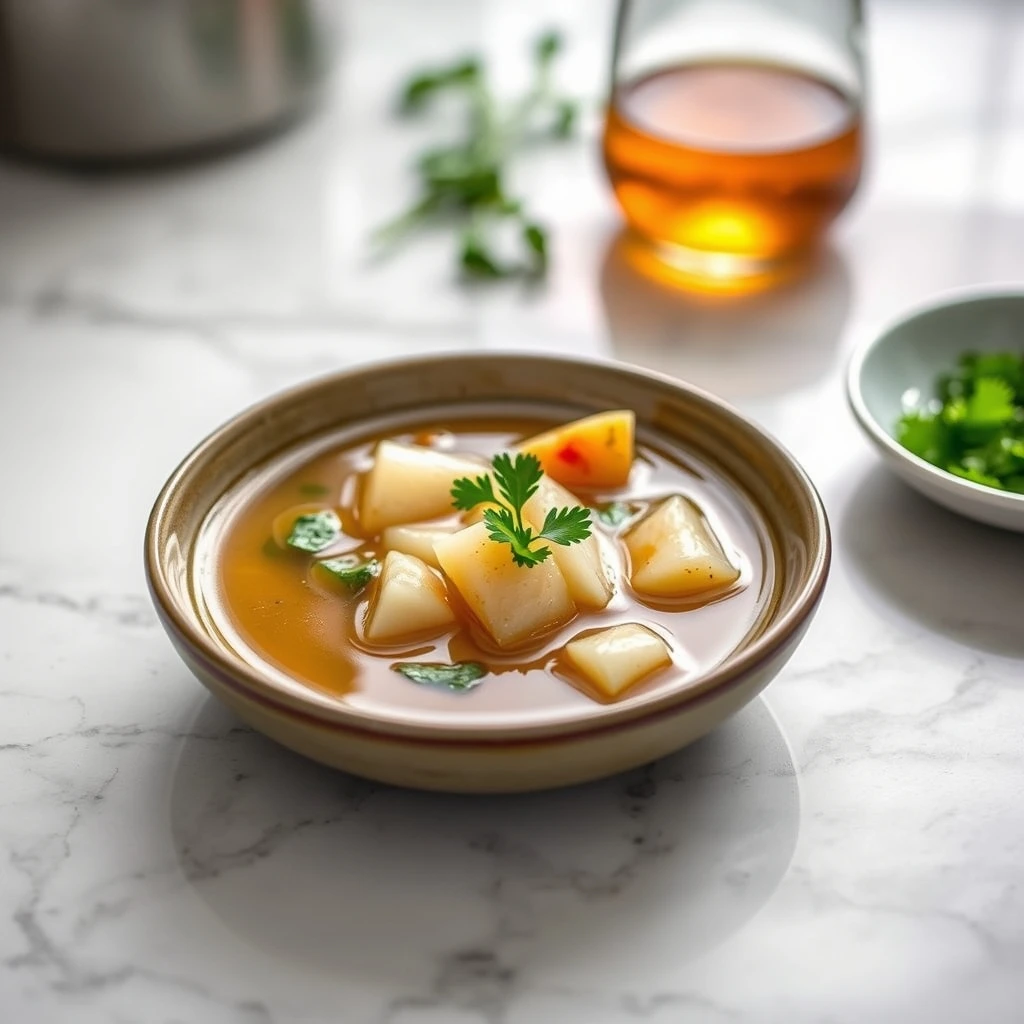
Store for Future Enjoyment: Transfer the demolded Cooling Veggie Broth Hydration Cubes into an airtight, freezer-safe container or a resealable freezer bag. Label the container with the date. Proper storage in an airtight container prevents freezer burn and keeps the cubes fresh and palatable for your pets for several
Made this recipe?
Tap the paw so other pet parents know it’s worth making.
Be the first to make it
Tips & serving
These cubes are intended as a treat and not a meal replacement. For small dogs and cats, one small cube per day is a good starting point. For larger dogs, two to three small cubes may be appropriate. Always introduce new treats slowly and in moderation. Observe your pet for any digestive upset. Fresh drinking water should always be available. If you have any concerns about your pet's diet or hydration, please consult your veterinarian.
- Promotes hydration, especially in warm weather
- Low-calorie, healthy treat option
- Easy to digest and soothing
- Free from artificial additives and excessive sodium
- Can help cool down pets internally
- Consider using fun-shaped silicone molds (like paw prints or bones) to make the treats even more appealing.
Storage
Dispose of any uneaten cubes after a few hours if left out, as they will melt and can spoil.
Substitutions
For a different flavor, you can use homemade, plain bone broth (ensure it's unsalted and free of onion/garlic). Instead of parsley, a tiny pinch of dried oregano or dill (pet-safe herbs) can be added for a different aroma, but always in very small quantities. If you don't have silicone molds, a shallow baking dish lined with parchment paper can be used. Freeze the broth, then break it into small, pet-safe pieces once solid.
Dogs, Cats recipe FAQ
Is this treat a complete meal for my dog?
Treat it as an occasional extra, not a meal plan. These cubes are intended as a treat and not a meal replacement. For small dogs and cats, one small cube per day is a good starting point. For larger dogs, two to three small cubes may be appropriate.
Can dogs have pet-safe vegetable broth?
This recipe uses pet-safe vegetable broth in a small, dog-appropriate amount. Skip it if your dog has a known sensitivity, and read the foods-to-avoid note on this page before serving.
How should I store leftovers?
Store frozen in an airtight, freezer-safe container for up to 3 weeks. Dispose of any uneaten cubes after a few hours if left out, as they will melt and can spoil.
What's the safest way to try this with my dog?
Offer a small amount beside regular food, introduce one new recipe at a time, and watch appetite, stool, skin, and behavior for a day or two.
Can I use chicken or beef broth instead of vegetable broth?
Yes, absolutely! Just like with vegetable broth, it is crucial to ensure that any chicken or beef broth you use is unsalted and completely free of onion, garlic, and any other pet-toxic ingredients. Homemade plain bone broth is often an excellent and safe option.
My pet is sensitive to cold. How can I offer these cubes?
If your pet is sensitive to very cold items, you can let the cube sit out for 5-10 minutes before offering it, allowing it to soften slightly. Alternatively, you can add a cube to their water bowl, which will slowly infuse the water with flavor as it melts, making the water more enticing without being too cold.
Sources