

You have probably seen bone broth poured over dog food to make a meal smell more tempting, or offered as a little extra on a cold day. It looks simple enough: bones simmered in water until the liquid turns golden and smells savoury. But the broth in your fridge or supermarket trolley might contain ingredients that are unsuitable for your dog, even if the label makes it sound wholesome. The answer to can dogs have bone broth is yes, in many cases, provided you pay attention to how it was made and what went into the pot. Plain bone broth can be an occasional addition to a dog's usual food, but it should not replace a complete, balanced diet. Salt, onion, garlic, concentrated stock, excess fat and cooked bone fragments are the main concerns to watch for. Your dog's age, health and existing diet also matter. Before offering a spoonful, check the ingredients, let the broth cool and consider whether your dog has any dietary restrictions that call for advice from a veterinarian.
Is bone broth safe for dogs?
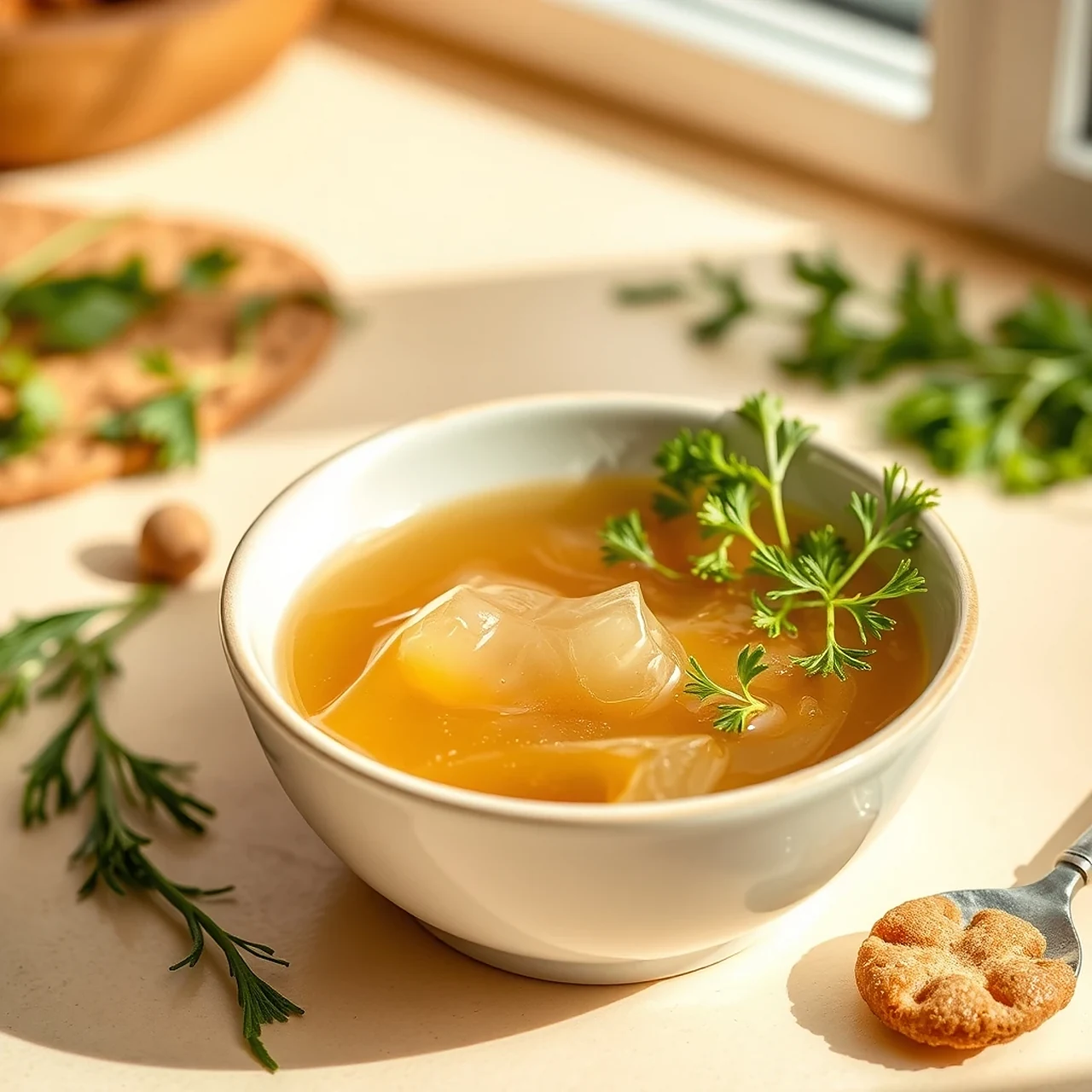
Plain bone broth can be safe for many healthy dogs when it is prepared with dog-safe ingredients and served as a small addition to their normal food. It is generally made by simmering animal bones in water, sometimes with meat or connective tissue, then straining the liquid. The finished broth adds moisture and a meaty smell that some dogs find appealing. That can be useful if your dog tends to leave dry kibble untouched, although a change in appetite should be discussed with your vet rather than covered up with tastier extras.
The trouble is that bone broth is not one standard product. A homemade batch might contain nothing but beef bones and water, while a carton from the supermarket could contain salt, onion powder, garlic or flavourings. Restaurant broth can be even harder to assess because you may not know how much seasoning went into the pot. So, is bone broth safe for dogs? It depends on the ingredients and preparation, not the name on the container. If you cannot confirm what is in it, choose a different option.

Check the ingredients before serving
Onion and garlic are the ingredients I would check for first. Both can damage a dog's red blood cells, and they may appear in broth as powders, extracts or seasoning blends rather than obvious pieces of vegetable. Cooking does not make onion or garlic safe for dogs. If a carton lists onion powder, garlic powder, onion extract or garlic extract, do not serve it to your dog. If your dog has already consumed a broth containing either ingredient, contact your veterinarian for advice and explain what was in the product and how much was consumed.
Other ingredients deserve a closer look, too. Heavy seasoning, spicy additions and flavouring blends can upset your dog's stomach or introduce ingredients that are unsuitable for pets. Avoid broths made with sauces or seasoning mixes unless every ingredient has been checked. Plain beef or chicken bones simmered in water are a more straightforward starting point for homemade bone broth for dogs. You do not need to add vegetables or herbs to make it appealing. Keep the recipe simple, and strain the liquid thoroughly before it reaches your dog's bowl.

Why sodium and fat matter
Salt is another reason not to pour ordinary stock or cooking broth straight into your dog's bowl. Many products intended for people contain added sodium for flavour, and concentrated stock can be particularly salty. Dogs need sodium as part of a balanced diet, but a salty broth is not a sensible way to supply it. A large intake of salt can be dangerous, especially if a dog consumes a concentrated product. If you are comparing cartons, look for an unsalted or very low sodium option and check the full ingredient list as well as the nutrition panel. Low sodium does not automatically mean dog-safe.
Fat can be a problem even when the broth contains no added salt. As bones and meat simmer, fat may collect on the surface, then become cloudy or solid as the broth cools. Skim off the visible fat before serving. Rich, greasy broth can upset the digestive system, and fatty foods may be unsuitable for dogs with a history of pancreatitis or other health concerns. If your dog follows a veterinary diet or has a condition that affects what it can eat, ask your vet before adding broth. Do not assume that a homemade recipe is automatically appropriate for every dog.

How to make homemade bone broth for dogs
Making broth at home gives you more control over the ingredients. Start with plain beef or chicken bones from a reliable food source and fresh water. Do not add salt, stock cubes, onion, garlic, sauces or seasoning mixes. Simmer the ingredients until the broth has developed a savoury flavour, following a suitable food-safe recipe for the type of bones you are using. There is no need to add ingredients simply because they appear in a recipe for human cooking. For your dog, the simpler version is easier to assess and leaves fewer opportunities for an unsafe addition.
Once the broth is ready, strain it carefully so no bone pieces or fragments remain. Never feed cooked bones to your dog, even if they have been simmered for hours. Cooked bones can splinter and cause choking or serious internal injury. Let the liquid cool, then remove the layer of fat that collects on top. Check the broth for stray fragments before transferring it to a clean container. If the liquid has an unusual smell, has been left out too long or you are unsure how it was stored, throw it away rather than taking a chance. Homemade does not mean risk-free, so handle the broth like any other perishable food.

How to serve bone broth to dogs
If the ingredients are safe and your dog has no relevant dietary restrictions, start by offering a little broth alongside its usual food. You can pour it over kibble, mix it into wet food or offer it in a separate bowl after it has cooled to room temperature. Never serve broth straight from a hot pan. Heat can remain trapped in the liquid even when the surface looks harmless, so check the temperature before it reaches your dog's mouth. Keep the first serving modest and watch how your dog responds over the following hours.
How much should you give? There is no single amount that suits every dog, because size, daily calorie needs, existing food and health conditions all affect what is appropriate. Think of broth as an occasional extra, not a replacement for meals or drinking water. If your dog develops digestive upset after trying it, stop offering it and contact your vet if you are concerned or the problem persists. A dog that suddenly refuses its normal meals may have an underlying problem that needs attention. Do not keep adding richer toppings to persuade a dog to eat without finding out why its appetite has changed.

Storage and signs that broth should be discarded
Bone broth is a perishable food, even when it has been simmered for a long time. Cool it promptly and refrigerate it in a clean, covered container rather than leaving the pot on the counter for hours. Follow established food safety guidance for cooling and refrigeration, and use the broth within a few days or freeze it in small portions for later. Freezing can be convenient when you only want to add a little to a meal, but thaw each portion safely in the refrigerator. Do not leave a bowl of broth sitting out for an extended period, especially in a warm room.
A sour or otherwise unusual smell, visible mould, unexpected changes in appearance or a container that has been stored incorrectly are good reasons to discard the broth. Smell alone cannot tell you whether a food is safe, so do not rely on a quick sniff if you are unsure about its history. Keep homemade broth separate from raw meat and clean utensils and work surfaces after preparation. If your dog gets into an old container or drinks broth that may contain unsafe ingredients, call your veterinarian for advice instead of waiting for symptoms. Tell them what the broth contained, how it was stored and roughly when your dog drank it.

Can Dogs Have Bone Broth Safely? Ingredients, Sodium and Serving Tips FAQ
Can dogs have bone broth every day?
Some healthy dogs may tolerate a small amount as a regular food extra, but daily use is not necessary for every dog. Keep it within your dog's overall diet and ask your veterinarian if your dog has health concerns or special dietary needs.
Can dogs drink beef broth from the supermarket?
They can drink some beef broth products if the full ingredient list is suitable, but many supermarket broths contain added salt, onion or garlic. Choose a plain, unsalted product only after checking the label carefully.
Is bone broth safe for dogs with no added salt?
A no-salt-added broth can be a better choice, but it still needs to be free from onion, garlic and other unsuitable ingredients. Check the label, account for your dog's individual needs and serve it only as an extra.
Can dogs have chicken bone broth?
Plain chicken bone broth can be suitable for many dogs if it contains no unsafe seasonings and has been strained thoroughly. Keep cooked chicken bones away from your dog because they can splinter and cause injury.
Can I give my dog bone broth with onion or garlic if it has been cooked?
No. Cooking does not make onion or garlic safe for dogs, and powdered forms count too. If your dog has consumed broth containing either ingredient, contact your veterinarian promptly for advice based on the product and amount eaten.
Can bone broth replace my dog's drinking water?
No. Your dog should always have access to fresh drinking water. Bone broth can add moisture to food, but it should not replace water or become the main source of hydration.